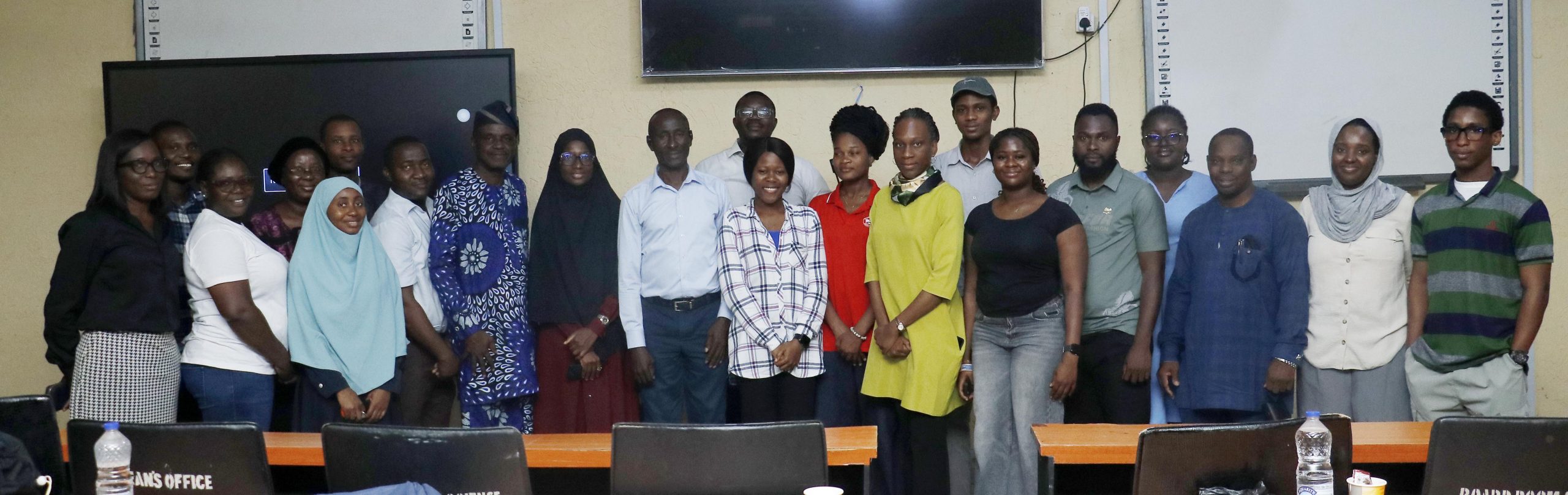
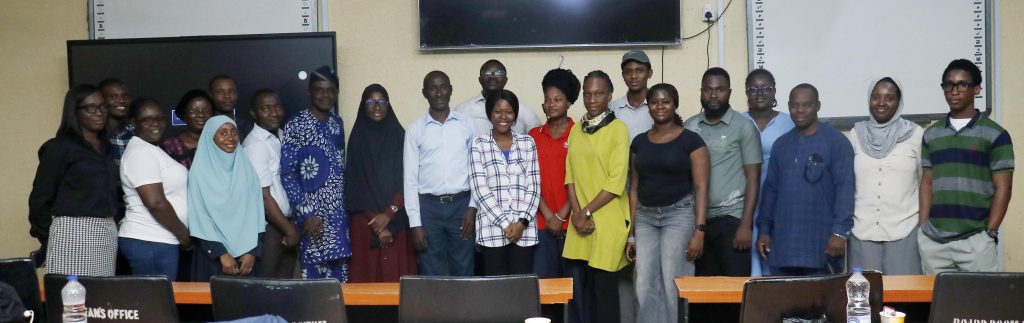
The University of Lagos (UNILAG) has concluded an engaging two-day workshop on R programming and bioinformatics to equip biologists with foundational skills in RNA sequencing (RNA-seq) data analysis and computational approaches to biological research.
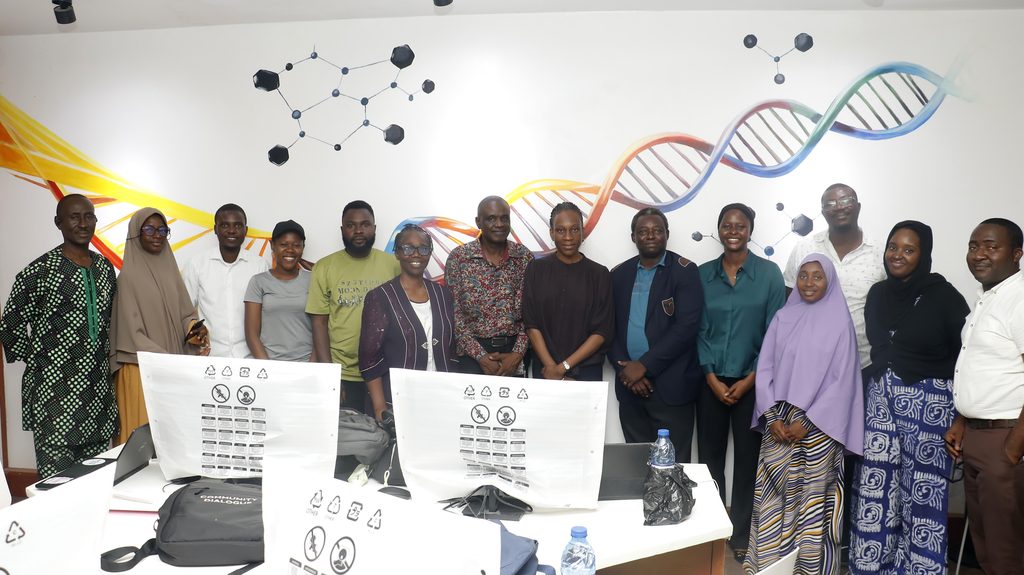
The training, facilitated by the University’s Faculty of Life Sciences in collaboration with Walter Pirovano and Vrije Universiteit Amsterdam, was held on Monday, October 26, and Tuesday, October 27, 2026. Designed for participants with varying levels of coding experience, the workshop introduced them to R programming, RStudio and RNA-seq data analysis.
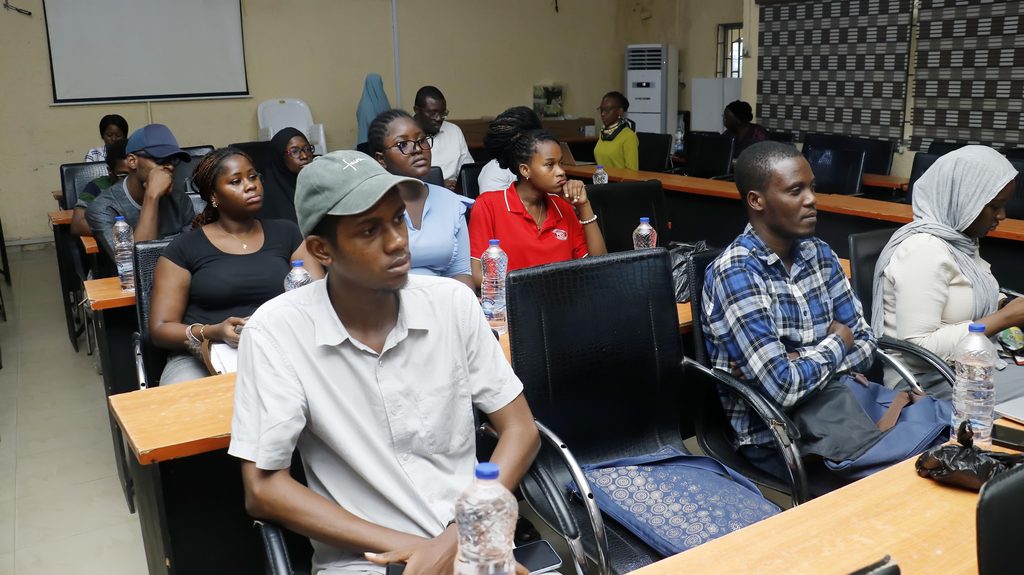
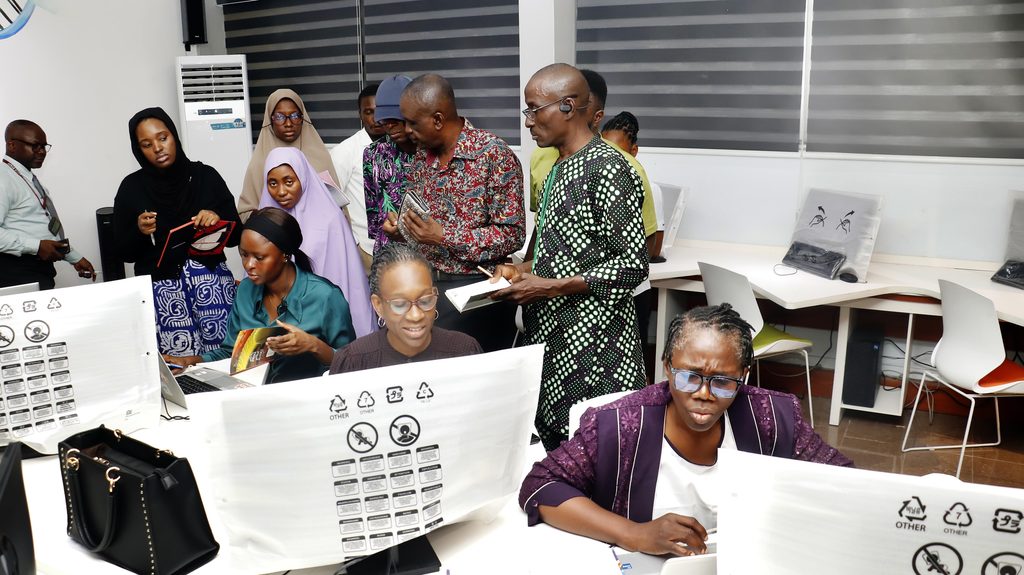
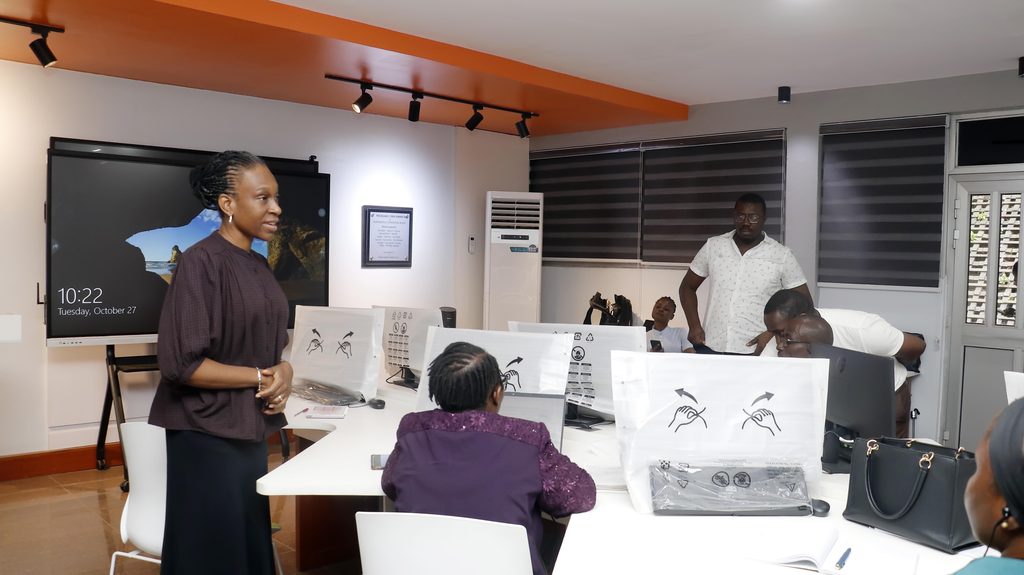
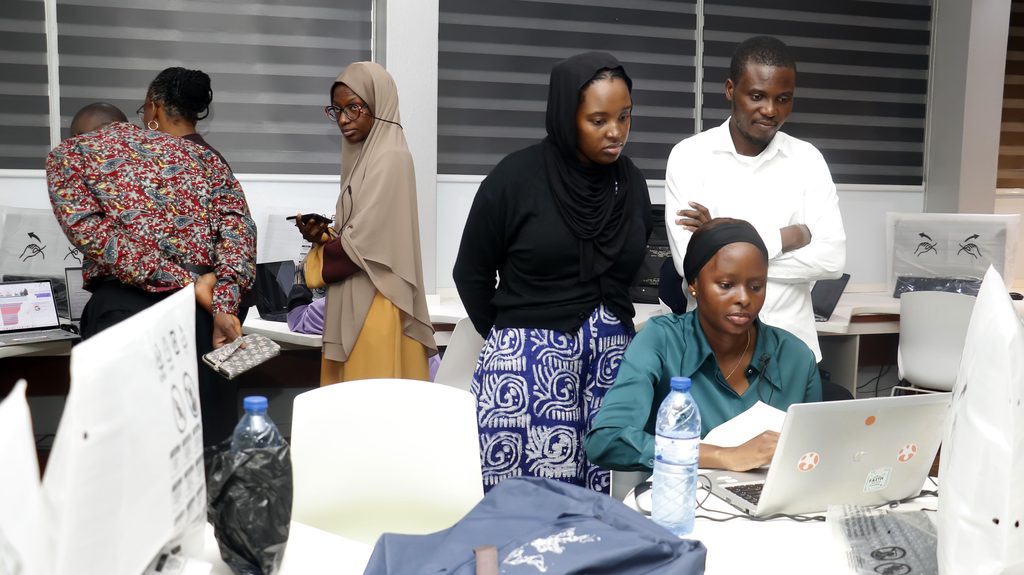
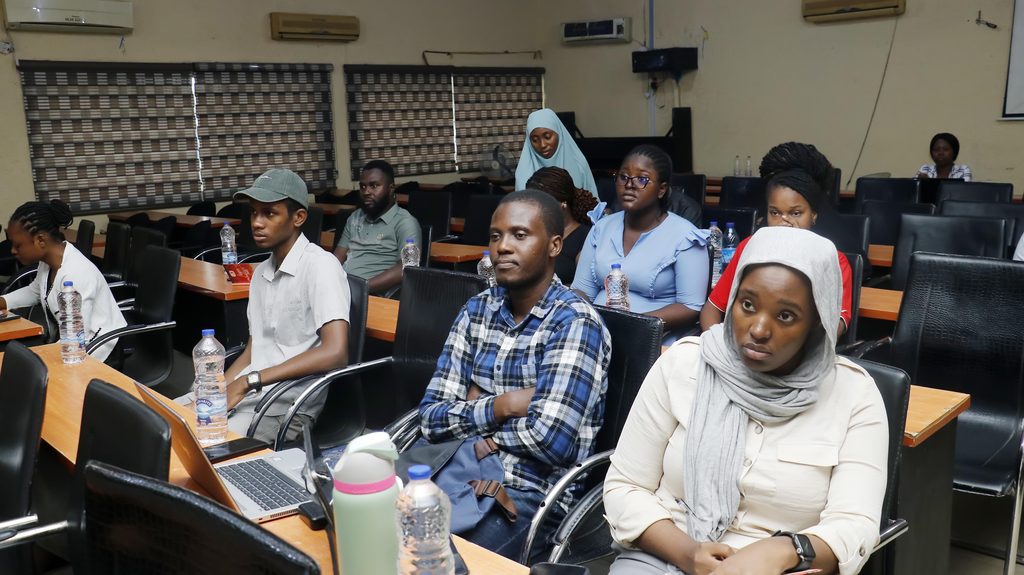
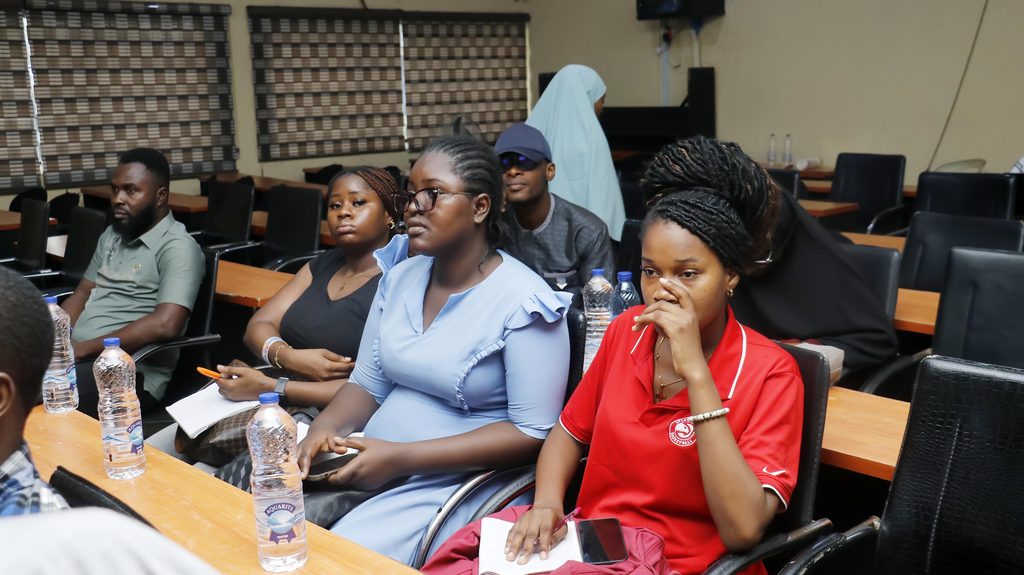
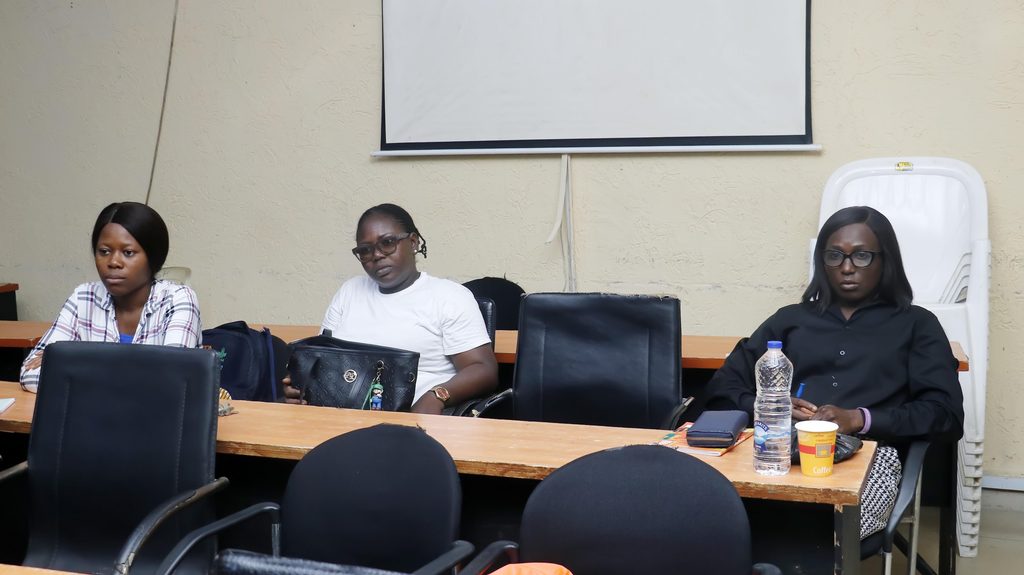
The first day of the workshop featured interactive theoretical sessions with both physical and online participation, while the second day focused on practical training for selected postgraduate students whose research proposals had been considered and approved for participation.
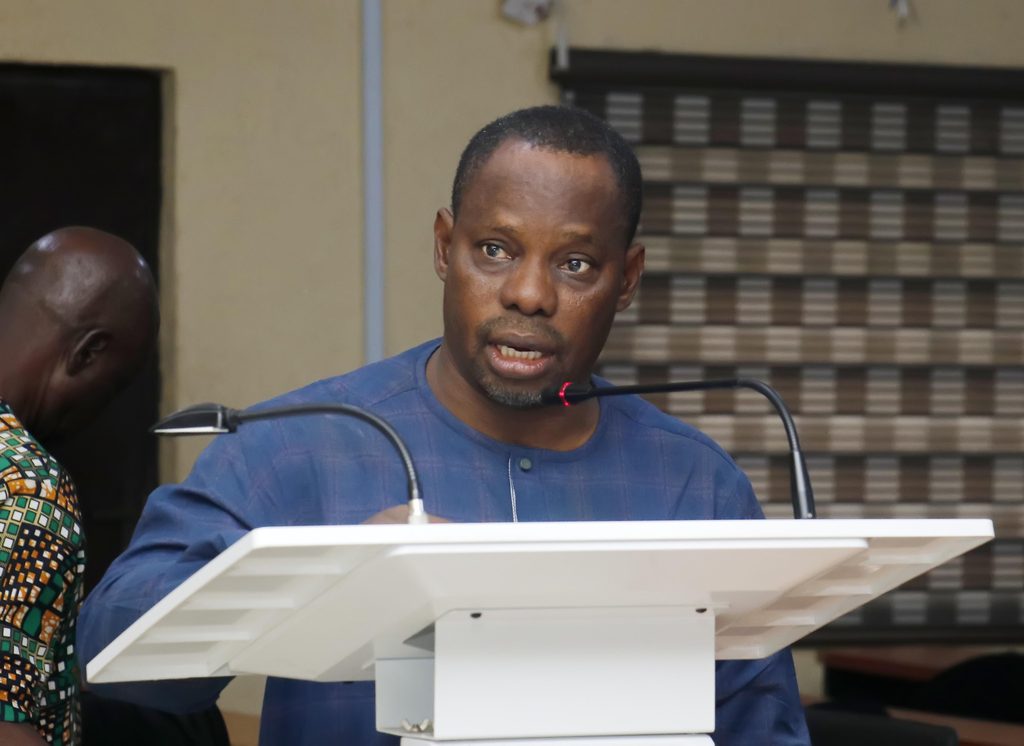
Transcriptomics and Understanding Genes and Disease
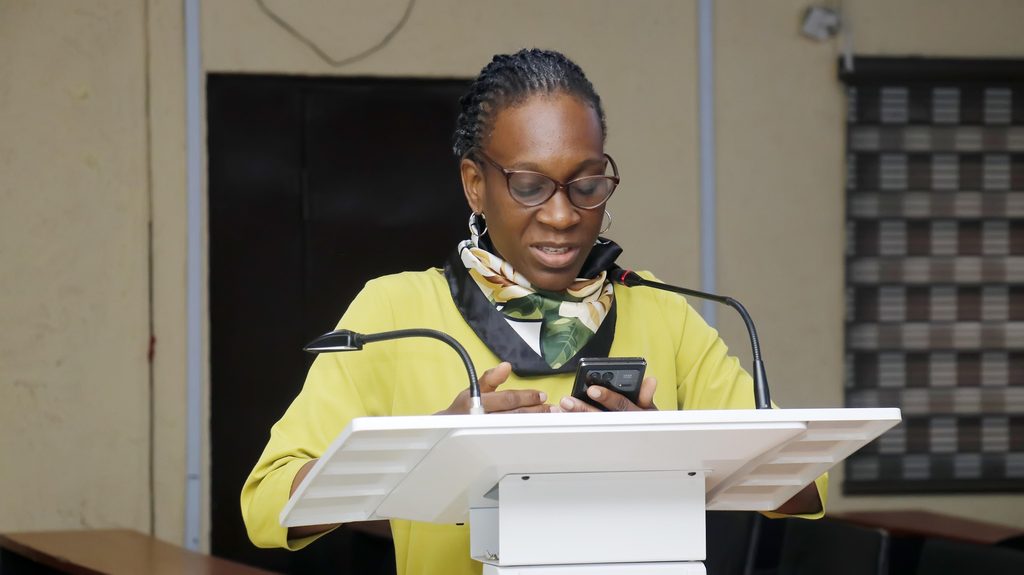
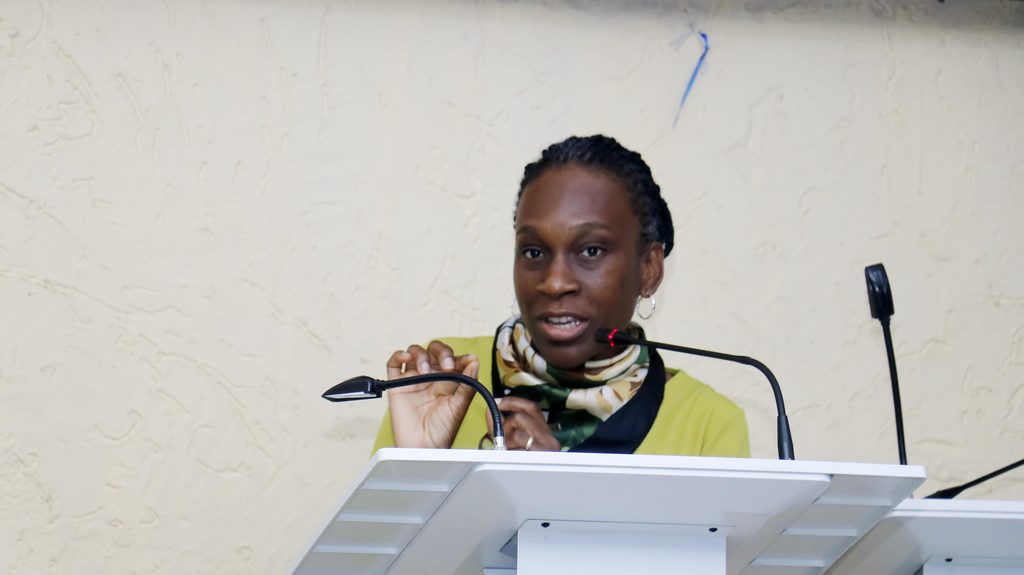
In his opening remarks, the Dean of the Faculty of Life Sciences, Professor Ganiyu Oyetibo, highlighted the value of transcriptomics in understanding biological processes and investigating disease mechanisms.
He explained that conventional approaches to studying organisms may not fully account for their biological activities, making gene-expression analysis a valuable additional tool. Building on this point, Professor Oyetibo explained that transcriptomics enables researchers to examine RNA molecules produced under different conditions and identify genes that are actively expressed.
He encouraged participants to relate the training to real-life research questions and explore the growing applications of transcriptomics approaches in biological research.
Sequencing Technologies and RNA Analysis
Following the opening remarks, Dr James Mills of Vrije Universiteit Amsterdam introduced participants to the fundamentals of sequencing and bioinformatics, highlighting how advances in these fields have expanded the possibilities for biological research.
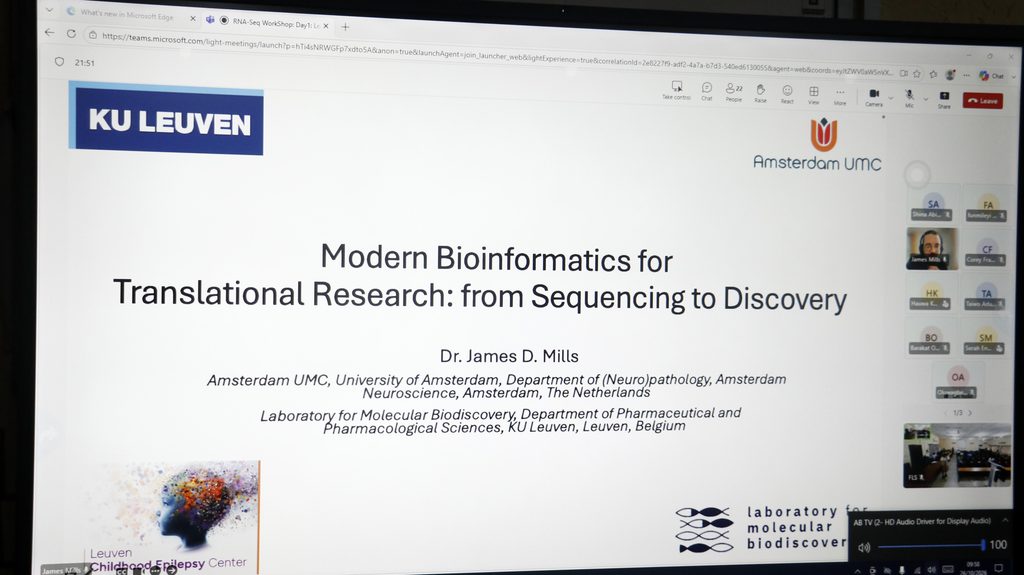
Delivering a session on “Modern Bioinformatics for Translational Research: From Sequencing to Discovery” , Dr James Mills of Vrije Universiteit Amsterdam discussed the fundamentals of sequencing and bioinformatics by tracing the development of sequencing technologies from Sanger sequencing to short-read and long-read methods. He stressed that the choice of technology should depend on the research question and the type of biological information required.
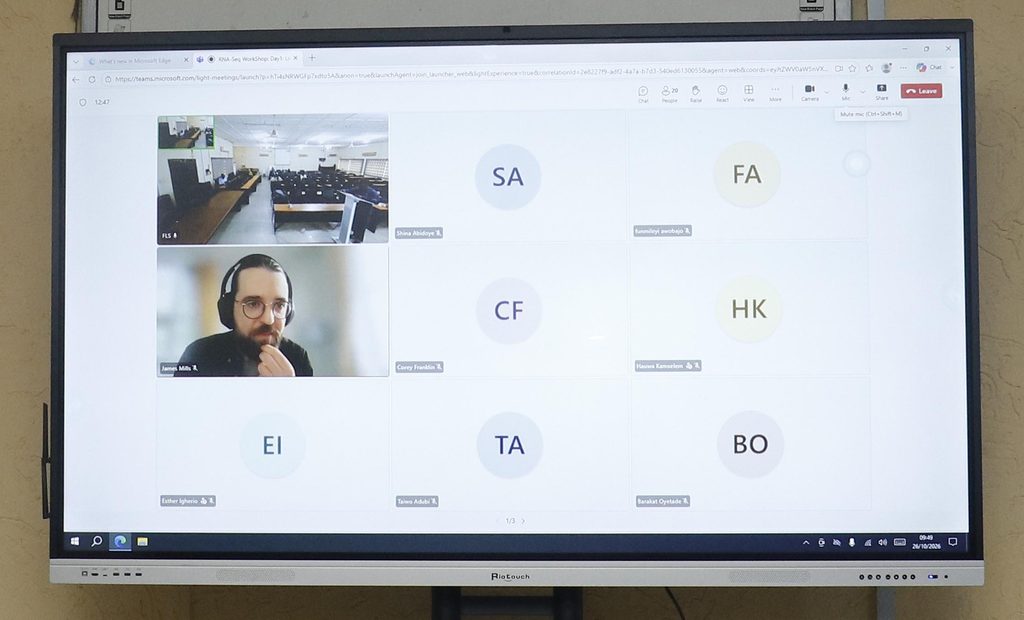
Focusing on RNA sequencing, he explained that the transcriptome comprises the RNA molecules present in a cell or sample at a given time. Analysing these molecules can help researchers identify changes in gene expression, investigate disease mechanisms and discover potential biomarkers and therapeutic targets.
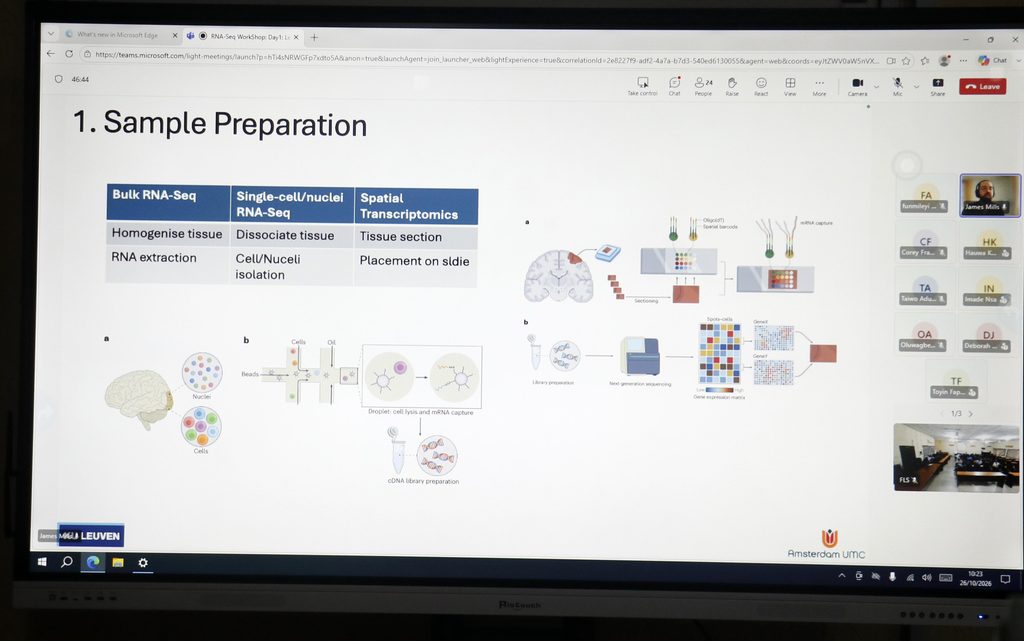
To explain how such insights are generated, Dr Mills outlined the four main stages of RNA-seq: sample preparation, library preparation, sequencing and data analysis. He emphasised that reliable findings begin with high-quality biological samples, followed by appropriate quality control, sequence alignment and statistical analysis.
Bioinformatics for Disease Research and Drug Discovery
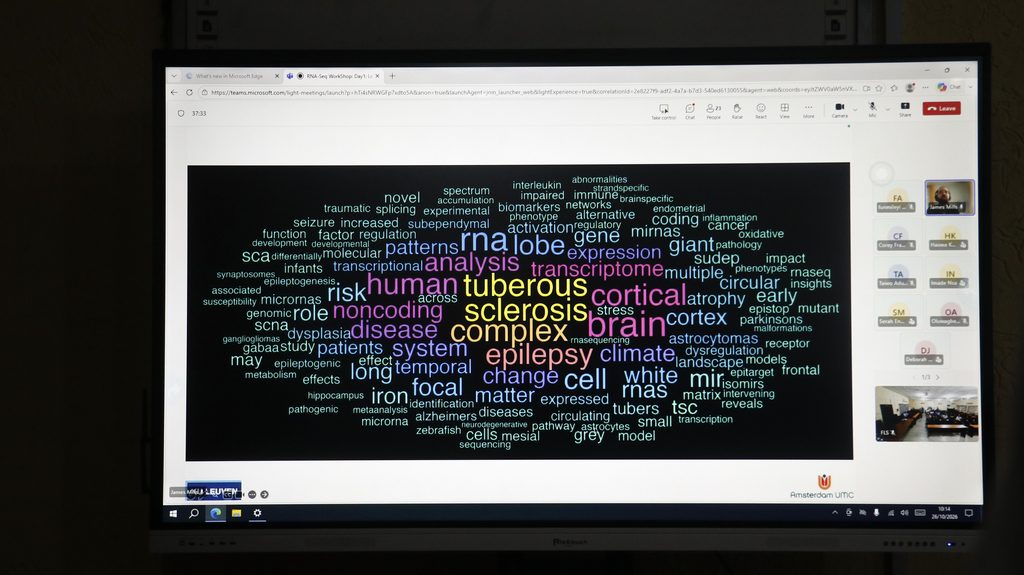
To demonstrate the practical value of these techniques, Dr Mills drew on research into tuberous sclerosis complex and Dravet syndrome to show how sequencing data and computational tools can help researchers investigate disease-related changes and identify potential therapeutic targets.
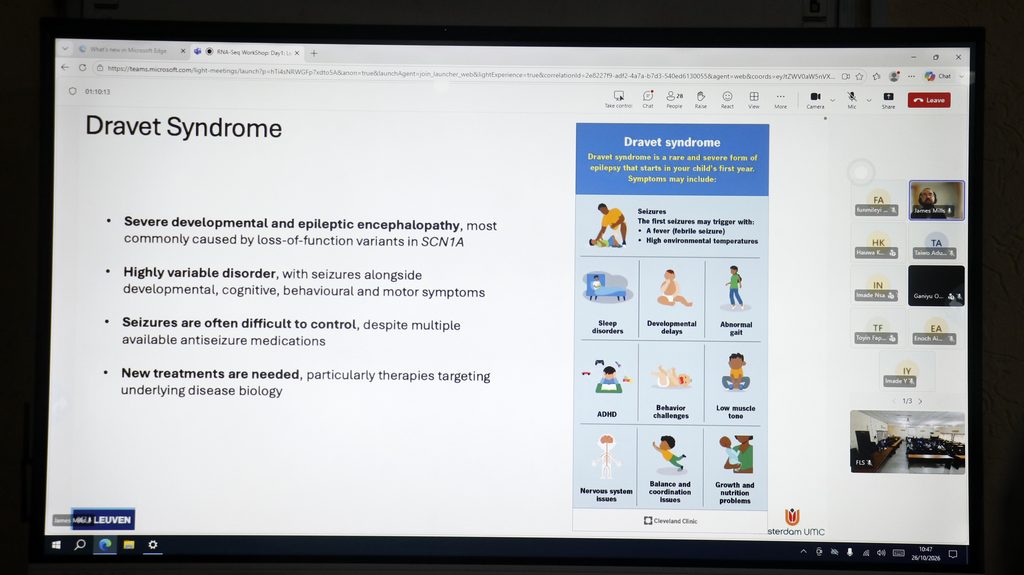
He explained that these approaches allow scientists to develop hypotheses about biological processes that can subsequently be tested through laboratory experiments.
Extending the discussion to drug discovery, he described how gene-expression analysis can help identify compounds that may counter disease-associated molecular changes. He emphasised, however, that computational findings require experimental validation, reinforcing the importance of combining bioinformatics with further biological investigation.
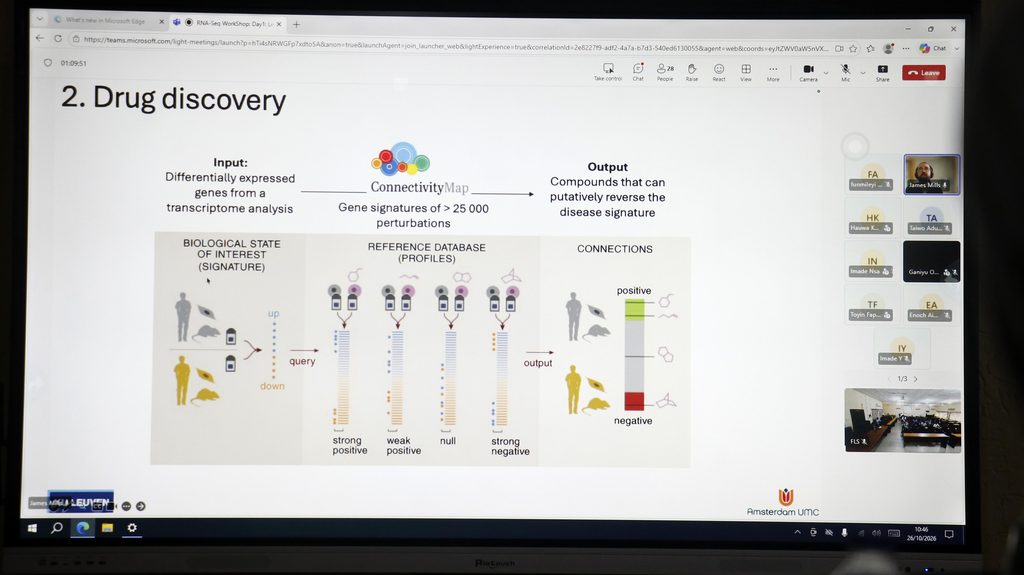
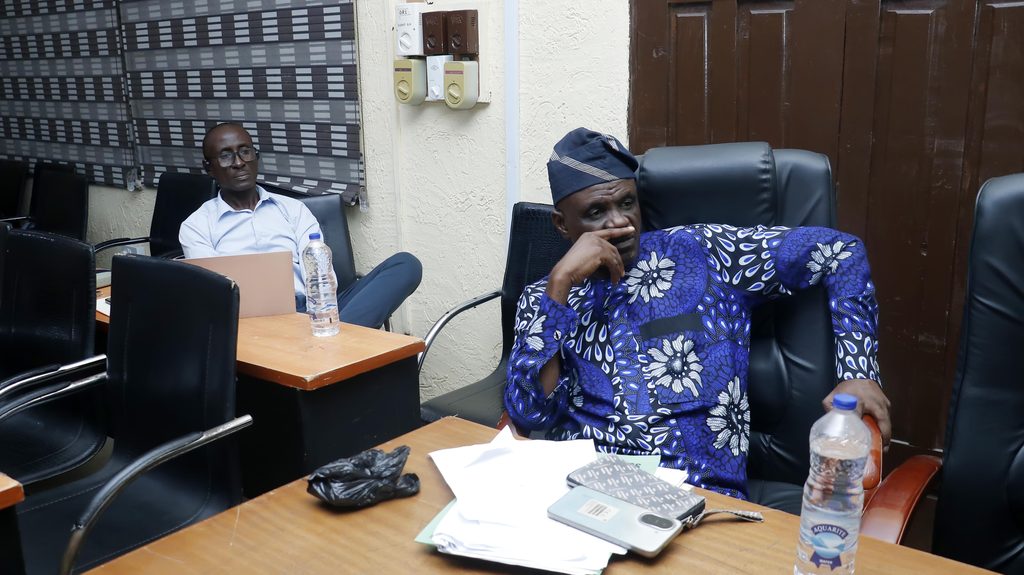
Dr Mills urged researchers to allow their research questions to guide their choice of sequencing methods and analytical tools, stressing that bioinformatics helps transform complex datasets into meaningful biological insights.
Hands-on Training in RNA-seq Data Analysis
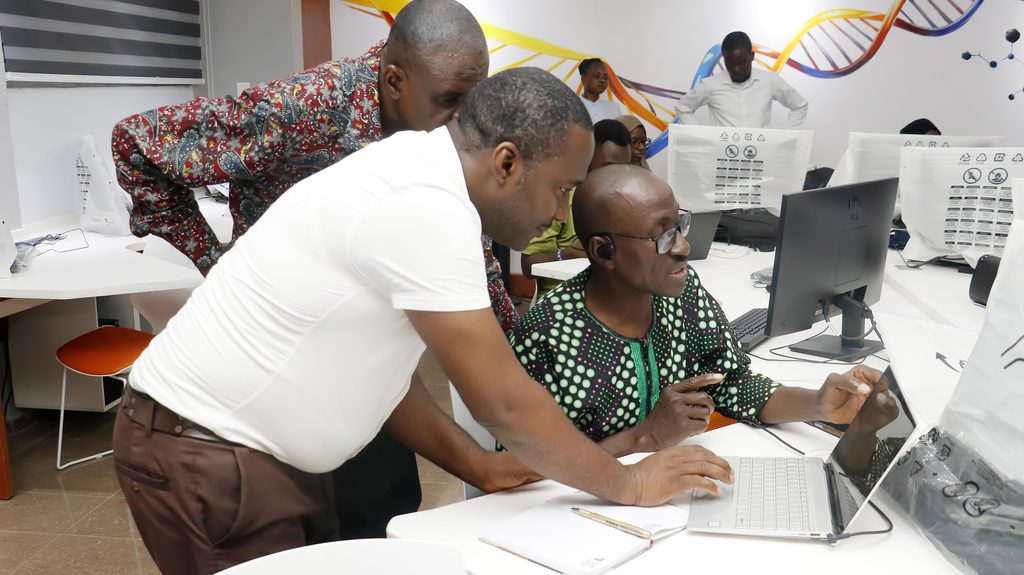
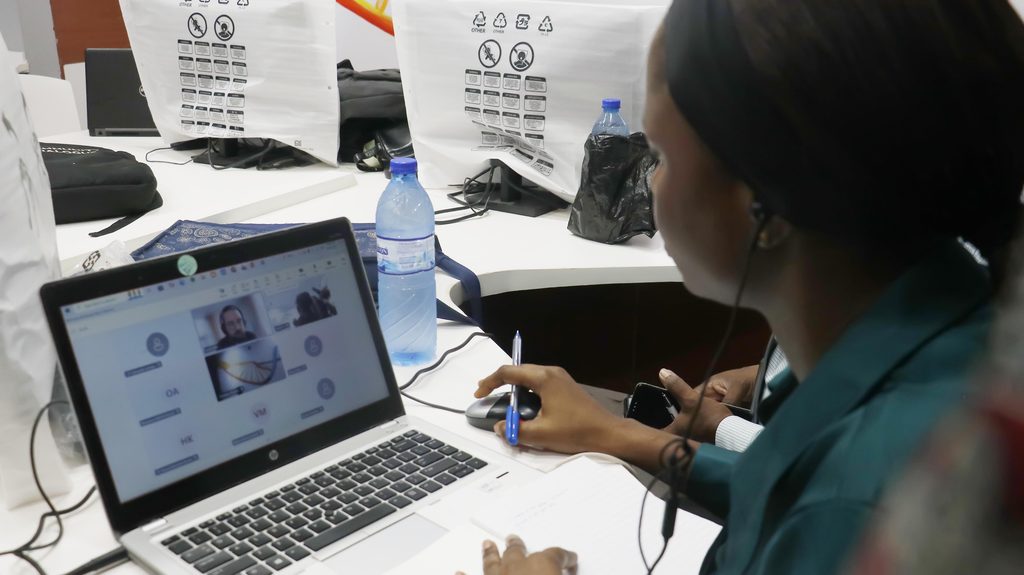
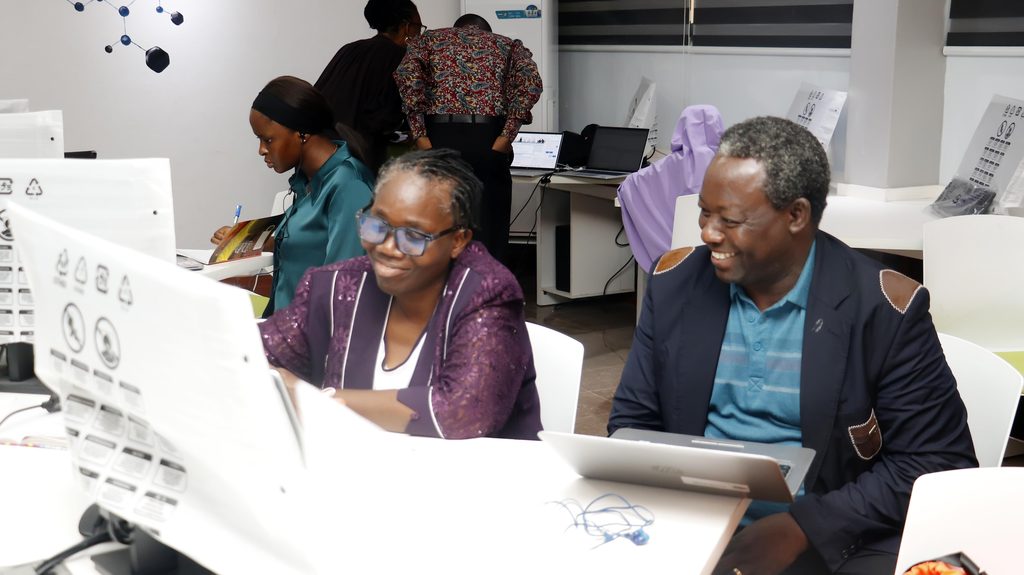
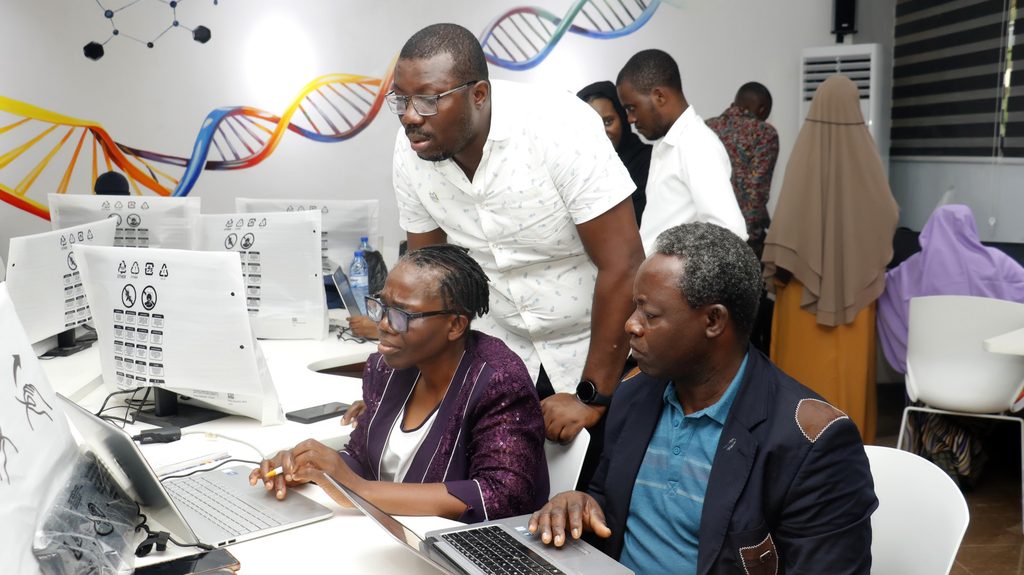
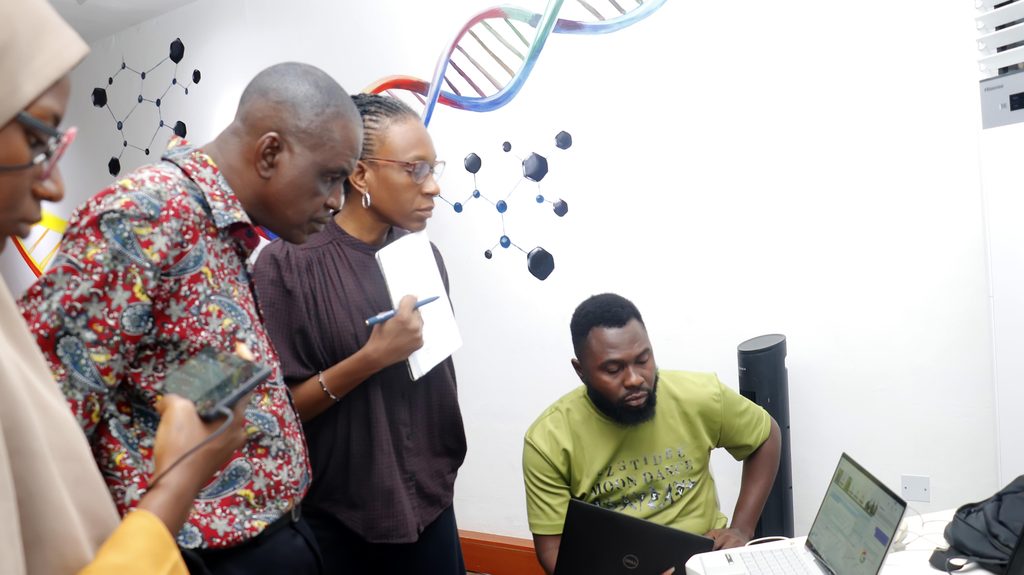
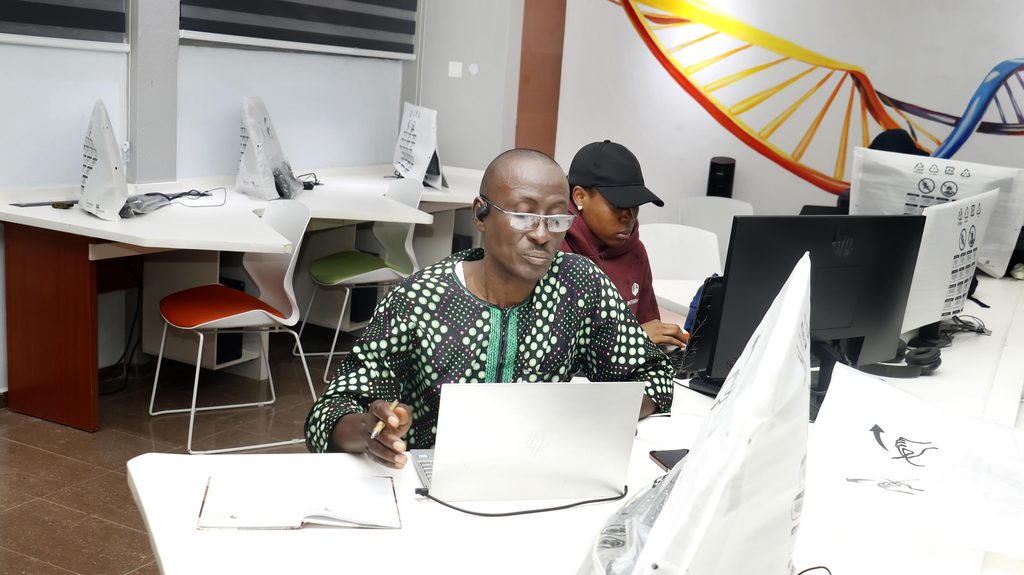
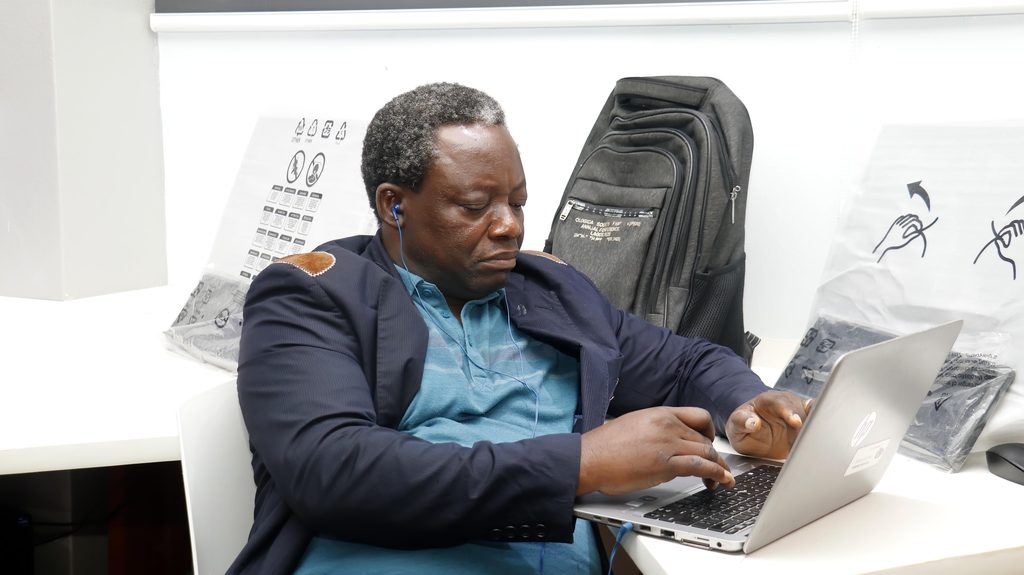
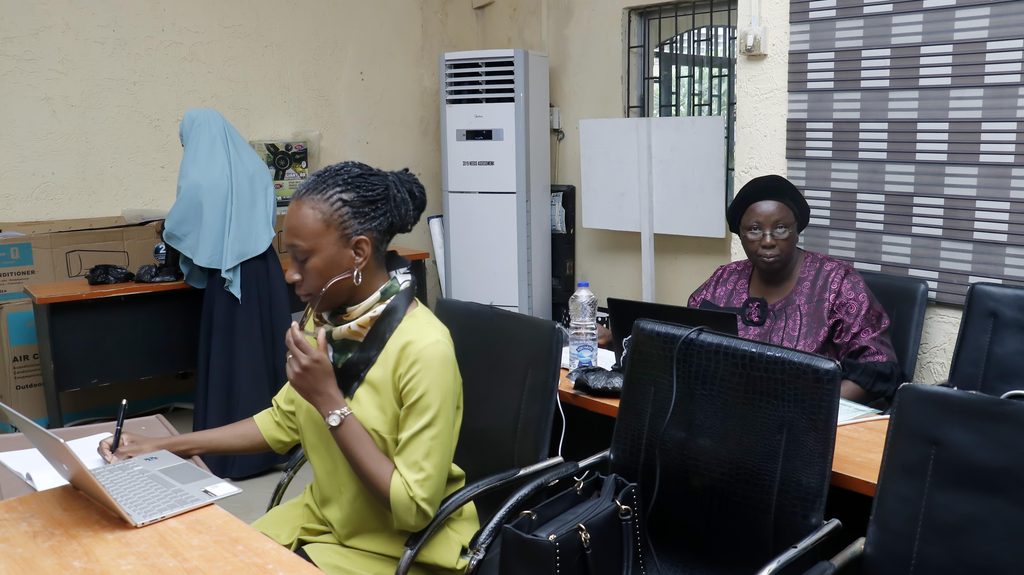
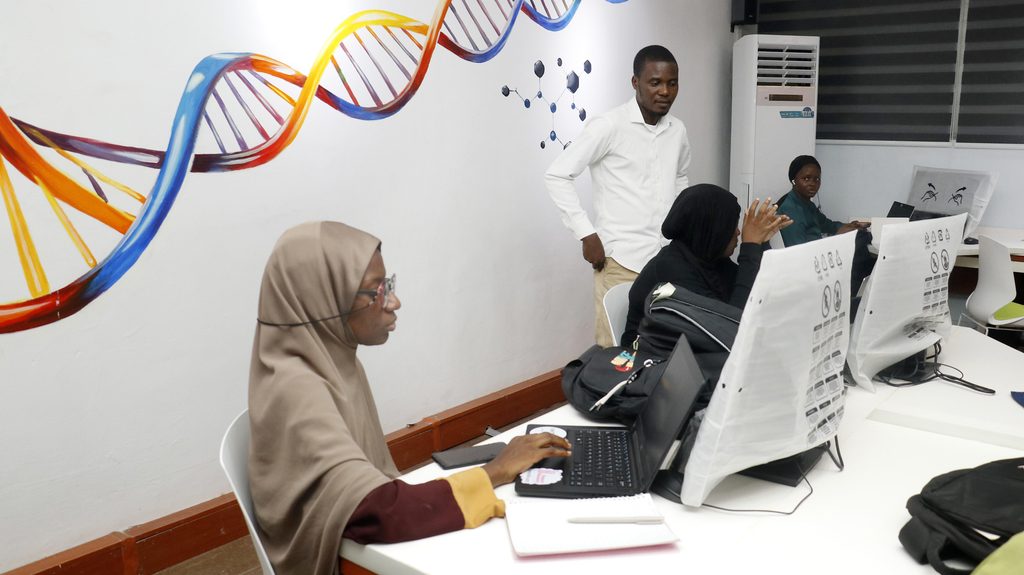
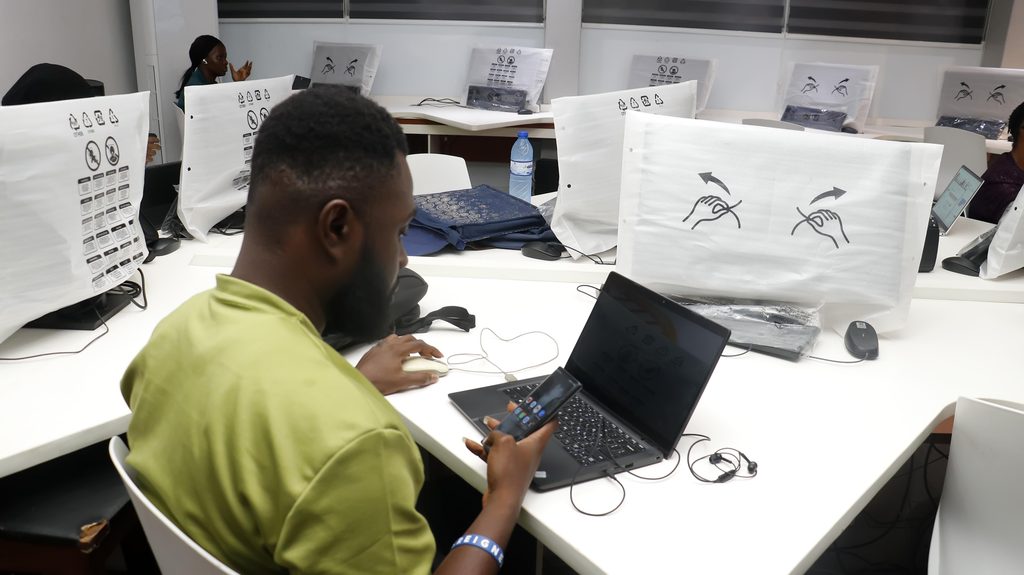
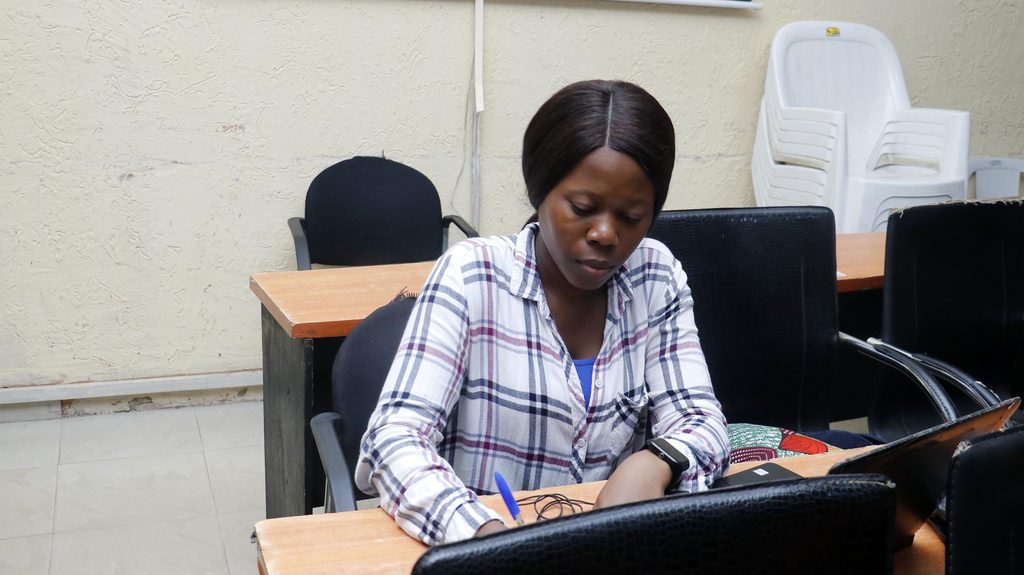
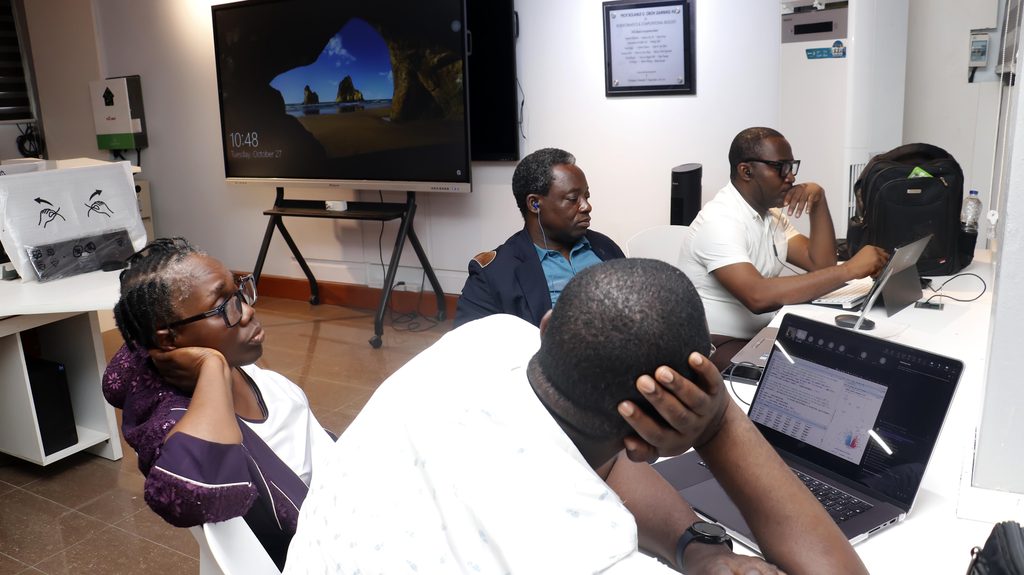
Building on the theoretical sessions, the second day featured a hands-on practical session led virtually by Dr Mills at the Professor Bolanle Oboh Bioinformatics and Computational Biology Laboratories, UNILAG. Coordinated by Dr Imade Nsa, the session involved selected postgraduate students whose research proposals had been considered and approved for participation.
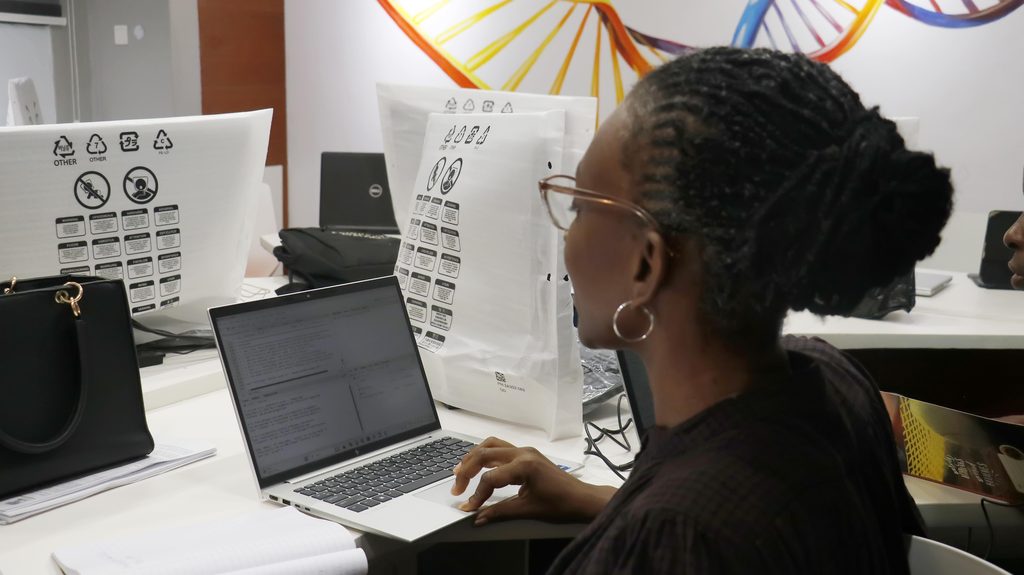
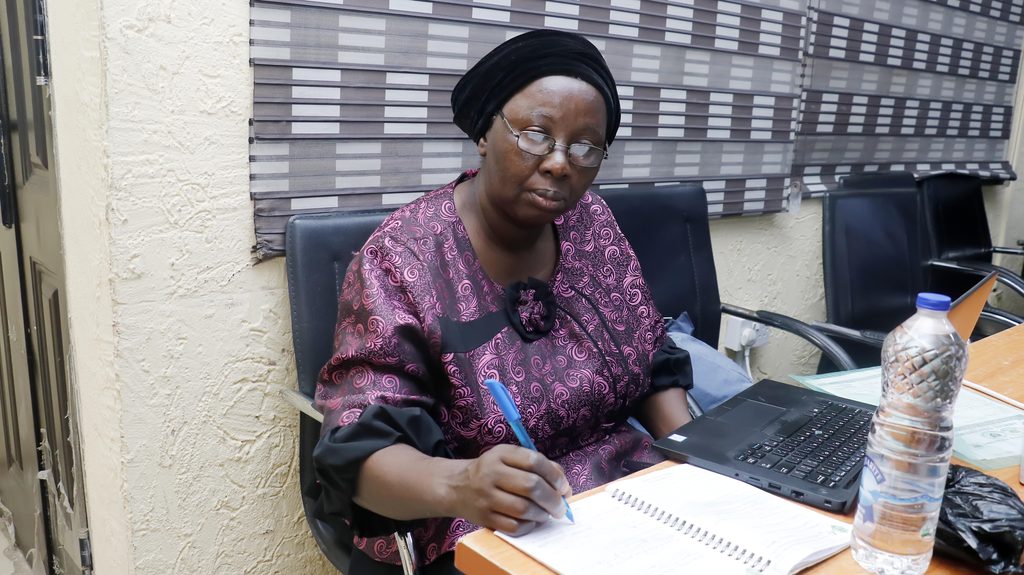
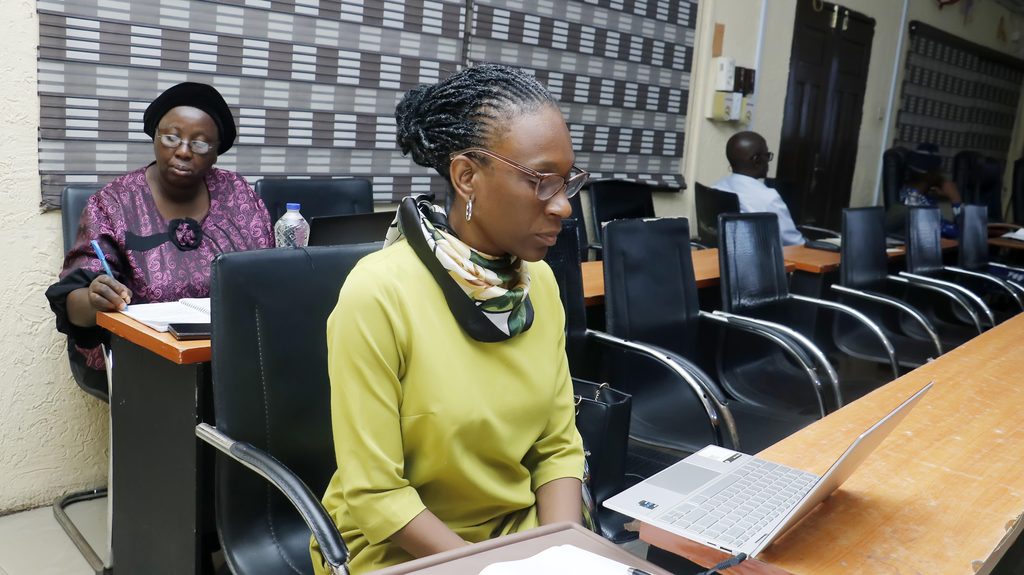
Working on their laptops, participants followed Dr Mills’s demonstrations and practised key stages of RNA-seq data analysis. These included data normalisation, principal component analysis (PCA) to examine sample distribution and identify potential outliers, and differential gene-expression analysis to identify genes showing changes in activity between experimental groups.
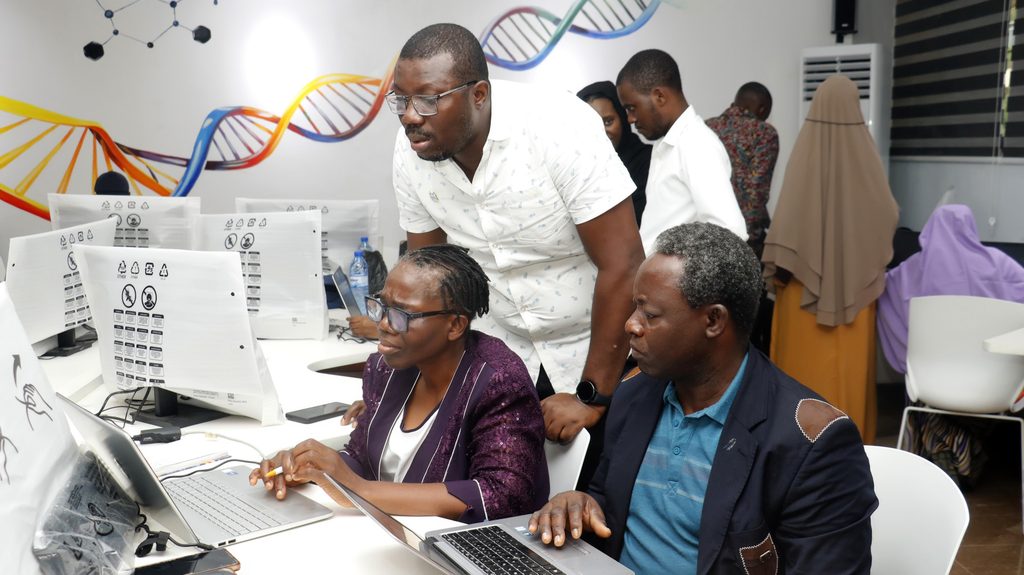
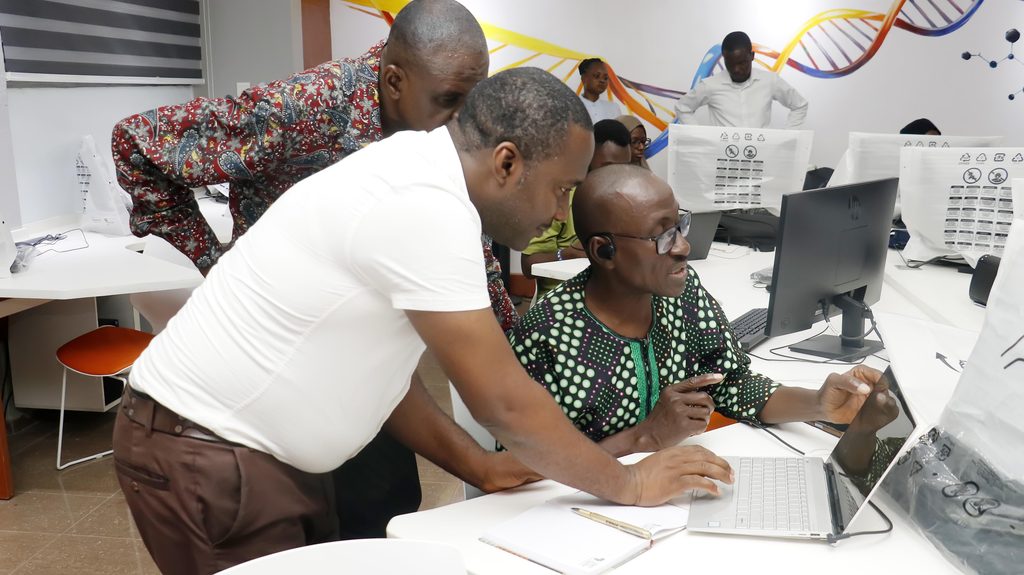
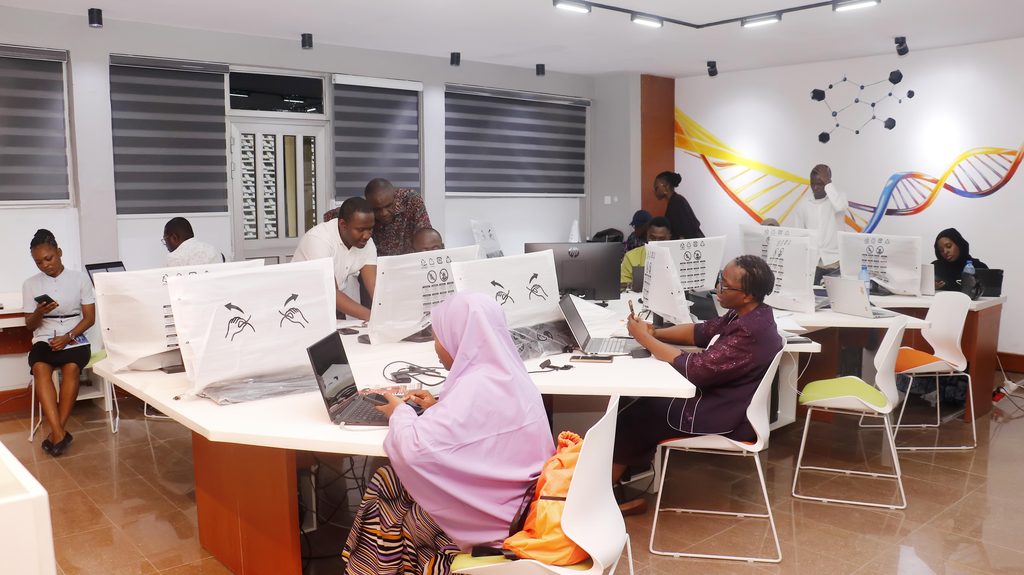
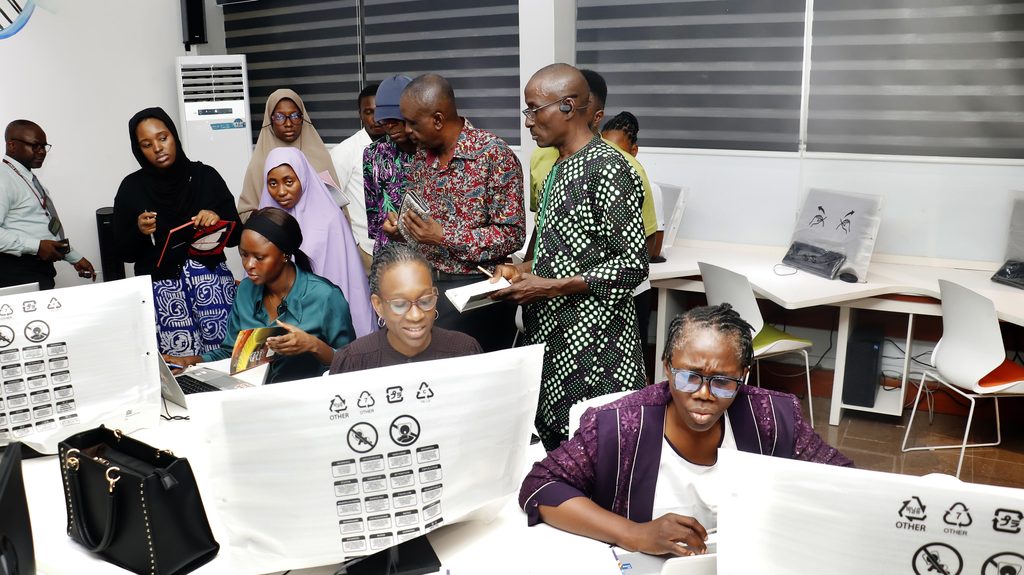
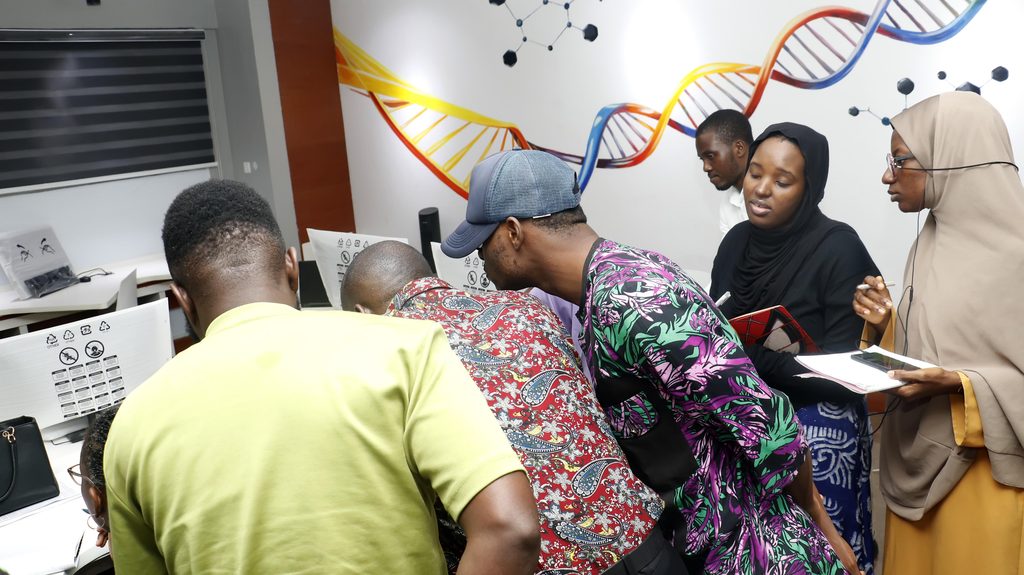
The practical exercises also introduced participants to gene set enrichment analysis, which helps researchers identify biological pathways associated with patterns of gene expression. Through these activities, participants explored how computational tools can transform sequencing data into interpretable results and support investigations into underlying biological processes.
Interactive Discussion on Bioinformatics Tools and Data Access
The practical session was followed by a question-and-answer session, which allowed participants to explore the use of publicly available gene-expression datasets for further research. Dr Mills explained that researchers could retrieve existing data from repositories such as the Gene Expression Omnibus (GEO) to investigate new questions without incurring the cost of generating fresh datasets.
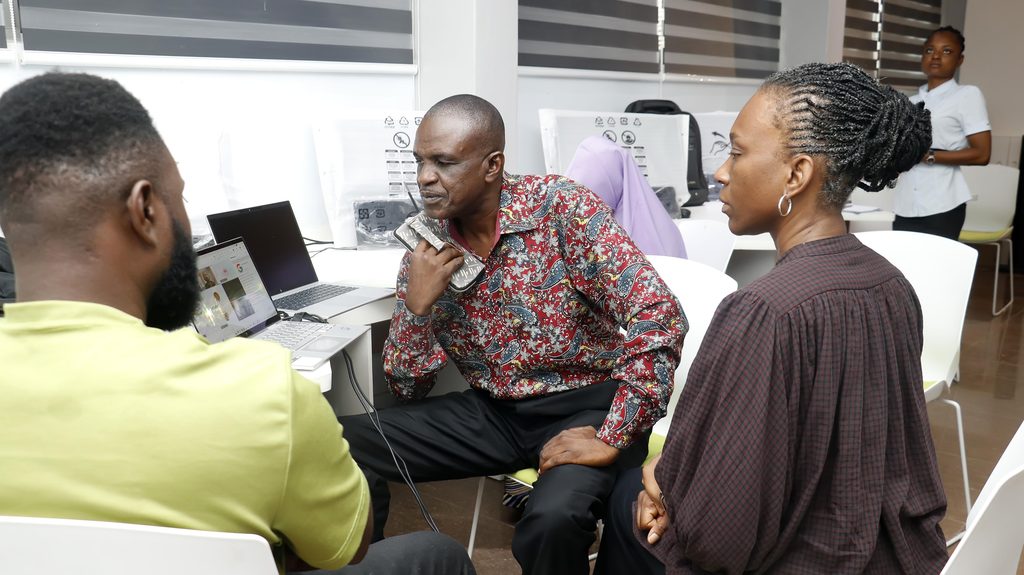
Responding to questions about alternatives for researchers with limited R programming experience, he highlighted tools such as GEO2R and Galaxy as useful starting points for analysing gene-expression data. He noted that these platforms could help beginners understand analytical workflows before progressing to more advanced coding and methods.
Following the question-and-answer session, Dr Mills expressed his willingness to conduct another training session with participants, noting that he looked forward to further engagement. He also expressed his hope of visiting the University of Lagos in person in the future.
Strengthening Research Through Data and Collaboration
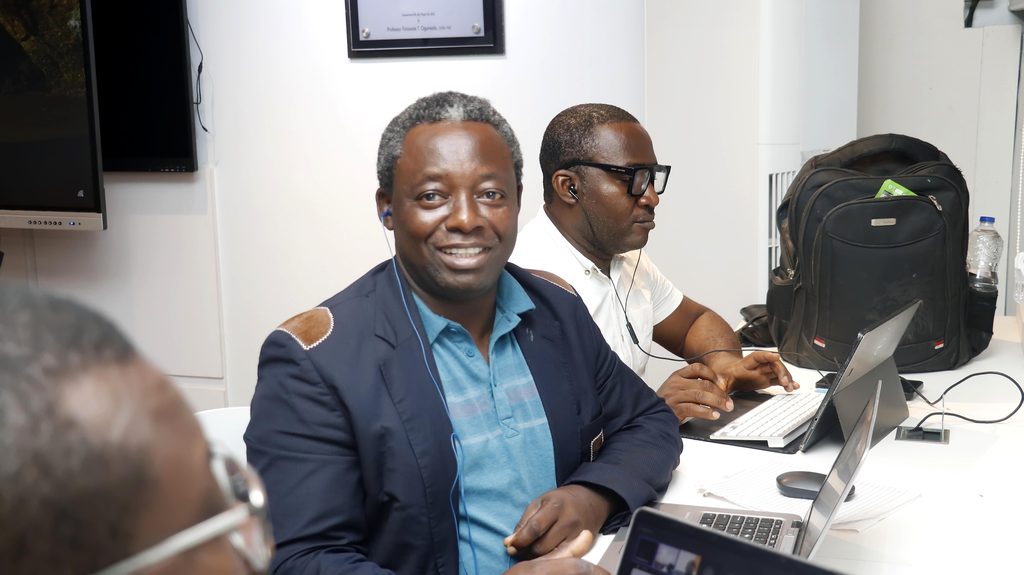
Speaking after the practical session, Professor Funmilayo Olubajo Awobajo, in his closing remarks, expressed appreciation to the organisers, Walter Pirovano and Dr Mills for facilitating the training opportunity. He noted that the workshop would significantly contribute to improving research productivity and strengthening students’ skills, while expressing hope for further training and collaboration.
Professor Awobajo also commended Dr Imade Nsa for coordinating the programme and appreciated the participating students for their commitment to learning.
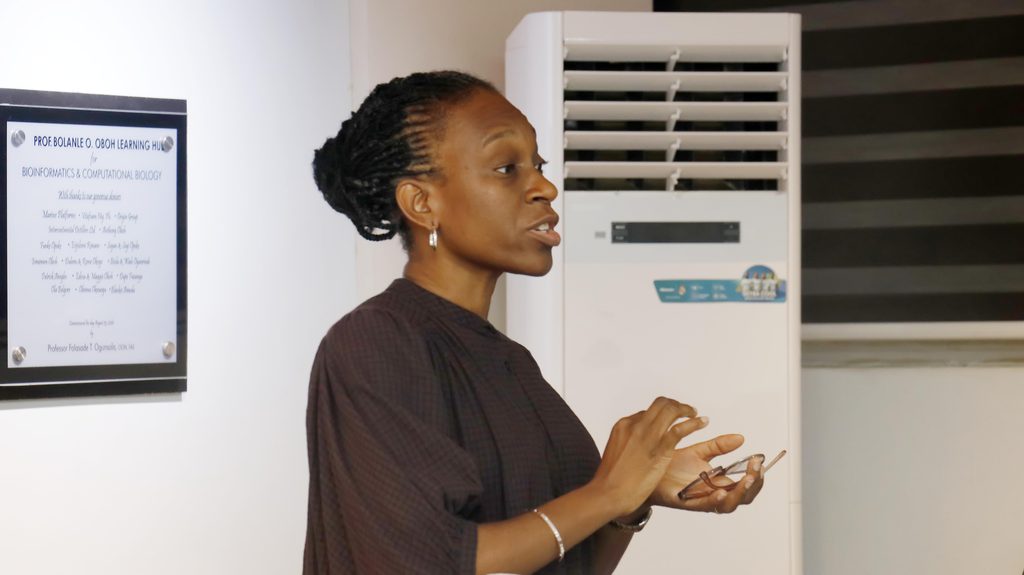
Through the workshop, the Faculty of Life Sciences continues to advance research capacity development, international academic collaboration and the acquisition of computational skills relevant to emerging developments in molecular biology and bioinformatics.
Report: Lynda Onah
Photograph: Islamiat Akanni