In nature nothing exists alone.” This observation by renowned marine biologist and environmentalist, Rachel Carson, in her seminal work, Silent Spring, captures an important truth about environmental sustainability: the consequences of what happens on land do not remain confined to land. Plastic waste discarded in streets, gutters, and drainage channels can travel through waterways, eventually reaching rivers, coastal environments, and the ocean, where it threatens aquatic ecosystems and the communities that depend on them.
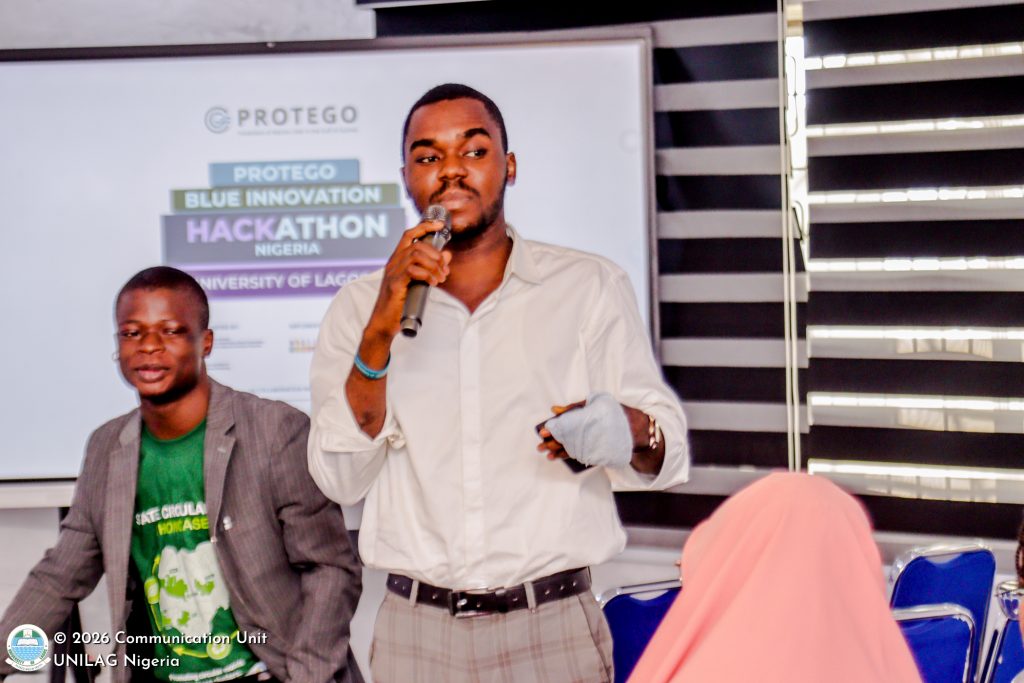
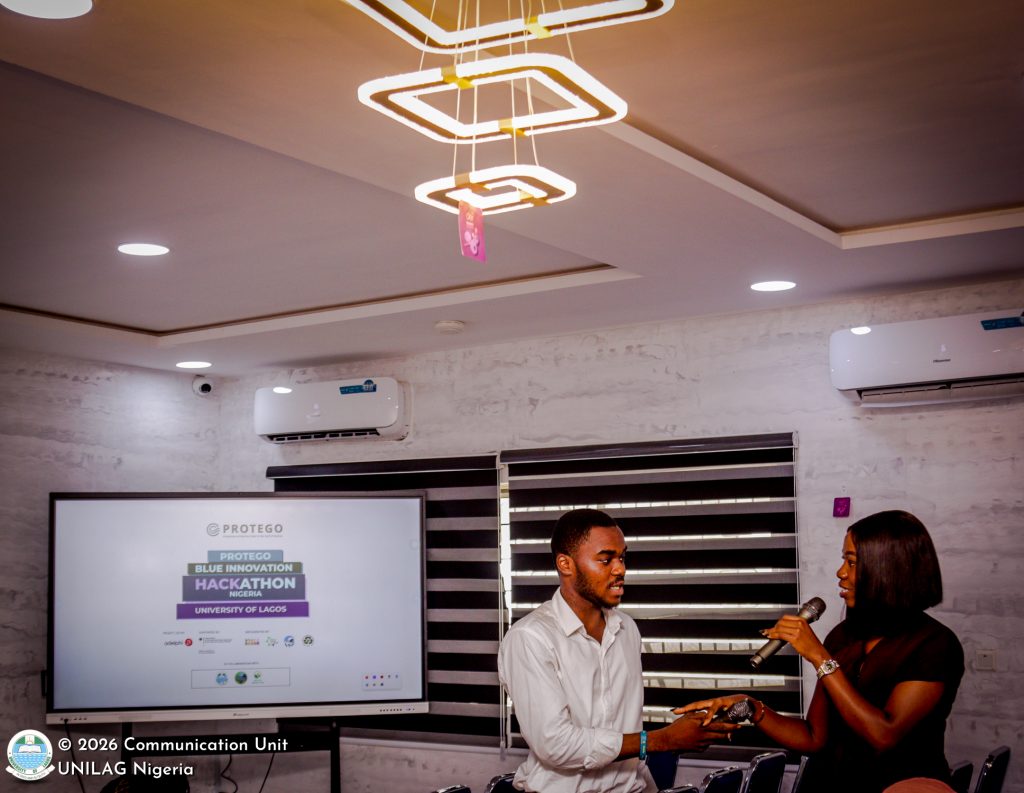
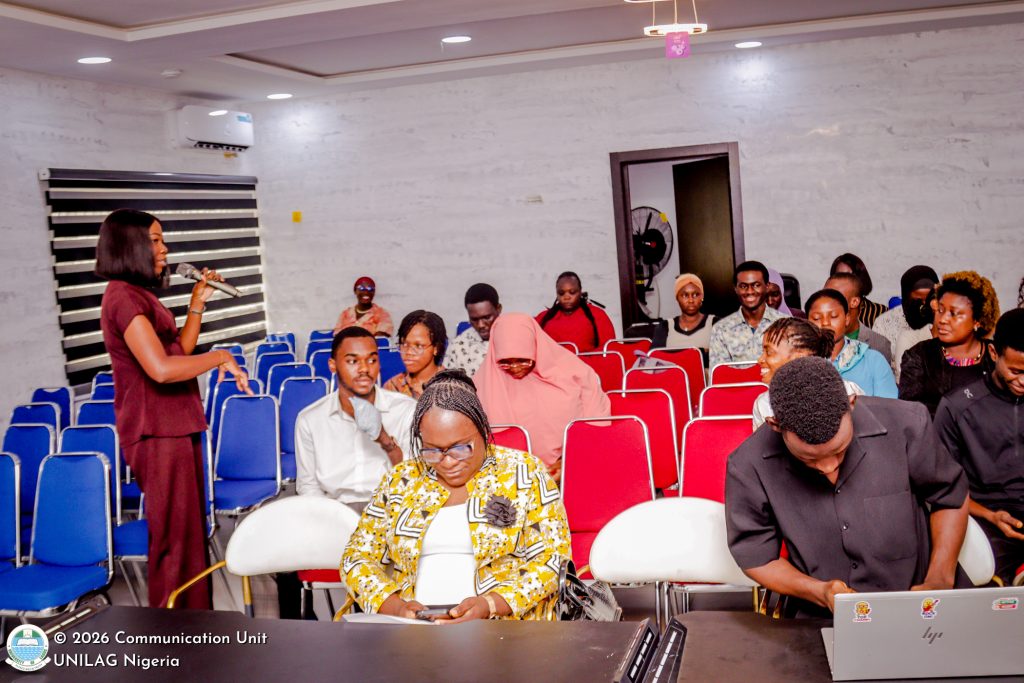
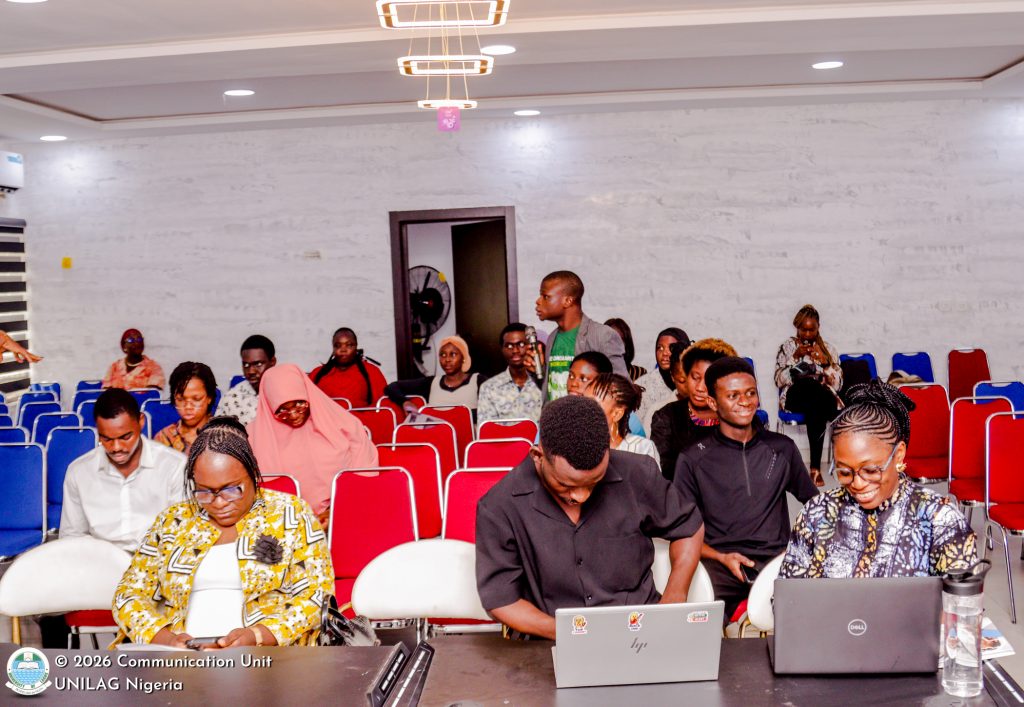
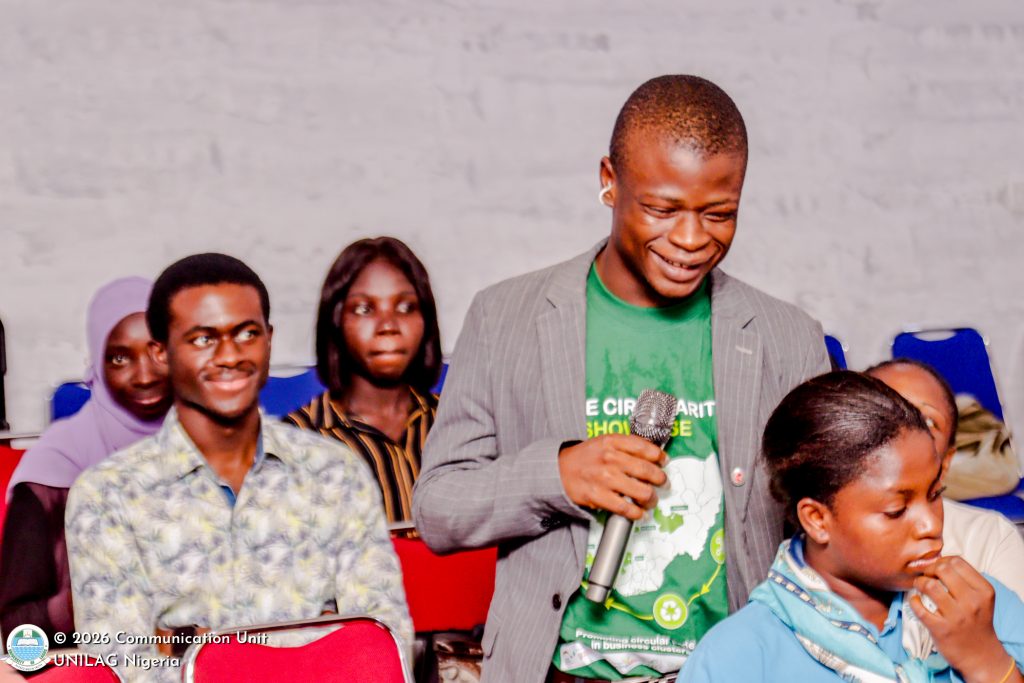
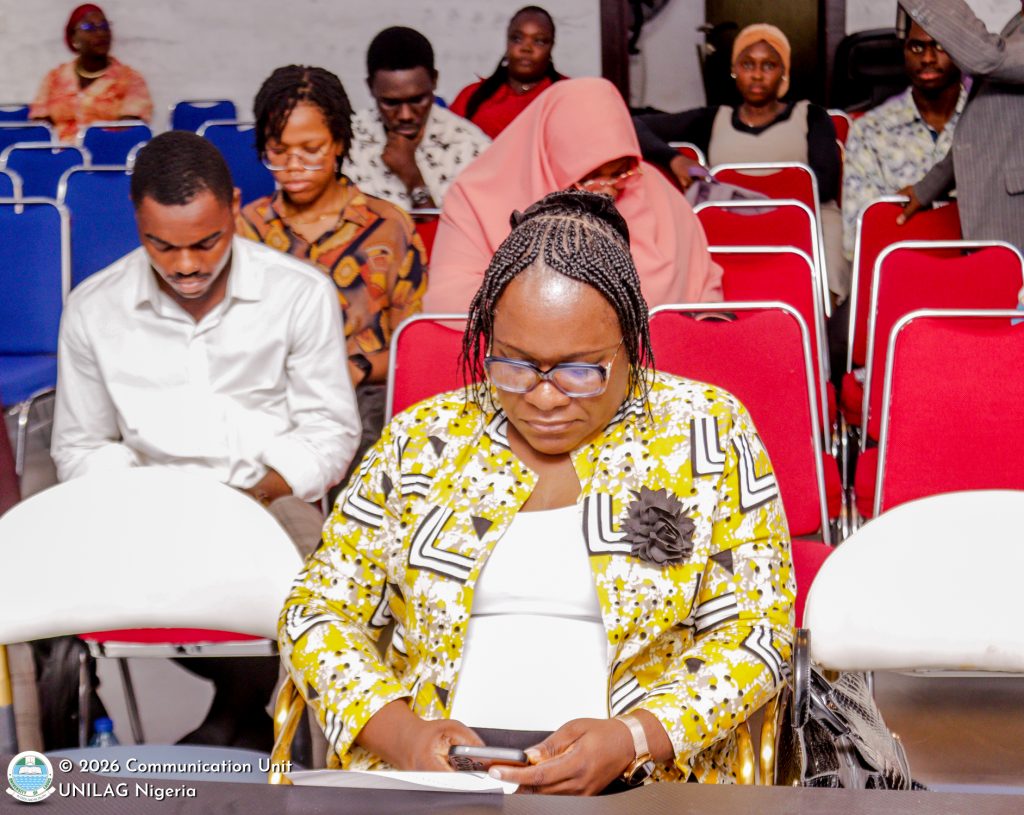
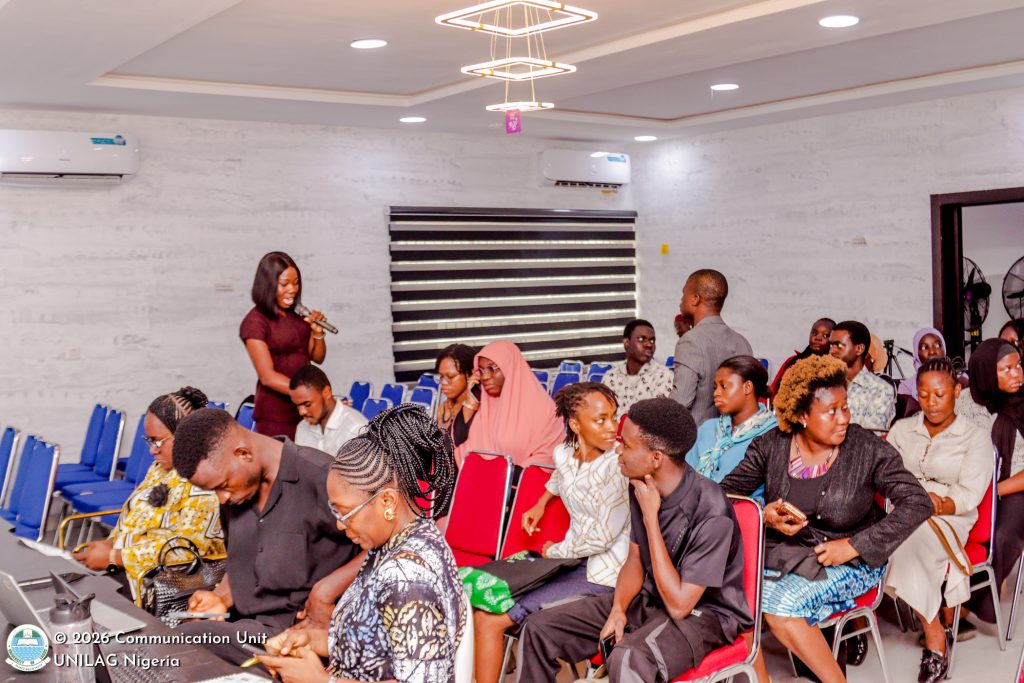
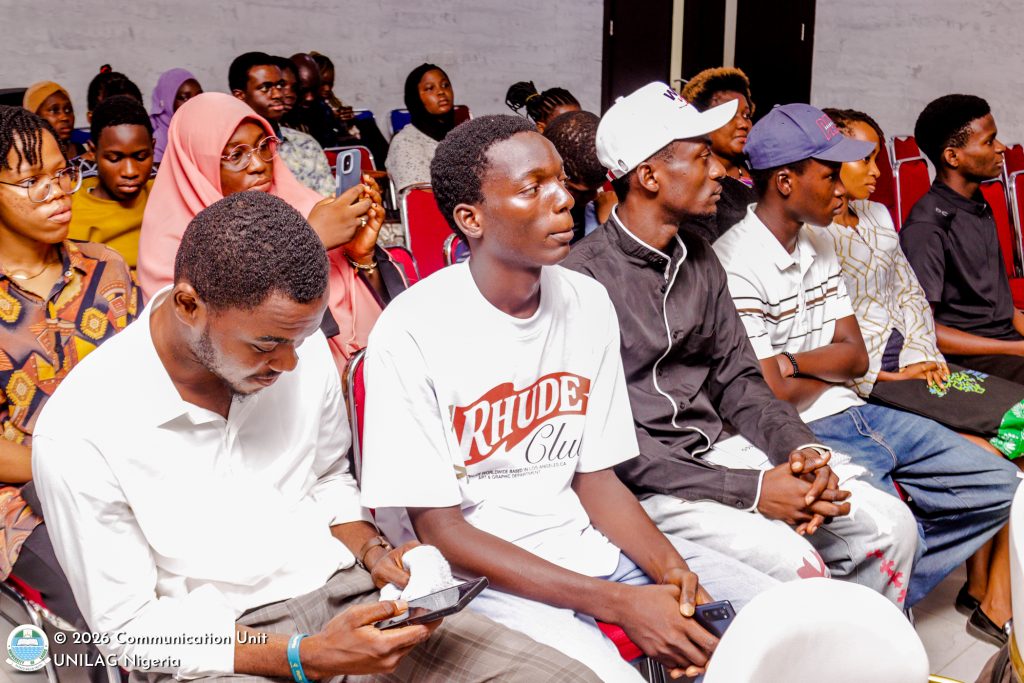
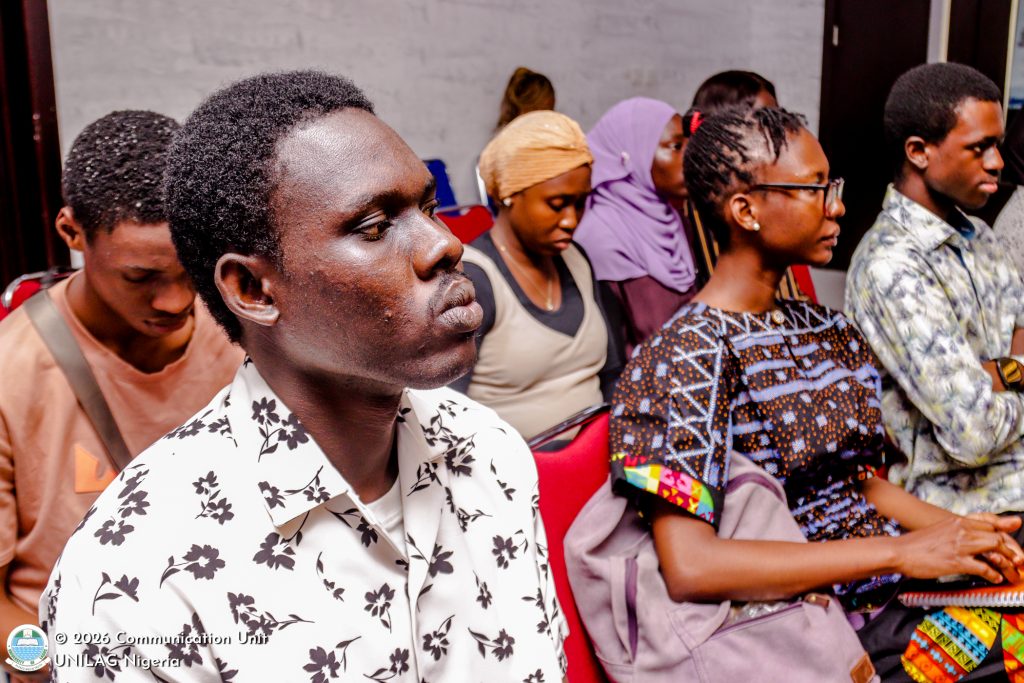
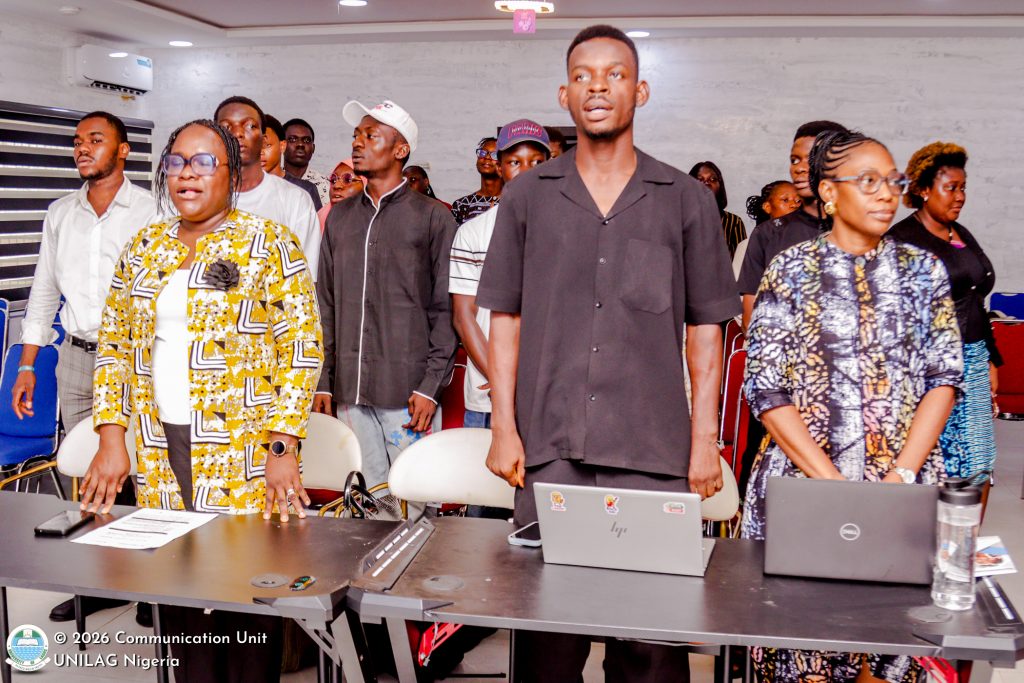
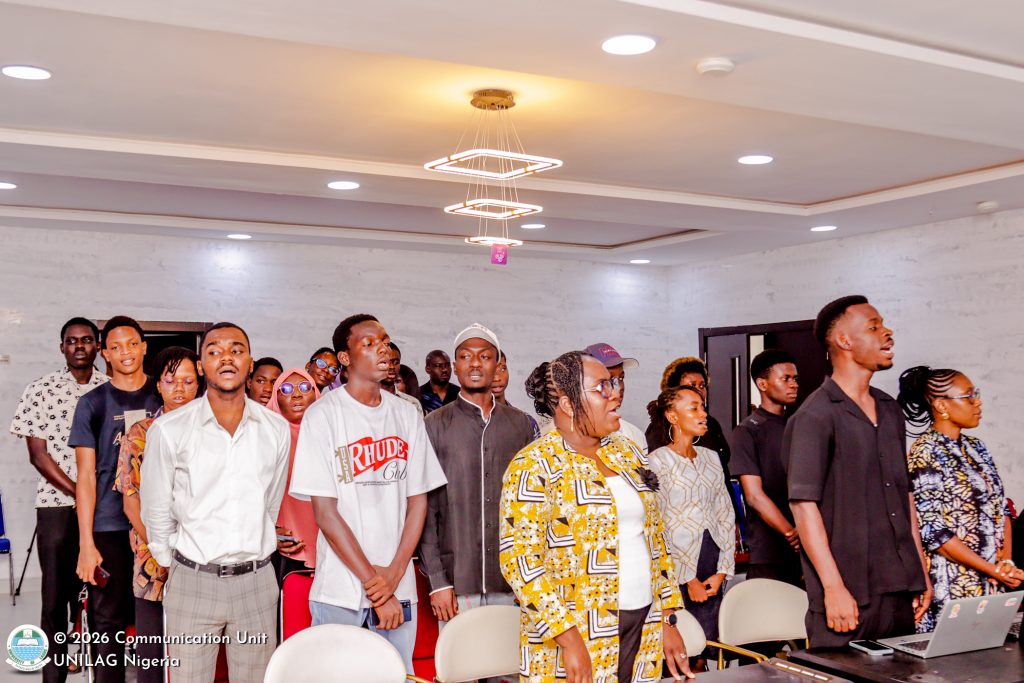
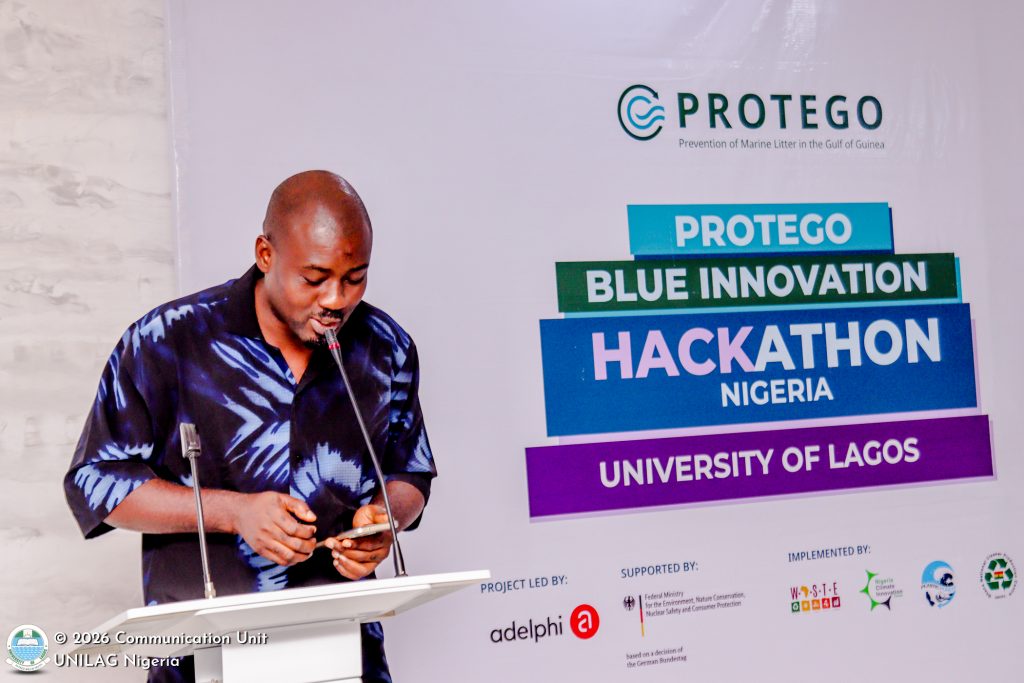
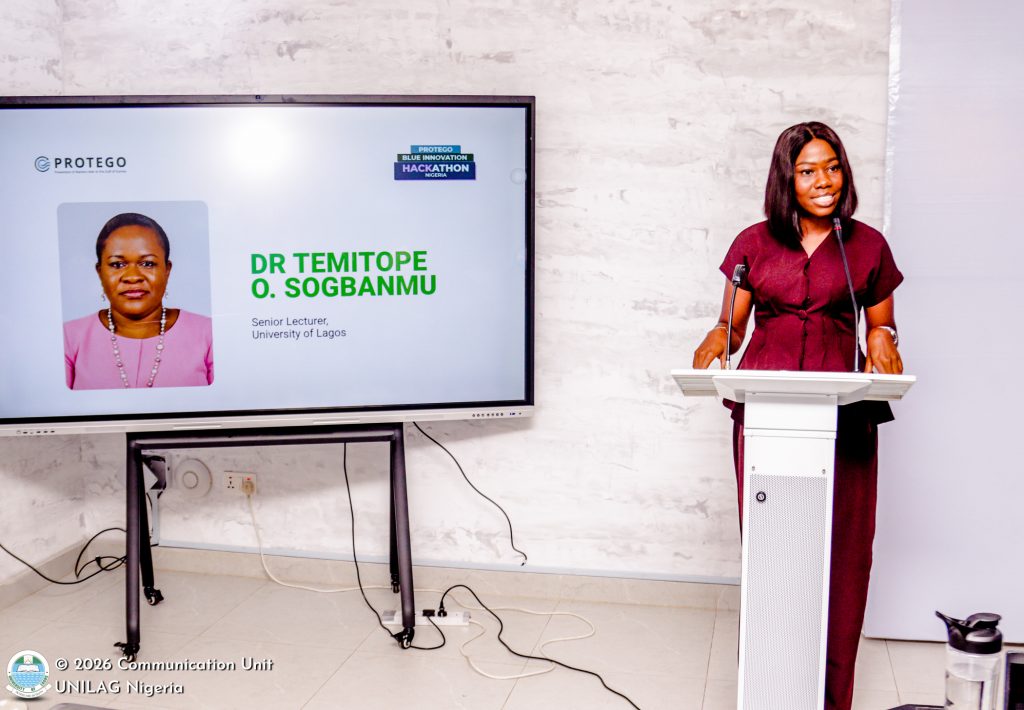
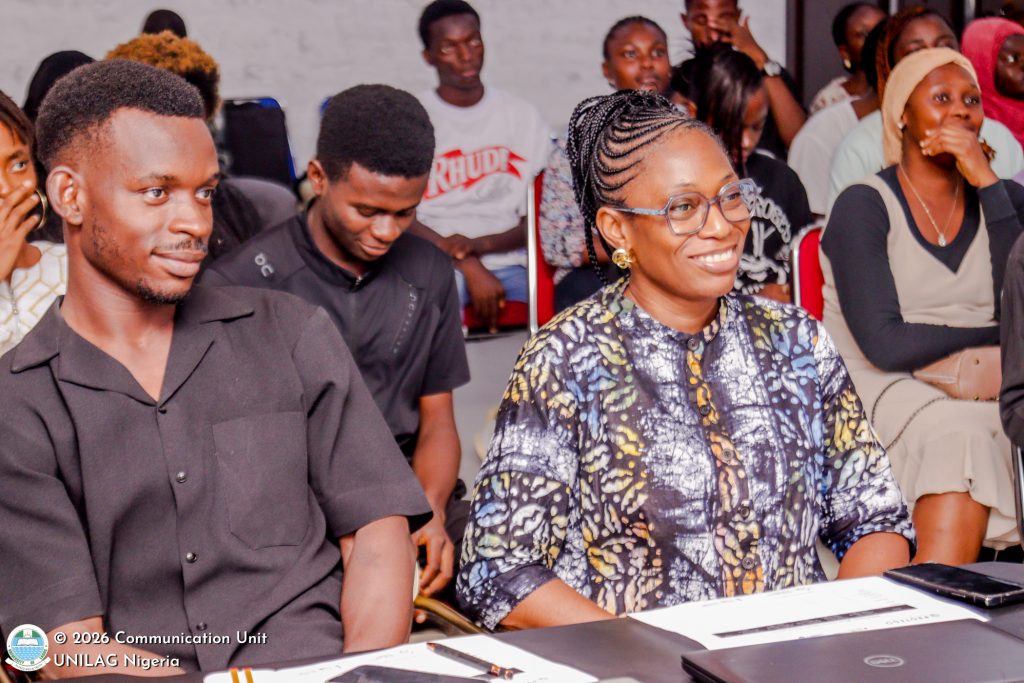
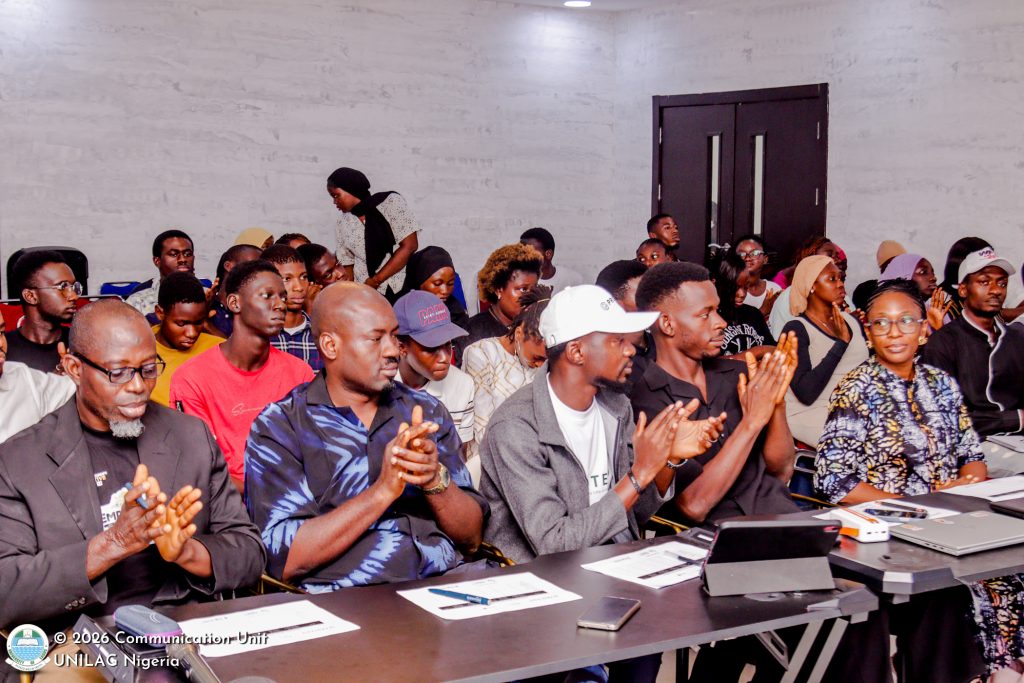
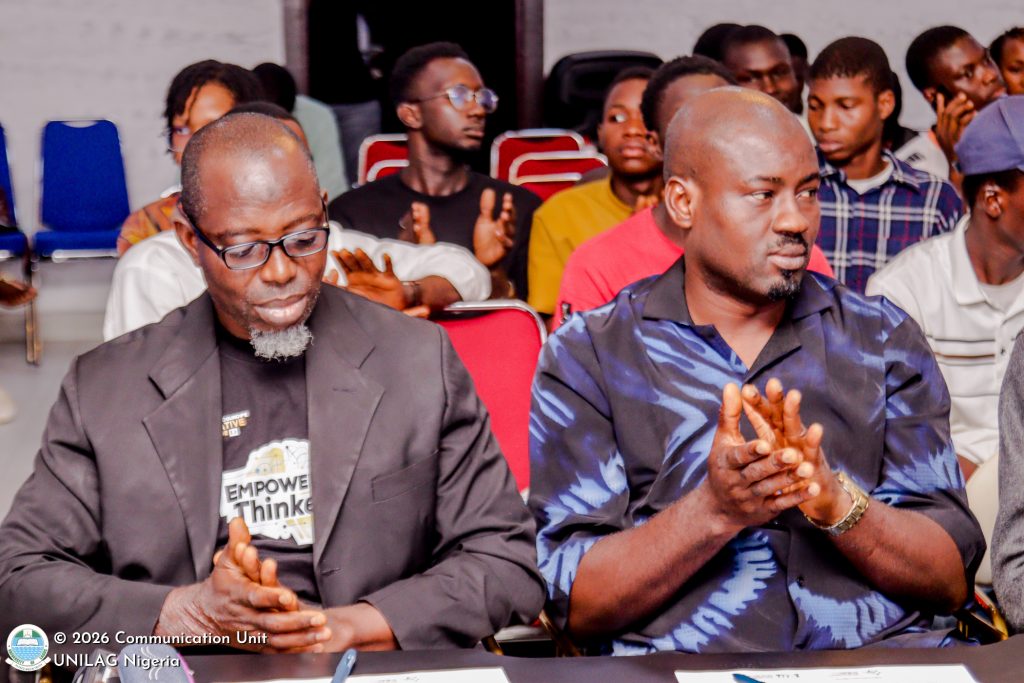
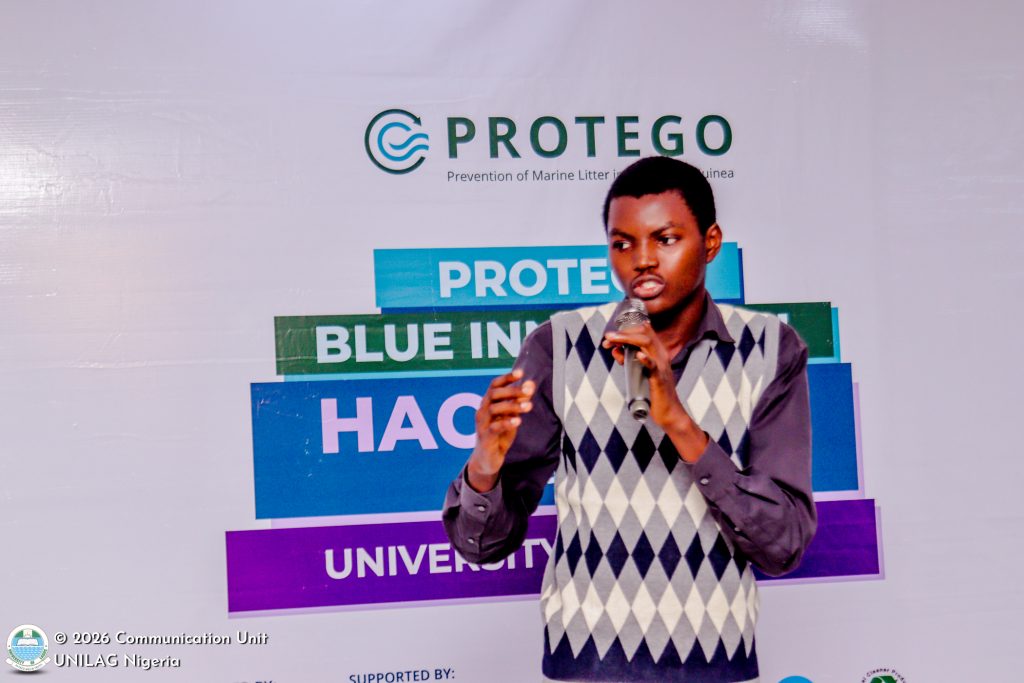
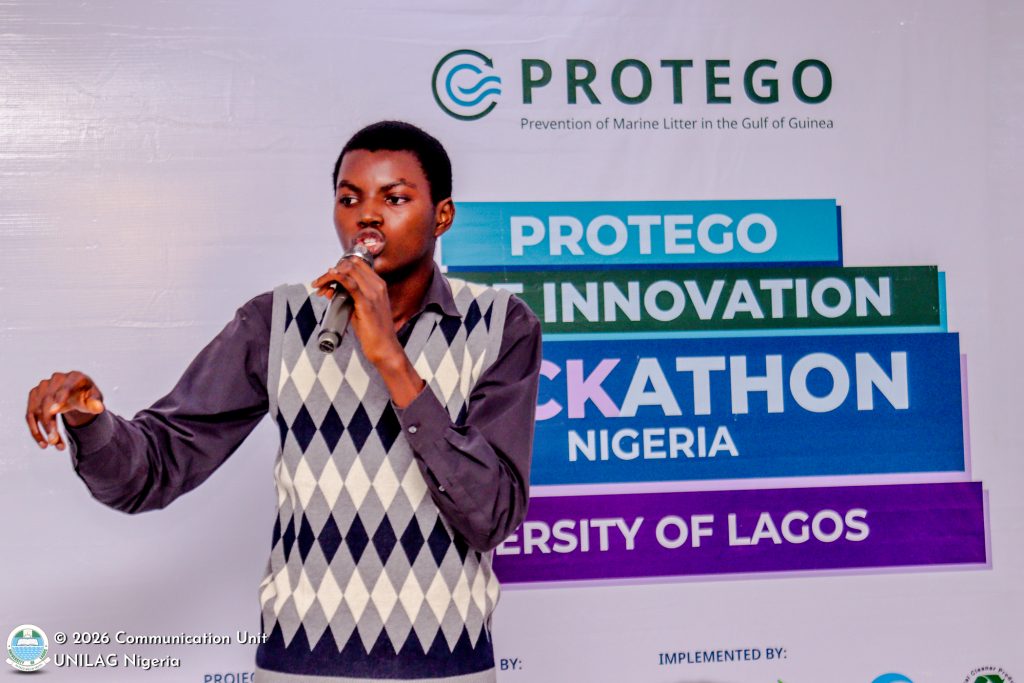
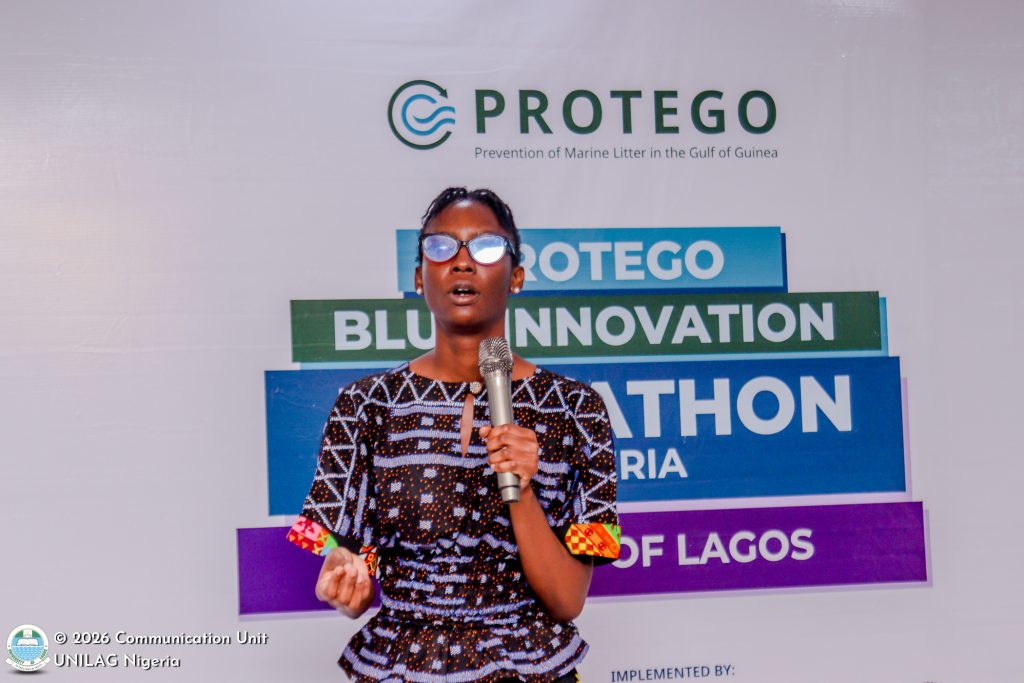
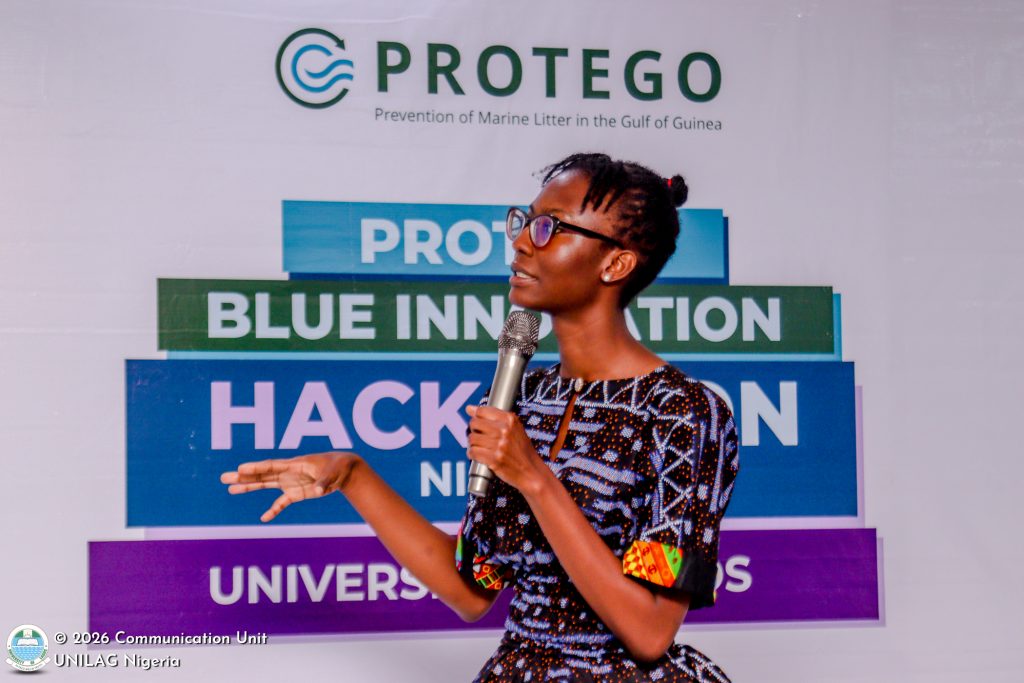
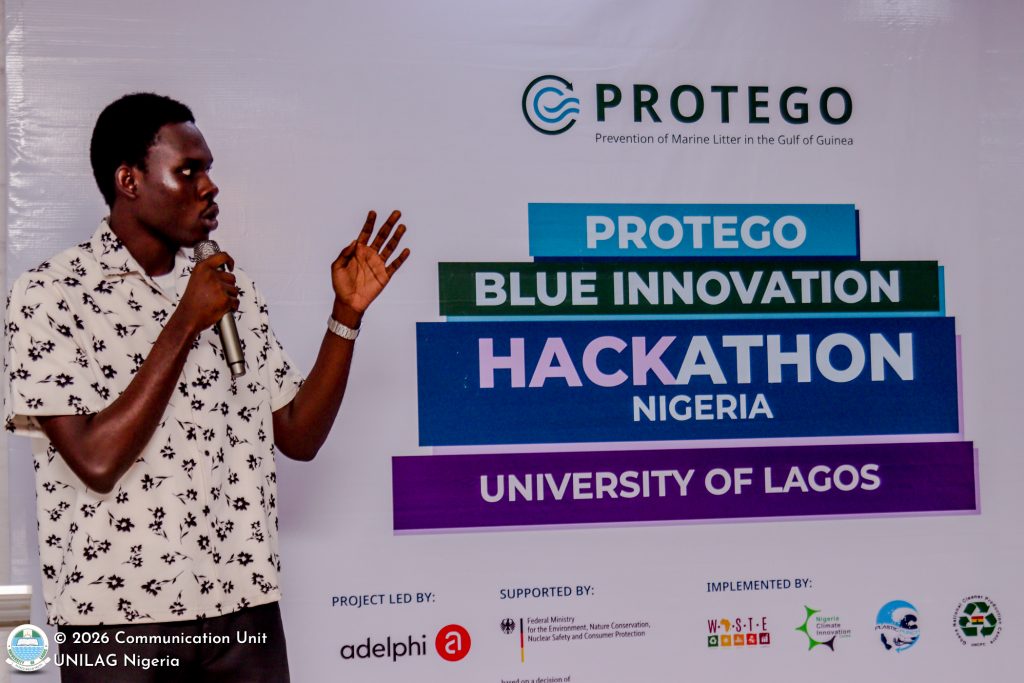
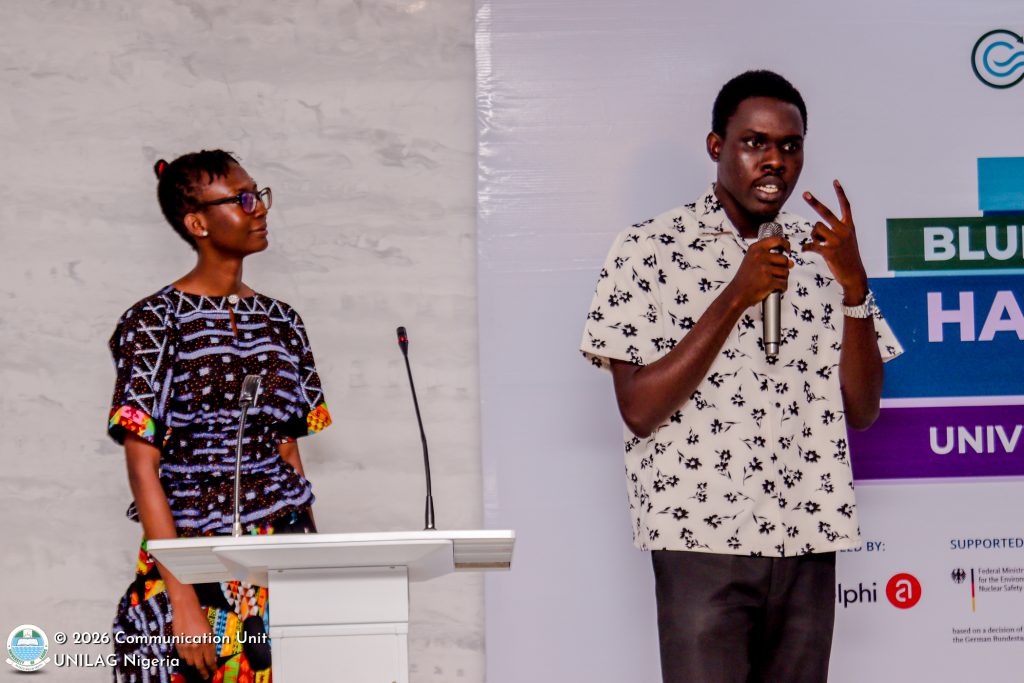
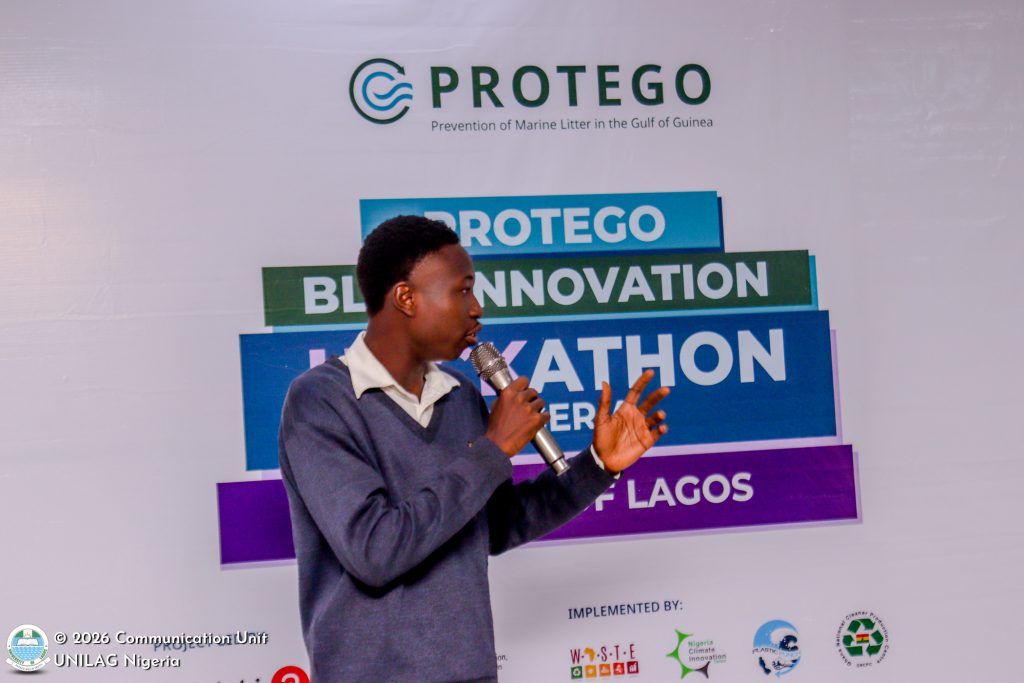
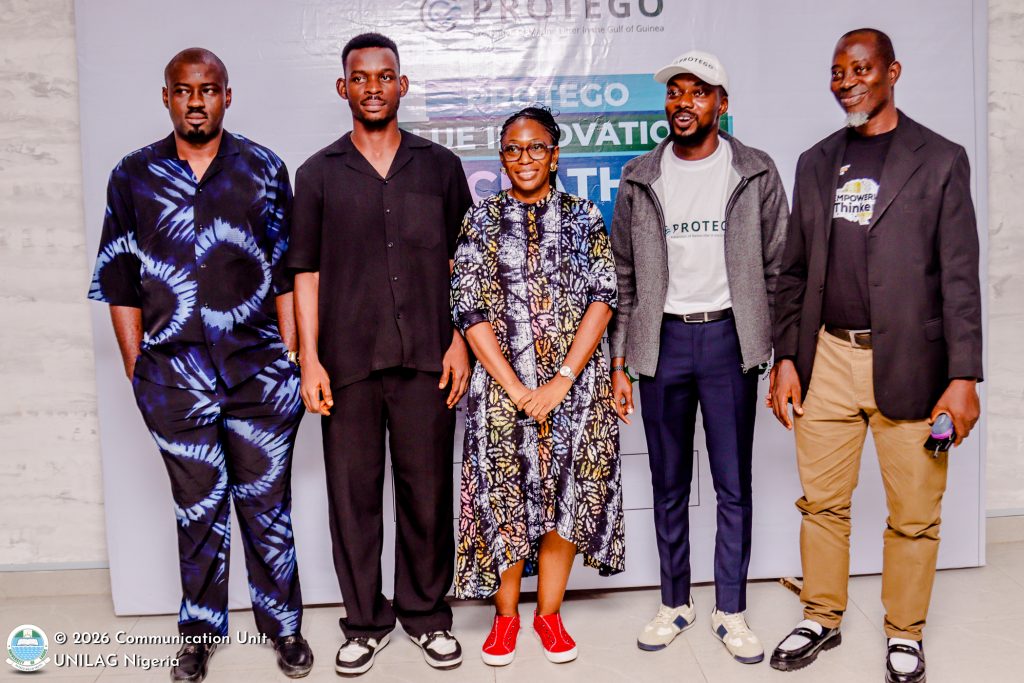
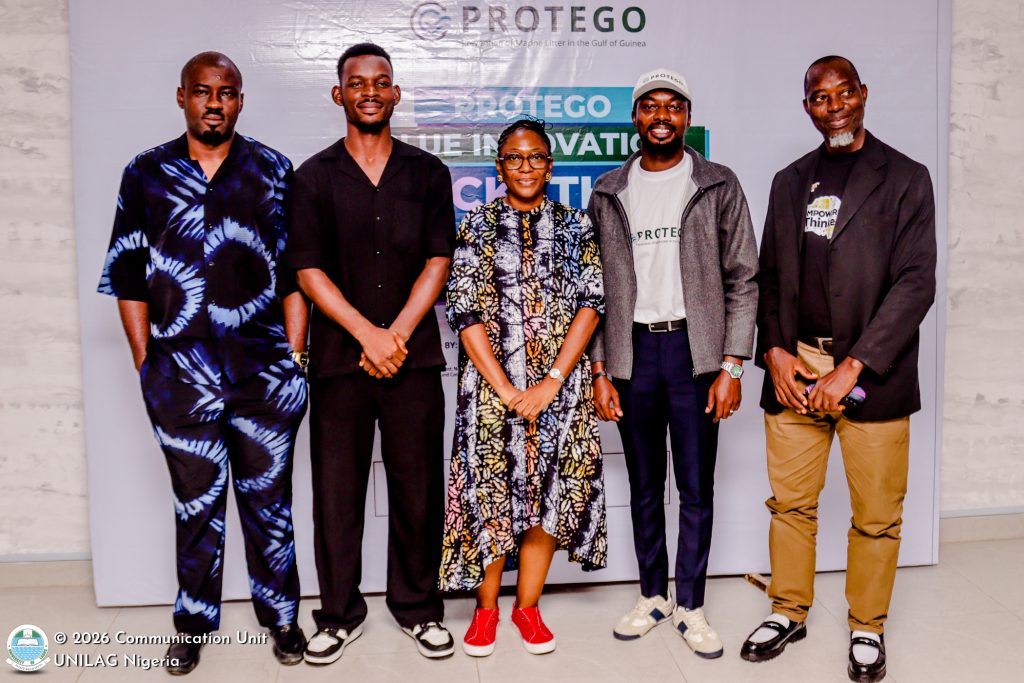
It was this journey of plastic pollution, and the urgent need to interrupt it, that formed the focus of the PROTEGO Blue Innovation Hackathon held at the University of Lagos (UNILAG) on Thursday, November 19, 2026. Hosted by the TETFund Centre of Excellence in Biodiversity Conservation and Ecosystem Management (TCEBCEM), the event brought together young innovators from tertiary institutions in Lagos State to pitch practical ideas for tackling marine litter and preventing plastic waste from entering the Gulfof Guinea.
The hackathon was organised under PROTEGO, an initiative whose name represents Prevention of Marine Litter in the Gulf of Guinea. It provided a platform for students to apply creativity, technology, and entrepreneurial thinking to an environmental challenge with far-reaching implications for Nigeria and the wider West African region.
From Local Waterways to the Gulf of Guinea
The need for the initiative is rooted in the realities of communities where plastic waste has become a visible environmental burden. PROTEGO identified two project hotspots in Nigeria: Ajegunle in Lagos State and Nsidung in Cross River State. These locations provide important contexts for understanding how plastic waste is generated, moves through communities, and eventually finds its way into waterways and marine environments.
The three-year project is funded by the German Federal Ministry for the Environment, Nature Conservation, Nuclear Safety, and Consumer Protection under its Grant Programme against Marine Litter. Led by adelphi research, it is implemented through partners including WASTE Africa and the Nigeria Climate Innovation Centre in Nigeria, alongside Plastic Punch and the Ghana National Cleaner Production Centre in Ghana.
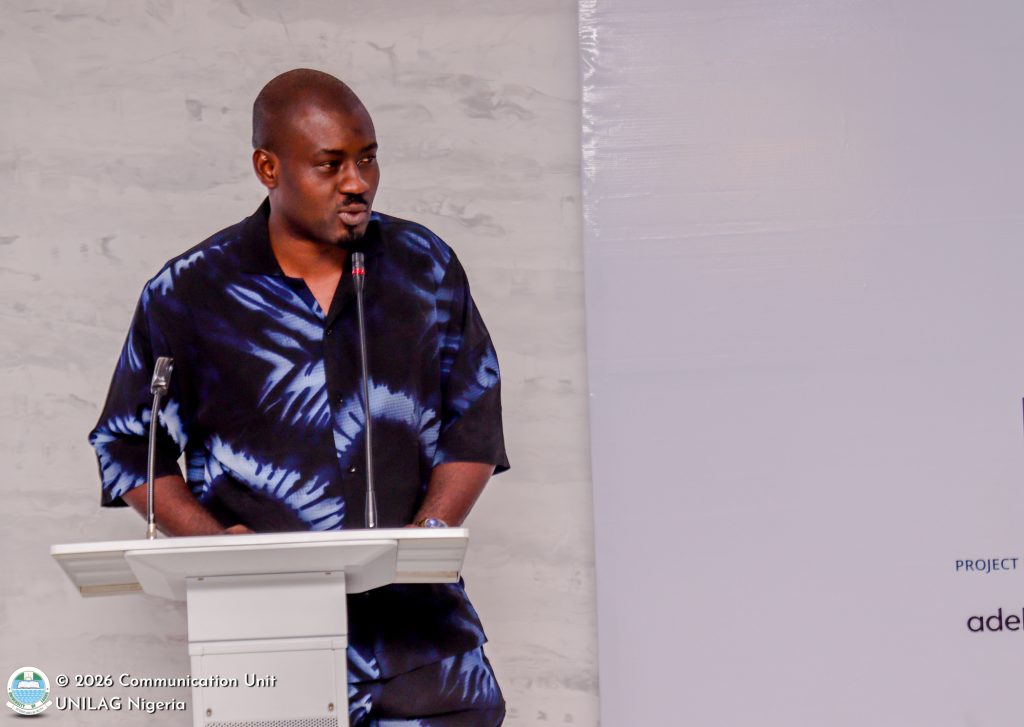
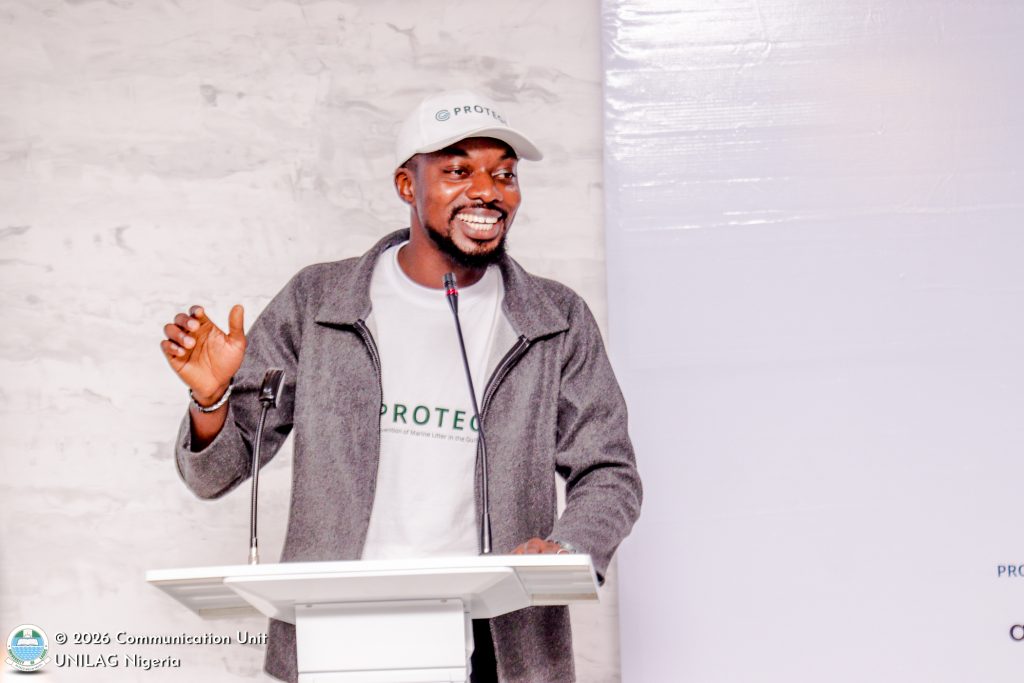
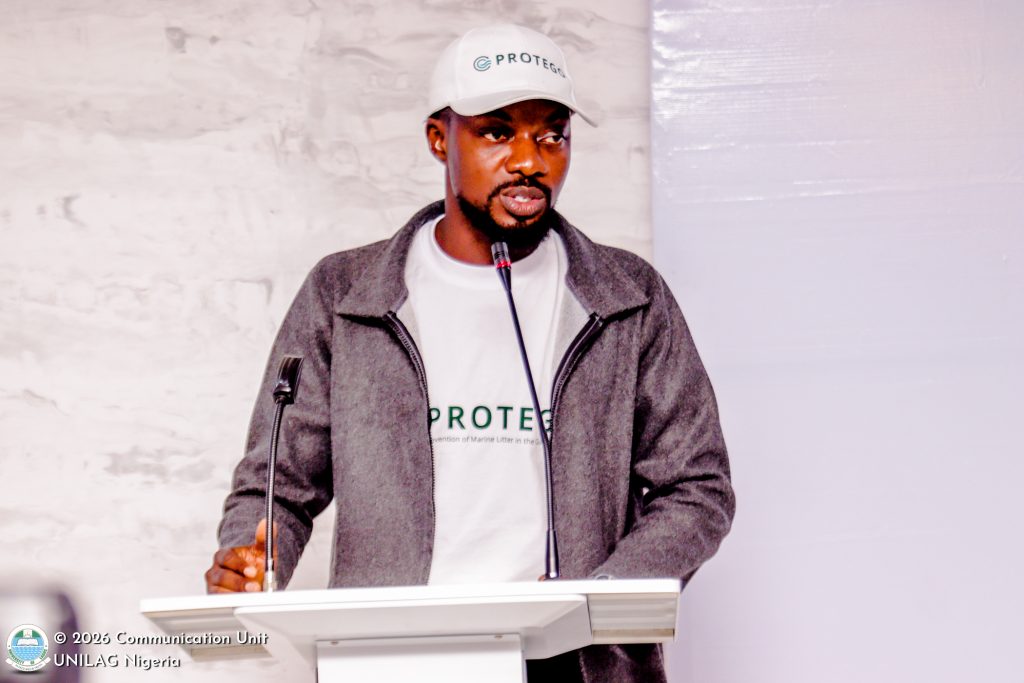
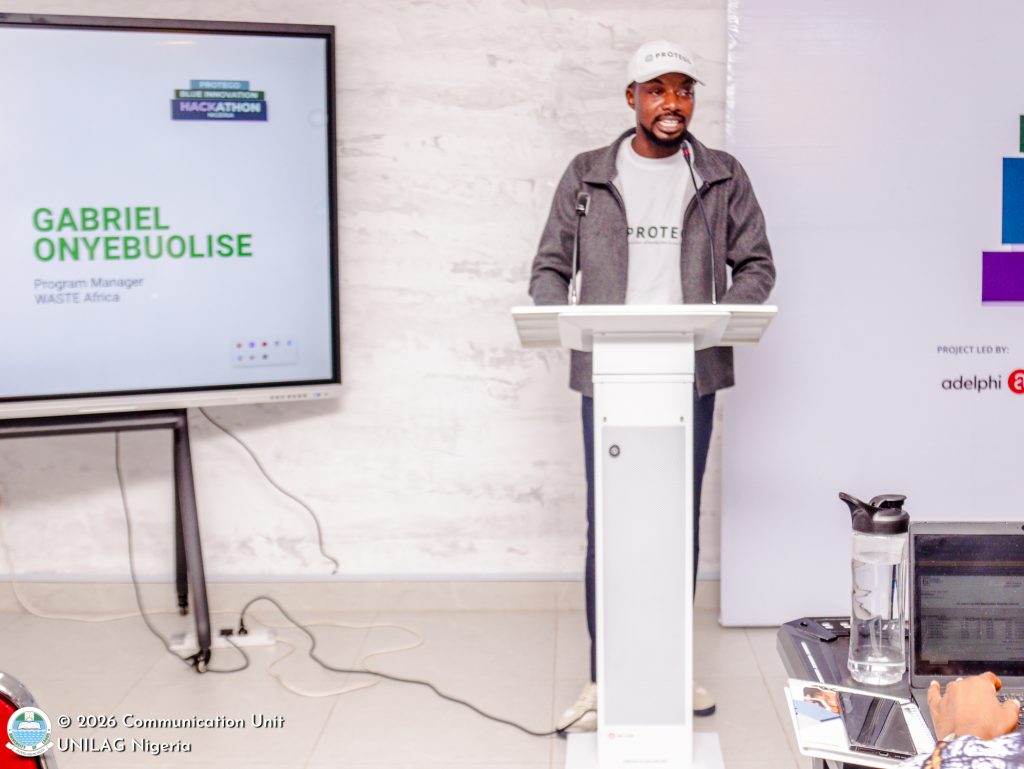
In his welcome address, the Programme Manager, WASTE Africa and PROTEGO Project Representative, Gabriel Onyebuolise, explained that the project approaches the challenge through four interconnected areas of intervention: mapping the problem, testing solutions, strengthening systems, and changing public attitudes through awareness.
These approaches involve 1.tracing plastic leakage into waterways, 2.supporting pilot solutions and local innovators, 3.strengthening institutional capacity and policies, and 4.engaging communities through initiatives such as school green clubs, beach clean-ups, films, and public campaigns.
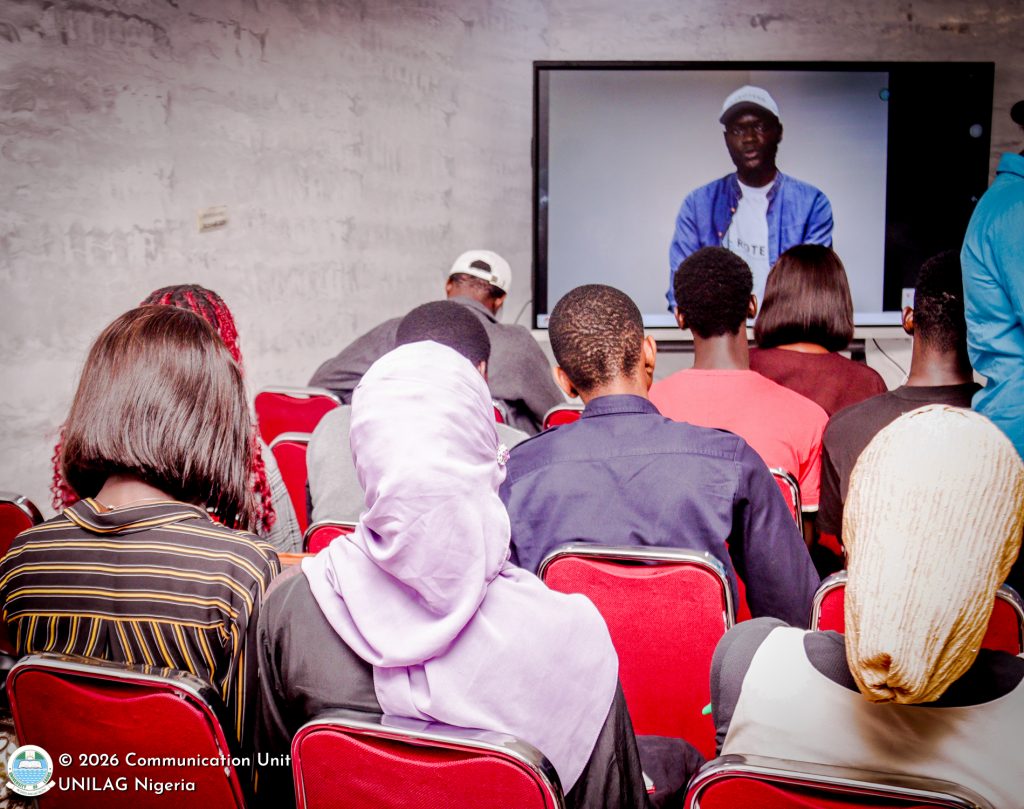
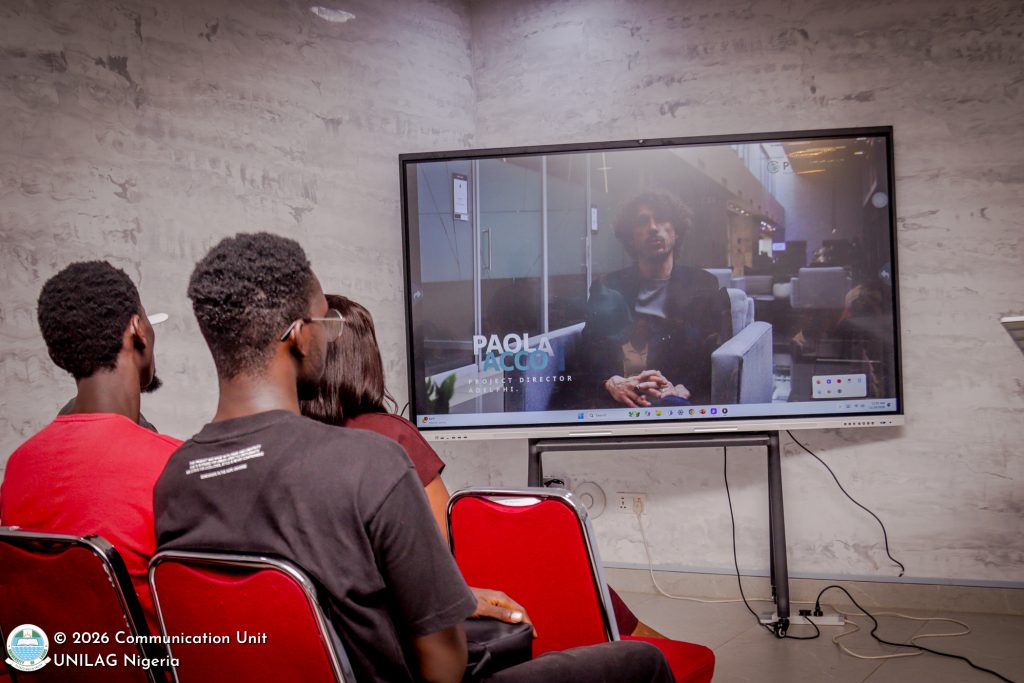
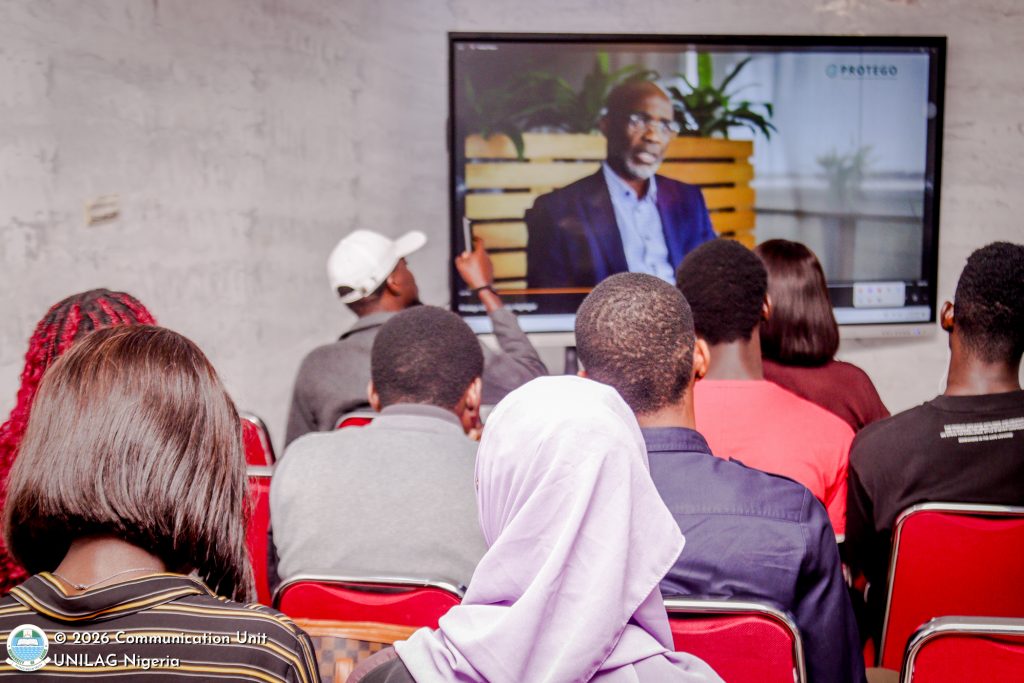
The urgency of this work was brought into sharper focus through a mini-documentary presented by the PROTEGO team, which offered participants a visual account of the plastic pollution situation at the project’s Ajegunle intervention site. The footage captured the environmental realities confronting the community and illustrated how discarded plastic waste accumulates in local waterways, reinforcing the need for practical, community-centred interventions. It also gave context to the project’s decision to identify Ajegunle as one of its two Nigerian hotspots, connecting the discussions in the ACEDHARS Hall to the realities on the ground.
Mr Onyebuolise explained that the project had come to recognise the importance of involving young people in developing solutions, particularly because environmental awareness must translate into practical action. The hackathon was therefore conceived as a way of placing the challenge before students and giving them an opportunity to propose ideas that could be tested and developed beyond the competition.
Reflecting on an encounter at the Tolu Canal in Ajegunle, he recalled a conversation with a trader who had watched the canal become increasingly clogged with plastic waste. Her observation, “It was not always like this,” spurred in him the firm believe that there was posibility for change. If the situation had not always been that way, it did not have to remain that way. The task, he emphasised, was to build a future in which communities could once again enjoy cleaner waterways and healthier environments.
A Platform for Young Environmental Innovators
The response to the hackathon demonstrated considerable interest among students in contributing to environmental solutions. A total of 72 applications were received from tertiary institutions across Lagos and Cross River States, from which 27 participants were shortlisted: 15 from Cross River and 12 from Lagos.
The selected participants subsequently underwent a one-week virtual boot camp designed to strengthen their ideas and prepare them for the demands of developing viable solutions. During the programme, they were challenged to interrogate their assumptions, identify their intended users, understand the communities they hoped to serve, and consider the practical and financial sustainability of their proposals.
The process encouraged participants to return to their communities, test their ideas, and refine their approaches based on what they discovered. The aim was to move beyond attractive presentations to solutions grounded in actual environmental needs.
The Cross River State leg of the hackathon had earlier reached its conclusion on Wednesday, November 11, 2026, with Team Blue Barrier emerging as the first-place winner. In Lagos, the 12 shortlisted participants were further narrowed to seven finalists, five of whom presented their solutions at the final pitch held at the African Centre of Excellence for Drug Research, Herbal Medicine Development and Regulatory Science (ACEDHARS), University of Lagos (UNILAG).
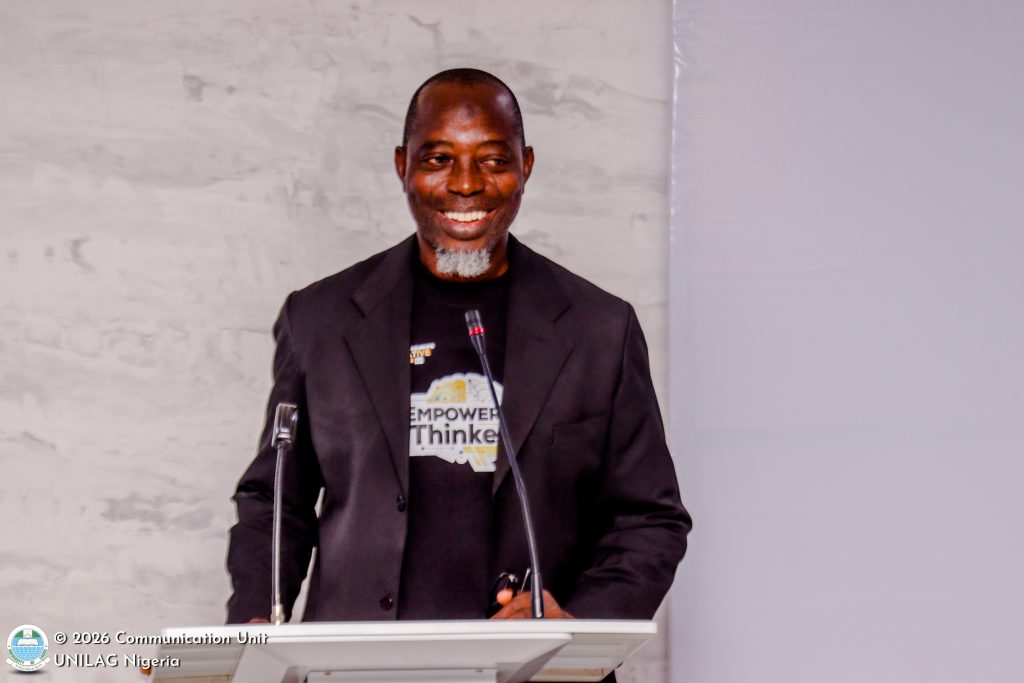
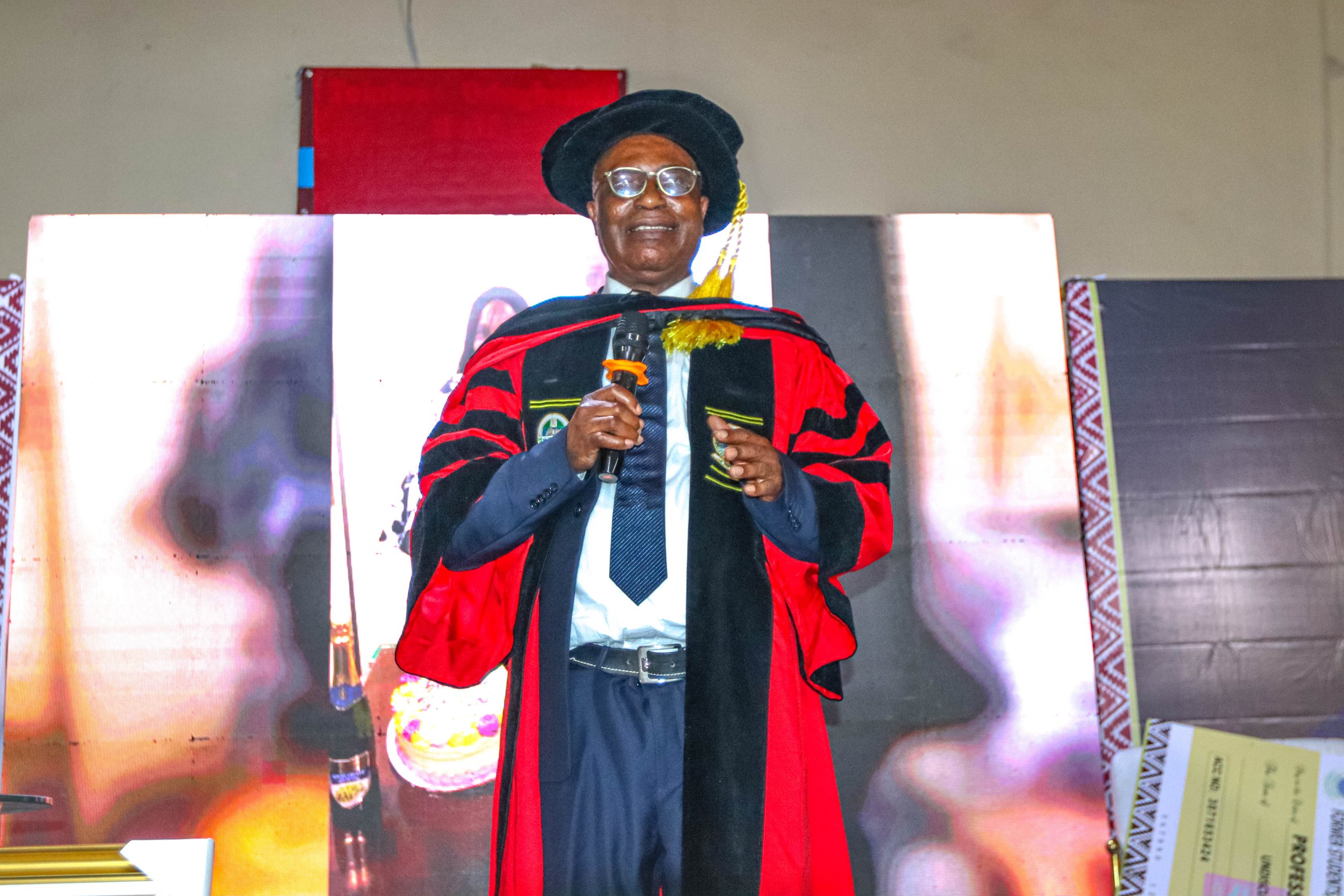
The opening session featured an address by the Director, TCEBCEM, Professor Liasu Adebayo Ogunkanmi, who was represented by Dr Okwong Walter. In his address, he welcomed participants and acknowledged the contributions of PROTEGO, adelphi research, the supporting partners, implementing organisations and the University of Lagos towards making the event possible.
He described the hackathon as an opportunity for young innovators to develop practical responses to marine litter and plastic pollution in the Gulf of Guinea. He encouraged the participants to think boldly, collaborate effectively, and make the most of the platform, noting that the ideas developed could become solutions with lasting environmental impact.
Understanding the Journey from Gutter to Gulf
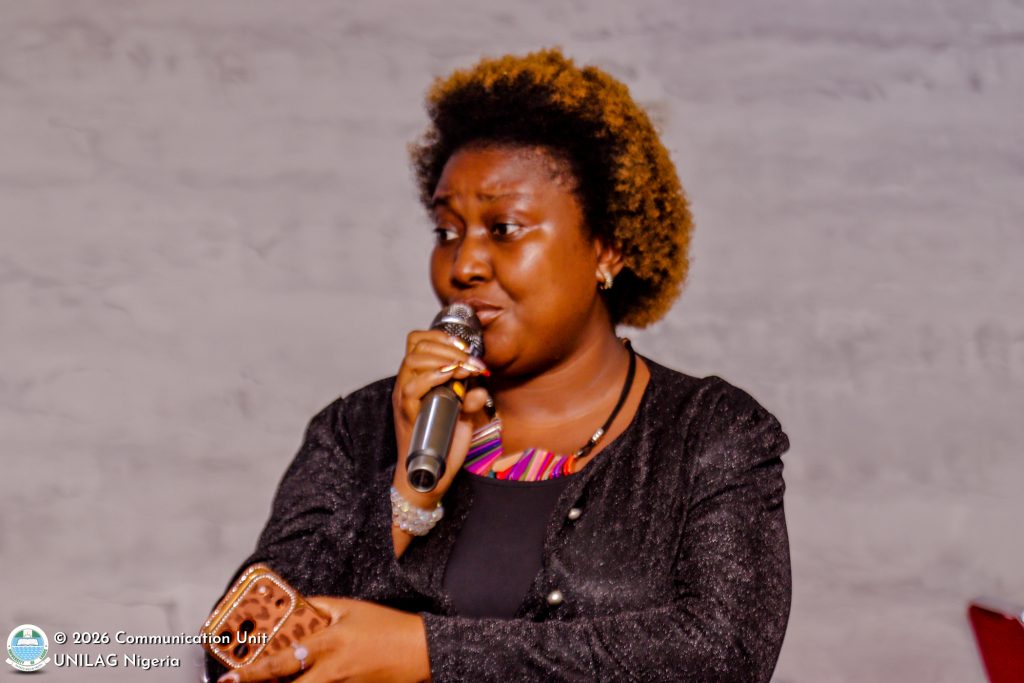
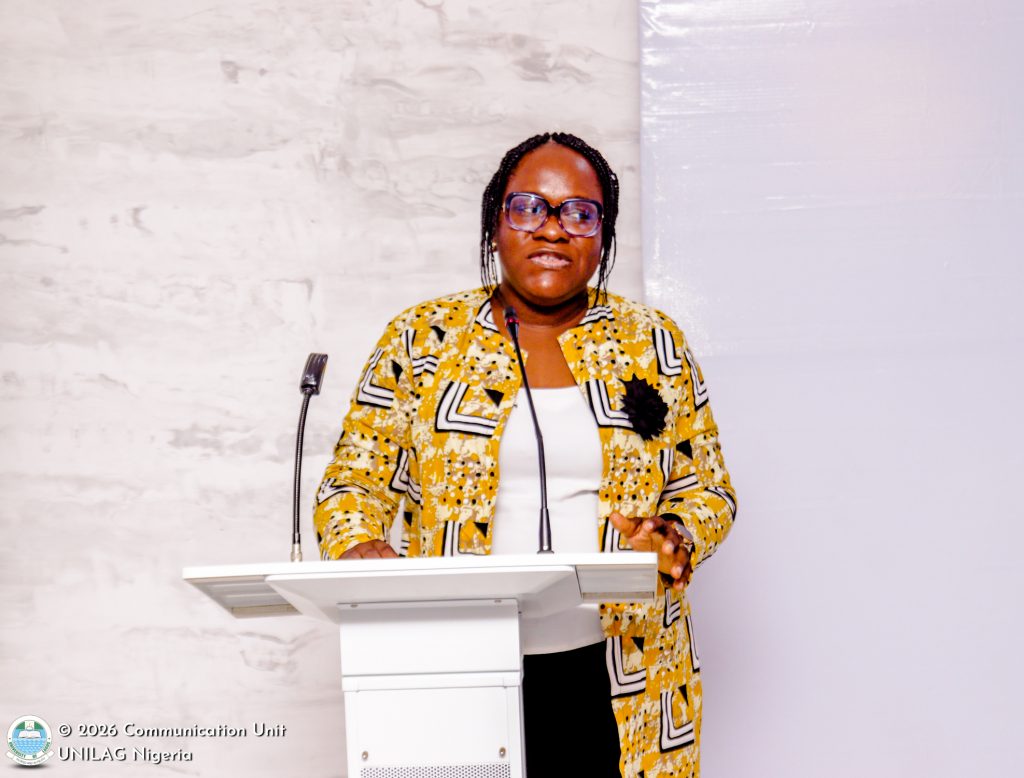
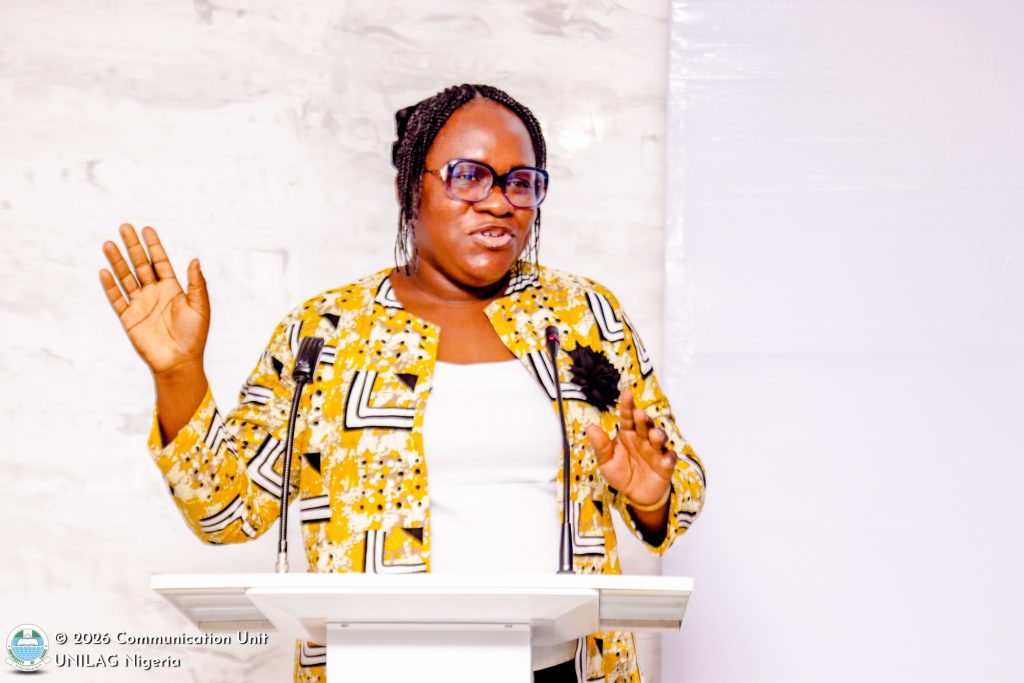
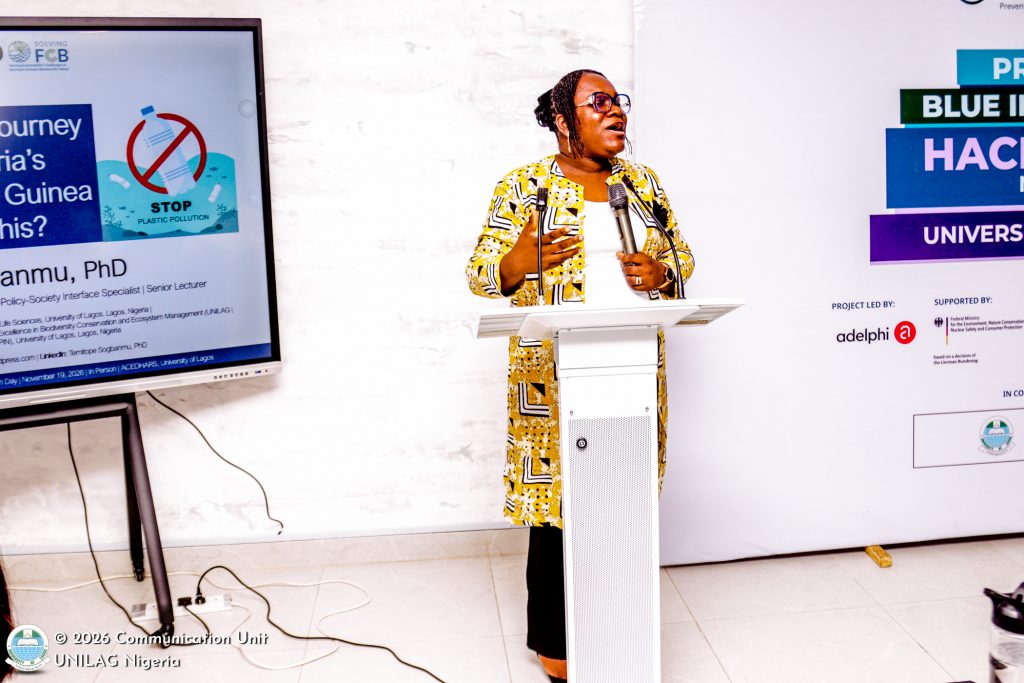
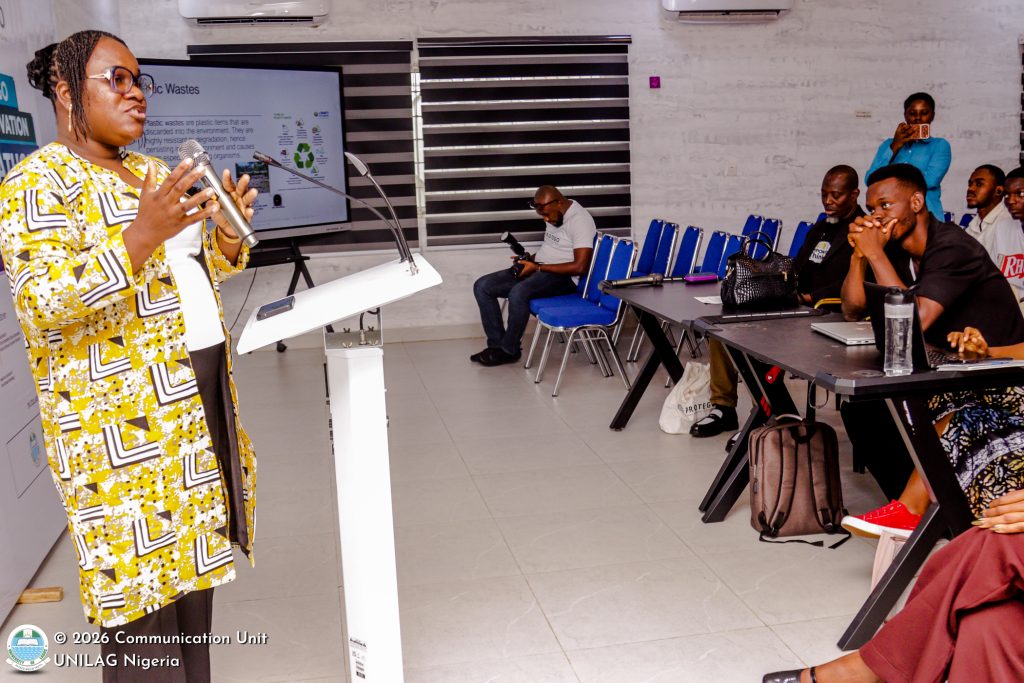
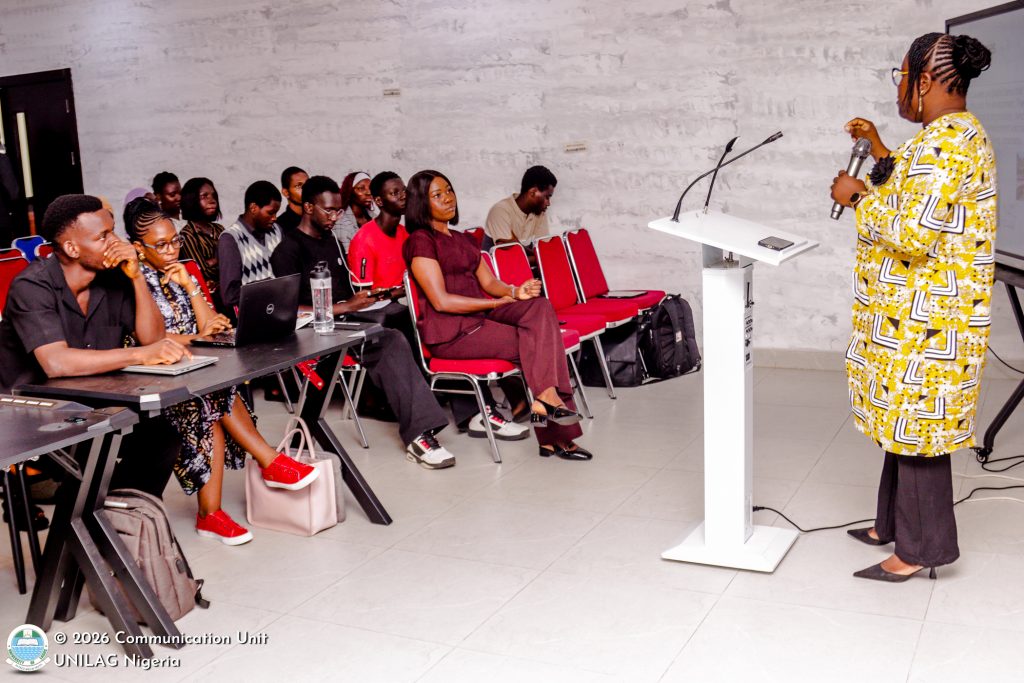
Providing the scientific and environmental context for the competition was the keynote address delivered by Dr Temitope Sogbanmu, an Environmental Toxicologist, Pollution Management Expert and Senior Lecturer in the Department of Zoology, Faculty of Life Sciences, University of Lagos. Her presentation was titled, “From Gutter to Gulf: The Journey of Plastic through Nigeria’s Waterways into the Gulf of Guinea: How Can We Stop This?”
Drawing attention to the persistence of plastic waste in the environment and the harm it causes to living organisms, Dr Sogbanmu explained how discarded plastic items move from land-based sources through drainage systems and waterways into coastal and marine environments.
Her presentation traced the connections between Nigeria’s waterways and the Gulf of Guinea, illustrating how waste generated within communities can become part of a much wider environmental problem. It reinforced the importance of understanding the pathways through which plastic waste enters aquatic ecosystems, rather than treating marine litter as a problem that begins only at the coastline.
To bring this environmental challenge closer to home, Dr Sogbanmu also presented a mini-documentary showing the prevalence of plastic waste and water pollution in parts of Lagos often associated with more affluent residential and commercial environments. The footage featured Obalende and locations along the Lagos Island corridor leading towards Dolphin Estate in Ikoyi, as well as Victoria Island. The scenes offered a compelling reminder that plastic pollution is not restricted to communities commonly identified as waste hotspots. Even areas with higher property values and commercial activity are not insulated from the consequences of poor waste disposal and the movement of plastic through urban drainage and waterways.
The visual presentation reinforced an important point: environmental pollution does not respect neighbourhood boundaries. Its causes and consequences are interconnected, making collective responsibility and sustained action essential to protecting Lagos’ waterways.
Dr Sogbanmu outlined practical approaches to preventing plastic waste from reaching the ocean. These included tracking the types and sources of plastic waste entering waterways to support evidence-informed advocacy; preventing plastic blockages in drainage systems and water channels; and deploying trash traps, screens, and litter booms at strategic locations such as outfalls, junctions, and river mouths, particularly in identified hotspots.
Other approaches highlighted included periodic clean-ups of coasts, shorelines, and riverfronts, as well as the deliberate involvement of young people, community members, and local leaders in advocacy. She also drew attention to the potential of technology and digital applications to encourage behavioural change, track waste, and map points of entry into waterways.
The keynote ultimately challenged participants and other stakeholders to become more intentional about their everyday choices and lifestyles, particularly in reducing plastic use and preventing improper disposal. It reinforced the point that scientific knowledge, technological innovation, and community participation must work together to address the problem of marine litter.
Five Teams, Five Ideas for Tackling Plastic Pollution
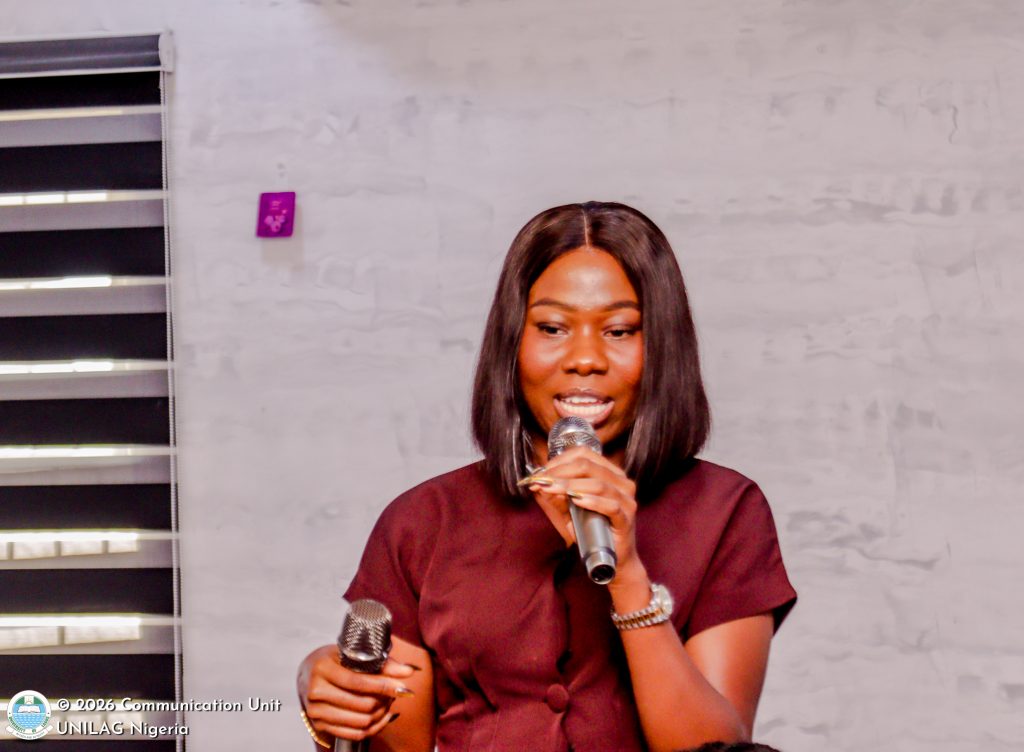
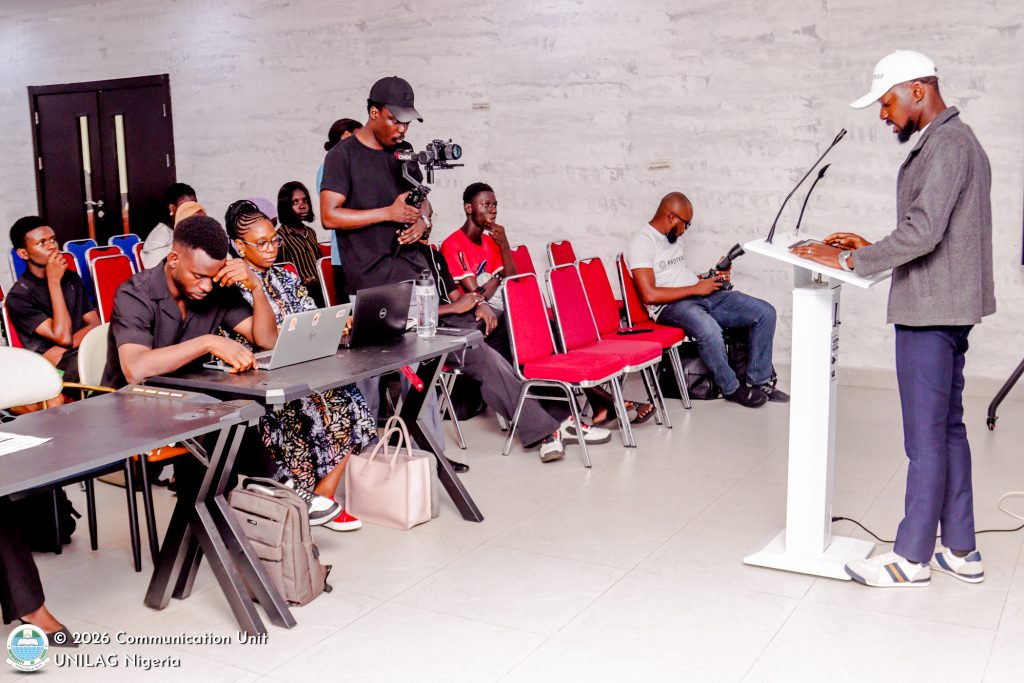
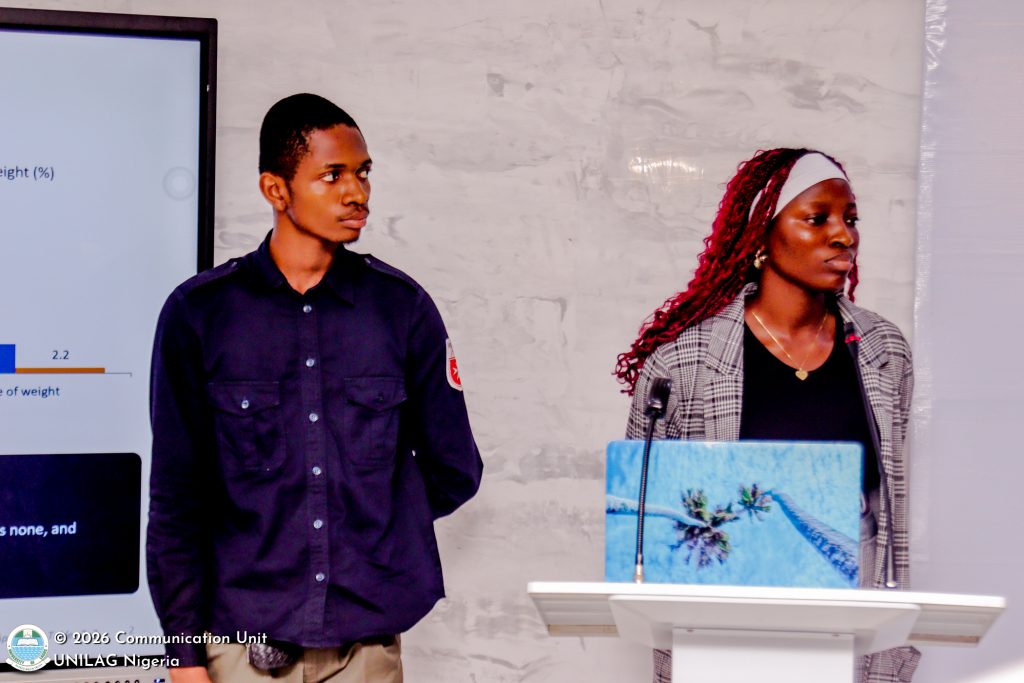
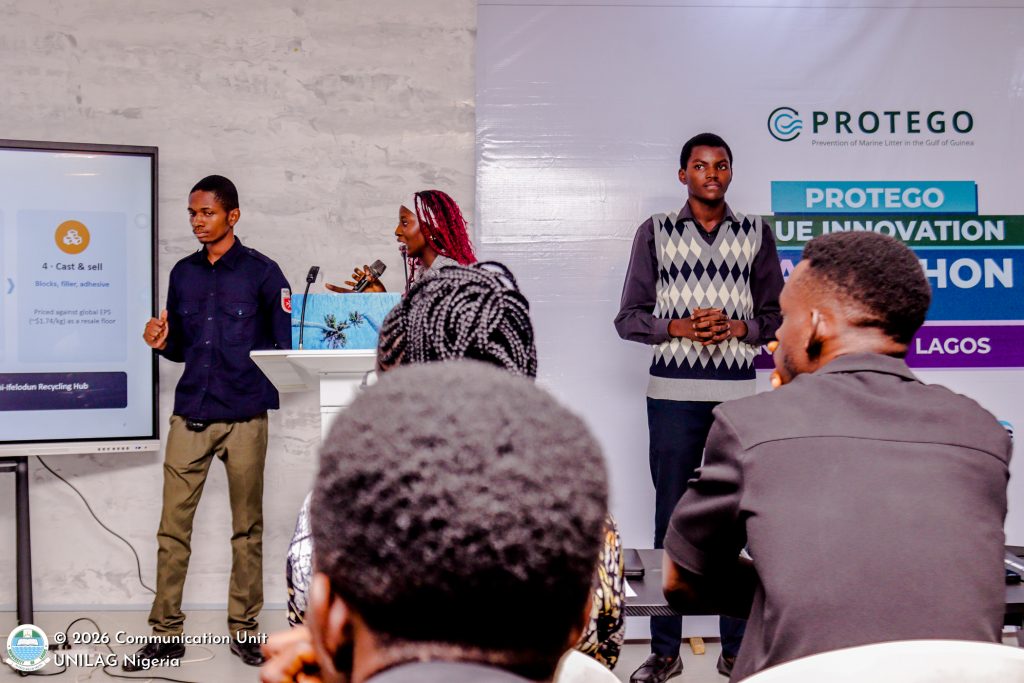
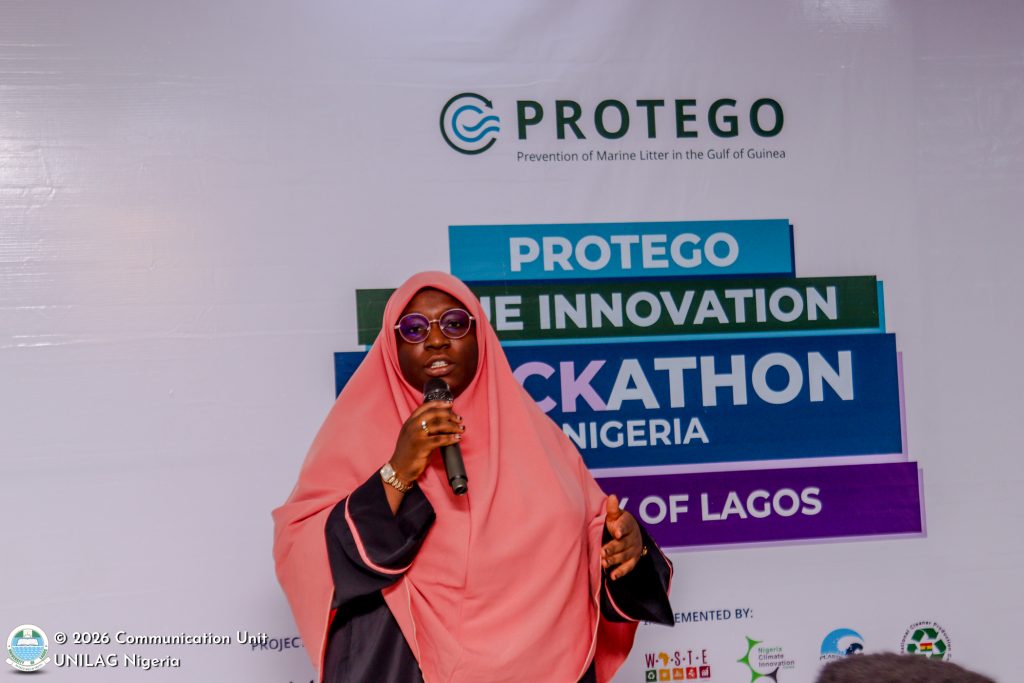
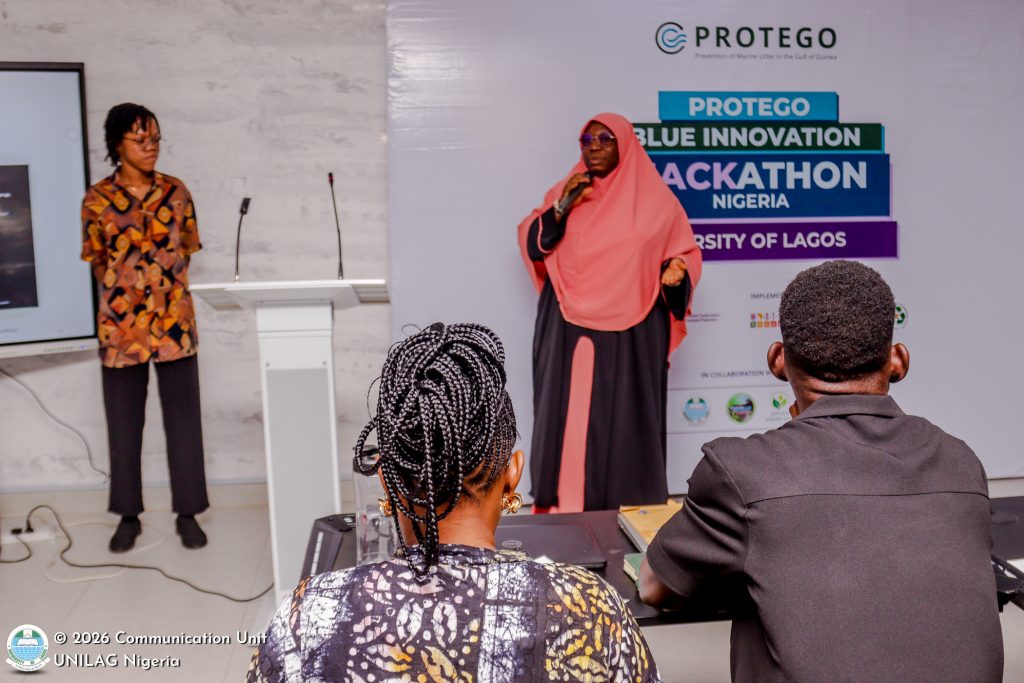
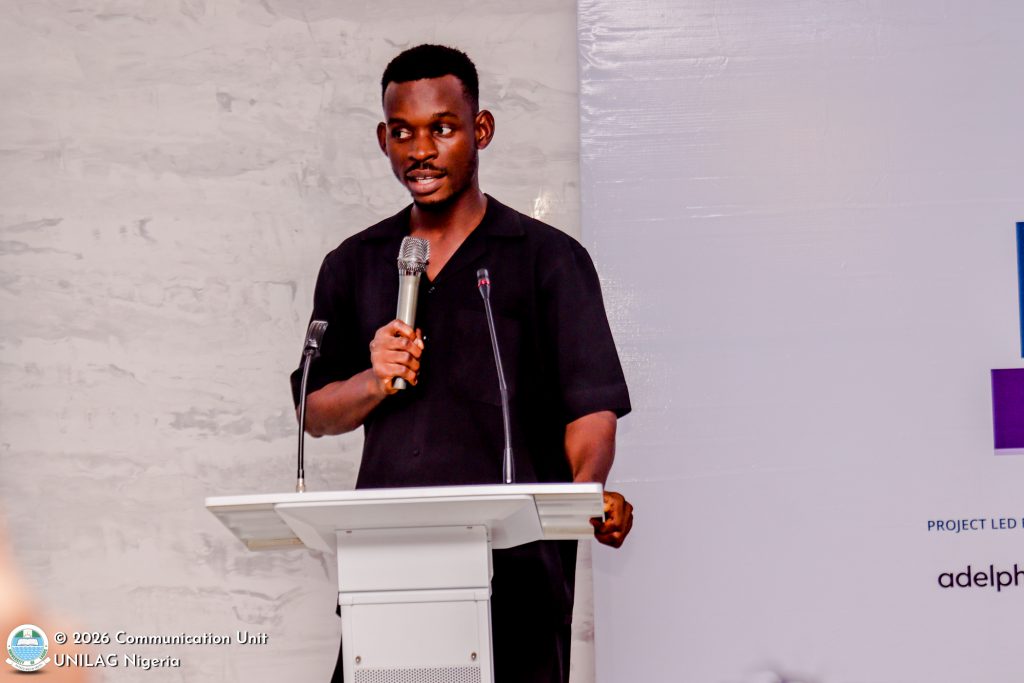
Following the keynote address, the event, expertly moderated by Martha Eginiwin, Lead Design Analyst, WASTE Africa, transitioned into the final pitch session, where the five participating teams presented their proposed solutions before a panel of judges.
The panel of judges comprising: Gabriel Onyebuolise, Program Manager, WASTE Africa; Dr. Okwong Walter, of the Tetfund Center of Excellence in Biodiversity Conservation and Ecosystem Management, University of Lagos; Dr. Mutiu Sifau, of the Department of Cell Biology and Genetics, University of Lagos; Omoh Alokwe, Co-founder, Street Waste Company; and Obaloluwa Dairo, Head of Venture Development, Circular Business Platform. The judges’ assessment considered each proposed solution for: relevance to the marine litter challenge (Ajegunle context), innovation and originality, feasibility and practicality, clarity of problem-solution fit and presentation quality, and scalabity and potential for broader impact.
The presentations reflected different ways of approaching the challenge, from creating economic value from difficult-to-recycle materials to improving waste collection, coordination and flood resilience.
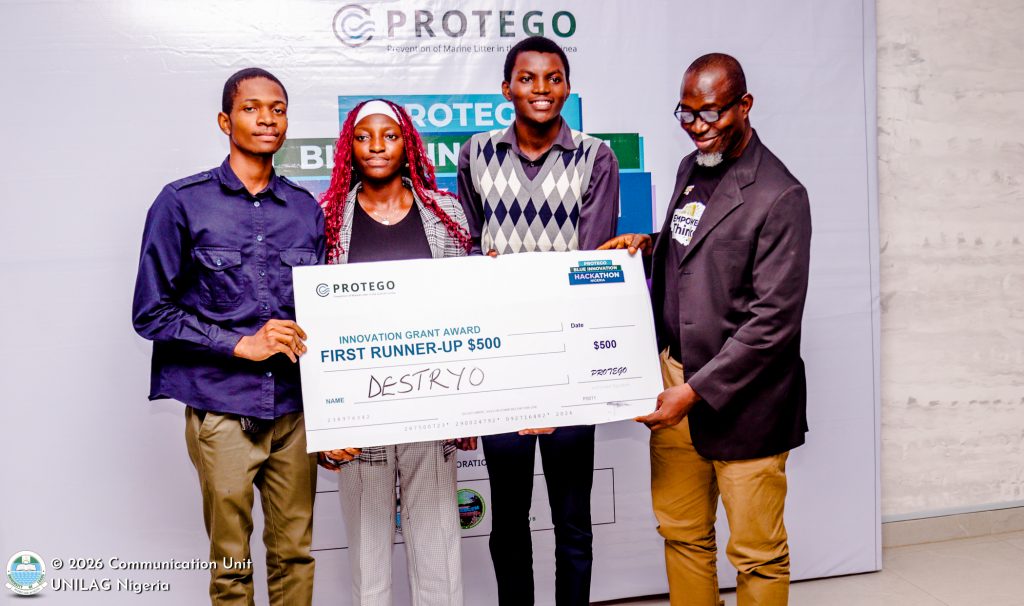
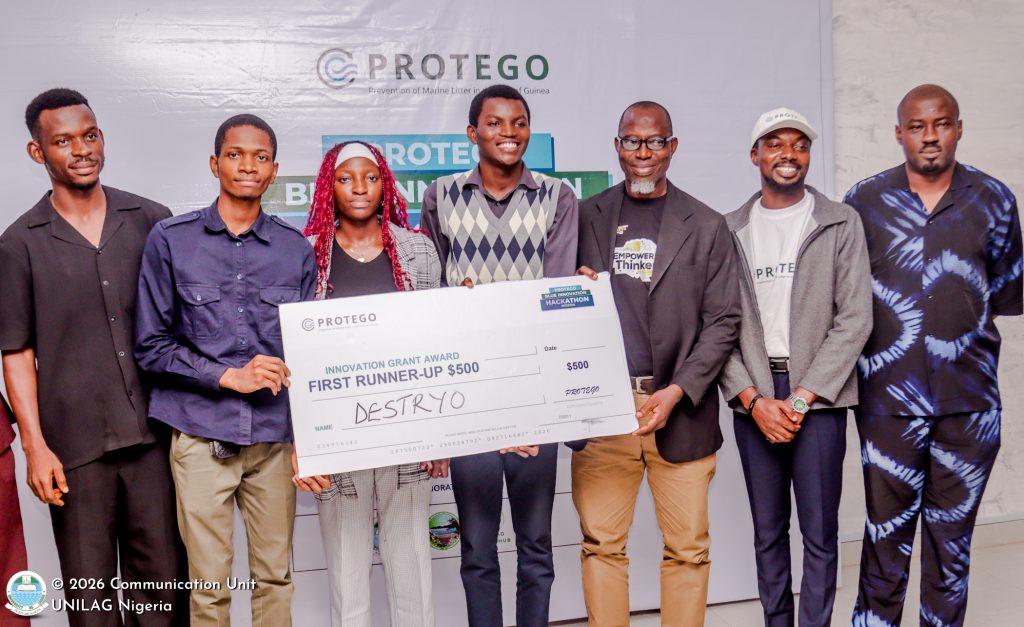
Team Destryo, comprising three students from the University of Lagos, proposed putting a price on the one litter nobody picks up: Styrofoam. The idea focused on addressing the challenge of discarded Styrofoam by creating an incentive for its collection and recovery.
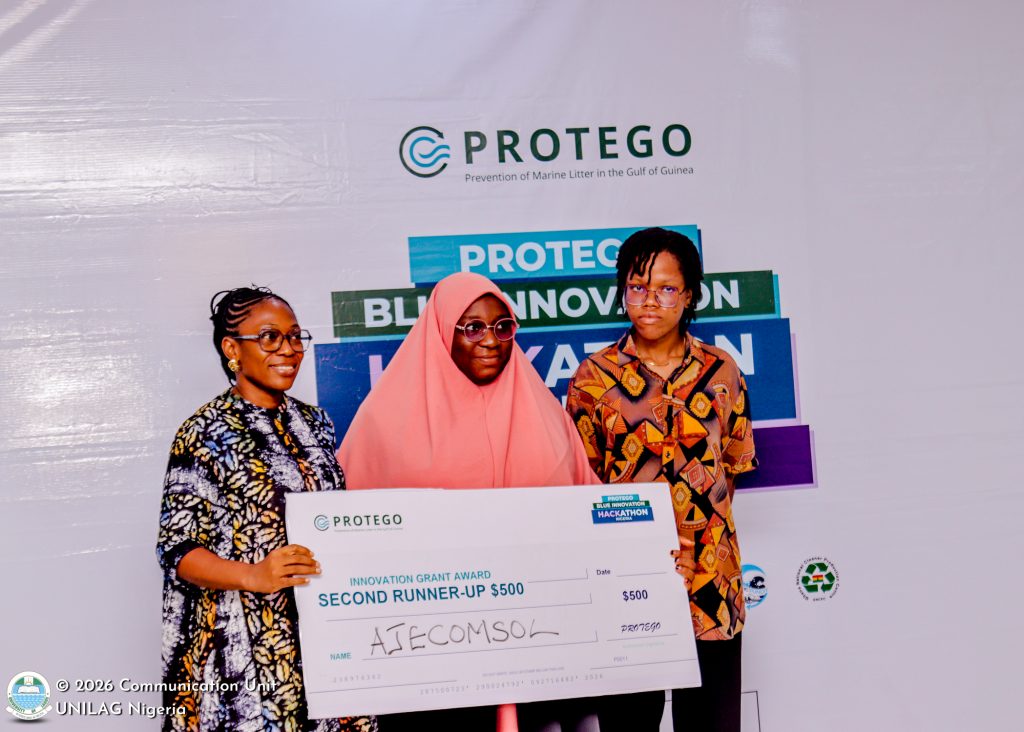
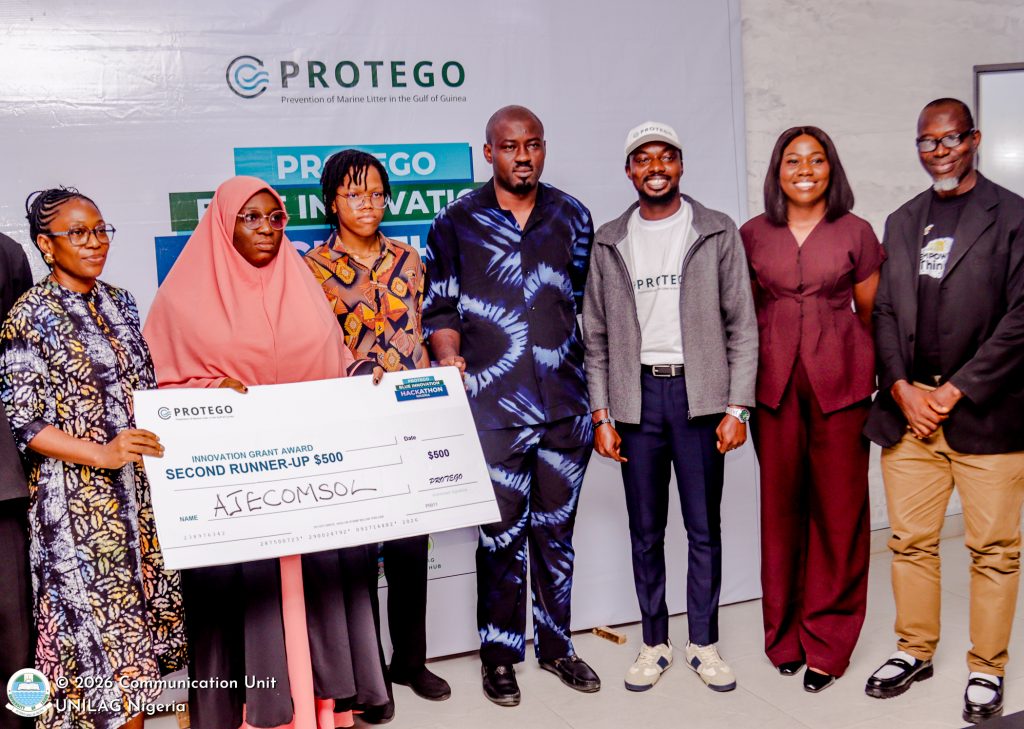
Team AJECOMSOL, made up of four UNILAG students, presented a community-focused solution for marine litter in Ajegunle. Its proposal sought to transform the community’s experience of waste from an environmental burden into an opportunity for value creation.
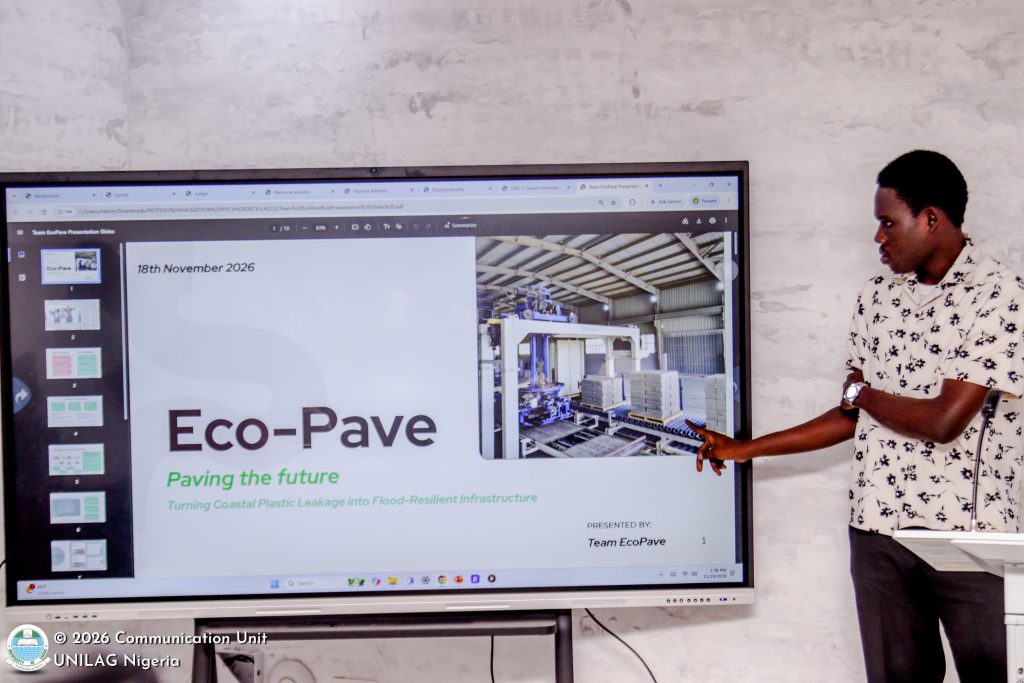
Team Eco-Pave, comprising four students from Pan-Atlantic University, Lagos, proposed turning plastic waste leaking from coastal communities into flood-resilient infrastructure. The idea explored how recovered plastic could be put to productive use while contributing to solutions for environmental and flooding challenges.
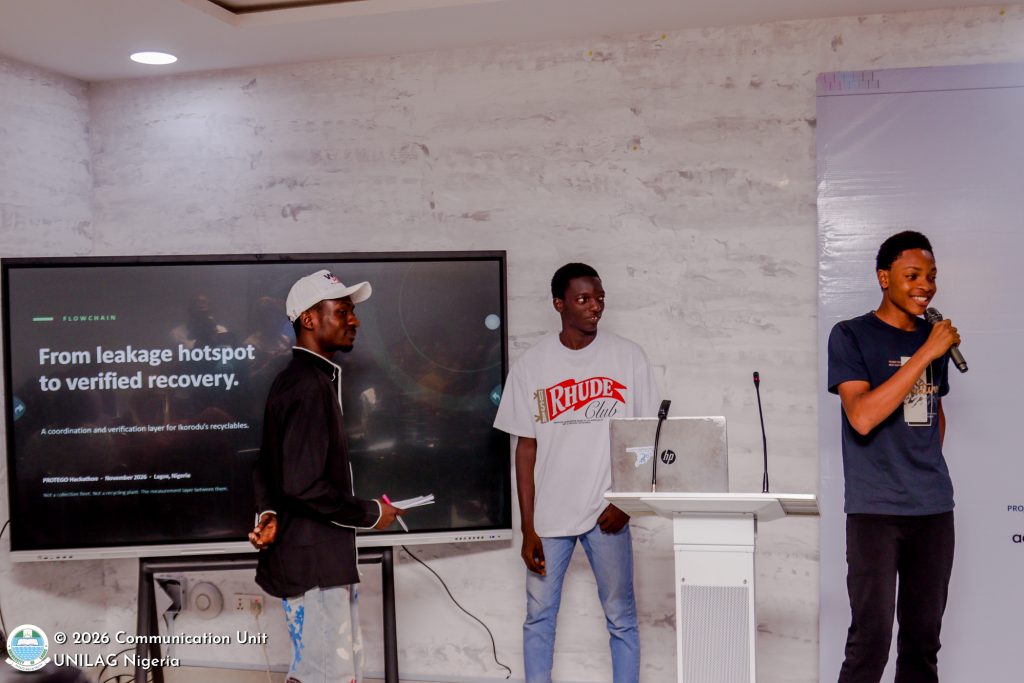
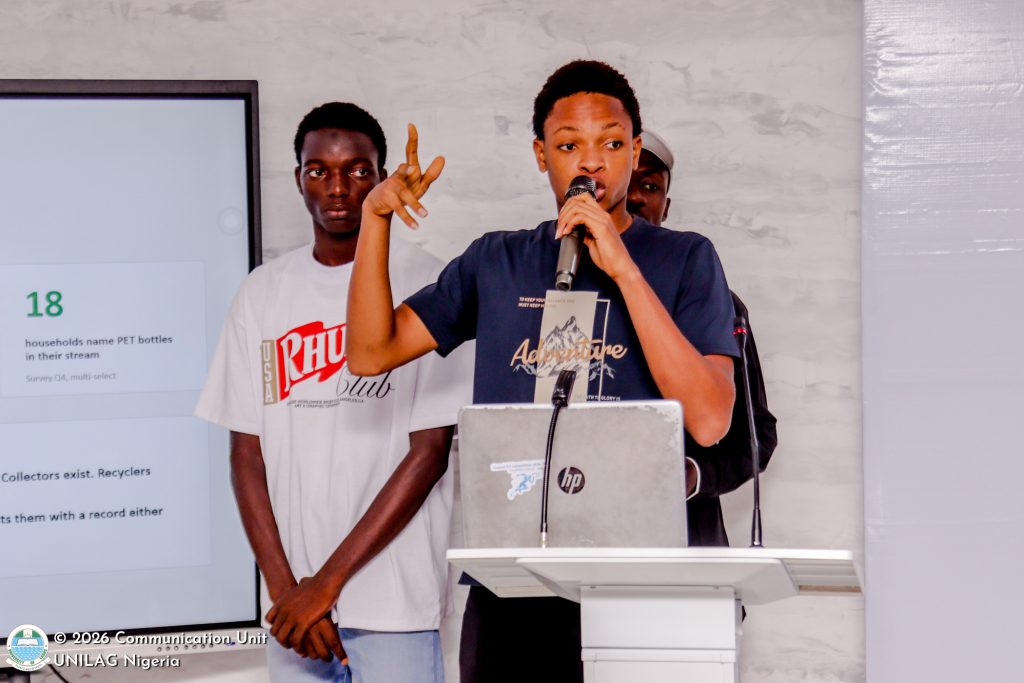
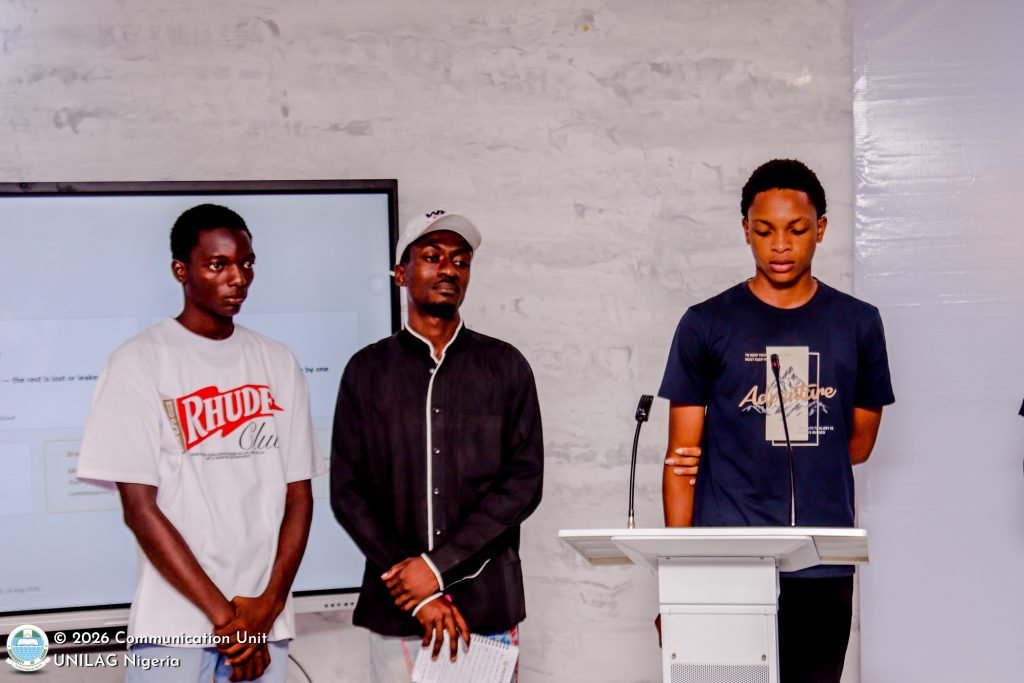
Team Flow-Chain, represented by three students from Lagos State University of Science and Technology (LASUSTECH), presented an app-based and USSD-enabled coordination and verification platform for recyclables in Ikorodu. Its proposal sought to improve the organisation and tracking of recyclable materials through accessible digital tools.
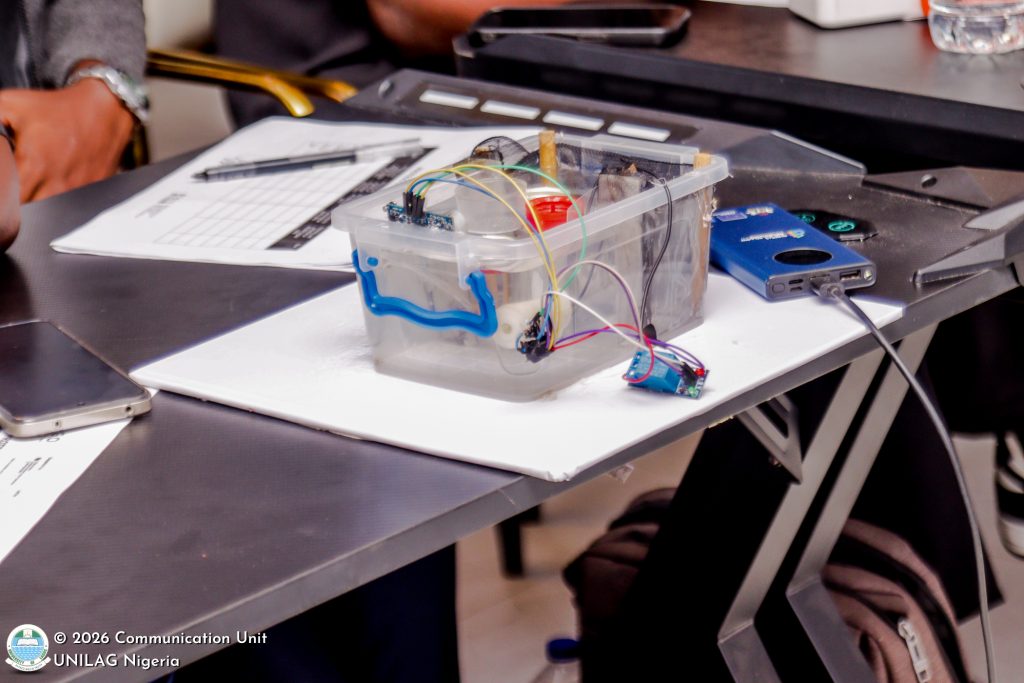
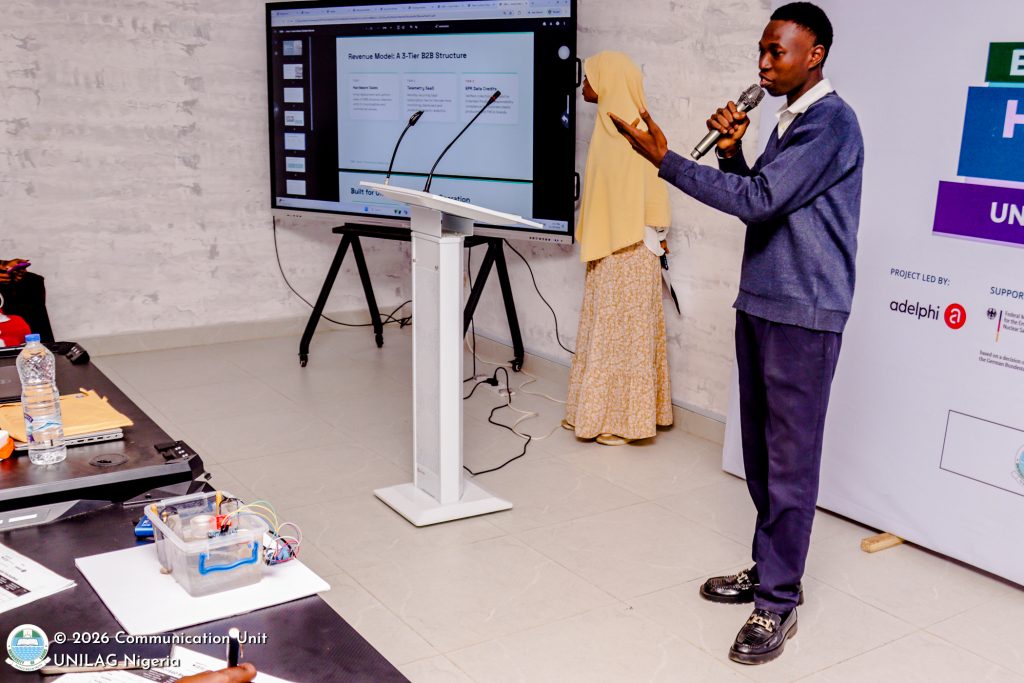
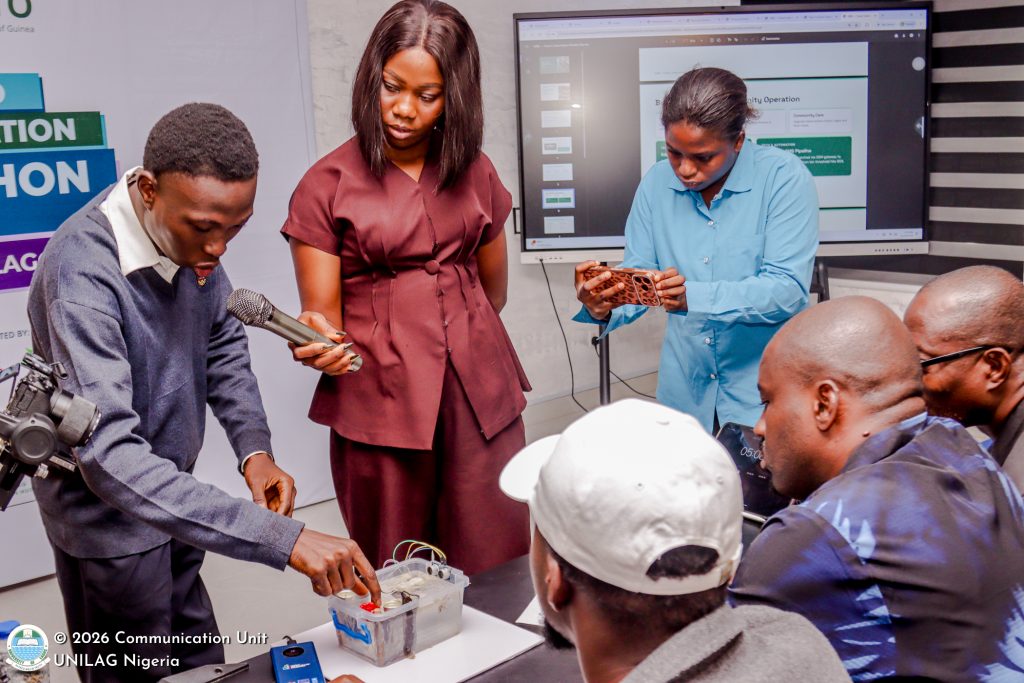
Team SIBB, comprising four students from LASUSTECH, presented a proposal titled Smart Intermittent Bubble Barrier. The team’s solution focused on converting canal plastic waste into economic value in Ajegunle without obstructing the flow of water.
Of the five presentations, SIBB stood out for bringing a prototype of its proposed solution to the pitch session. The practical demonstration offered the judges a tangible representation of the team’s concept, setting its presentation apart from the other entries.
SIBB Emerges Winner with Prototype-Based Solution
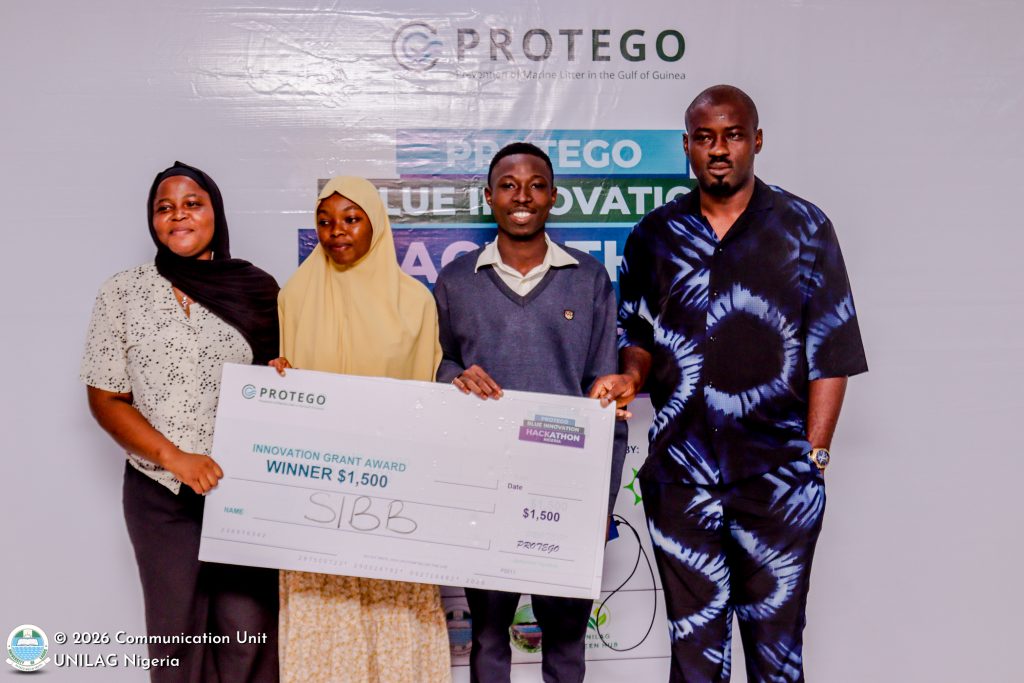
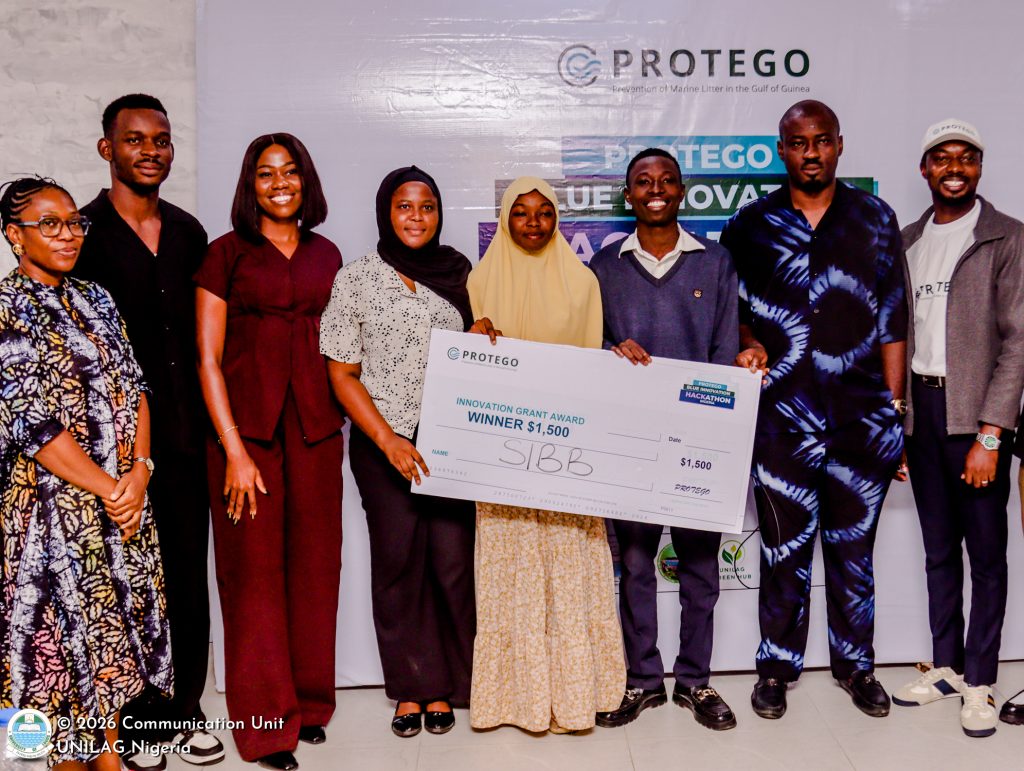
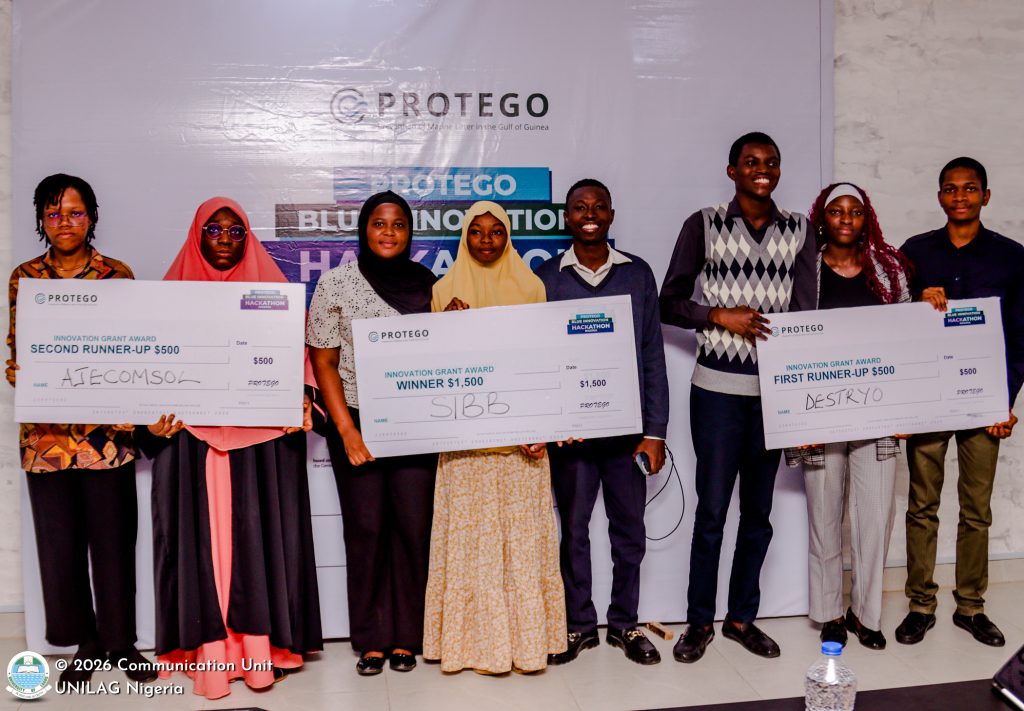
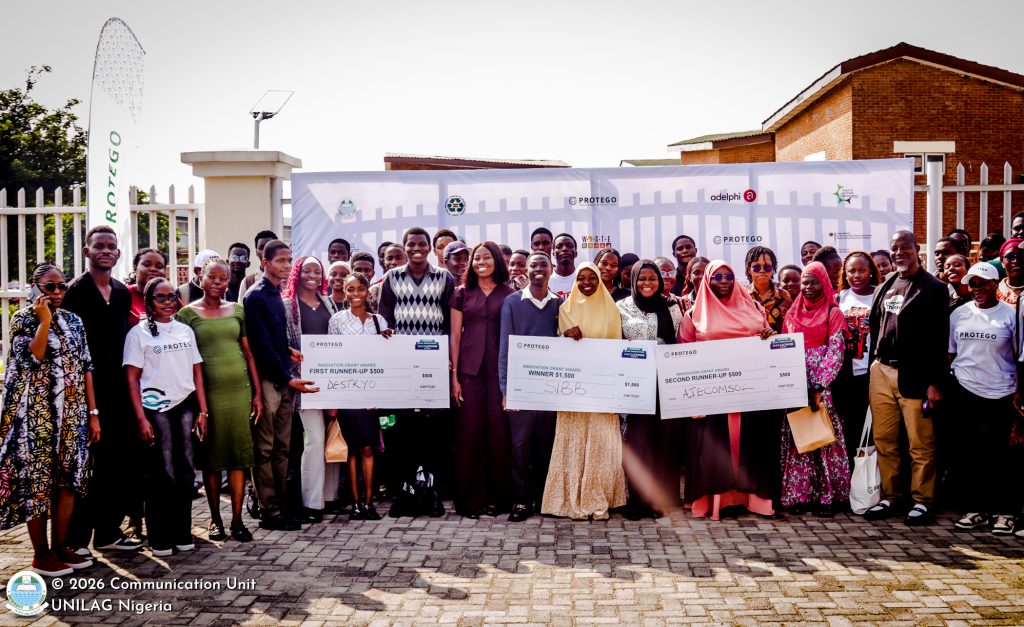
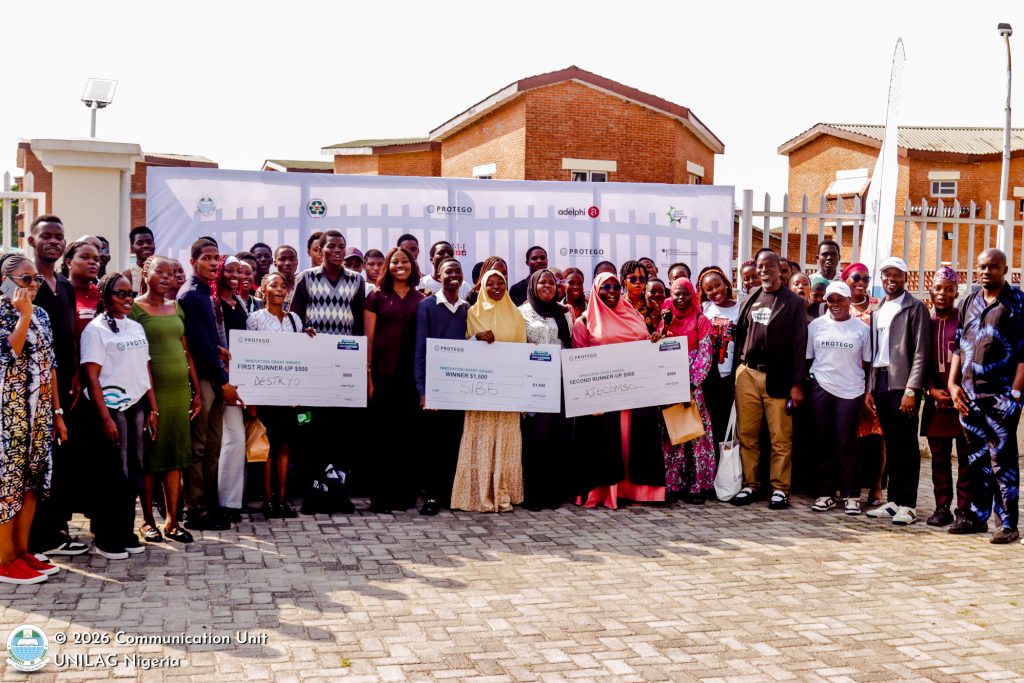
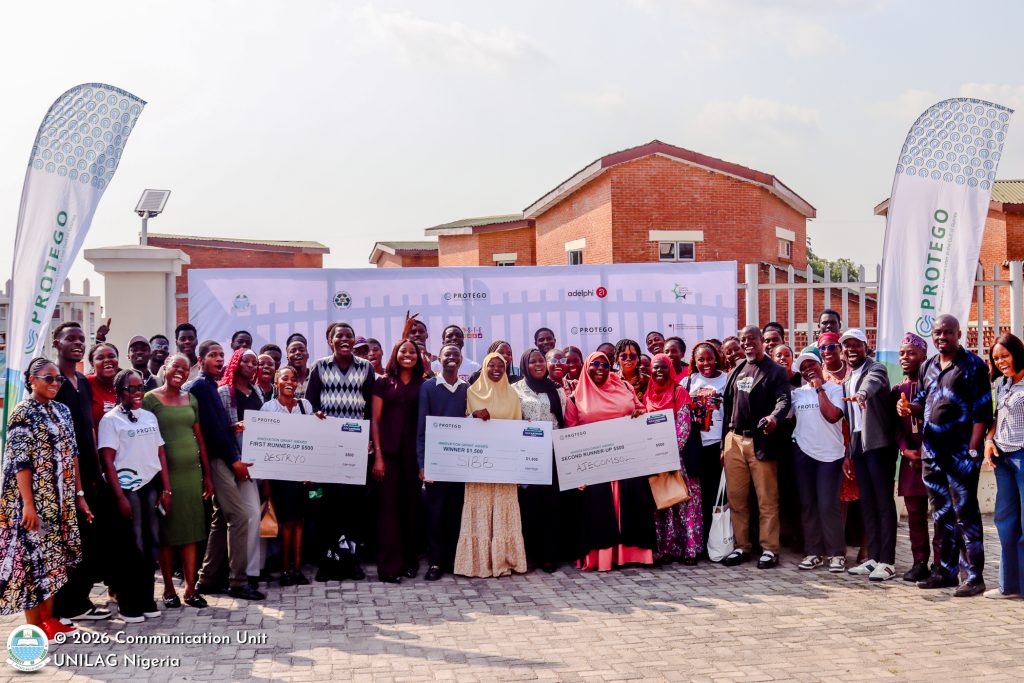
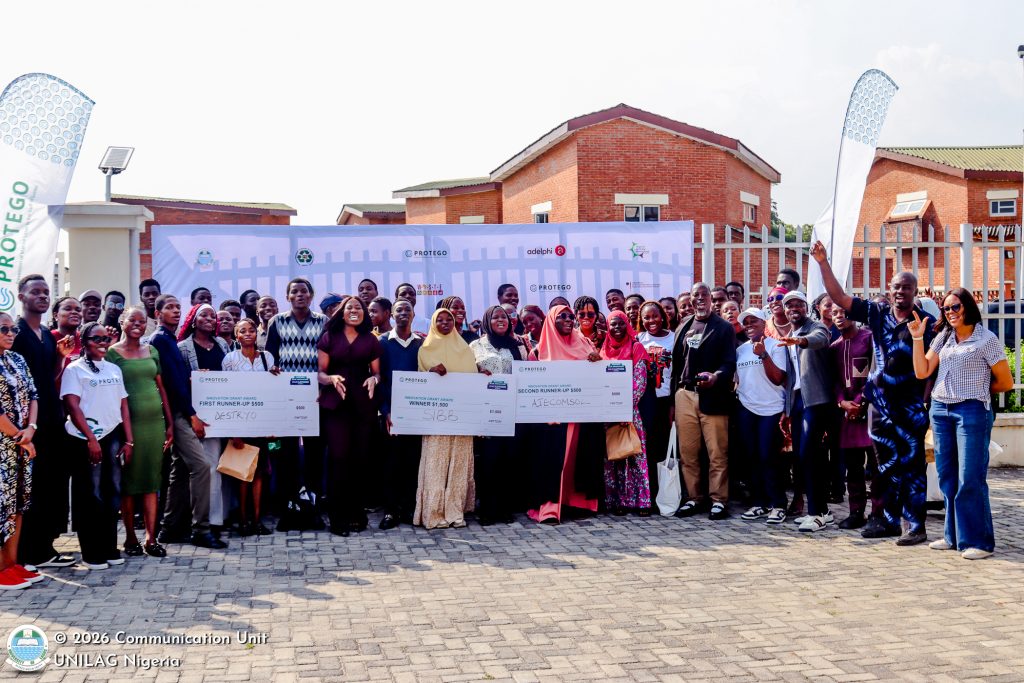
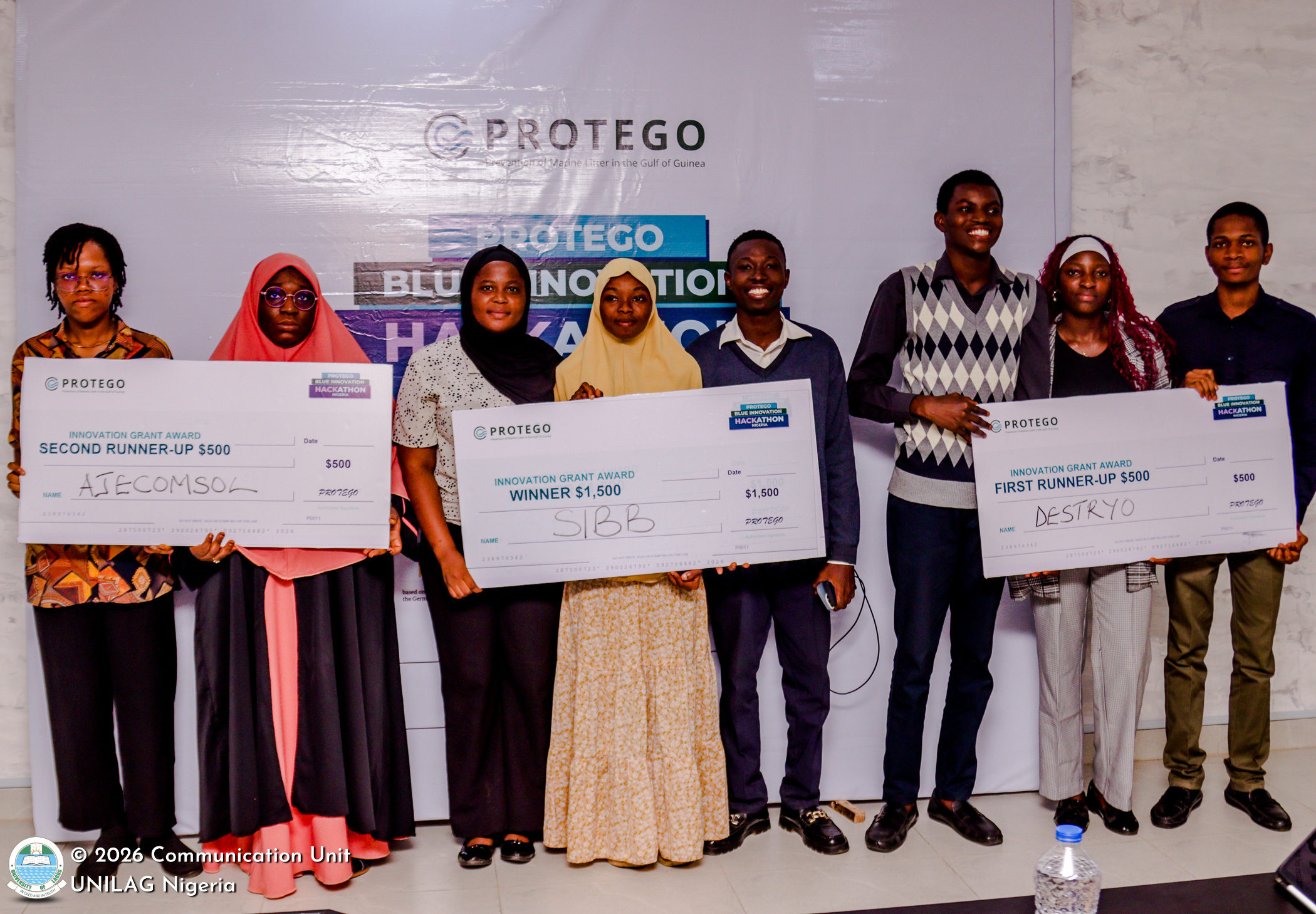
At the conclusion of the presentations and evaluation, Team SIBB emerged as the overall winner, scoring 80.2% to clinch the first-place position and the $1,500 prize.
Team Destryo came second with 74.8%, while AJECOMSOL secured third place with 70.4%. Both were presented with $500 prize respectively. Eco-Pave placed fourth with 66%, and Flow-Chain came fifth with 57.4%.
The results reflected the strength of the ideas presented and the participants’ efforts to respond to a complex environmental challenge through innovation. SIBB’s first-place finish, in particular, highlighted the value of taking an idea beyond conceptual presentation to demonstrating how a proposed solution might work in practice.
Beyond the rankings, the five pitches offered different perspectives on the possibilities for addressing plastic pollution. They demonstrated how young people can approach environmental challenges through community engagement, material recovery, digital coordination, infrastructure development and practical interventions in waterways.
Turning Awareness into Action
The PROTEGO Blue Innovation Hackathon provided a meeting point for environmental science, innovation and youth participation. By engaging students in the search for solutions, the initiative recognised that tackling marine litter requires more than identifying the problem. It demands the involvement of people who understand their communities, can question existing practices and are willing to develop new ways of doing things.
For the University of Lagos, hosting the event through TCEBCEM also provided an opportunity to connect academic knowledge and research with practical environmental concerns. The University’s location within the Lagos Lagoon environment makes conversations about the health of waterways and the protection of aquatic ecosystems particularly relevant.
The ideas presented at the hackathon also speak to the importance of creating pathways through which promising student innovations can be tested, refined, and supported towards implementation. A pitch competition may provide the starting point, but the broader value lies in what happens when these ideas are taken into communities and developed into workable solutions.
The journey from gutter to Gulf may begin with a discarded plastic item, but stopping it requires a collective response involving individuals, communities, researchers, innovators, policymakers, and institutions.
As Rachel Carson reminds us, “In nature nothing exists alone.” The plastic that finds its way into a canal does not remain a problem for that canal alone. Its consequences travel through interconnected ecosystems and ultimately affect the wider environment and human communities.
The young innovators who gathered at UNILAG have offered a timely reminder that the search for solutions can begin with a simple question: what can we do differently? Their ideas may be at different stages of development, but each represents an attempt to turn environmental concern into purposeful action.
And perhaps that is where the tide begins to turn: when awareness finds expression in innovation, and innovation is given the opportunity to make a difference.
Author: Nike Ogunshakin
Photographer: Joshua Michael
Assistant: Esther Omobolanle Abel
Editor: Adejoke Alaga-Ibraheem