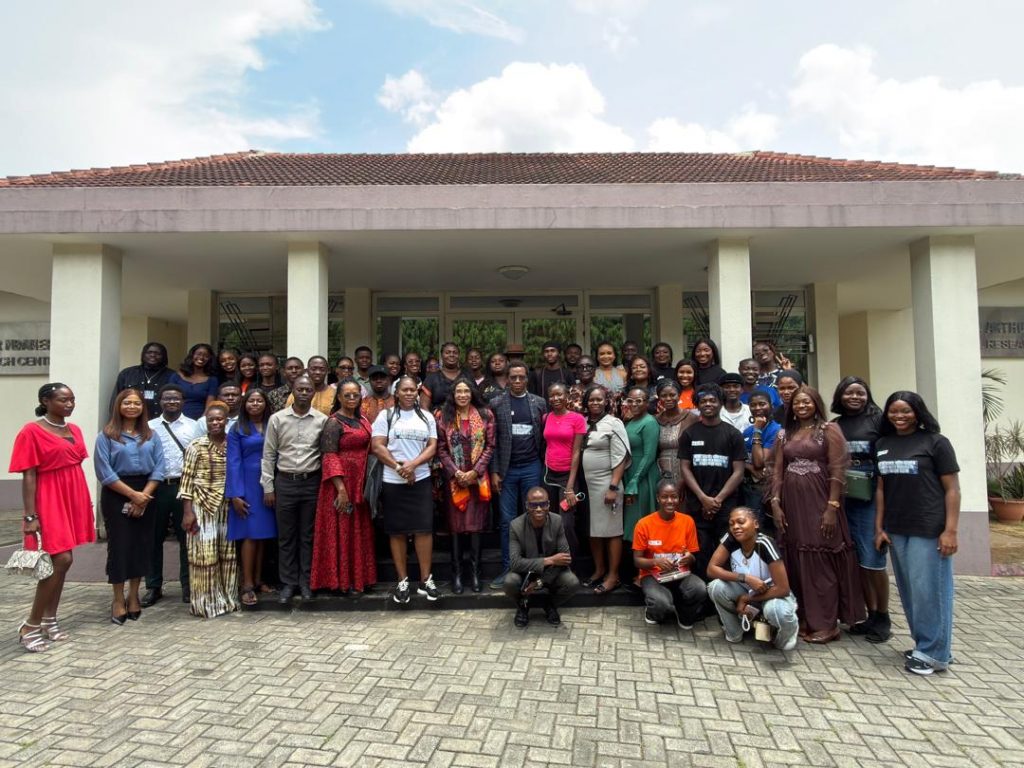
The workshop, held at the Arthur Mbanefo Digital Research Centre (AMDRC), UNILAG, formed part of the Behind the Scenes: Young Women and Gender-Based Inequities in Africa’s Creative Sector (BTS) project, a multi-country research initiative being implemented across Nigeria, Ethiopia, Ghana, Kenya, Rwanda, Senegal, and Uganda. The project is being led by UNILAG researchers in partnership with the International Center for Research on Women (ICRW), with support from the Mastercard Foundation.
Designed as a multi-method, multidisciplinary, and participatory research and policy engagement initiative, the project seeks to generate evidence, strengthen research capacity, and advance policy and workplace action aimed at addressing the marginalisation of young female creatives within Africa’s rapidly expanding creative industries.
Aligned with the United Nations Sustainable Development Goals (SDGs), particularly Gender Equality, Decent Work and Economic Growth, Reduced Inequalities , and Peace, Justice and Strong Institutions; the initiative also promotes social inclusion, workplace equity, youth empowerment, and safer professional environments for women across the continent.
Findings from the study are expected to contribute to policy development, institutional reforms, workplace inclusion strategies, and broader advocacy efforts aimed at fostering a more equitable and inclusive creative ecosystem across the continent.
Dissemination workshop spotlights the realities of young women within Africa’s creative industry
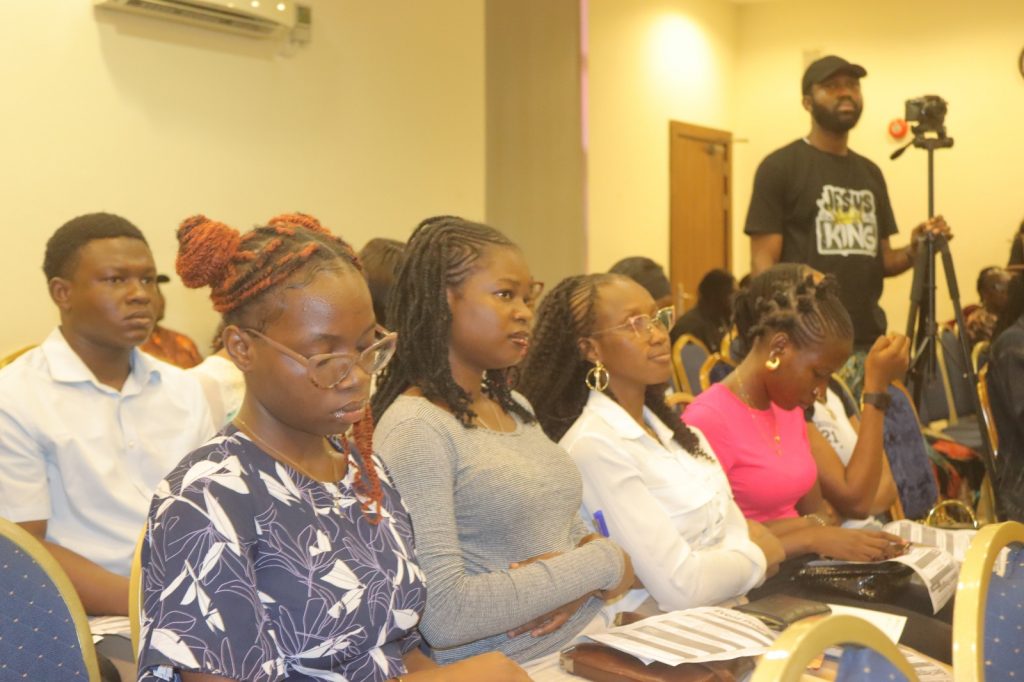
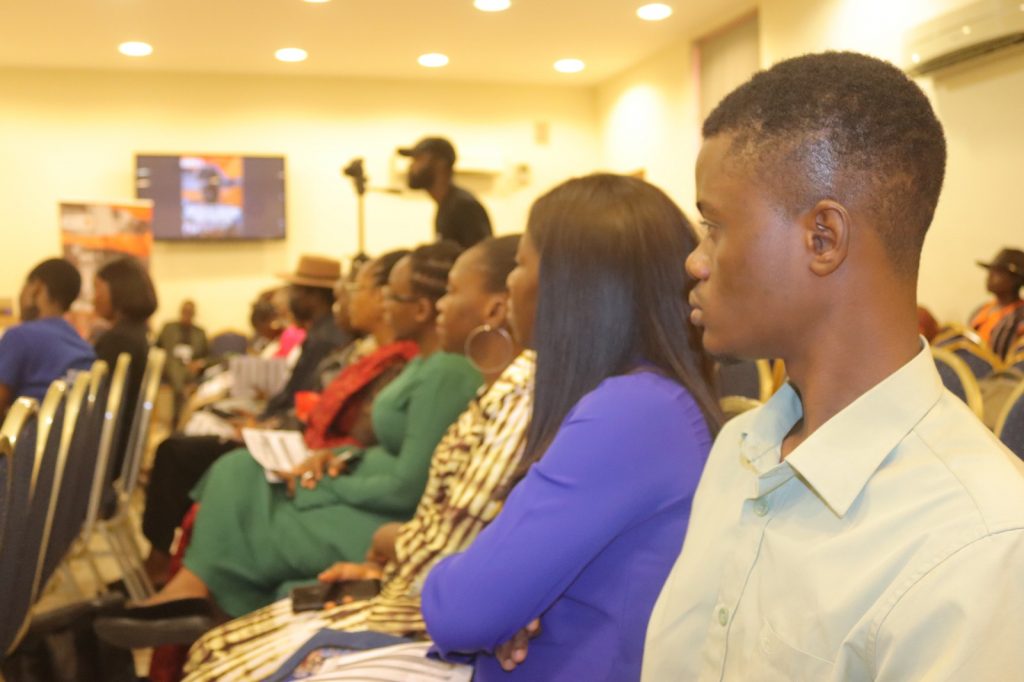
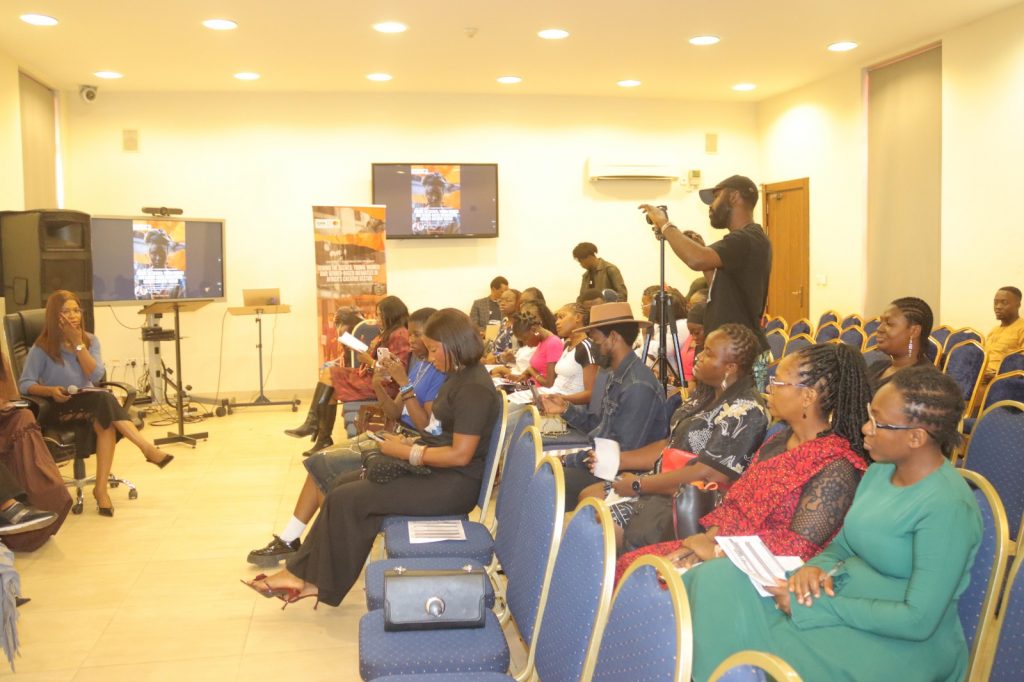
During the dissemination workshop, participants drawn from academia, the creative industry, youth groups, and development organisations engaged in conversations around the structural and societal barriers confronting women across music, media, film, performance, and other creative spaces.
The workshop was anchored by the Youth Researchers under the leadership of Babatunde Joseph and guided by the Principal Investigators, Professor Michael Kunnuji of the Department of Sociology, Faculty of Social Sciences, UNILAG and Dr. Florence Ewomazino Nweke of the Department of Music and Sound Production, Faculty of Creative Arts, UNILAG.
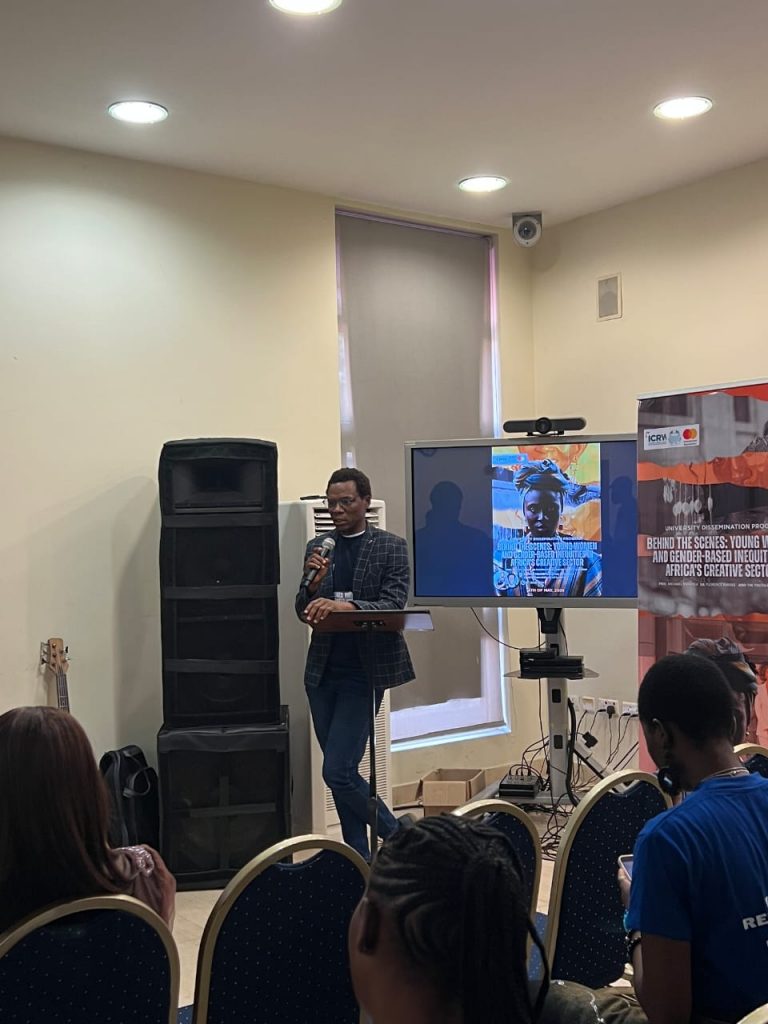
Speaking at the event, Professor Kunnuji described the initiative as an important step towards giving visibility to experiences that are often overlooked within the creative ecosystem. According to him, while Africa’s creative industry continues to gain global recognition and economic relevance, many young women still encounter barriers ranging from stereotypes and exclusion to harassment and unequal opportunities.
He stressed the need for safer and more inclusive spaces where women can thrive professionally and be recognised for their talent and contributions without prejudice or discrimination.
A major highlight of the workshop was the presentation of findings from the Nigerian study by Dr. Florence Ewomazino Nweke, who examined the different forms of gender-based inequities experienced by women in the creative sector. She explained that despite the increasing visibility of women within creative spaces, long-standing societal expectations and patriarchal attitudes continue to shape how women are perceived and treated professionally.
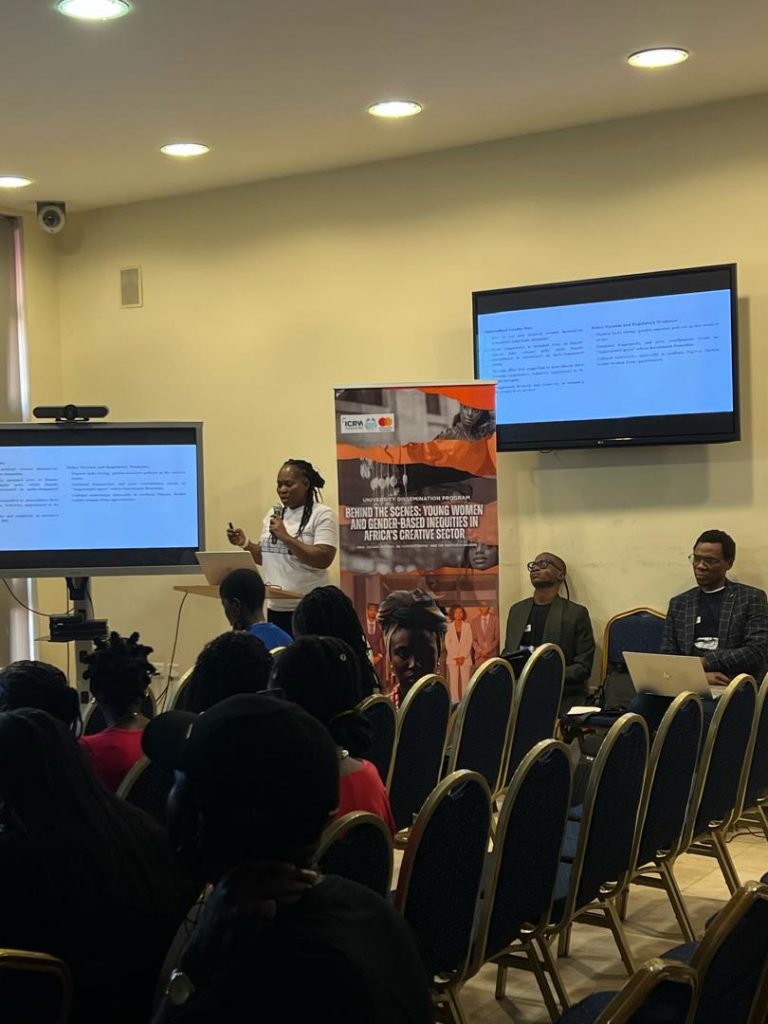
Dr. Nweke noted that many women still face unequal recognition, limited leadership opportunities, online harassment, and persistent pressure to continually prove their competence in environments where men are often more readily accepted.
Interactive Panel Session Sparks Wider Conversations
The dissemination workshop also featured an interactive panel session handled by media and communications professional, Oluwaseun Muraina. Panelists included classical music soloist and soprano performer Jennifer Maduka, and creative advocates Funmilola Karounwi, Yolanda and Fiona Davies, all of whom shared personal reflections and professional experiences on navigating gender stereotypes within creative and professional spaces.
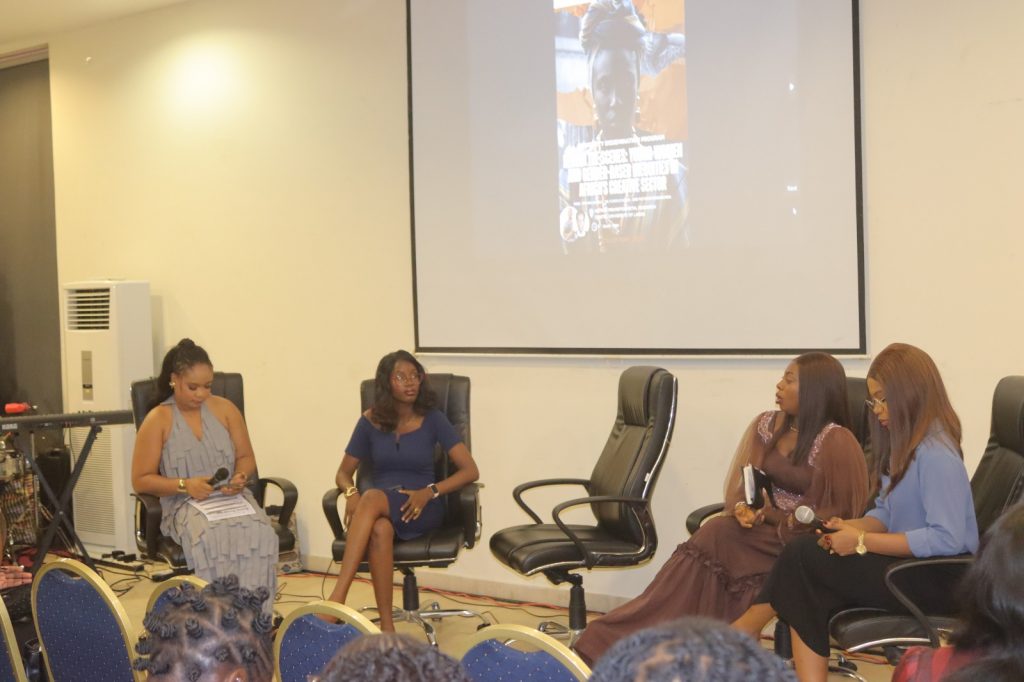
During the session, Jennifer Maduka recounted how a successful concert performance that attracted international attention was met in some quarters with insinuations that her visibility could only have come through inappropriate relationships rather than merit and hard work.
Her remarks sparked wider conversations around society’s tendency to question the success of women while celebrating similar achievements by men without scrutiny.
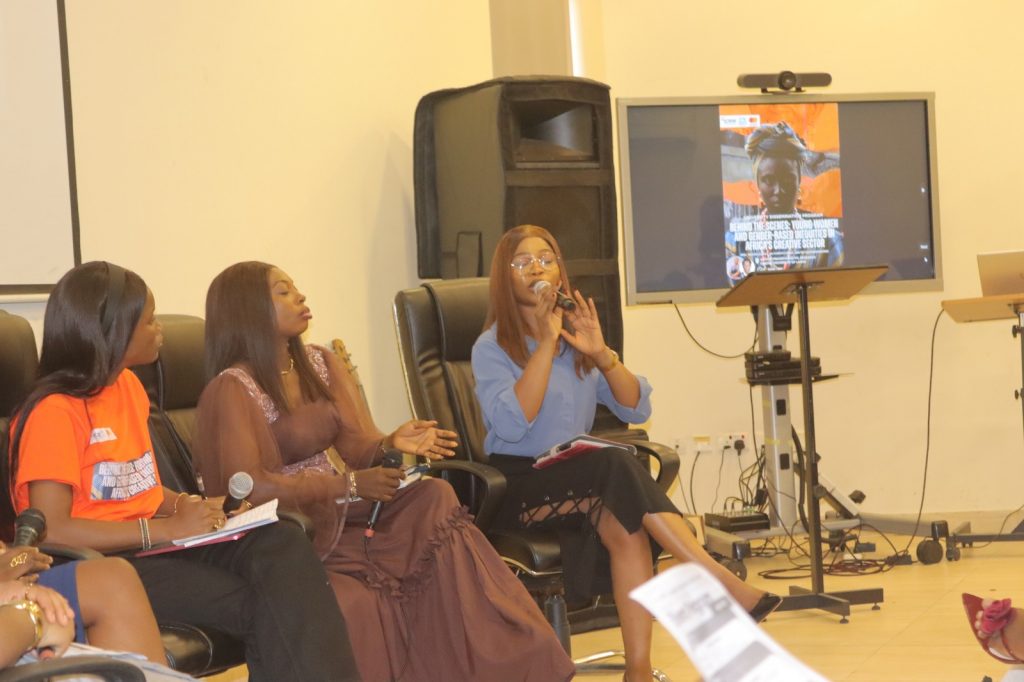
Other panelists reflected on how harmful stereotypes about women’s competence have become normalised in everyday interactions and professional environments, reinforcing subtle but damaging biases against women.
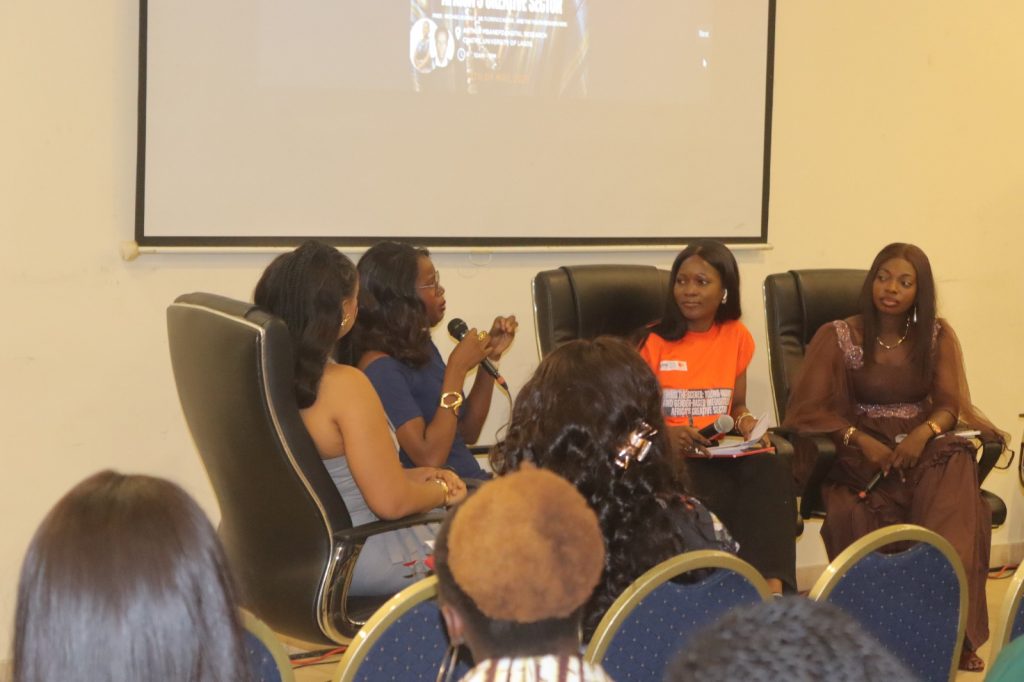
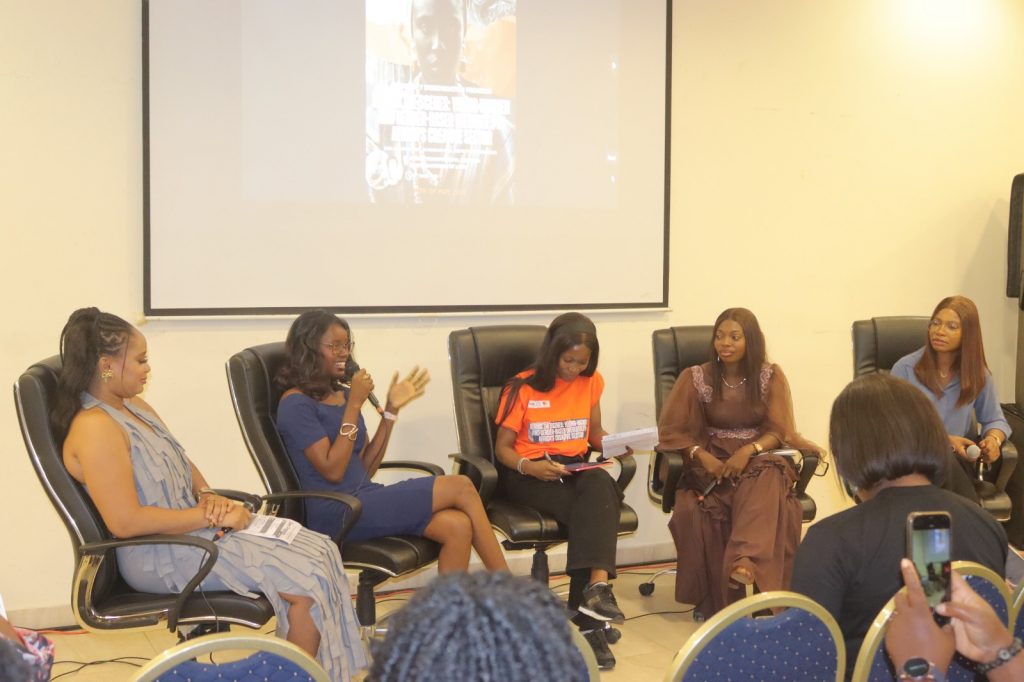
The interactive nature of the session also allowed students and attendees to engage directly with researchers and panelists, contributing ideas on mentorship, policy reforms, workplace protection, and inclusive opportunities for young women pursuing careers within the creative sector.
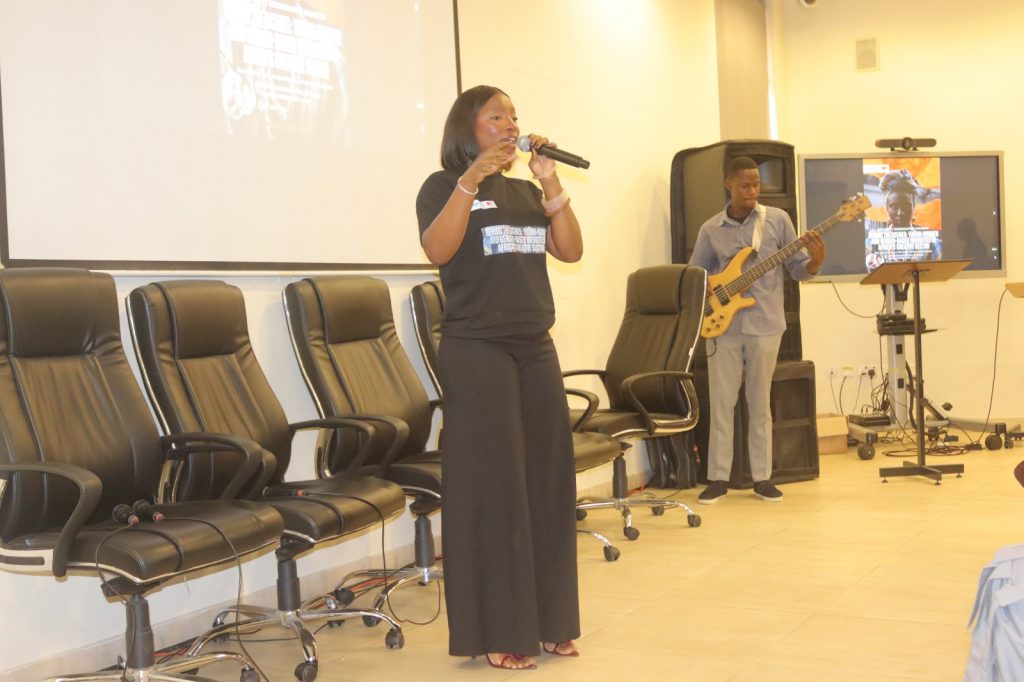
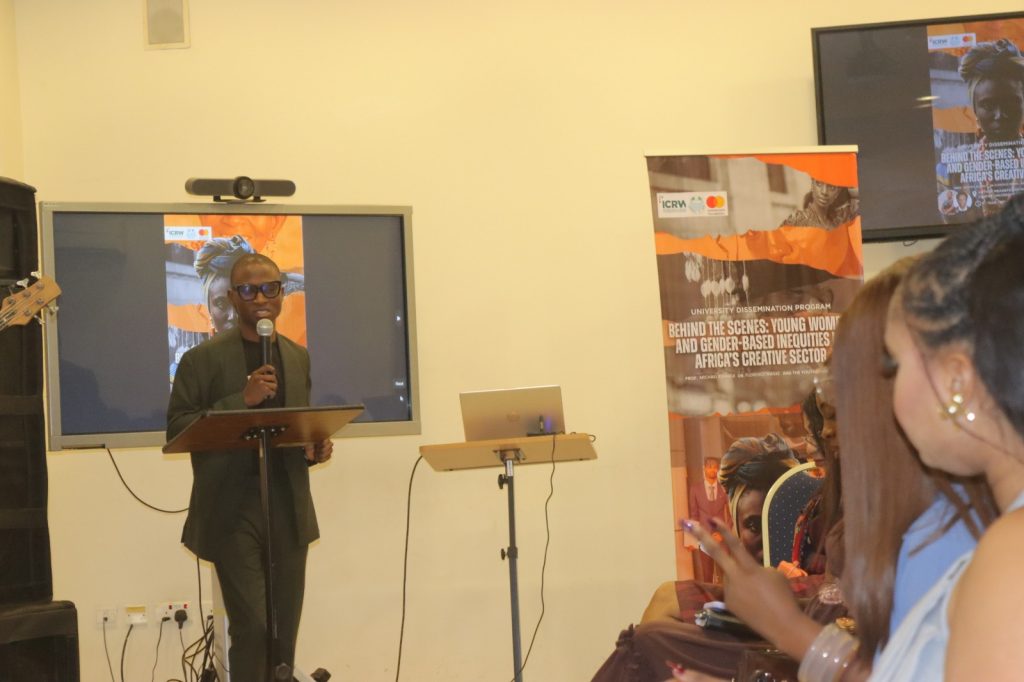
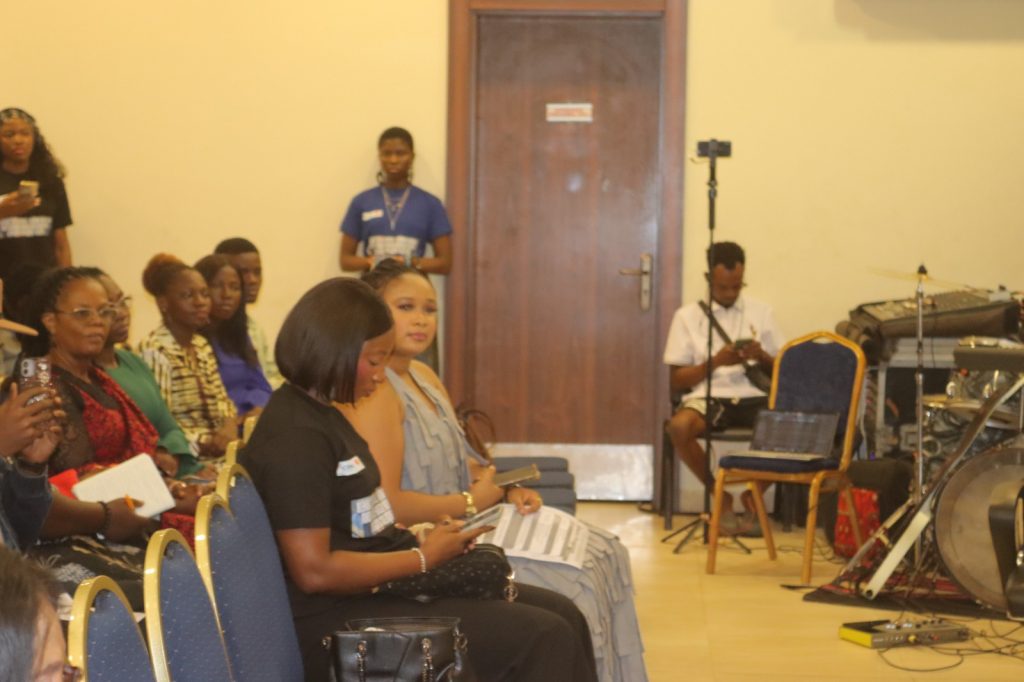
Participants emphasised that gender inclusion must move beyond rhetoric and become a practical commitment reflected in policies, workplaces, institutions, and social attitudes.
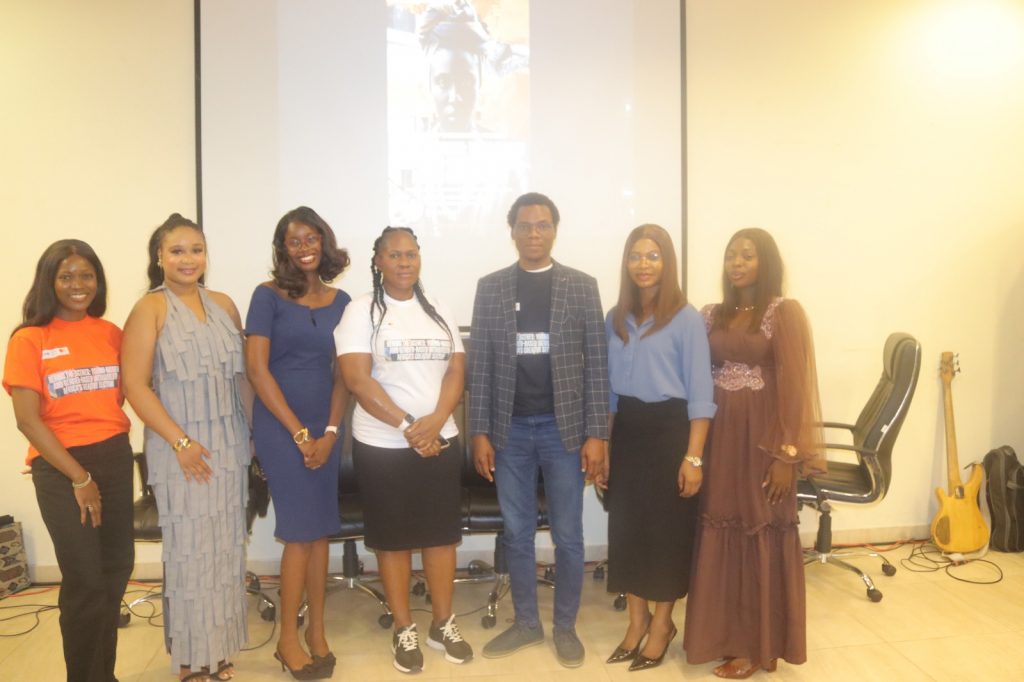
…Conversation continues
The Behind the Scenes: Young Women and Gender-Based Inequities in Africa’s Creative Sector (BTS) research team is scheduled to disseminate the project findings to a wider national audience of stakeholders & government agencies in the creative sector on Friday, May 29, 2026 at Radisson Hotel, Ikeja, Lagos .
Report/ Photographs: Bayo Salau