Global engagement is most meaningful when crossing borders does not mean losing sight of where one comes from.
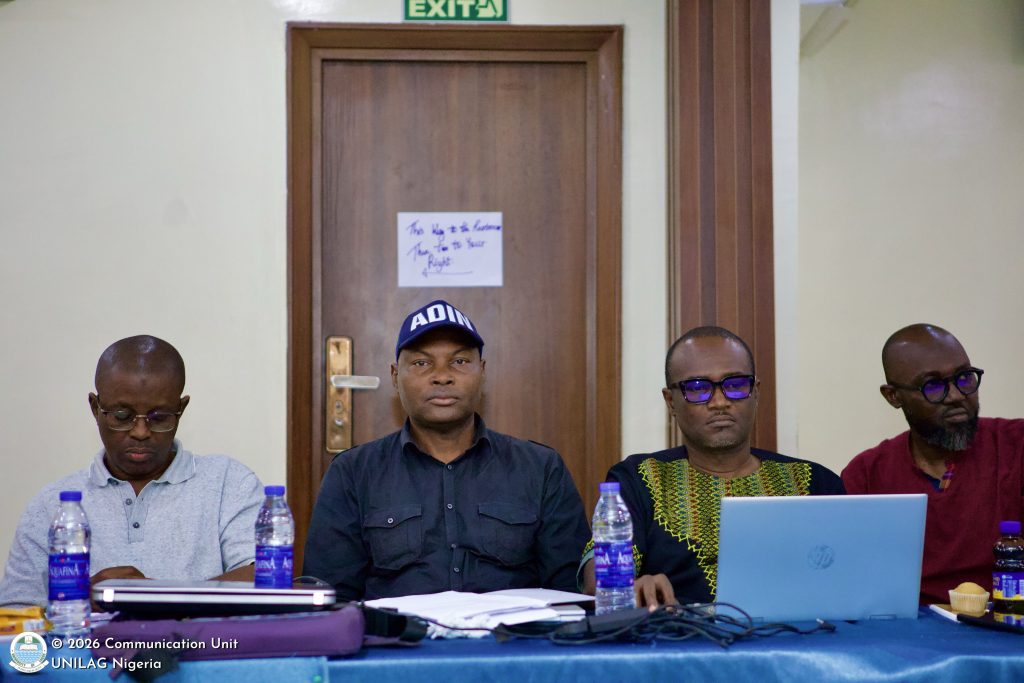
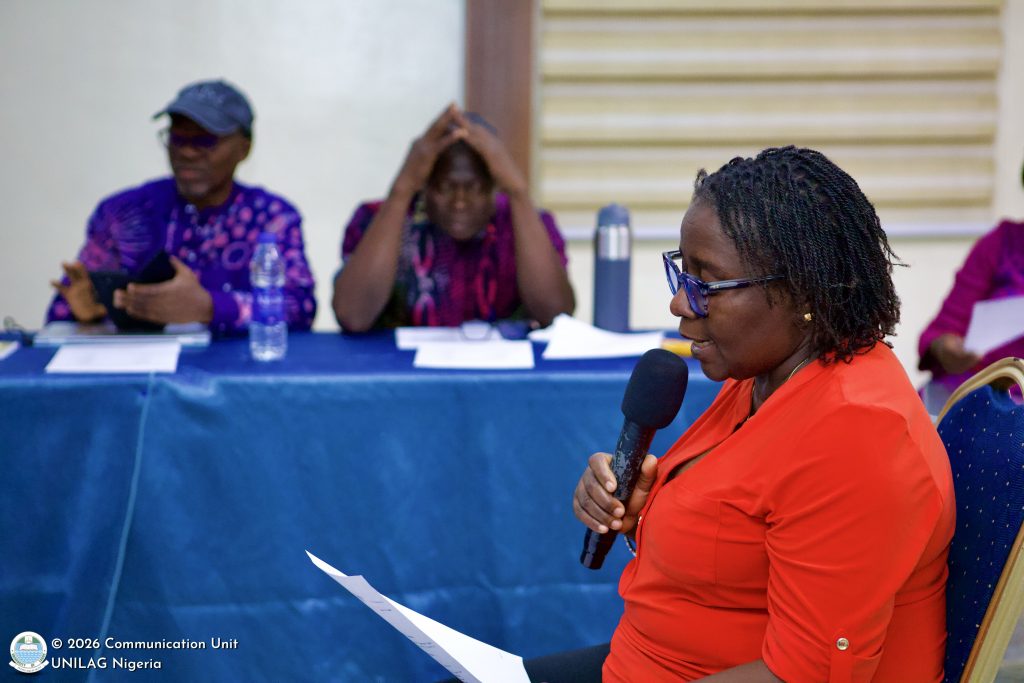
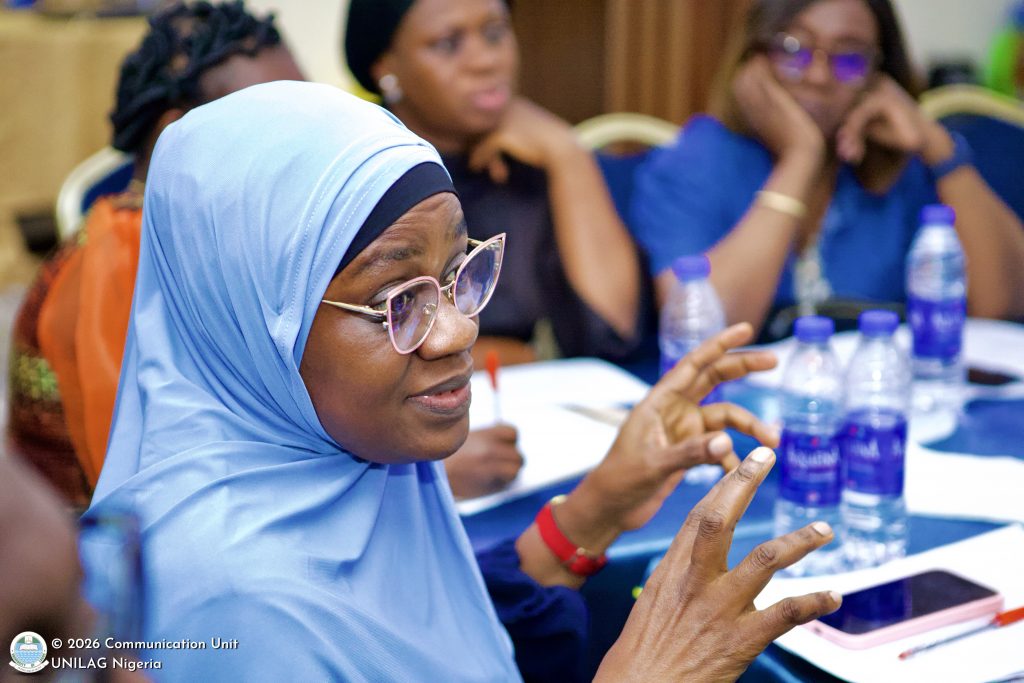
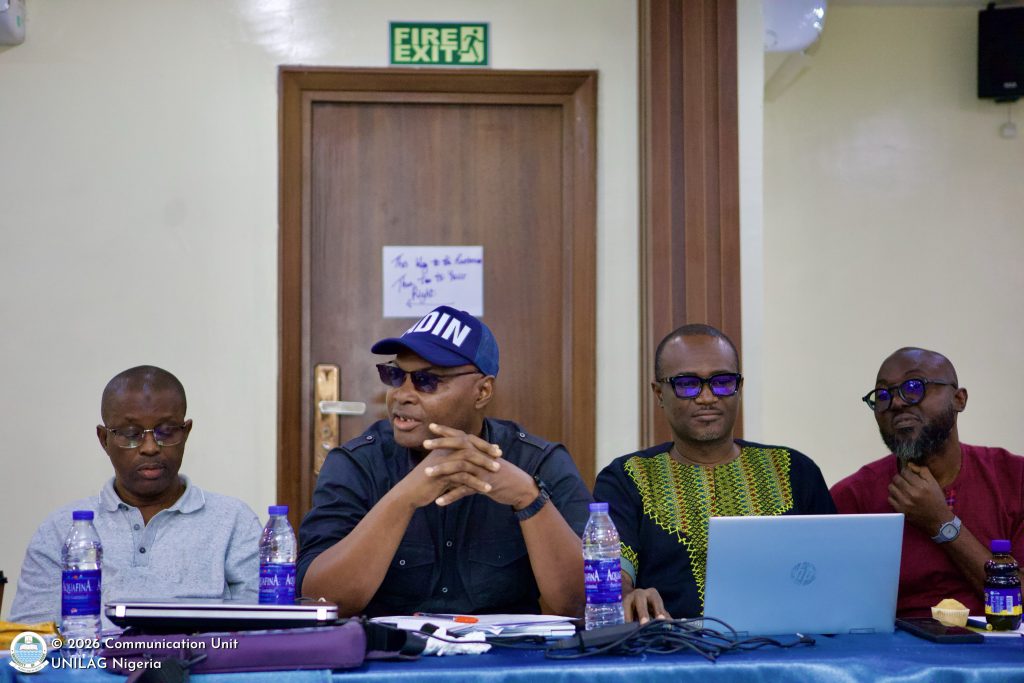
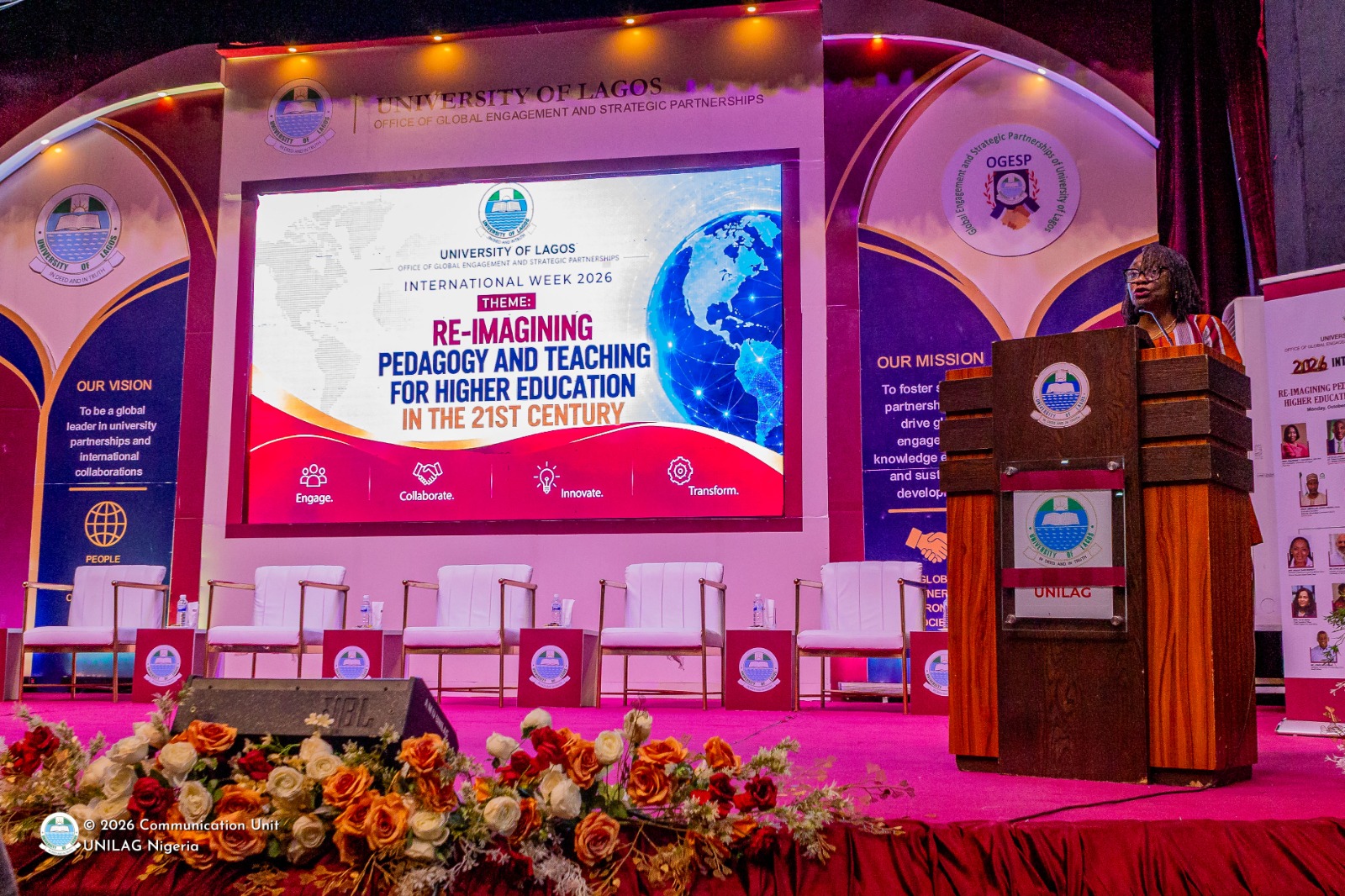
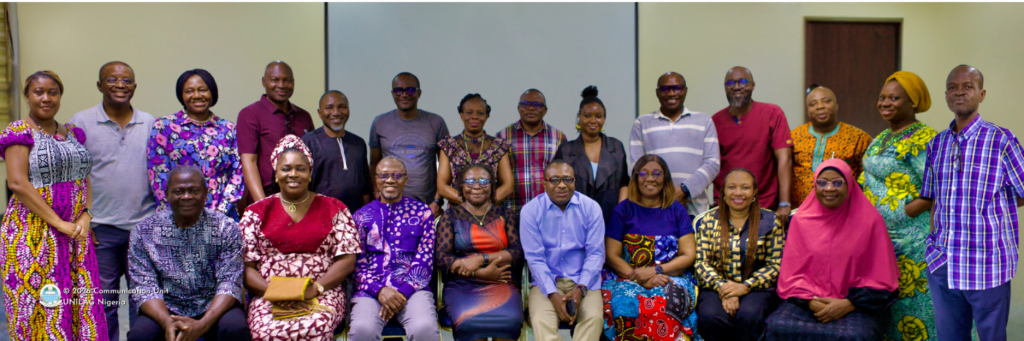
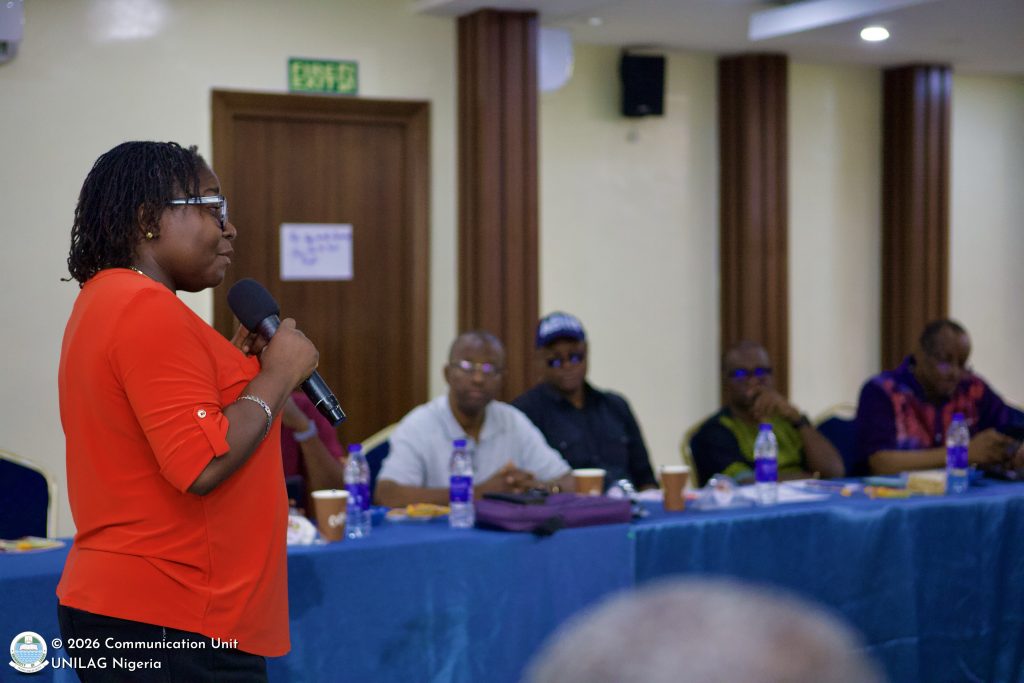
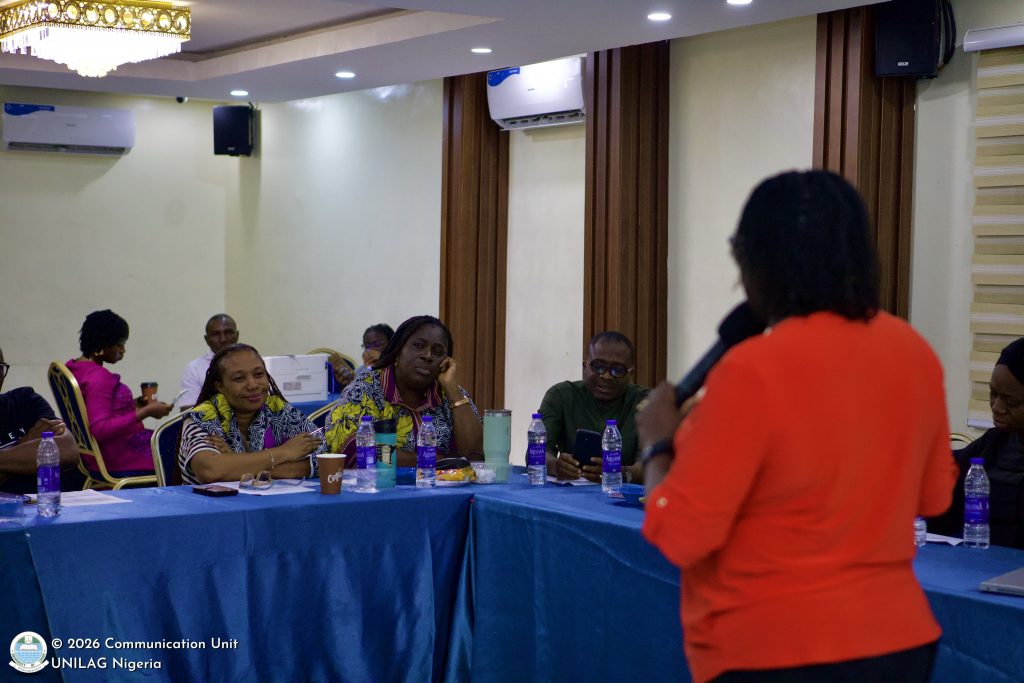
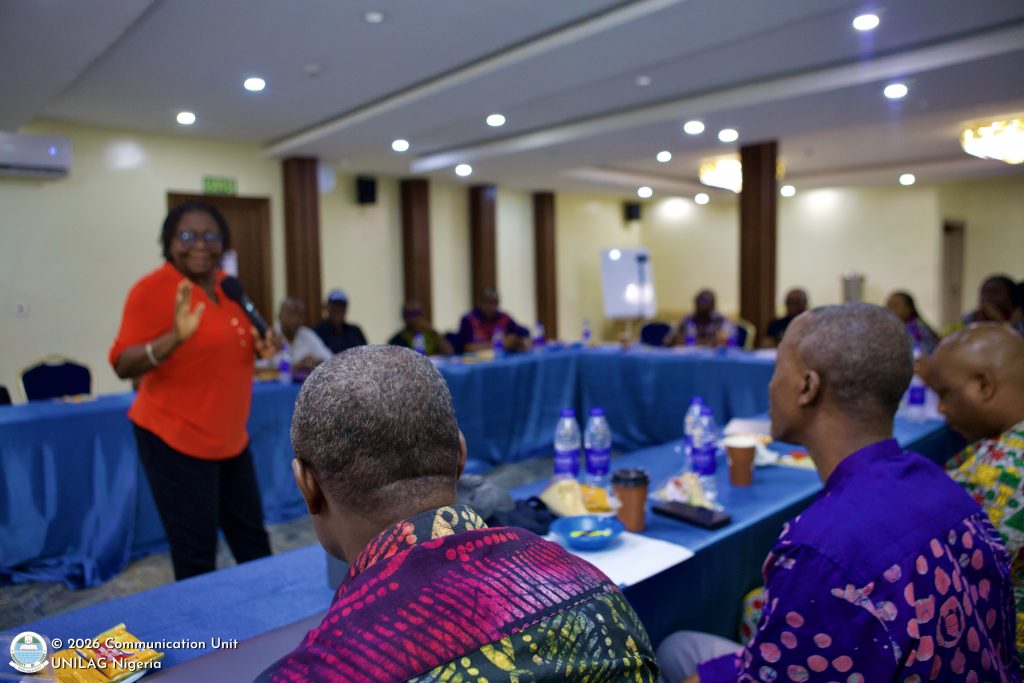
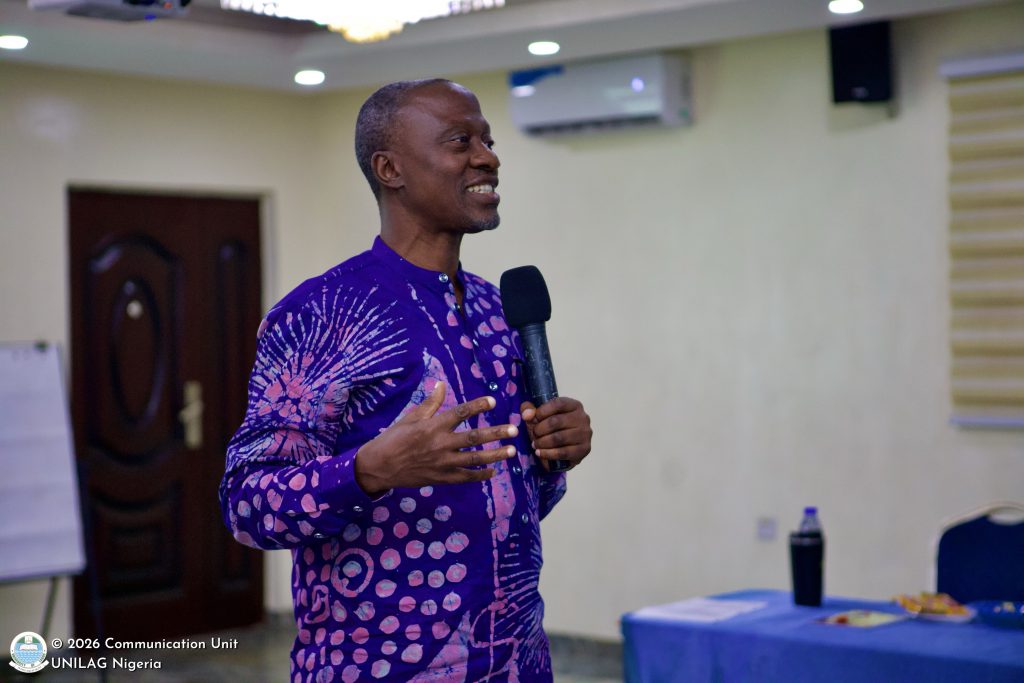
This conviction resonated at the Strategic Retreat convened by the Office of Global Engagement and Strategic Partnerships (OGESP), University of Lagos (UNILAG) on Saturday, August 8, 2026.
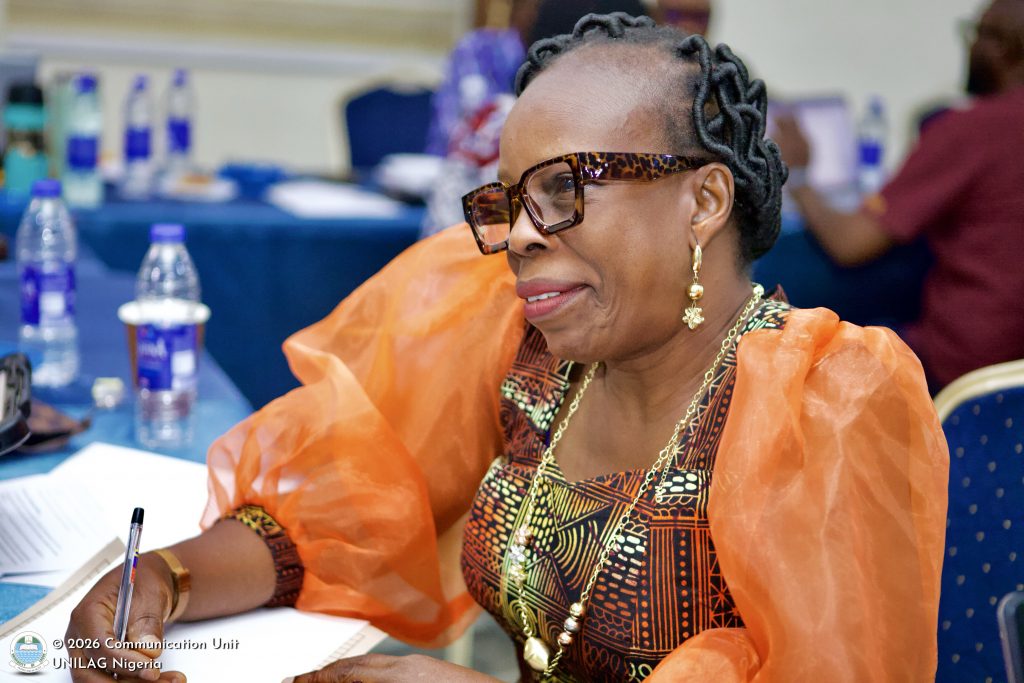
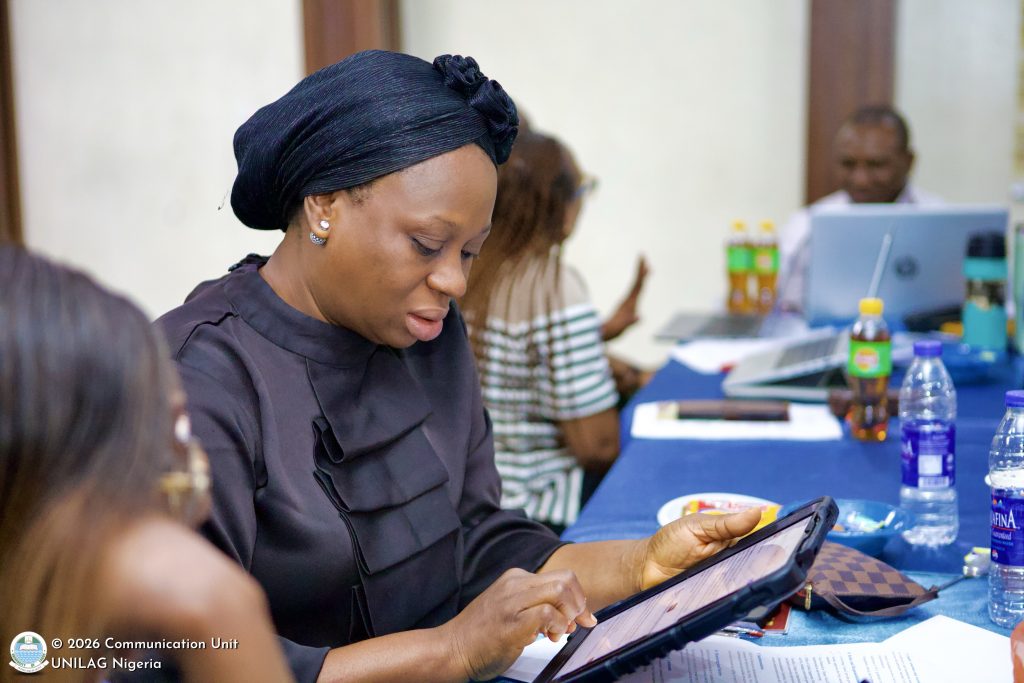
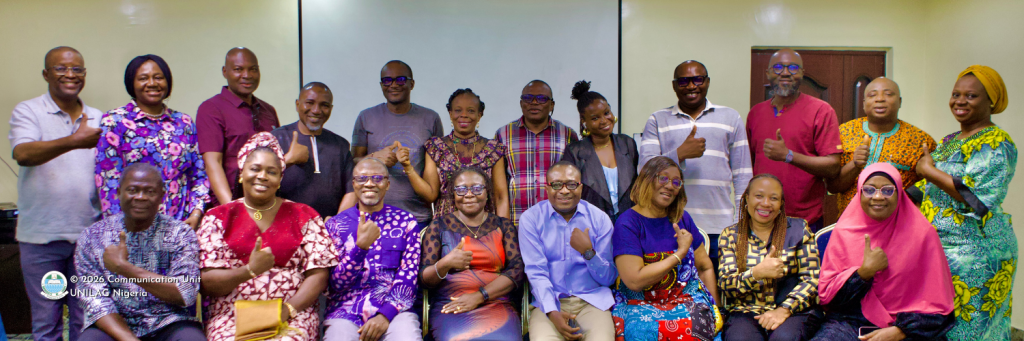
Themed, “Reimagining Global Engagement: Strengthening Partnerships,” the retreat brought together members of the Global Engagement Committee representing the University’s nineteen (19) faculties, other strategic arms of the institution, and staff of OGESP. The goal was to examine how UNILAG can deepen its international relationships while remaining firmly anchored in its African identity, history, values and aspirations.
The retreat was designed to achieve two important outcomes: the development of a robust Internationalisation Policy to guide the University’s global engagements, and the creation of an actionable work plan for OGESP and its Global Engagement Leads. In doing so, the University sought to answer a question that extends beyond the success of any single international programme: “What should global engagement look like for an African university determined to shape its own place in the world?”
Looking Outwards, Without Losing the African Centre
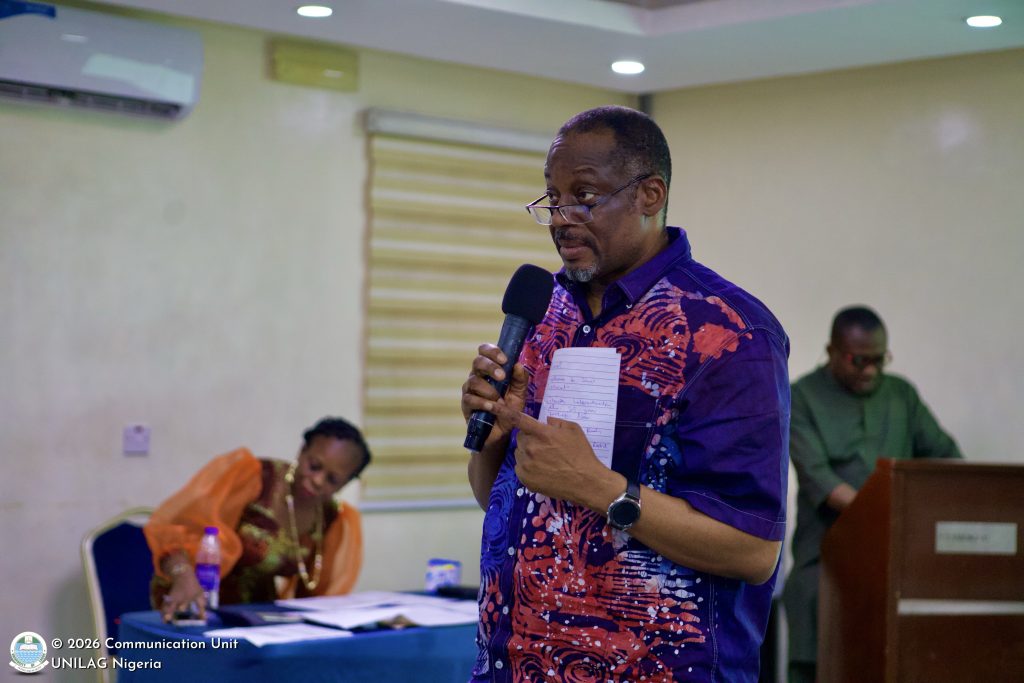
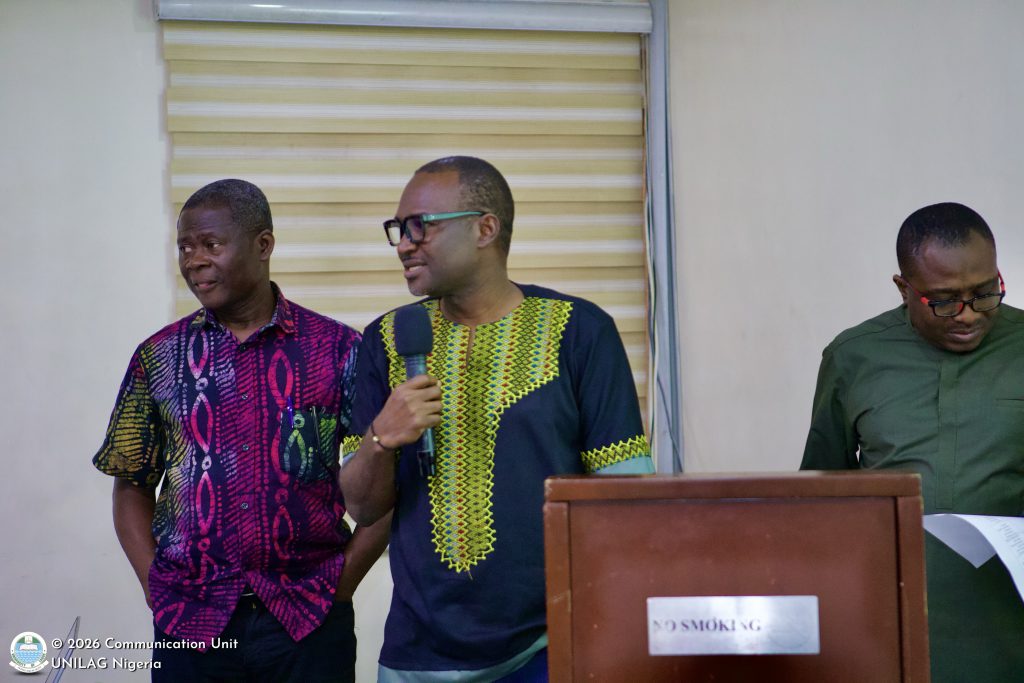
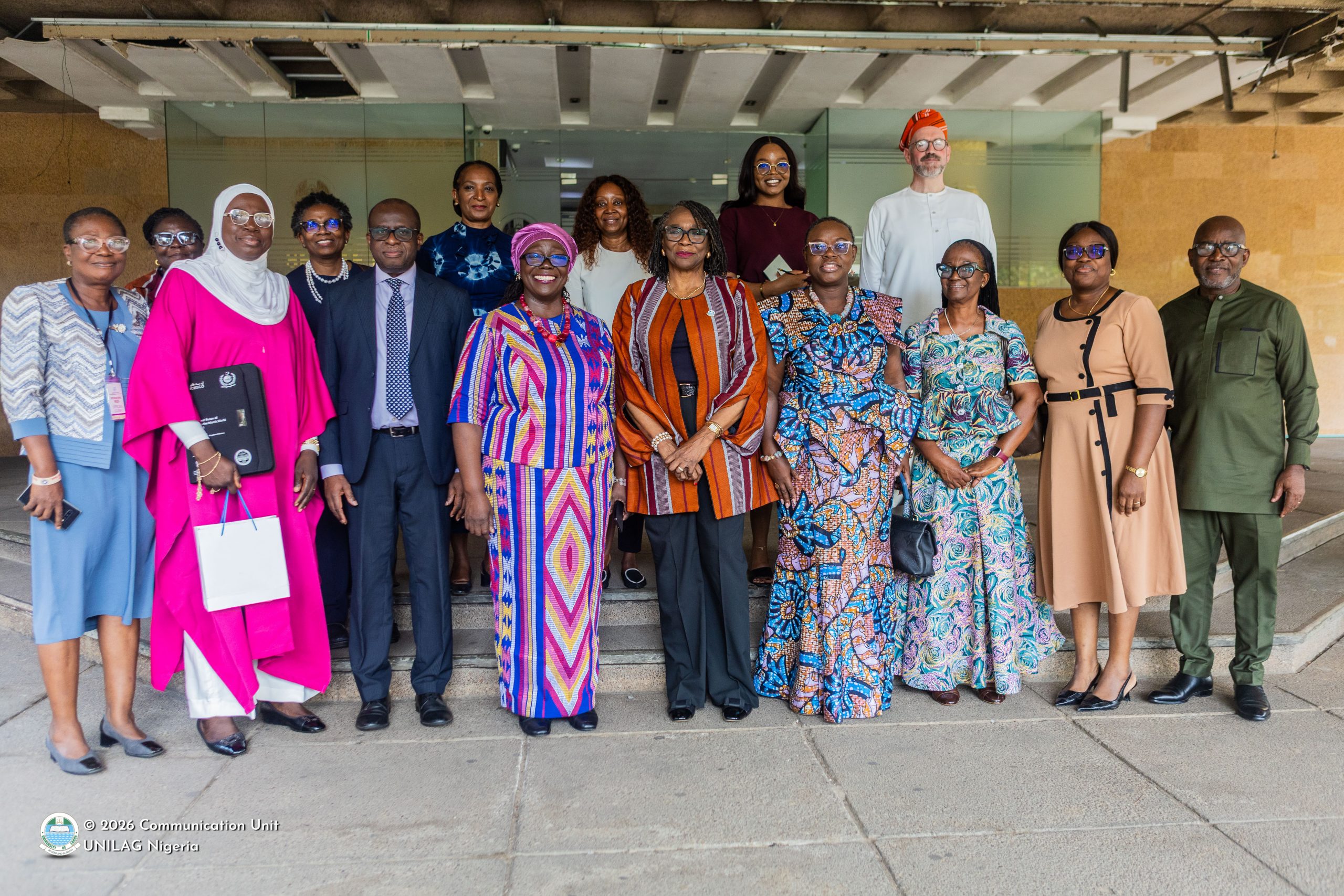
Delivering the opening remarks, the Deputy Vice-Chancellor (Development Services), Professor Foluso Ebun Afolabi Lesi, urged the Committee to approach internationalisation from the understanding that the University and its community are first and foremost African.
He noted that while UNILAG must continue to look outward and cultivate meaningful relationships across the world, its international engagements must remain rooted in its values, culture and history.
For Professor Lesi, this makes the development of a comprehensive policy particularly important. A robust Internationalisation Policy, he explained, would provide the framework needed to guide the interactions of OGESP, UNILAG and ensure that international engagement is deliberate, strategic and aligned with the University’s broader developmental vision.
He also challenged the Committee to look beyond the annual International Week, which has now been held successfully for five consecutive years.
“What should we be doing beyond International Week?” he asked, pointing to the need for sustained programmes that keep internationalisation active throughout the University’s calendar rather than concentrating global engagement around one flagship event.
The DVC further appreciated the immediate past Director of the former Office of International Relations, Partnerships and Prospects (IRPP), Professor Ismail Ibraheem, and his predecessor, Professor Akin Oyebode, whose efforts, he noted, helped establish the foundation upon which the present OGESP is building.
He also commended the current Director, Professor Abimbola A. Sowemimo, describing her as an action-oriented leader who had begun strengthening the University’s international relationships immediately upon assuming office, through engagements across several countries to establish new partnerships and deepen existing ones.
Professor Lesi also acknowledged the contributions of the Global Engagement Leads across the University’s 19 faculties and representatives of other strategic units. He expressed his expectation that the retreat would culminate in a clear, actionable Internationalisation Policy and a work plan to guide UNILAG’s global engagement for years to come.
From International Relations to Strategic Global Engagement
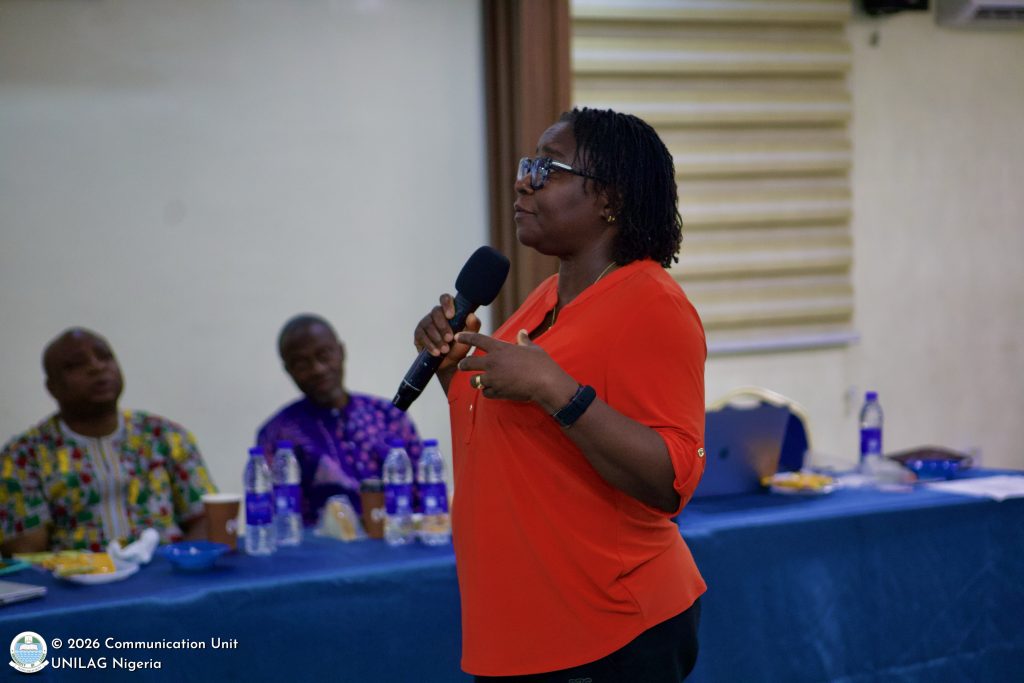
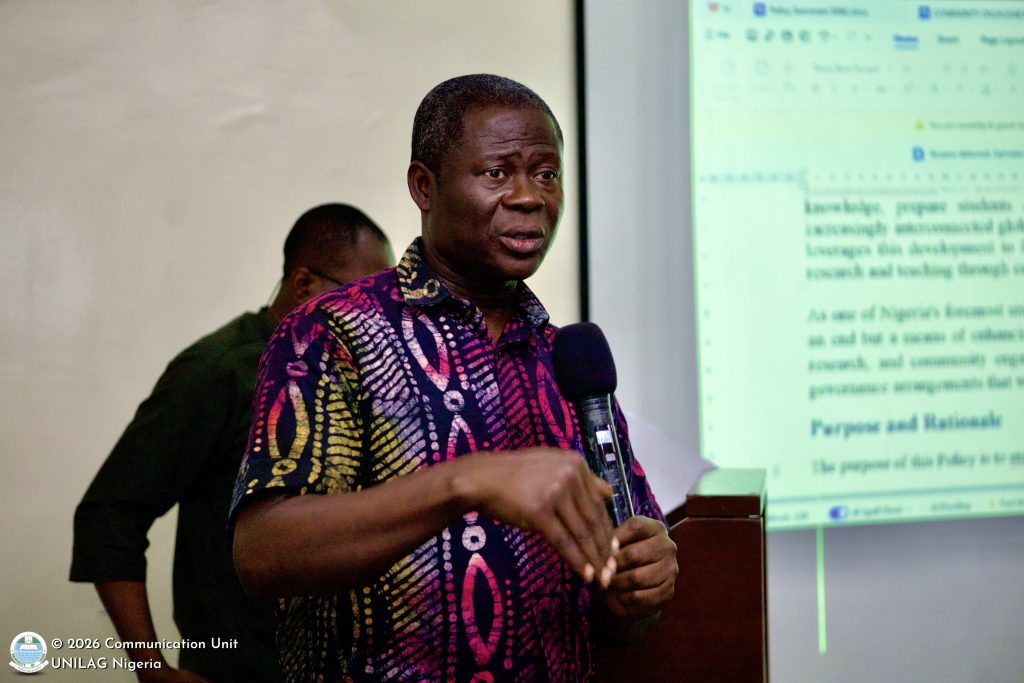
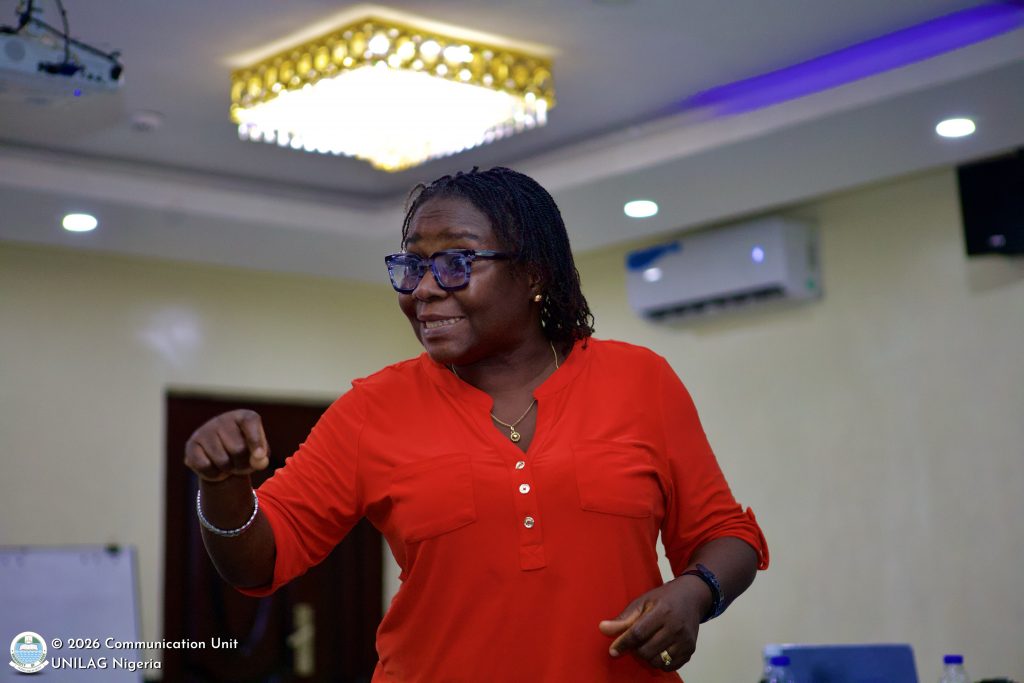
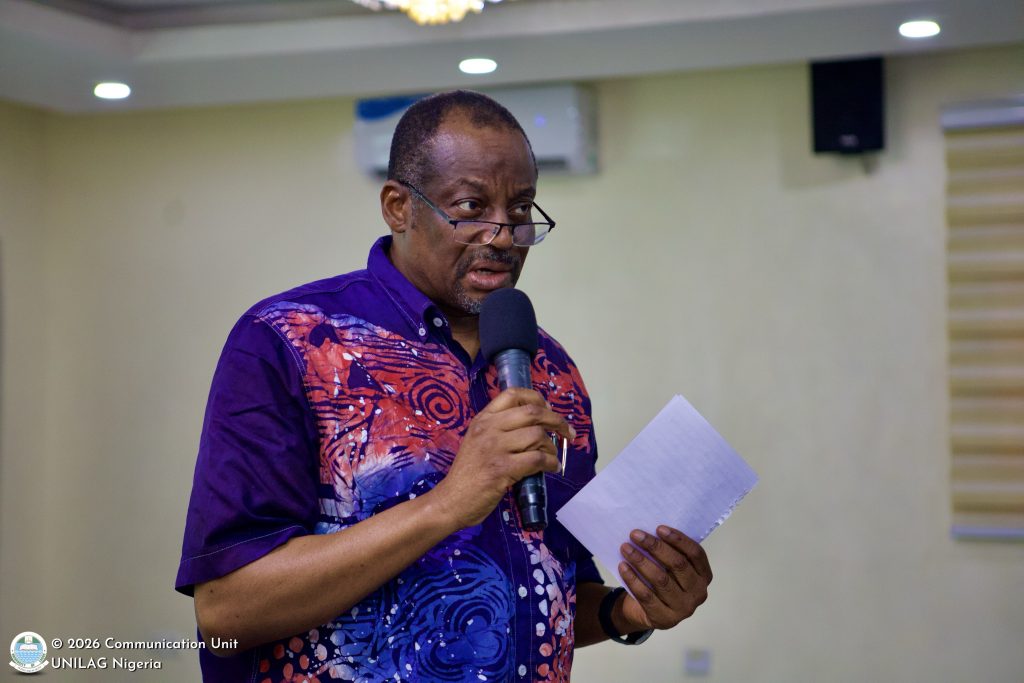
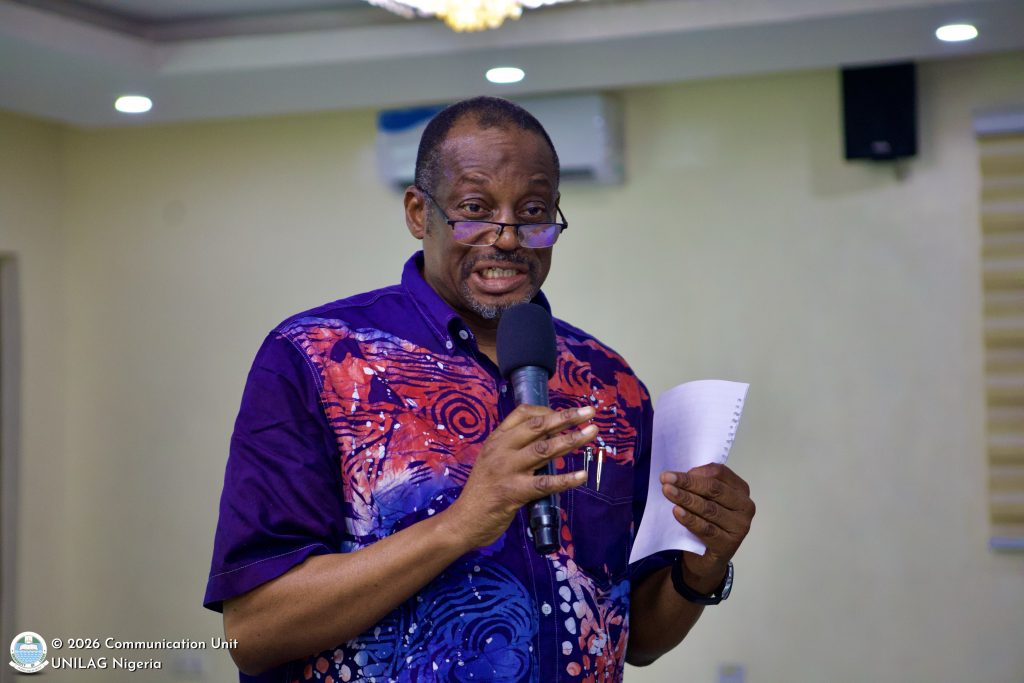
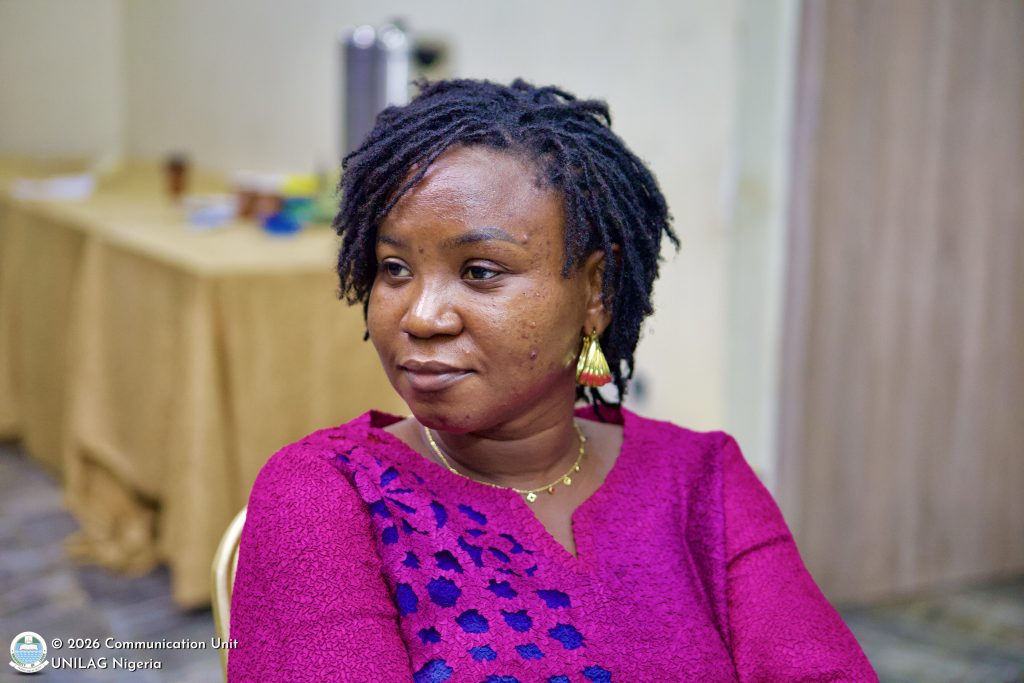
In her Welcome Address, the Director of OGESP, Professor Abimbola Adepeju Sowemimo, welcomed members of the Committee and reflected on the evolution of the Office.
She recalled that approximately two years earlier, members of the team had gathered in a retreat such as this to review policies guiding the then IRPP, an exercise which produced several Standard Operating Procedures (SOPs). Since then, the University’s international landscape has expanded considerably, making a broader policy framework necessary.
Among the developments she highlighted were the actualisation of the Joint LLM programme with the University of Dundee, which is approaching the graduation of its first cohort, and the University’s growing collaboration with the University of Birmingham.
These developments, alongside other transnational engagements, have broadened the scope of what internationalisation means for UNILAG and reinforced the need for a policy that can accommodate the University’s expanding global ambitions.
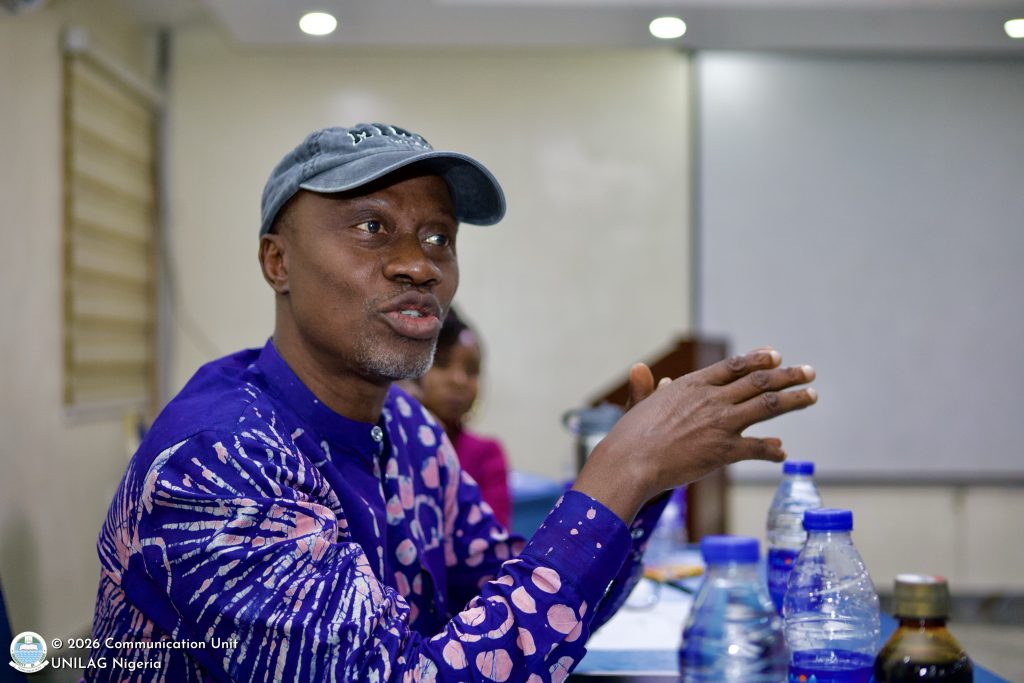
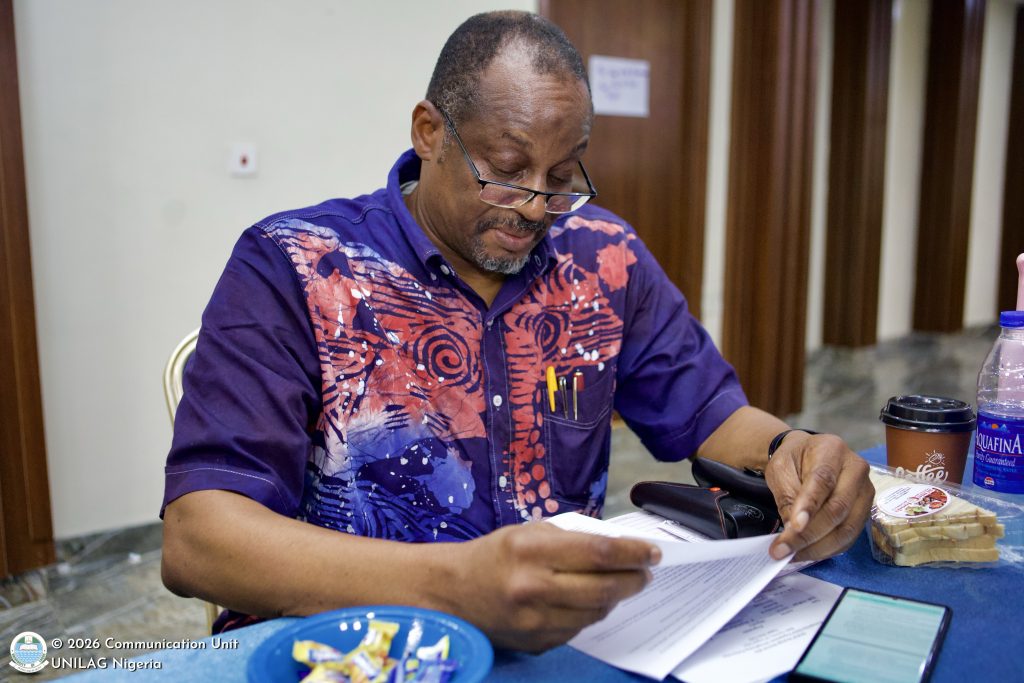
Before deliberations, the immediate past Director, Professor Ismail Ibraheem, presented a retrospective account of the Office’s journey under his stewardship, highlighting achievements, statistics, lessons learnt and possible directions for the future.
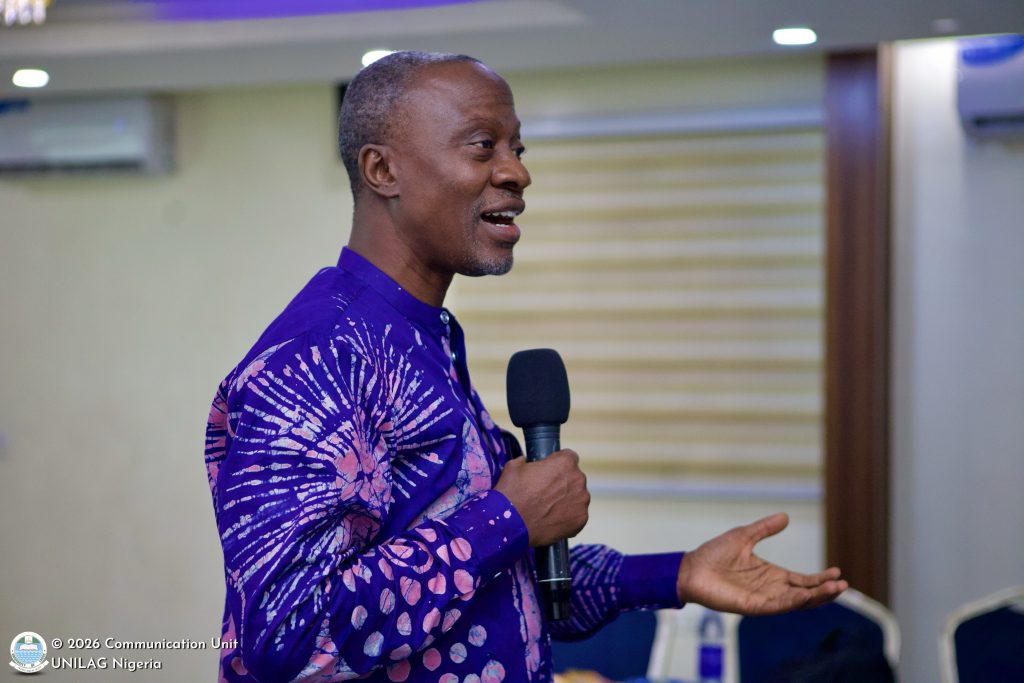
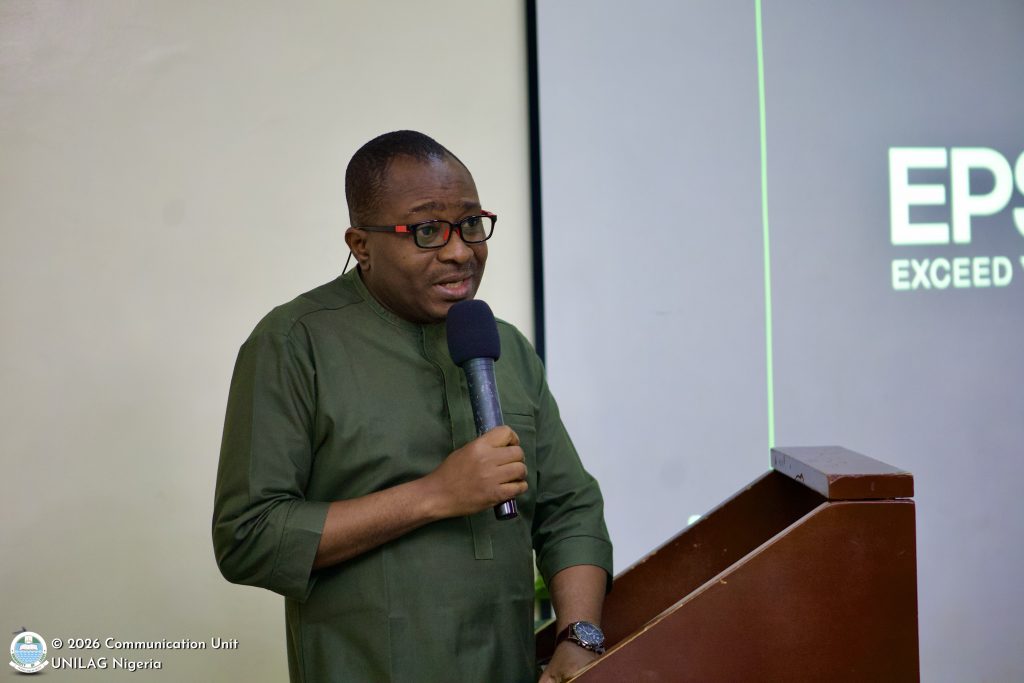
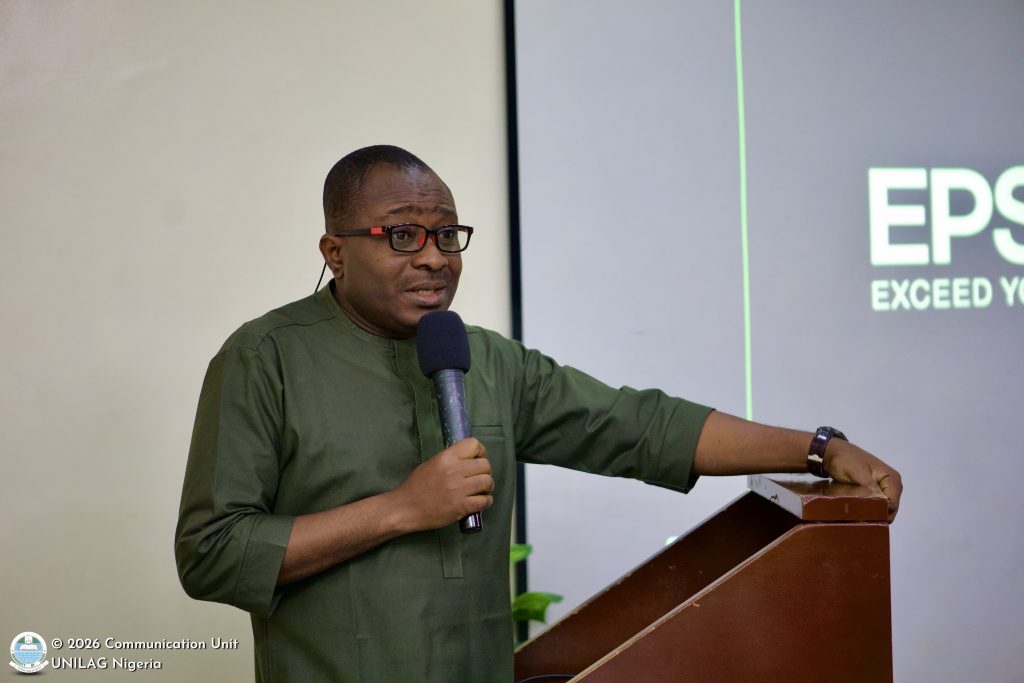
This was followed by a presentation from the Deputy Director, OGESP, Dr Victor Onifade, who provided an overview of the University Management’s expectations and updates on the draft Internationalisation Policy. He also highlighted developments in UNILAG’s transnational engagements with the Universities of Dundee and Birmingham, among others.
Five Tables, One Internationalisation Vision
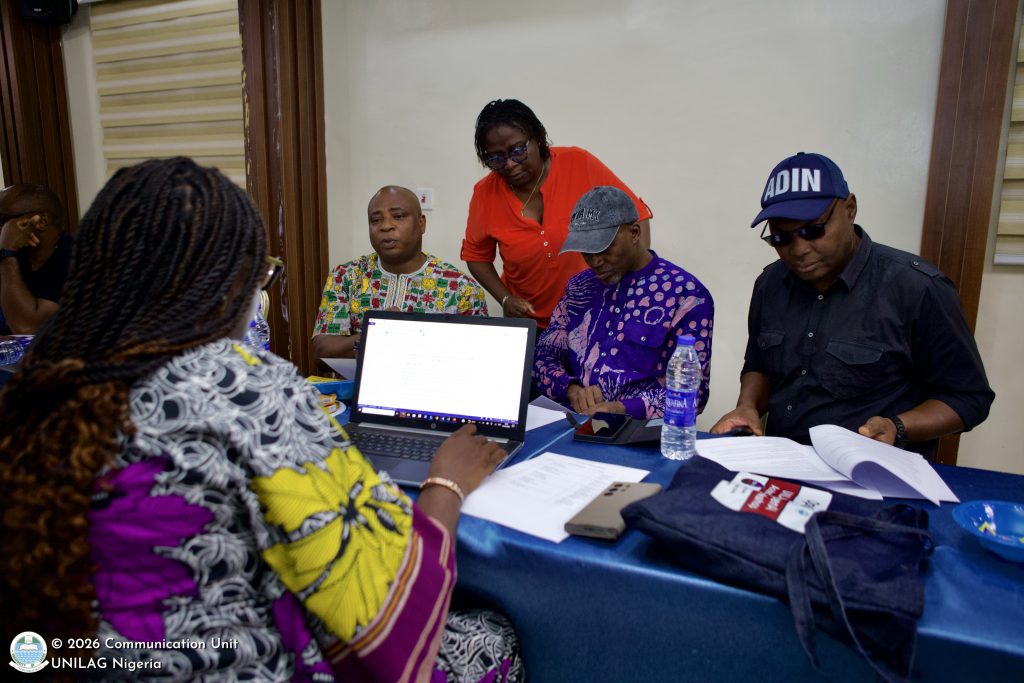
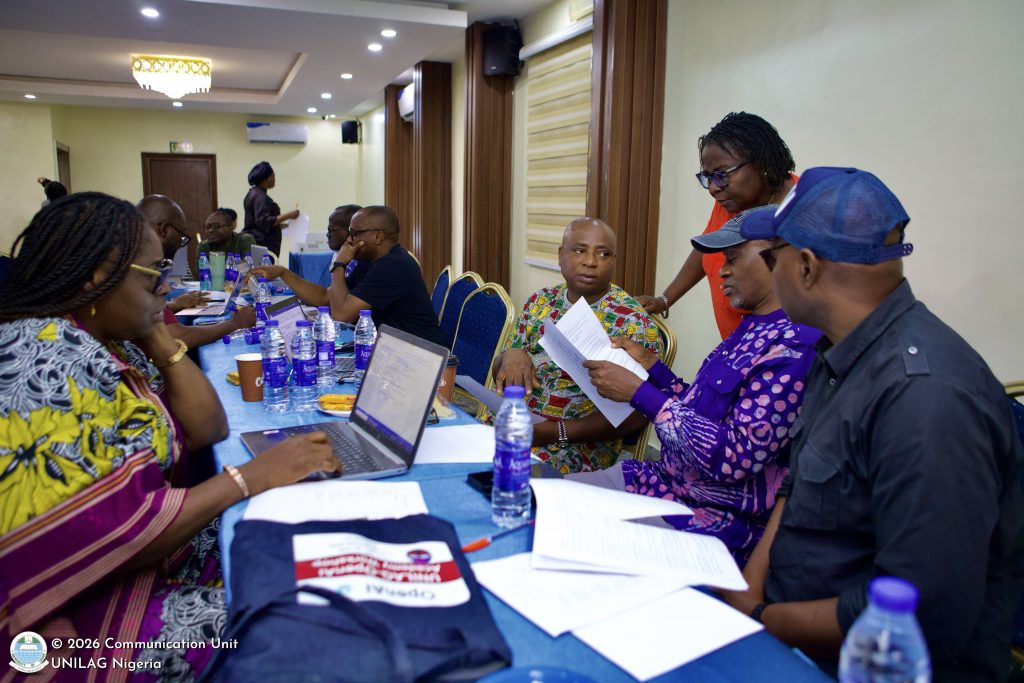
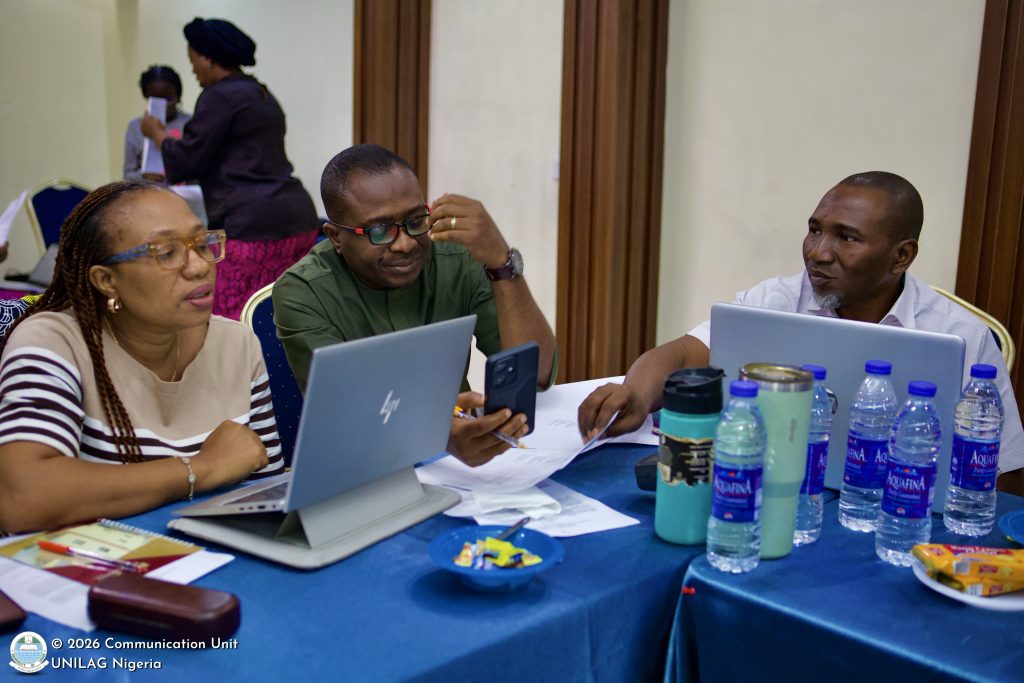
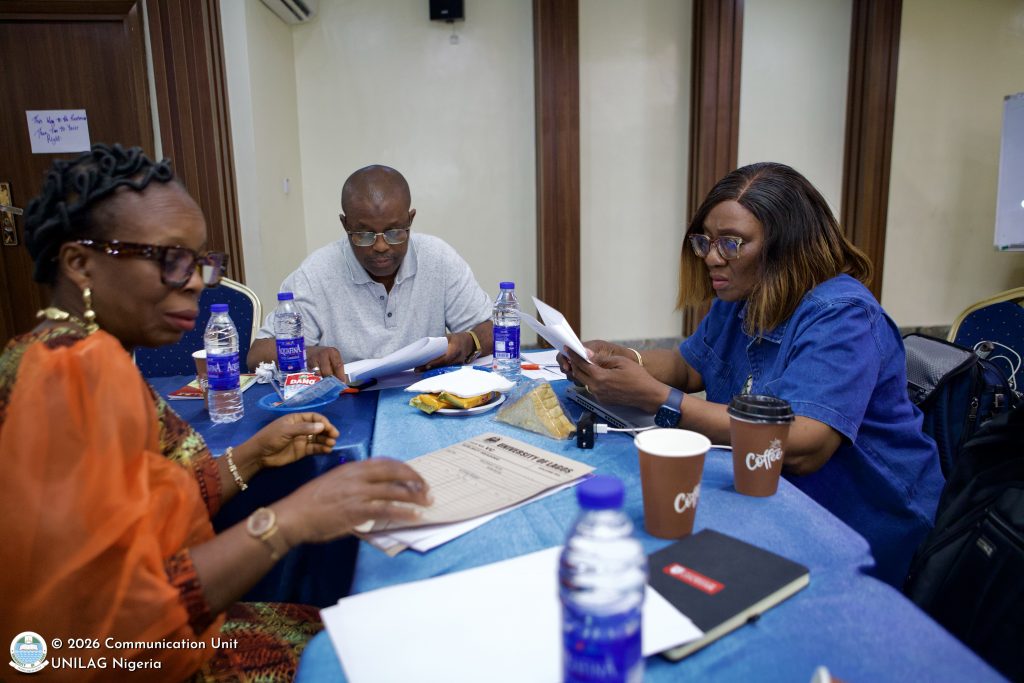
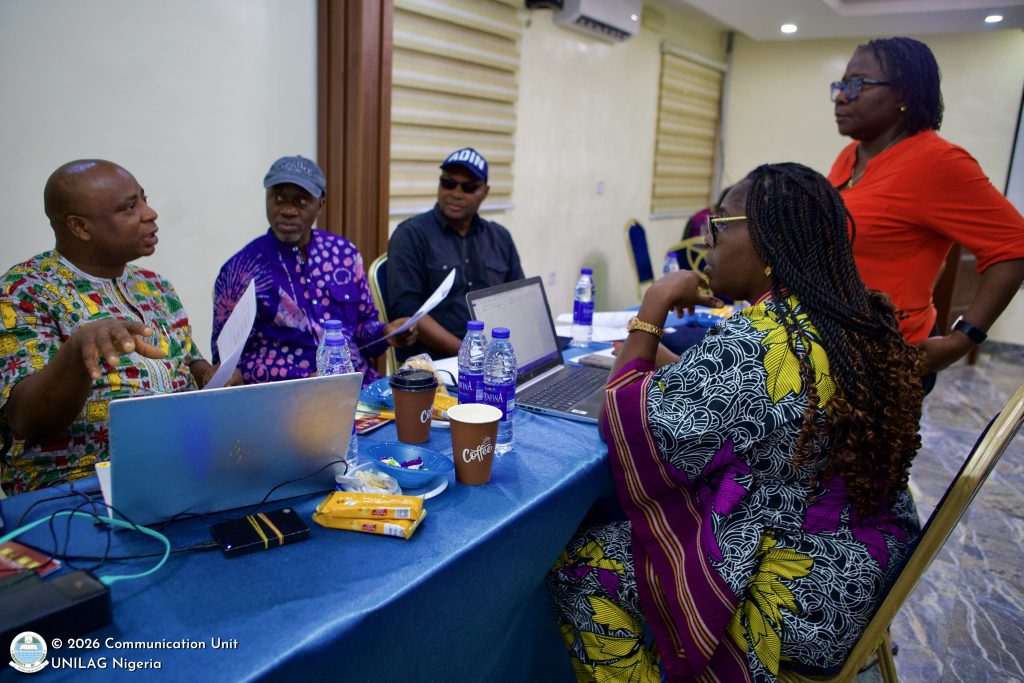
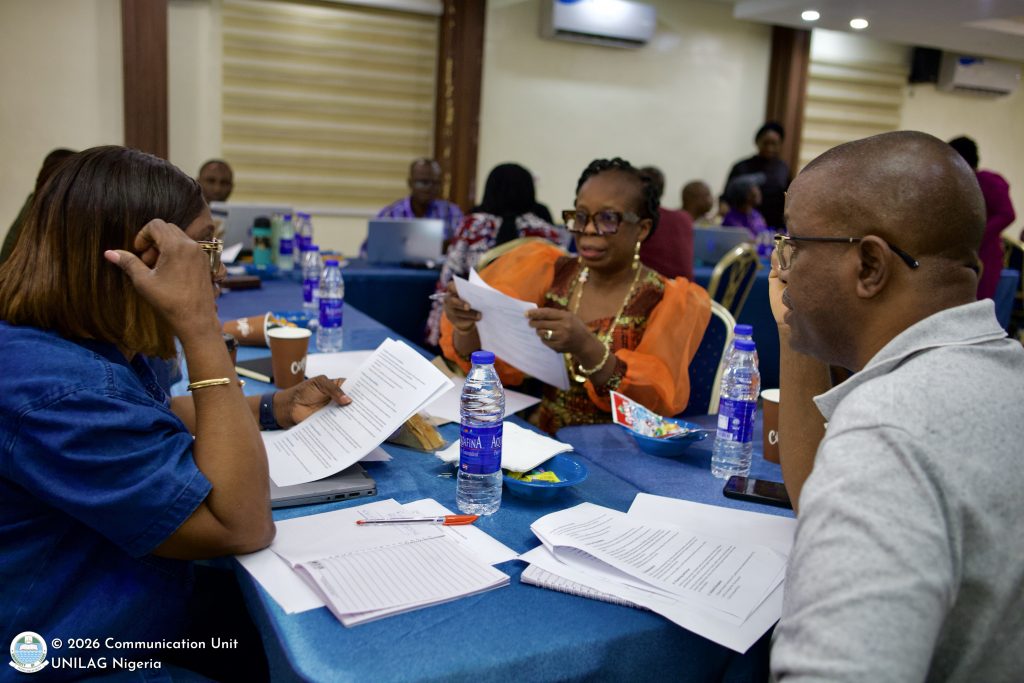
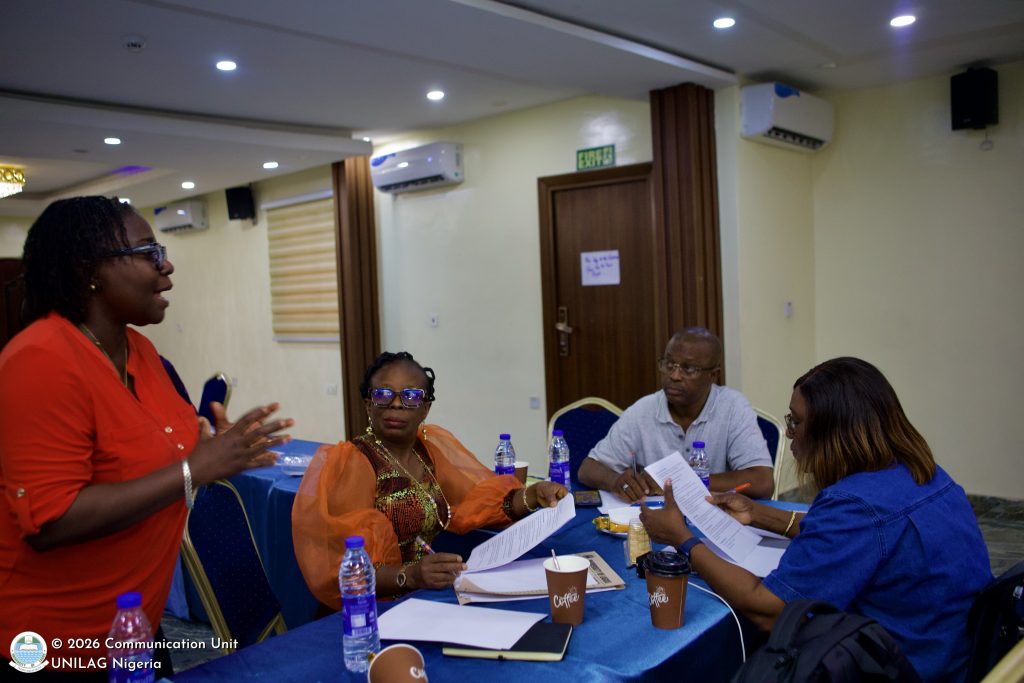
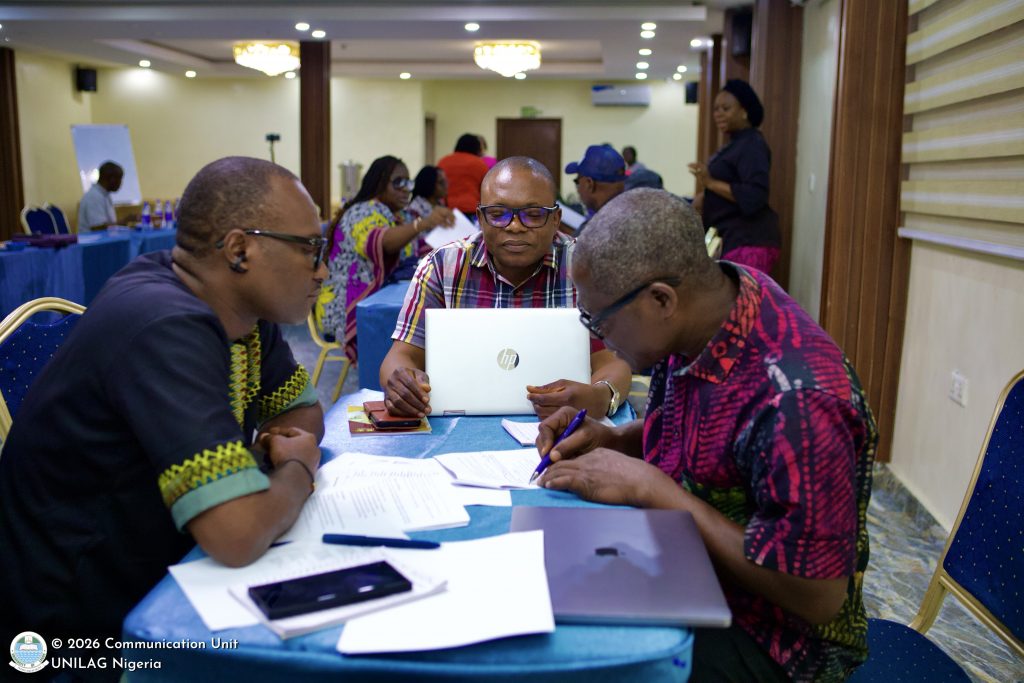
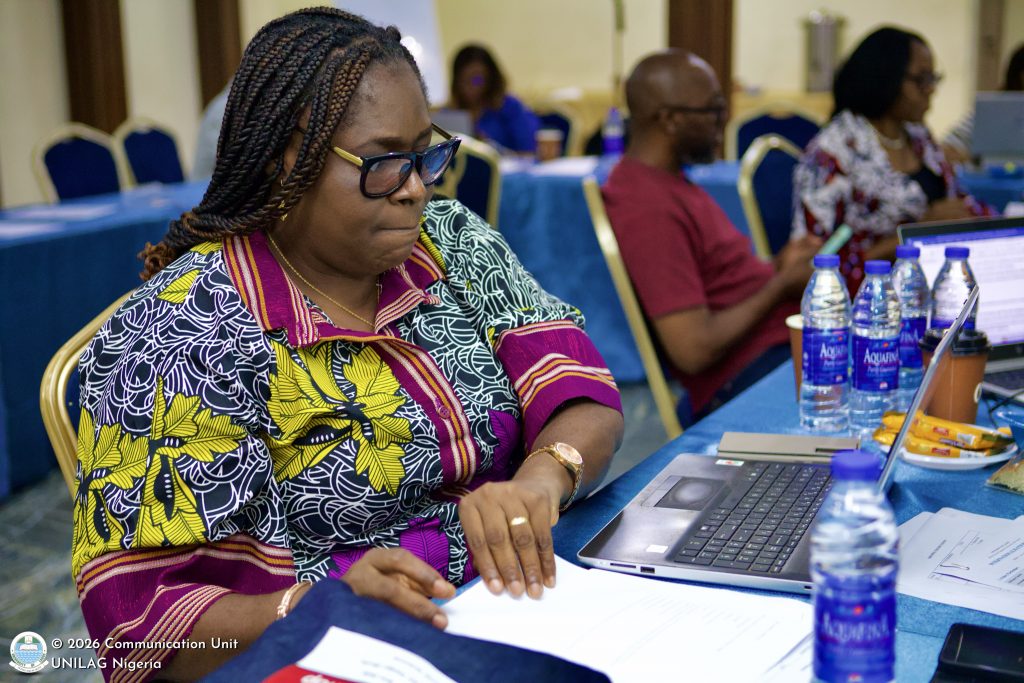
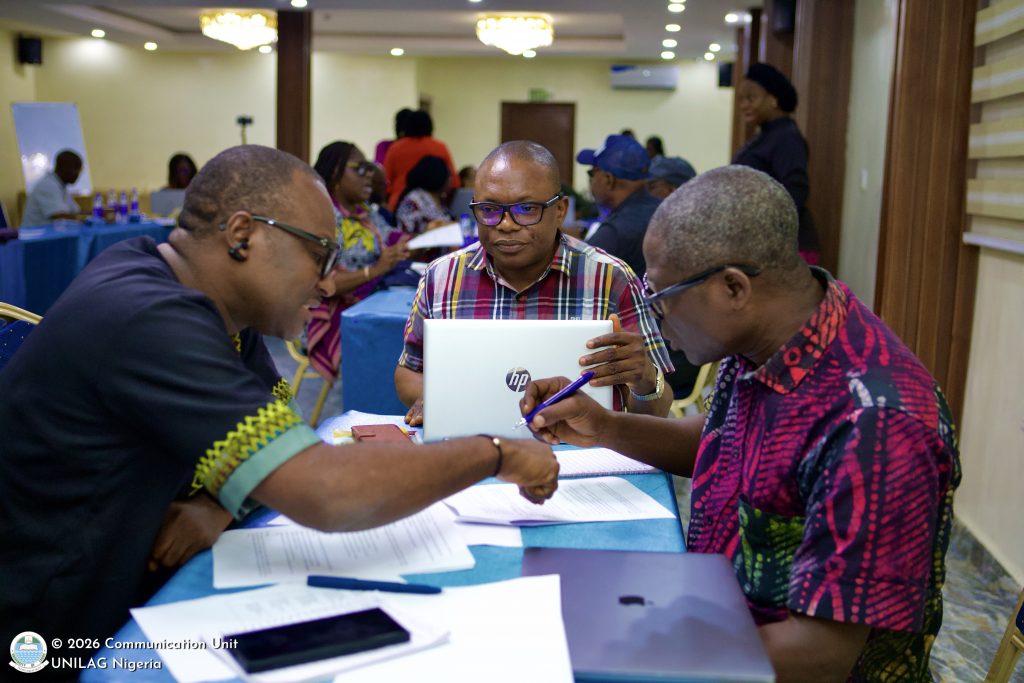
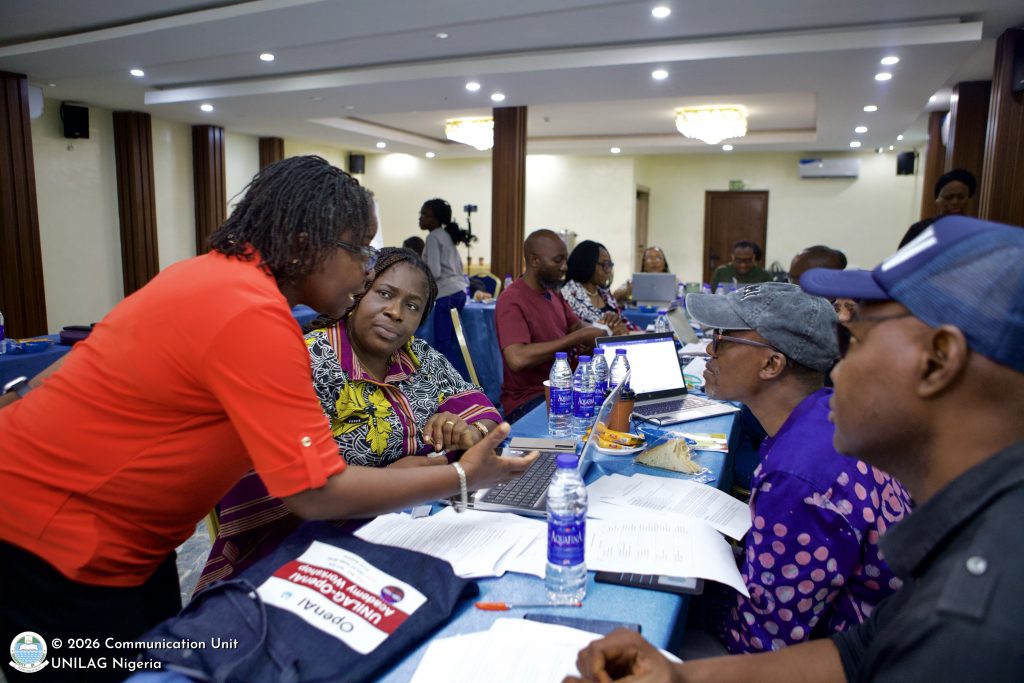
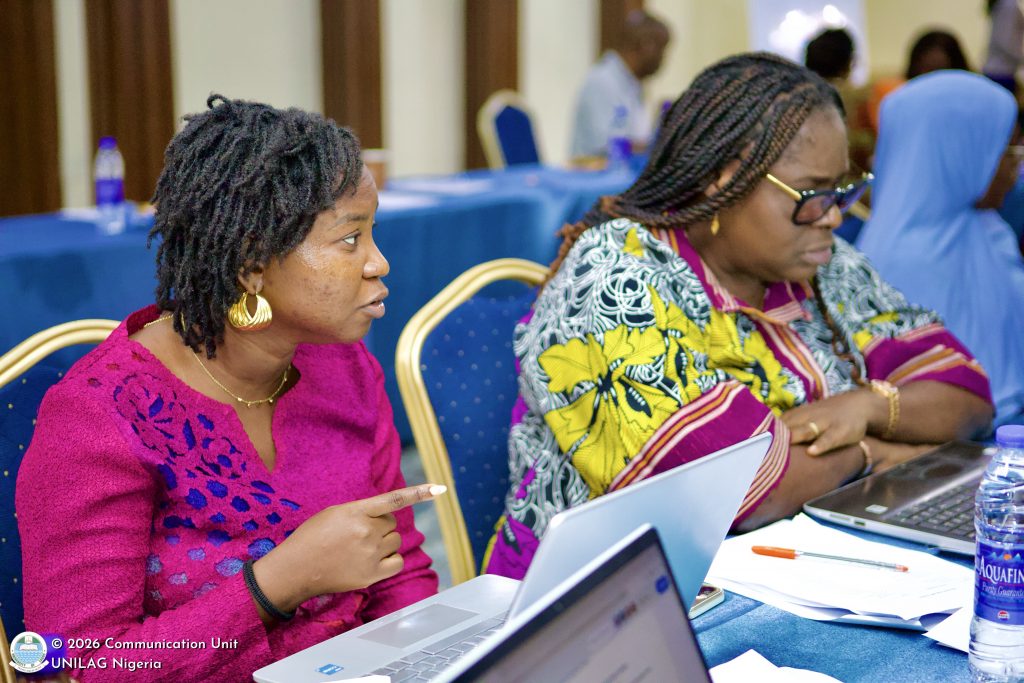
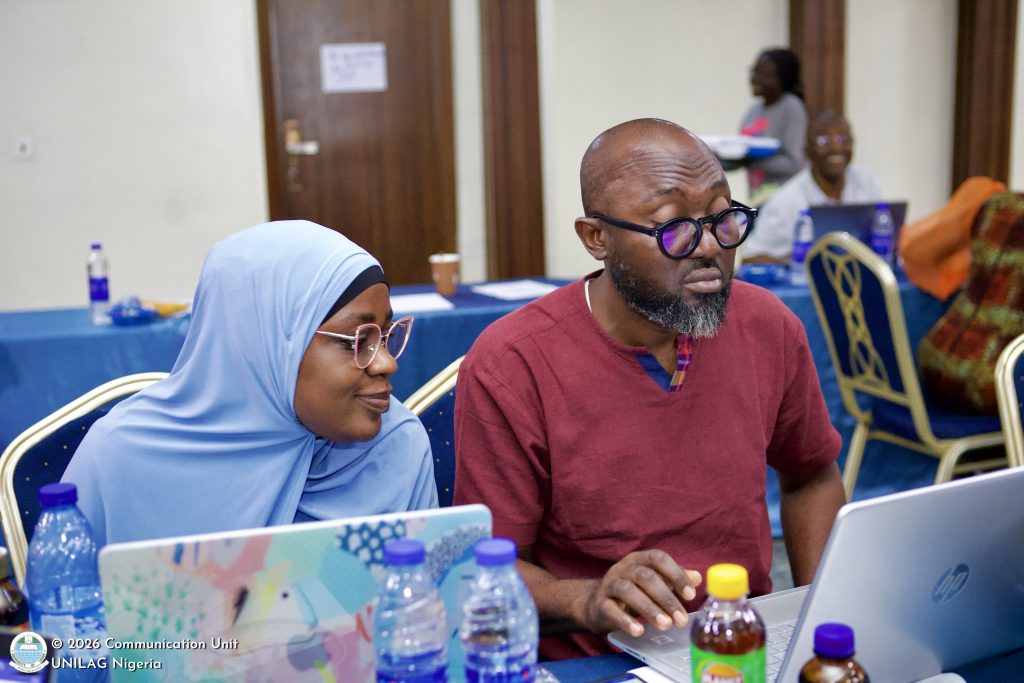
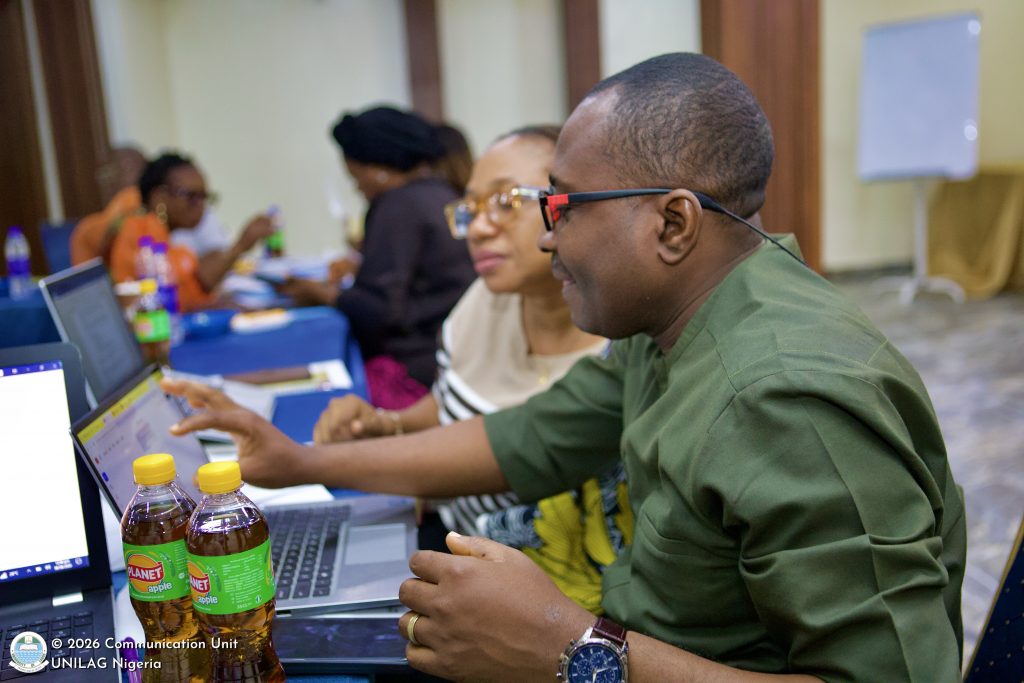
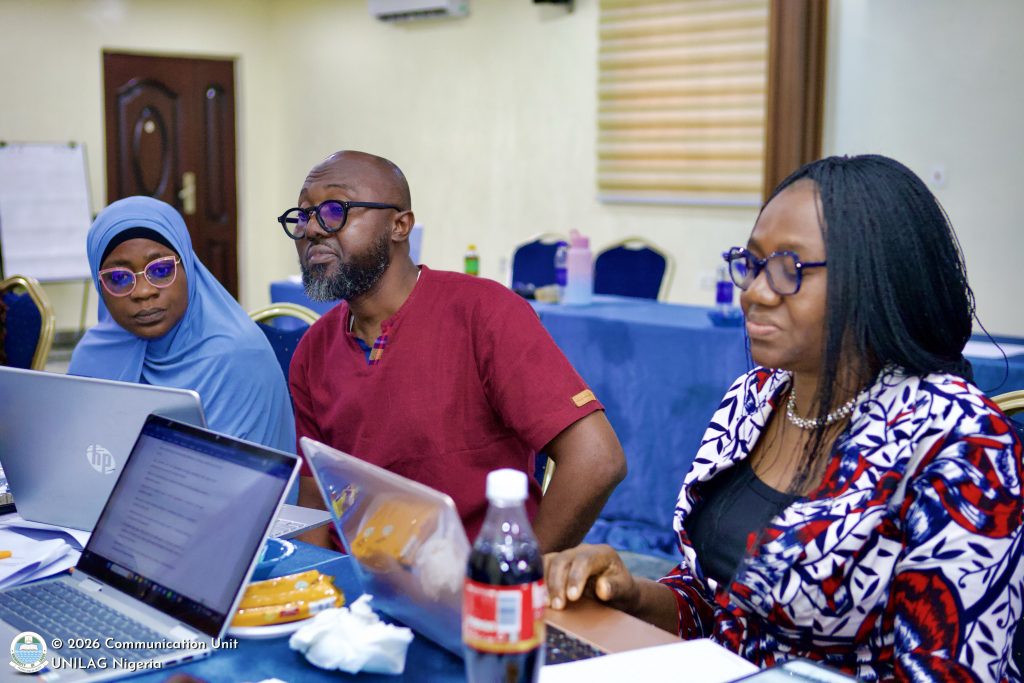
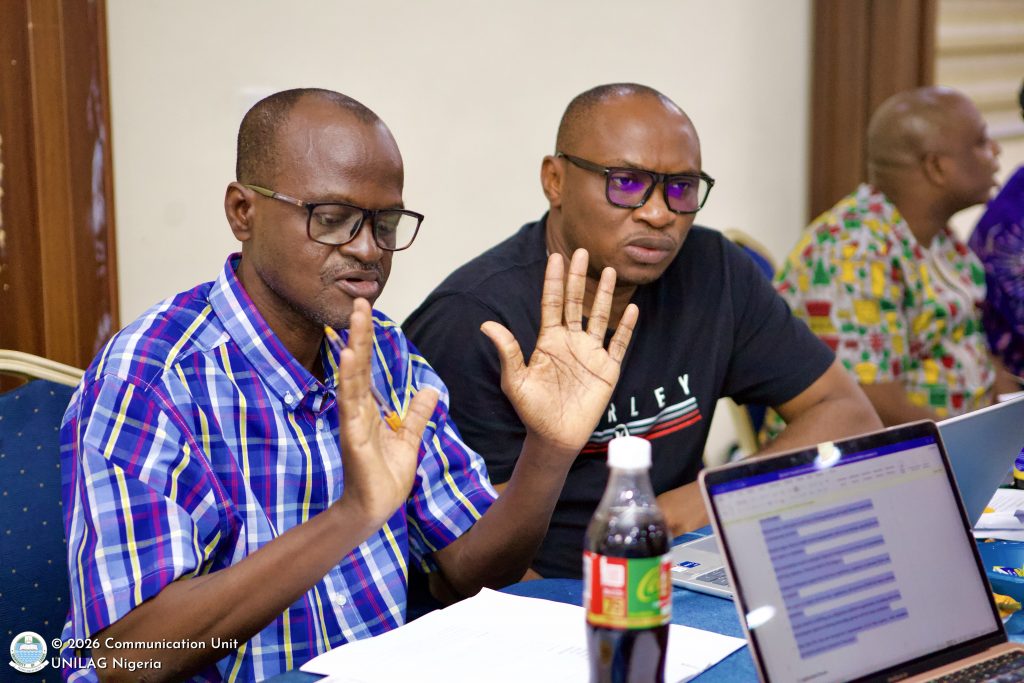
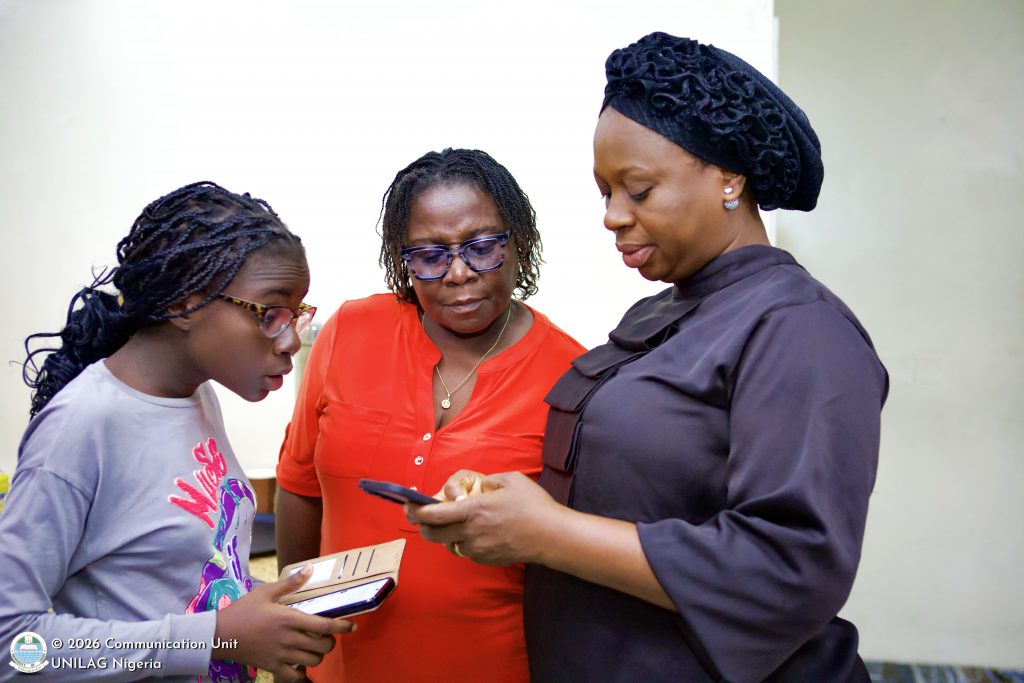
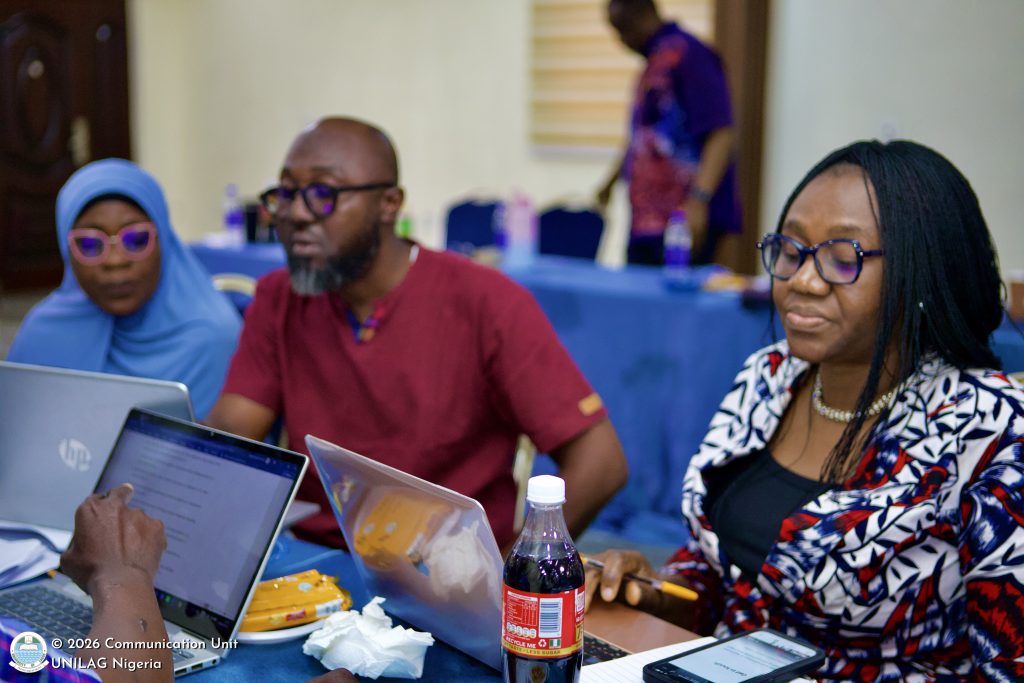
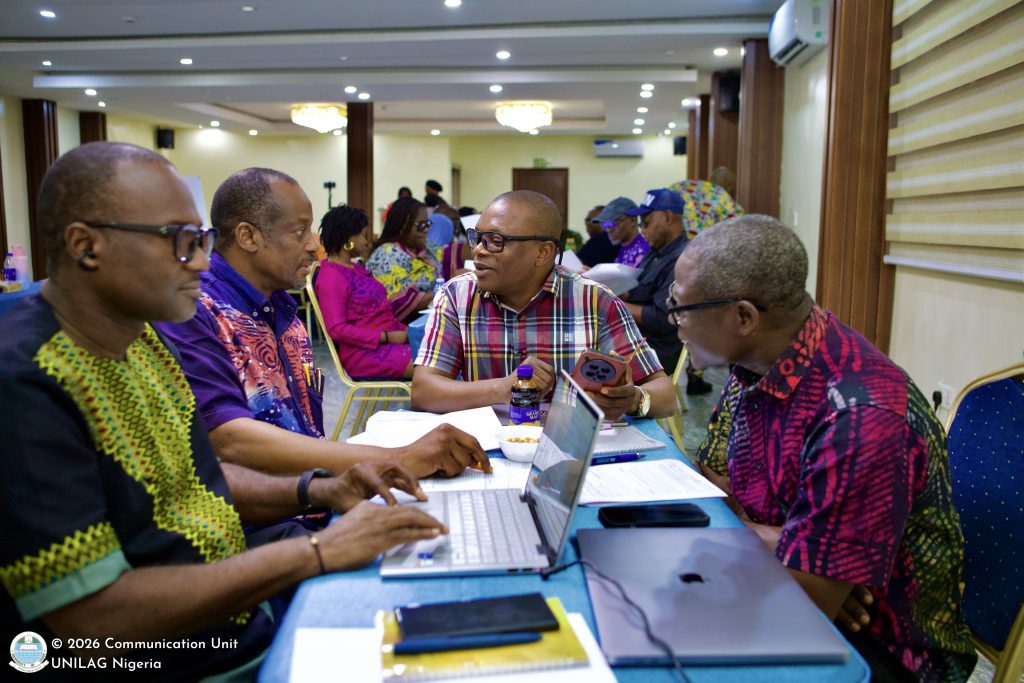
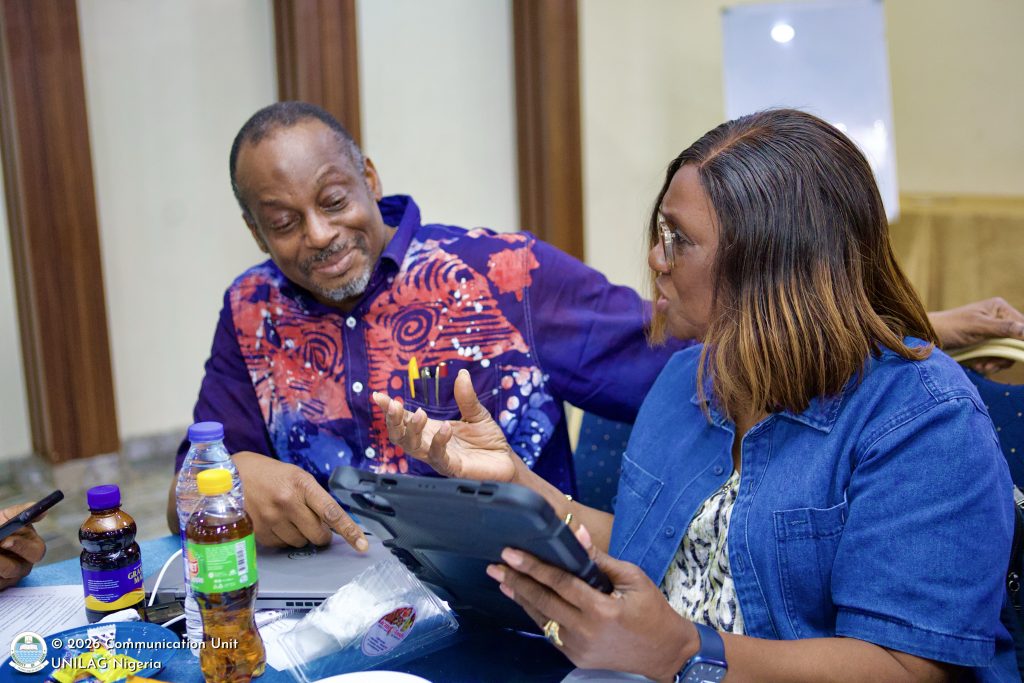
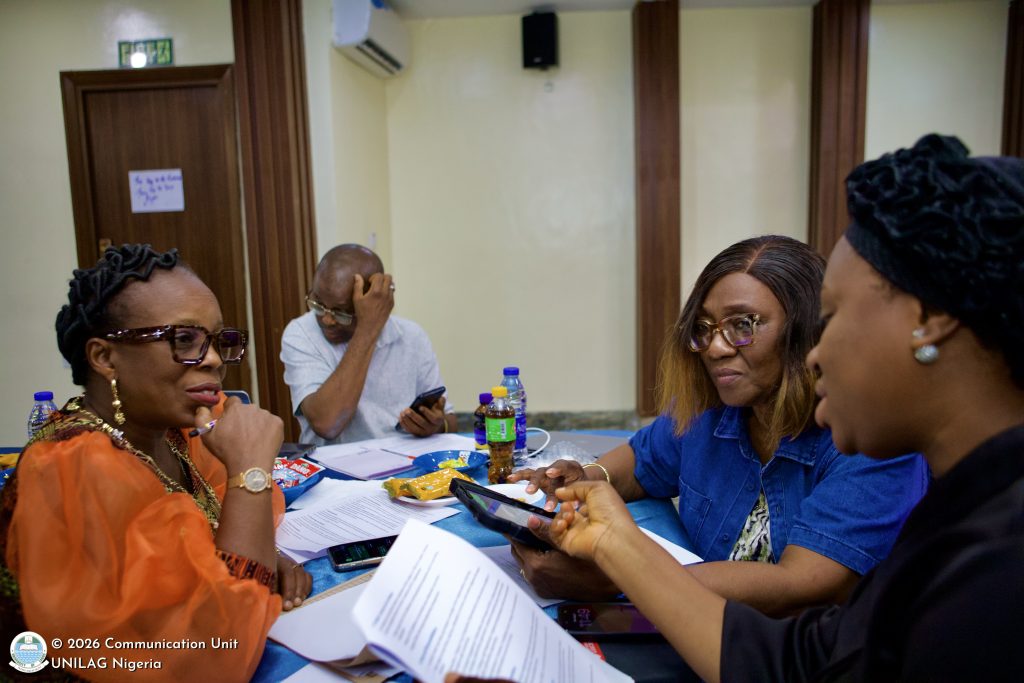
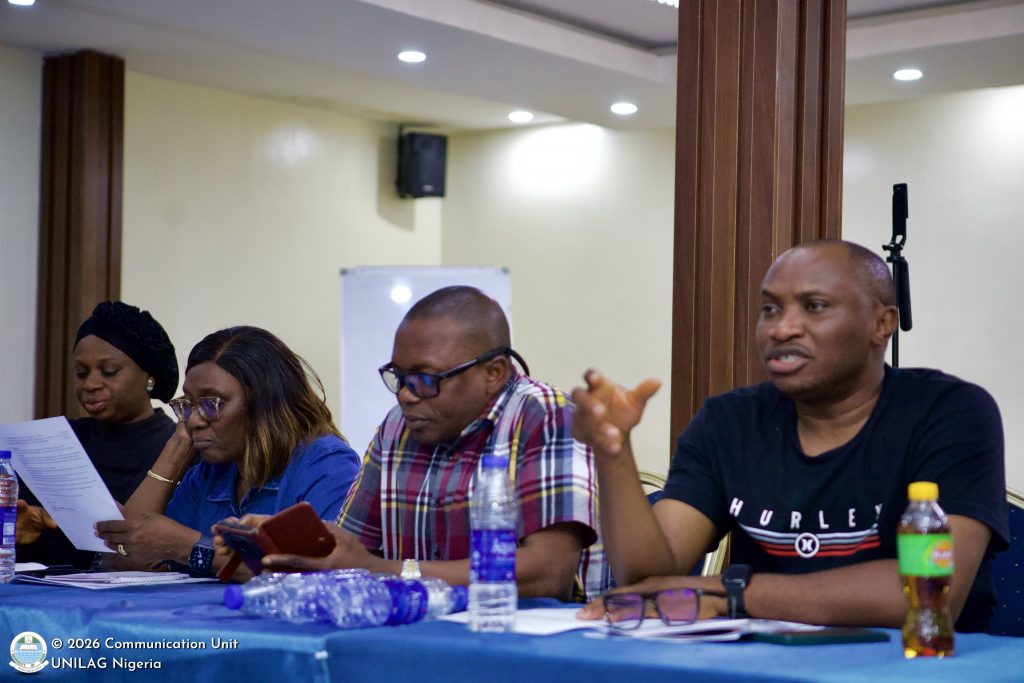
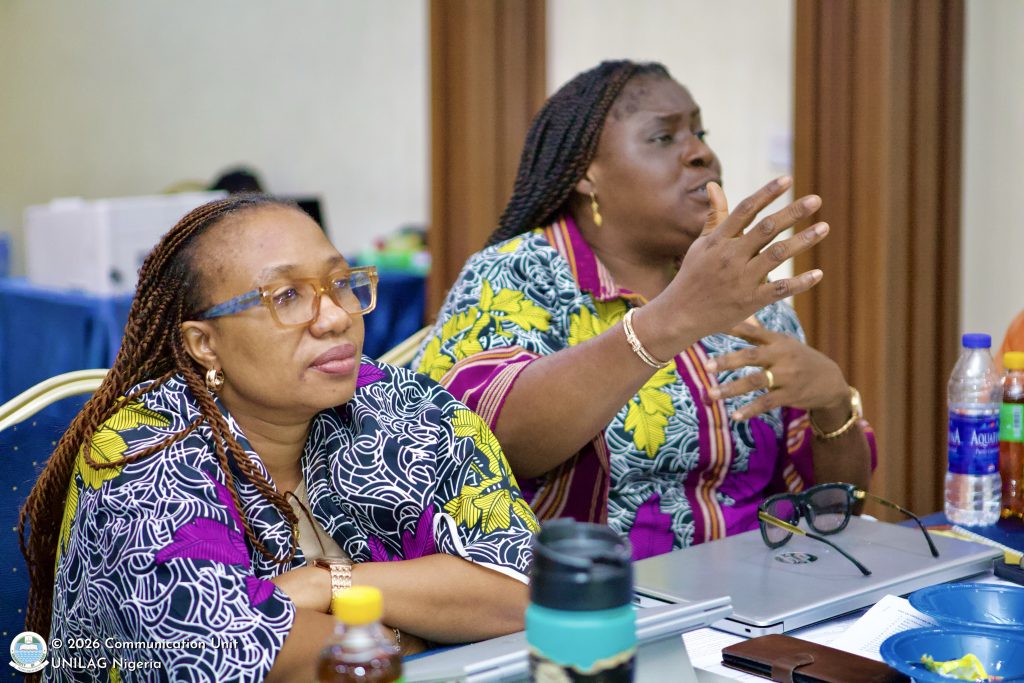
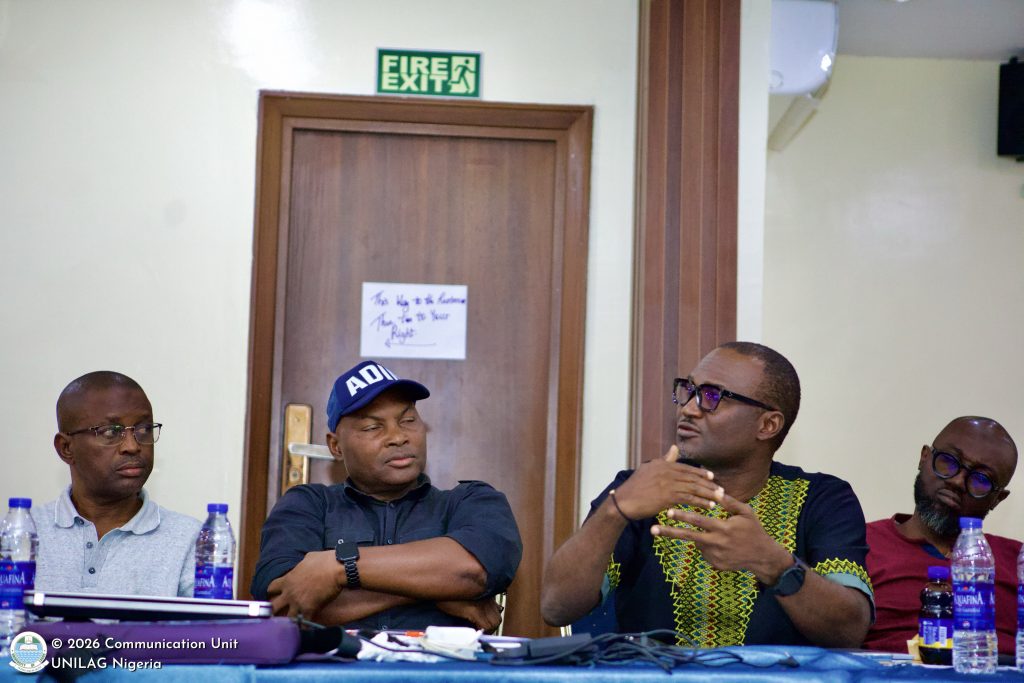
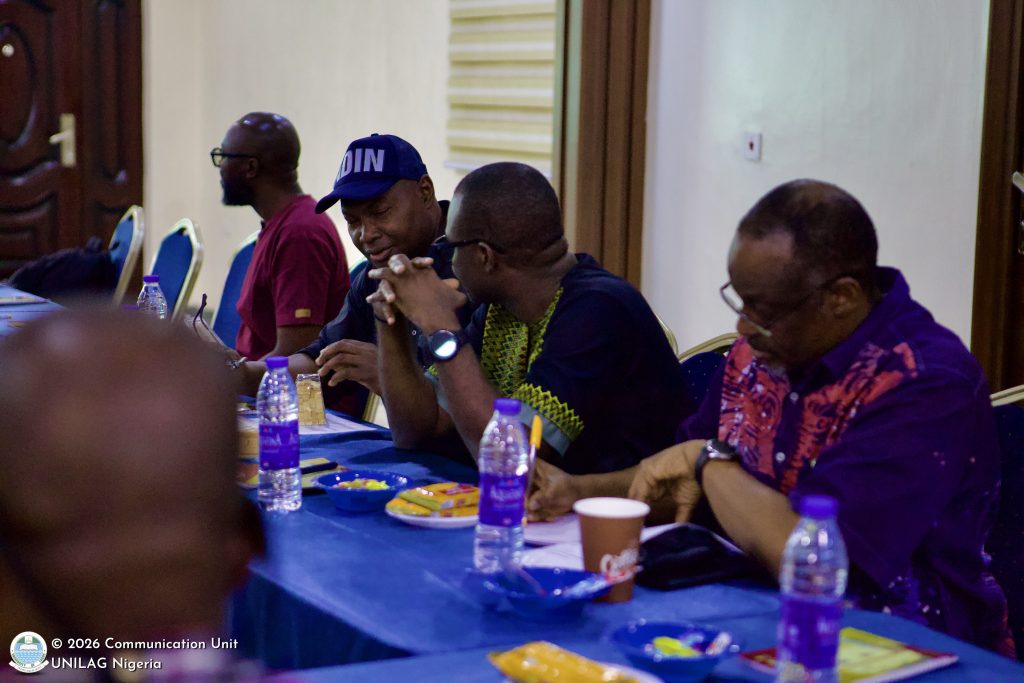
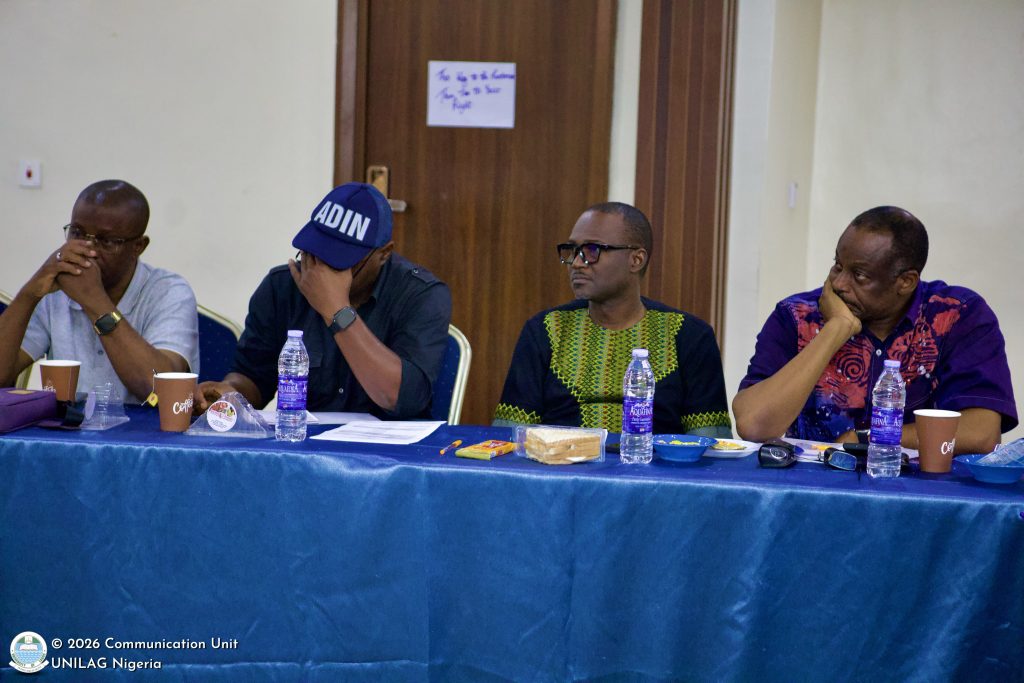
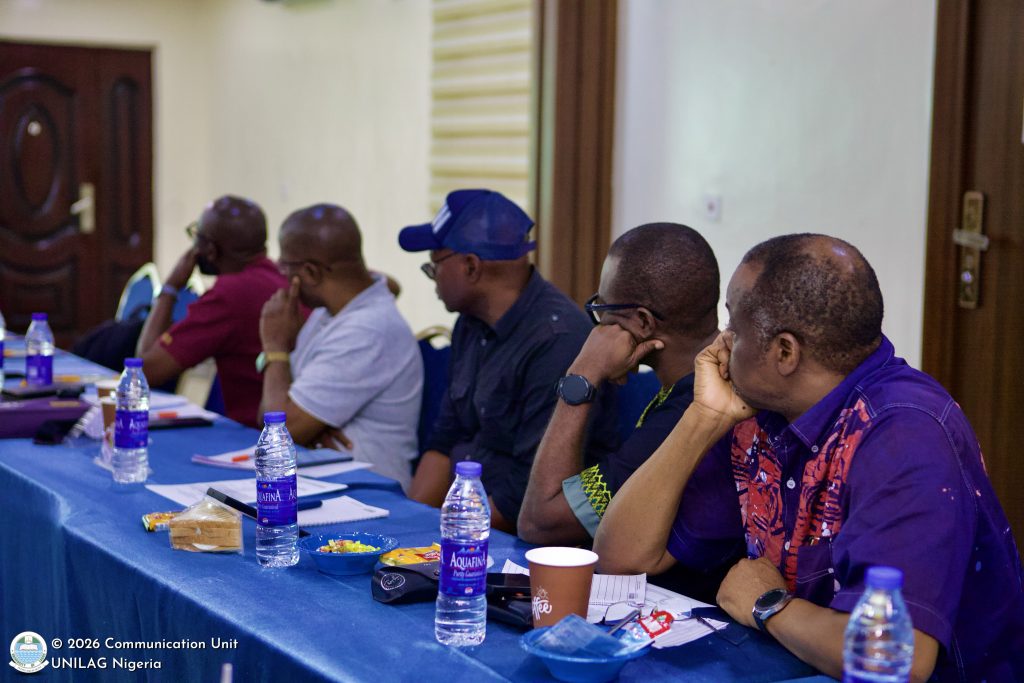
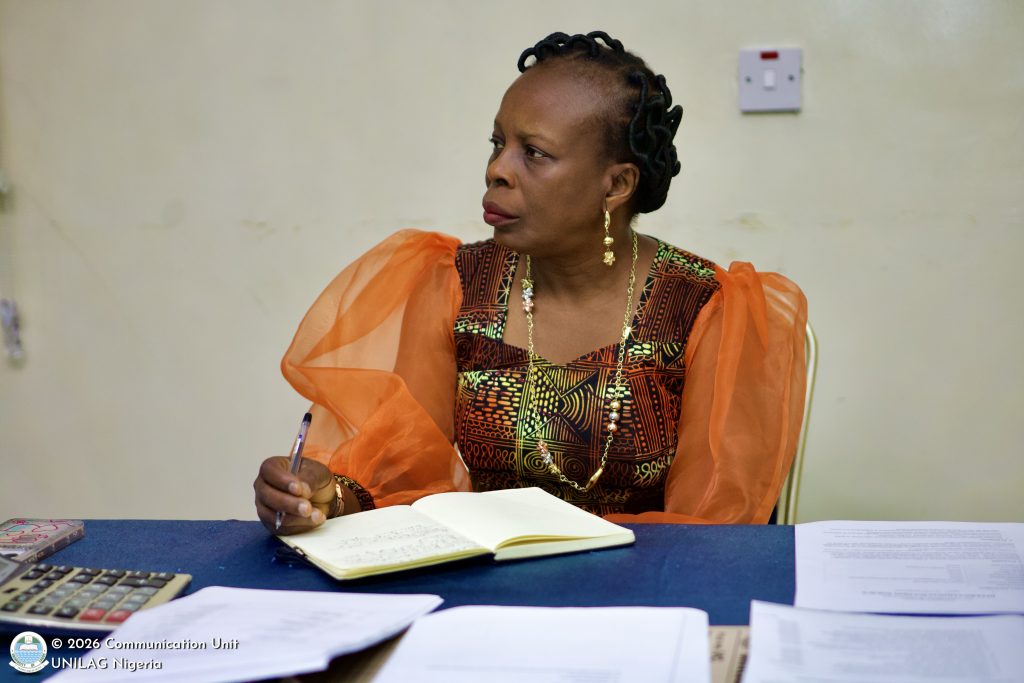
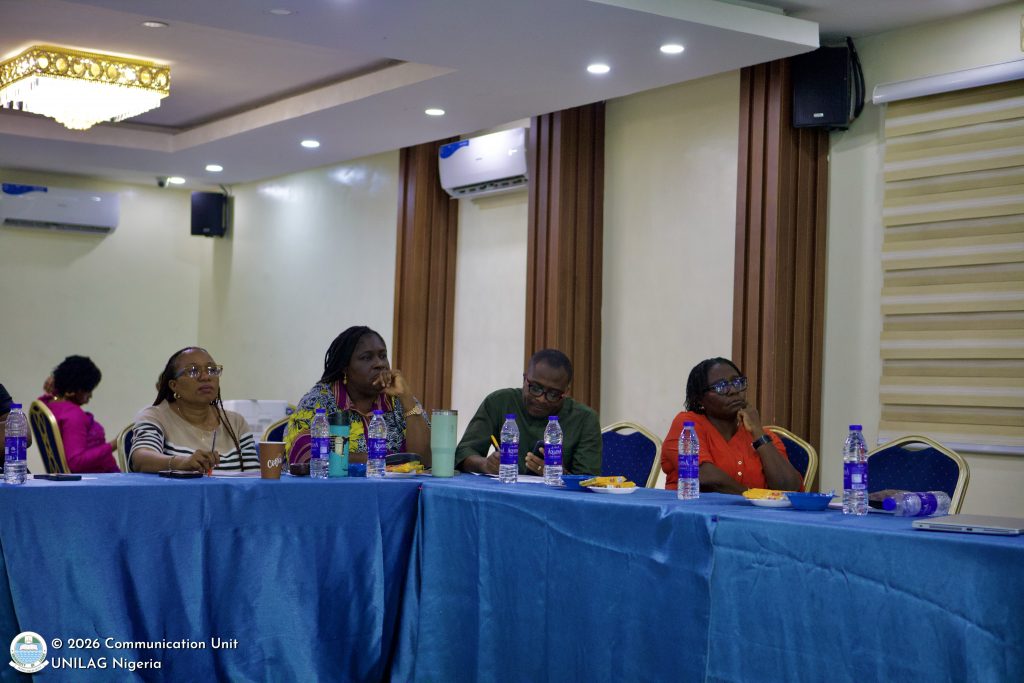
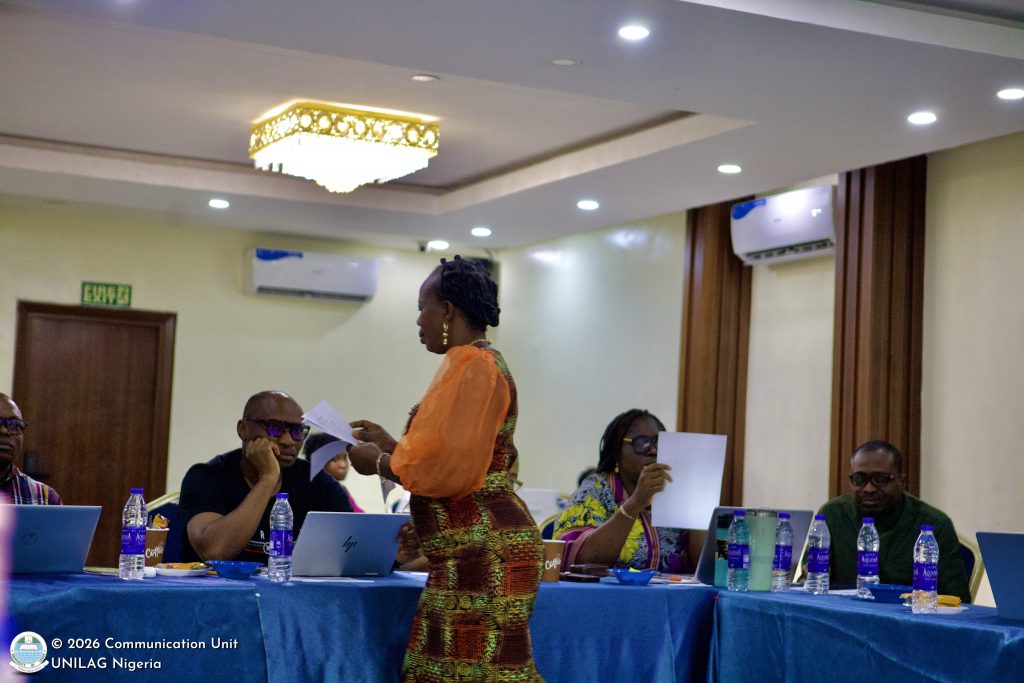
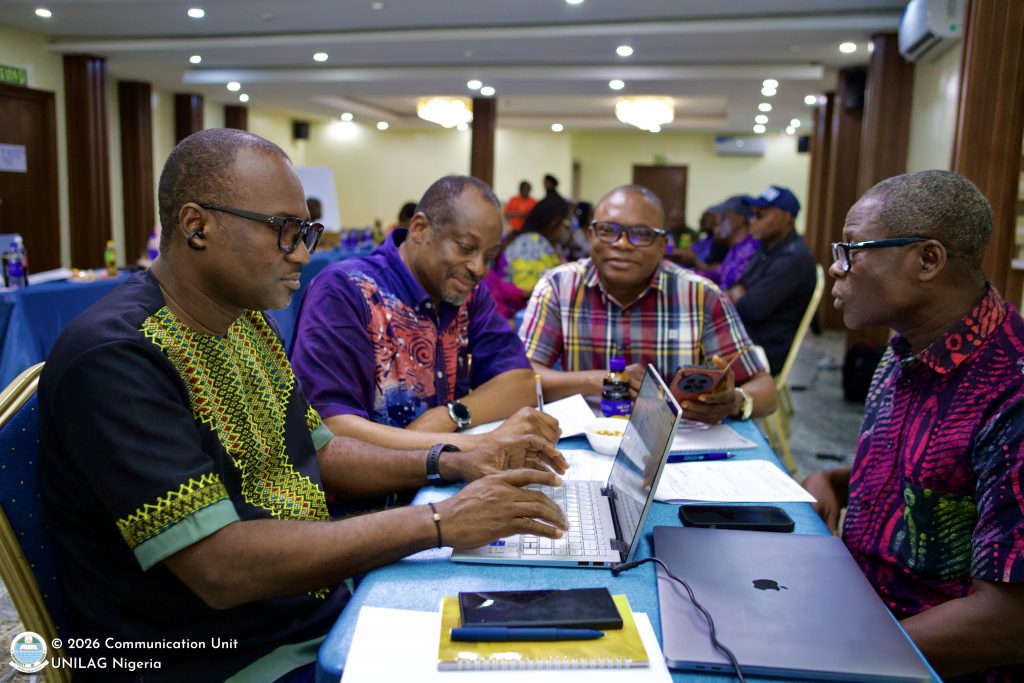
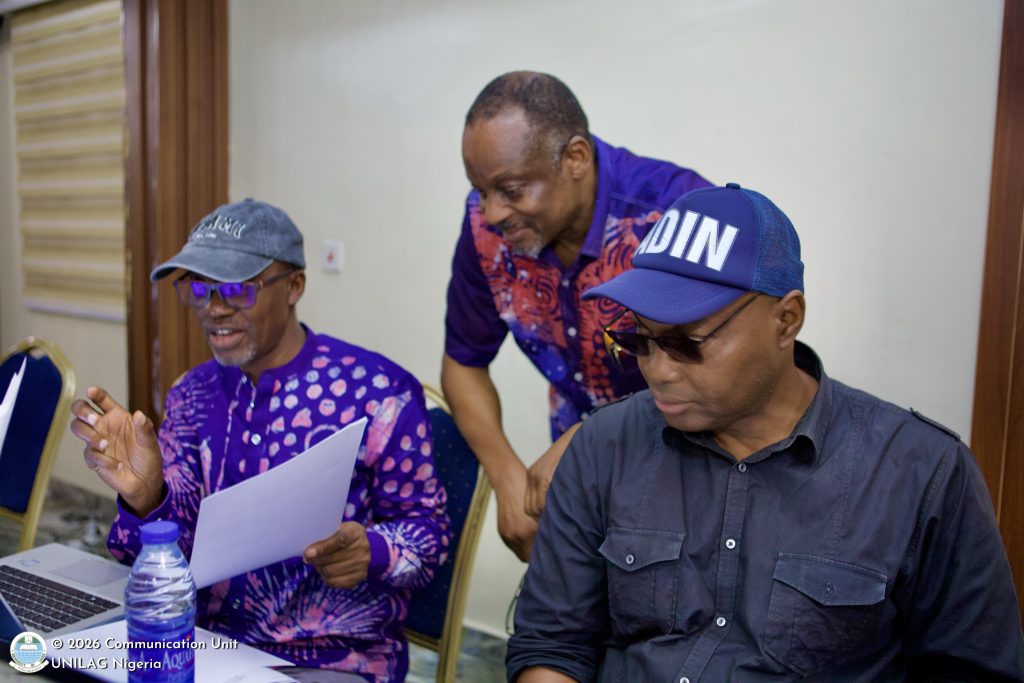
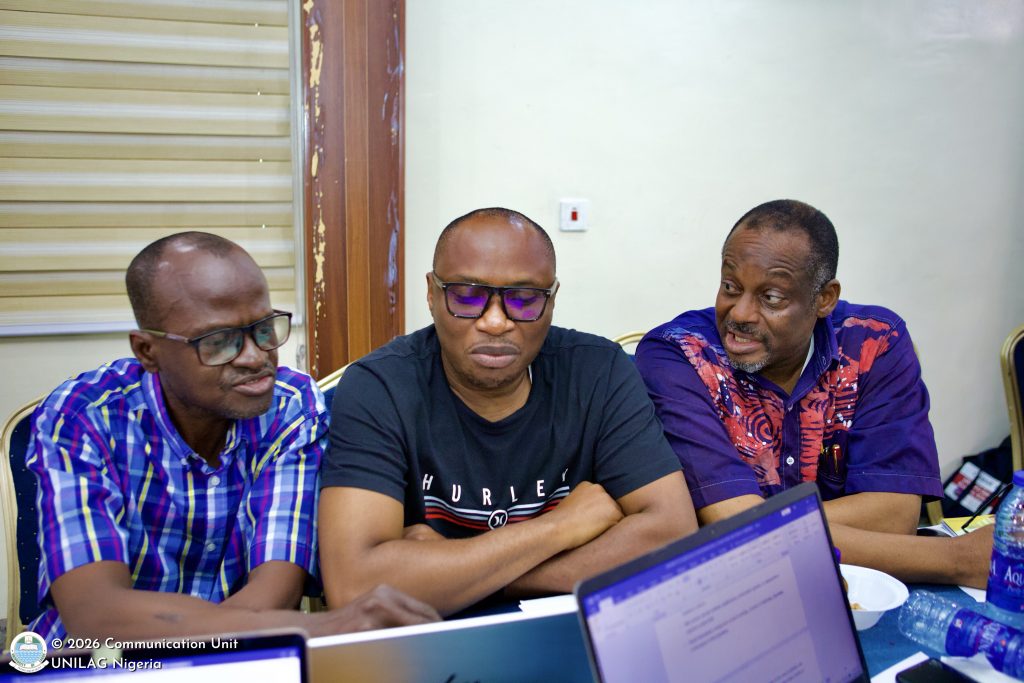
The retreat then moved from reflection into construction as participants were divided into five (5) groups, each tasked with scrutinising and refining different sections of the draft Internationalisation Policy. The exercise required them to interrogate the University’s ambitions, identify gaps, rethink existing approaches, and determine how internationalisation could translate into meaningful institutional value.
Following the group sessions, representatives of each group formed a consolidation team. With deliberate consideration given to the different professional strengths represented within the Committee, the team worked towards producing a coherent and viable final policy document.
The process transformed the retreat from a conventional planning exercise into a collective exercise in institutional imagination: different perspectives converging on how UNILAG can engage the world on its own terms.


Beyond International Week
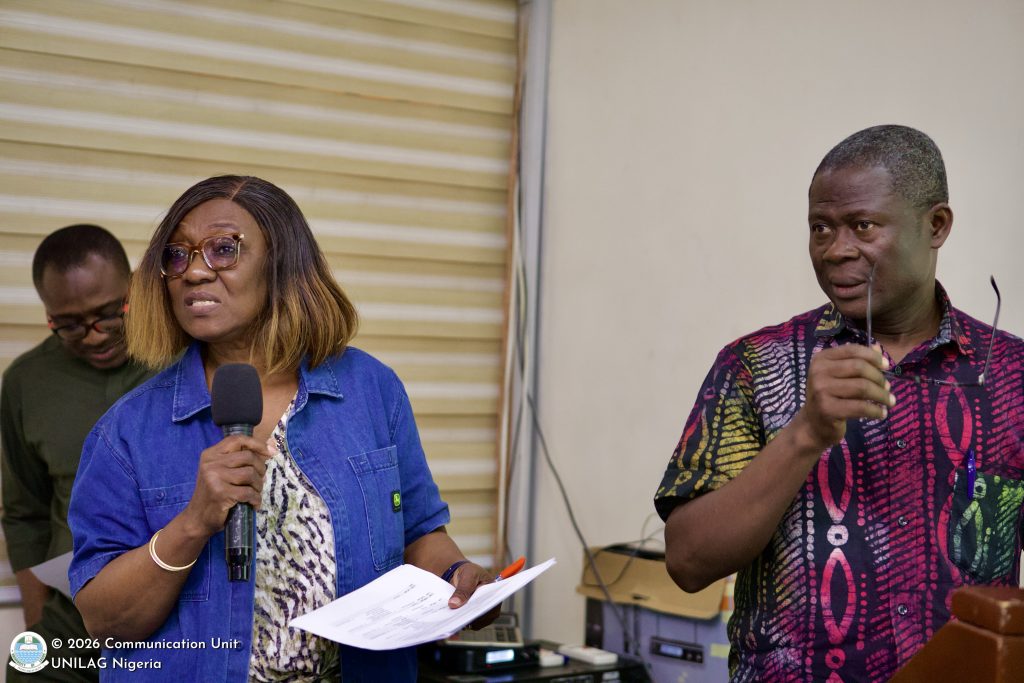
With the policy deliberations completed, the Committee developed a roadmap of activities and programmes for OGESP and considered ways to strengthen Global Engagement Leads across the University.
The conversation emphasised that internationalisation must permeate the University more deeply, becoming a shared institutional responsibility rather than the sole preserve of a central office.
A member of the Global Engagement Committee, Mr Afolabi Yusuff, encouraged the inclusion of more non-teaching staff in driving the University’s internationalisation vision. His intervention broadened the conversation around who contributes to global engagement, recognising that the international character of a university is shaped by the collective efforts of its academic and professional communities.
The emerging vision is therefore one in which internationalisation is experienced across faculties, offices, disciplines, and different levels of the University, supported by purposeful partnerships that generate opportunities for research, teaching, innovation, mobility, knowledge exchange, and institutional development.
Building a Global UNILAG, Rooted in Africa
The significance of the 2026 OGESP Strategic Retreat ultimately lies in its timing. As preparations gather momentum for the 6th UNILAG International Week, the University is simultaneously building the systems, policies, and partnerships that will sustain its global outlook.
The retreat represents a conscious effort to move from individual international engagements towards a coordinated institutional strategy, one that asks not merely “Who can UNILAG partner with?”, but “What should these partnerships achieve for the University, Nigeria, and Africa?“
For the University of Lagos, becoming more global does not require becoming less African. Its emerging internationalisation vision positions its African identity as a strength: bringing UNILAG’s scholarship, innovation, people, culture, and perspectives into global conversations while creating meaningful opportunities for the world to engage with the University from its home in Lagos, Nigeria.
As UNILAG continues to pursue its identity as “The University of First Choice and the Nation’s Pride,” the work of OGESP is taking on an increasingly strategic role in determining how that pride travels beyond Nigeria’s borders, and how the partnerships it brings home contribute to the University’s growth and Africa’s advancement.
Author: Nike Ogunshakin
Photojournalist: Àwòrán Media
Article Editor: Adejoke Alaga-Ibraheem