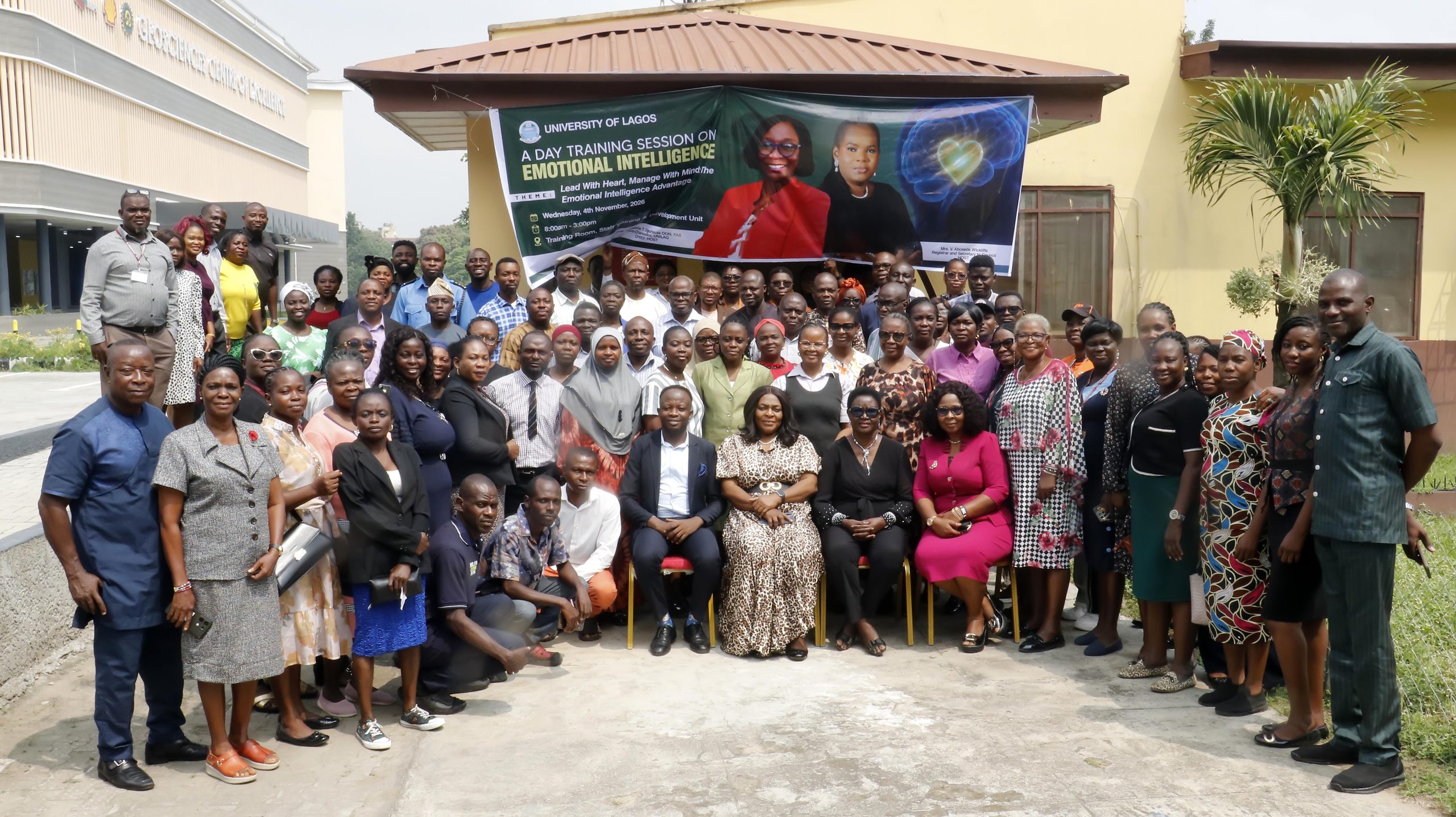
Management of the University of Lagos (UNILAG) has reinforced its commitment to effective leadership and administrative productivity with a capacity-building workshop on Emotional Intelligence for senior members of staff.
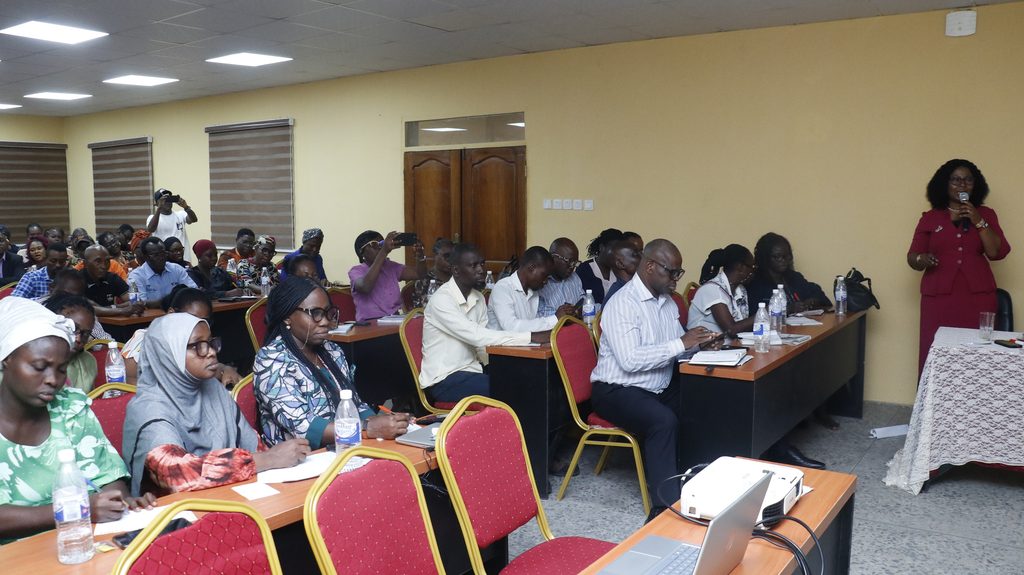
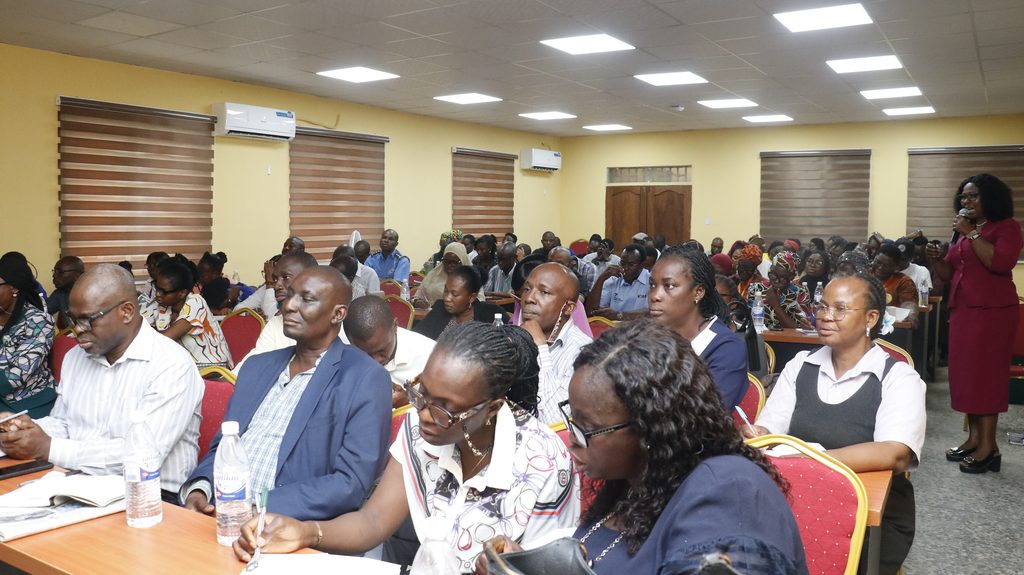
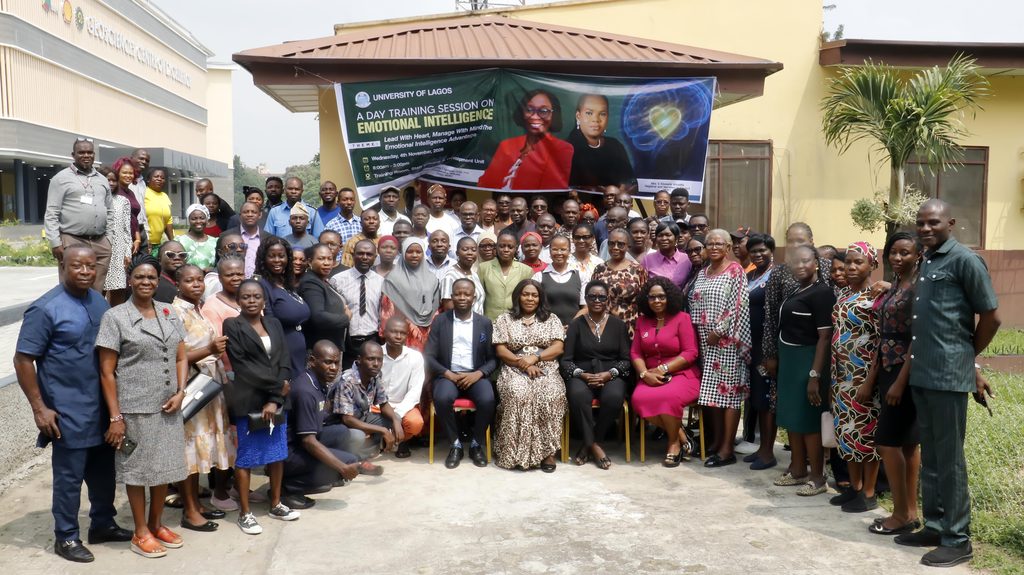
Organized by the Staff Training and Development Unit (ST&DU) on Wednesday, November 4, 2026, the one-day workshop brought together senior staff from various units to explore how Emotional Intelligence can enhance leadership effectiveness, workplace relationships and institutional performance.
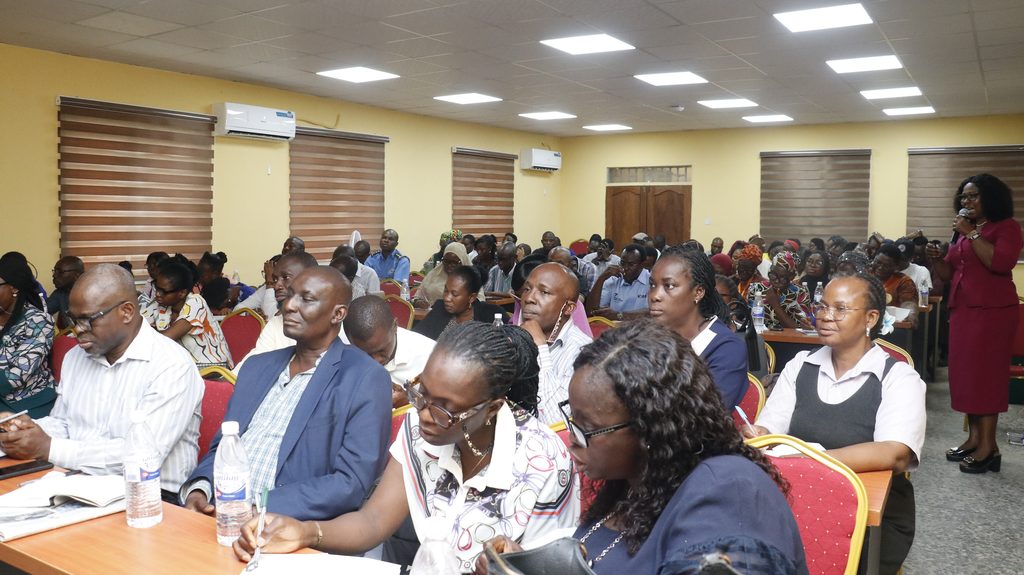
The training featured two resource persons: the Director of the Centre for Management Development, Barrister Rita Nwalupue, and Management Consultant and Researcher, Dr. Ehiremhen Patricia.


Understanding the Power of Emotional Intelligence
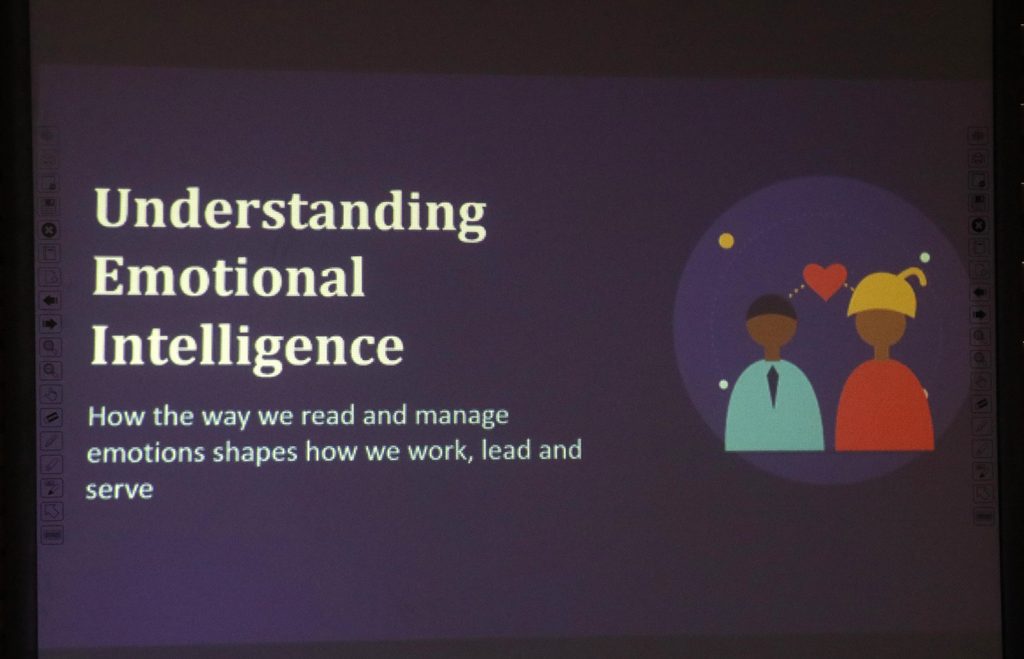
Speaking on the theme, Understanding Emotional Intelligence, Barrister Nwalupue drew on the definition by Salovey and Mayer (1990), who described Emotional Intelligence as the ability to monitor one’s own and other people’s feelings, distinguish between them, and use the information to guide one’s thoughts and actions.
According to her, understanding Emotional Intelligence requires three essential steps: recognising emotions as they arise, understanding their causes and possible consequences, and choosing responses that are appropriate to the situation.


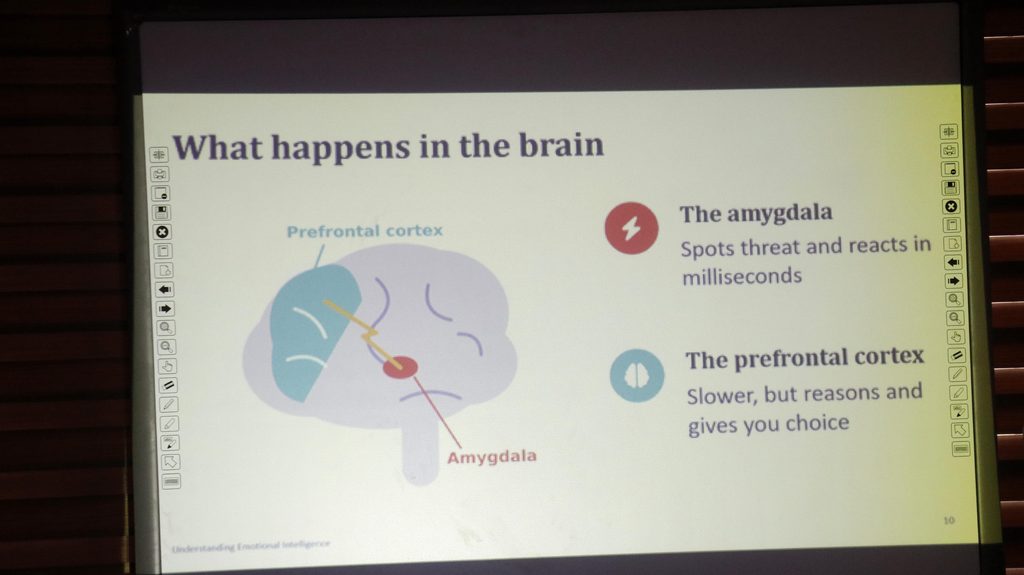
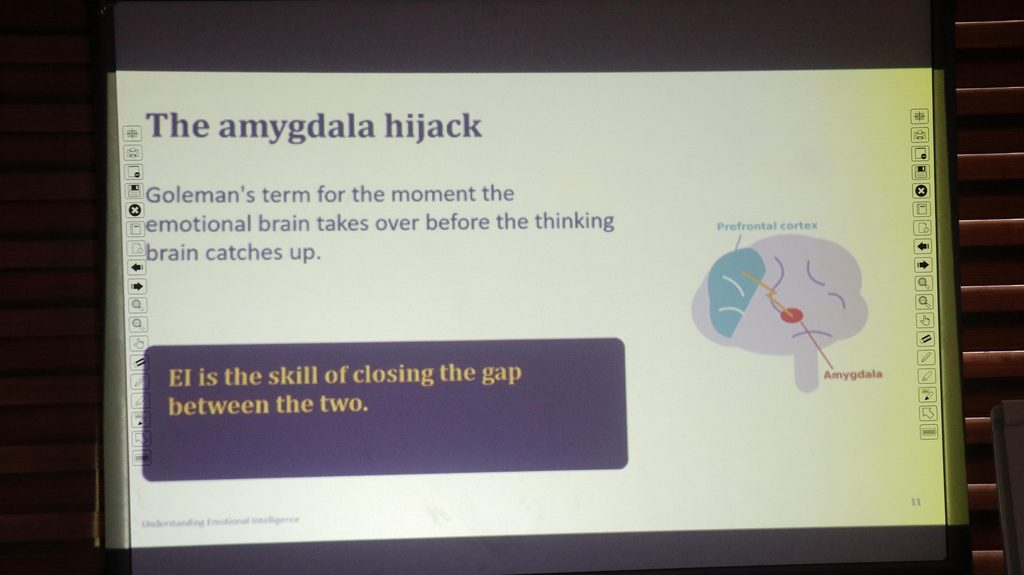
Explaining the relationship between emotions and decision-making, she noted that the amygdala detects potential threats and triggers rapid emotional reactions, while the prefrontal cortex facilitates slower, more deliberate reasoning and decision-making.
She explained that emotional responses can sometimes take over before the rational mind has fully processed a situation, adding that Emotional Intelligence equips individuals with the skills to bridge this gap.
Barrister Nwalupue also highlighted key components of Emotional Intelligence, including self-awareness, self-regulation and motivation.
She particularly emphasised the importance of pausing before reacting, consciously choosing one’s responses and remaining purpose-driven rather than being motivated solely by salary or official position.


Emotional Intelligence and Workplace Productivity
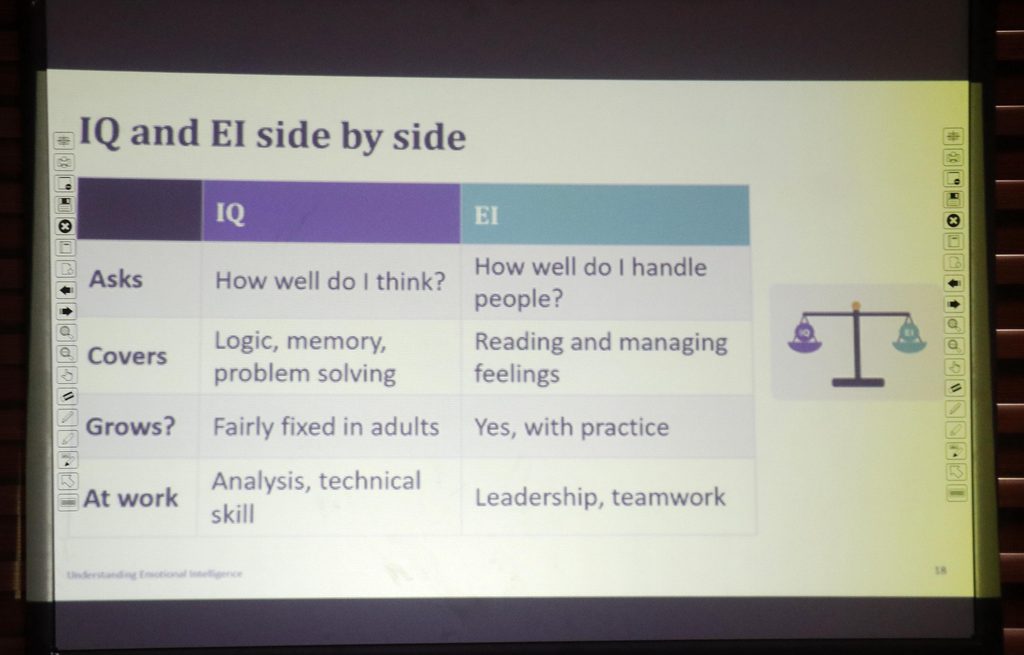
Distinguishing between Intelligence Quotient (IQ) and Emotional Intelligence (EI), the resource person explained that both are essential for individual effectiveness, workplace productivity and harmonious corporate relationships.
While IQ reflects an individual’s cognitive abilities and what they are capable of doing, EI influences how effectively they apply those abilities in relating with others and navigating workplace situations.
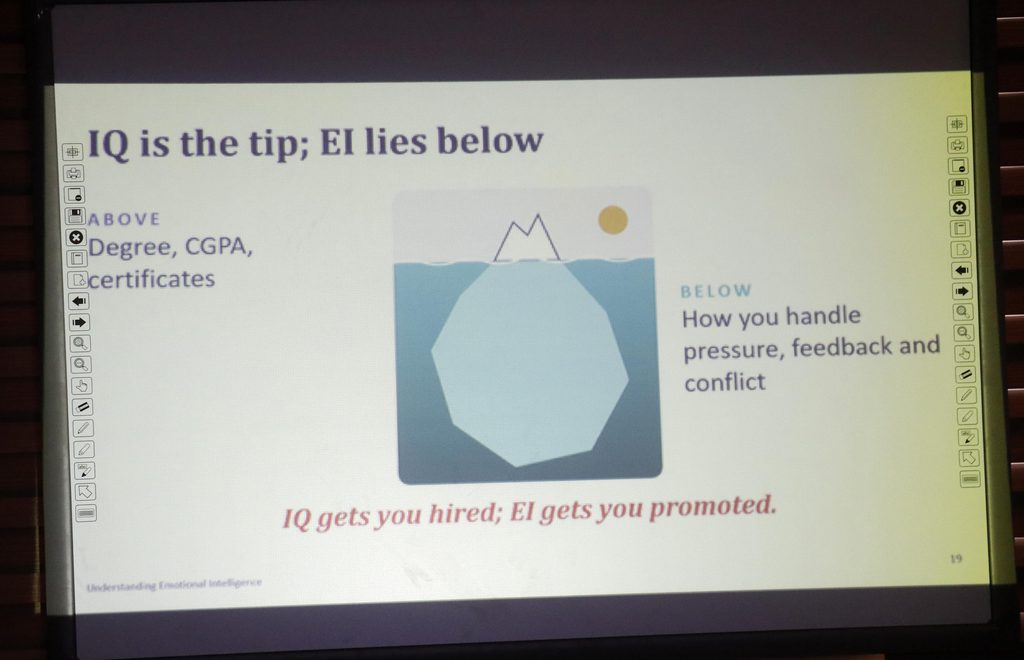
She underscored the importance of recognising, understanding and managing emotions, noting that professional advancement requires more than technical competence. In her words, “IQ gets you hired, but Emotional Intelligence gets you promoted.”
She maintained that the effective application of Emotional Intelligence could contribute significantly to professional breakthroughs, improved communication and organisational success.
Applying Emotional Intelligence in the Workplace
In her presentation titled Applying Emotional Intelligence in the Workplace, Dr. Patricia described Emotional Intelligence as the ability to understand and manage one’s emotions while recognising and responding appropriately to the emotions of others.
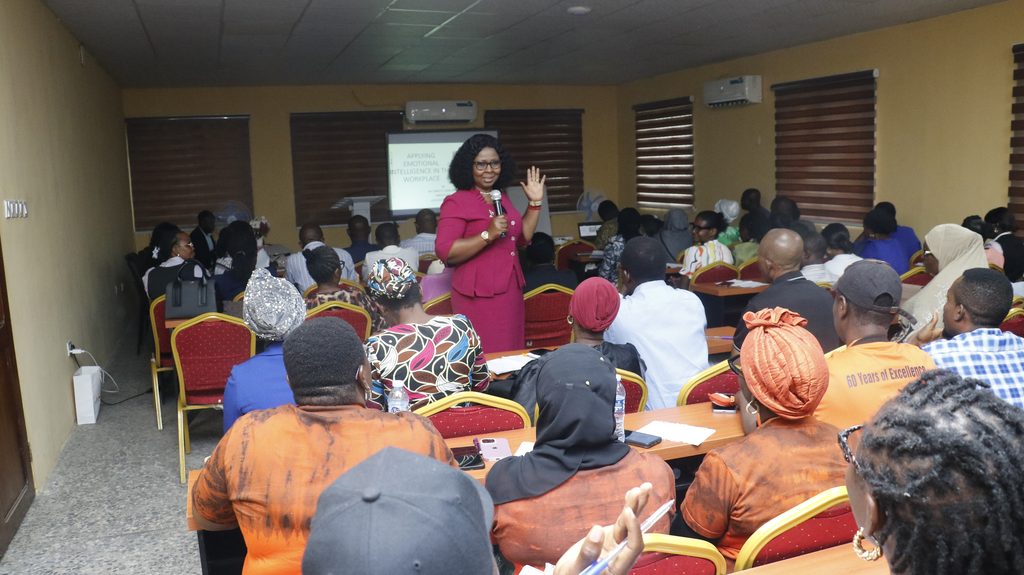
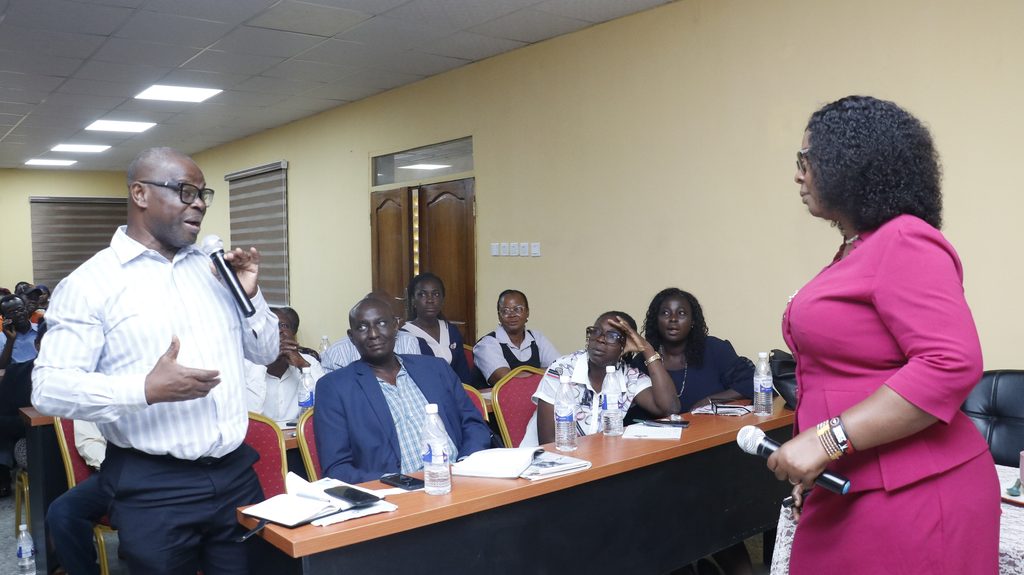
She observed that success in today’s workplace goes beyond mere survival, pointing out that despite increasing opportunities for growth and prosperity, many organisations continue to experience high employee turnover.
According to her, working hard alone is no longer sufficient for professional relevance and career stability, as workplace success is also significantly influenced by one’s conduct and interpersonal relationships.
Drawing on the wisdom attributed to Aristotle that “knowing yourself is the beginning of all wisdom,” Dr. Patricia stressed the importance of self-awareness and self-mastery as foundations for effective leadership and personal development.
She encouraged participants to learn from difficult conversations and use such experiences to improve their responses in future interactions.
Managing Stress, Conflict and Workplace Relationships
On stress management, Dr. Patricia recommended practical strategies such as controlled breathing, taking short breaks, prioritising tasks, exercising and maintaining healthy routines.

She explained that these practices could help employees manage pressure, remain calm and make better decisions, particularly in demanding workplace situations.
She also advised participants to understand the perspectives of customers, colleagues and other stakeholders before responding to them.
Emphasising the importance of thoughtful communication, she cautioned against impulsive emails, defensive reactions and unnecessary conflicts. Rather, she encouraged staff to pause before responding, welcome constructive feedback and use it as an opportunity to strengthen future engagements.
On conflict management, she urged participants to identify their interpersonal blind spots, address disagreements promptly and seek mutually beneficial solutions.
She noted that disagreements should not necessarily result in strained relationships but could instead provide opportunities for greater understanding, collaboration and problem-solving.
Building Trust and Fostering Positive Workplace Culture
Dr. Patricia further highlighted the importance of building trust through consistency between words and actions. She encouraged participants to listen attentively, acknowledge the feelings of others, communicate constructively and avoid jumping to conclusions.





She also advised them to receive criticism with an open mind and make deliberate efforts to improve.
Other recommendations included making time for recreation, contributing to the happiness of others, maintaining a broader perspective when addressing challenges and consistently seeking win-win outcomes.
She concluded that building individual capacity and adopting a broader perspective were valuable assets for driving both personal and organisational growth.
Dr. Patricia encouraged participants to apply the principles of Emotional Intelligence and cognitive intelligence in their professional and personal lives.
Management’s Commitment to Staff Development
In her closing remarks, the Director of the Staff Training and Development Unit, Mrs. Aderonke Asiwaju, commended the Vice-Chancellor, Professor Folasade Ogunsola, FAS, OON, for prioritising Emotional Intelligence training as part of the University’s broader staff capacity-development initiatives.
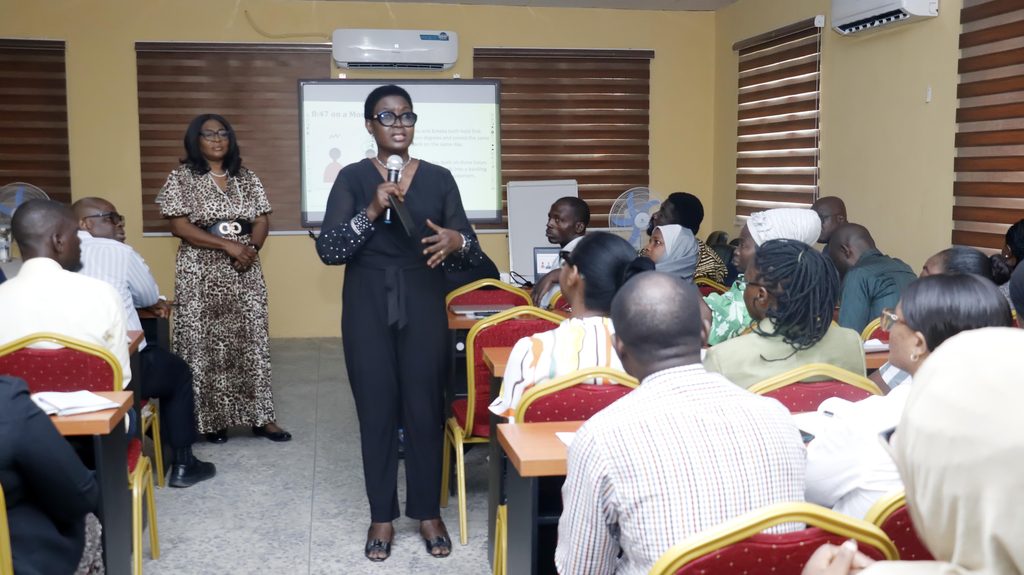

She noted that the workshop, alongside several other training programmes organised by the Unit, had continued to strengthen staff capacity, broaden professional exposure and enhance efficiency and productivity within the University’s administrative ecosystem.
Mrs. Asiwaju expressed appreciation to the University Management, the resource persons and all participants for their contributions to the success of the workshop.
She reaffirmed the University’s commitment to developing a more competent, responsive and results-oriented workforce in its continued pursuit of excellence as the University of First Choice and the Nation’s Pride.


Report: Akinola Afolabi
Photograph: Islamiat Akanni