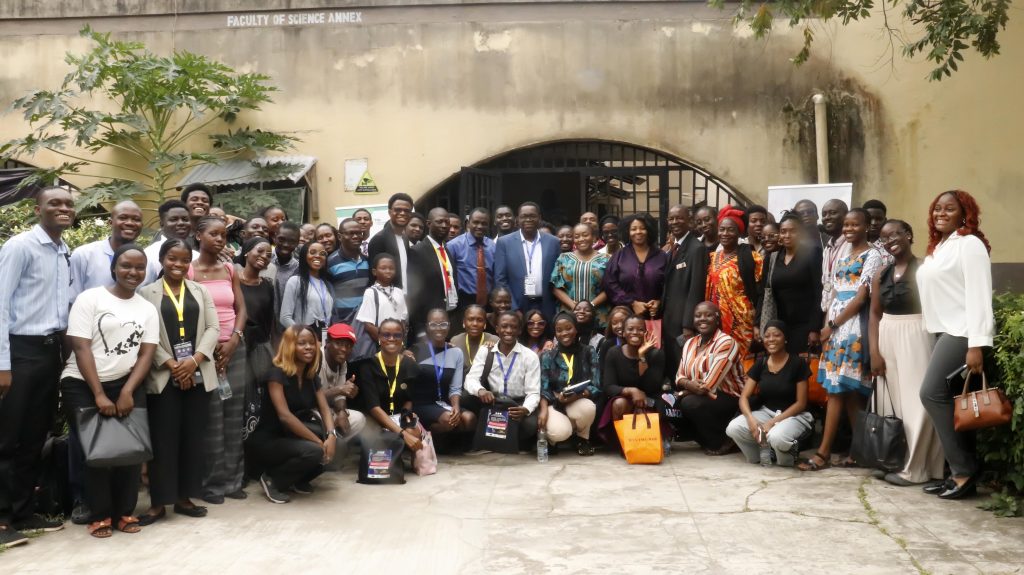
The Genome Editing Research Group of the Department of Cell Biology and Genetics, Faculty of Life Sciences, University of Lagos (UNILAG), has commenced its 2026 CRISPR-Cas9 Gene Editing Hands-On Workshop. The programme focuses on harnessing genome-editing technologies to advance precision healthcare and food security.
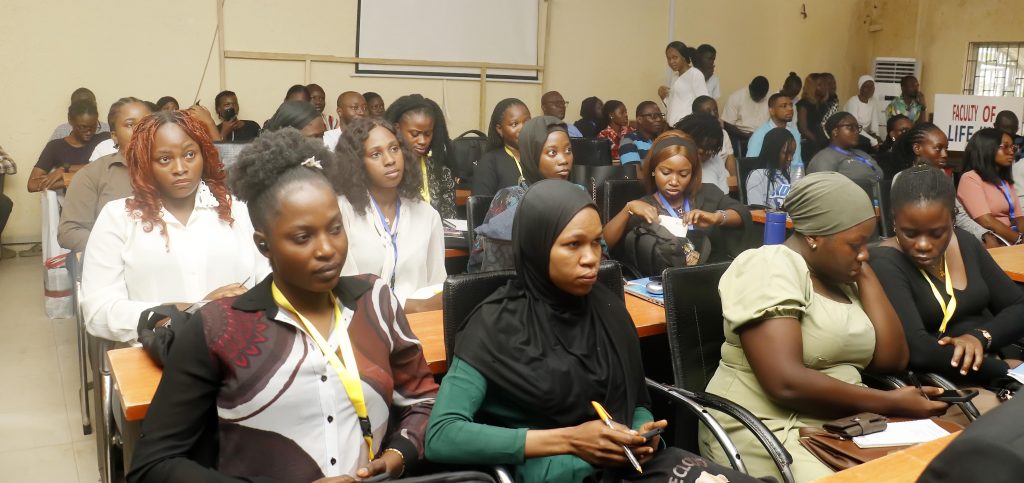
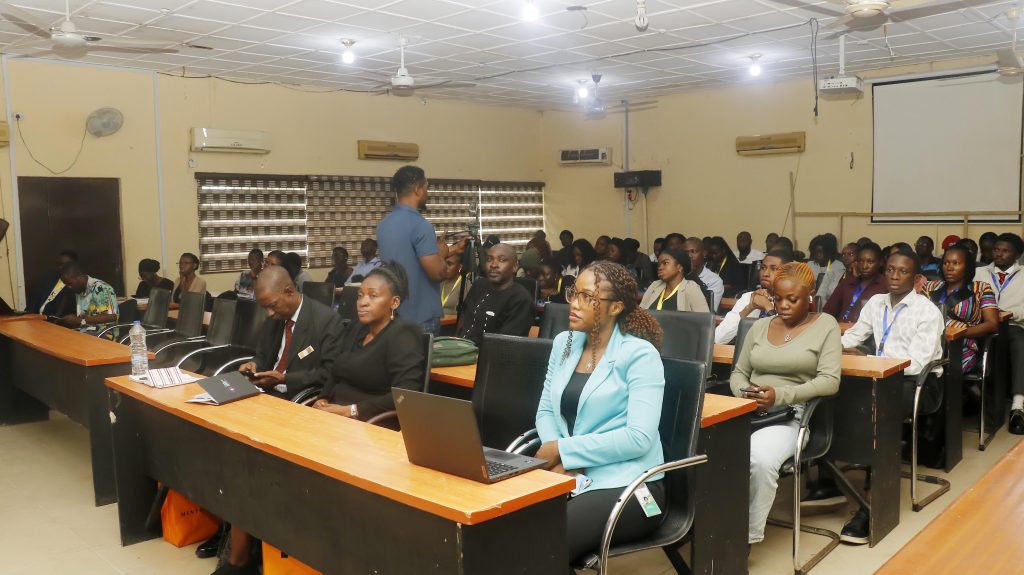
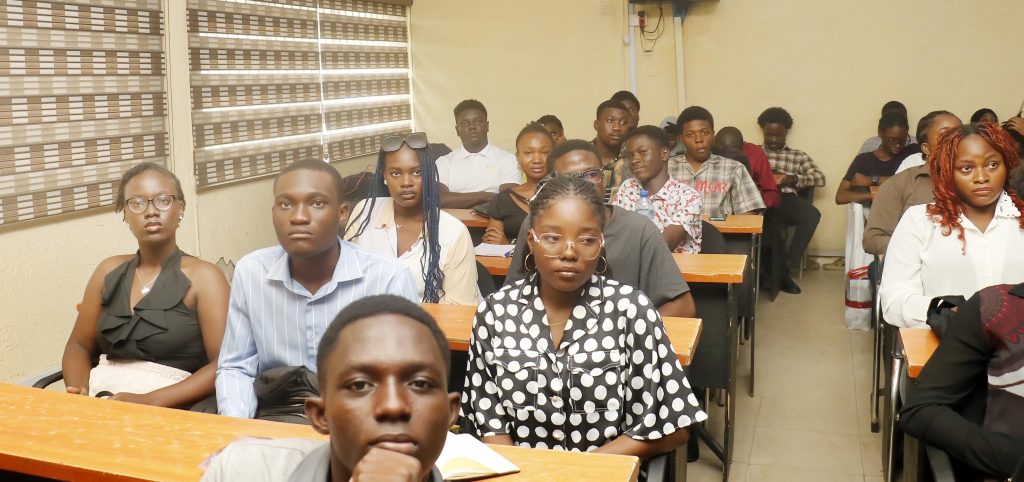
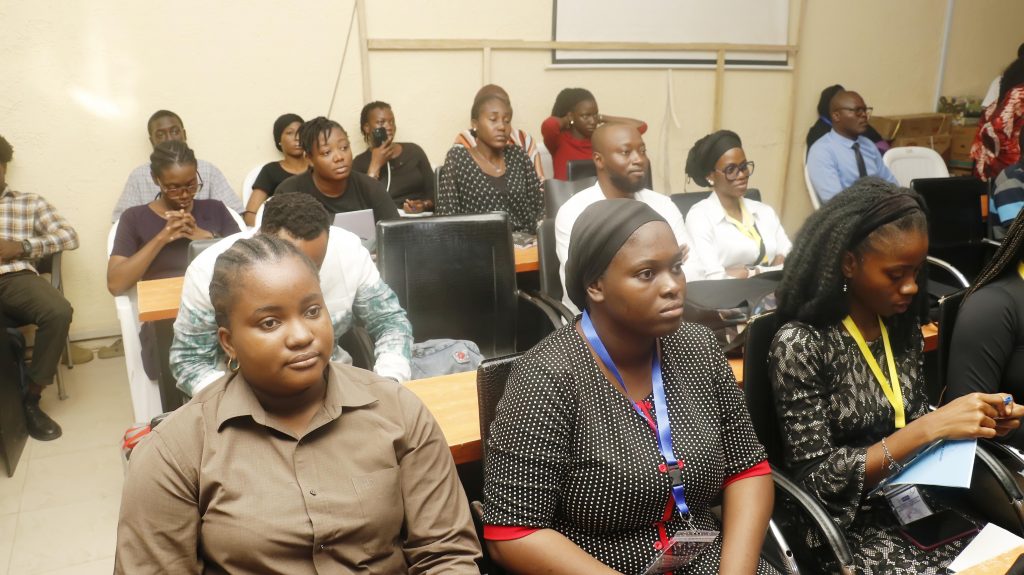
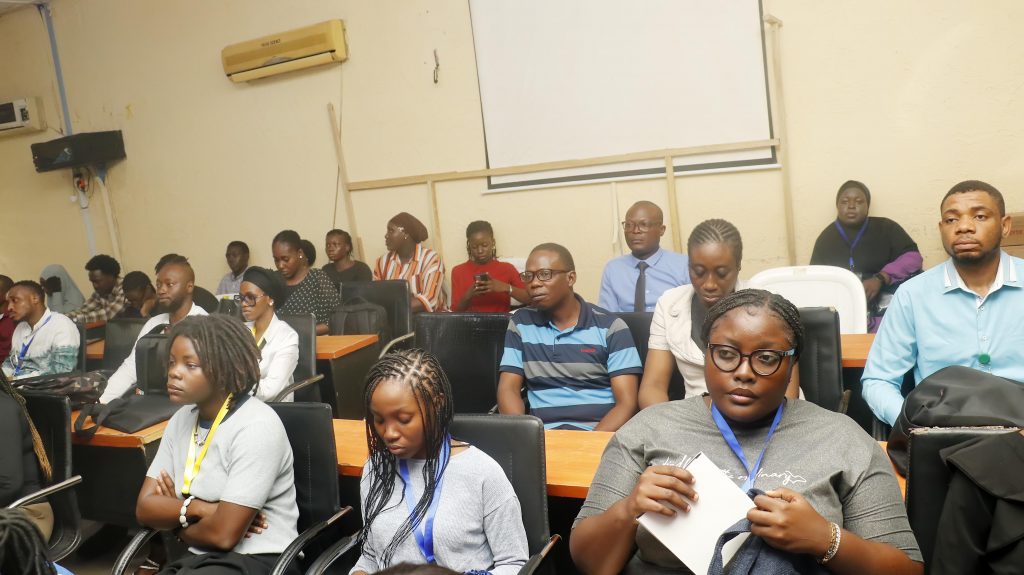
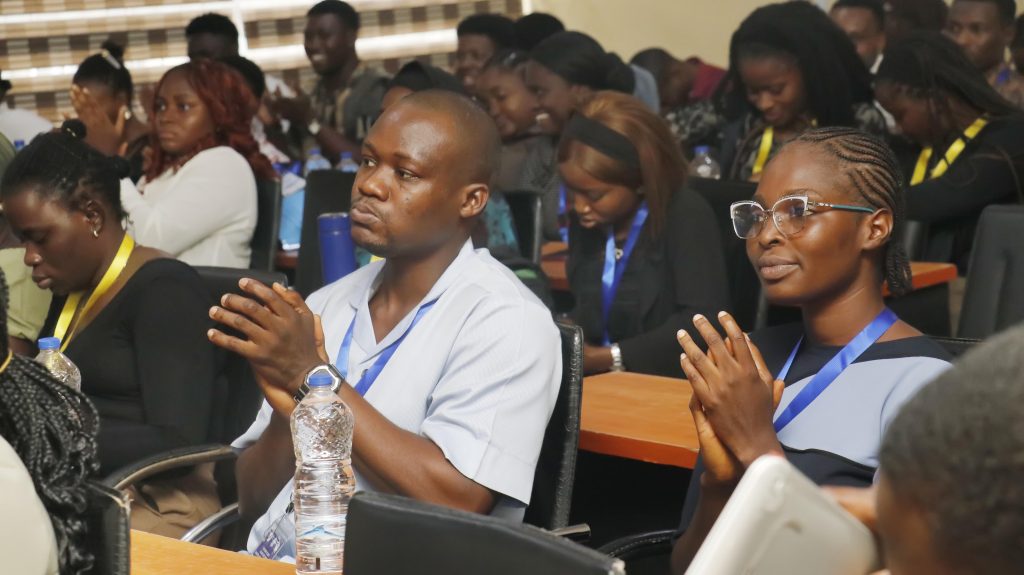
The five-day workshop, themed “ Enhancing Well-being Through CRISPR-led Precision in Healthcare and Food Security ,” began on Monday, August 10, 2026, with an opening session at the Faculty of Science Boardroom, UNILAG. The programme brought together researchers, industry stakeholders, and students for knowledge sharing, collaboration, and practical engagement in genome-editing research.
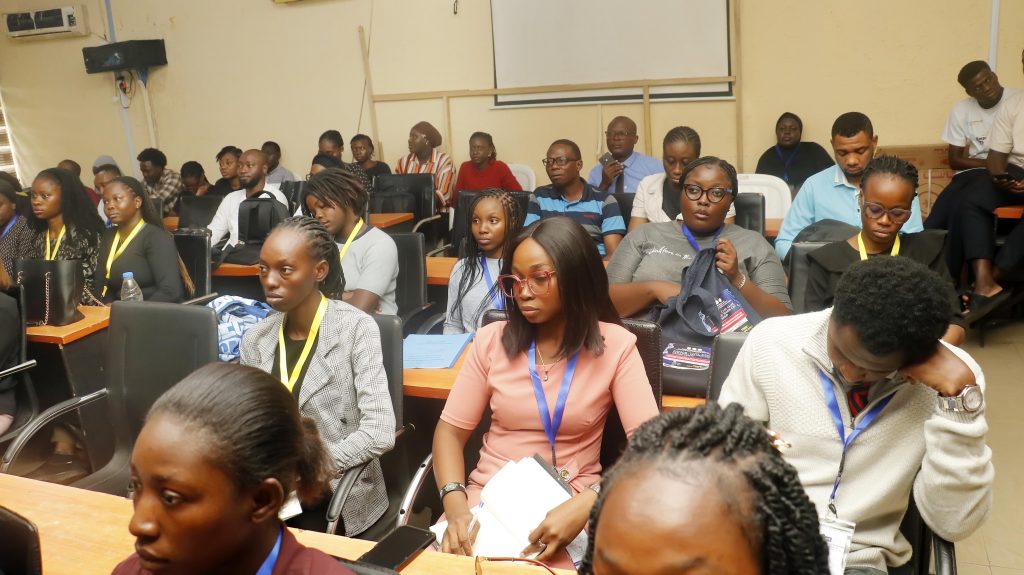
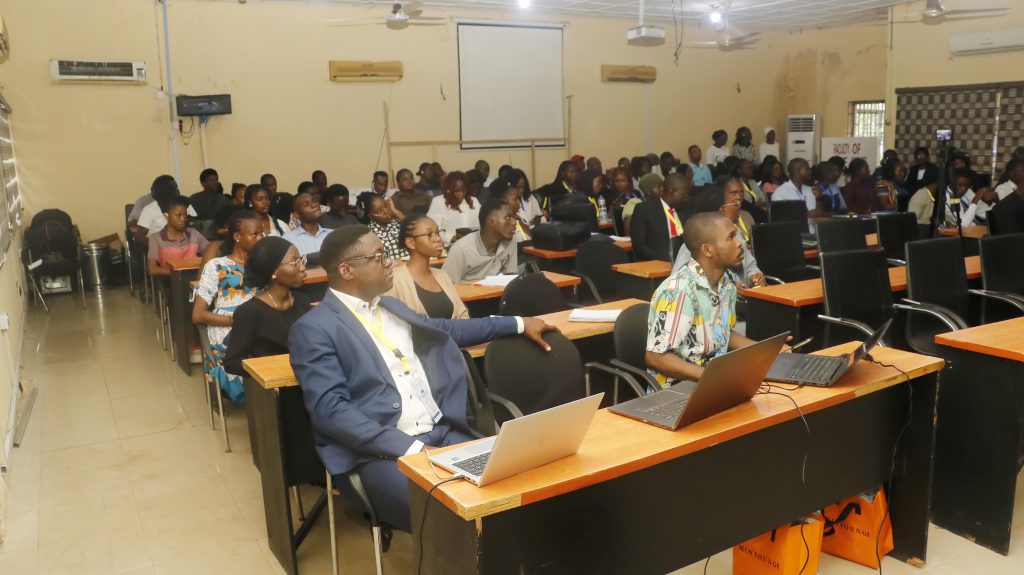
In his opening remarks, the Facilitator of the Genome Editing Research Group, Professor Joseph Minari, described the workshop as a platform for learning, collaboration, and scientific exchange.
Professor Minari highlighted the growing significance of Clustered Regularly Interspaced Short Palindromic Repeats (CRISPR) in deepening scientific understanding of diseases, developing potential therapies, and addressing complex challenges in modern medicine and biotechnology.
According to him, the workshop was designed to expand participants’ theoretical knowledge and provide hands-on experience that could translate into research, innovation, and ultimately, meaningful solutions to human health challenges.
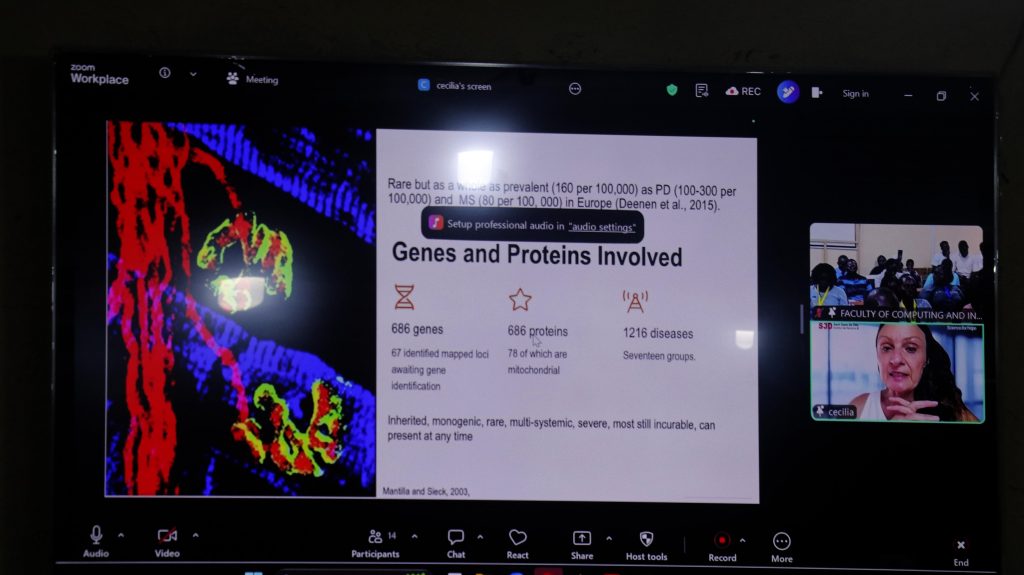
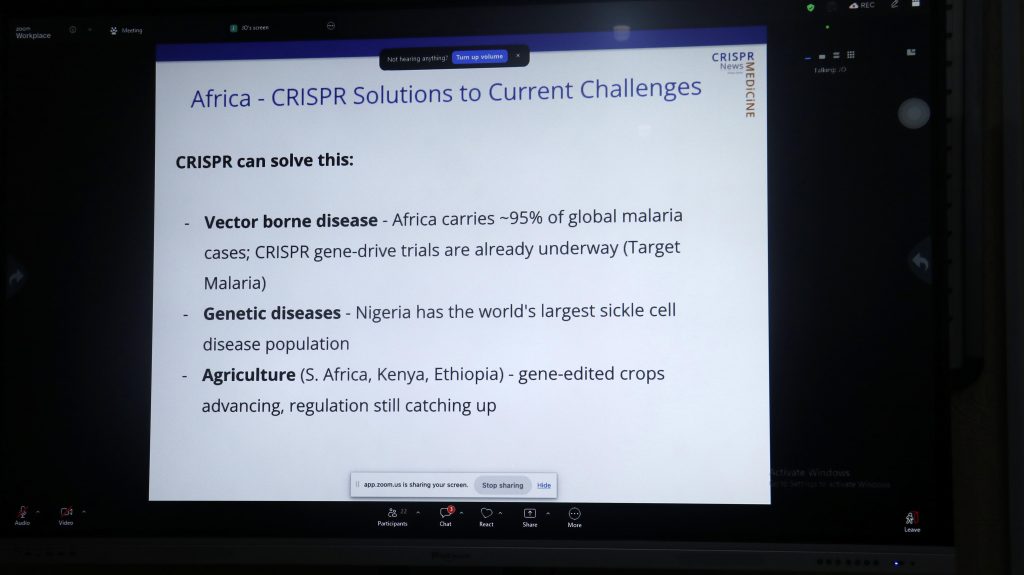
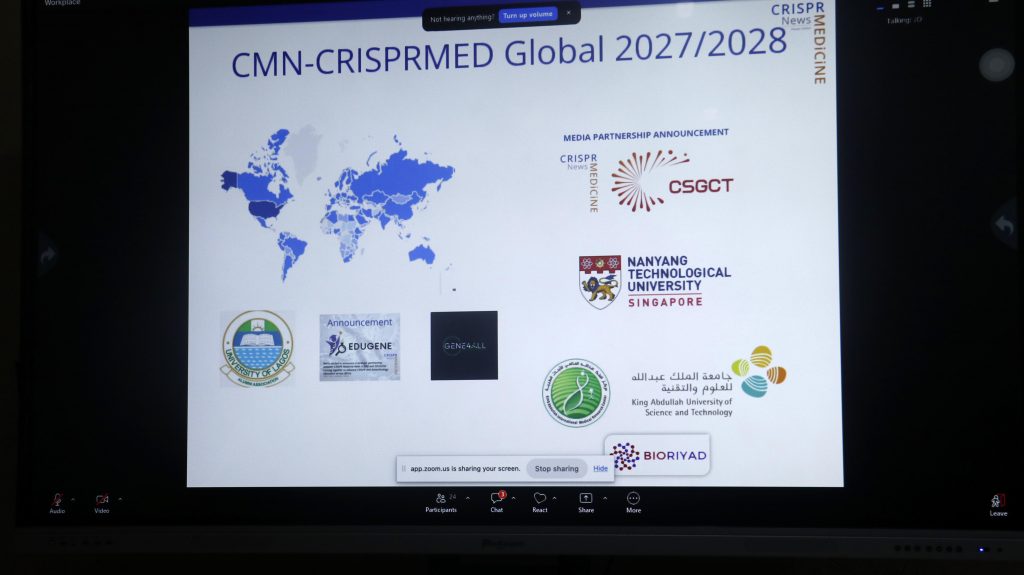
The opening session featured lectures by Dr. Cecilia Jimenez Mallebrera of the Neuromuscular Unit, Hospital Sant Joan de Déu, Barcelona, on “Translational Research in Ultra-Rare Neuromuscular Diseases ,” and Jens-Ole Bock, Founder of CRISPR Medicine Media.
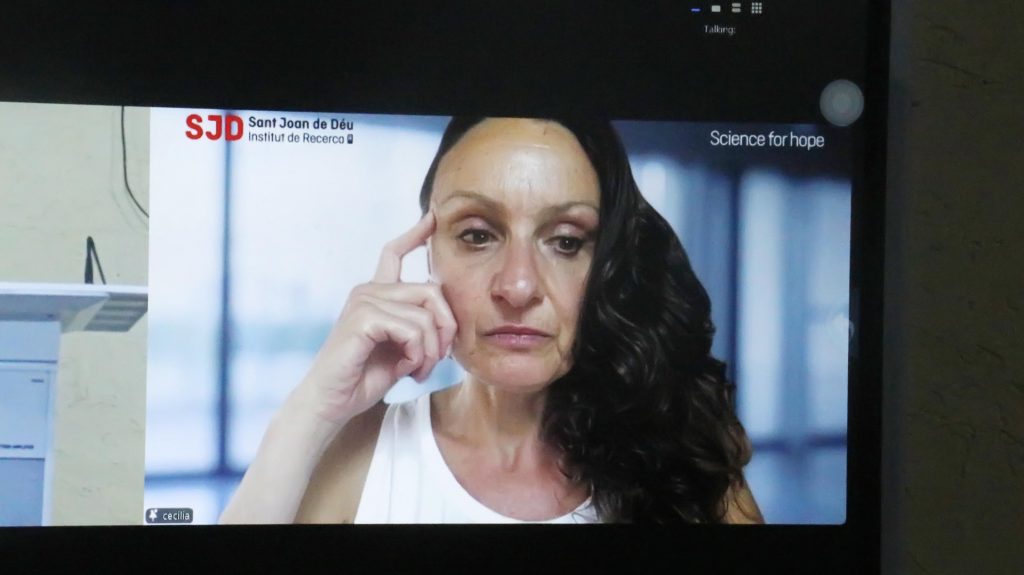
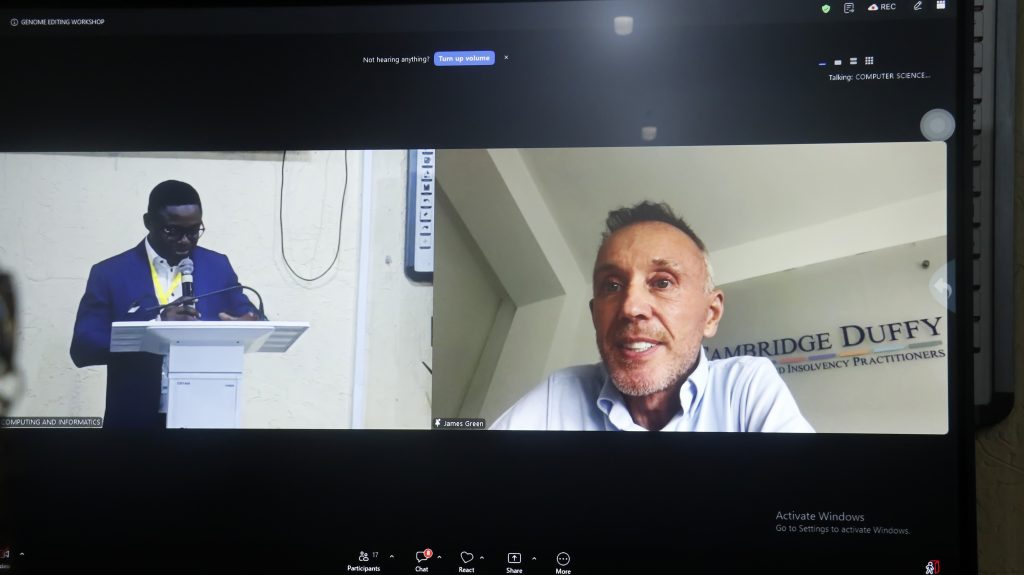
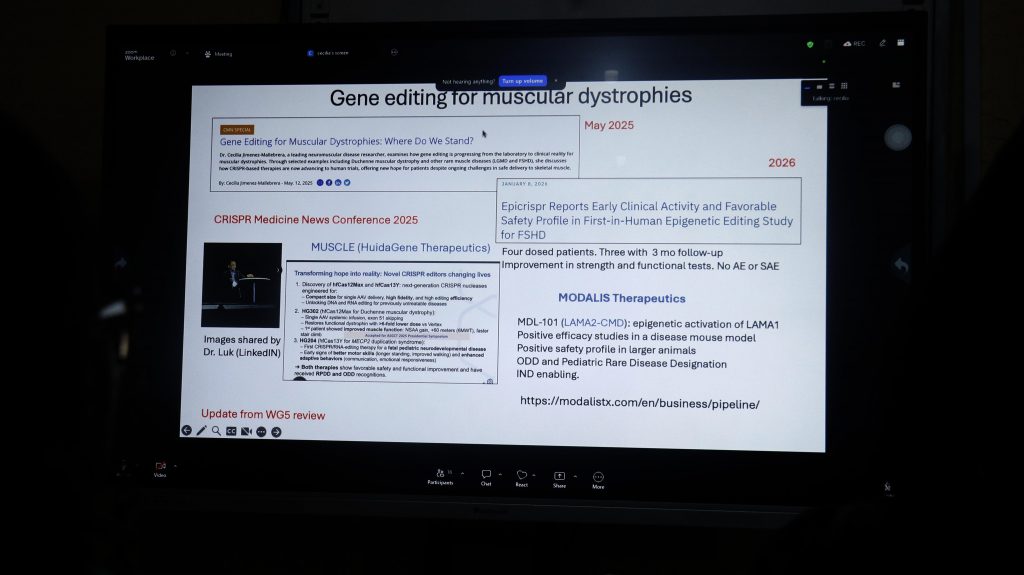
The session also included contributions from patient advocates, Ms. Ann Deegan and Mr. Green James, who joined virtually to share personal experiences relating to CRISPR-based treatment and their current health outcomes.
The patient advocates expressed appreciation to researchers working in the field of CRISPR for milestones recorded in advancing modern medicine. They called for sustained research and innovation to extend the benefits of genome-editing technologies to more health conditions.
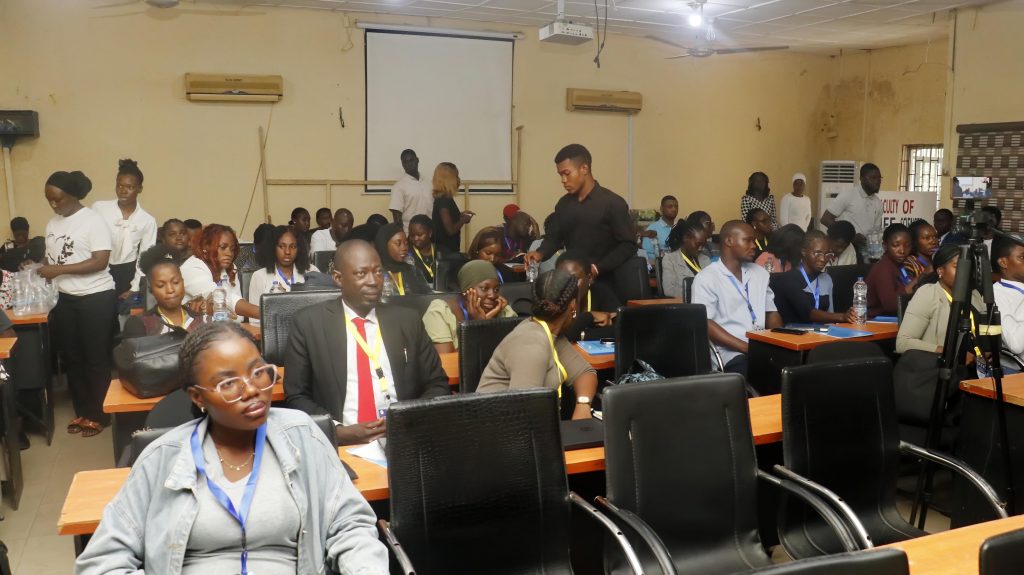
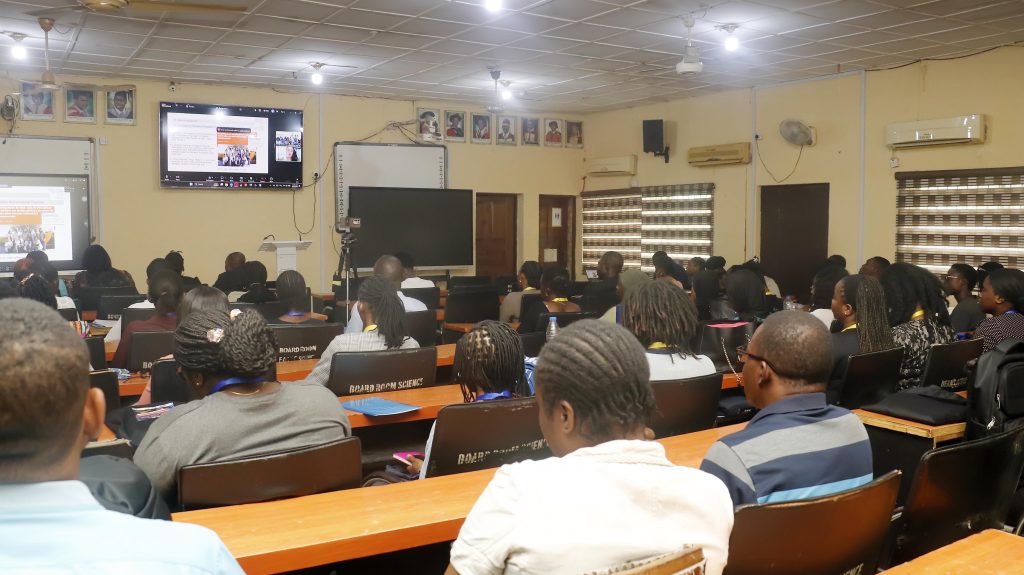
Goodwill messages from industry partners further underscored the need for greater public awareness and investment in genome-editing research. Speakers also advocated stronger support for local scientific capacity and homegrown solutions to health challenges, particularly as a means of addressing brain drain in the scientific and healthcare sectors.
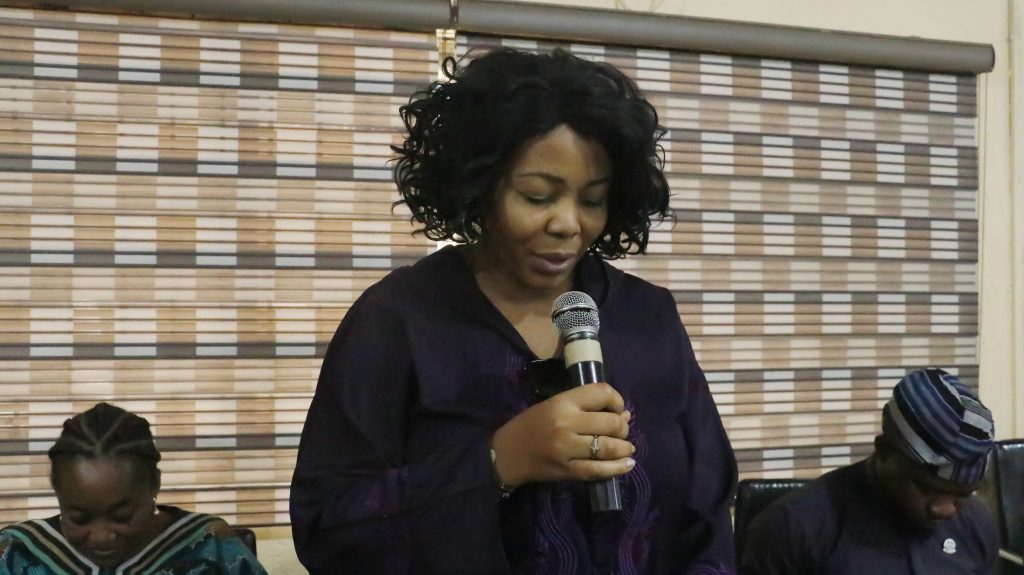
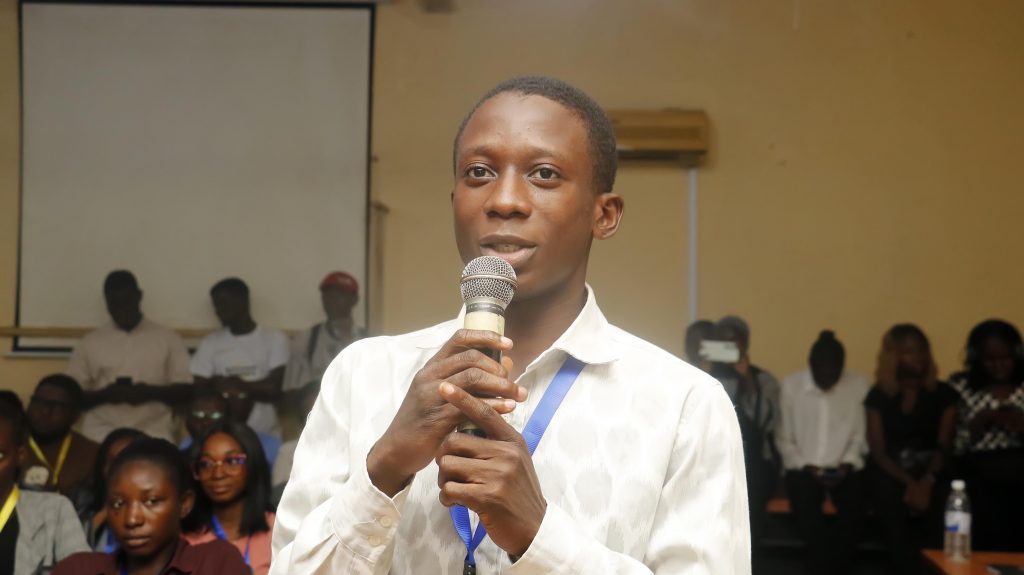

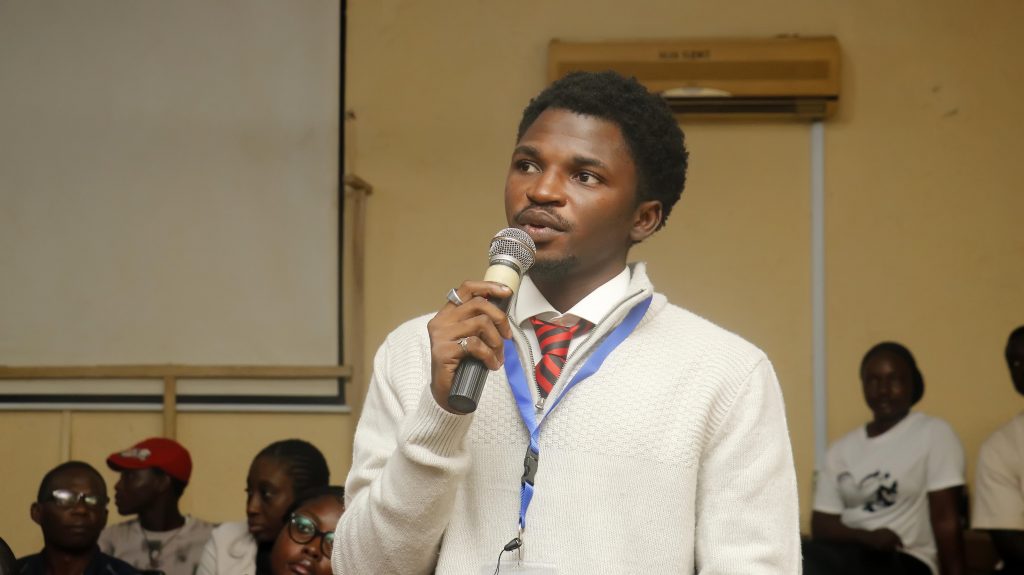


The Dean of the Faculty of Life Sciences, Professor Ganiyu Oyetibo, andHead of the Department of Cell Biology and Genetics, Professor Idowu Adewumi Taiwo, also delivered remarks at the event.
Both scholars highlighted the transformative potential of CRISPR technology and genome-editing research in shaping the future of medicine, genetic therapy, and biomedical innovation.
Following the opening session, participants moved to the D. K. Olukoya Central Research and Reference Laboratory for intensive practical sessions designed to provide hands-on exposure to CRISPR-Cas9 gene-editing techniques.
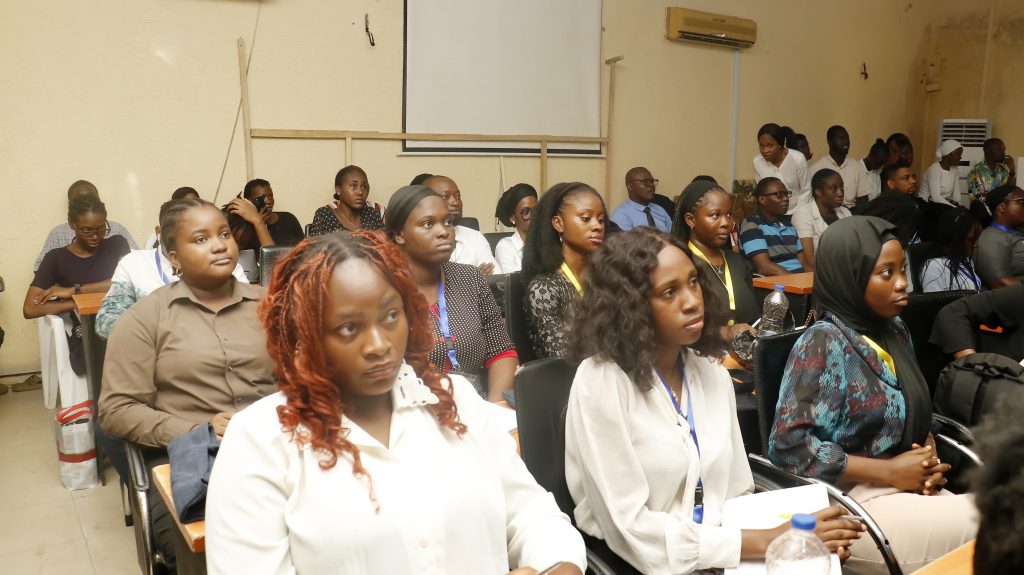
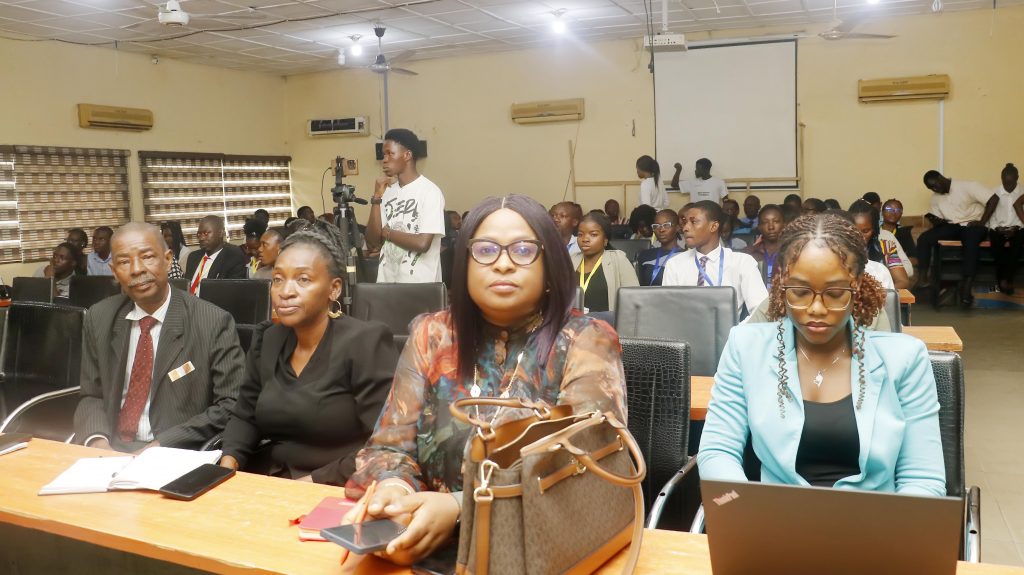
The practical sessions will continue through Friday, August 14, 2026, as participants engage with laboratory-based applications of genome-editing technology.
Report: Gbenga Gbelee
Photograph: Islamiat Akanni