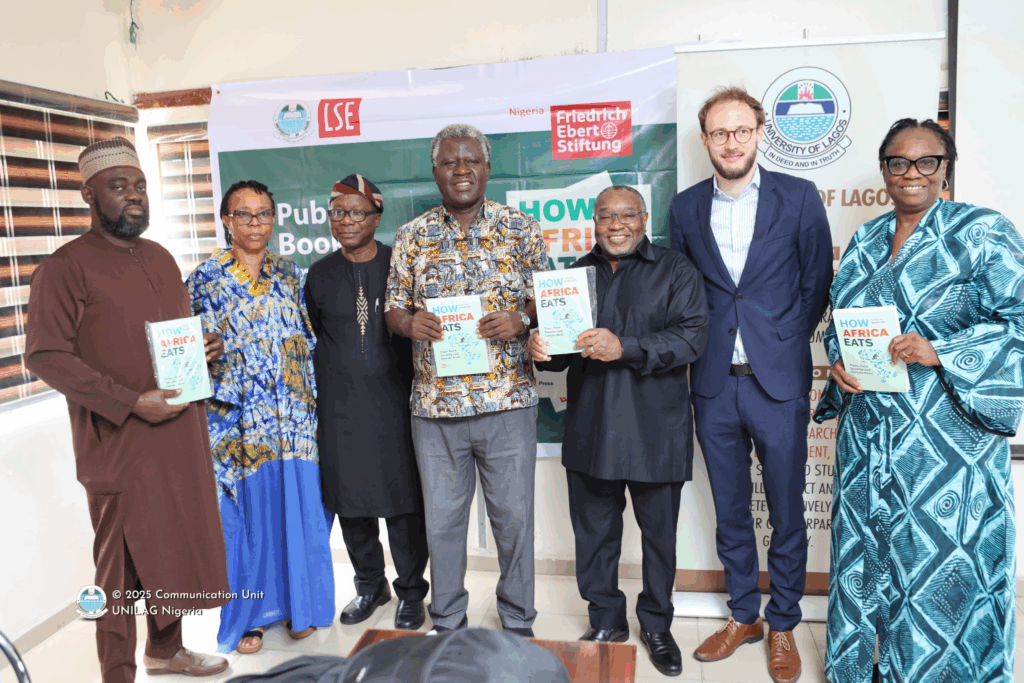
On Friday, November 7, 2025, the University of Lagos (UNILAG) hosted the public presentation of the book, How Africa Eats: Trade, Food Security and Climate Risks, an event which brought together scholars, and development practitioners to discuss one of the continent’s most pressing challenges: food security.
The event, held at Boardroom 2 of the Faculty of Social Sciences, was a collaborative effort between the Department of Economics, Faculty of Social Sciences, UNILAG; London School of Economics (LSE) and Friedrich Ebert Stiftung (FES), Nigeria Office.
A Data-Driven Diagnosis of Africa’s Agricultural Paradox
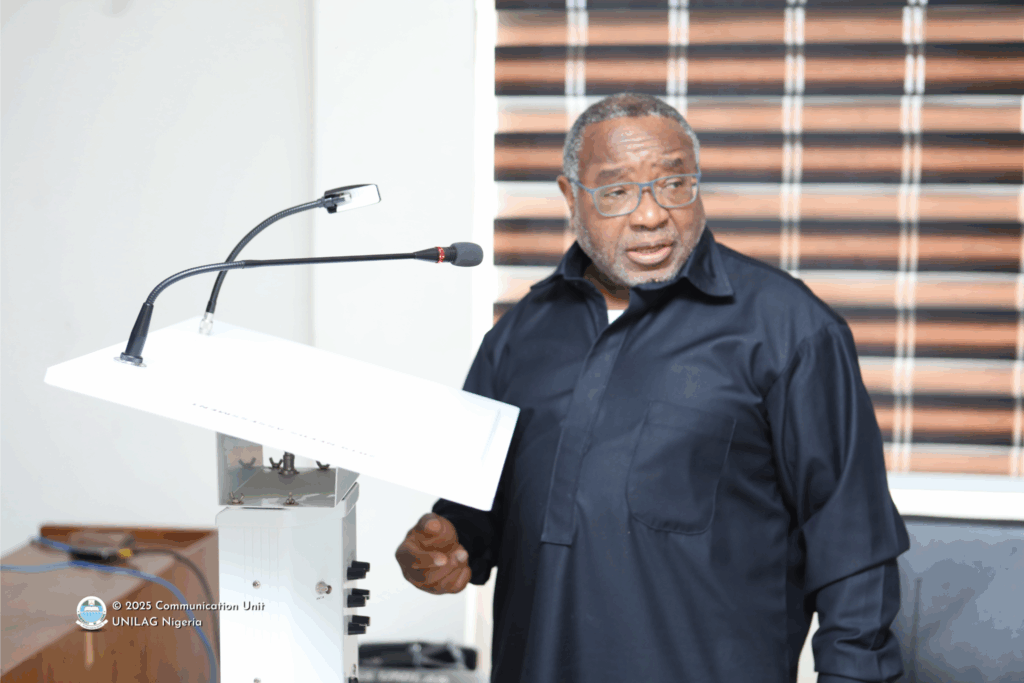
In his presentation, the author, Professor David Luke (Professor in Practice and Strategic Director at the LSE Firoz Lalji Institute for Africa) unpacked the book’s ten chapters, which collectively explore why Africa – despite possessing 60% of the world’s arable land – continues to grapple with food insecurity. The book adopted a data-led approach to examine how finance, investment, foreign aid, institutions, and policy frameworks intersect to hinder the continent’s agricultural potential.
Crucially, he pointed out that the book delved into how climate change compounds these challenges, threatening the sustainability of food production systems across Africa. It also evaluated the potential of the African Continental Free Trade Area (AfCFTA) to transform intra-African agricultural trade, while scrutinizing the role of global institutions like the World Trade Organization (WTO).
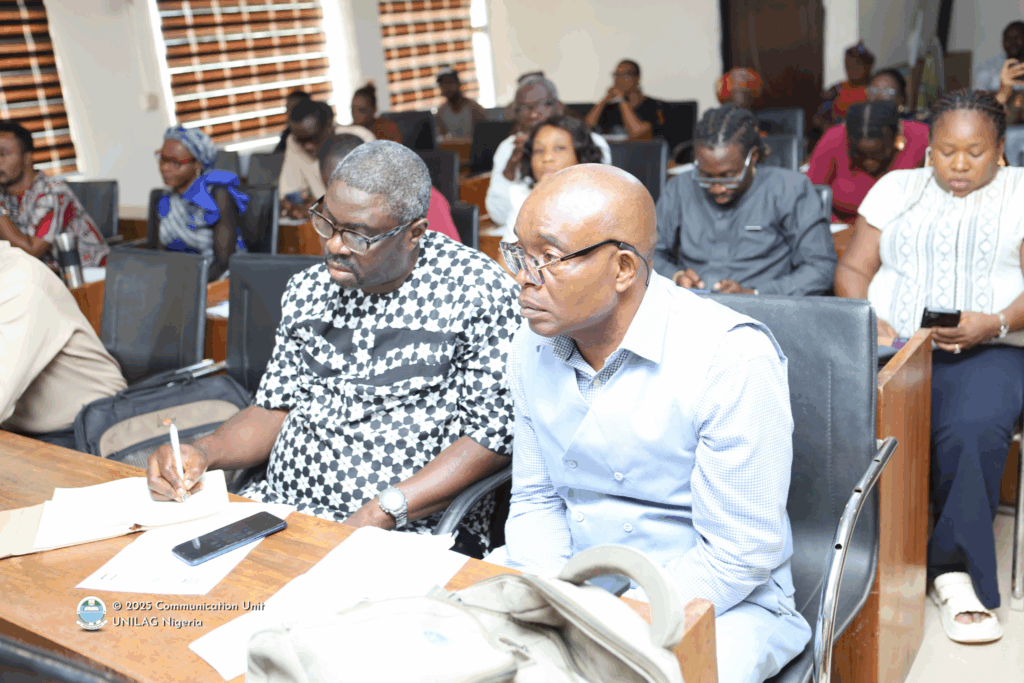
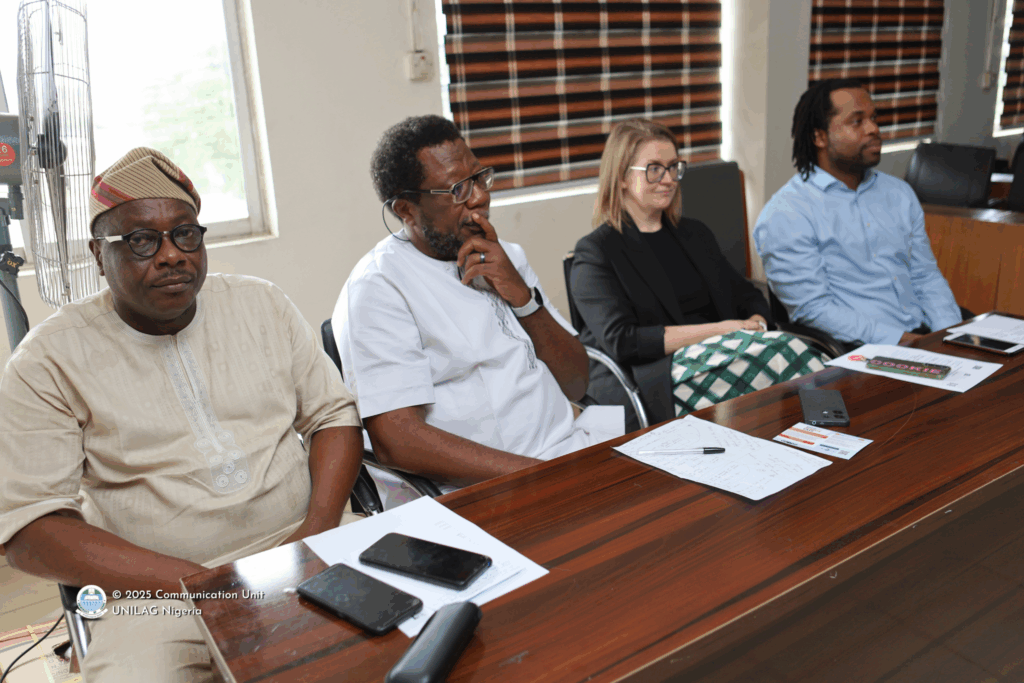
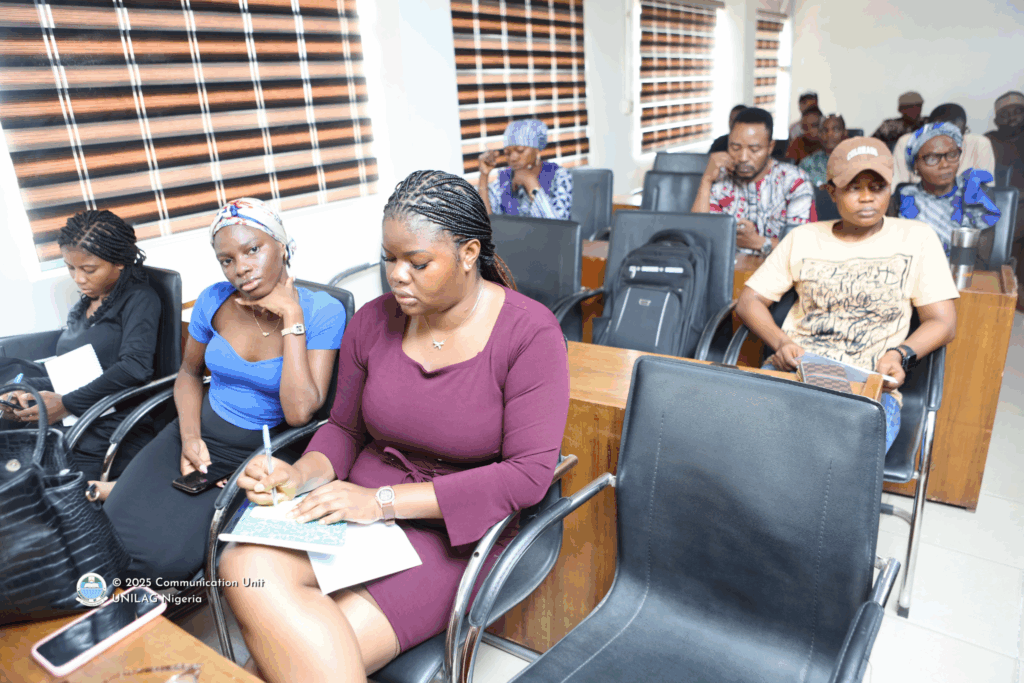
Prof. Luke made the following recommendations:
- Promote intra-African trade to drive food production and productivity
- Prioritise non-tariff measures which will likely have the greatest impact
- Support smallholder farmers who are the backbone of African agriculture, including to commercialise and scale up.
- Adapt to climate change which will have (and is already having) devastating effects on agriculture
- Finance Africa’s NDCs which remain underfunded
- Rethink approaches and streamline discussions on food security at the WTO
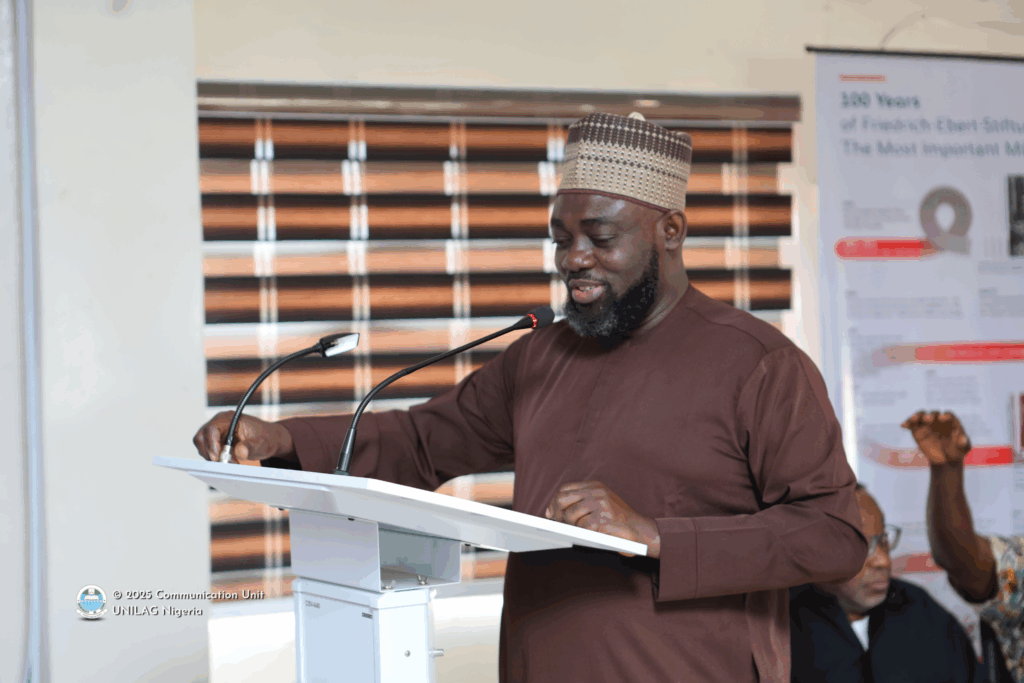
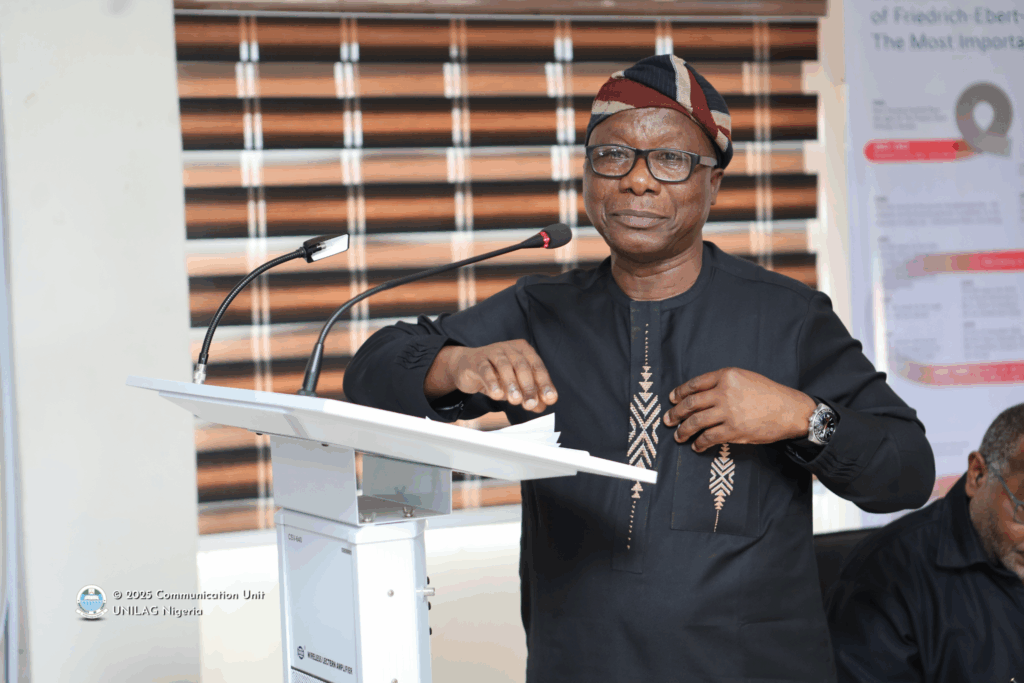
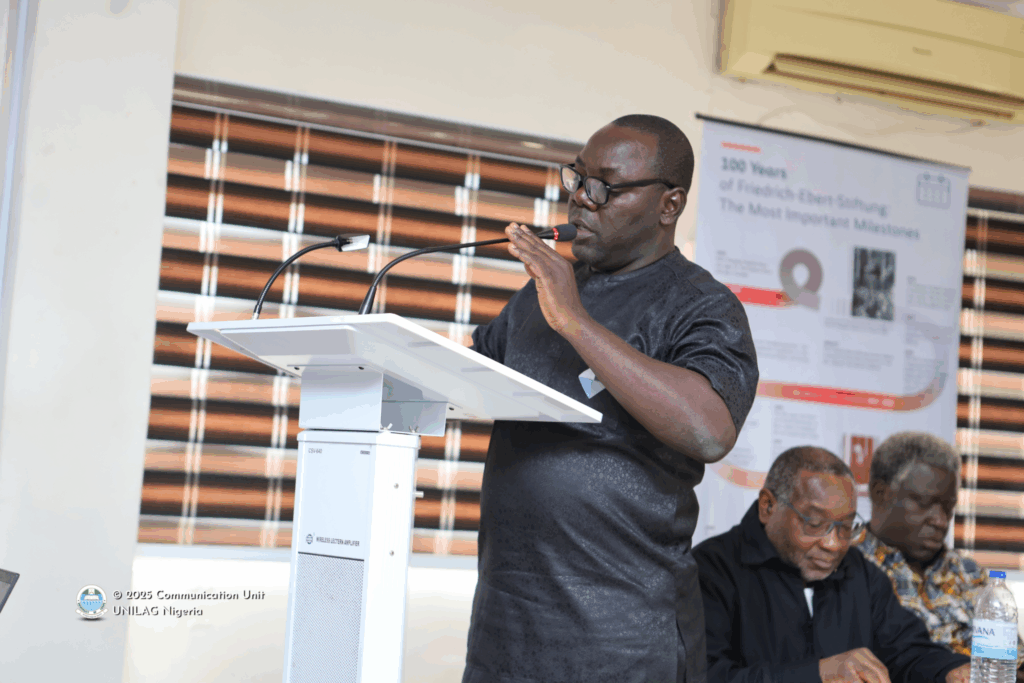
The event also featured welcome remarks from FES Resident Representative Nigeria, Lennart Oestergaard; and Dean, Faculty of Social Sciences, Prof. Adelaja Odukoya, as well as thoughtful reviews from Prof. Babatunde Adeoye of the Department of Economics and Prof. Zaid Aderolu of the Department of Marine Science, Faculty of Life Sciences, UNILAG.
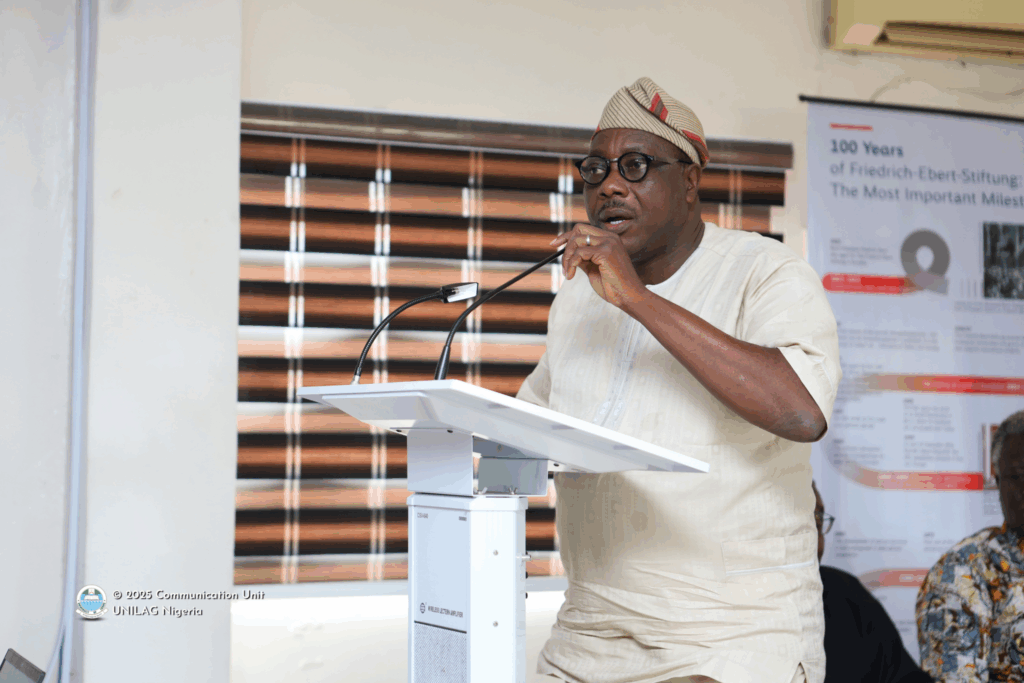
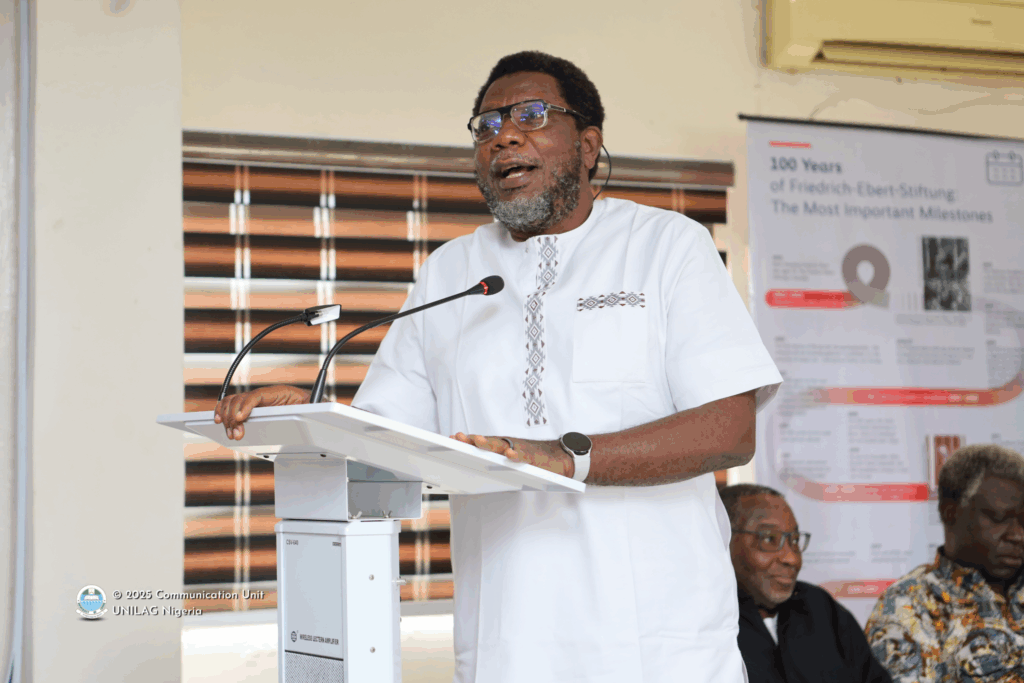
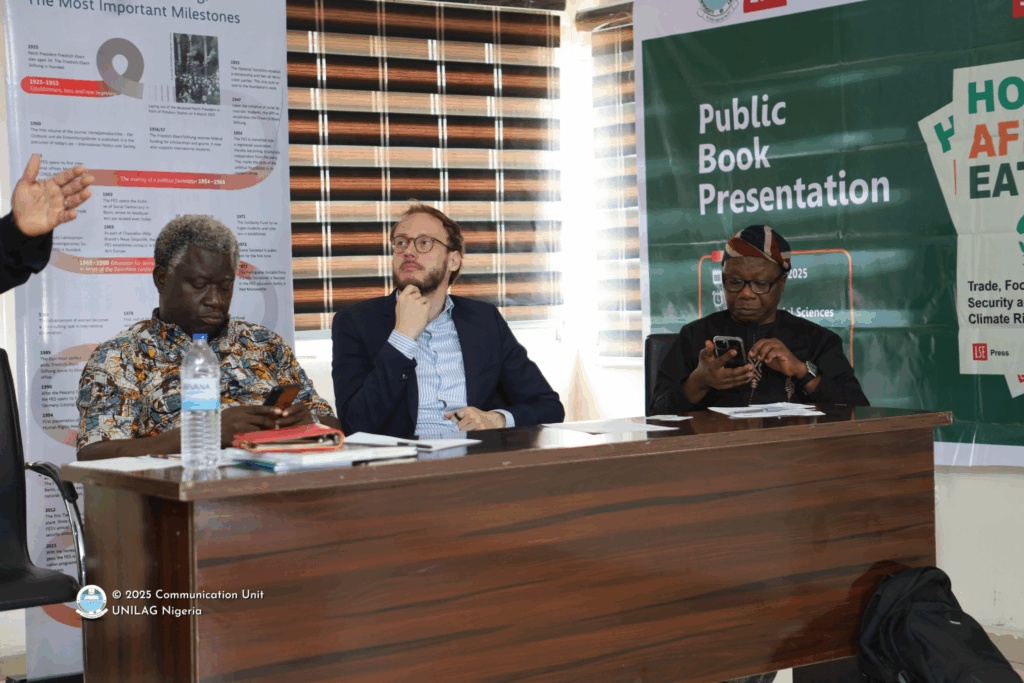
Prof. Adeoye praised the book’s ambitious scope, noting that each of its three core themes—trade, food security, and climate—could stand alone as full volumes. He found the revelation that food dominates intra-African trade particularly eye-opening, though he raised questions about the robustness of the models linking trade, climate, and food systems.
Prof. Aderolu commended the book’s candid critique of Africa’s agricultural shortcomings. He emphasized the urgency of addressing food production and warned against waiting for external actors to highlight Africa’s failings.
The event concluded with a Question & Answer session, a brief presentation by Prof. Olawale Ogunkola of the University of Ibadan, and formal launch of the book.

About the Book
As climate risks intensify and global trade dynamics shift, Africa must chart its own path – rooted in data, driven by collaboration, and focused on sustainable solutions. How Africa Eats is more than a book, it is a wake-up call for Afirica and Africans. It challenges policymakers, researchers, and citizens alike to confront the structural and environmental barriers to food security on the continent.
Author: Ndidi J. Odinikaeze
Photographer: Samuel Dosumu