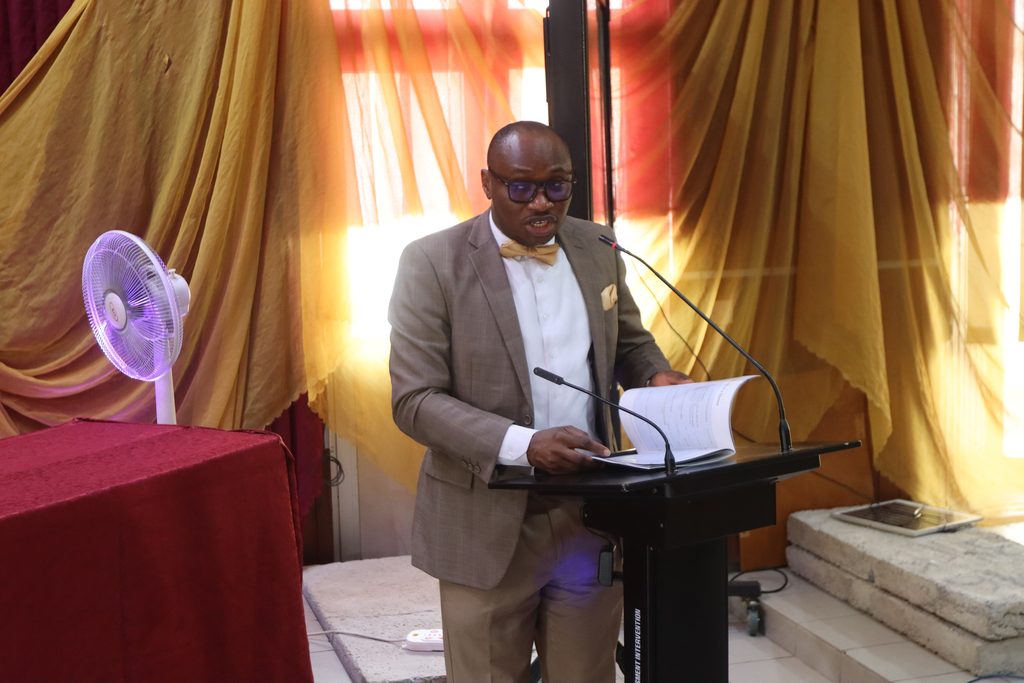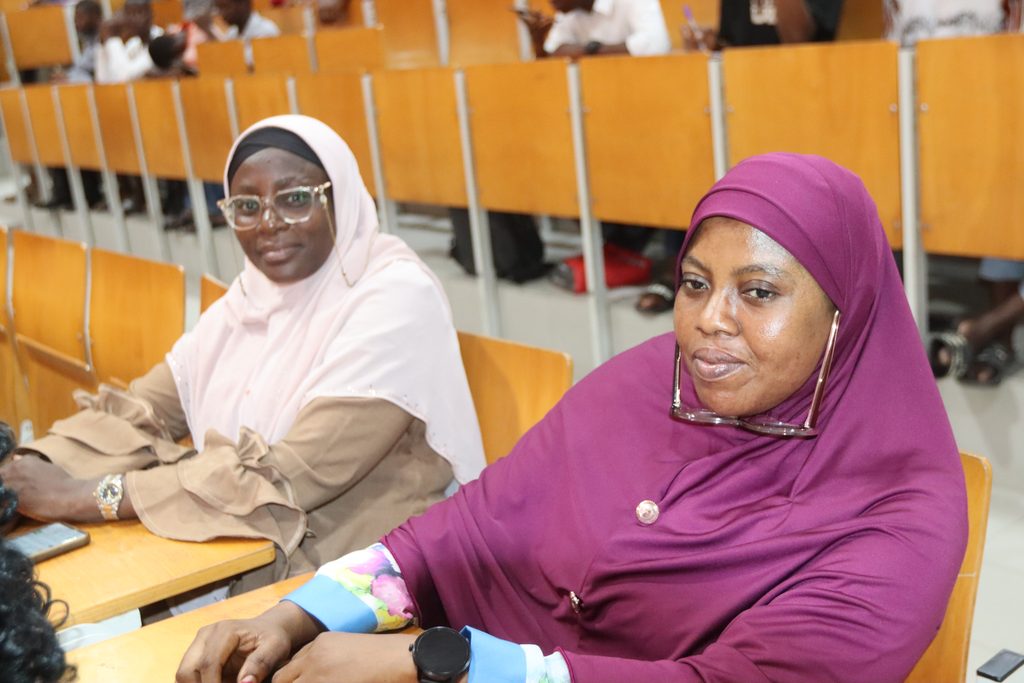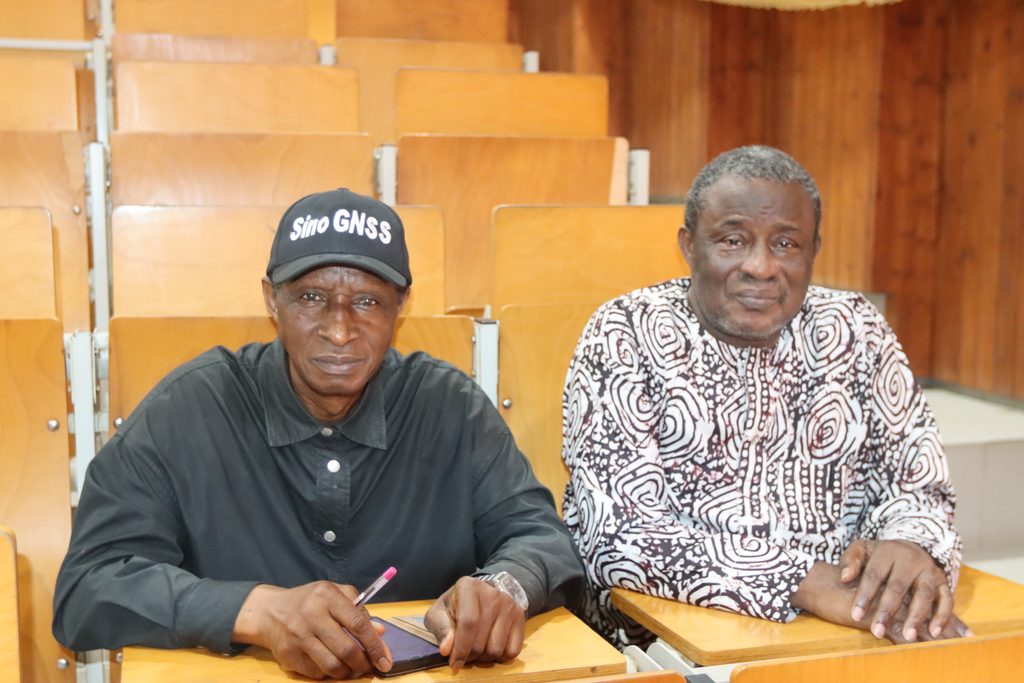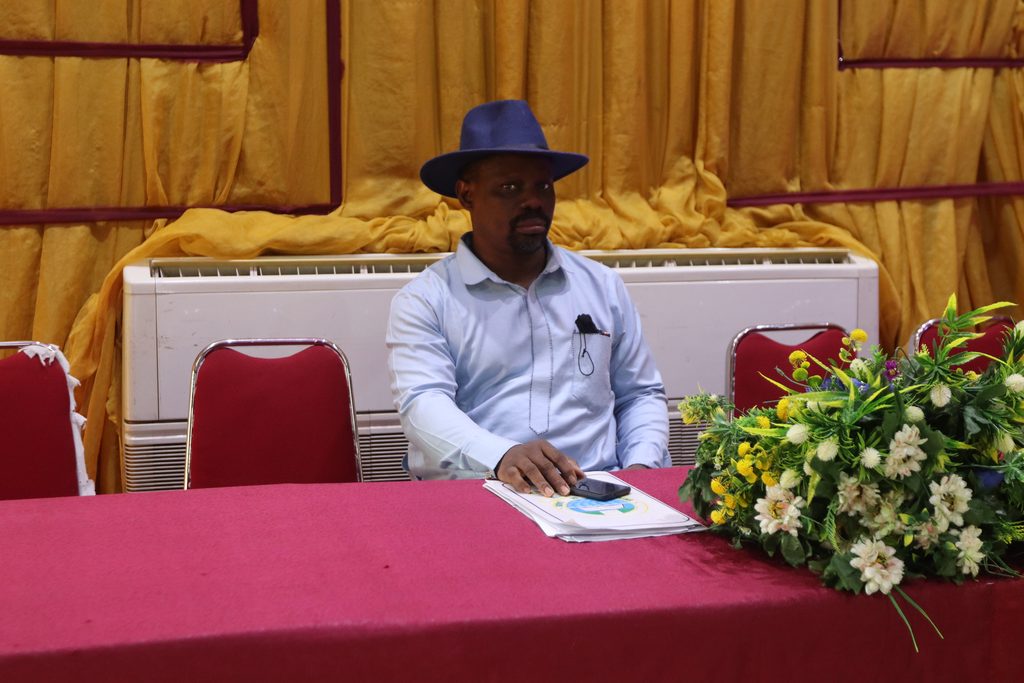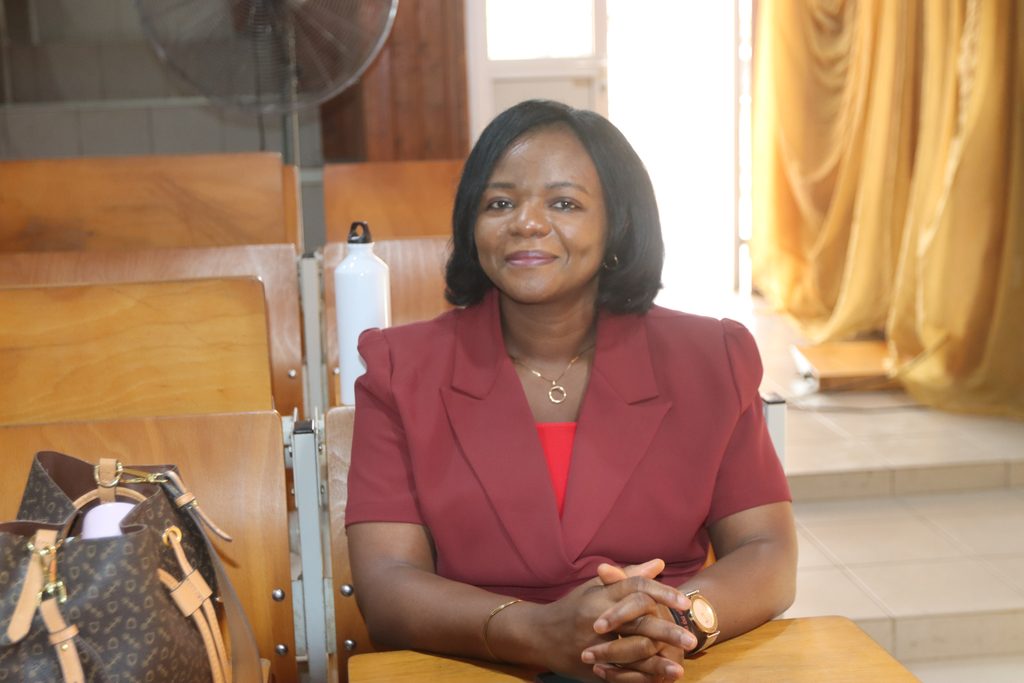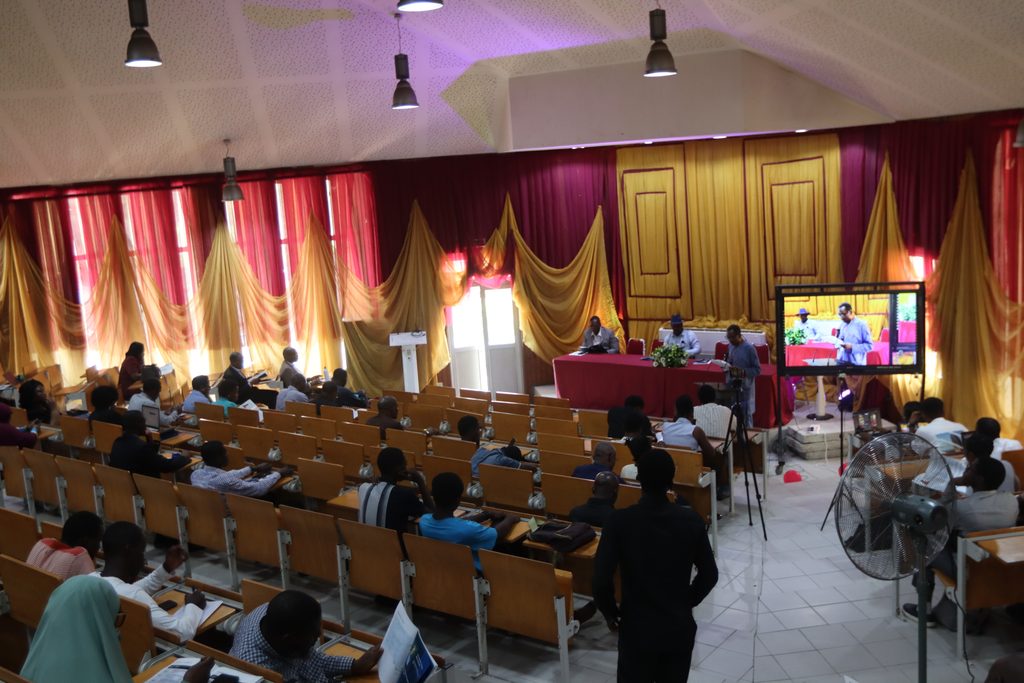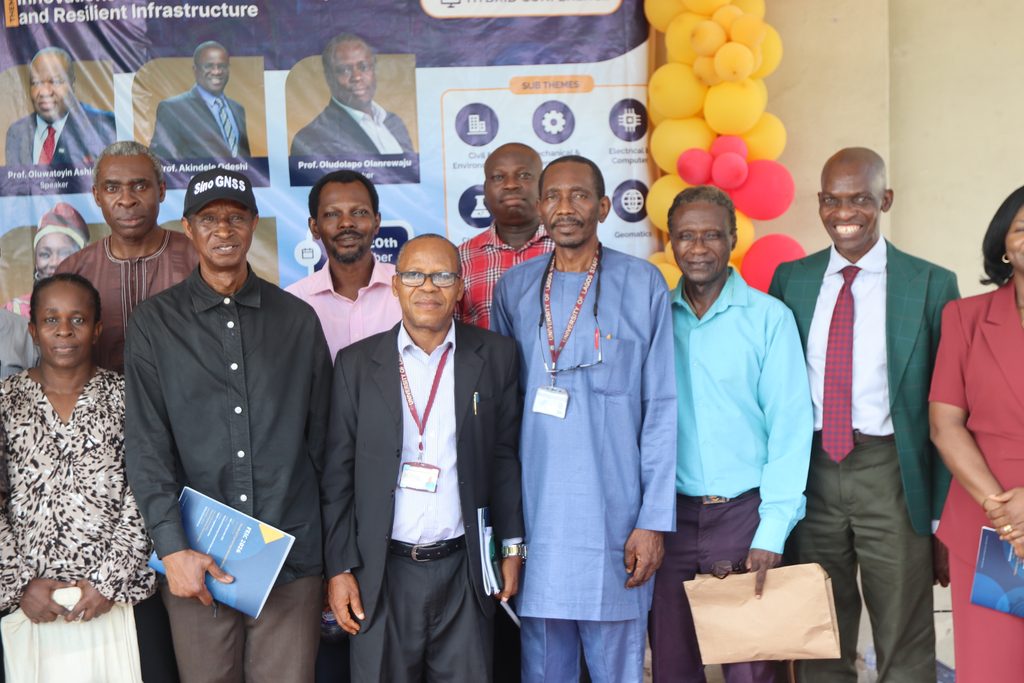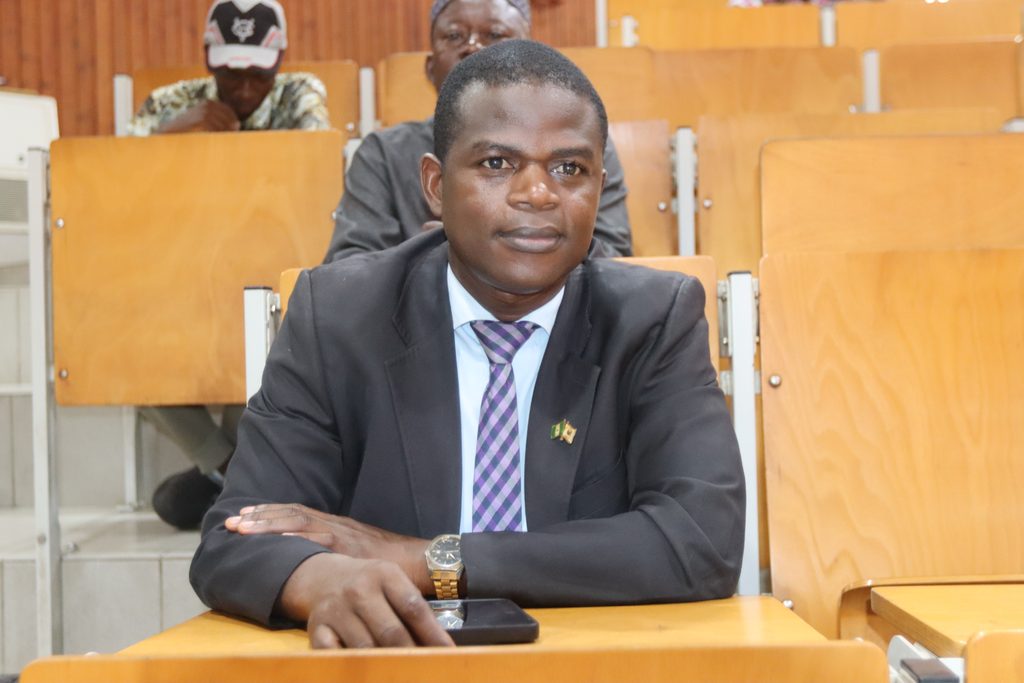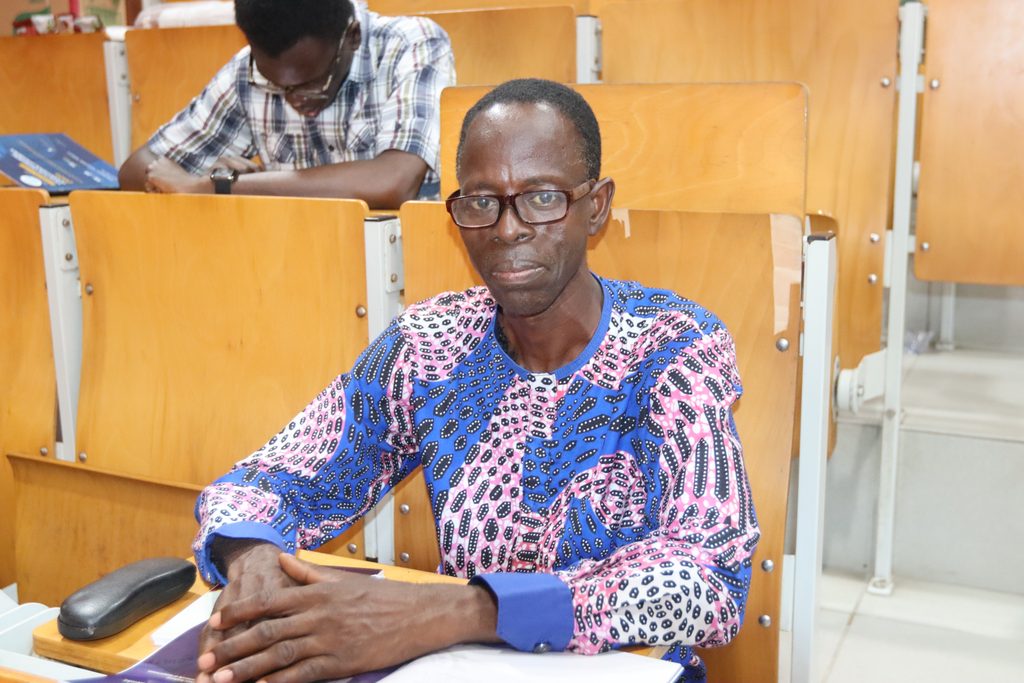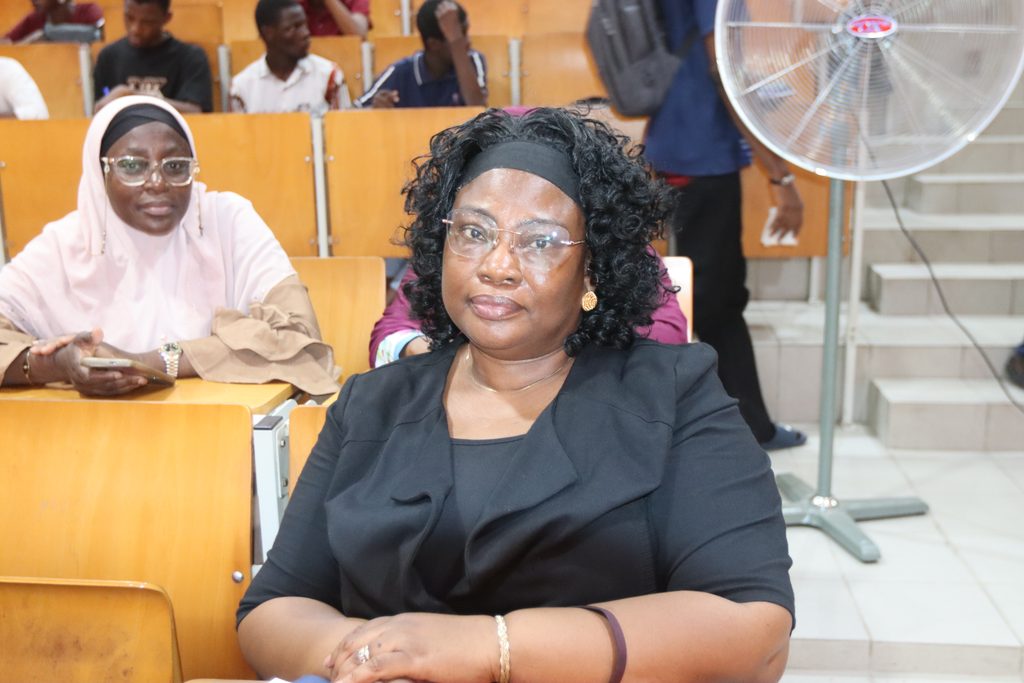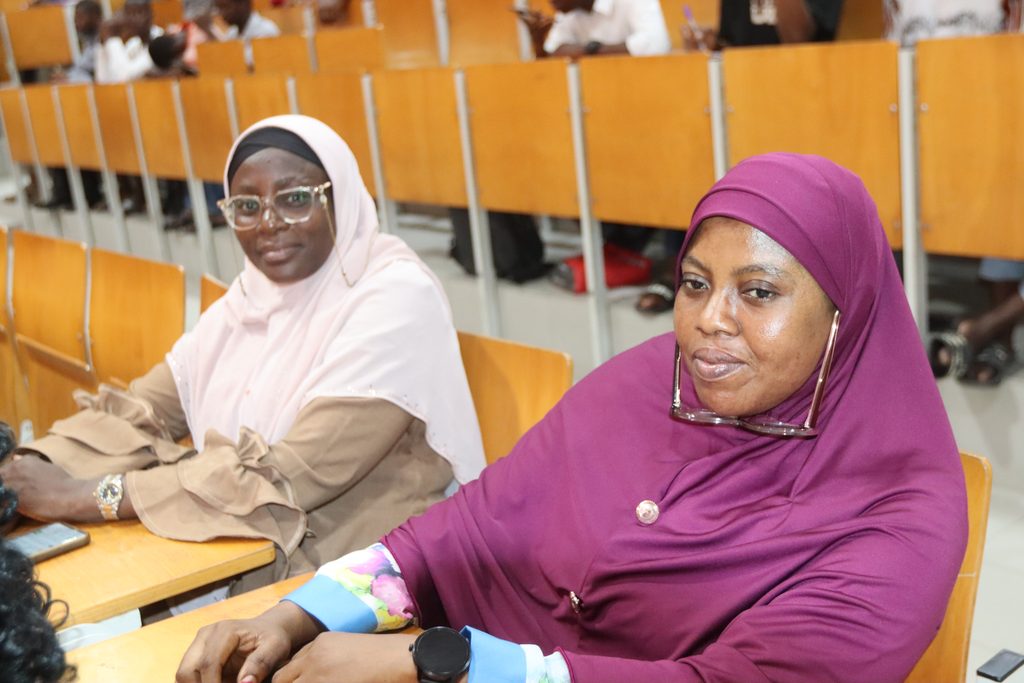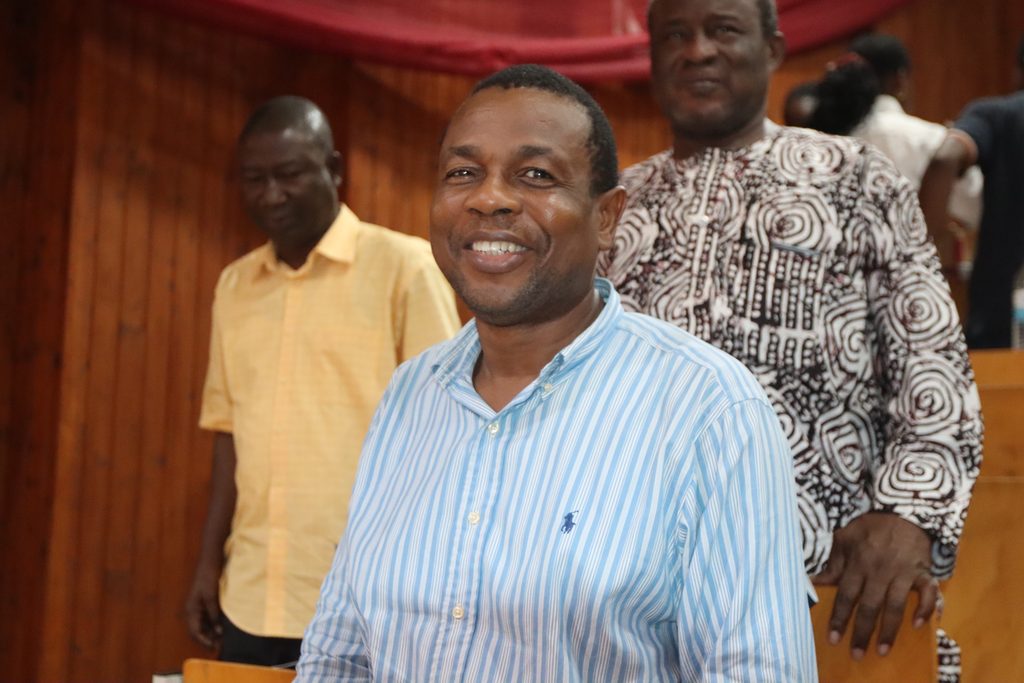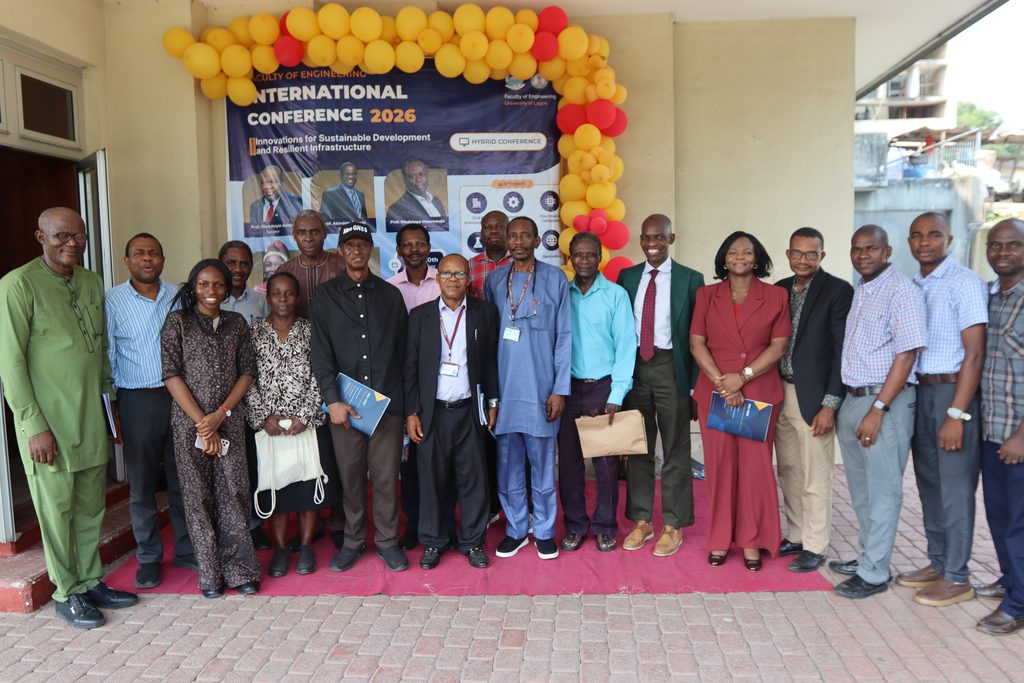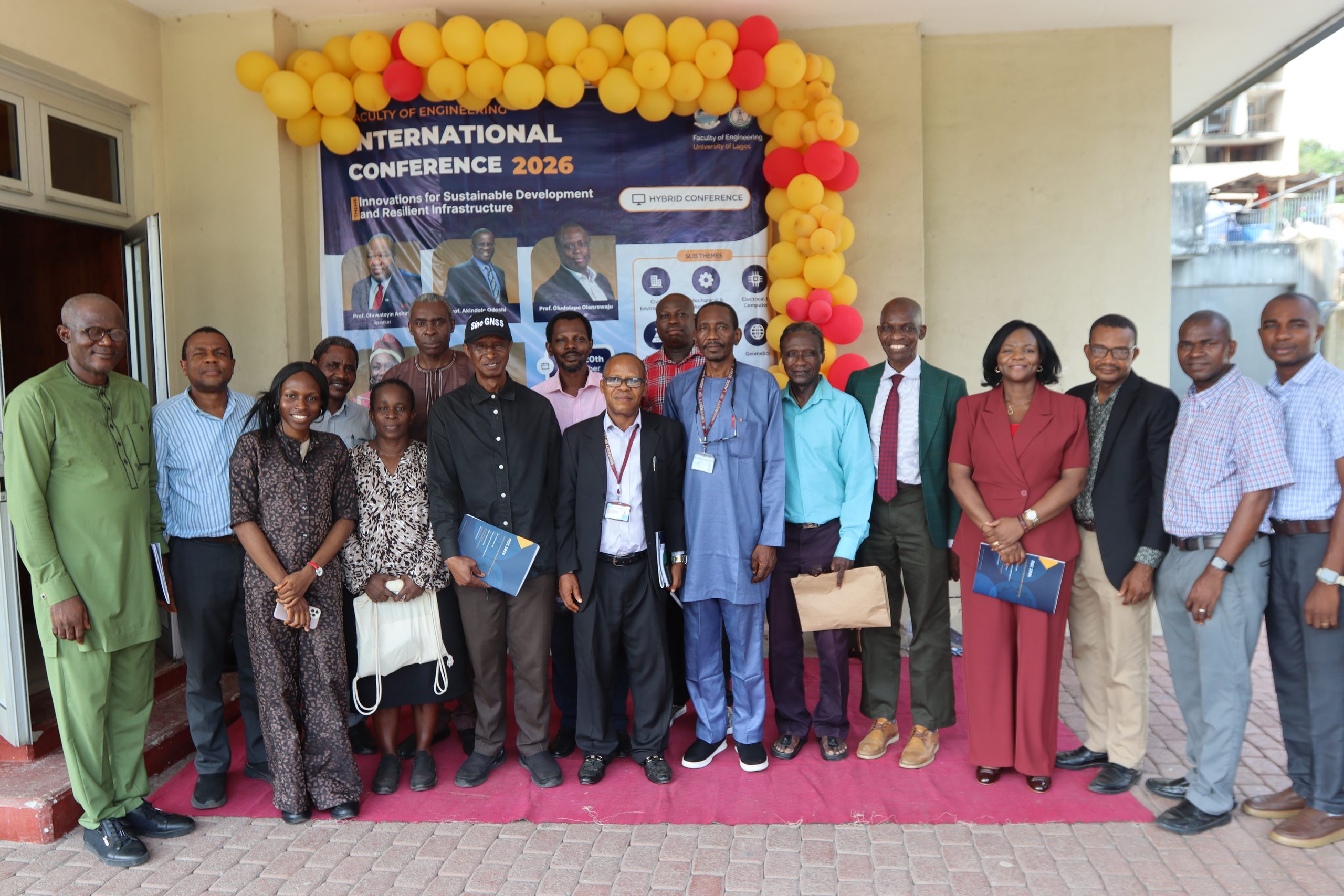
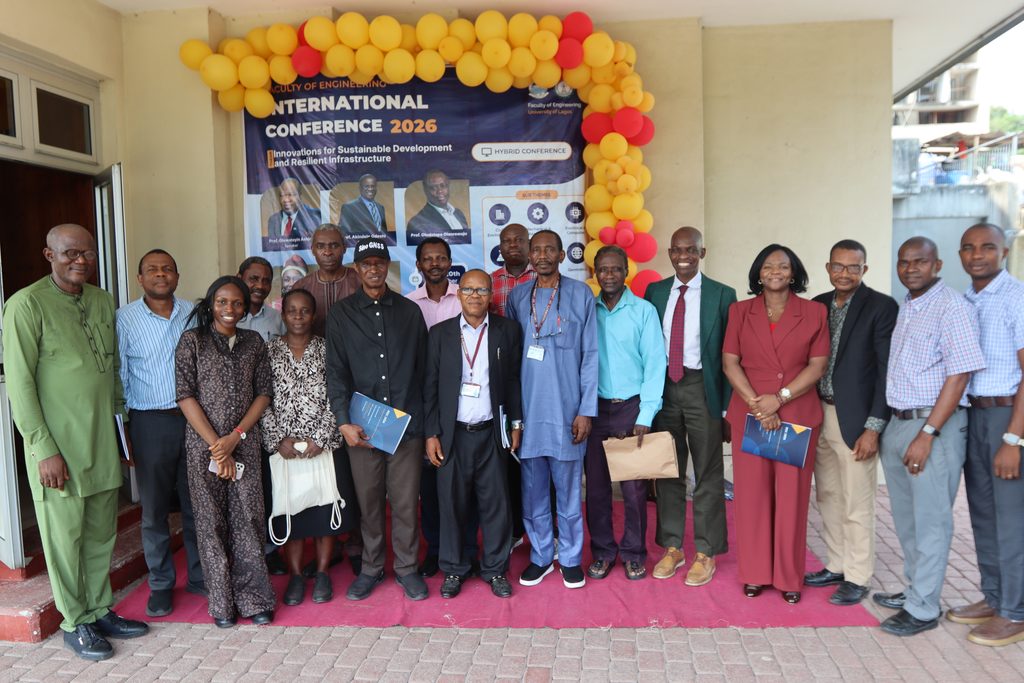
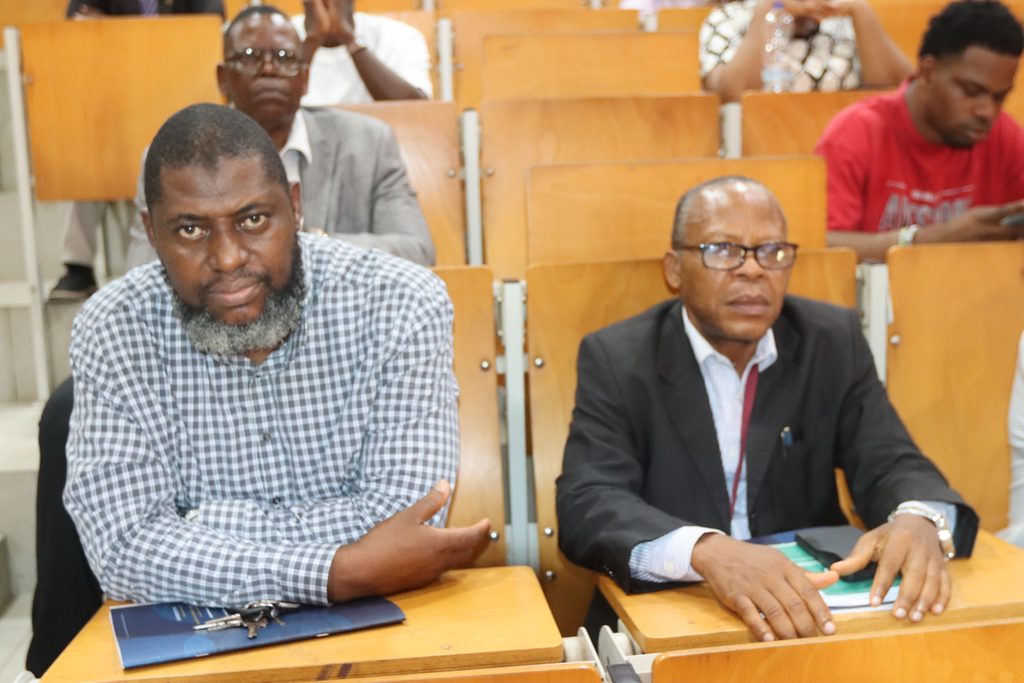
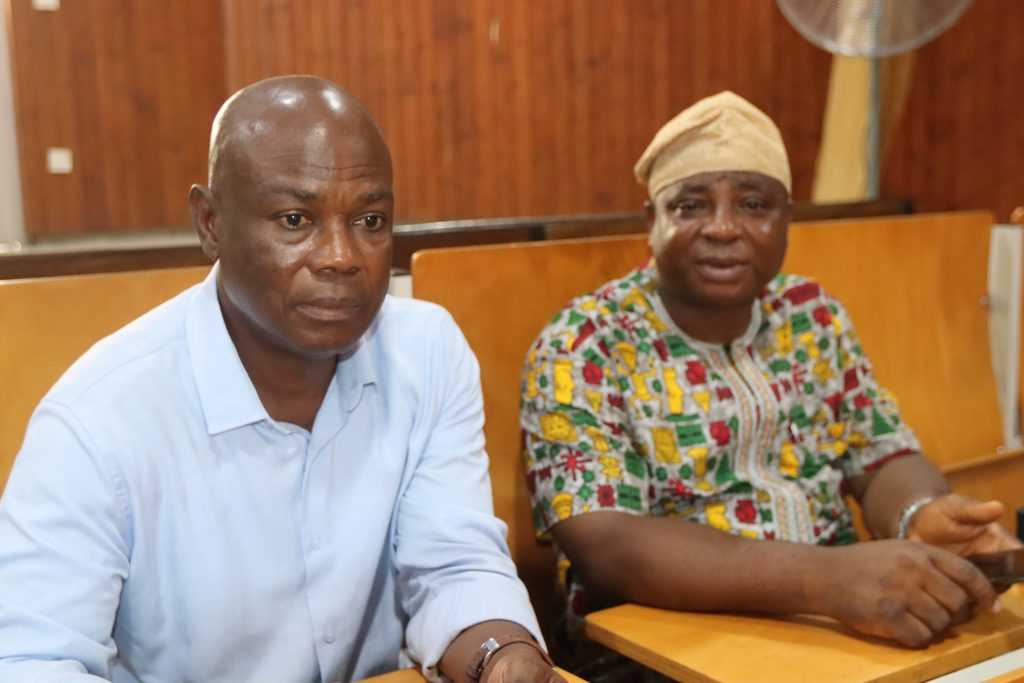
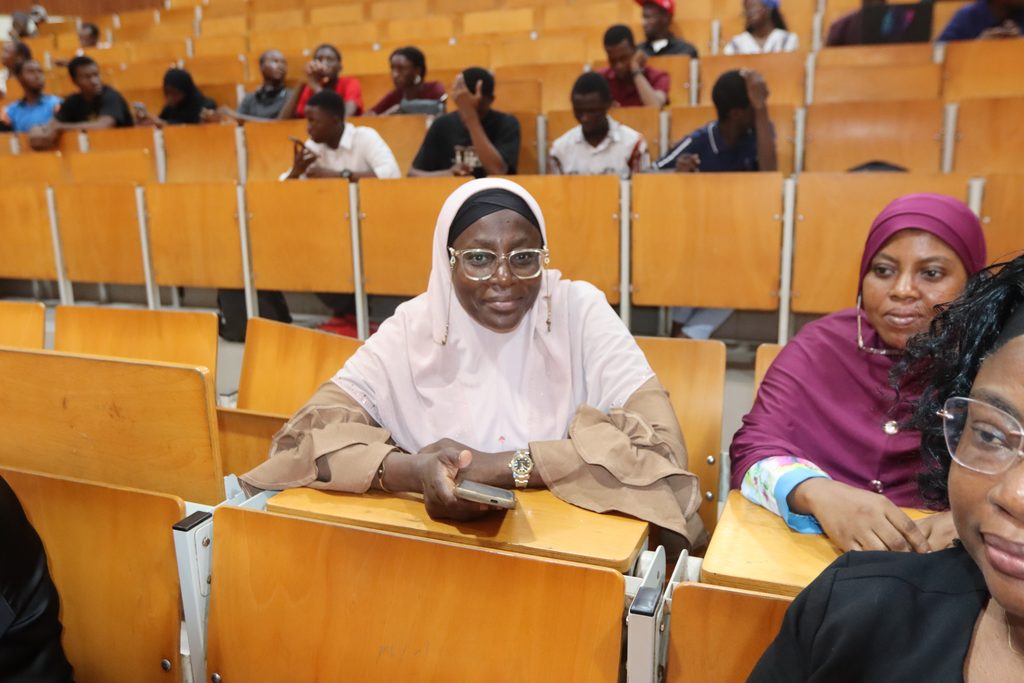
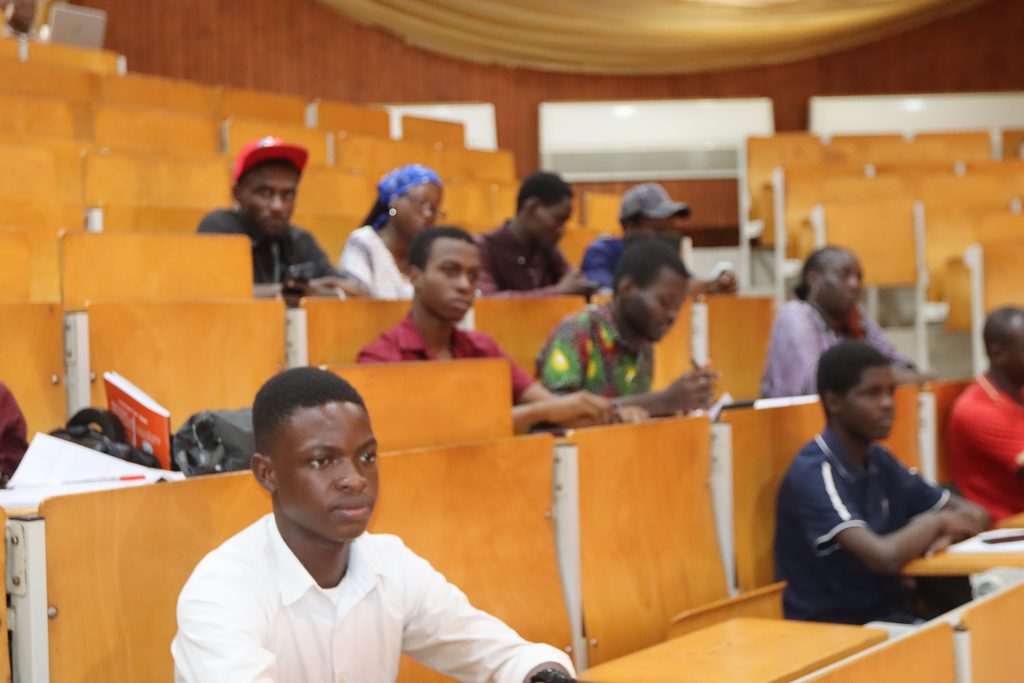
The University of Lagos (UNILAG) has brought together engineering scholars, researchers, industry experts and other stakeholders for the maiden edition of the Faculty of Engineering International Conference (FEIC 2026), themed “Innovations for Sustainable Development and Resilient Infrastructure.”
The three-day hybrid conference, which commenced on Wednesday, November 18, 2026, provides a platform for the exchange of ideas, presentation of research findings and exploration of innovative engineering solutions to challenges affecting sustainable development and infrastructure resilience.
With discussions spanning nine sub-themes, the conference seeks to strengthen collaboration between academia and industry while promoting research that responds to contemporary technological, environmental and socio-economic needs.
UNILAG Reaffirms Commitment to Future-Ready, Africa-Centred Innovation
The Vice-Chancellor, Professor Folasade Tolulope Ogunsola, OON, FAS, represented by the Dean, Faculty of Life Sciences, Professor Ganiyu Oyetibo, underscored the importance of engineering research in addressing pressing development challenges across Africa.
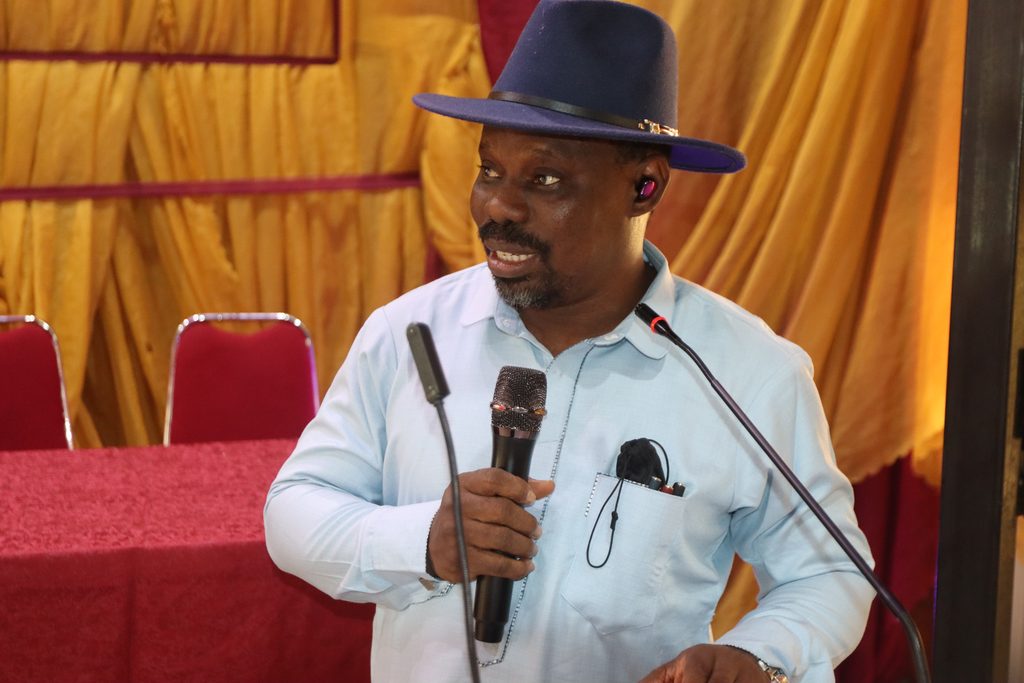
She noted that universities must move beyond theoretical knowledge to develop practical, context-specific solutions to challenges such as climate change, rapid urbanisation, flooding, coastal erosion, food and water insecurity, healthcare delivery and unreliable energy supply.
The Vice-Chancellor emphasised the need for stronger collaboration among universities, government, industry and other stakeholders to ensure that research outcomes translate into tangible improvements in society.
She also reiterated the University’s commitment to becoming a future-ready institution driven by innovation, sustainability, digital transformation and entrepreneurship. Professor Oyetibo, on behalf of the Vice-Chancellor, formally declared the conference open.
Faculty of Engineering Highlights Research and Innovation Agenda
The Dean, Faculty of Engineering, Professor Samson Adeosun, traced the Faculty’s development to 1964, highlighting its growth into a major centre for engineering education and research, with nine departments and ten academic programmes.
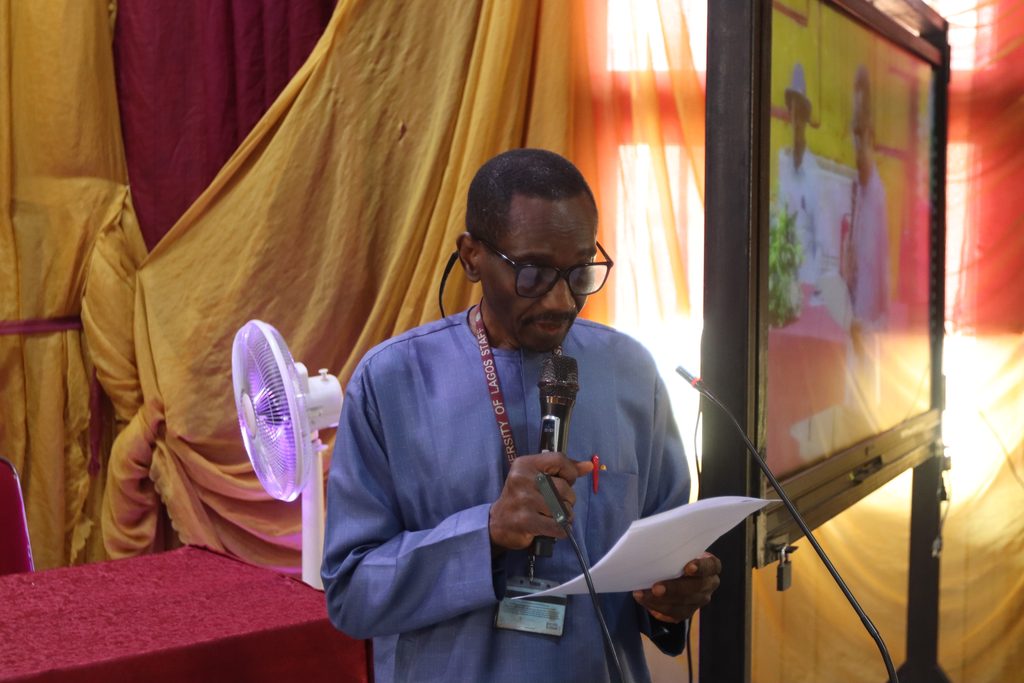
He recalled the Faculty’s previous academic engagements, including the 2019 African Engineering Education Association International Conference, the 2023 African Engineering Education Forum and the 2025 UNILAG International Week.
Professor Adeosun explained that FEIC 2026 was conceived to strengthen the connection between engineering research and practical development needs. He identified energy insecurity, urbanisation, climate change, flooding and healthcare challenges among the issues requiring innovative engineering interventions.
He also highlighted the growing relevance of artificial intelligence, robotics and advanced manufacturing, encouraging researchers to pursue partnerships that would support the application and commercialisation of research outcomes.
Conference Attracts 73 Research Papers Across Nine Engineering Fields
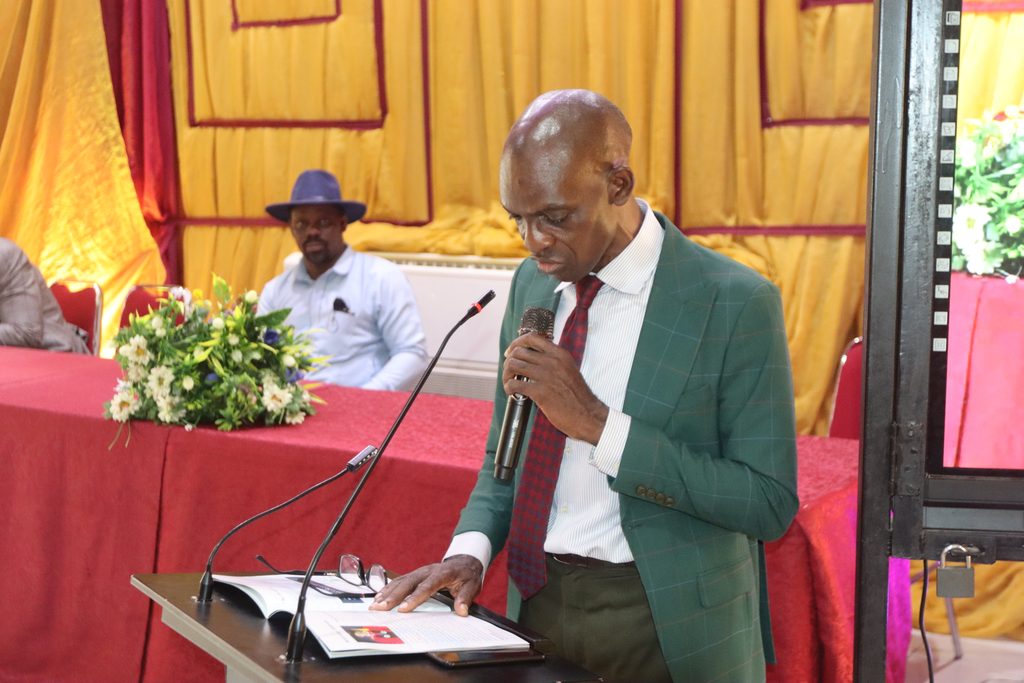
The Chair of the Local Organising Committee (LOC), Professor Peter Oluseyi, disclosed that the conference received 73 peer-reviewed papers across nine sub-themes: Civil and Environmental Engineering; Mechanical and Aerospace Engineering; Electrical and Computer Engineering; Chemical and Materials Engineering; Industrial and Systems Engineering; Geomatics; Energy and Petroleum Engineering; Biomedical Engineering; and Cross-Disciplinary Research.
He noted that the conference was designed to promote knowledge exchange and collaboration among researchers, industry practitioners and other stakeholders, with a focus on translating engineering research into practical solutions for sustainable infrastructure and development.
He also acknowledged the contributions of the University Management, keynote speakers, reviewers, the session chairs and rapporteurs, authors and members of the organising committees.
Keynote Lectures Explore Advanced Materials and Intelligent Energy Systems
Delivering the first keynote address, titled “Development and Characterisation of Advanced Materials for Protection against Ballistic Impact and Explosive Loading,” Professor Akindele Odeshi of the Department of Mechanical Engineering, University of Saskatchewan, Canada, examined the behaviour of materials under extreme loading conditions and the scientific processes involved in developing stronger protective materials.

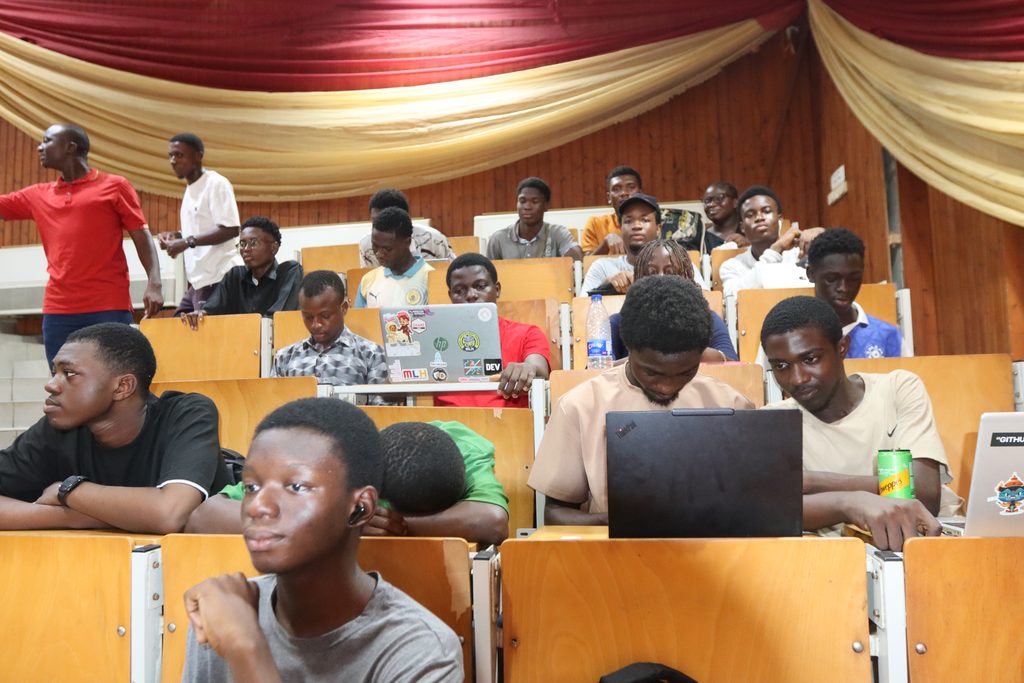
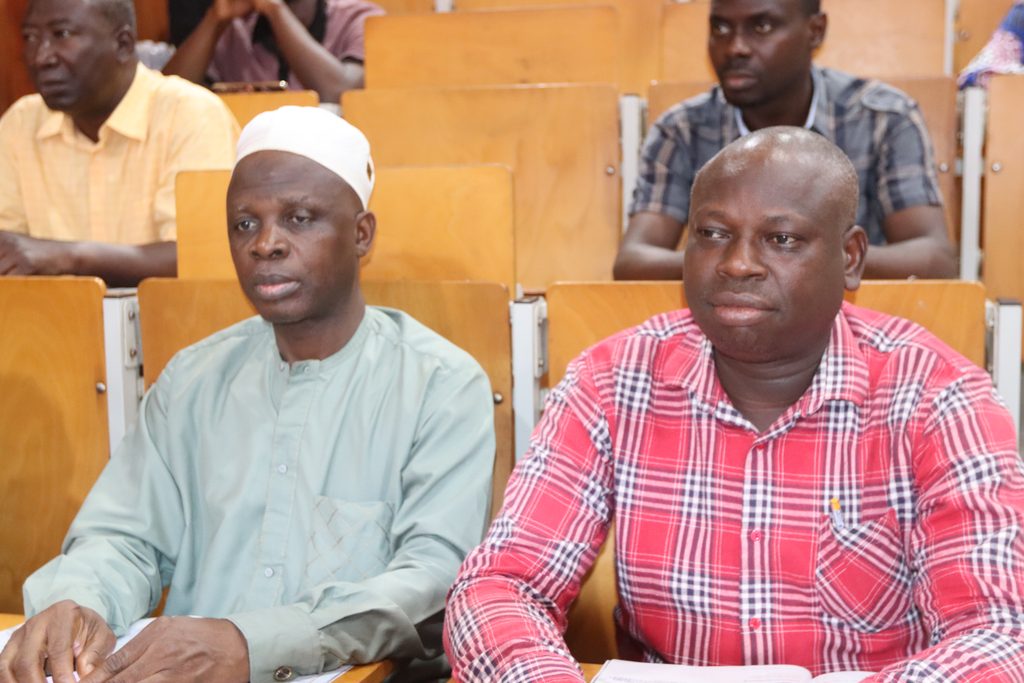
His presentation focused on adiabatic shear banding, a phenomenon associated with high-strain-rate deformation in which intense plastic deformation becomes concentrated within a narrow region of a material. The process generates significant heat in the affected area, causing localised softening that can weaken the material and contribute to structural failure.
Professor Odeshi explained the importance of understanding this phenomenon in the design of materials expected to withstand ballistic impact and explosive loading. He highlighted how the interaction between deformation, heat generation and changes in material structure influences the ability of a material to resist extreme forces.
He stressed that protective materials must be designed with a careful balance of mechanical properties, particularly hardness and toughness. While high hardness helps a material resist penetration and surface deformation, toughness enables it to absorb impact energy without cracking or breaking easily. He explained that achieving this combination is central to developing materials capable of providing effective protection under demanding conditions.
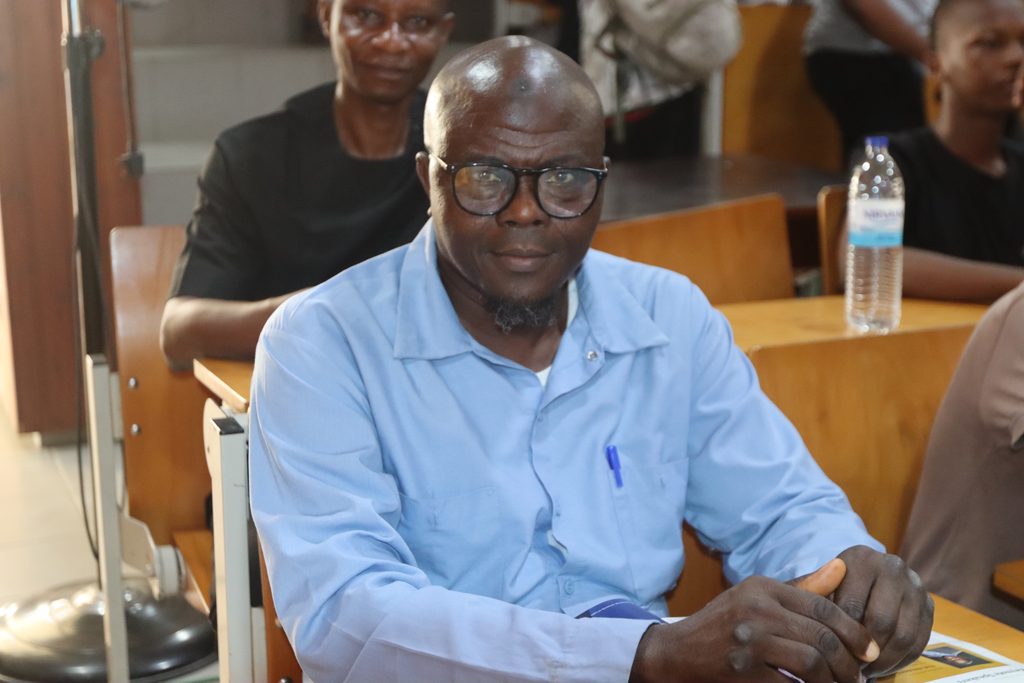
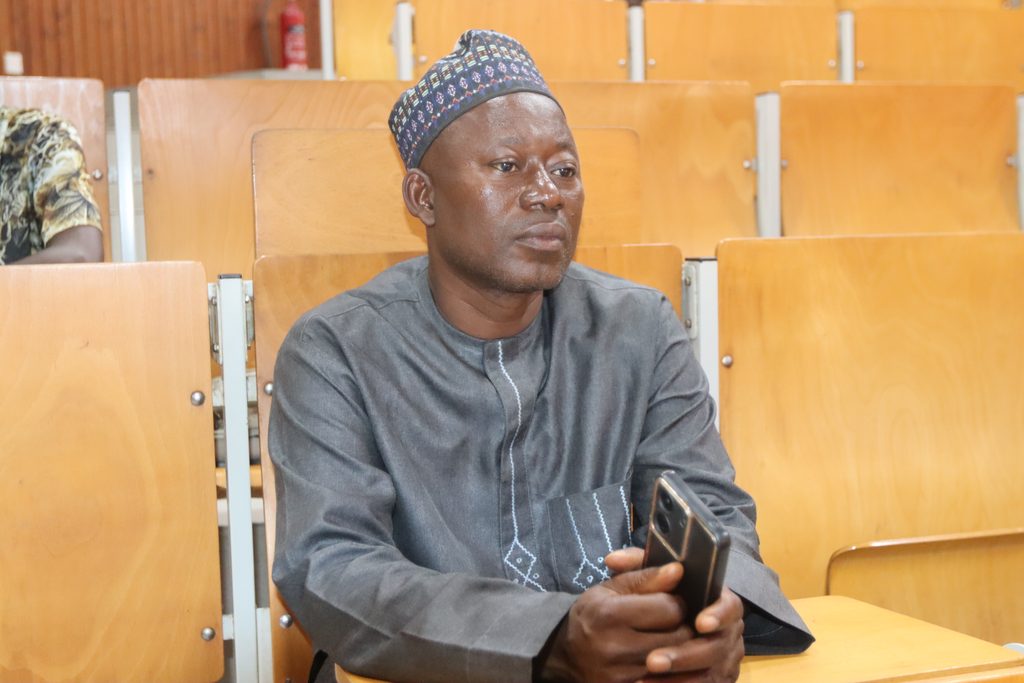
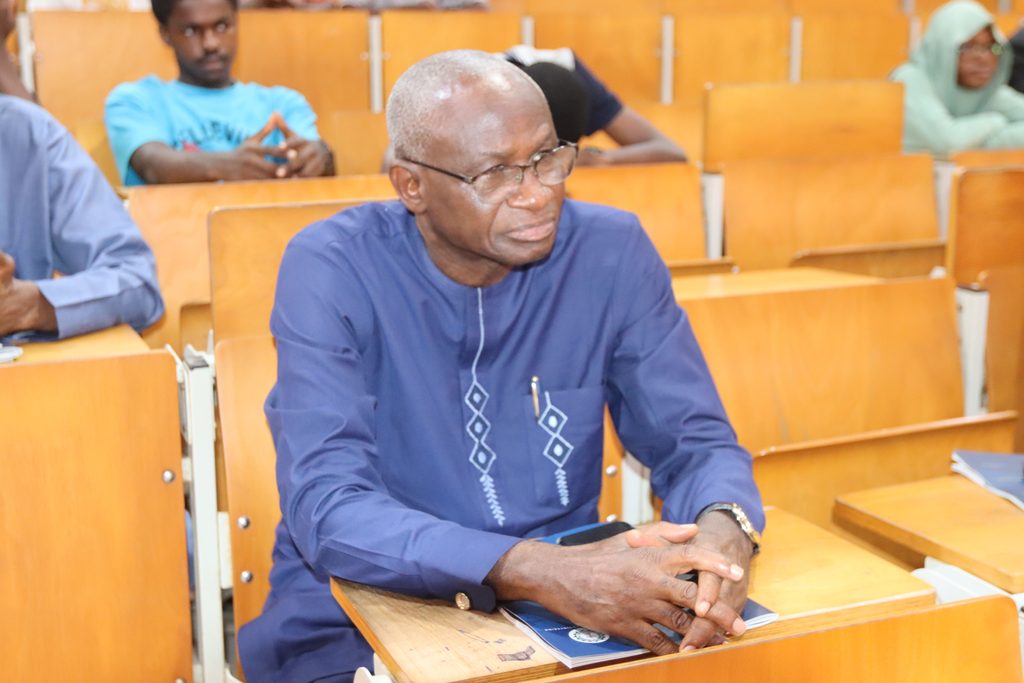
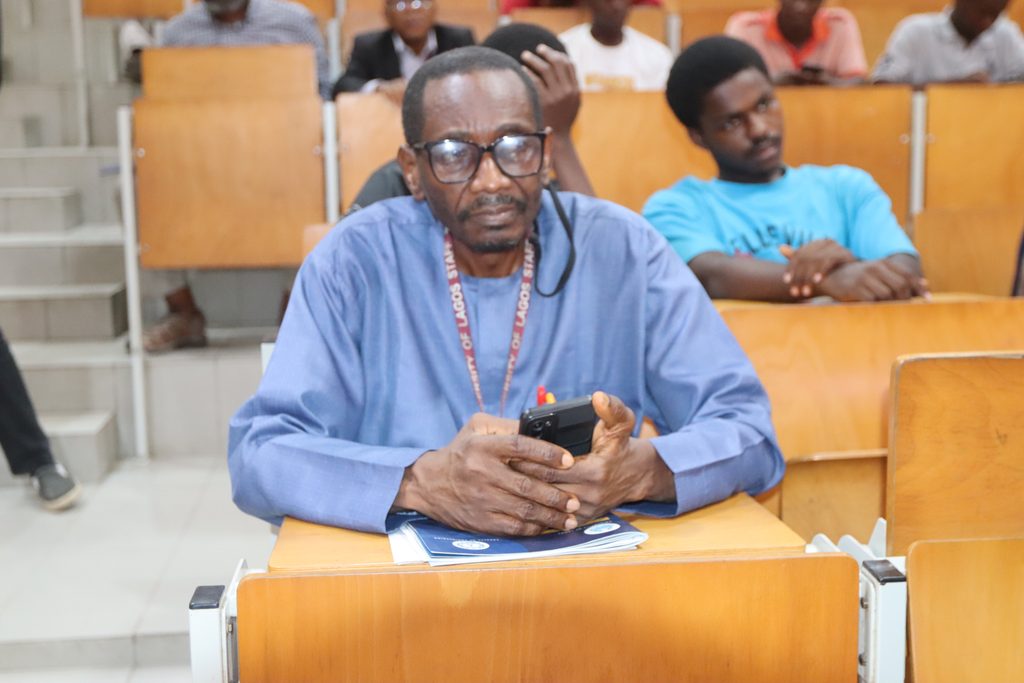
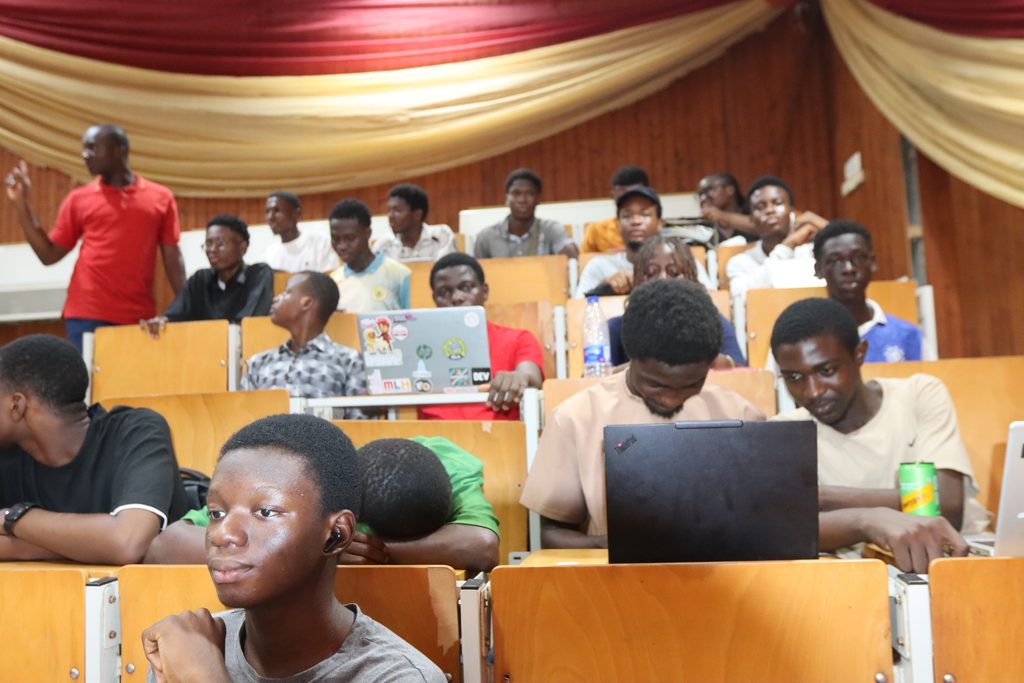
The keynote also examined the importance of laboratory testing and material characterisation in determining how materials respond to impact. Such investigations help researchers understand the deformation process, identify weaknesses and assess the suitability of different materials for protective applications.
Professor Odeshi further discussed material processing and selection, including challenges associated with certain stainless steels and the need to improve their strength and resistance to corrosion.
His presentation underscored the role of materials science in developing protective technologies, with research into high-strain-rate behaviour providing a basis for improving the performance and reliability of materials used in safety-critical applications.
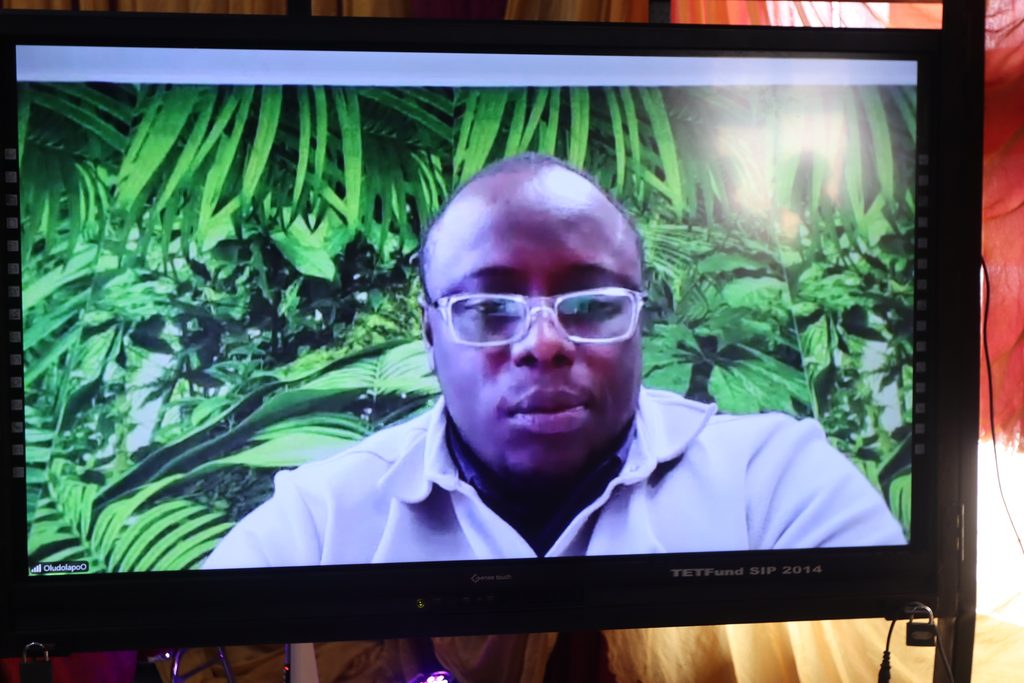
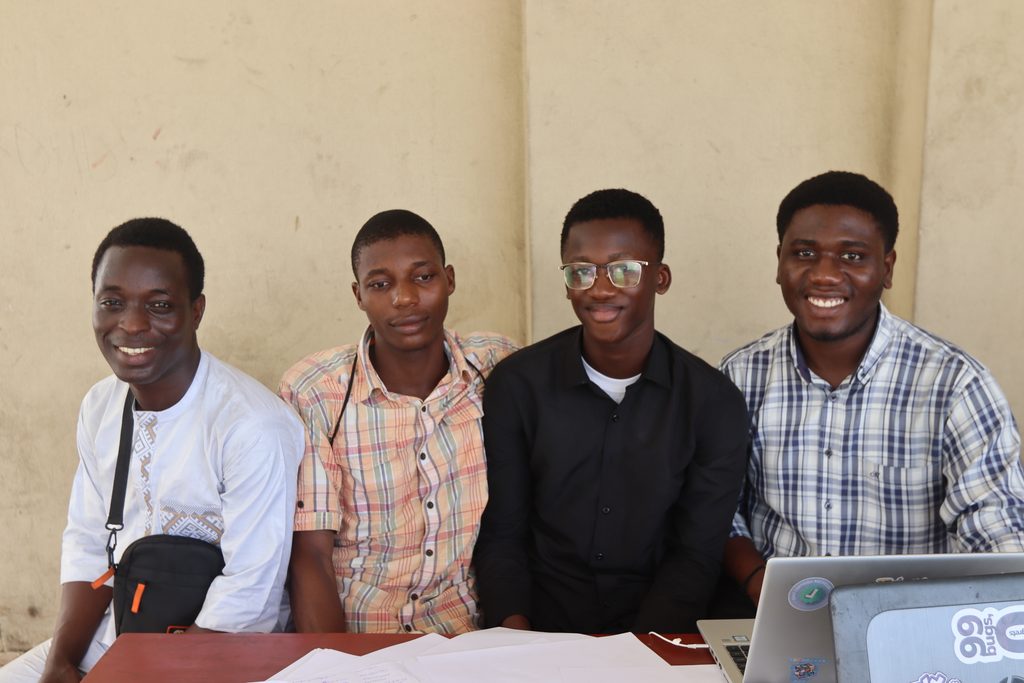
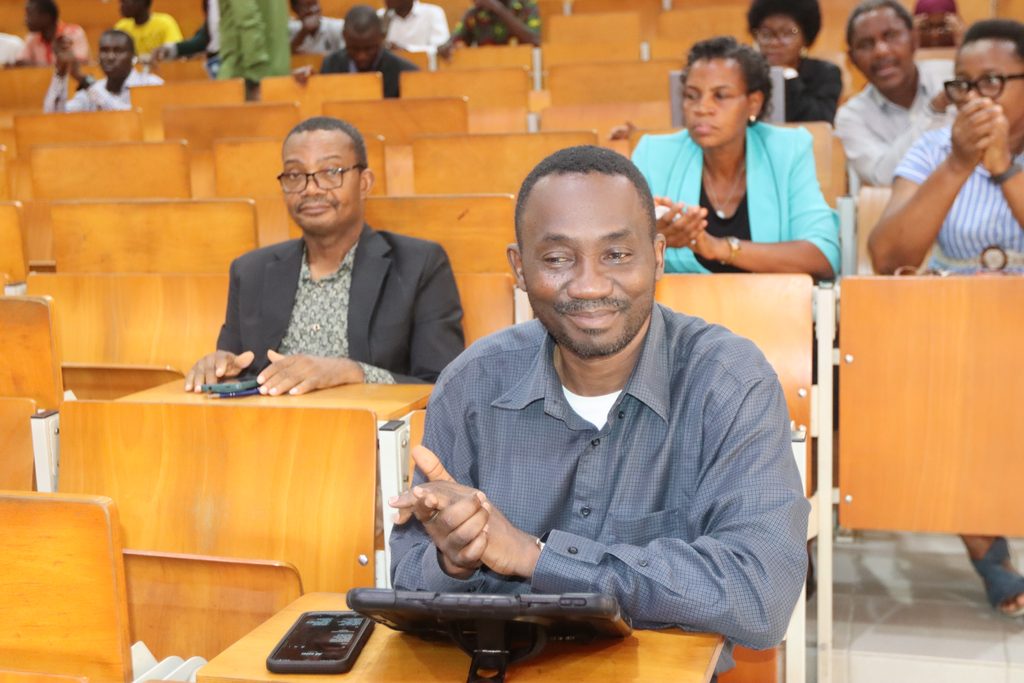
Shifting attention from advanced materials to sustainable energy infrastructure, the second keynote address, titled “Energy Efficiency and Intelligence: Innovative Integrated Modelling for Sustainable Development and Resilient Energy Infrastructure,” was delivered by Professor Oludolapo Olanrewaju, Professor and Head of Industrial Engineering at Durban University of Technology, South Africa.
He examined how data-driven modelling, artificial intelligence and integrated analysis could improve energy efficiency and support resilient energy infrastructure, and argued that addressing energy challenges requires more than increasing electricity generation. Attention must also be given to the efficiency of the entire energy chain, including transmission, distribution, consumption and the management of energy resources.
According to him, inefficiencies at different stages of the system can undermine the benefits of increased generation and limit the contribution of energy infrastructure to industrial and economic development.
Professor Olanrewaju highlighted the potential of systematic energy assessment and performance evaluation in identifying inefficiencies, establishing benchmarks and determining opportunities for improved energy utilisation.
Using examples from Canada and South Africa, he cited potential energy savings of about 1.6 per cent in the Canadian industrial sector and between 40 and 50 per cent across eleven industrial sectors in South Africa. The examples illustrated how systematic assessment of energy use could reveal opportunities to reduce waste and improve industrial productivity.
He, however, cautioned against transferring energy models from one country to another without considering differences in infrastructure, economic conditions, technology, energy demand and patterns of consumption. He maintained that solutions must be adapted to local realities, noting that strategies effective in countries such as Canada, Finland and South Korea may require significant adjustments before they can work in other environments.
The keynote speaker also emphasised the importance of reliable data in energy research and decision-making. He noted that the accuracy of modelling outcomes depends on the quality of the information used, warning that poor data could produce misleading results and weaken policy recommendations.
He advocated an integrated approach to energy planning that considers access, affordability, industrialisation, economic development and environmental sustainability. He further highlighted the value of intelligent energy management, appropriate technology and collaboration among researchers, industry practitioners, policymakers and regulators.
Professor Olanrewaju encouraged stronger links between academic research and practical energy-sector challenges, stressing that research should provide evidence that can guide policy, improve infrastructure and support more efficient energy use. His presentation reinforced the need for locally relevant, data-informed approaches to building sustainable and resilient energy systems.
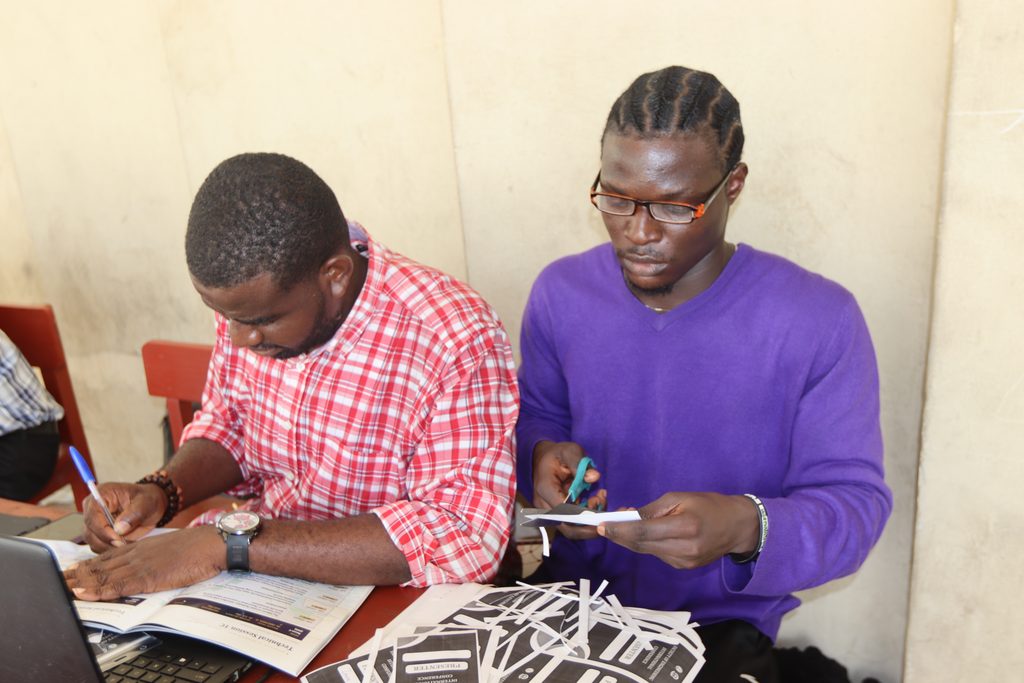
The conference also featured Technical Session 1, which provided researchers and participants with an opportunity to present their work, exchange ideas and engage in discussions on emerging engineering challenges and solutions.
Conference Reinforces Commitment to Engineering Innovation and Sustainable Development
The maiden FEIC 2026 has further highlighted the essence of engineering research, interdisciplinary collaboration and technological innovation in addressing critical development challenges. Through its keynote lectures and technical engagements, the conference provides a platform for researchers and industry practitioners to exchange knowledge and explore practical solutions for resilient infrastructure, efficient energy systems and sustainable development.
As the conference continues until Friday, November 20, 2026, it is expected to strengthen research partnerships and encourage the translation of innovative ideas into practical interventions that will contribute to national development and Africa’s technological advancement.
Report: Lynda Onah
Photography: Wale Fagbulu
Photo Editing: Islamiat Akanni