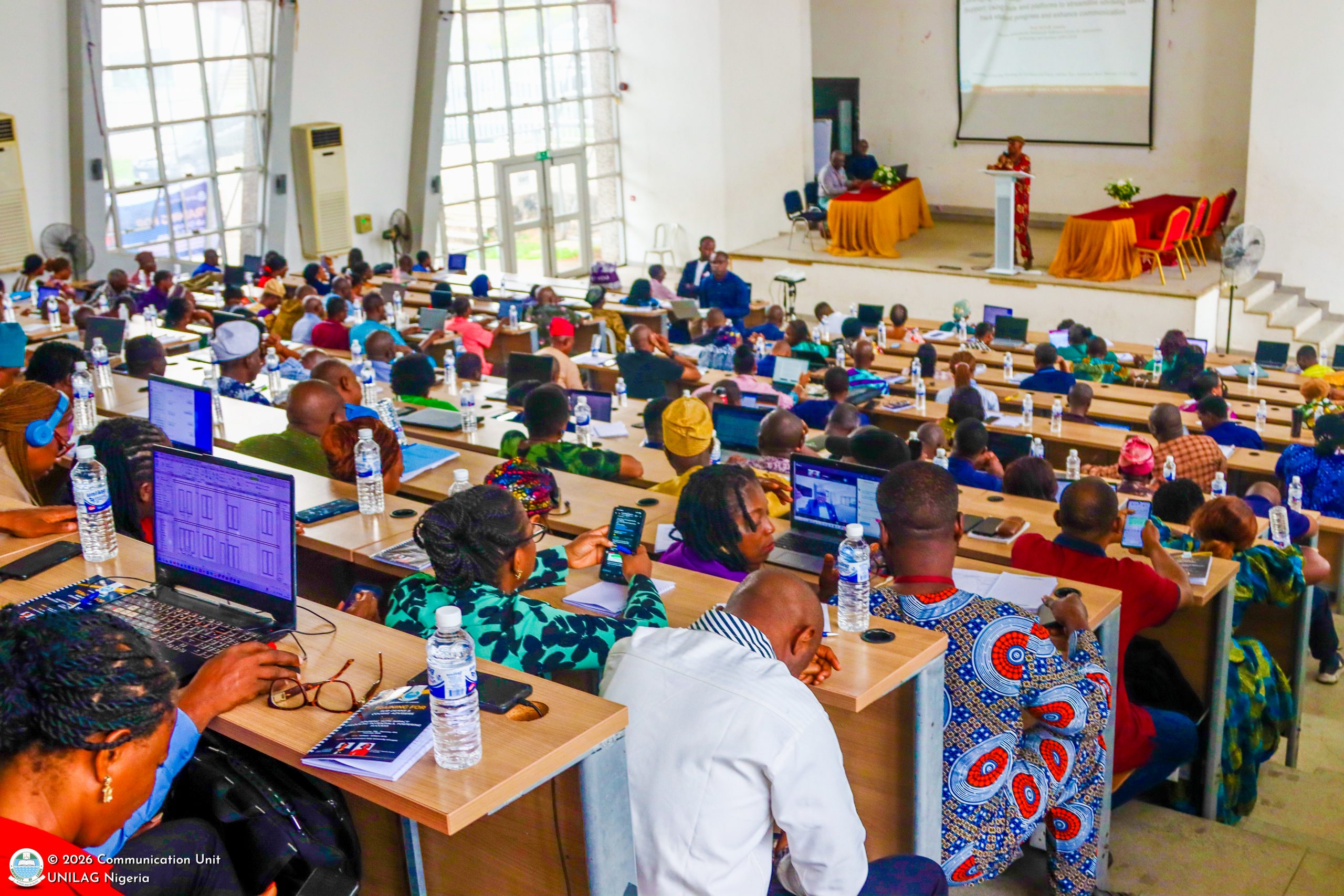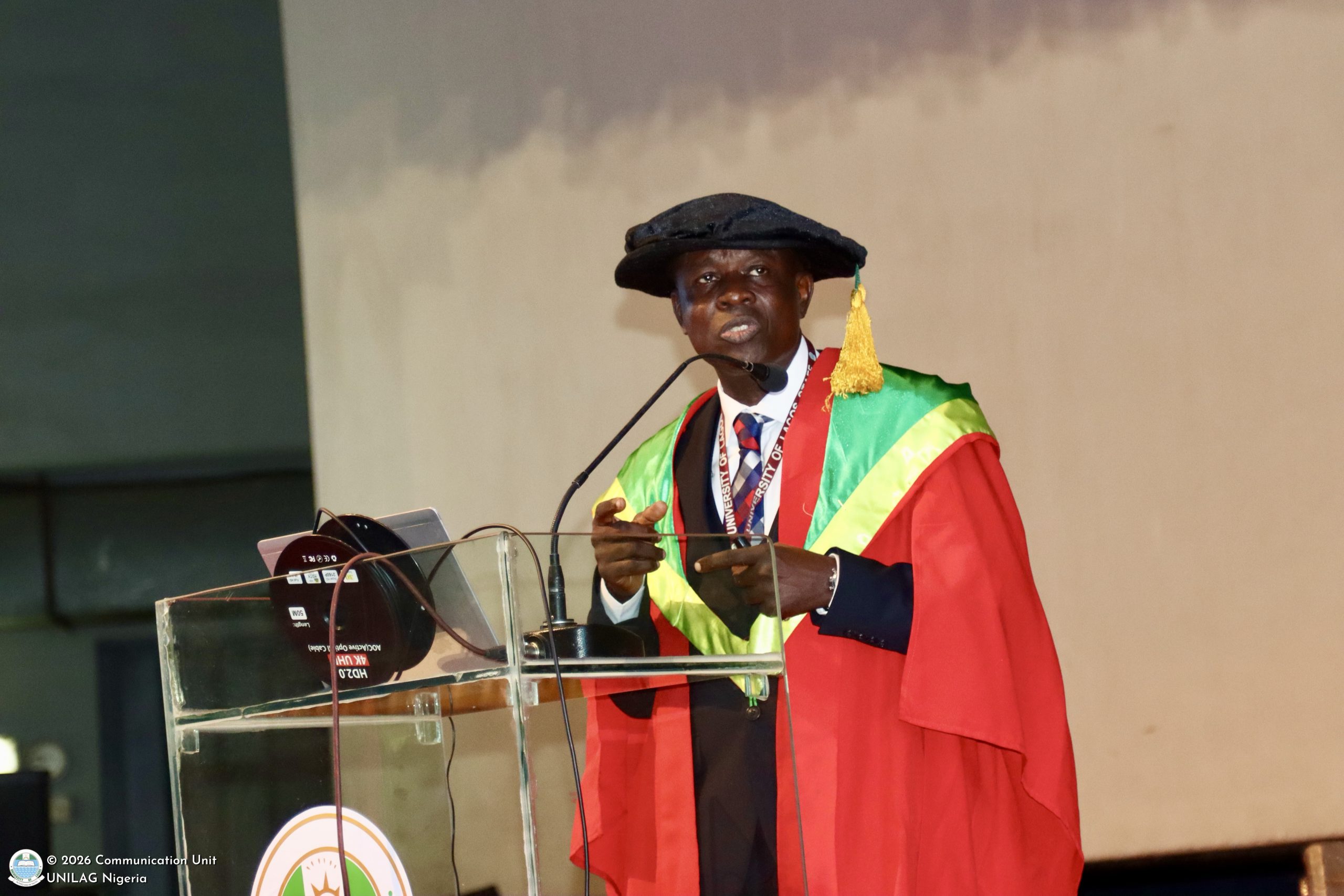
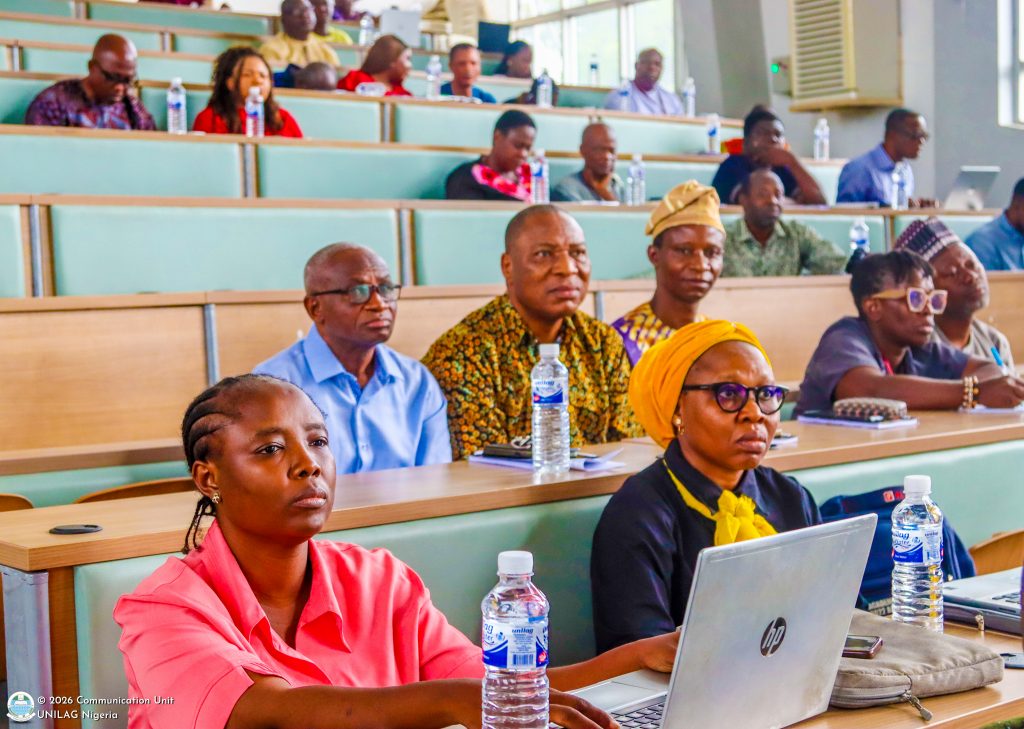
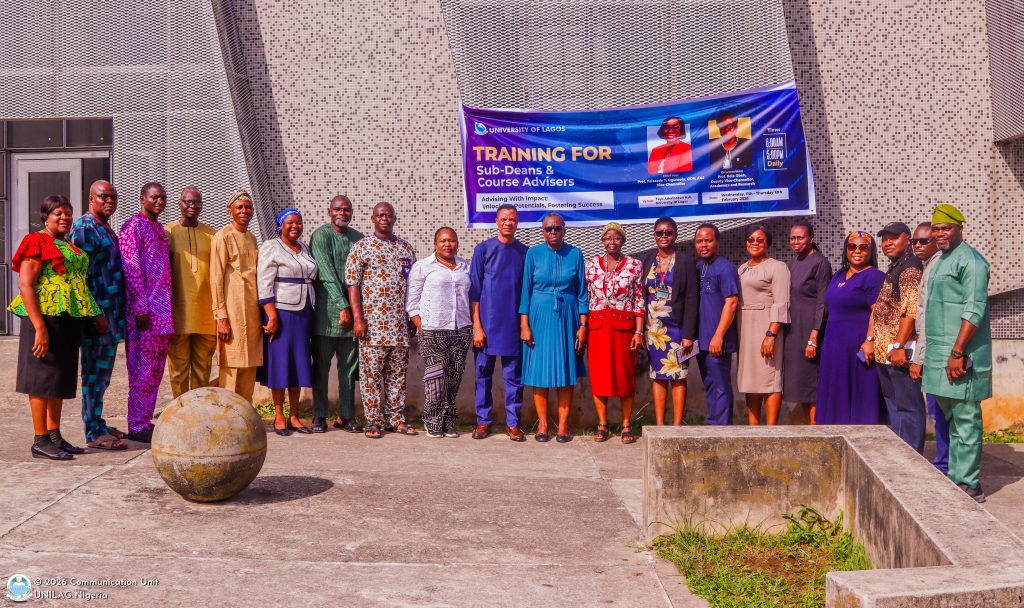
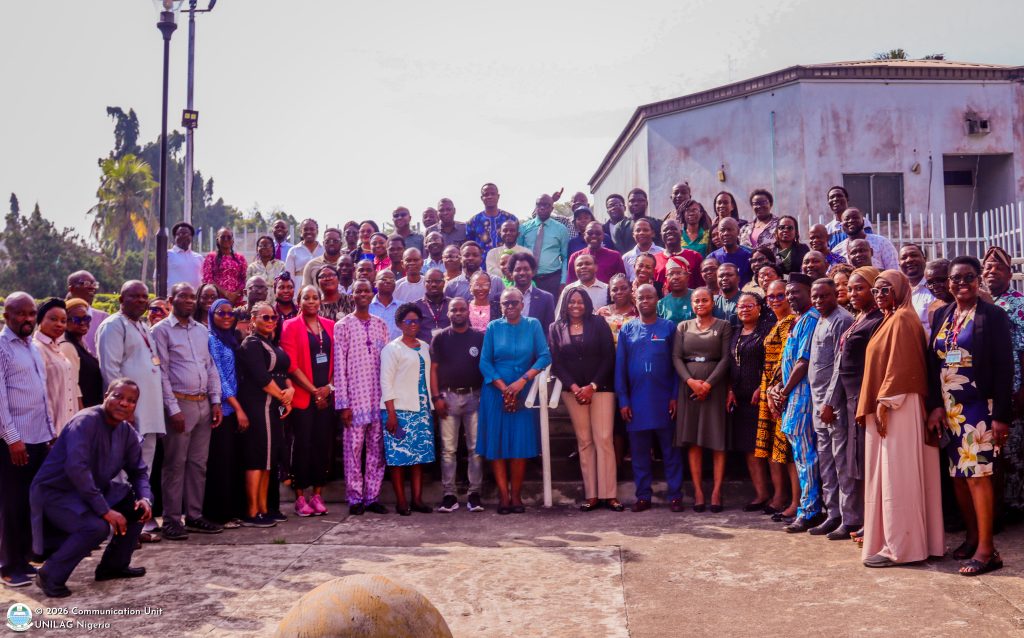
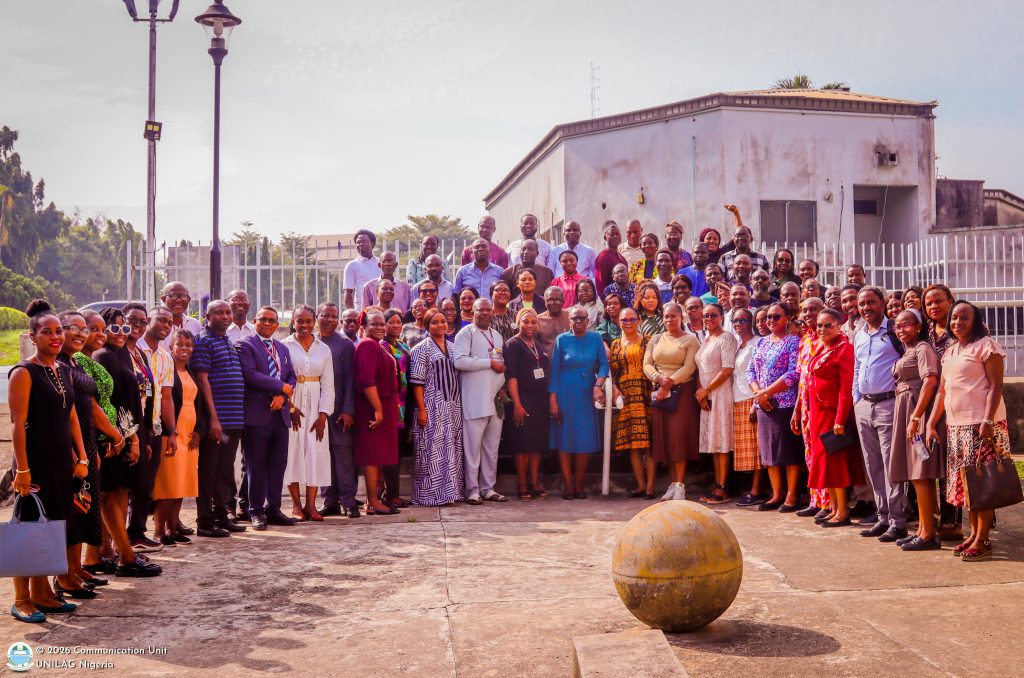
The Staff Training and Development Unit, University of Lagos (UNILAG), from Wednesday, February 11, 2026, to Thursday, February 12, 2026, organised an intensive training exercise for Sub-Deans and Course Advisers drawn from all faculties across the university.
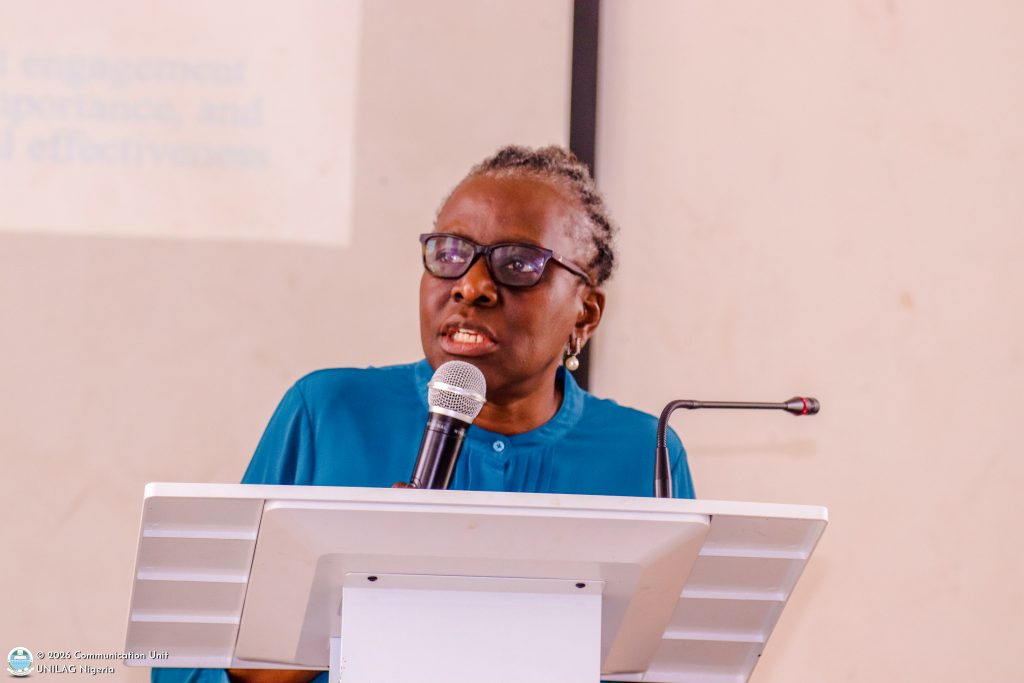
In her opening remarks, the Deputy Vice-Chancellor (Academics & Research), Professor Bola Oboh, noted that the two-day session was designed to address challenges observed in the previous academic session, particularly issues related to result management and graduation timelines. She underscored the importance of digitizing processes and urged course advisers to safeguard students from unnecessary delays caused by missing or mishandled results.
The training with the theme, Advising with Impact: Unlocking Potentials, Fostering Success, featured the following presentations from carefully selected facilitators:
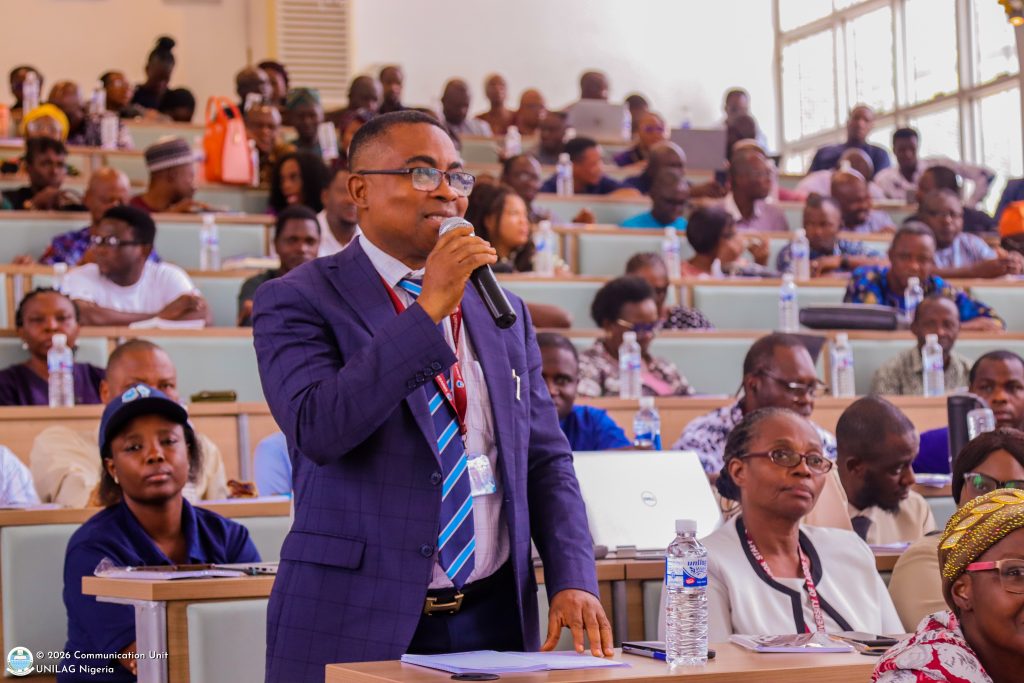
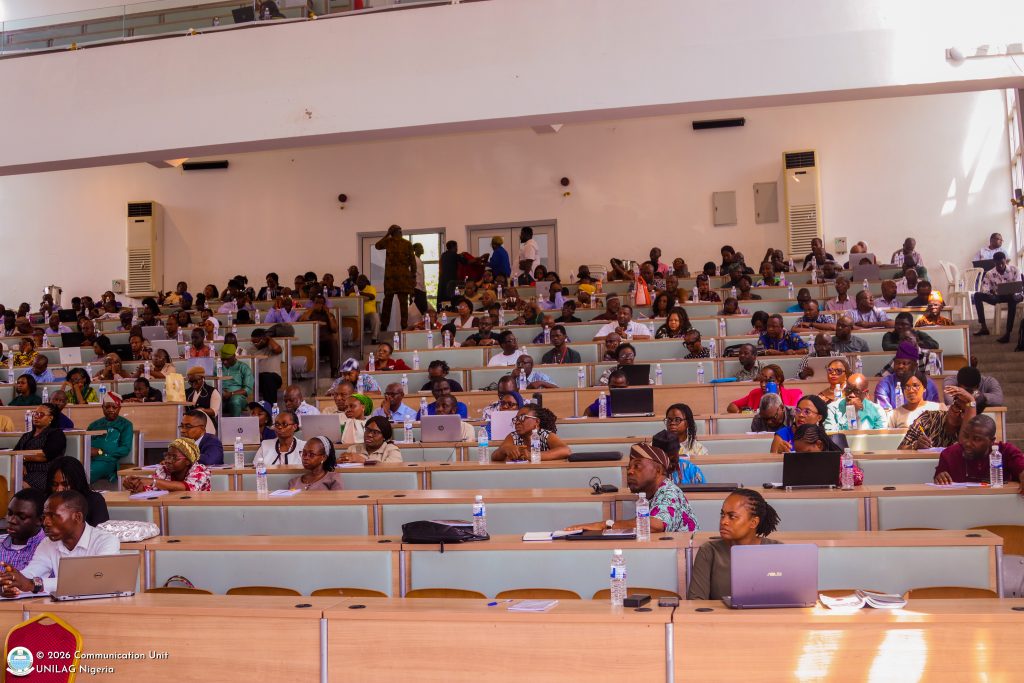
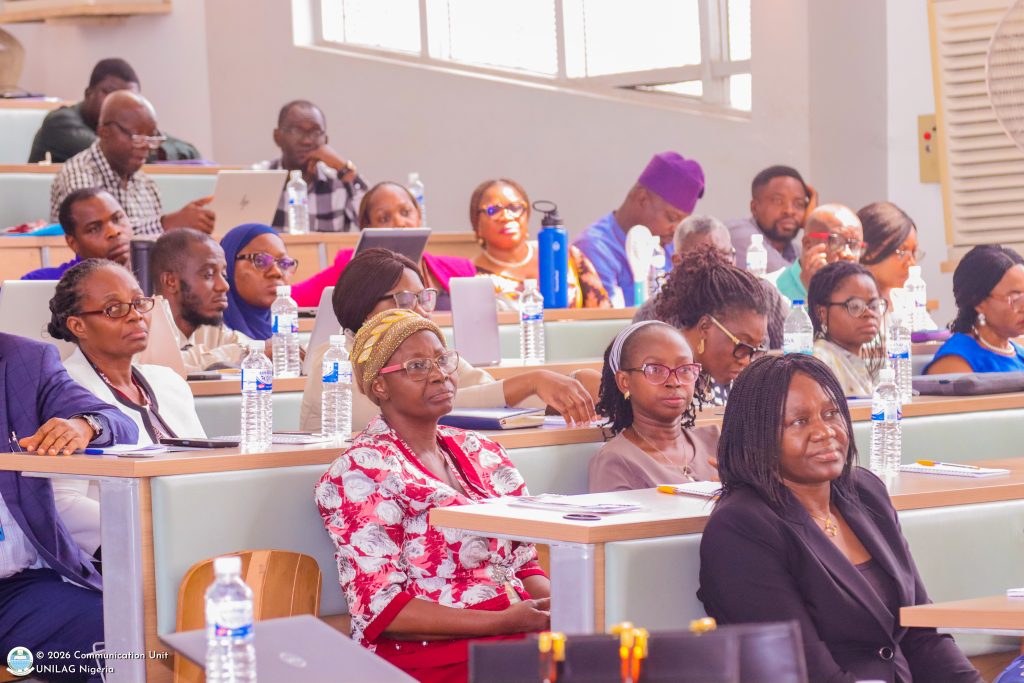
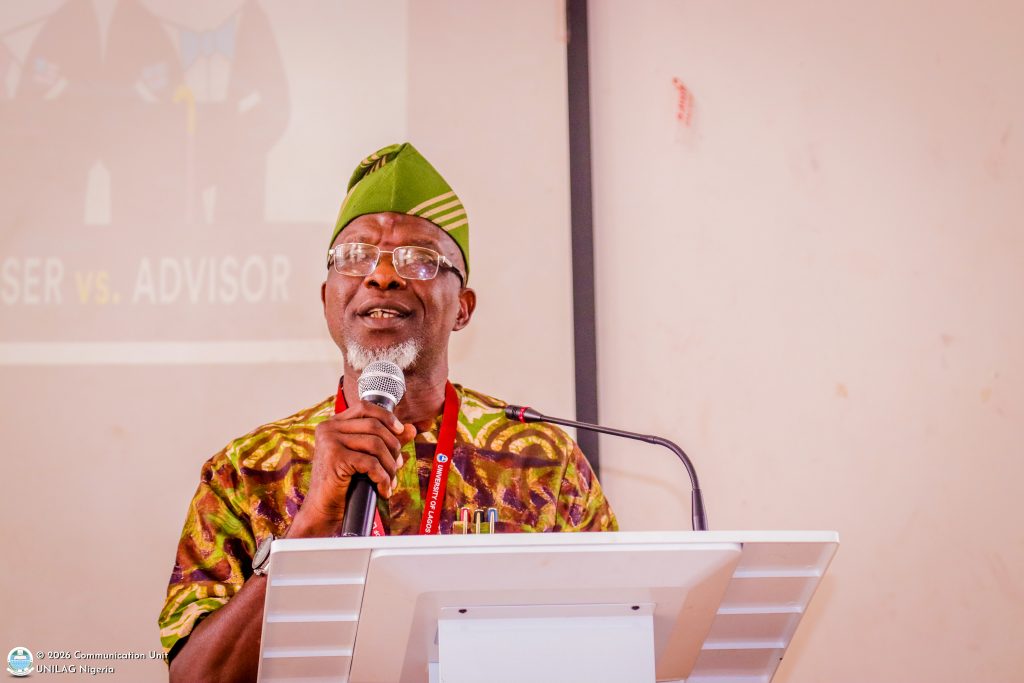
– Roles and Responsibilities of Course Advisers by Prof. Khalid Adekoya (Director, UNILAG School of Foundation Studies) who outlined the scope of academic advising, stressing the importance of fostering students’ sense of belonging and supporting their academic growth.
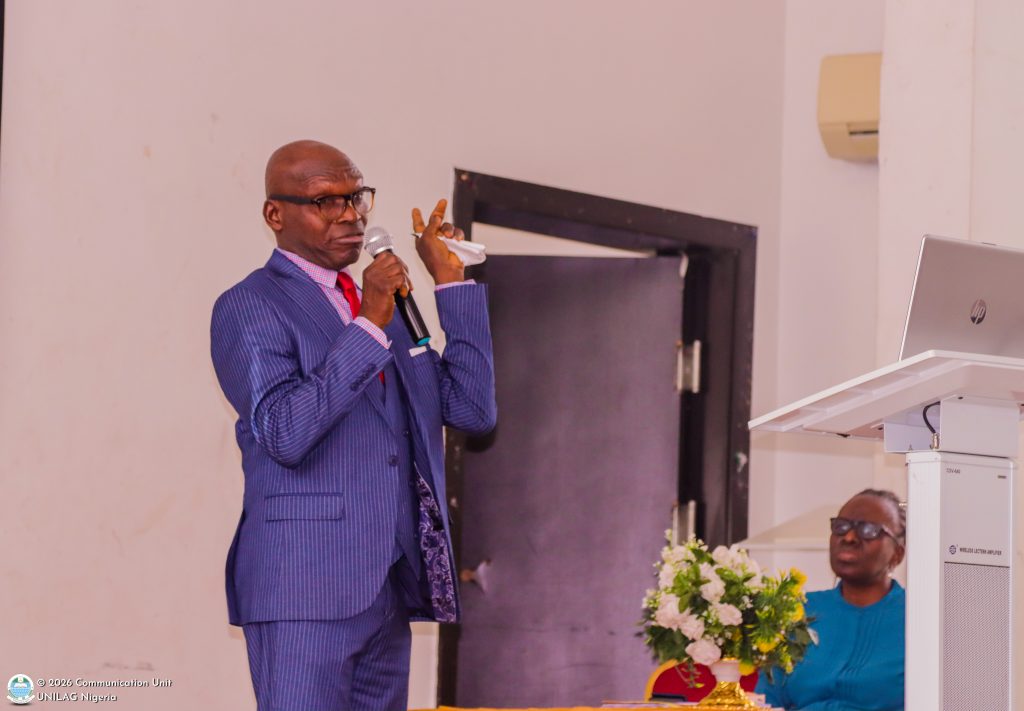

– Effective Student Engagement and Advising Strategies: Techniques for Supporting Students’ Academic Decisions And Goal-Setting by the Course Advisers of the Overall Best Graduating Students of the university’s 2024 and 2025 Convocation Ceremonies, Dr. O. O. Iroanya of the Department of Cell Biology and Genetics, Faculty of Life Sciences and Dr. Sunday Edegwa of the Department of Business Administration, Faculty of Management Sciences, respectively. Individually, they shared practical experiences from advising the students of those sets, offering strategies for guiding students in decision-making and goal-setting.
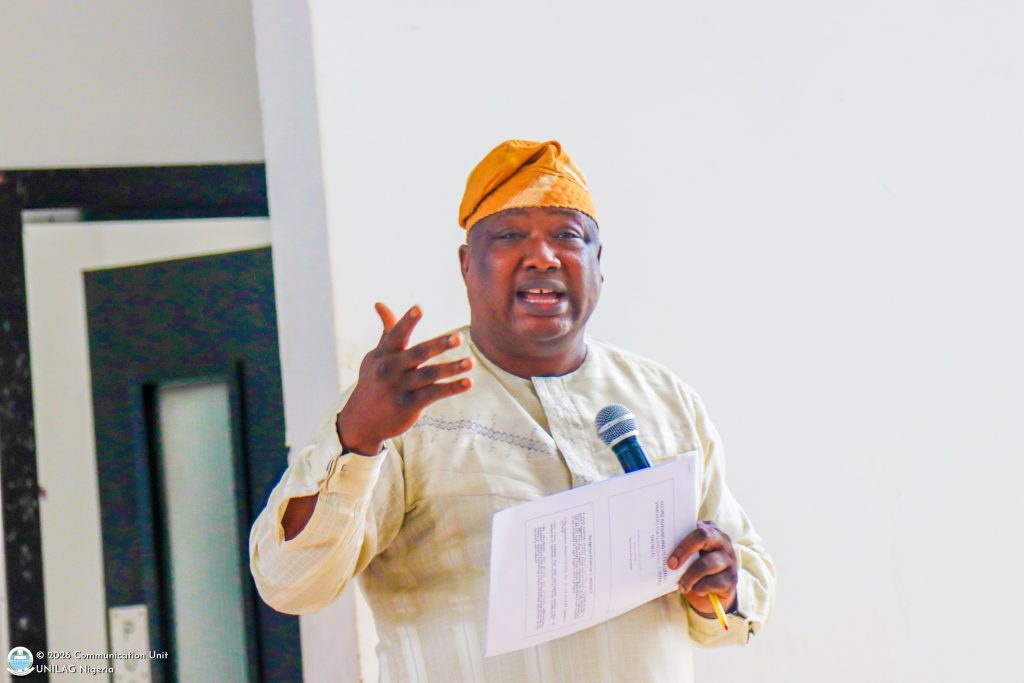
– Challenges of Course Advising: Strategies for Overcoming Common Obstacles by Dr. Afolayan Aroyewun of the Department of Psychology, Faculty of Social Sciences who highlighted common difficulties such as heavy workloads, unclear student goals, and curriculum changes. He proposed solutions to these difficulties including technology integration, simplified communication, and alignment with mental health support.
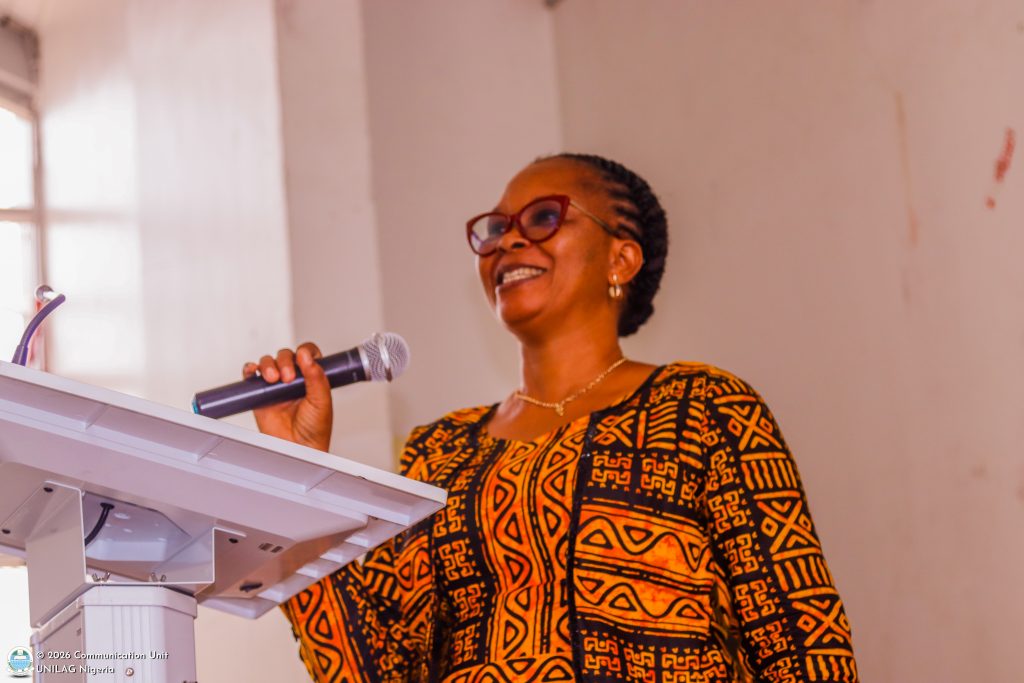
– Customer Service by Deputy Director, Quality Assurance and SERVICOM (QAS), Dr. Eno Akarawak, who emphasized the importance of empathy, communication, responding to enquiries, conflict management, and professional boundaries in student interactions.
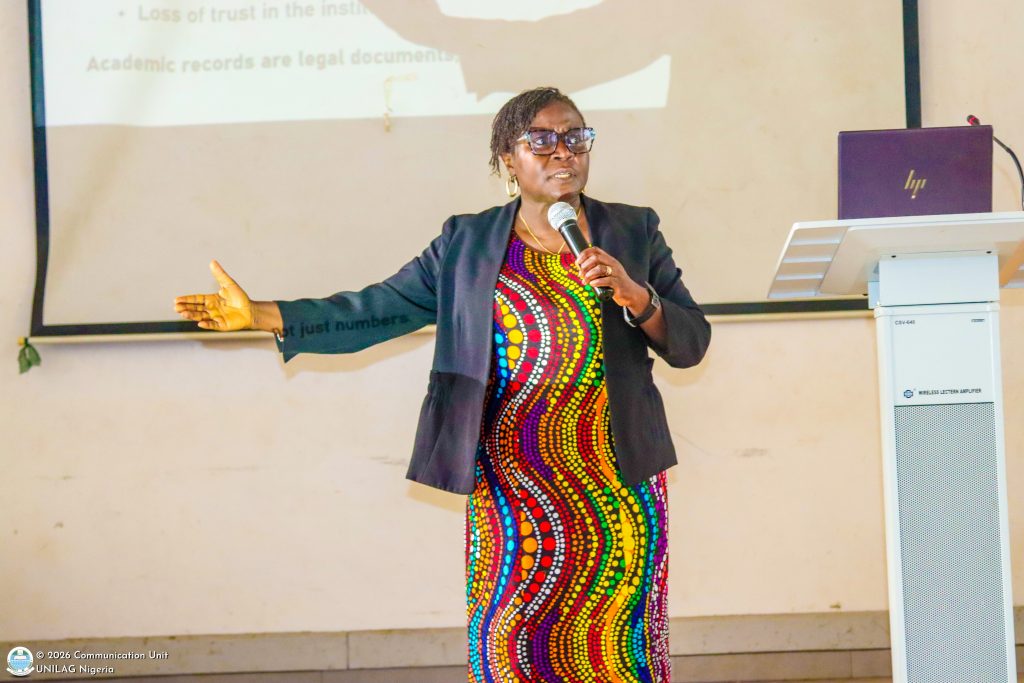
– Results Processing and Academic Record Management by Chairman of Business Committee of Senate (BCOS), Prof. Abimbola Sowemimo who stressed accuracy, confidentiality, and efficiency in handling student results.
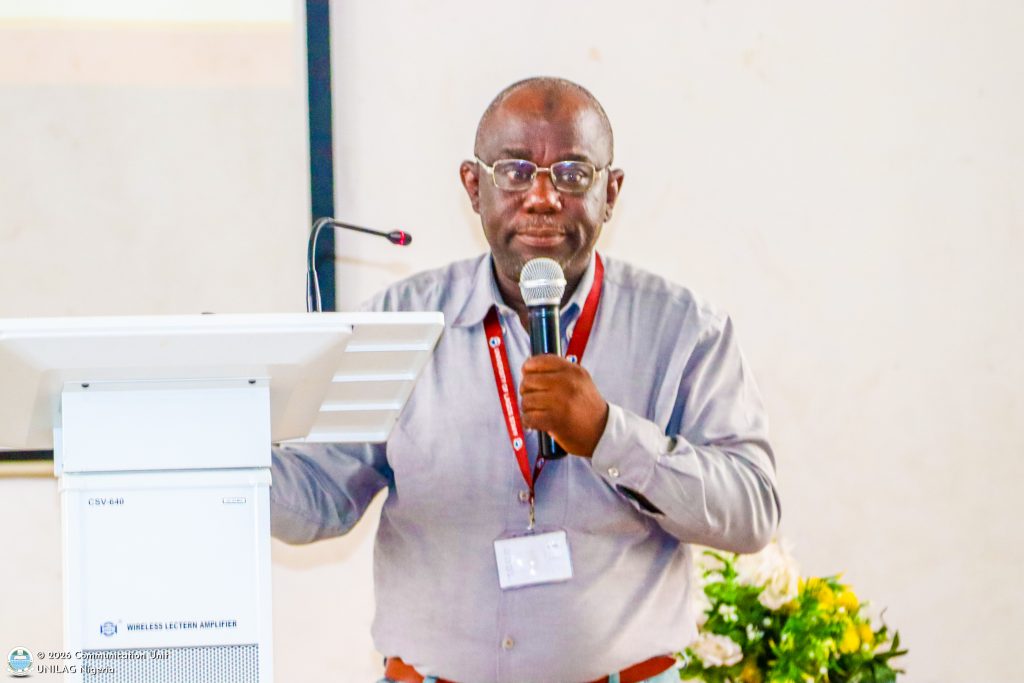
– Leveraging Technology for Efficient Course Advising and Student Support by Prof. M.O. H. Amuda, Director of the Adetokunbo Babatunde Sofoluwe Centre for Information Technology and Systems (ABS-CITS) who encouraged the use of digital tools to streamline advising tasks and enhance student support.
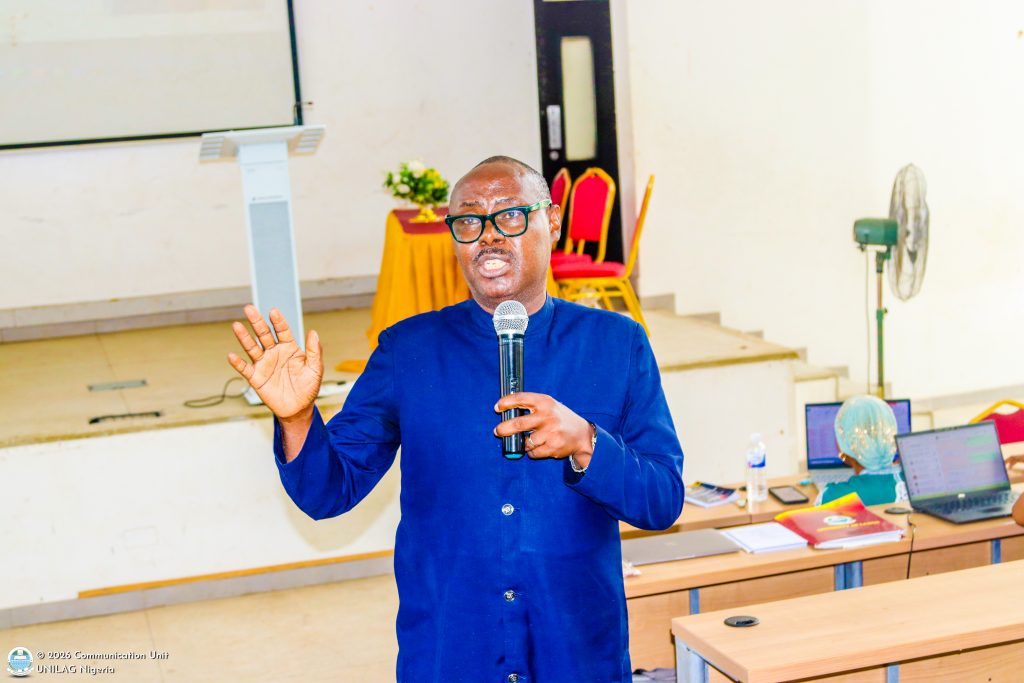

– Emotional Intelligence & Interpersonal Skills by Mr. Lucky Inegbenosun who discussed emotional intelligence and its importance in course advising; empathy, active listening and conflict resolution as essential skills for building trust and rapport with students.
Additionally, Director of the Academic Planning Unit, Prof. Olusoji Ilori, addressed concerns regarding the transition from Benchmark Minimum Academic Standards (BMAS) to Core Curriculum Minimum Academic Standards (CCMAS), clarifying policies and providing guidance.
The training concluded with a strong call for integrity, timeliness, and transparency in academic advising. Course advisers were urged to adopt best practices, ensure compliance with regulations, and protect students’ academic progress by minimizing delays and errors in result processing.
Author: Ndidi J. Odinikaeze
Photographer: Joshua Michael