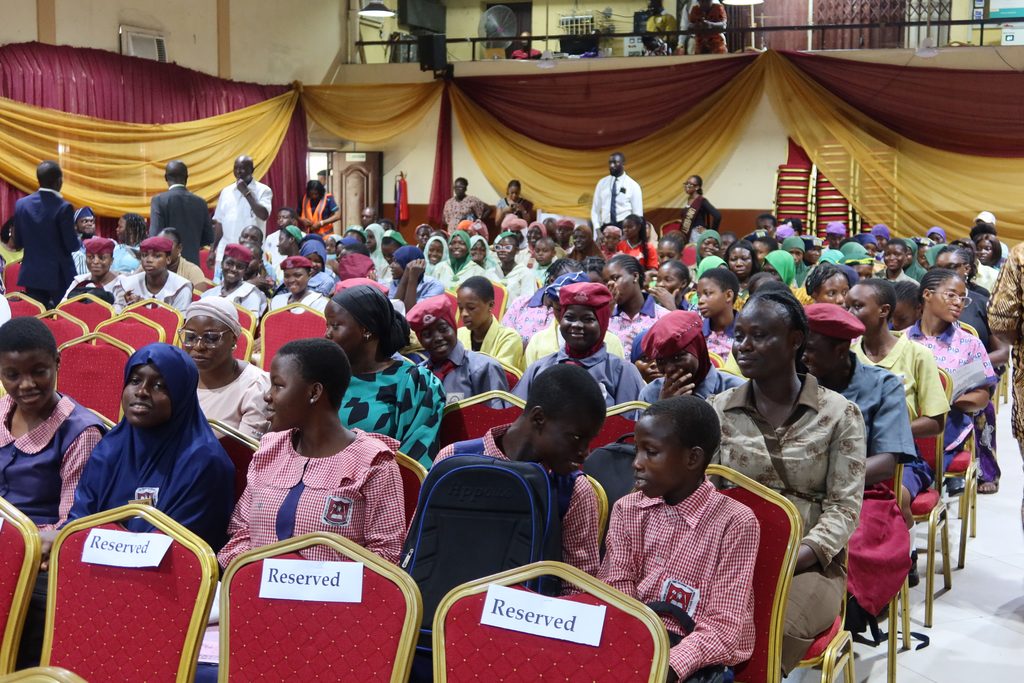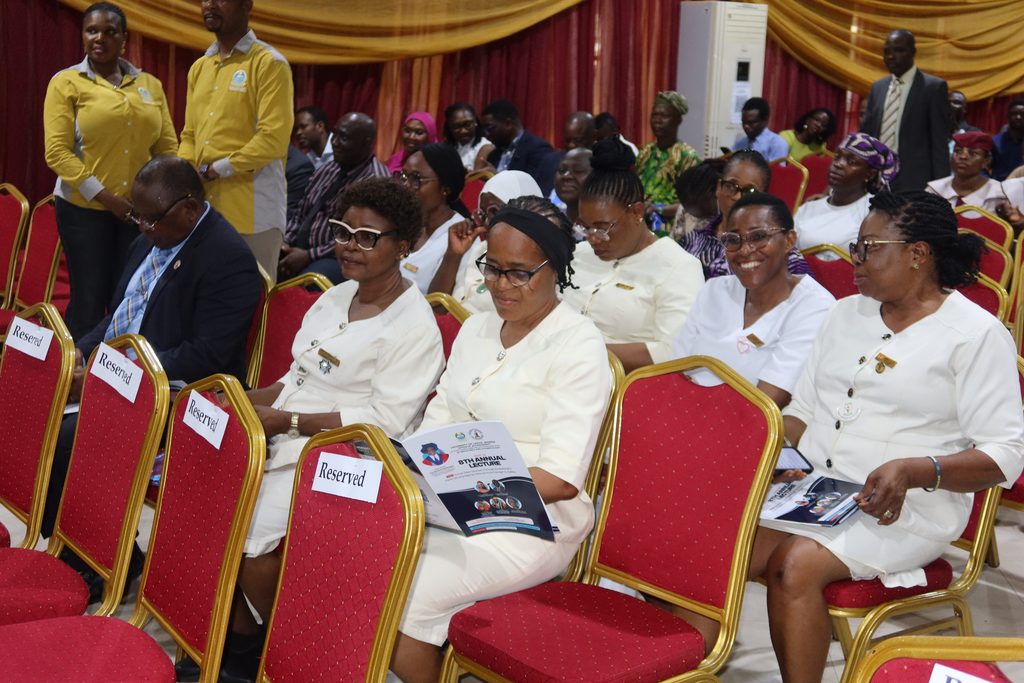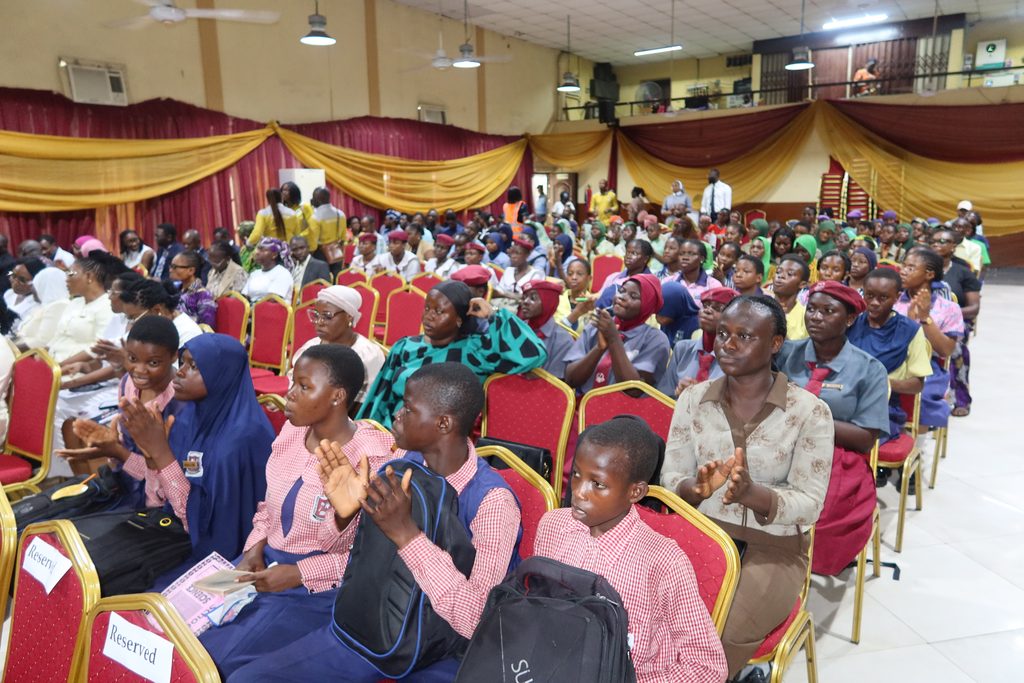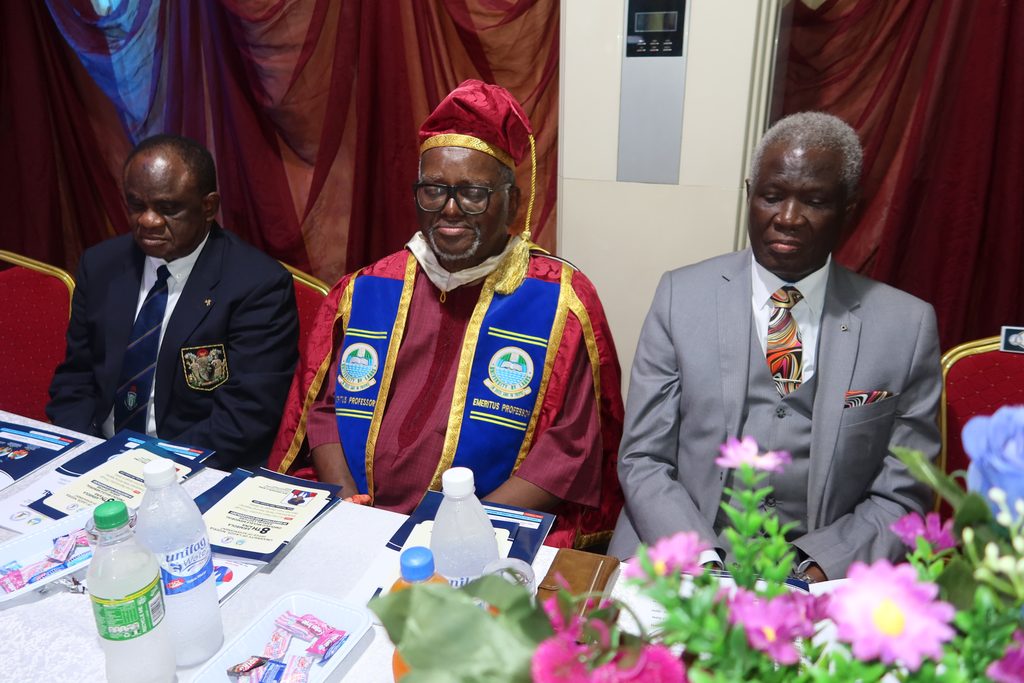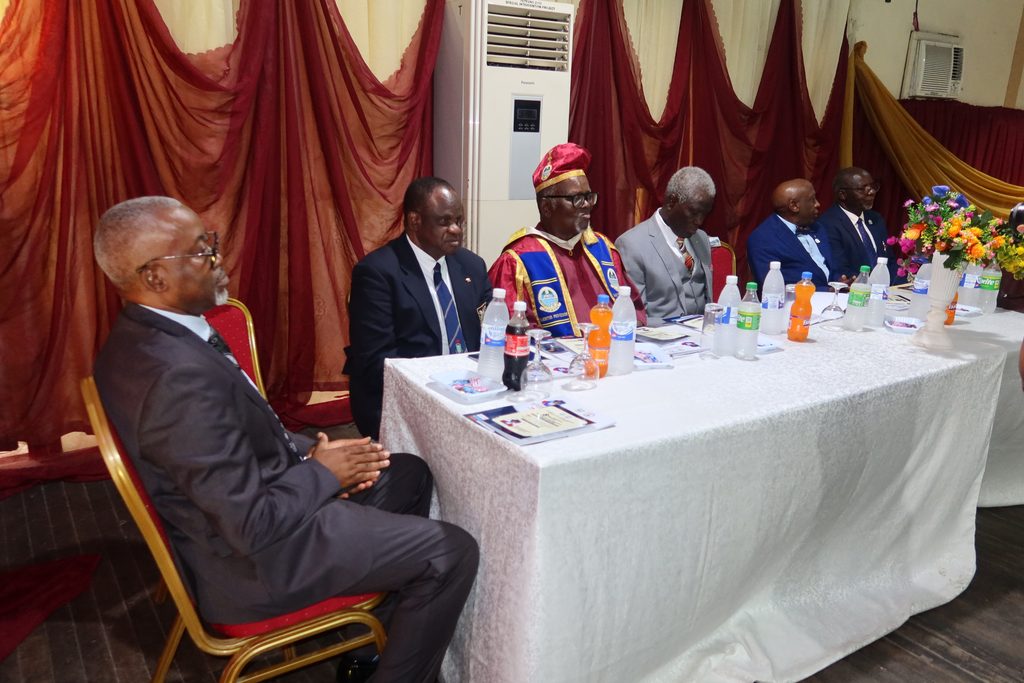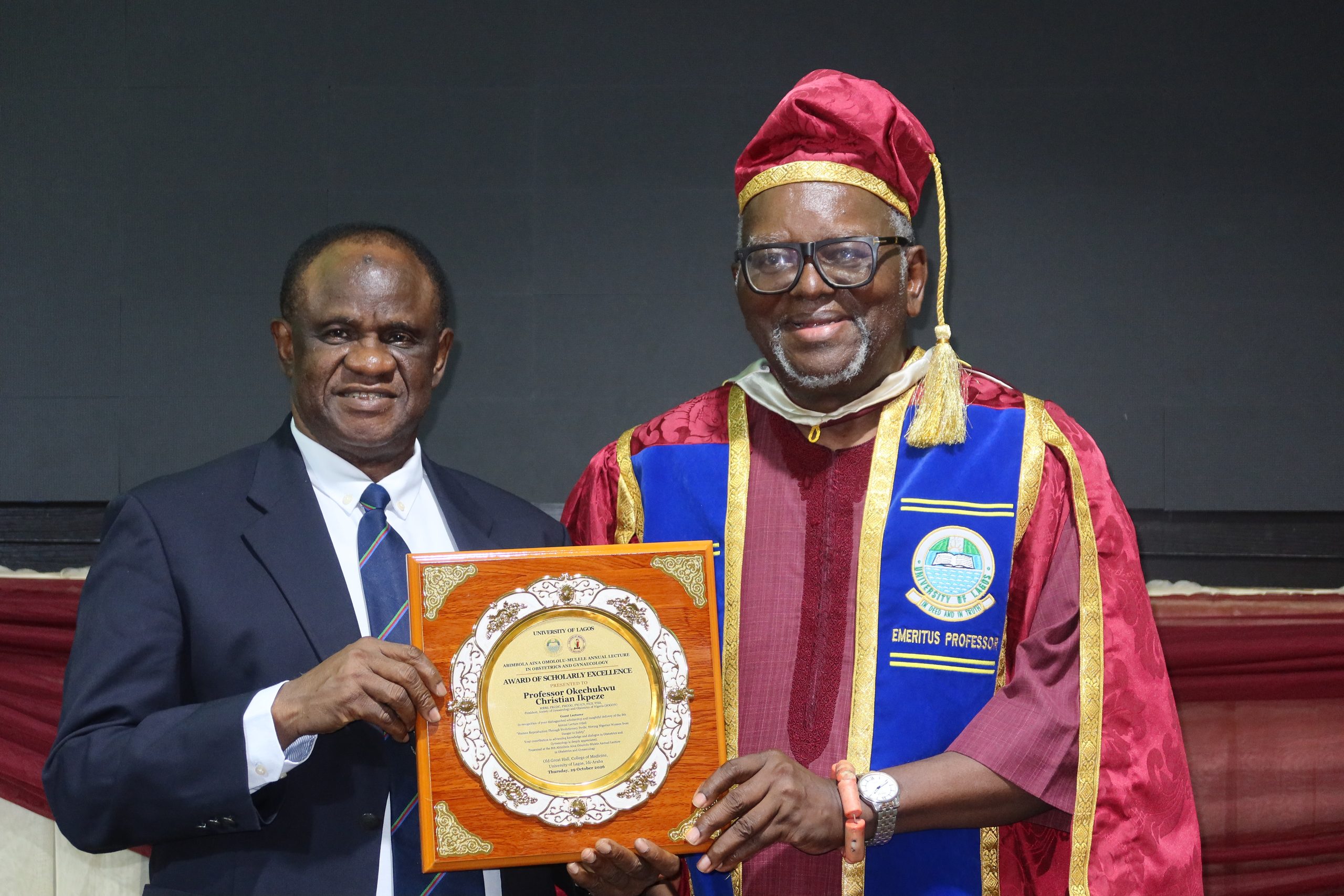

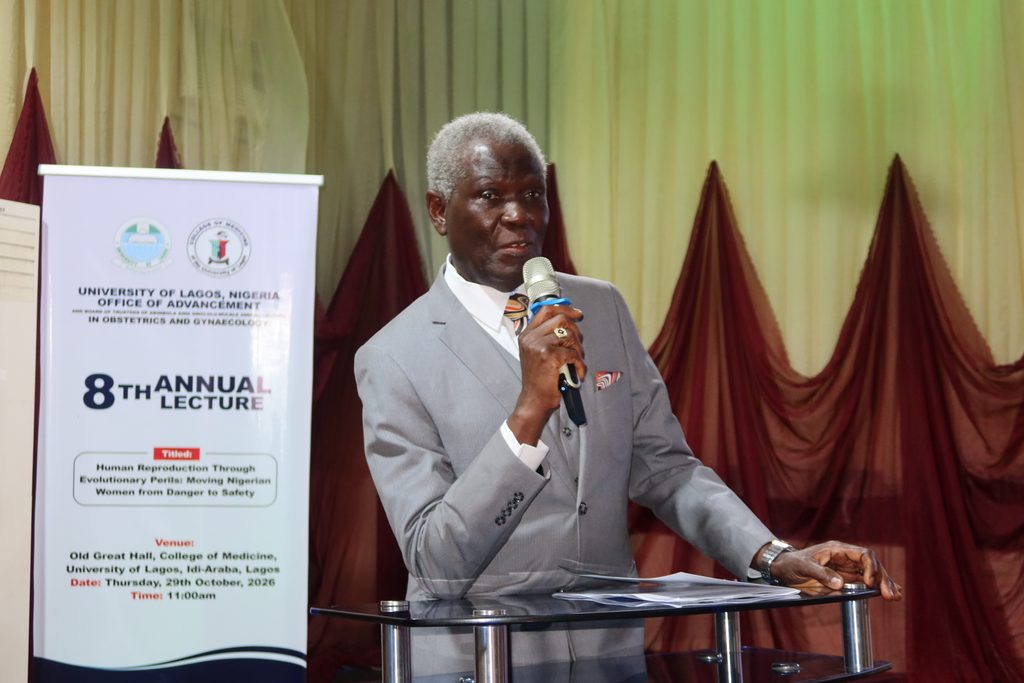
The persistent burden of maternal mortality in Nigeria and the need for stronger reproductive healthcare systems, evidence-based policies and improved access to quality maternal health services were at the centre of discussions at the 8th Abimbola Aina Omololu-Mulele Annual Lecture in Obstetrics and Gynaecology of the University of Lagos (UNILAG).
The lecture, titled “Human Reproduction Through Evolutionary Perils: Moving Nigerian Women from Danger to Safety,” was delivered by the President of the Society of Gynaecology and Obstetrics of Nigeria (SOGON), Professor Okechukwu Ikpeze, on Thursday, October 29, 2026, at the Old Great Hall, College of Medicine, University of Lagos, Idi-Araba.

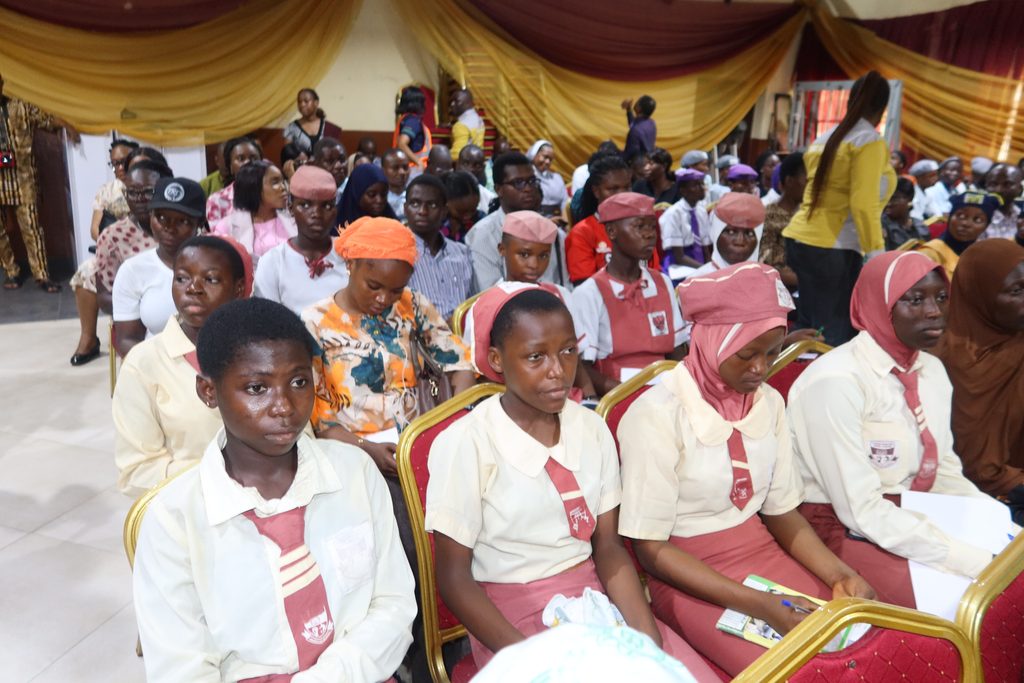
In his presentation, Professor Ikpeze examined the global and national burden of maternal mortality, describing the statistics as alarming. He noted that Sub-Saharan Africa accounts for approximately 70 per cent of global maternal deaths, underscoring the urgent need for sustained interventions to improve maternal health outcomes.
He discussed the major causes of maternal mortality and reviewed global and national efforts to reduce preventable deaths. Among the initiatives highlighted was the Safe Motherhood Initiative in Kenya, supported by the World Bank, the World Health Organization (WHO) and the United Nations Population Fund (UNFPA).

He also examined the six pillars of safe motherhood and their alignment with the Millennium Development Goals (MDGs), noting that although the initiative recorded some progress, significant challenges remain.
Reflecting on the Sustainable Development Goals (SDGs), the SOGON President reviewed Nigeria’s maternal mortality trend, noting that the country’s maternal mortality ratio declined only marginally from 1,094 deaths per 100,000 live births in 2010 to 993 per 100,000 live births in the 2023 estimates.
He stressed that accelerated, coordinated and sustained interventions would be required for Nigeria to achieve the SDG target of reducing maternal mortality to 140 deaths per 100,000 live births.
Professor Ikpeze also highlighted Federal Government’s initiatives aimed at reducing maternal and neonatal mortality but identified persistent challenges, including shortages of skilled health personnel, inadequate technical capacity, funding gaps and low public awareness.
He outlined SOGON’s interventions in promoting family planning, improving antenatal care, strengthening healthcare facilities and building the capacity of health professionals. He also discussed contraceptive prevalence in Nigeria and emphasised the need to expand access to reproductive health services.
Calling for collective action, Professor Ikpeze urged governments at all levels to demonstrate stronger commitment to maternal healthcare and encouraged professional associations to provide technical expertise, advocacy and accountability. He also called on development partners to support the sector through adequate resources and innovation, while stressing the need to train, motivate and equip healthcare workers.
He further emphasised the importance of community and family awareness, noting that women must be informed and empowered to seek and receive quality reproductive healthcare without cultural, social or other forms of inhibition.
Earlier, the Chairman of the Board of Trustees of the Annual Abimbola Aina Omololu-Mulele Lecture in Obstetrics and Gynaecology, Professor Oluwole Familoni, said the annual lecture had consistently served its purpose as a platform for knowledge sharing, reflection and policy dialogue on issues central to public health and women’s wellbeing.


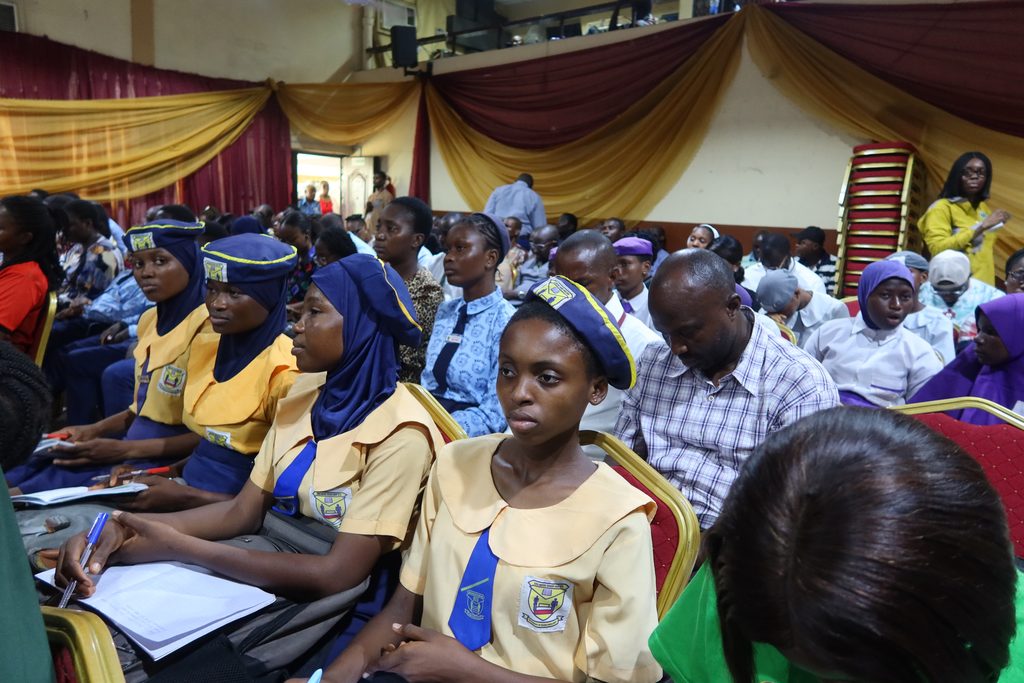
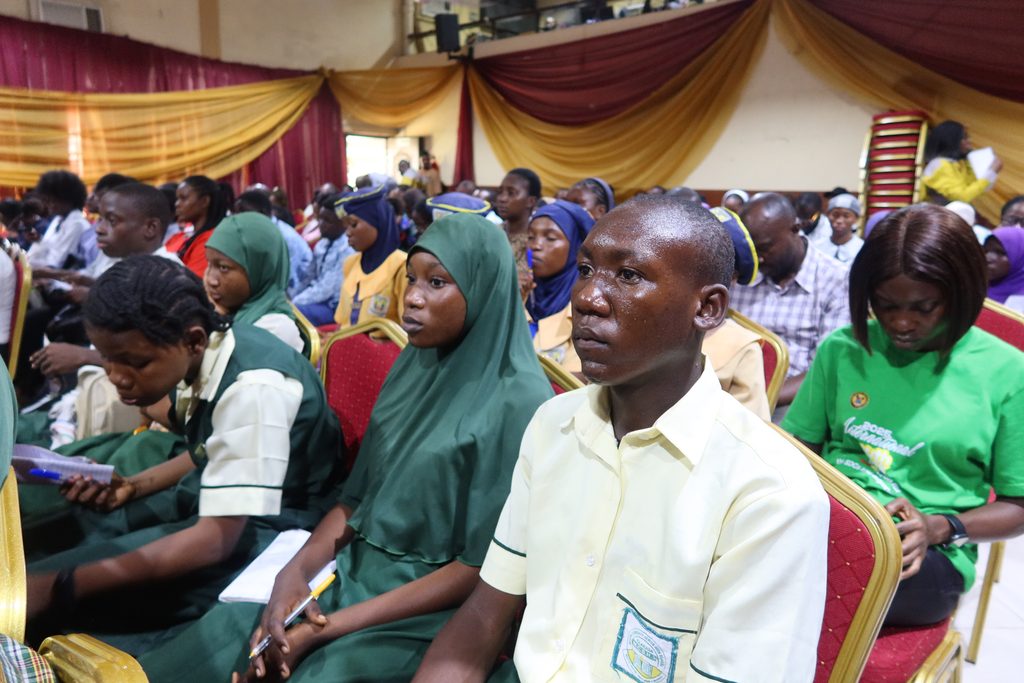
He commended the choice of the lecture’s theme, describing it as timely and relevant to persistent concerns surrounding maternal mortality, access to quality healthcare, cultural and social barriers to reproductive health education, delays in seeking medical attention and other challenges confronting Nigeria’s healthcare system.
Professor Familoni advocated concerted efforts to strengthen maternal health services, improve access to reproductive healthcare, promote effective public education and ensure timely, affordable and respectful treatment for every woman.
The former Deputy Vice-Chancellor, Academics and Research, stressed that scientific innovations must be complemented by evidence-based policies, community engagement and collective responsibility to advance maternal safety.
He also expressed appreciation to the donor’s family for sustaining the endowment and reaffirmed the Board’s commitment to ensuring its optimal utilisation in promoting research in Obstetrics and Gynaecology.
In his remarks, the Provost, College of Medicine, University of Lagos, Professor Ademola Oremosu, commended the framework established to guide the donor’s philanthropic gesture, noting that it had contributed significantly to the sustainability of the annual lecture over the years.


He also appreciated the University Management, the Office of Advancement, the Lecture Committee and the Board of Trustees for their commitment to sustaining the donor’s vision.
Professor Oremosu noted that the lecture had contributed to addressing critical issues in Obstetrics and Gynaecology through research, advocacy and recommendations. He described the theme of the 8th edition as particularly relevant to contemporary maternal health challenges, especially reproductive healthcare and the urgent need for innovation, increased funding and interdisciplinary collaboration.
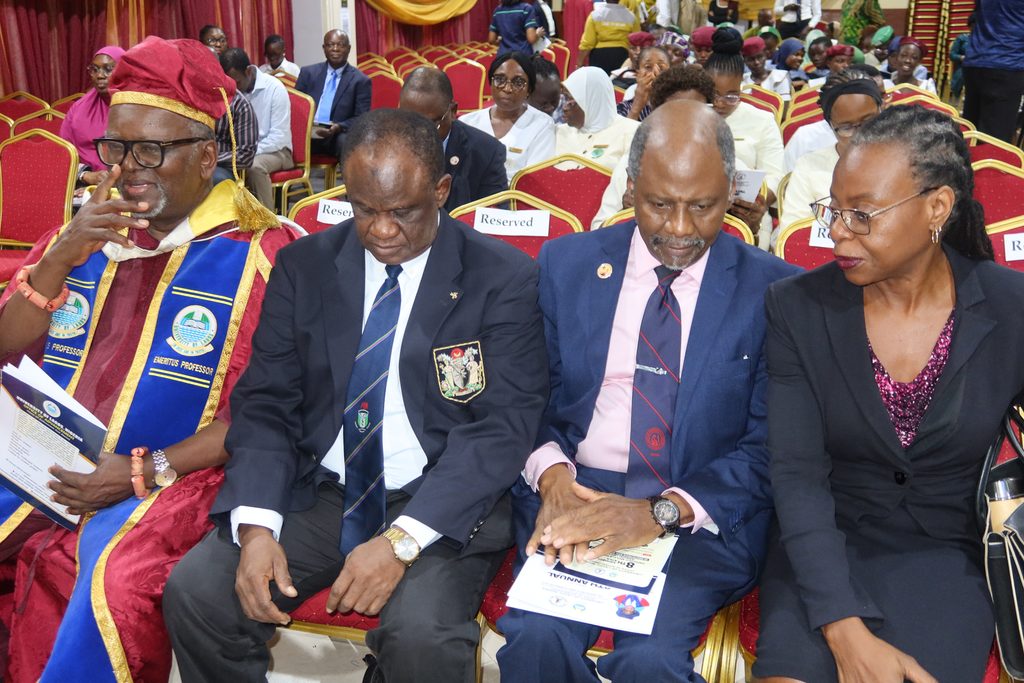
Also speaking, the Chairman of the 8th Abimbola Aina Omololu-Mulele Memorial Annual Lecture in Obstetrics and Gynaecology, Professor Oladapo A. Ashiru, OFR, raised concerns about increasing exposure to endocrine-disrupting chemicals and their potential effects on human health and reproduction.
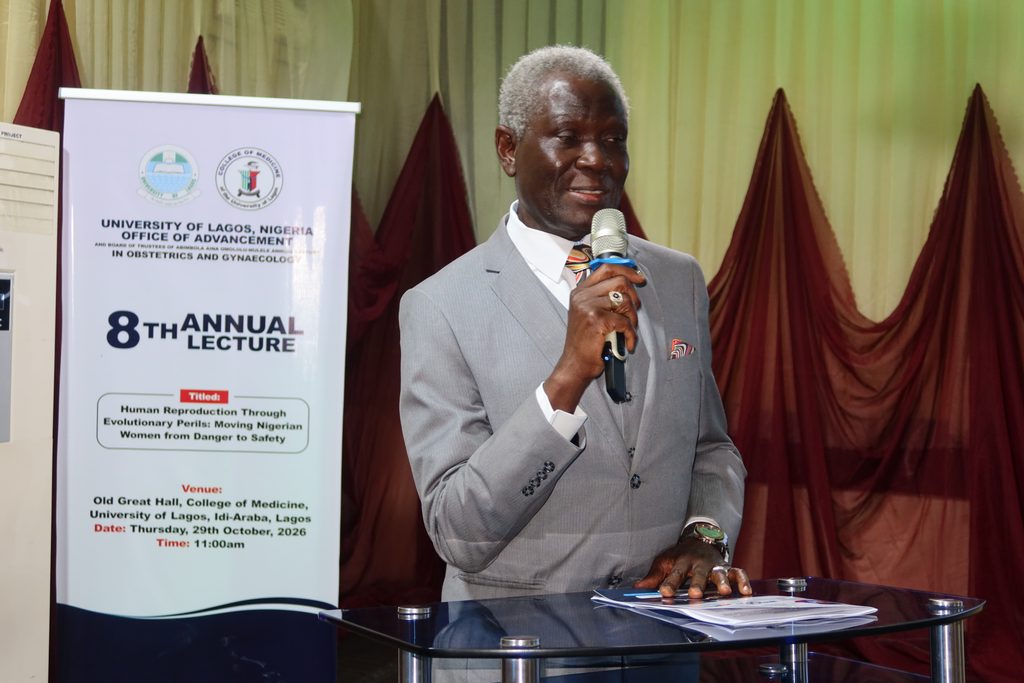
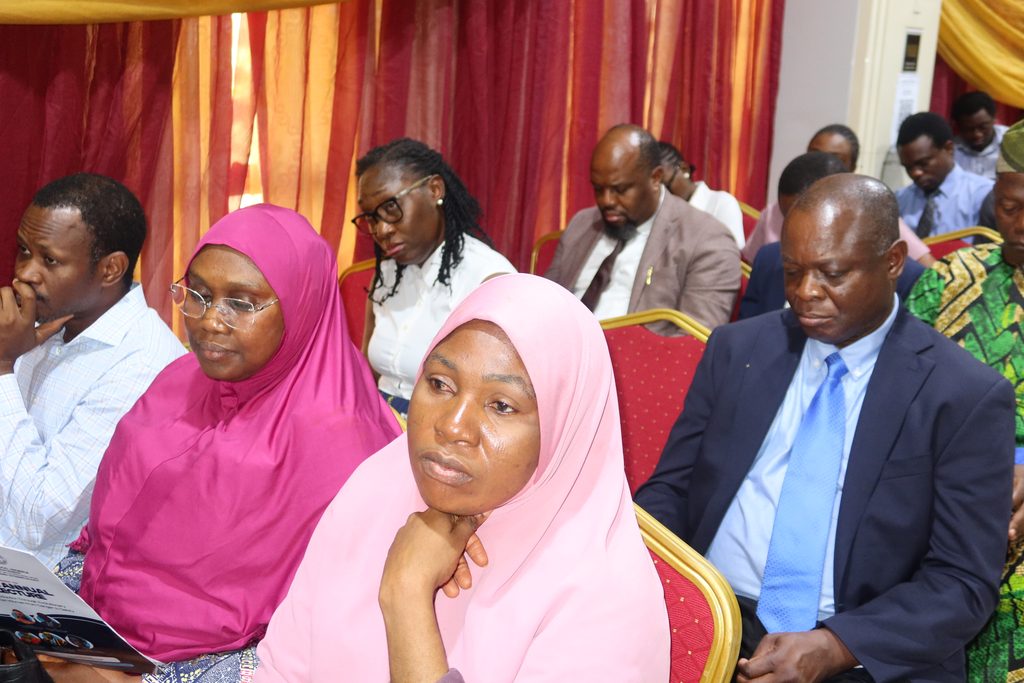
He identified exposure to these chemicals as an emerging concern for maternal and reproductive health, alongside established complications such as haemorrhage, obstructed labour, eclampsia and unsafe abortion.
Professor Ashiru expressed particular concern about the extent of human exposure to endocrine-disrupting chemicals, often without public awareness, and their potential implications for reproductive health, fertility and the metabolic health of children.
To address the challenge, he advocated the inclusion of environmental exposure history in clinical assessments, increased local research to generate Nigeria-specific evidence and stronger regulatory controls on mercury in cosmetics, hazardous pesticides and chemicals in food-contact plastics.
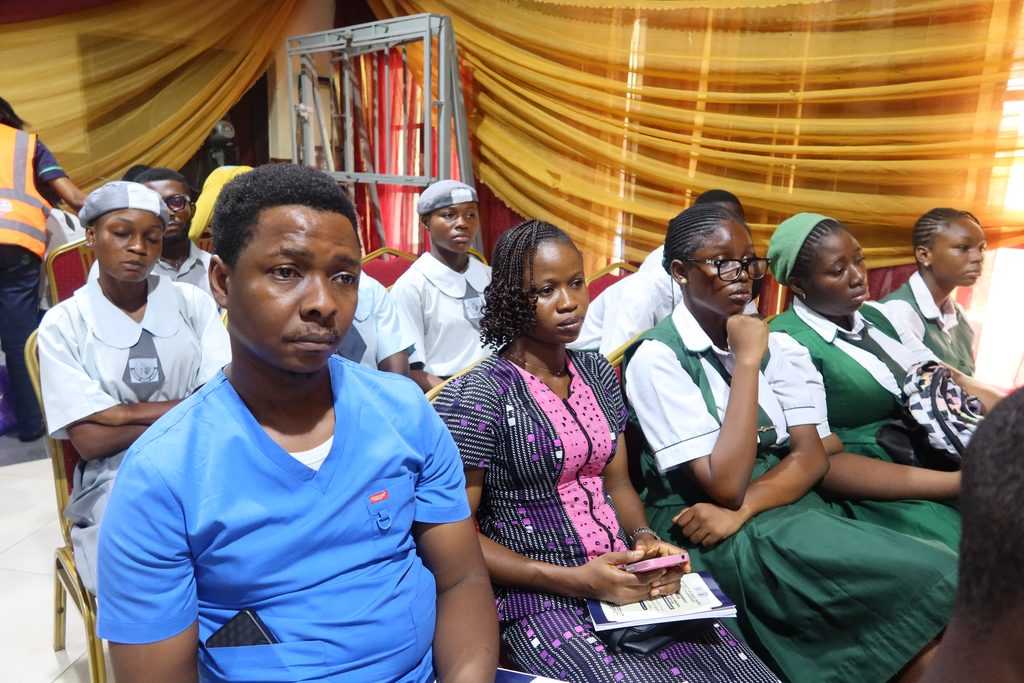
He also called for greater public enlightenment on endocrine-disrupting chemicals to promote preventive practices and encourage measures that protect the health of mothers and unborn children.
The 8th Abimbola Aina Omololu-Mulele Annual Lecture in Obstetrics and Gynaecology also featured a presentation by Dr Ayokunle Olumodeji, winner of the 3rd Abimbola Aina Omololu-Mulele Research Grant.




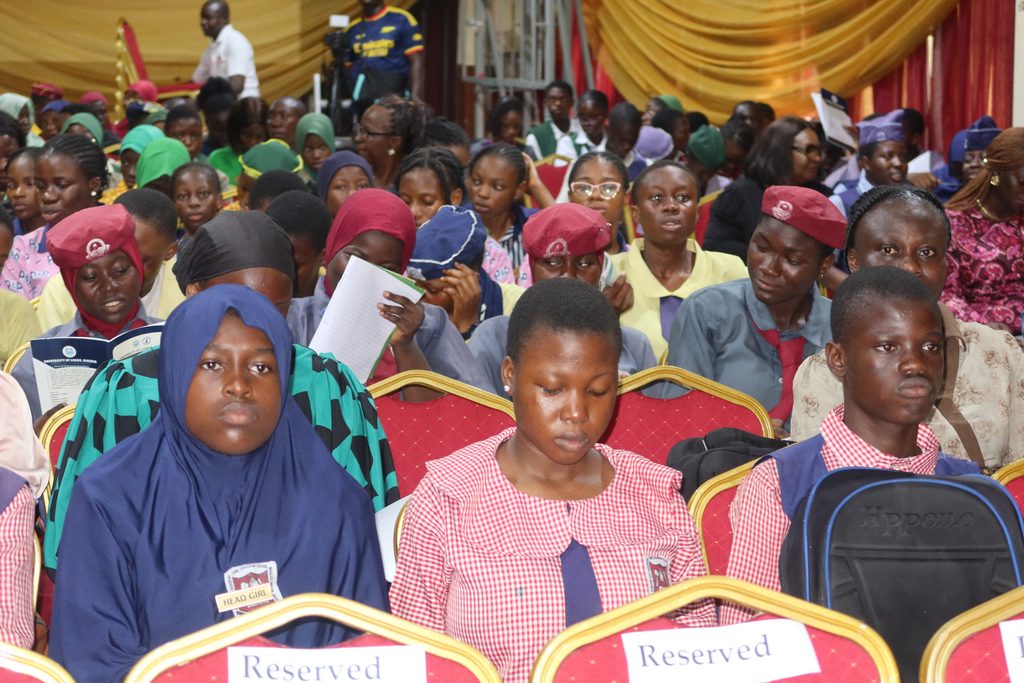

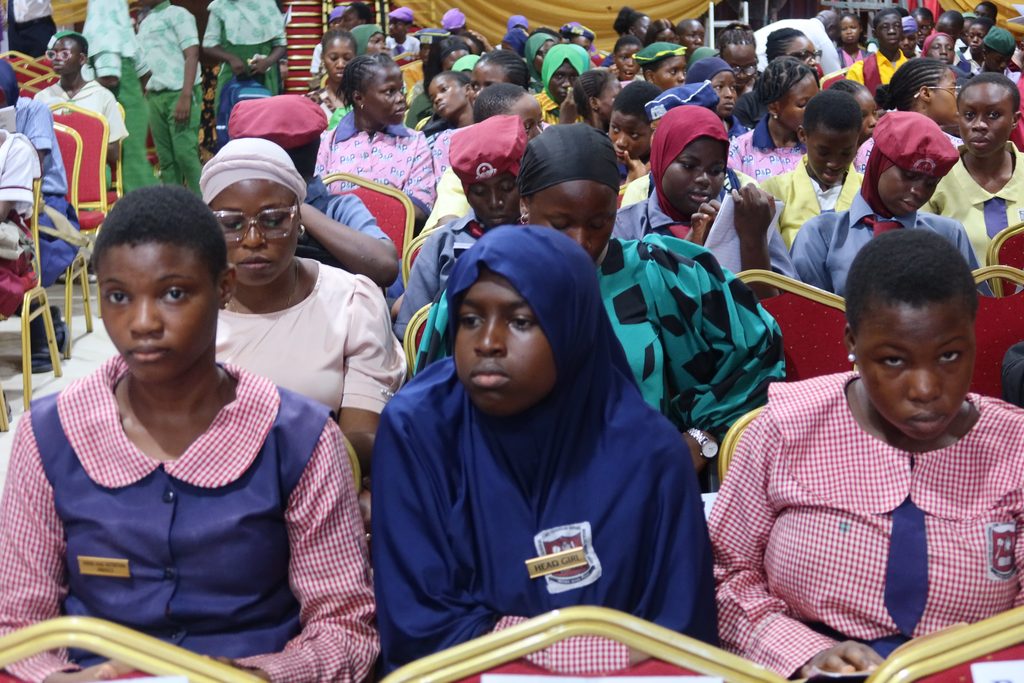

The Donor
Chief Frederica Abimbola Aina Omololu-Mulele was a lawyer, educationist and philanthropist whose contributions to public service and education left a lasting legacy.
Her career included several years in the civil service as a Crown Counsel. In furtherance of her commitment to education, she established the Abimbola Da-Rochas Afodu Omololu (ADRAO) International School in 1963. The school relocated to its present location on Ahmadu Bello Street, Victoria Island, in 1964 and formally opened by Nigeria’s late Prime Minister, Sir Abubakar Tafawa Balewa.
Chief Frederica Abimbola Aina Omololu-Mulele died in 2009.


The Endowment
The Abimbola Aina Omololu-Mulele Annual Lecture in Obstetrics and Gynaecology is one of two endowments, each valued at Thirty-Six Million Naira (₦36,000,000), bequeathed to the University of Lagos through the donor’s Will and Testament.
The endowment reflects her commitment to stimulating research and advancing knowledge in Obstetrics and Gynaecology. It also ensures that her philanthropic legacy continues to support scholarship and contribute to improving women’s health.