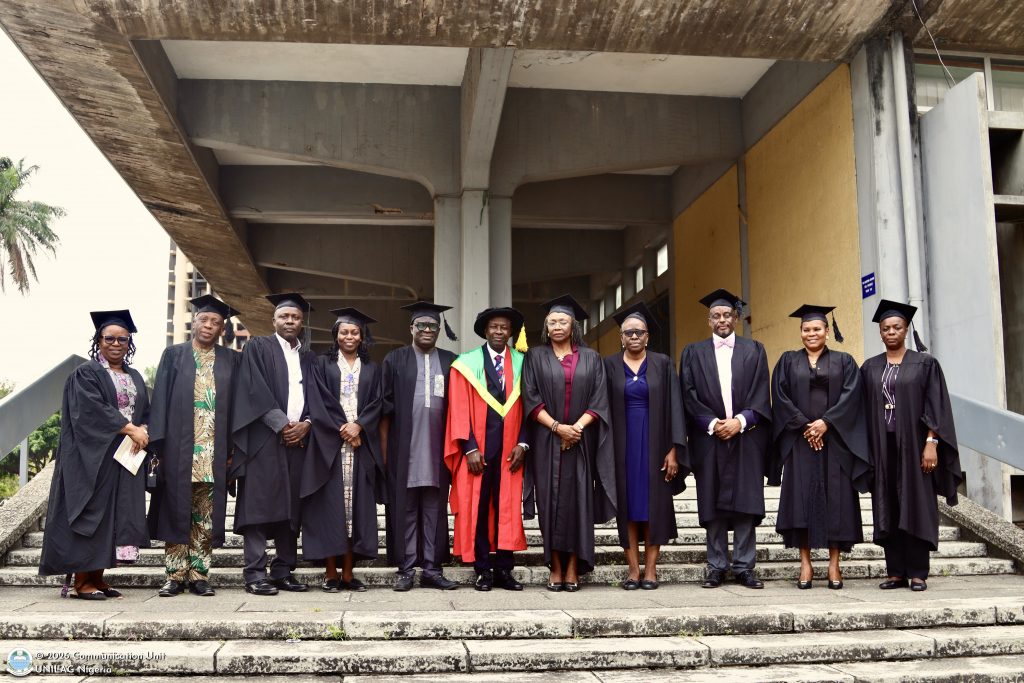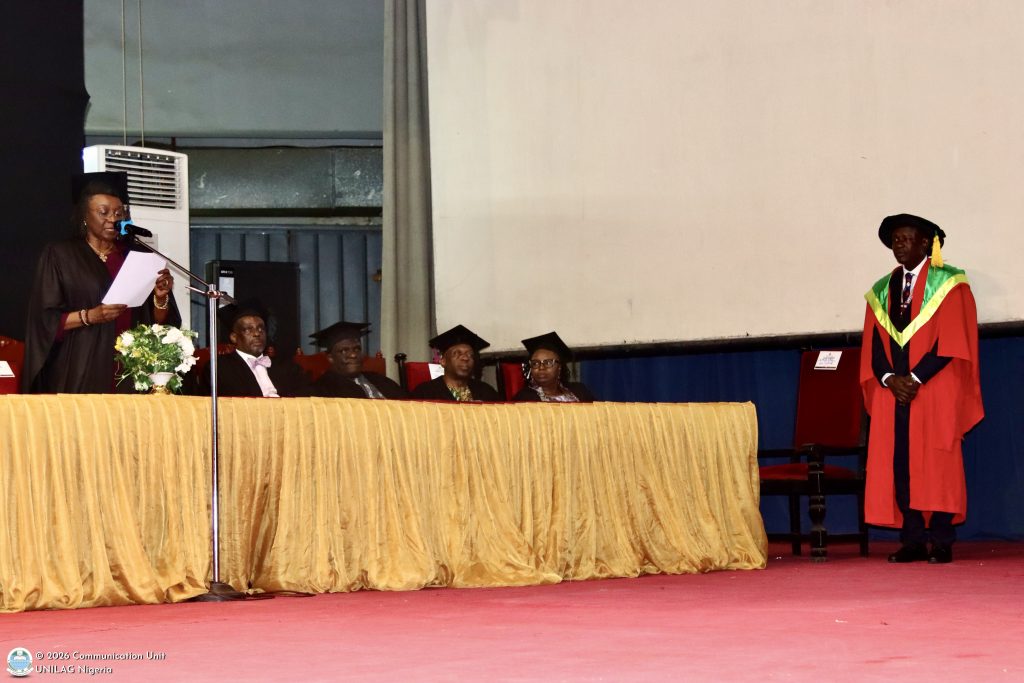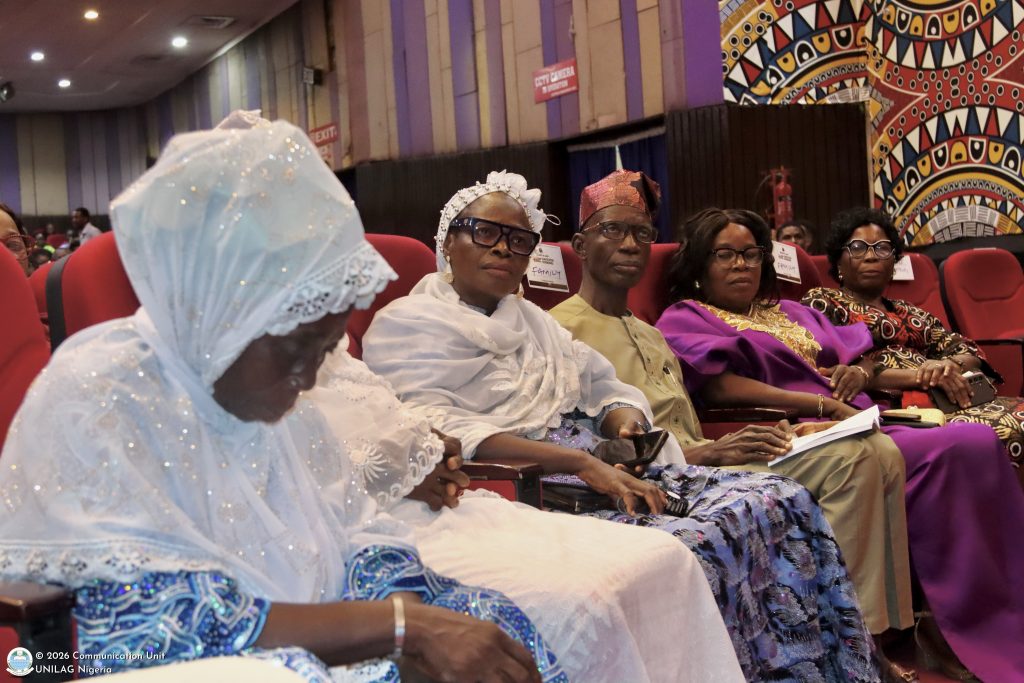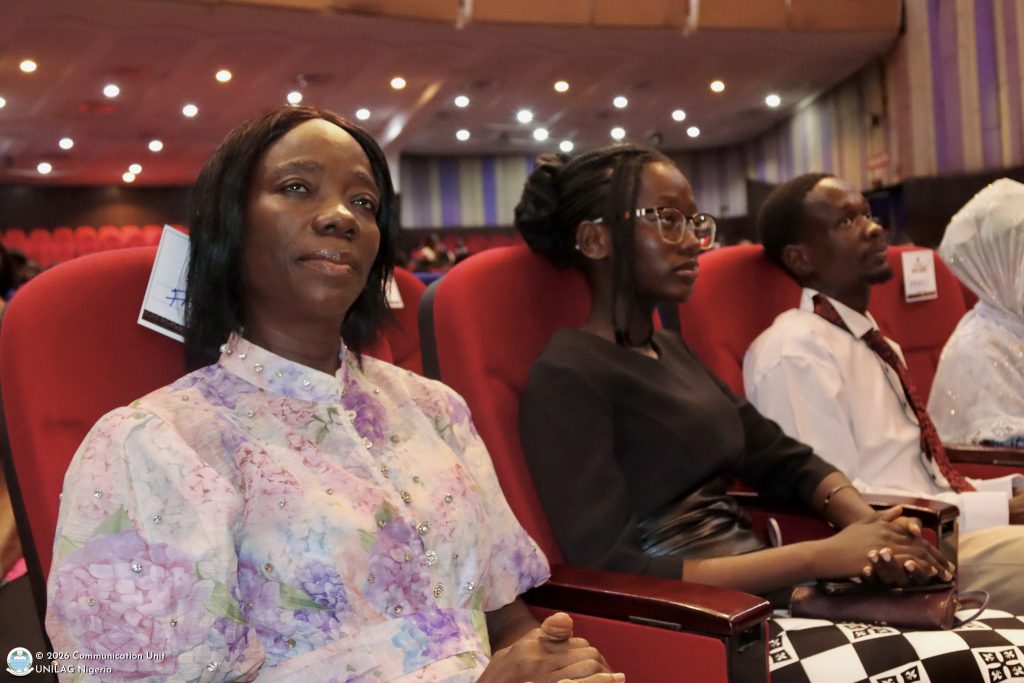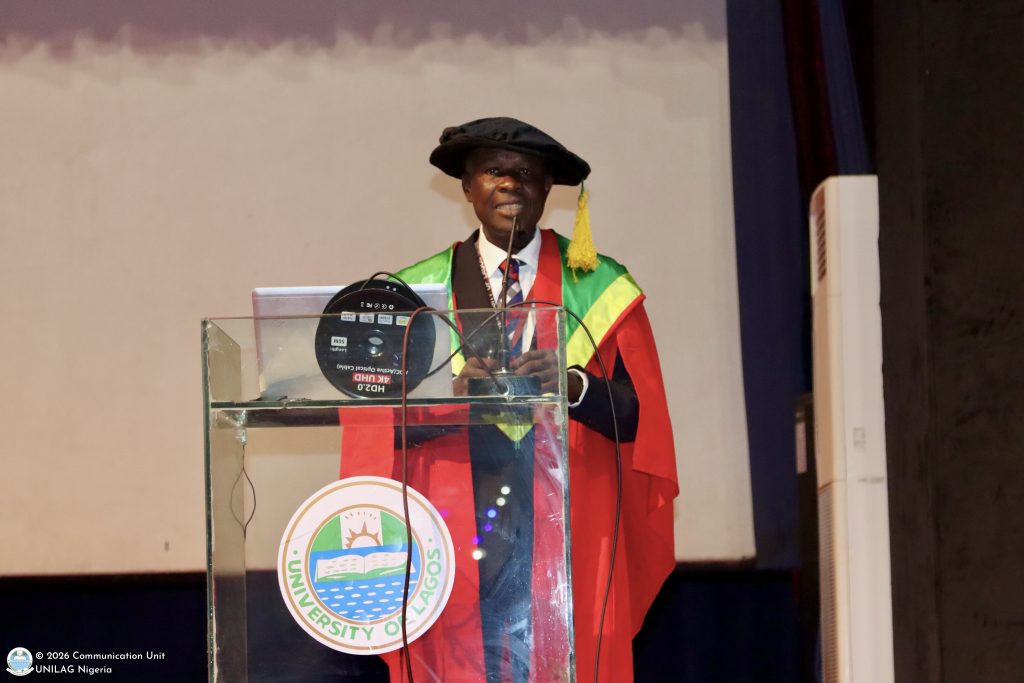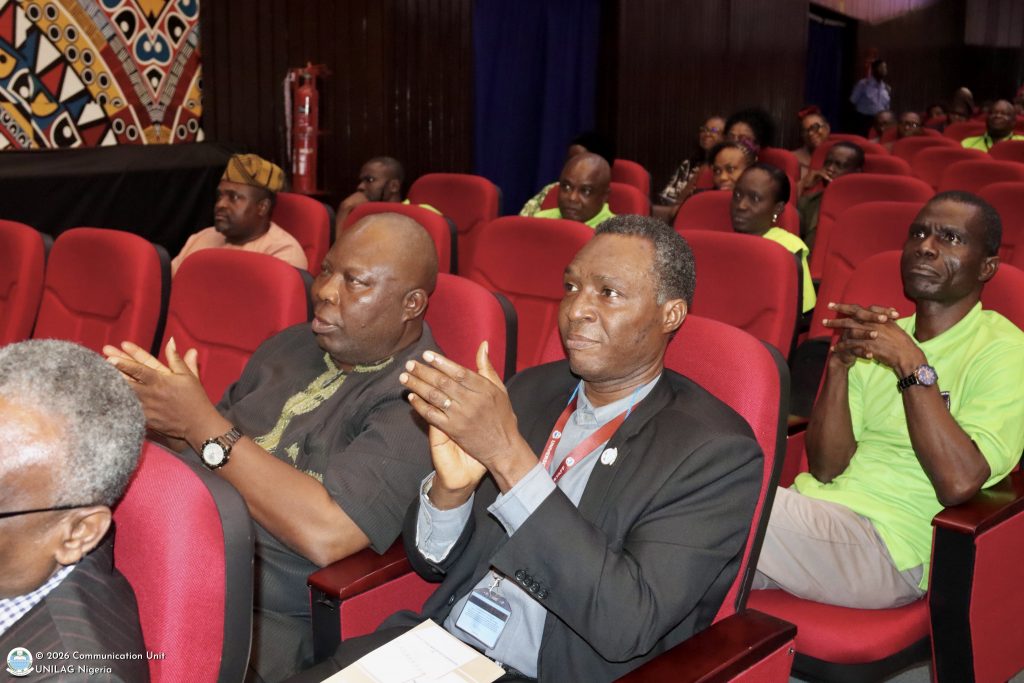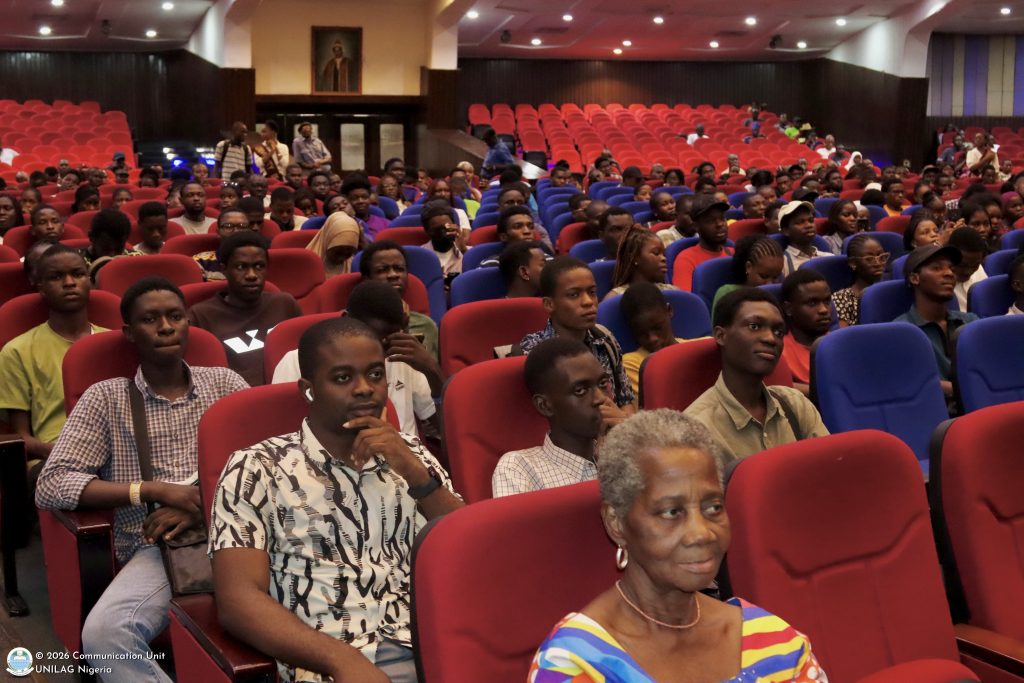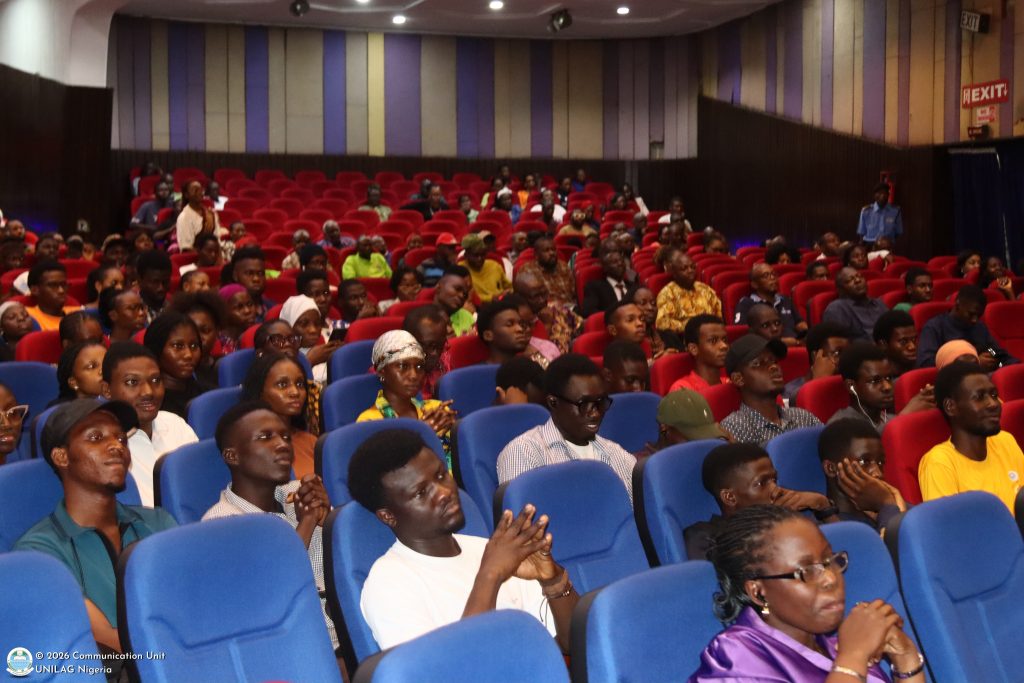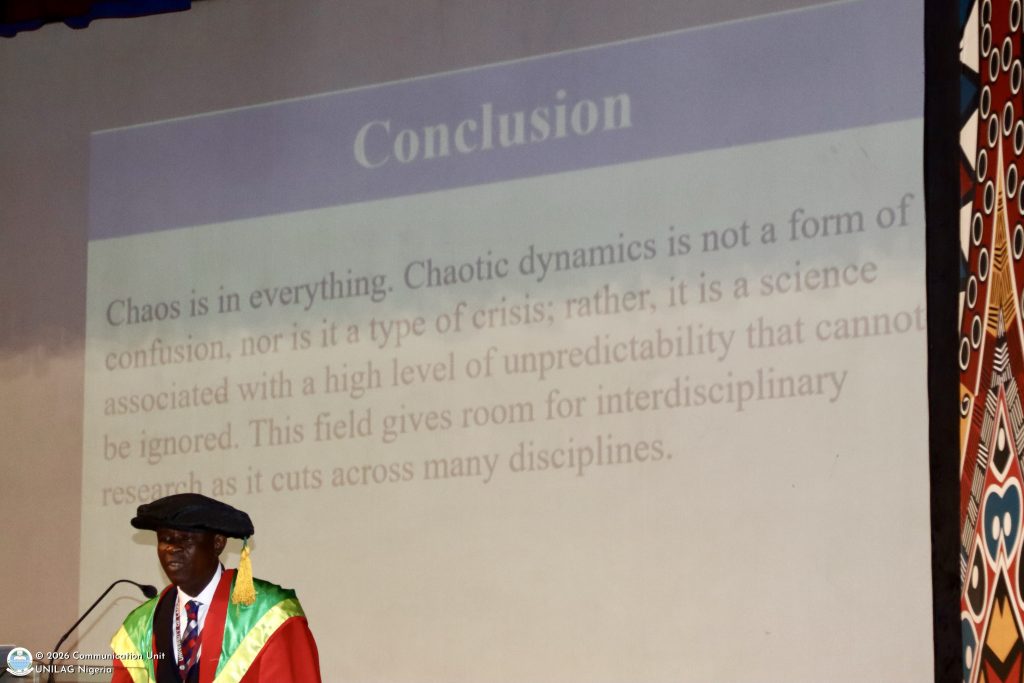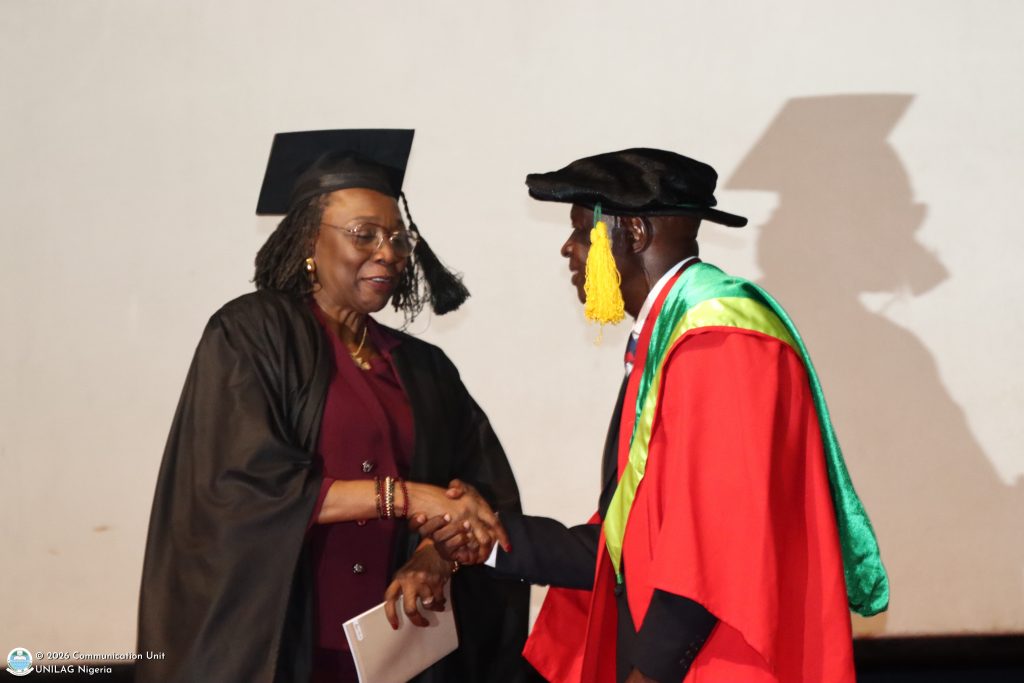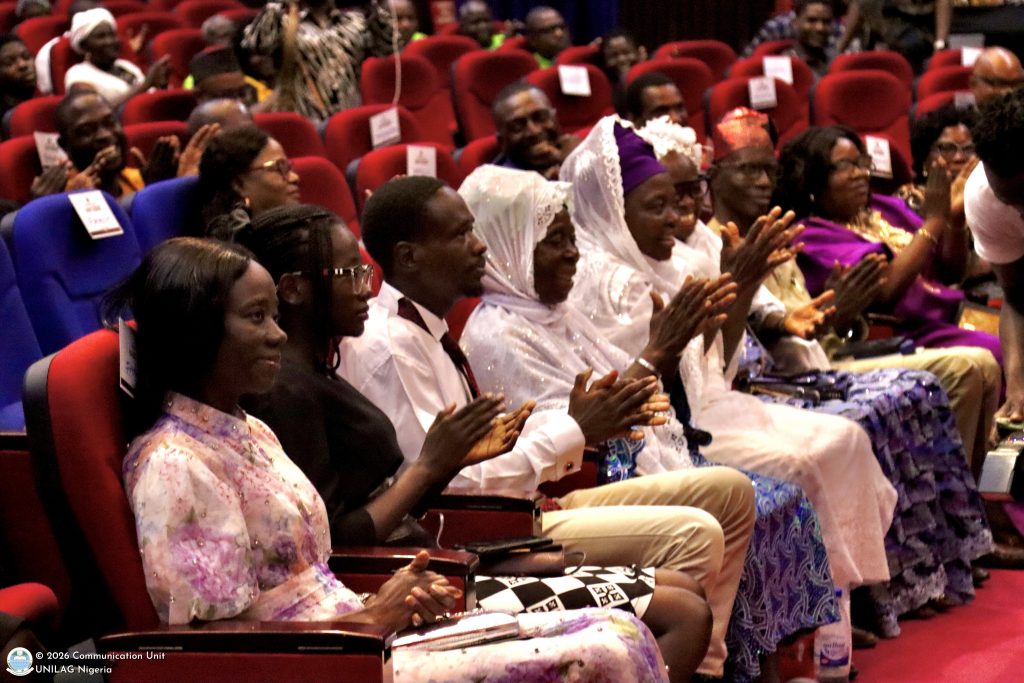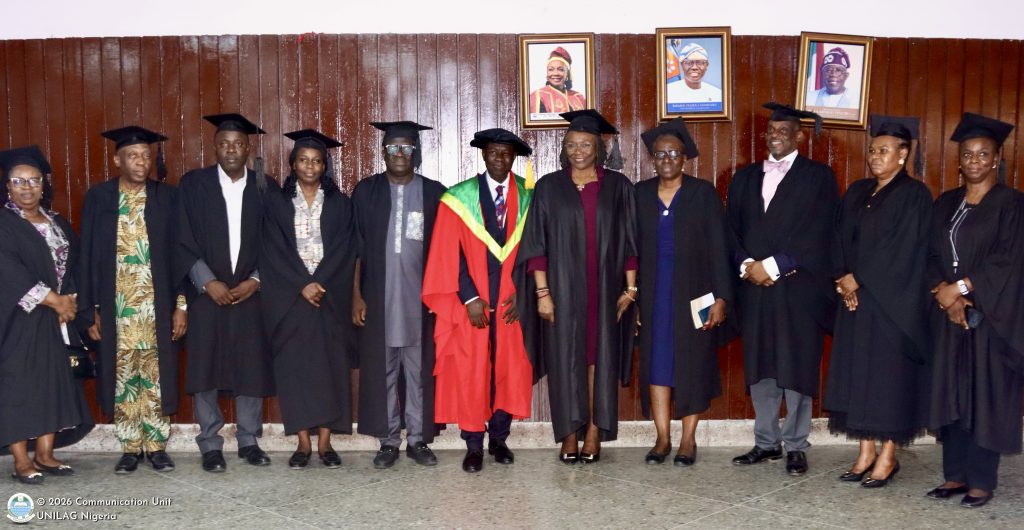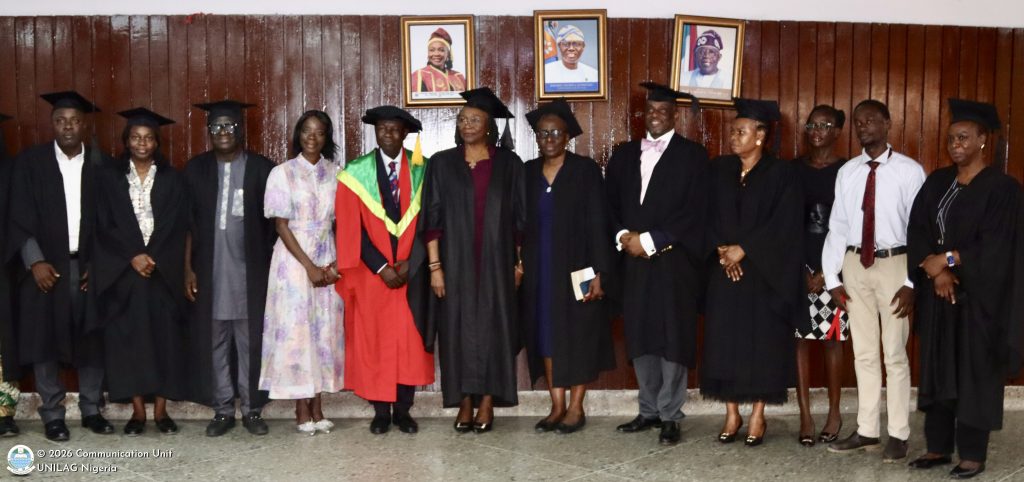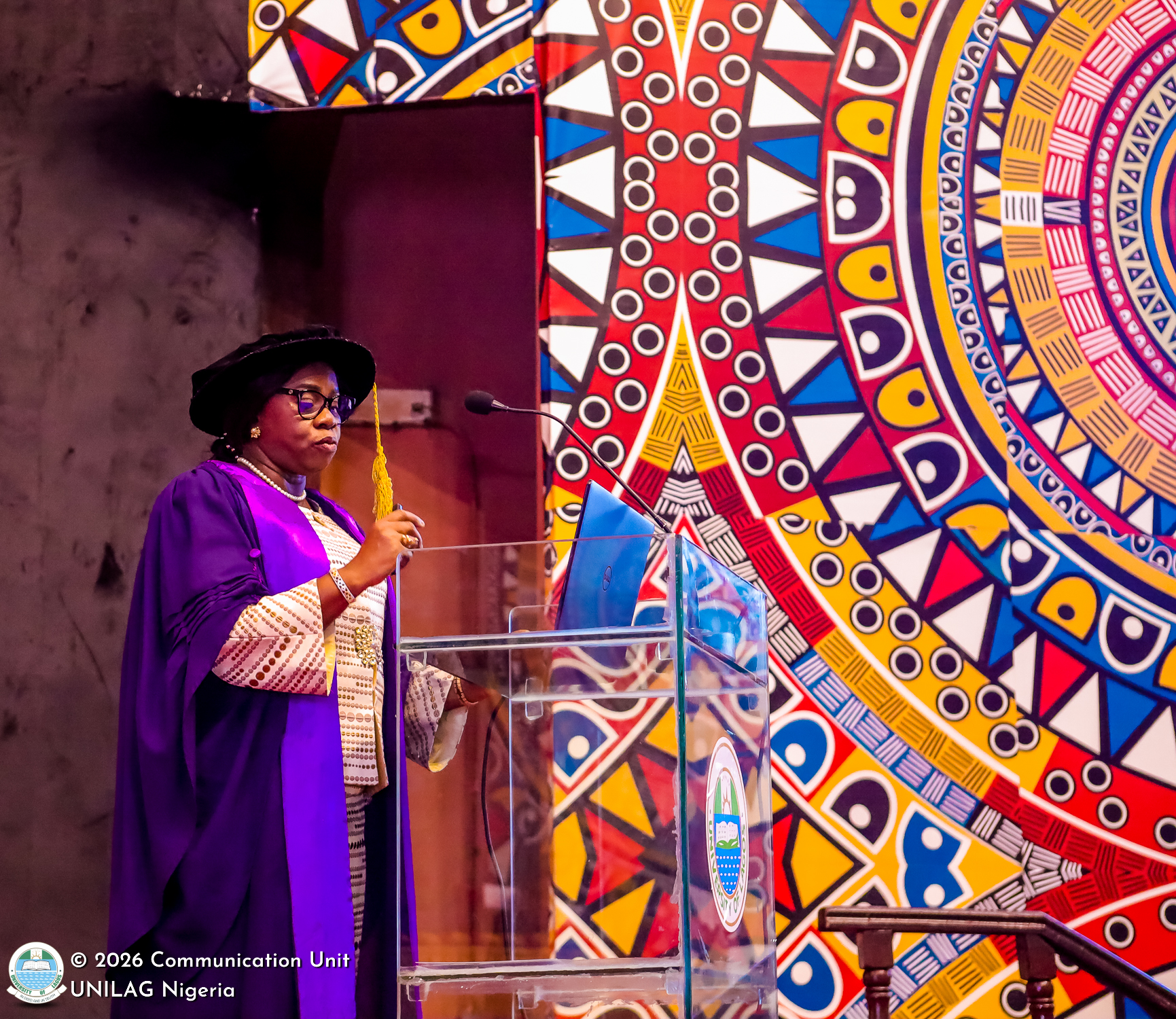
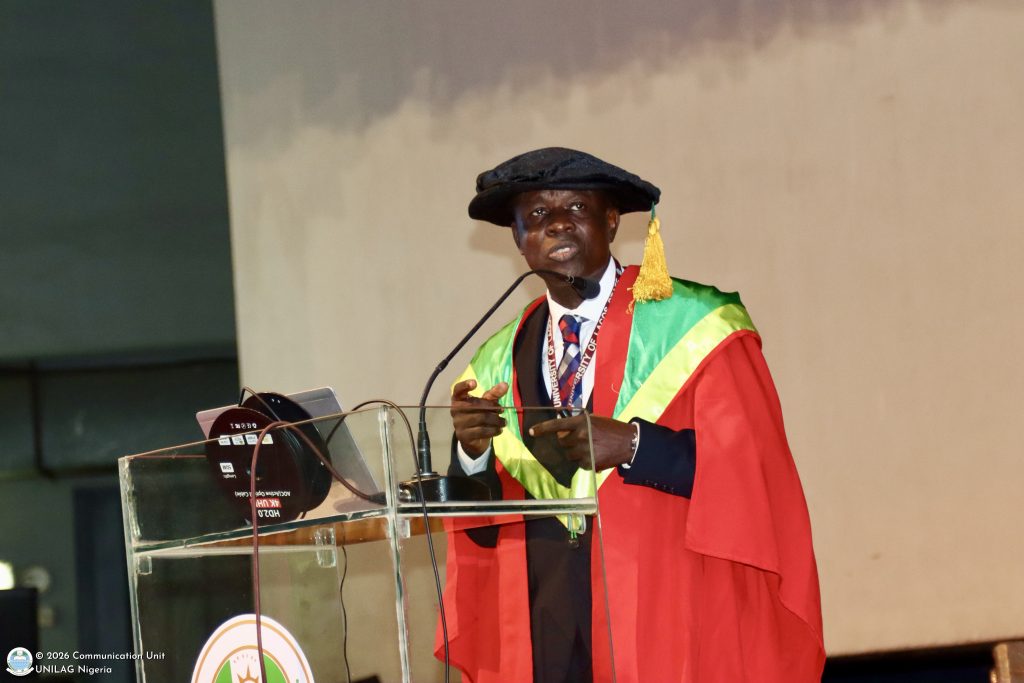
Professor Olasunkanmi Isaac Olusola, a Professor of Physics at the University of Lagos (UNILAG), on Wednesday, February 4, 2025, delivered an intellectually stirring Inaugural Lecture that challenged long-held assumptions about order, certainty, and control in scientific inquiry. Titled, “Unpredictability: An Indispensable Phenomenon in Modern Scientific Exploration,” the Inaugural Lecture, which was the 452nd in the series was held at the J.F. Ade. Ajayi Auditorium and presided over by the Vice-Chancellor, Professor Folasade T. Ogunsola, OON, FAS.
Far from portraying chaos as a scientific failure, Professor Olusola positioned unpredictability as one of science’s most powerful assets. He clarified that chaos does not connote confusion, crisis, or emptiness. Rather, it describes a structured form of unpredictability arising from sensitivity to initial conditions in complex systems. In his framing, unpredictability is not a weakness to be eliminated, but a phenomenon to be understood, measured, and applied.
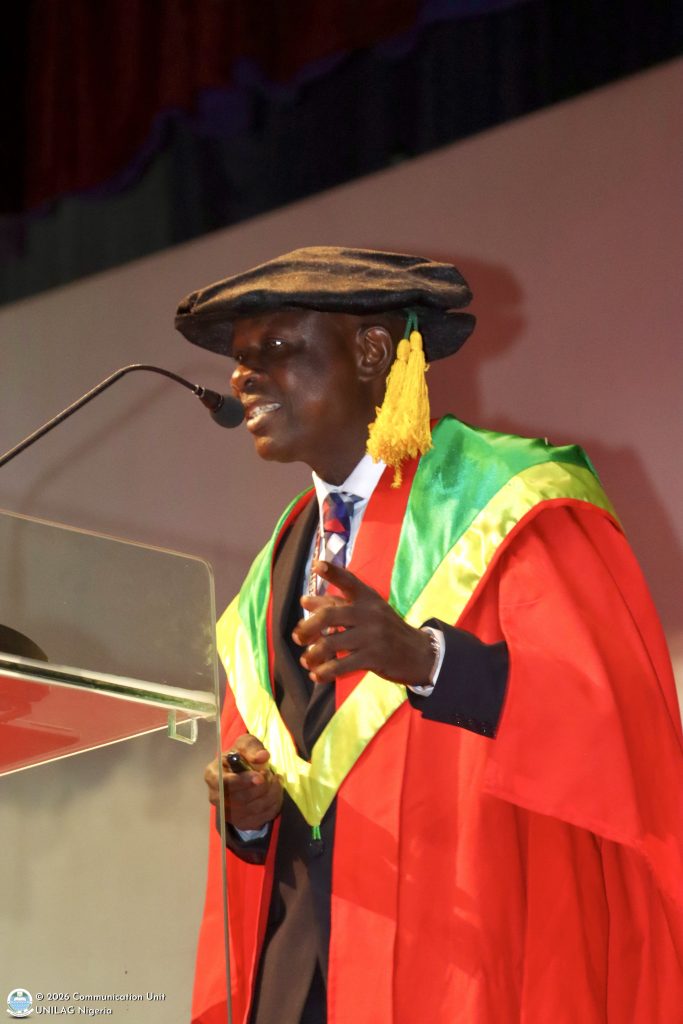
Throughout the lecture, Professor Olusola demonstrated how chaotic dynamics cut across natural and human-made systems, shaping outcomes in ways that demand new modes of thinking. Drawing from decades of research in nonlinear science and dynamical systems, he illustrated how small variations can lead to vastly different results, reminding the audience that while long-term prediction may be limited, scientific understanding remains achievable.
A significant portion of the lecture focused on atmospheric behaviour and its implications for aviation safety. Professor Olusola examined turbulence experienced during flights and the impact of geomagnetic storms on aircraft navigation. He explained that disruptions in atmospheric and magnetic conditions during such storms often pose challenges to aircraft mobility and operational safety. His research, which involved the analysis of geomagnetic storm data spanning over five years, employed multiple scientific techniques to reveal how atmospheric chaos influences aviation systems.
The lecture also addressed the urgent issue of global energy demand, which continues to rise alongside geometric population growth. Emphasizing the need for sustainable solutions, Professor Olusola discussed renewable energy research conducted across several Nigerian locations, including Akungba, Abuja, Yola, and Port Harcourt. His findings revealed pronounced differences in atmospheric energy behaviour between wet and dry seasons, with solar energy harvesting shown to be most efficient during the dry season. He further noted that the atmospheric unpredictability observed in coastal cities such as Port Harcourt could have similar implications for Lagos. In addition, his studies identified Upper Western Nigeria as particularly suitable for effective wind energy harvesting.
Beyond environmental and energy applications, the lecture extended into the domains of security and human health. Professor Olusola introduced a hyper-chaotic system developed as a security framework for protecting information. He explained that in hyper-chaotic systems, transmitted data are masked within chaotic signals, making unauthorized interception or decoding extremely difficult. In a compelling demonstration of interdisciplinary relevance, he also revealed that chaos-based tools emerging from his research are being explored for reducing heart attack risks, underscoring the potential of chaos dynamics in biomedical applications.
As the lecture progressed, a unifying theme became increasingly clear: chaos is universal. In his concluding reflections, Professor Olusola stated that chaos exists in all facets of life and should be studied across disciplines to enhance creativity, resilience, and problem-solving. He reiterated that chaos dynamics represents high-level unpredictability, not disorder, and argued that embracing unpredictability is essential for innovation and deeper scientific insight.
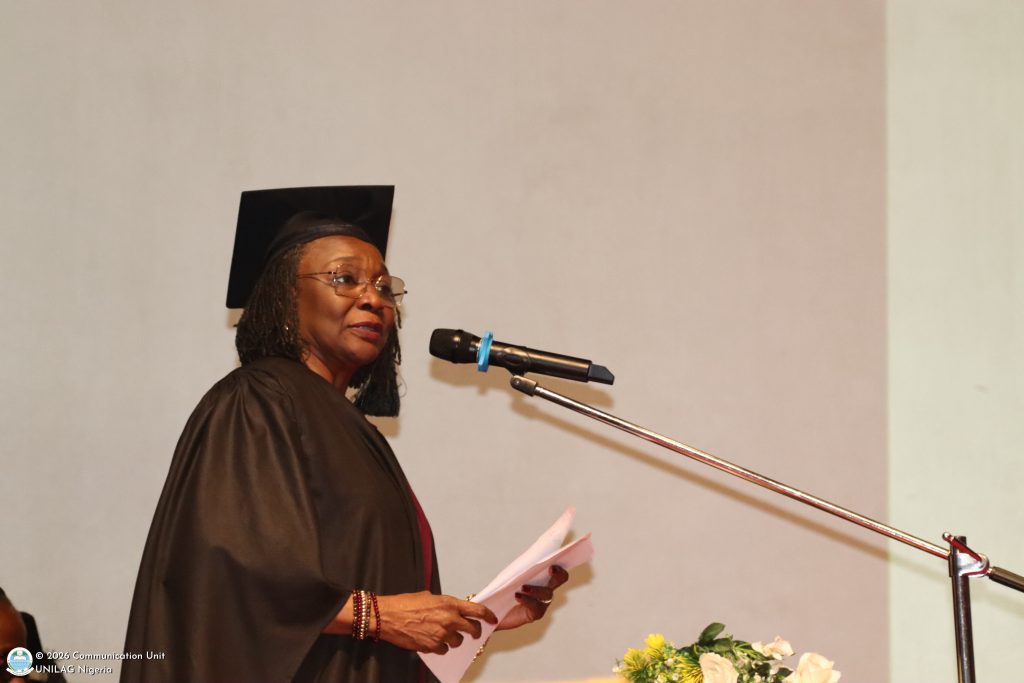
In her closing remarks, the Vice-Chancellor, Professor Folasade T. Ogunsola, OON, FAS, described the lecture as timely and intellectually stimulating. She summarised its core message by emphasizing that chaos does not signify emptiness or disorder, but unpredictability.
According to her, unpredictability is not a flaw of science, but one of its greatest strengths. She noted that chaos is woven into the fabric of life itself, as nature does not always move in straight or predictable lines. Congratulating Professor Olusola on the successful delivery of his inaugural lecture, the Vice-Chancellor thanked the audience for their engagement and formally declared the lecture closed.
The 452nd Inaugural Lecture thus stood not only as a celebration of scholarly excellence, but also as an invitation to rethink certainty, embrace complexity, and pursue knowledge with intellectual courage in an increasingly unpredictable world.
About Professor Olasunkanmi Isaac Olusola
Born on Monday, August 17, 1970, the Inaugural Lecturer, Professor Olasunkanmi Isaac Olusola is a renowned Professor of Theoretical Physics with a B.Sc. from the University of Ilorin (1989–1994); M.Sc. from the University of Lagos (1995–1997); and Ph.D. from the University of Agriculture (2004–2010), all in the Physics discipline.
He began his career in UNILAG in 1996, as a Laboratory Instructor in the Department of Physics. He moved to the Federal University of Agriculture, Abeokuta, where he was Assistant Lecturer in 2024, Lecturer II in 2007; Lecturer I in 2010, before returning to UNILAG in 2014 as Senior Lecturer; Associate Professor in 2018 and Professor in 2021. He is the current Head, Department of Physics, Faculty of Physical and Earth Science, UNILAG.
A fulfilled academia, Professor Olusola is an external examiner to Lagos State University, Ojo; Lagos State University of Science and Technology, Ikorodu; University of Ibadan, Federal University of Technology Akure; Redeemer’s University, Ede; Crawford University; among others.
He has over sixty (60) publications in peer reviewed journals, nationally and globally. A member of the Editorial Board of Journal of Scientific Research and Development, Communications in Physical Science, he is a Reviewer for several National and International journals including: Communications in Nonlinear Science; Journal of Nigerian Association of Mathematical Physicists, Journal of Chaos, among others. He has supervised eight (8) doctoral theses, over thirty (30) Masters projects and several undergraduate projects.
Outside the University system, Professor Olusola is the Pastor in Charge of New Cruse Area of the Redeemed Christian Church of God, Alapere, Lagos. He is happily married and blessed with children.
Authors: Nike Ogunshakin and Peace Akinrinlola
Photographer: Michael Joshua