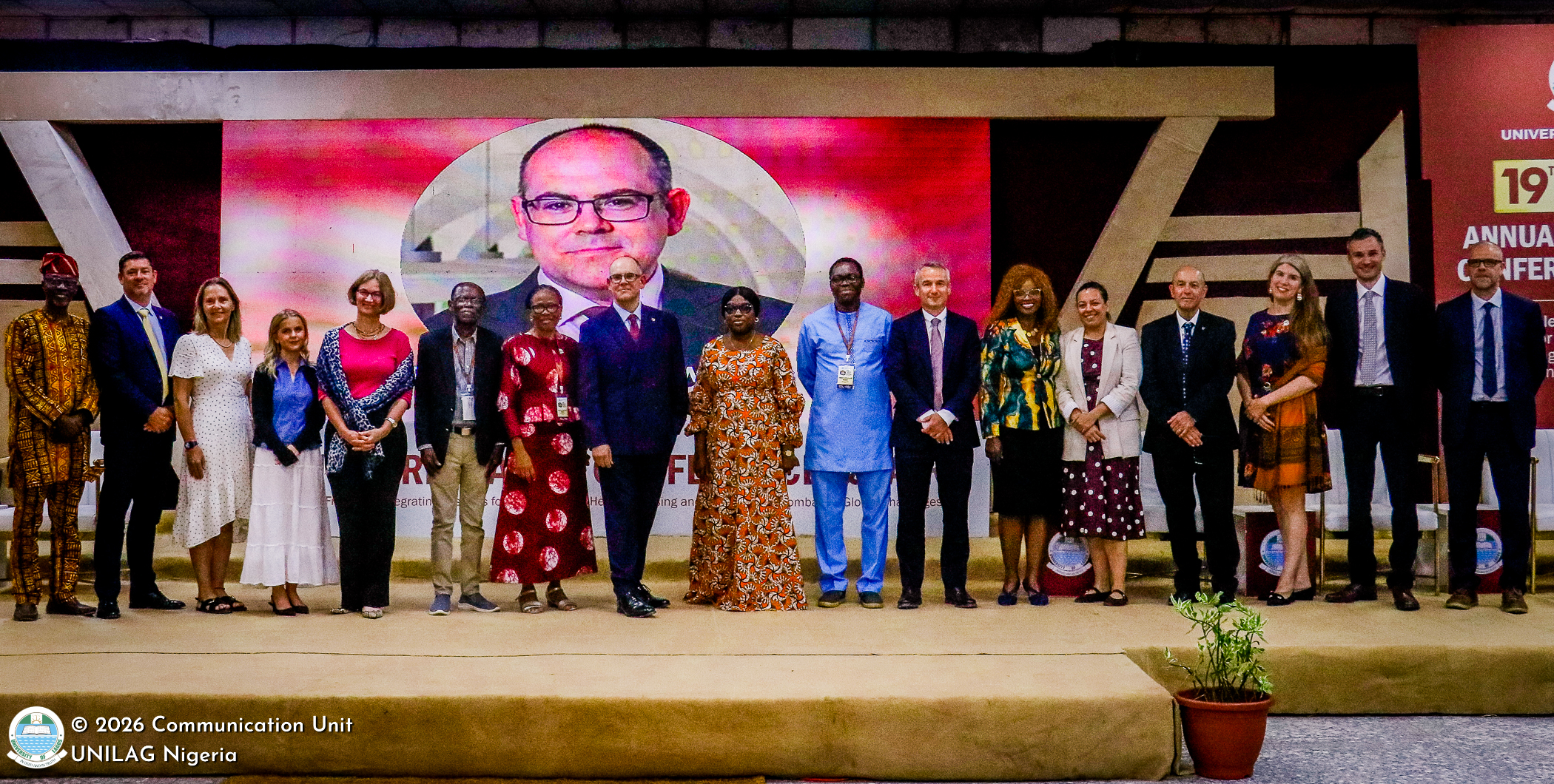
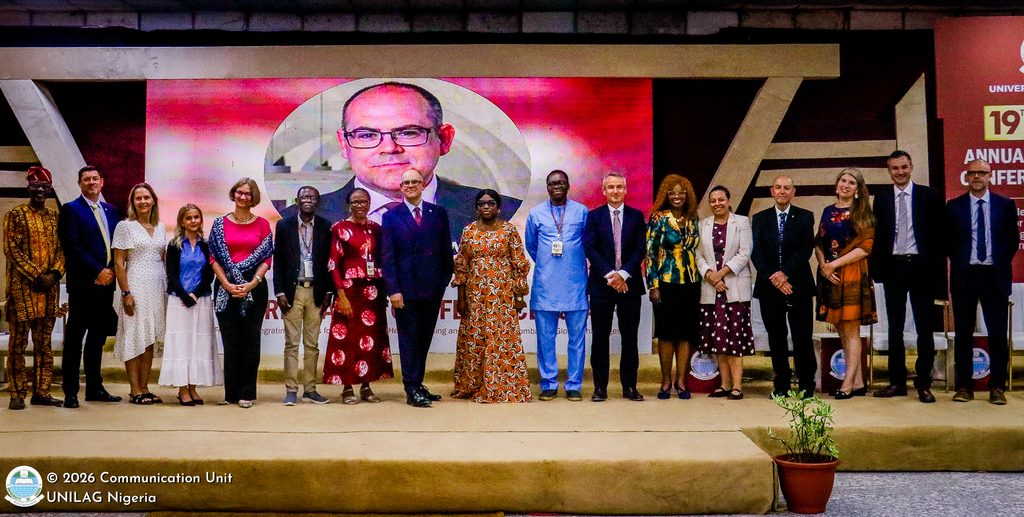
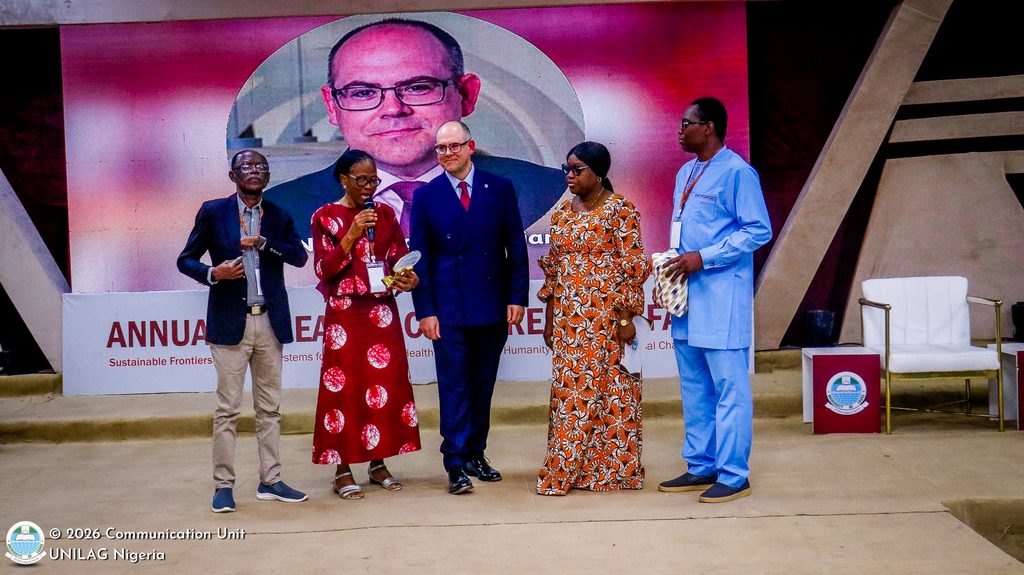
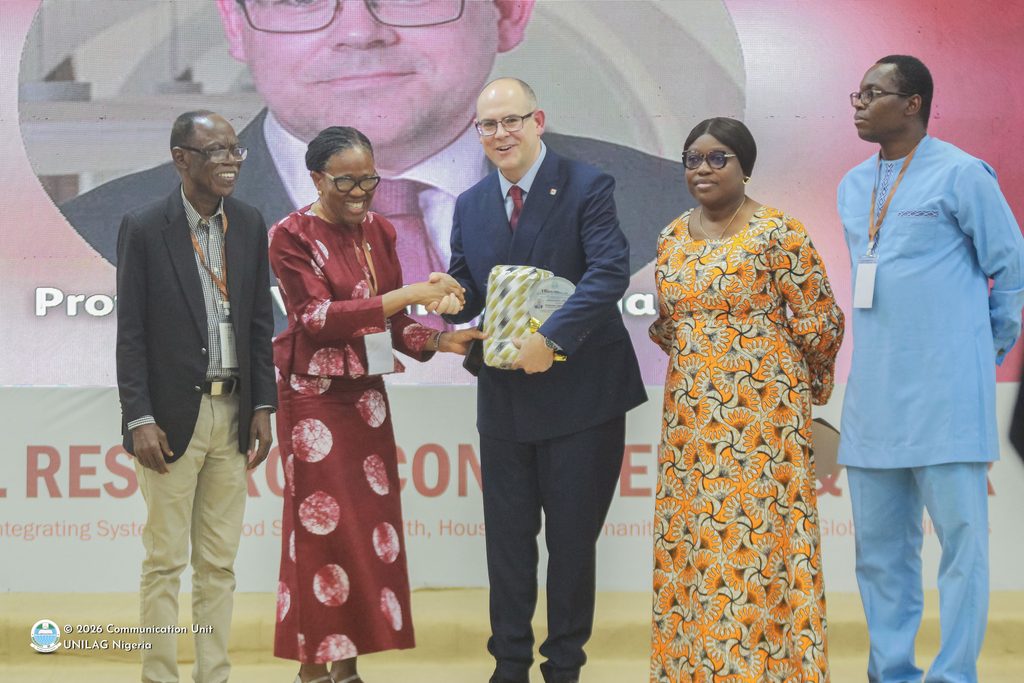
The 19th University of Lagos (UNILAG) Annual Research Conference and Fair continued on Thursday, October 15, 2026, with commendation for the university’s research partnership with the University of Birmingham, United Kingdom, which has contributed to advances in global surgery and patient safety, particularly in Nigeria.
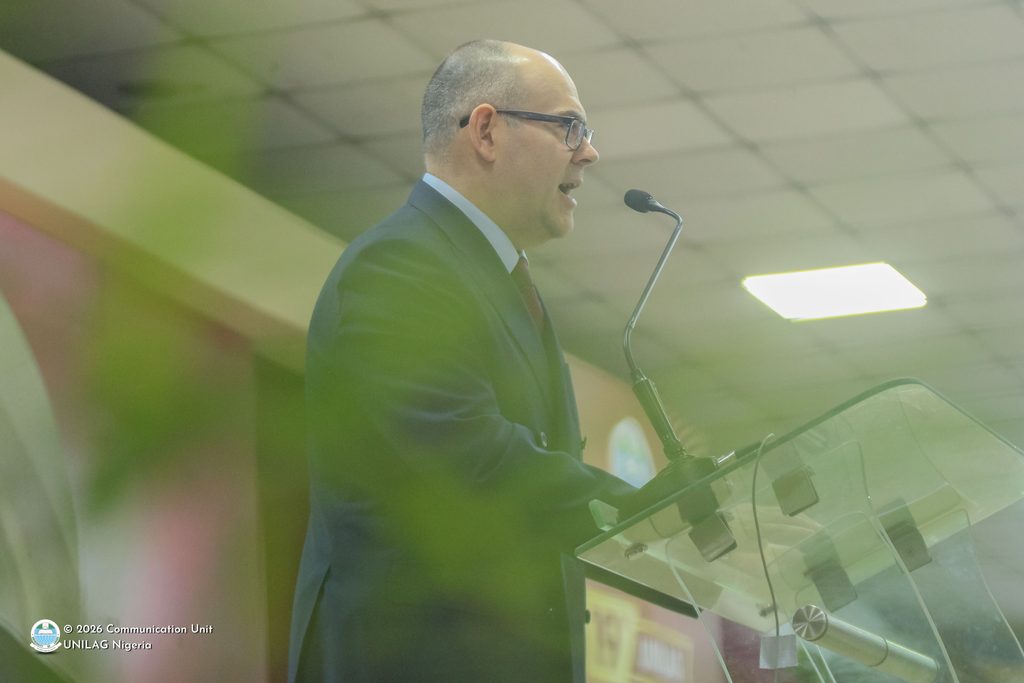
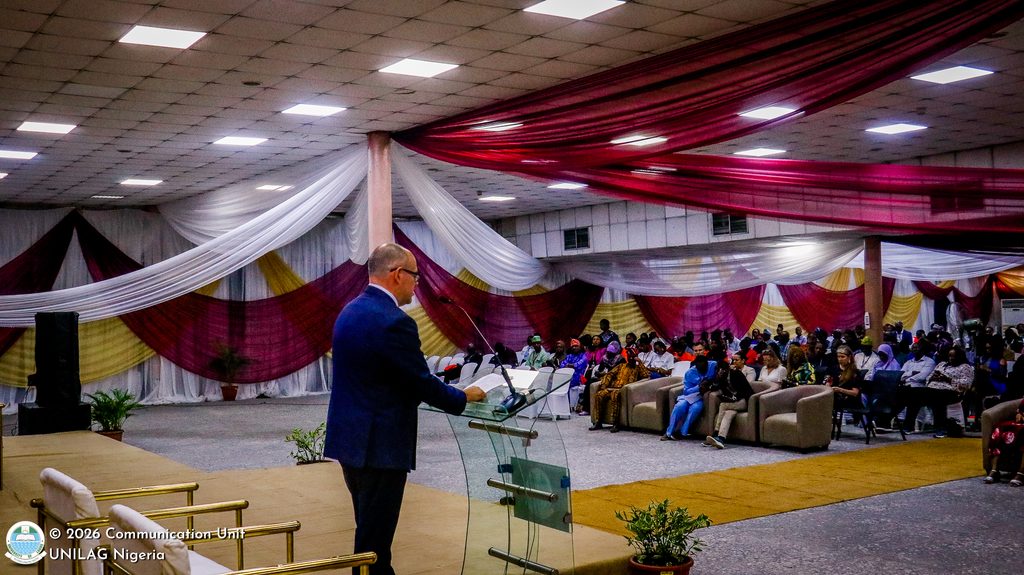
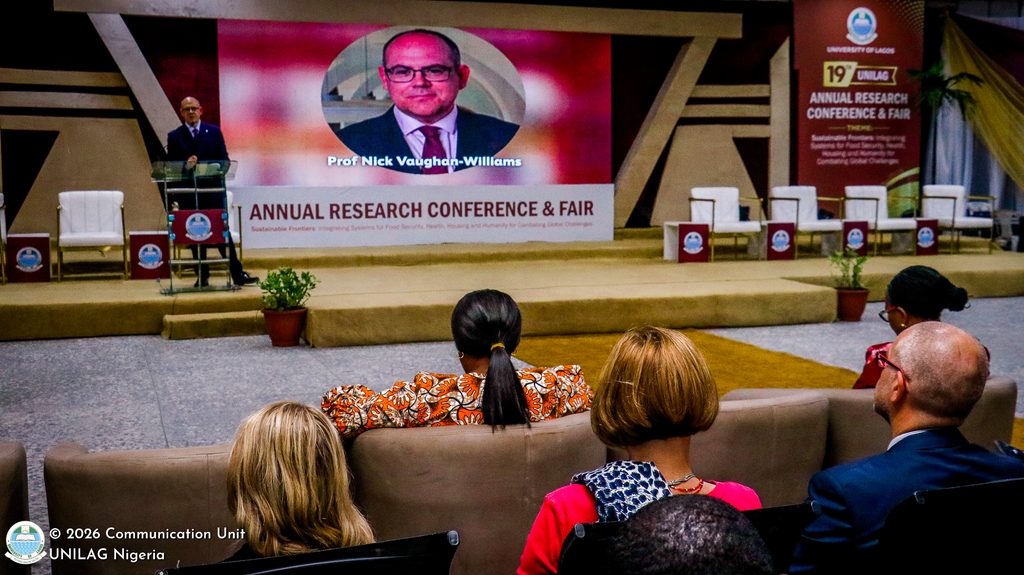
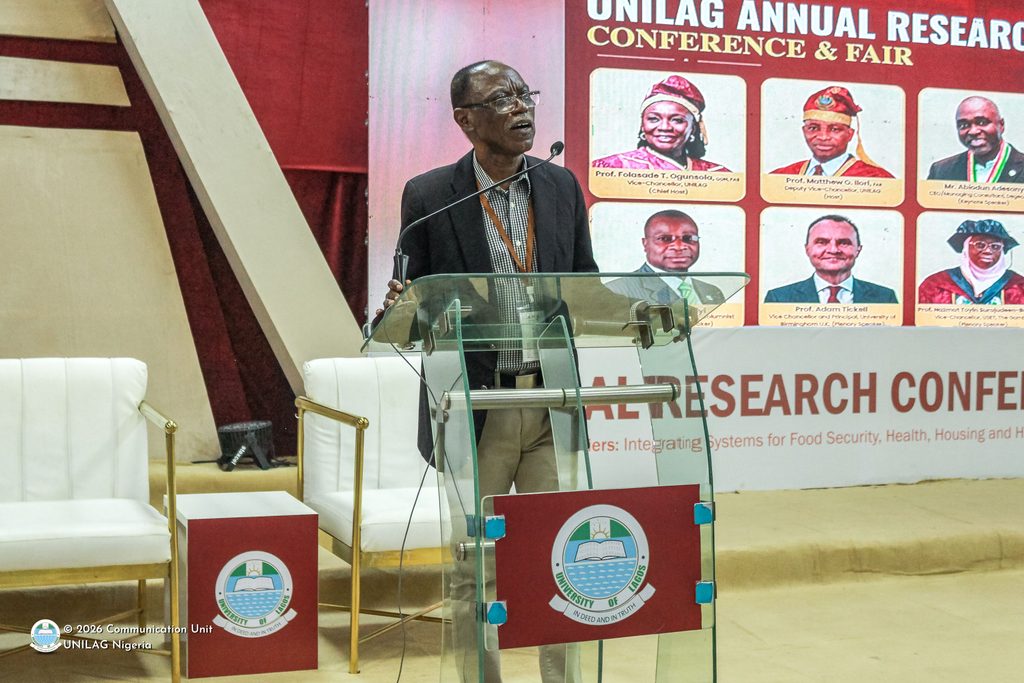
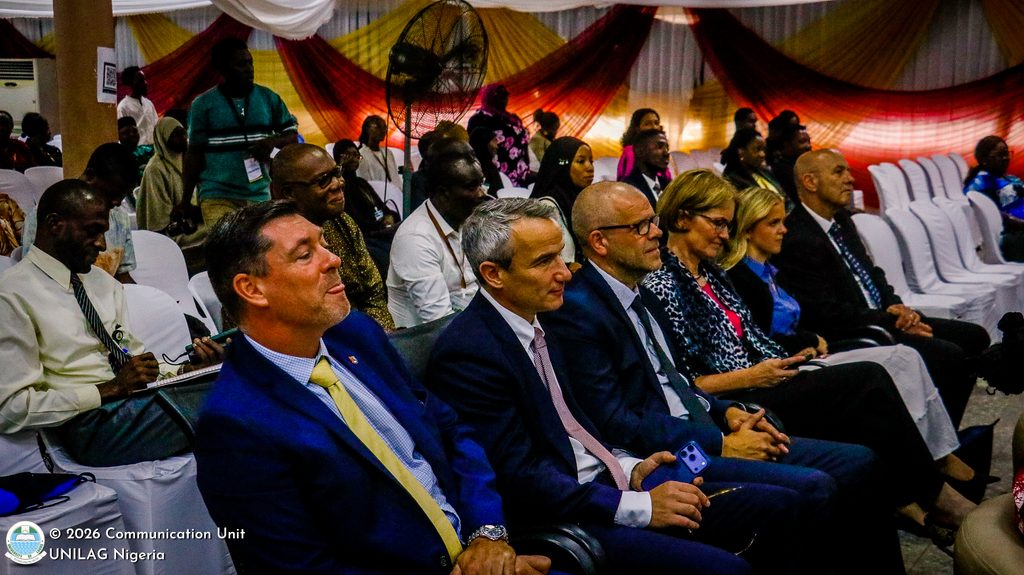
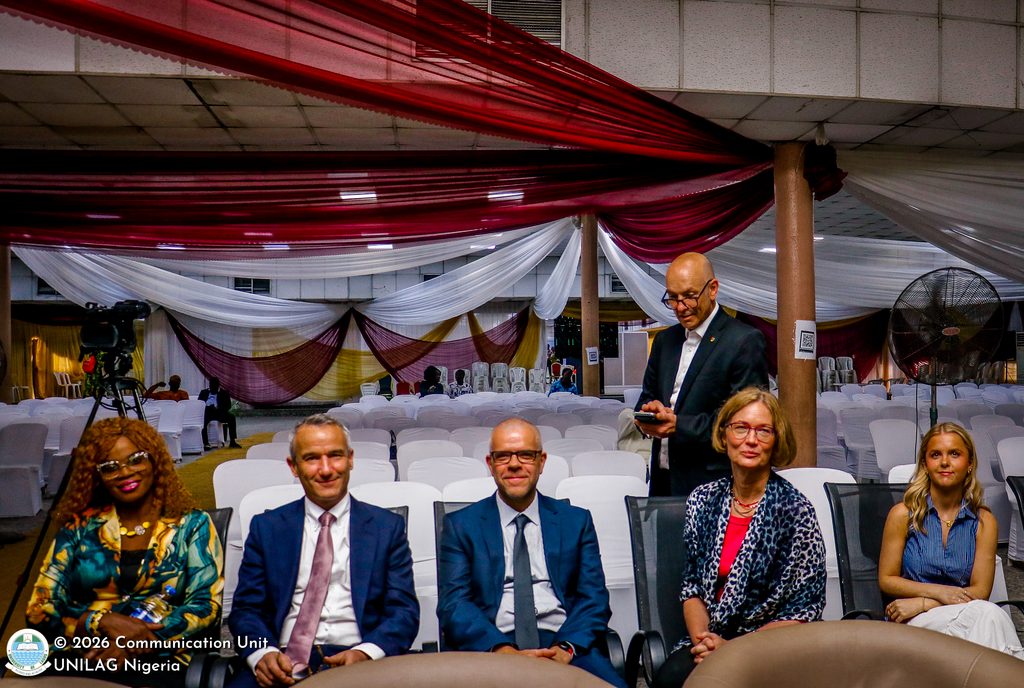
The commendation came from the Provost of the University of Birmingham, Professor Nick Vaughan-Williams, who delivered the plenary keynote on Day Two of the conference.
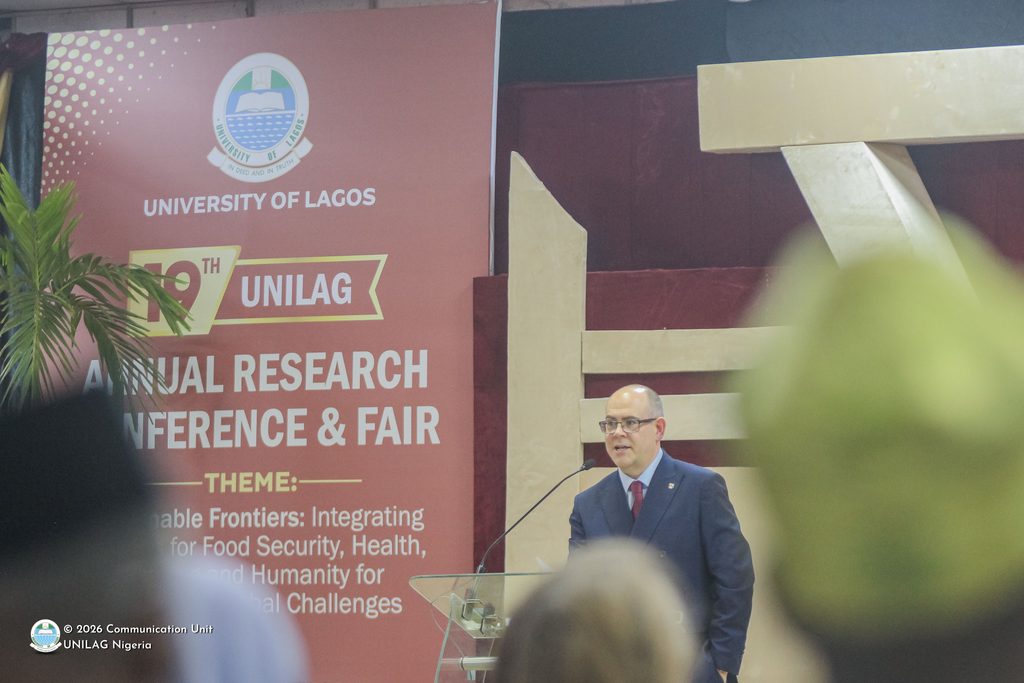
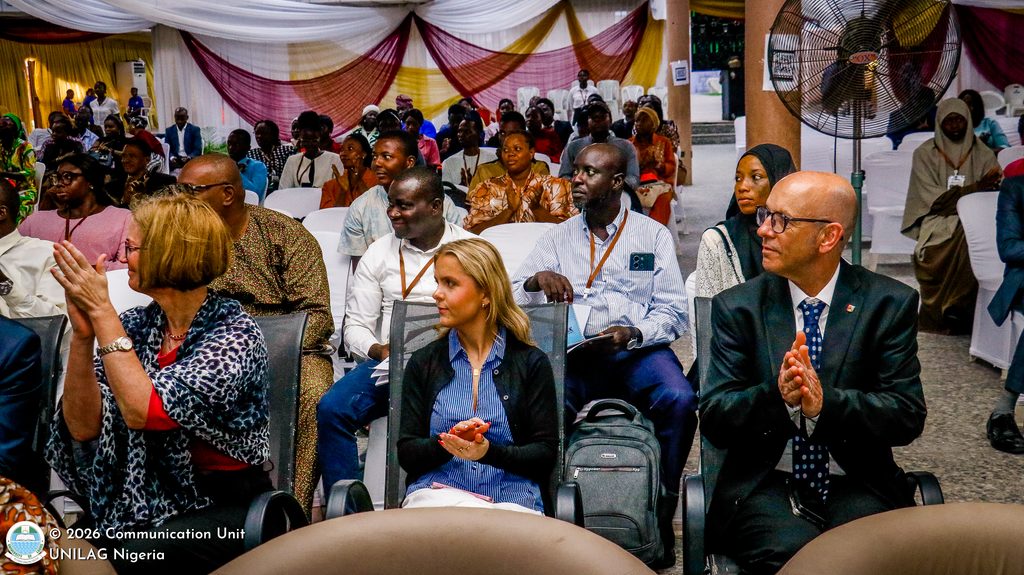
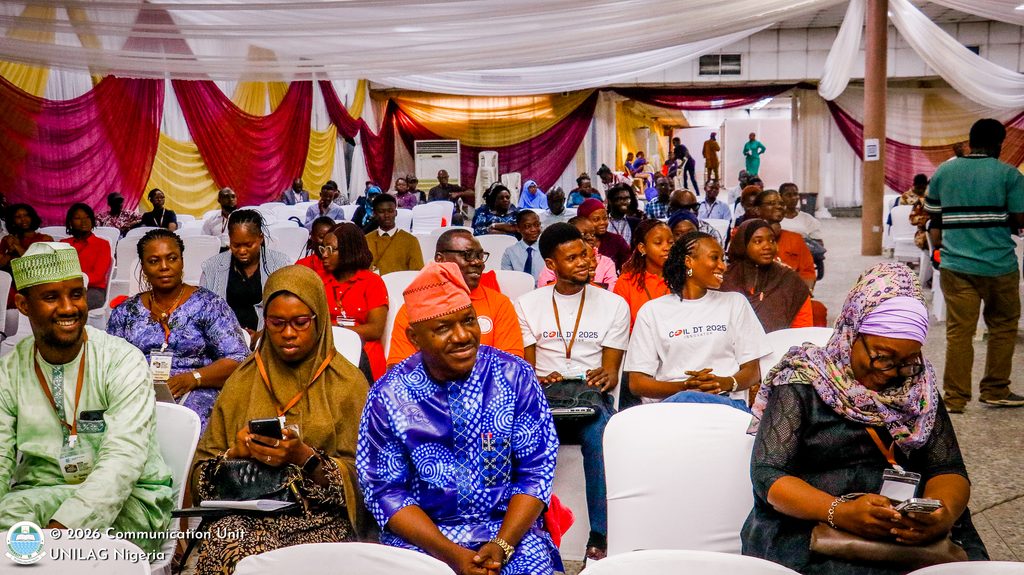
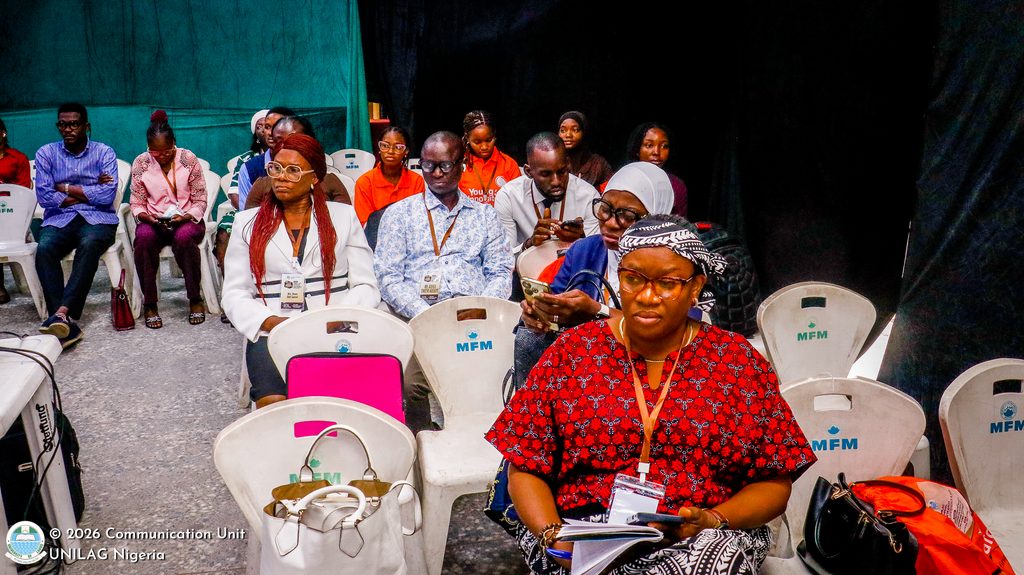
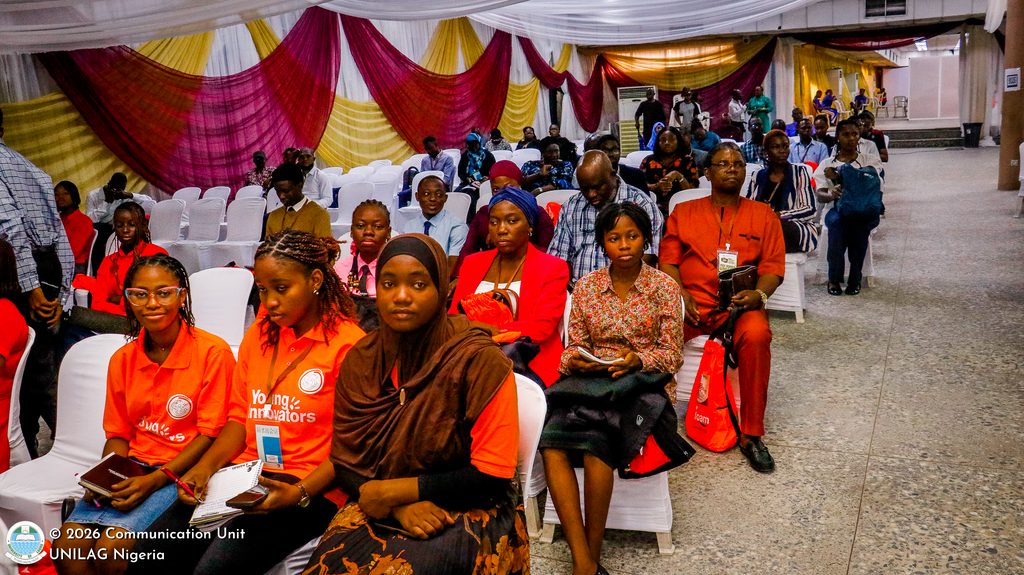
The conference, themed “Sustainable Frontiers: Integrating Systems for Food Security, Health, Housing and Humanity for Combating Global Challenges,” is holding at the Jelili Omotola (Multipurpose) Hall, UNILAG.
Research Conference as a Platform for Development
In his opening remarks, the Deputy Vice-Chancellor (Management Services), Professor Muyiwa Falaiye, who represented the Deputy Vice-Chancellor (Academics and Research), Professor Matthew Ilori, described the conference as a platform for consolidating teaching, research and service in support of global development.
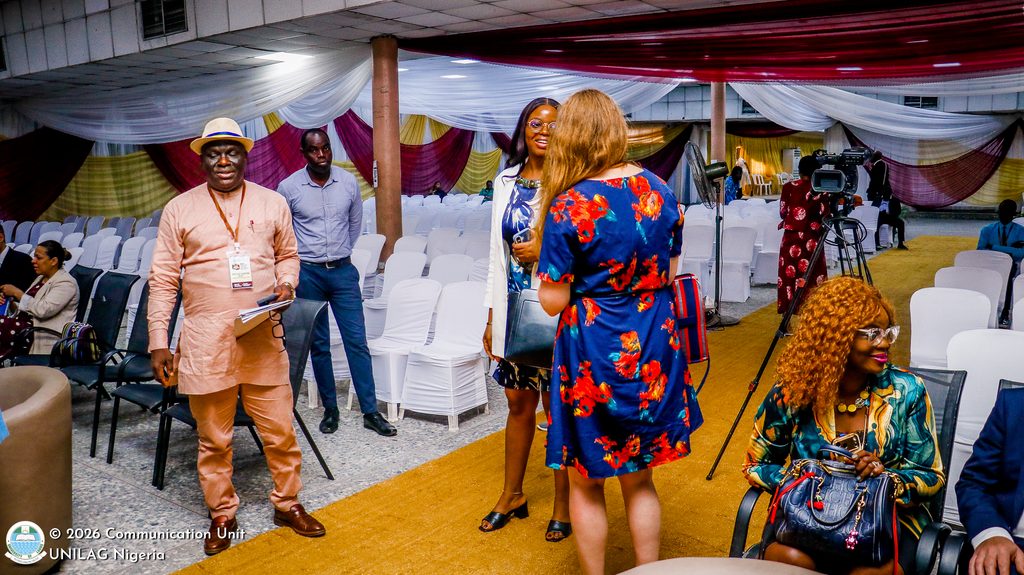
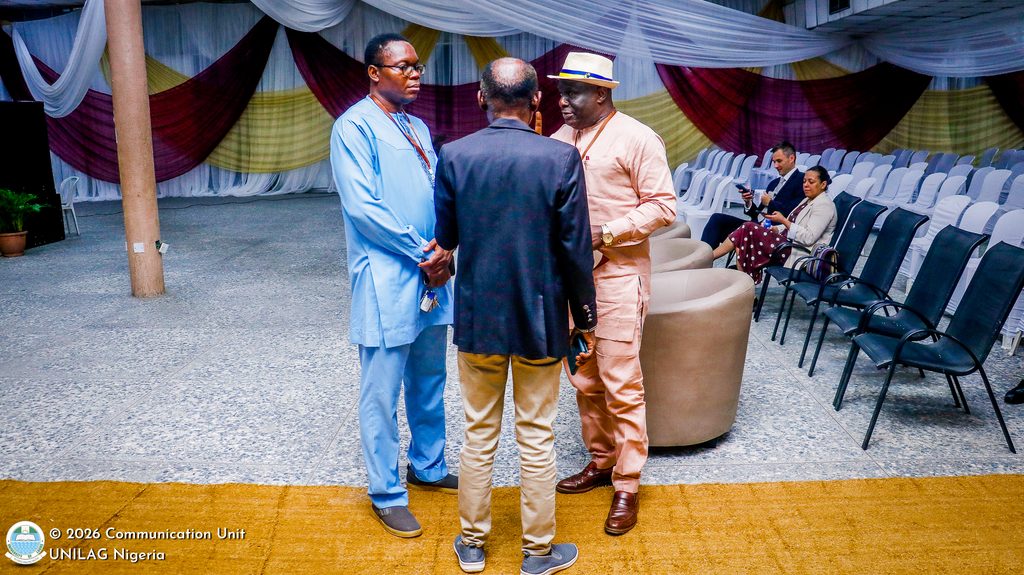
According to him, the annual conference promotes interdisciplinary engagement and provides opportunities for interaction, knowledge exchange and mentorship among scholars at different career stages.
Professor Falaiye commended the quality of presentations on Day One and expressed optimism that the oral and poster sessions would enable researchers to refine their ideas and improve the quality and impact of their research.
The Future of Universities
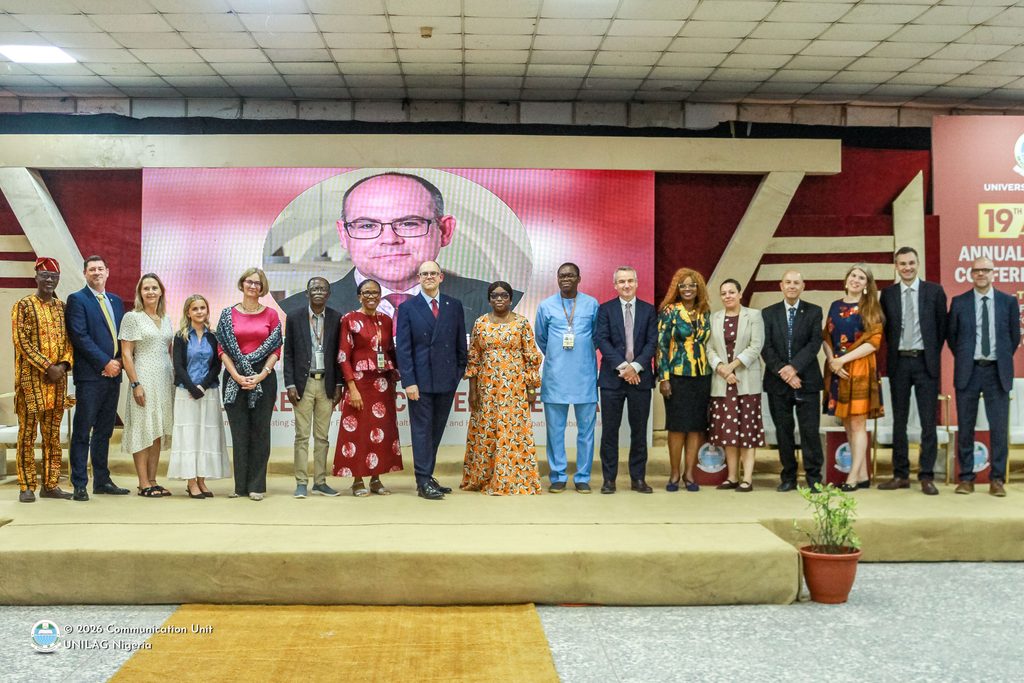
A major highlight of the opening session was the keynote address delivered by Professor Vaughan-Williams, who represented the Vice-Chancellor and Principal of the University of Birmingham, Professor Adam Tickell.
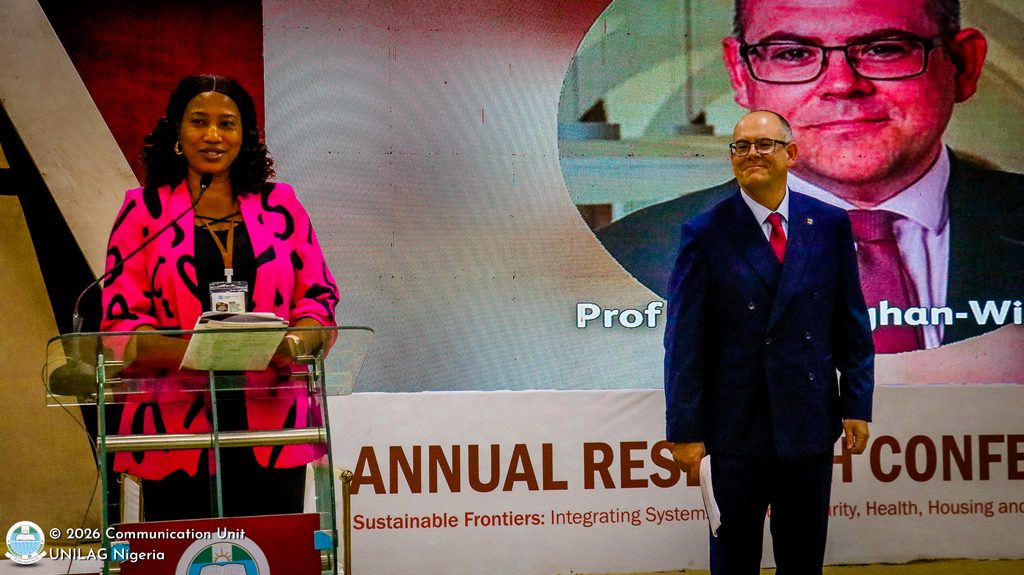
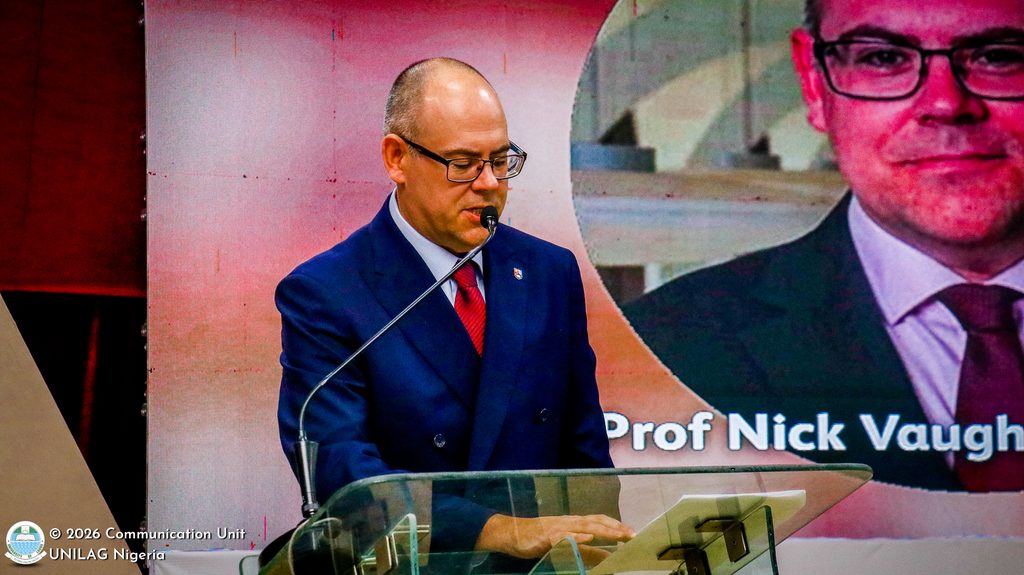
In his address, titled “Sustainable Frontiers: The Future of Universities in Building Sustainable and Inclusive Societies,” Professor Vaughan-Williams acknowledged the contributions of Nigerian universities, researchers, professionals and communities to sustainable innovation. He also affirmed the willingness of UK researchers to learn from their Nigerian counterparts.
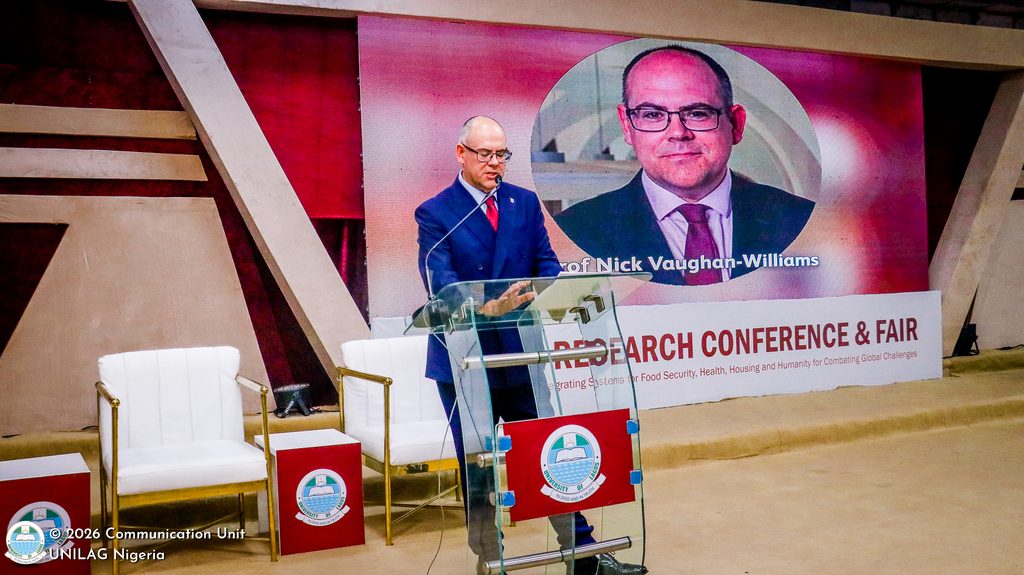
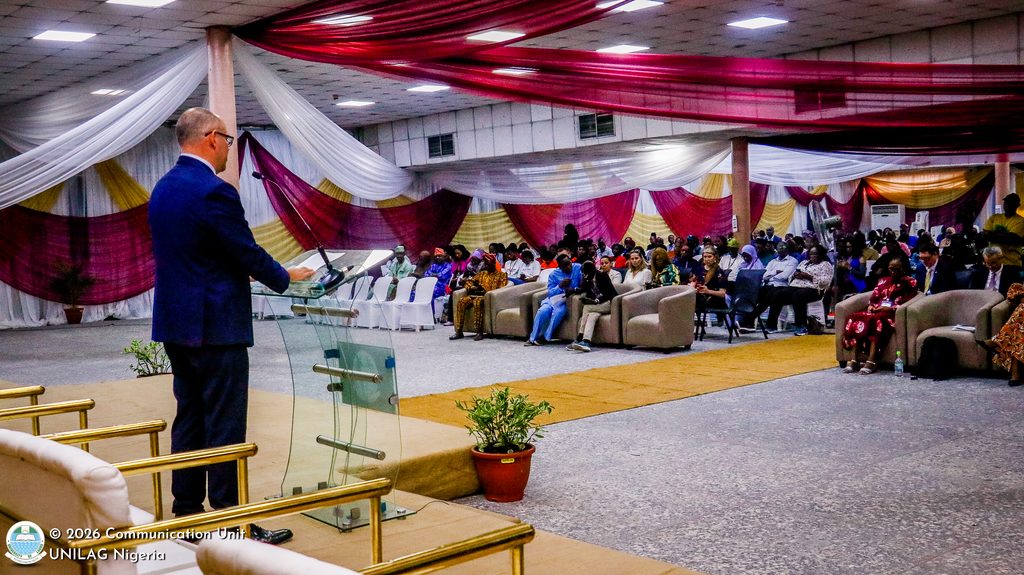
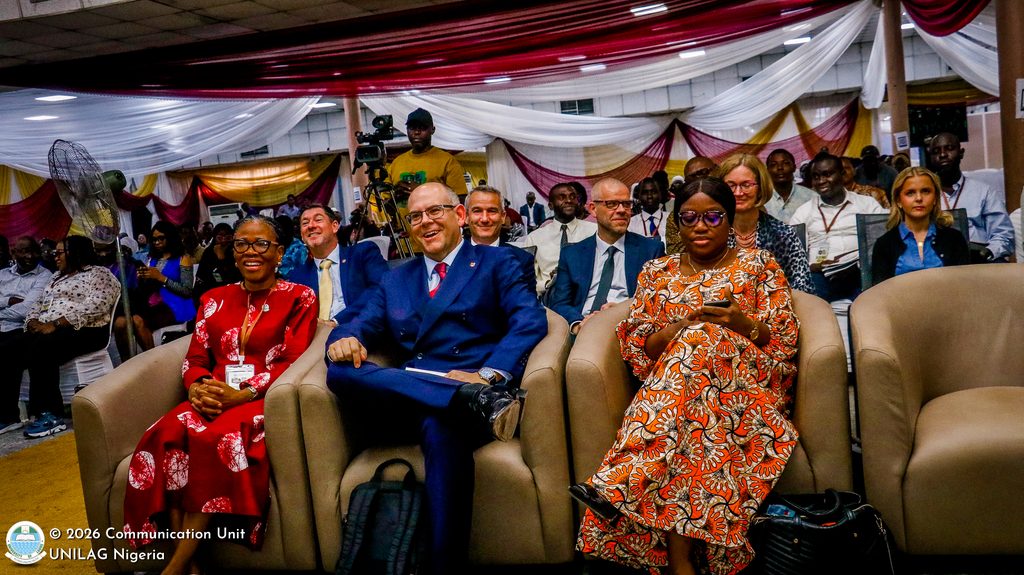
He particularly commended UNILAG for its leadership as a convening institution and spoke positively about its relationship with the University of Birmingham, describing the partnership as special because of its distinctive collaborations and potential for global impact, particularly in healthcare.
According to the keynote speaker, the partnership between the two universities reflects decades of trust and a strong working relationship that have contributed to improvements in global surgery and patient safety, especially in Nigeria.
He identified sustained engagement and practical cooperation, reciprocal knowledge exchange, and shared ownership of benefits and responsibilities as key principles underpinning the partnership, noting that meaningful collaboration must extend beyond formal institutional agreements.
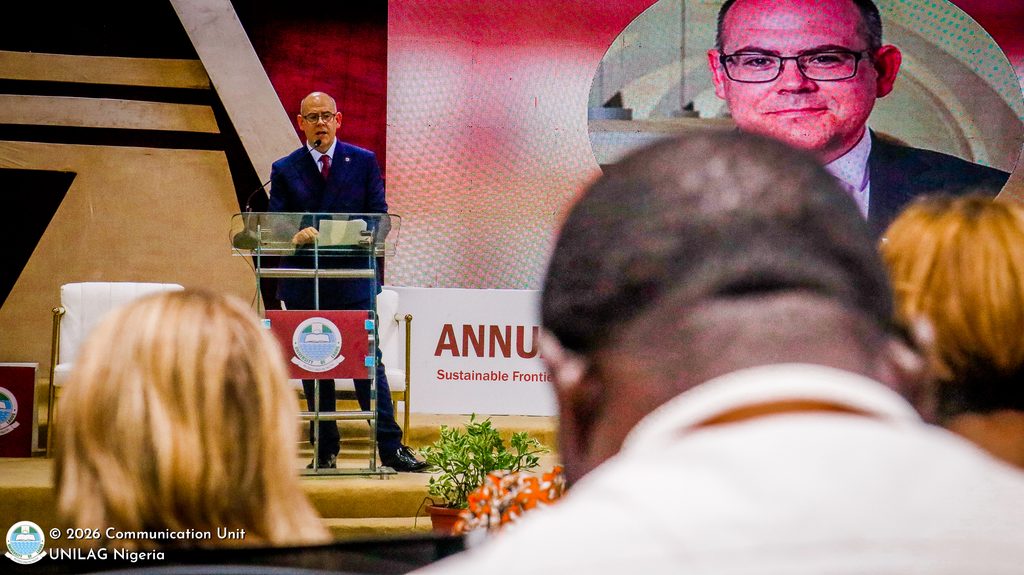
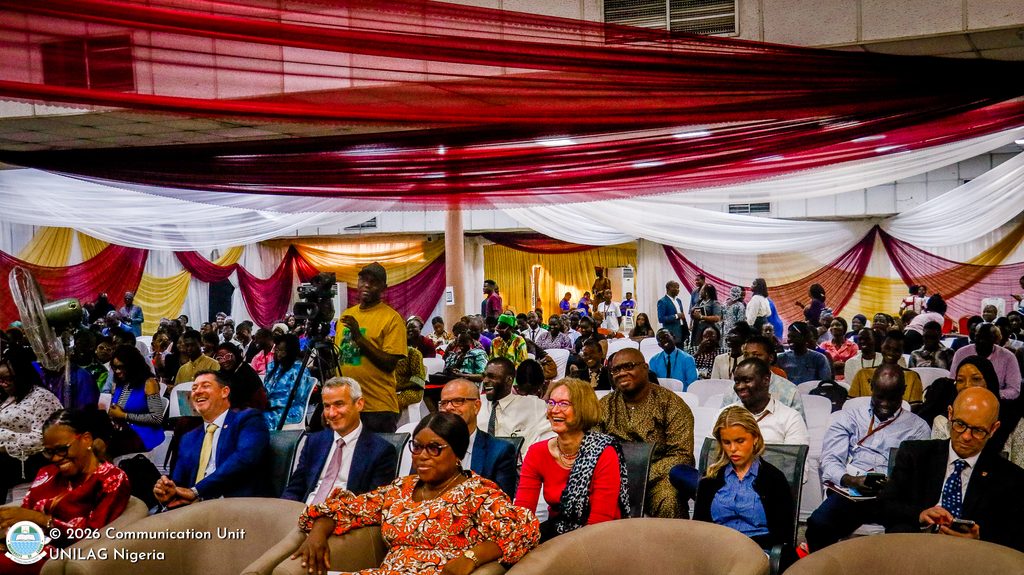
Professor Vaughan-Williams emphasised that the future of sustainable global innovation should not be viewed as a process in which knowledge developed in one part of the world is simply transferred to another. Rather, it should be built on mutual learning, shared expertise and collaboration.
“Our success will increasingly depend upon and be understood through the contributions that we make towards changing people’s lives, the extent to which we equip institutions and communities to respond to social challenges and the opportunities we create for highly skilled employable graduates through education and innovation,” he said.
He advocated stronger research collaborations, interdisciplinary approaches and practical innovations to address interconnected global challenges across the conference’s thematic areas, including food security, health, housing, energy security and sustainable development.
Envisioning the university of the future, Professor Vaughan-Williams argued that there could be no single model for higher education institutions seeking to contribute meaningfully to society.
“As universities, our success should not be measured solely by the answers that we produce. The university of the future should be an open-minded place where we learn together as universities and also with our partners in industry, government and crucially, in the communities that we serve, to deliver a more sustainable and inclusive world,” he said.

Thematic Sessions
Following the opening session, participants moved into parallel sessions for oral presentations covering the following thematic areas:
- Leadership and Policy Strategies for Sustainable Development
- Public Health, Drug Discovery, Therapeutics and Global Preparedness
- Smart Cities, Human-Centred Urban Design and Environmental Resilience
- Artificial Intelligence, Data Science, Cybersecurity and Clean Technology Innovation
- Social Policy and Human Security in Emerging Economies
- Transformative Education and Capacity Building for Future Sustainability
- Cultural Heritage, Human Rights, Humanities and Sustainable Development
- Biotechnology and Genomics Innovation for Food and Health Security
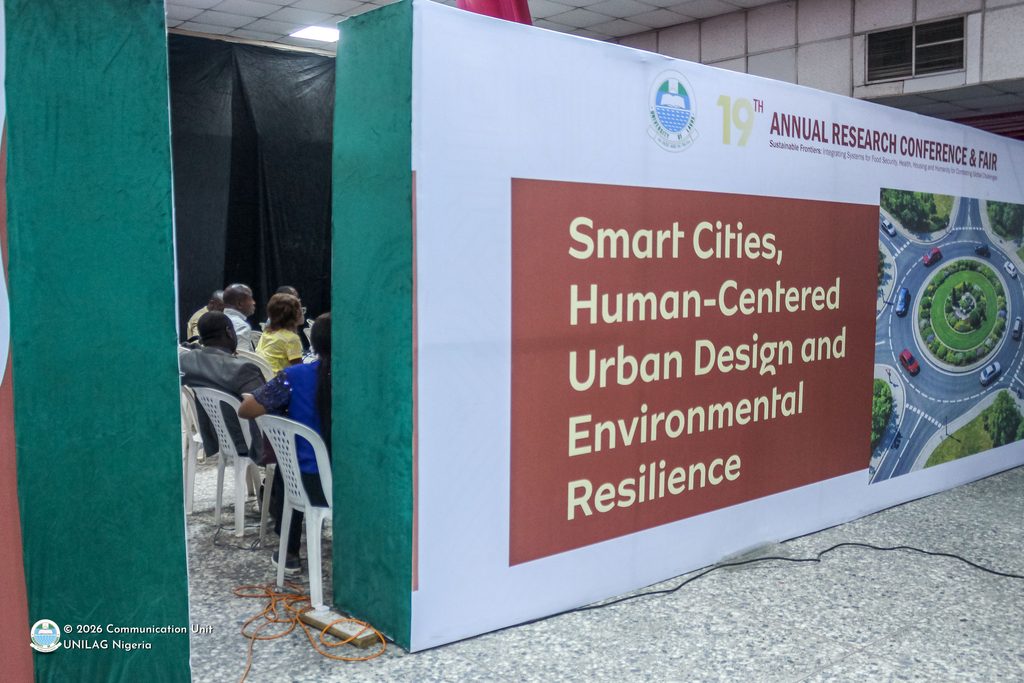
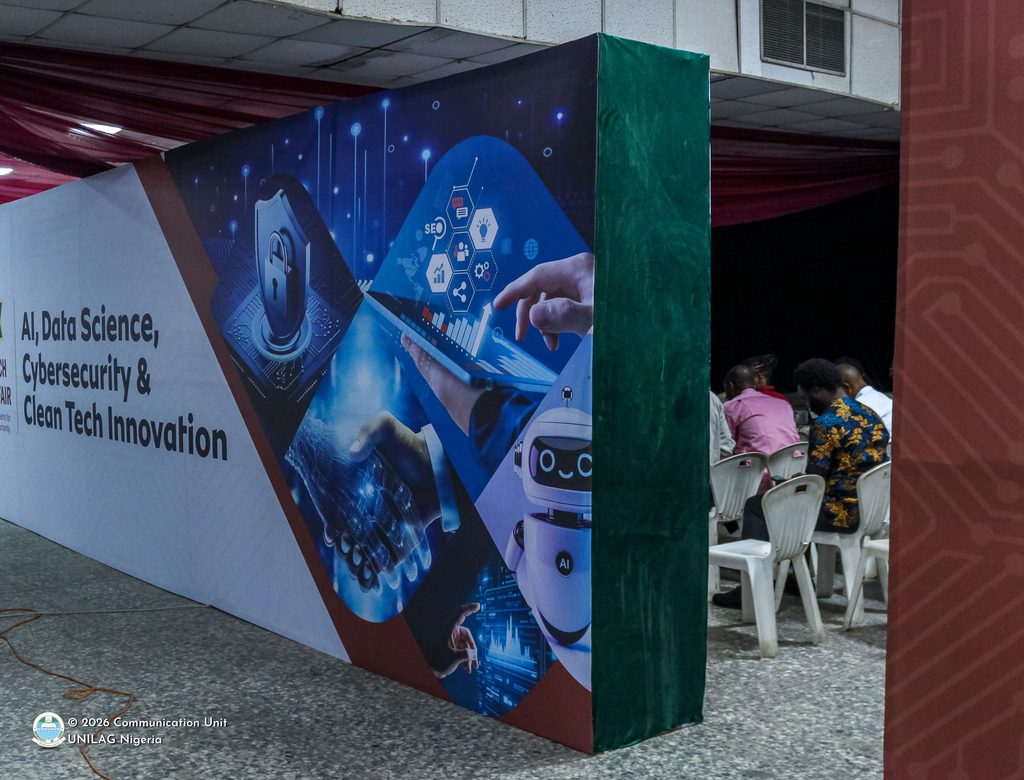
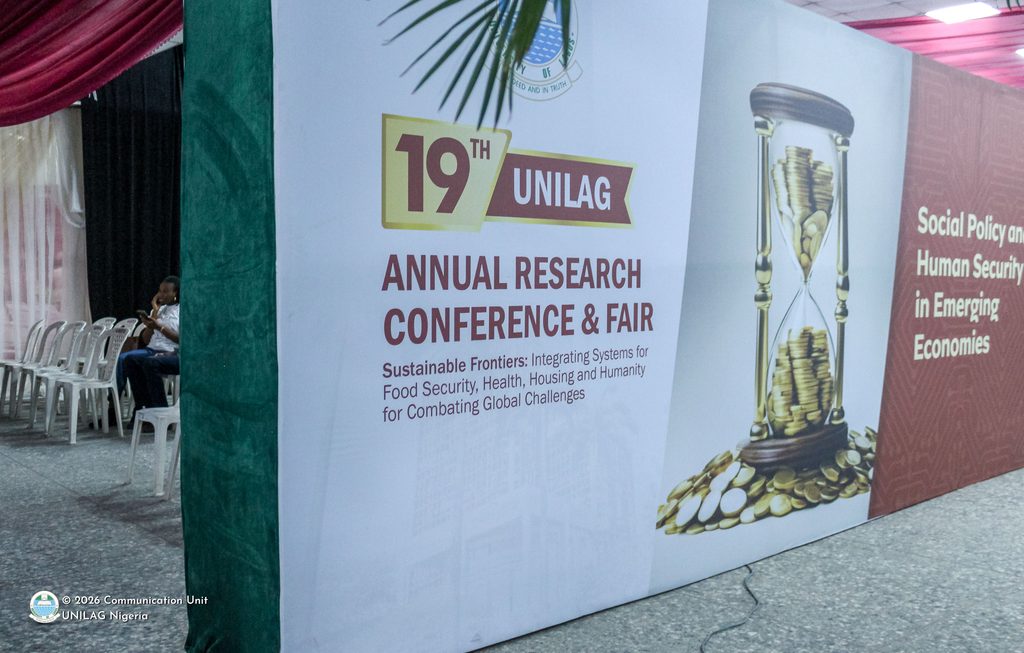
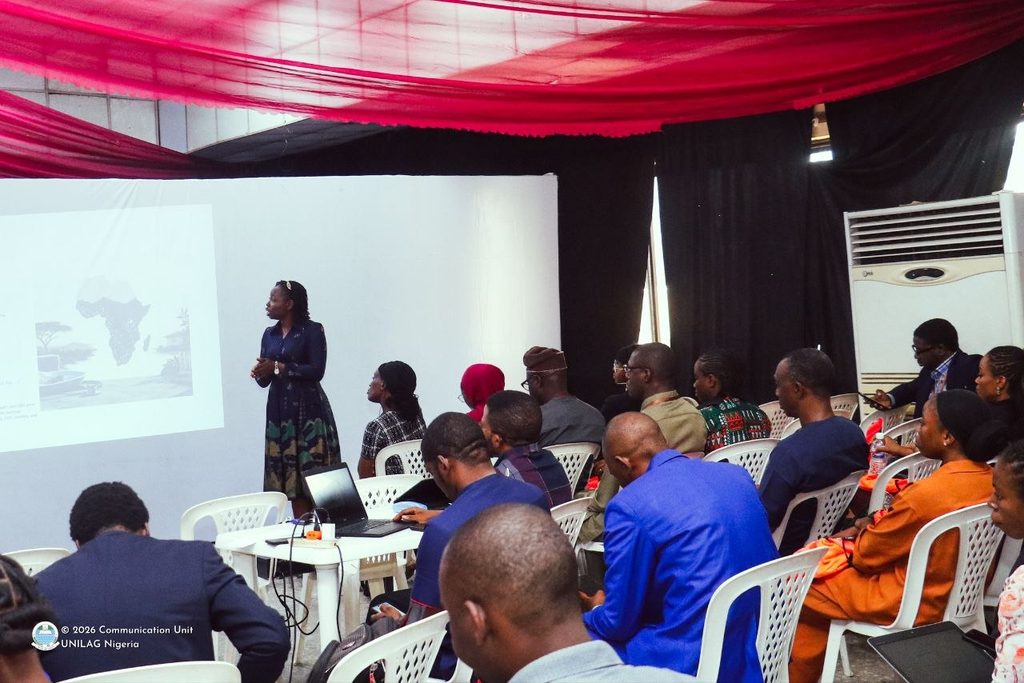
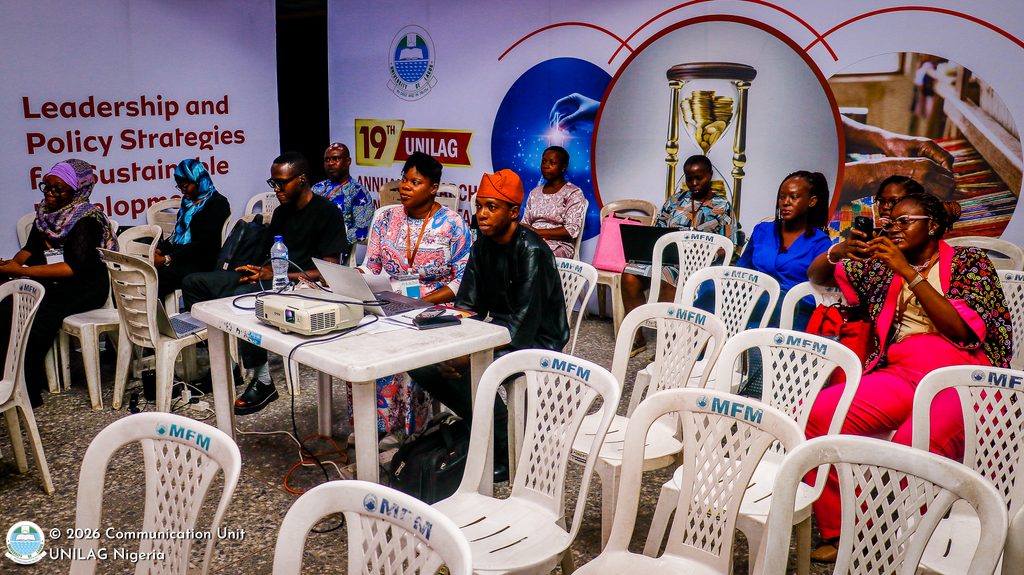
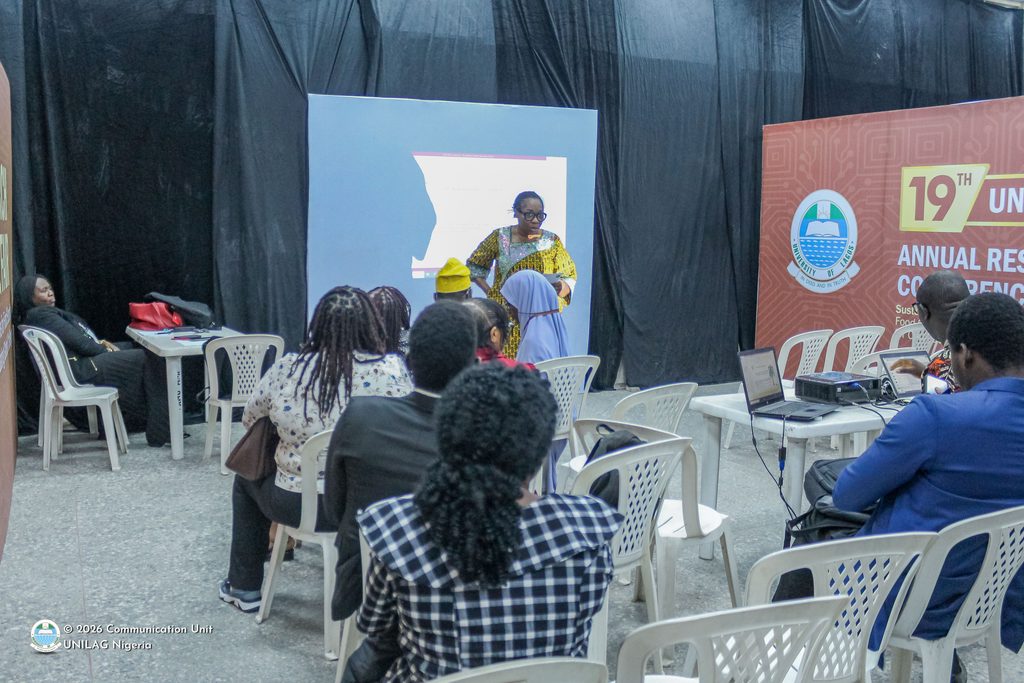
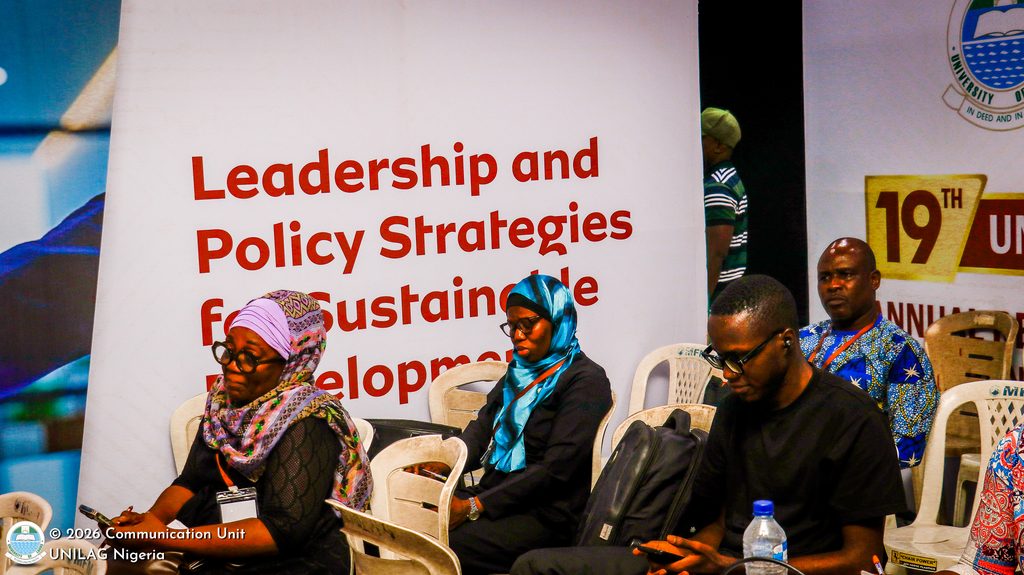
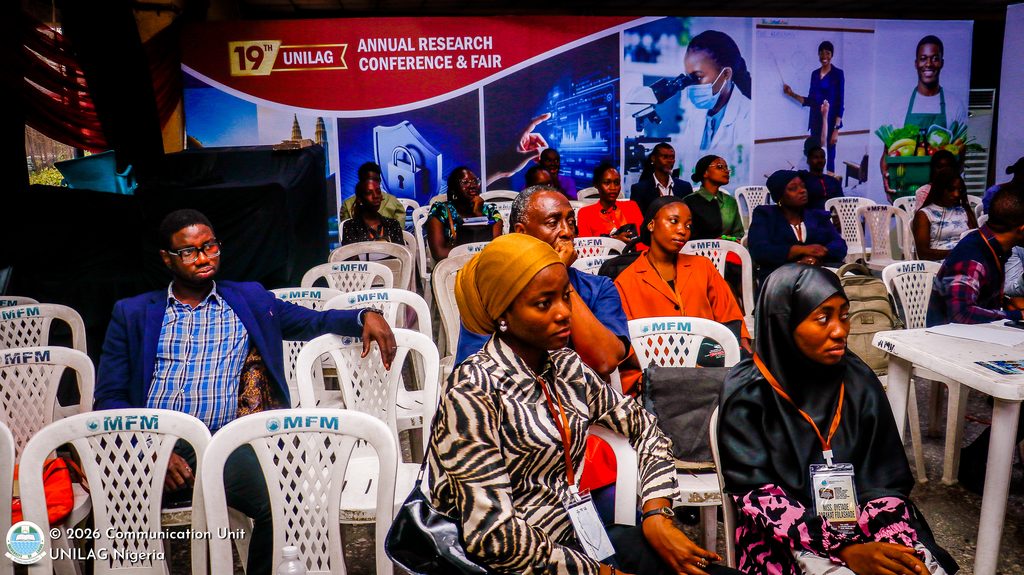
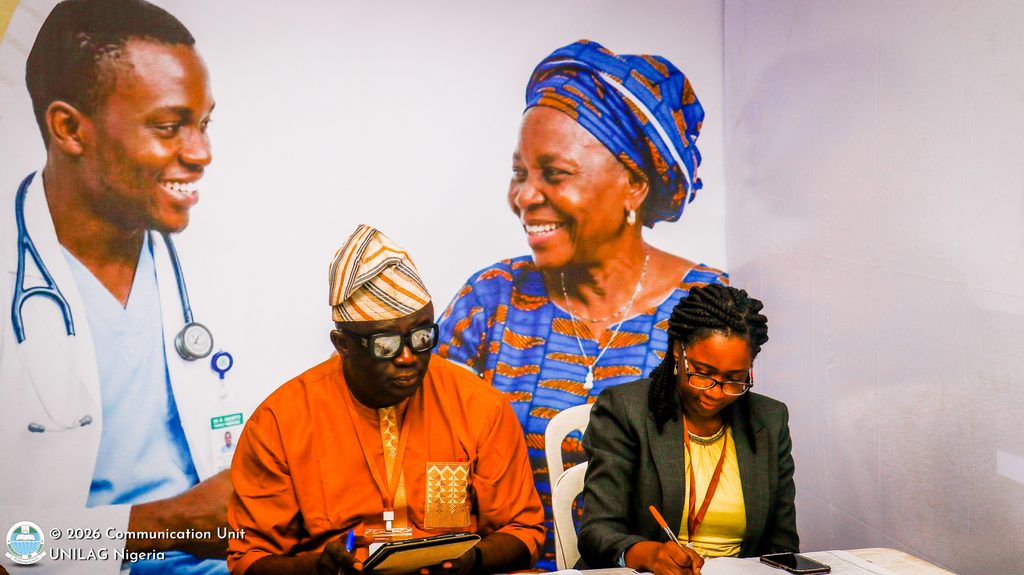
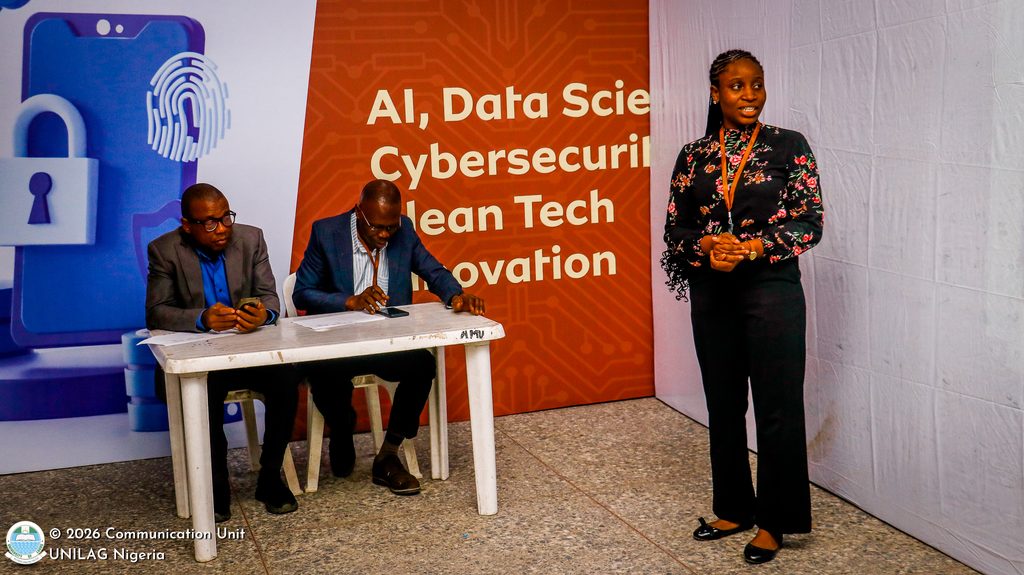
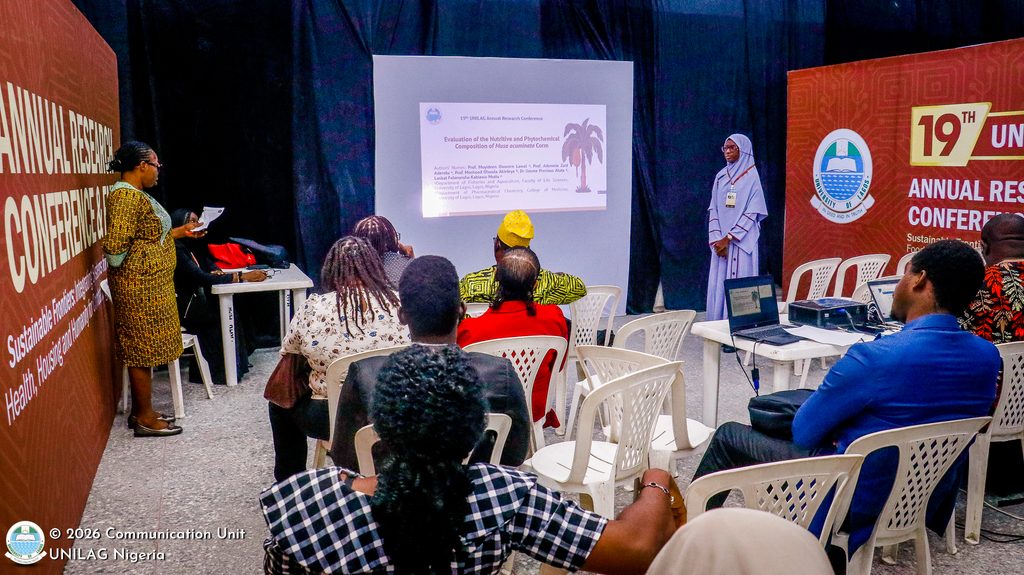
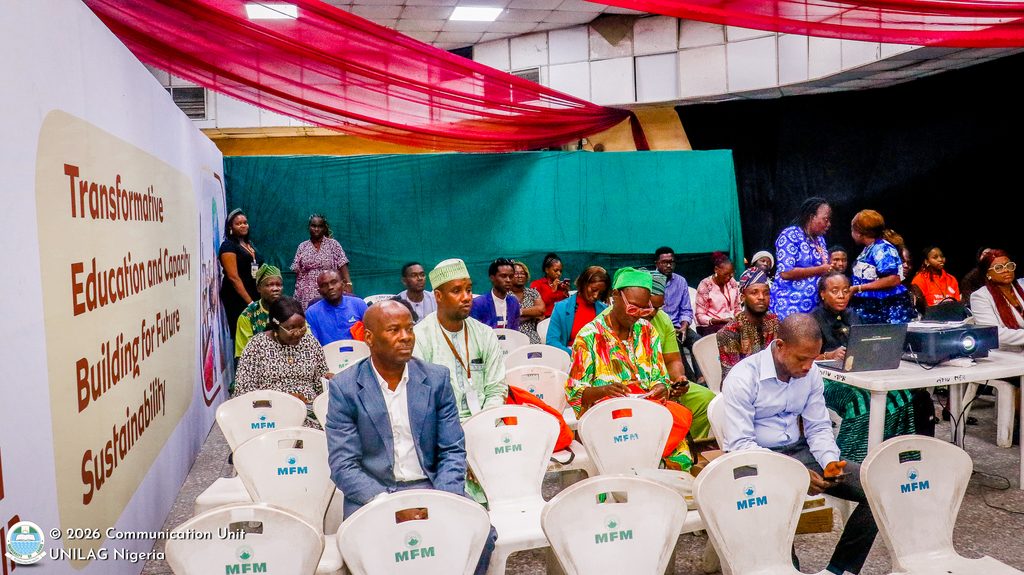
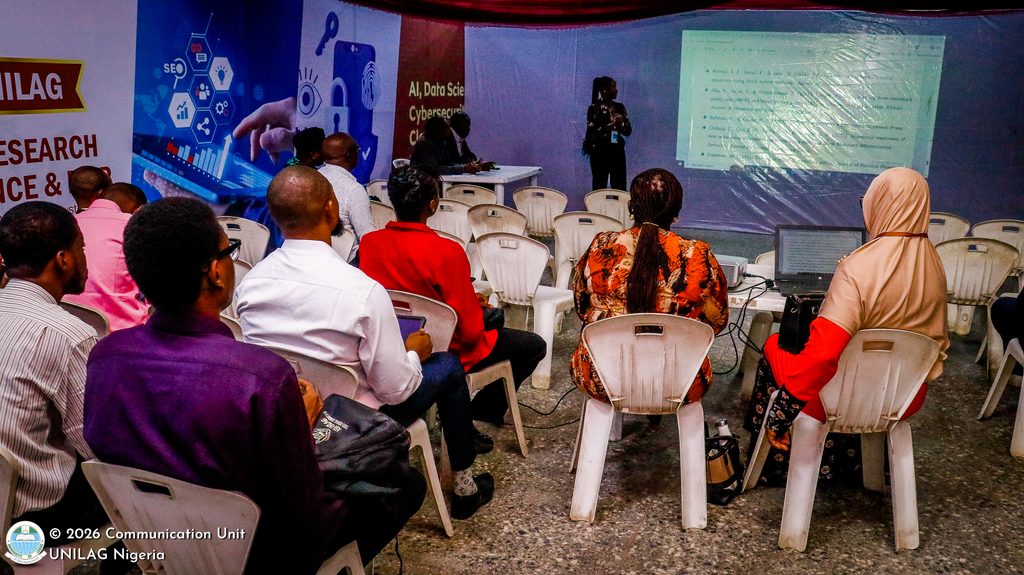
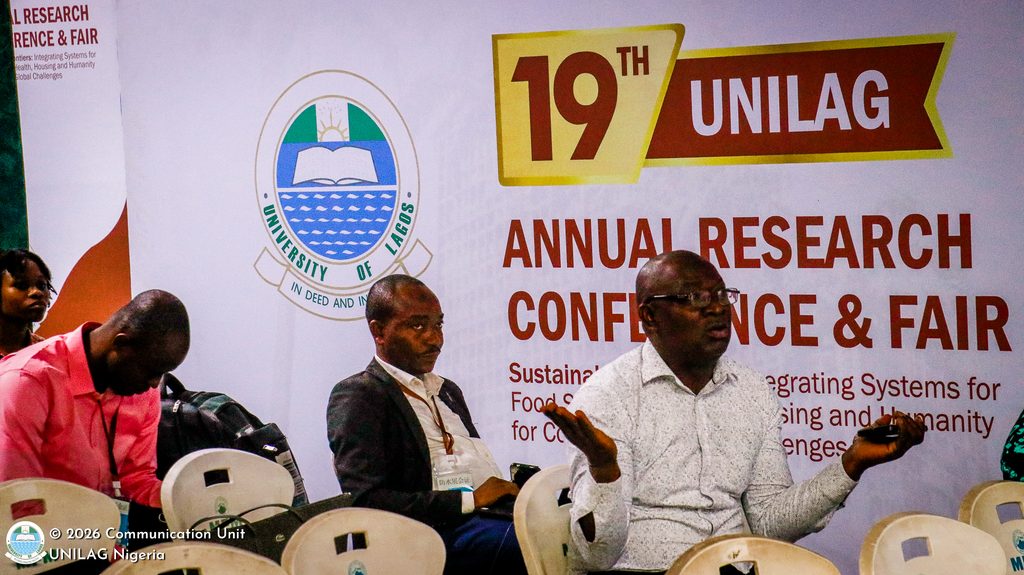
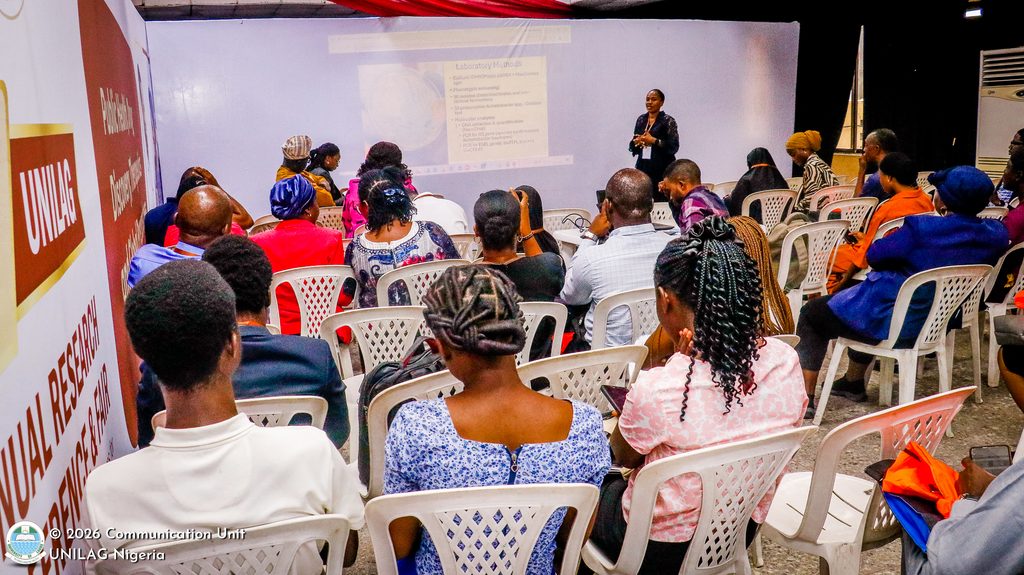
A poster session was also held alongside the oral presentations, with digital posters on display.
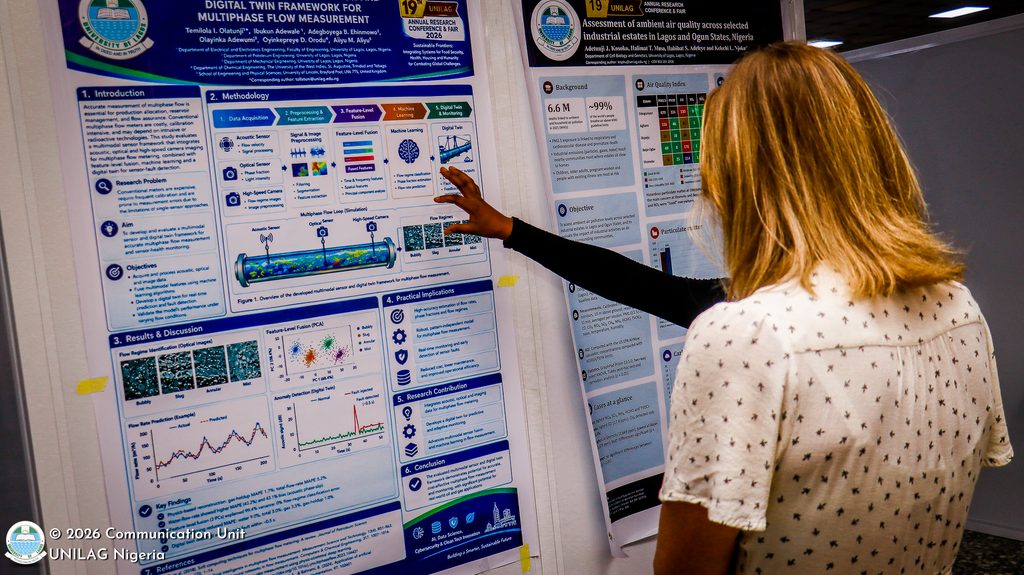
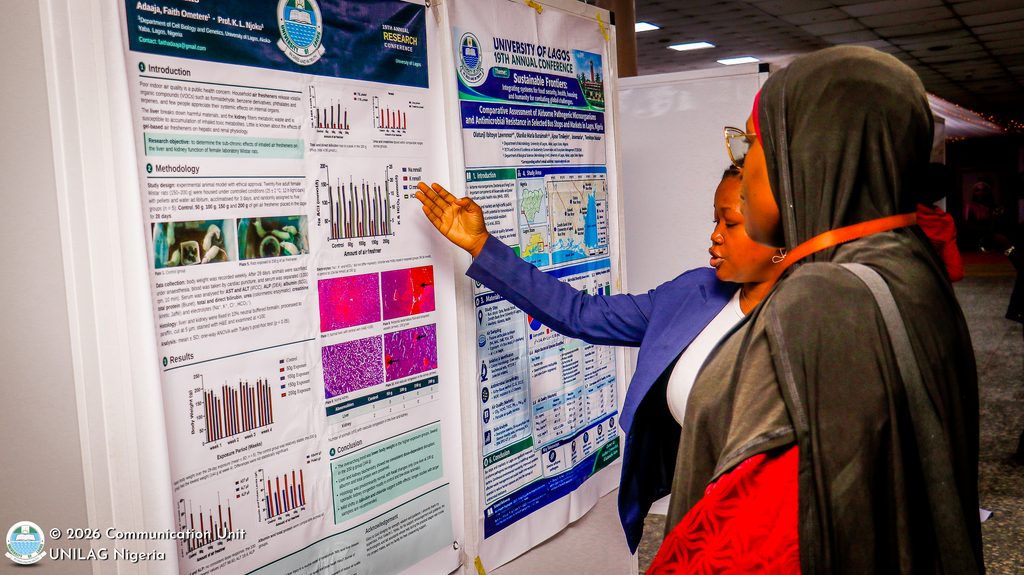
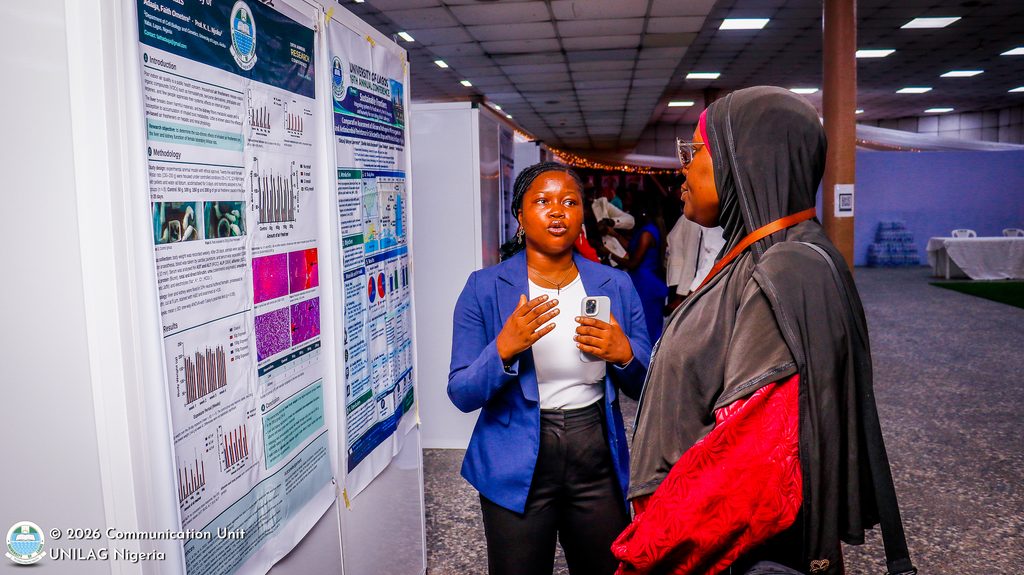
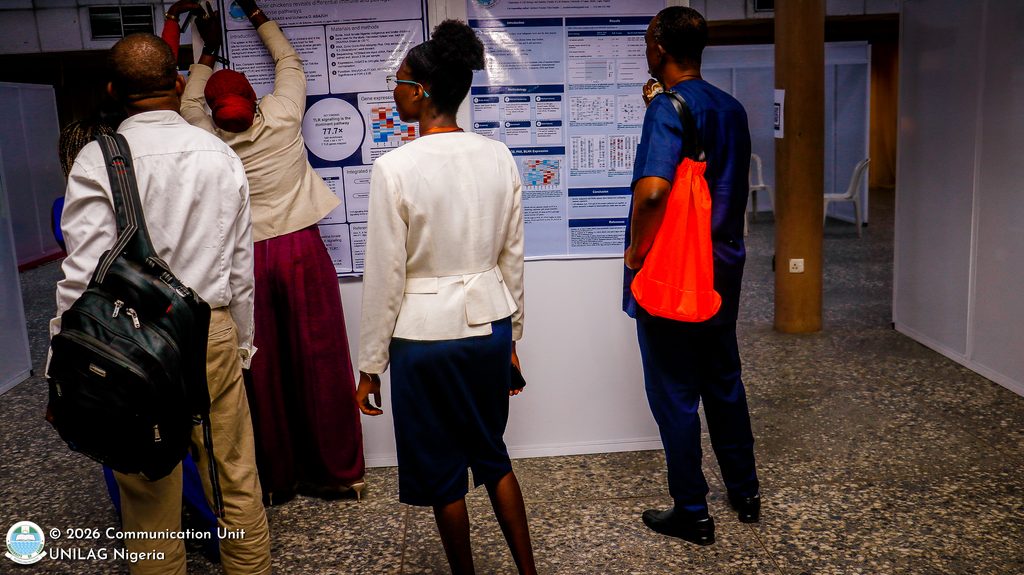
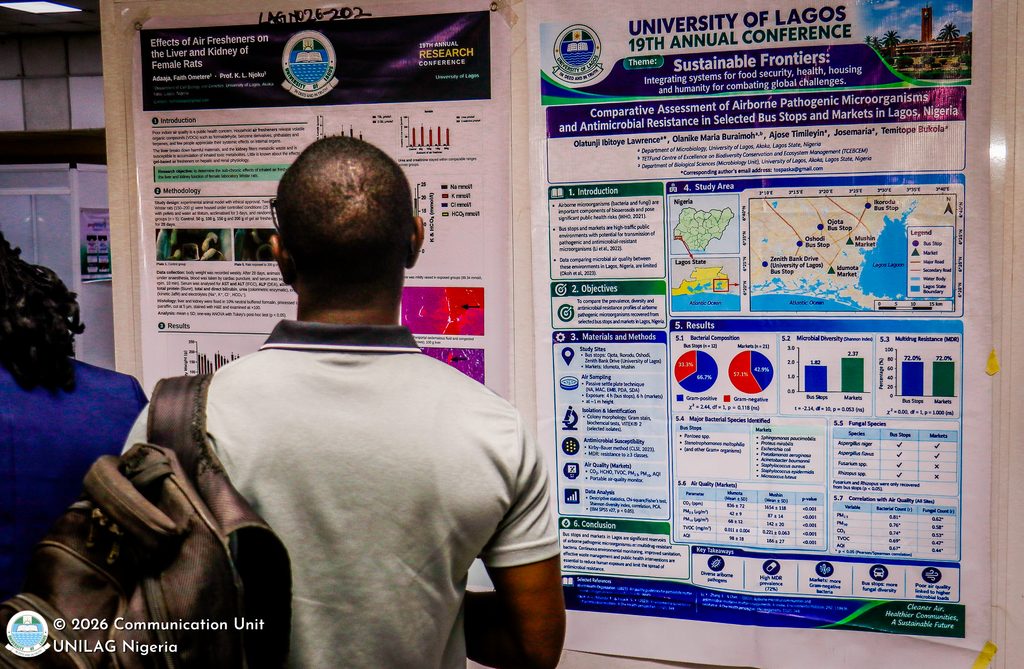
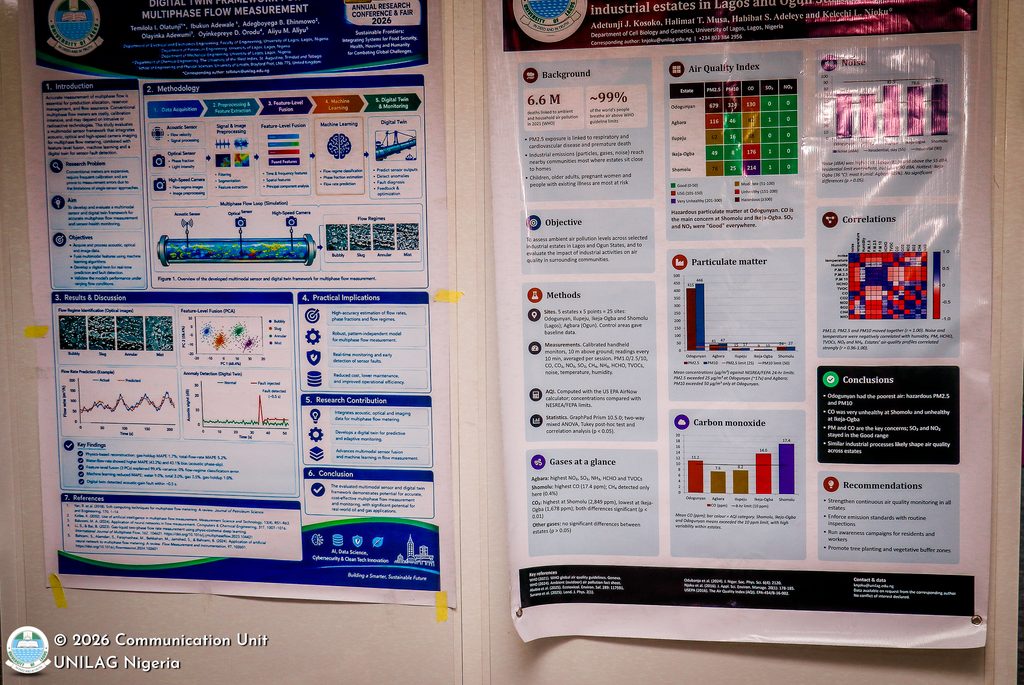
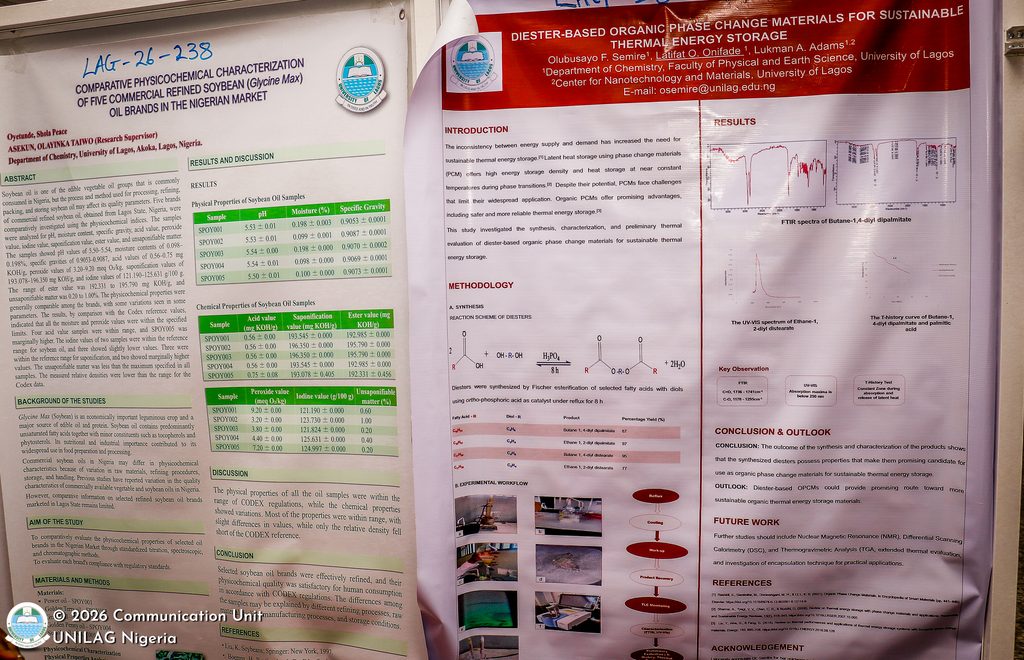
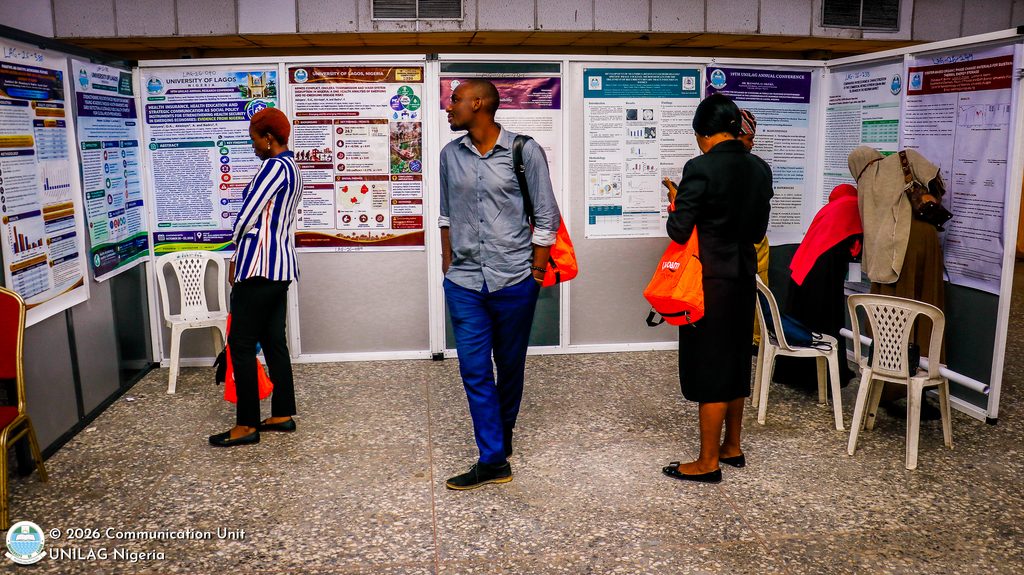
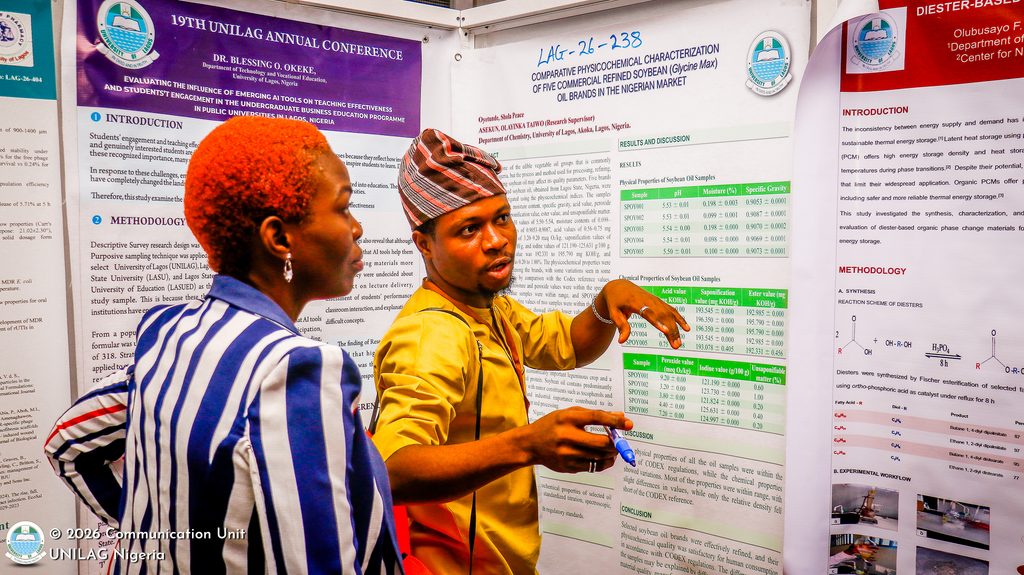
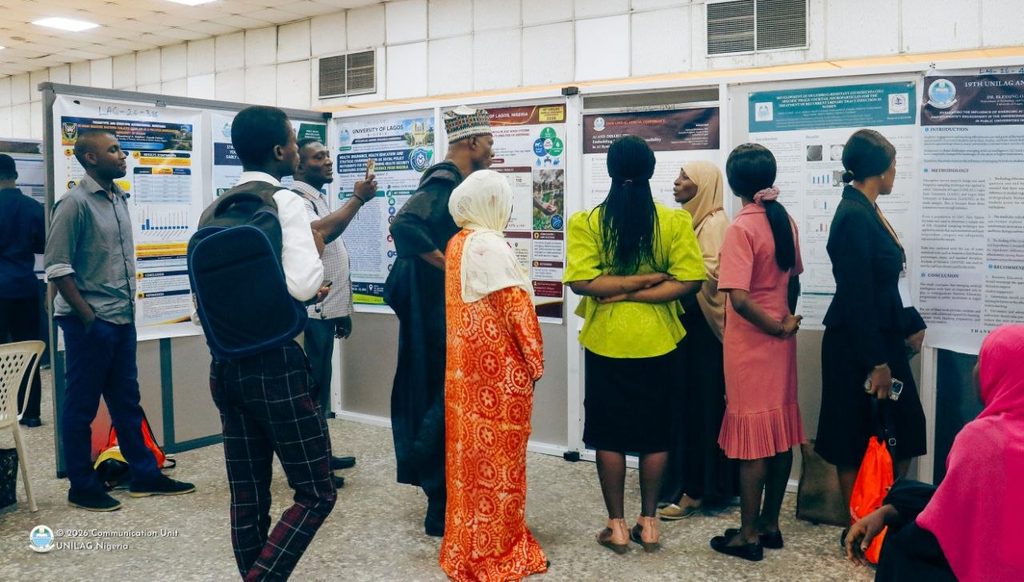
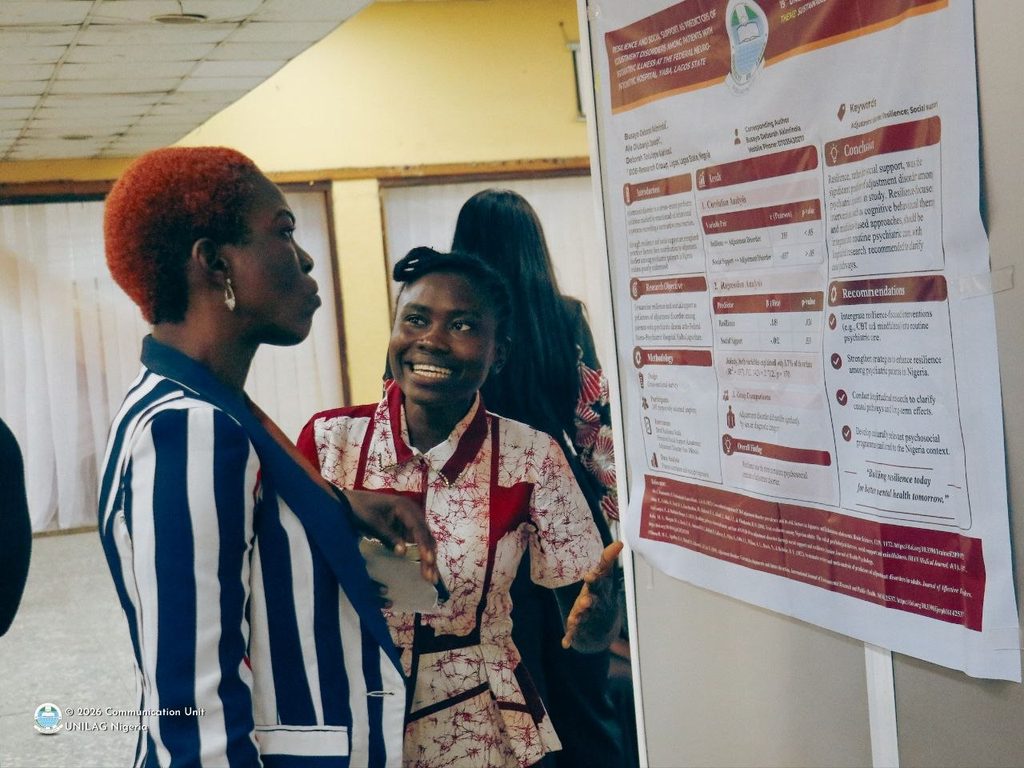
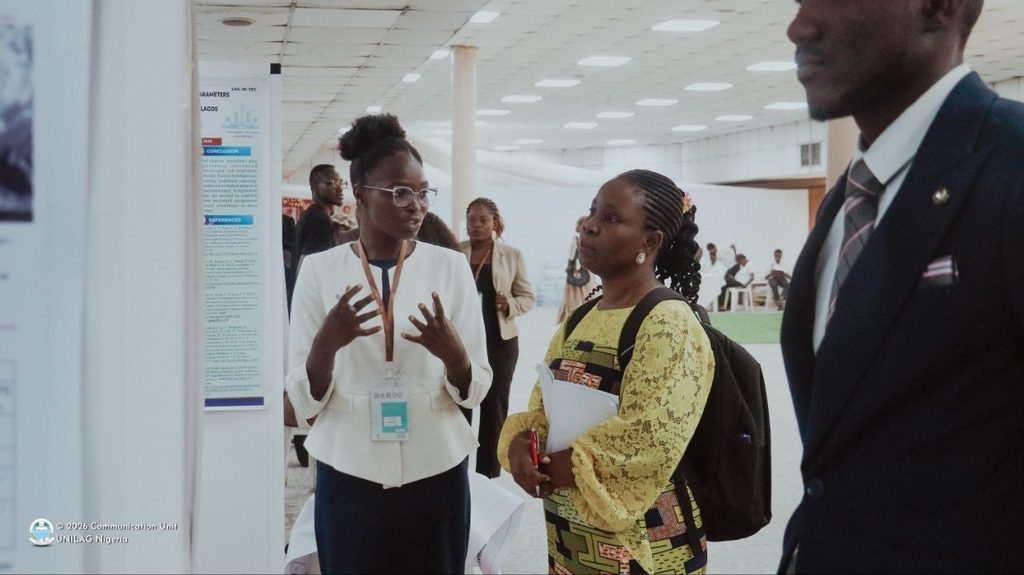
The 19th UNILAG Annual Research Conference and Fair commenced on Wednesday, October 14, 2026, bringing together scholars and industry leaders to explore integrated solutions to global challenges. For Day One highlights. Click: https://unilag.edu.ng/19th-unilag-annual-research-conference-fair-scholars-industry-leaders-seek-integrated-solutions-to-global-challenges/ and https://unilag.edu.ng/unilag-intl-week-2026-stakeholders-explore-industry-academia-collaboration-at-research-conference-fair/ for details.
The conference will conclude on Friday, October 16, 2026.
Report: Gbenga Gbelee
Photograph: Michael Joshua, Tobiloba Gisanrin & Quadri Maleeq Daniel