
The University of Lagos (UNILAG) has once again reinforced its commitment to reshaping the narrative of higher education in Nigeria with the commencement of the Entrepreneurship, Innovation and Business Incubation Certification (EIBIC) Programme for newly admitted 100-level and Direct Entry students.
The five-day initiative, organised by the University’s Entrepreneurship and Skills Development Centre (ESDC), began on Monday, March 2, 2026, and attracted a large turnout of students from various undergraduate programmes across the University.
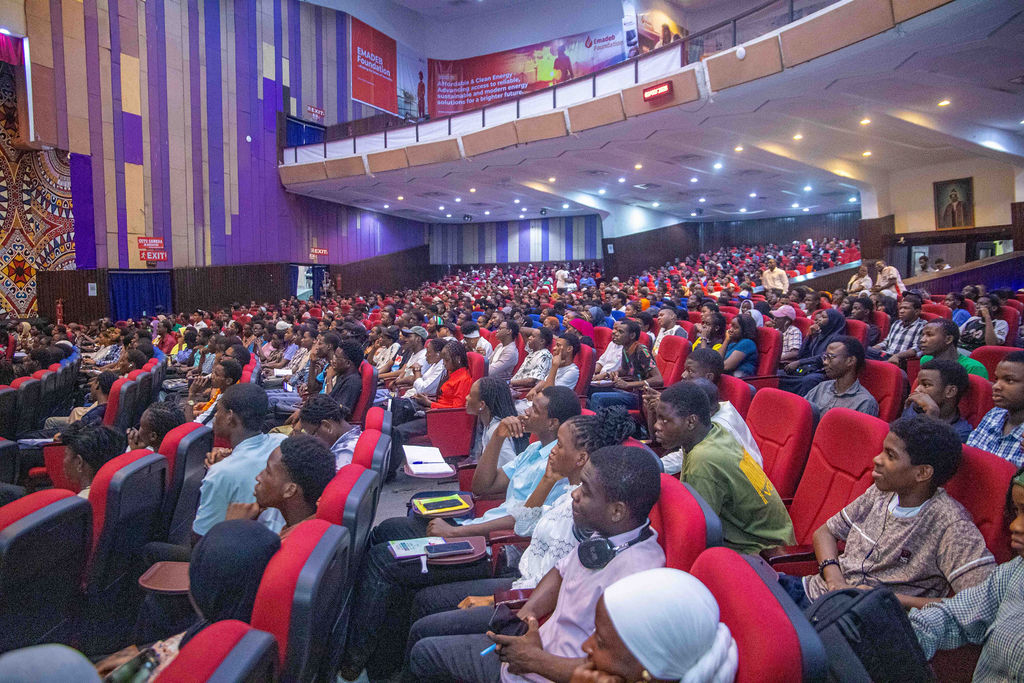


Throughout the week, students from different faculties converged daily at the J. F. Ade. Ajayi (Main) Auditorium to engage with speakers and industry leaders in what has become a highly anticipated feature of the University’s entrepreneurship development agenda.
Rather than a one-off event, the programme represents a continuation of the University’s sustained effort to integrate entrepreneurial thinking into academic learning. It aims to ensure that graduates are equipped not only with theoretical knowledge but also with the practical skills and mindset required to thrive in an increasingly competitive global economy.



A Strategic Response to a National Challenge
Speaking during the opening session, the Deputy Vice-Chancellor (Development Services), Professor Foluso Ebun Afolabi Lesi, emphasised the urgency of addressing Nigeria’s growing unemployment challenge.
According to him, one of the country’s most pressing concerns is the rising number of unemployed graduates despite the steady output of tertiary institutions. He noted that stakeholders have repeatedly expressed concern about the widening gap between the number of graduates produced annually and the employment opportunities available.

Within this context, he explained, the University is deliberately positioning entrepreneurship education as a practical instrument for change, encouraging students to think beyond traditional employment pathways and explore opportunities in enterprise creation and innovation.
Vice-Chancellor Urges Students to Embrace New Skills
On the second day of the programme, the Vice-Chancellor of the University, Professor Folasade T. Ogunsola, OON, FAS, encouraged students to cultivate adaptability and commitment to lifelong learning as they prepare to navigate an ever-changing world.

Addressing participants on Tuesday, March 3, 2026, Professor Ogunsola urged the newly admitted students to embrace the challenge of acquiring new skills that will enable them remain relevant in an increasingly dynamic global environment.
She drew attention to Nigeria’s vast youth population, observing that nearly two million of them are currently enrolled in tertiary institutions. Many of these graduates, she noted, may face limited employment opportunities upon graduation. In light of this reality, she emphasised that entrepreneurship and job creation must increasingly become viable pathways for young people.



According to her, the prevailing socio-economic landscape leaves little room for individuals who are unwilling to adapt, innovate or contribute meaningfully to societal transformation. She therefore encouraged students to take full advantage of the numerous opportunities available within the University to broaden their competencies and sharpen their entrepreneurial mindset.
In her words: “Whether you dream of launching a tech start-up or building a small business, this programme will provide you with the support and guidance you need.”
The Vice-Chancellor also highlighted the institution’s commitment to expanding platforms that promote learning, innovation and enterprise development among students. Through initiatives coordinated by the ESDC, she added that the University continues to develop programmes and partnerships that support skill acquisition, innovation and business incubation.

Professor Ogunsola also expressed appreciation to corporate partners and stakeholders supporting the initiative for helping the University expose students to real-world business experiences.





Bridging the Gap Between Education and Enterprise
Speaking further at the programme, the Director of the ESDC, Professor Sunday Adebisi, underscored the critical importance of entrepreneurship education in a country with a rapidly growing youth population.
He described Nigeria as a nation with enormous potential for innovation and start-up growth, driven by its vibrant culture, creative talent and expanding digital economy.

However, he pointed out that while universities continue to produce highly skilled graduates, a noticeable gap still exists between academic education and the practical competencies required to successfully build and sustain a business venture.
Programmes such as EIBIC and other entrepreneurship initiatives within the University of Lagos, he explained, are designed to bridge this gap by exposing students early to entrepreneurial thinking, innovation and real-world problem-solving.
Learning from Industry Leaders
Over the course of the week, the EIBIC journey of discovery provided students with the opportunity to interact directly with accomplished entrepreneurs, professionals and alumni from diverse industries. Sessions explored practical themes such as market research, business planning and design, financial management and digital marketing.

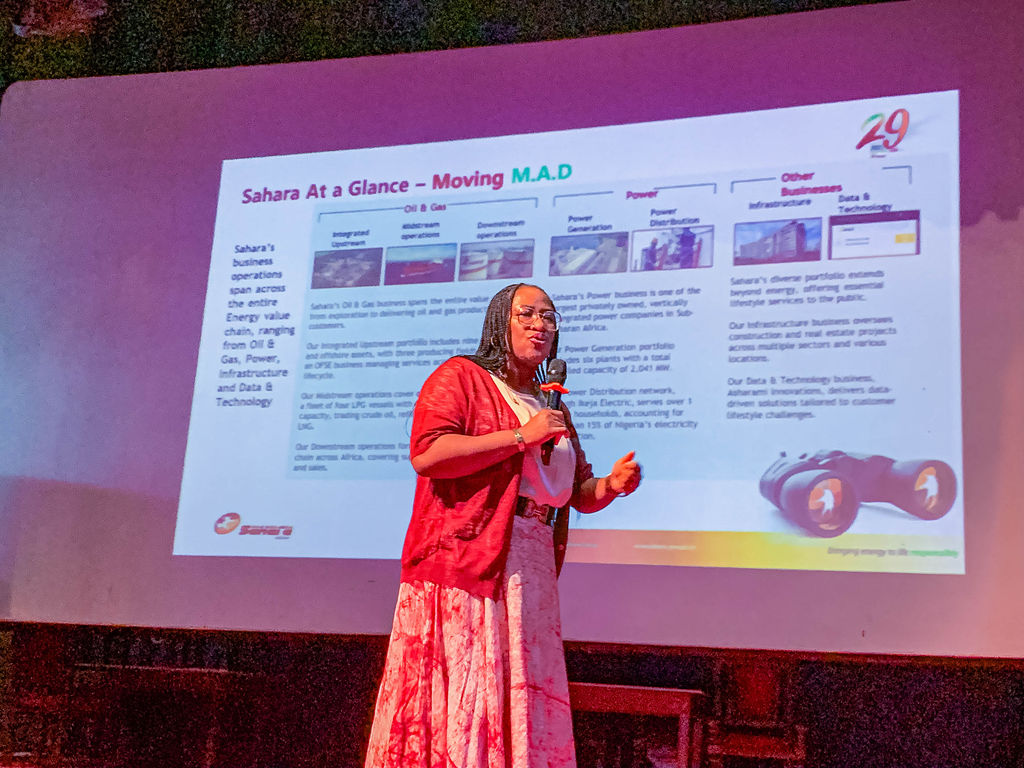




Among the speakers who engaged students were:
Bayo Omoboriowo – Founder/CEO, Madhouse Tikera and former official photographer to President Muhammadu Buhari
Nedu Osayande – CEO, Lekosa Limited
Sola Adeniyi – Founder/CEO, Highhills Agriculture Limited & Go Green Africa
Deji Macaulay – Founder/CEO, Truthware & Cube Cover
Abiodun Olubitan – Head, SME Banking, Access Bank
Olugboseye Olujimi – Executive Director, EMADEB Energy
Yemi Edun – Managing Director/CEO, Daniel Ford International
Mofayo Williams – CEO/Founder, Critical Infrastructure Resilience Company
Oliver Johnson – CEO, Marcator Technologies
Henrietta Guboh – CEO/Founder, Norwiche Limited
Sam Obi – CEO/Founder, Simplified IQ
Sahara Energy – Mrs. Ejiro Gray



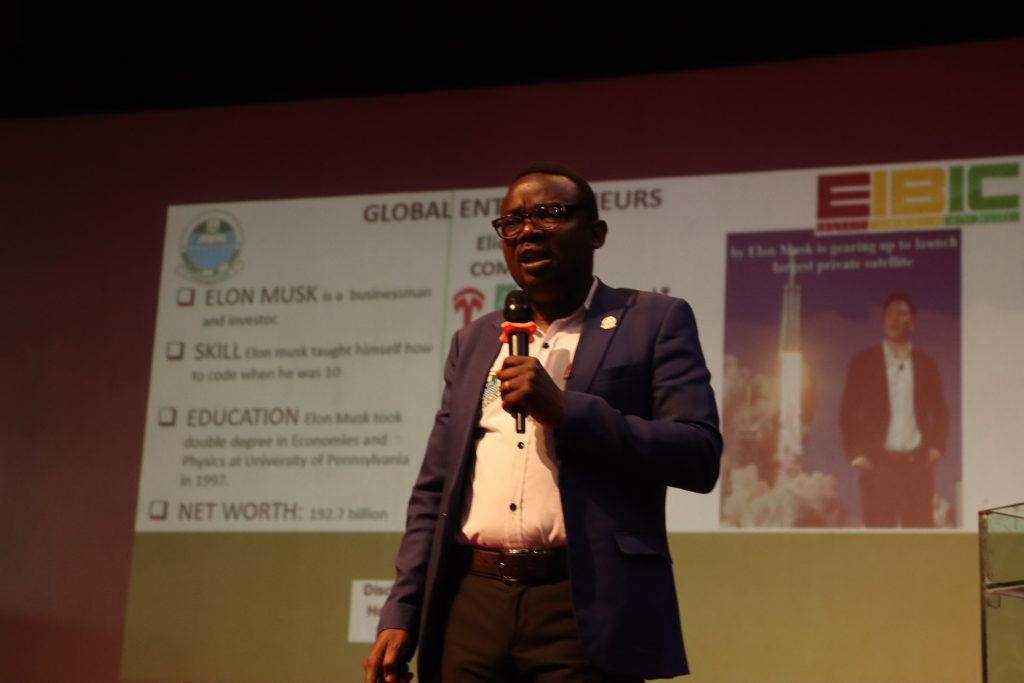

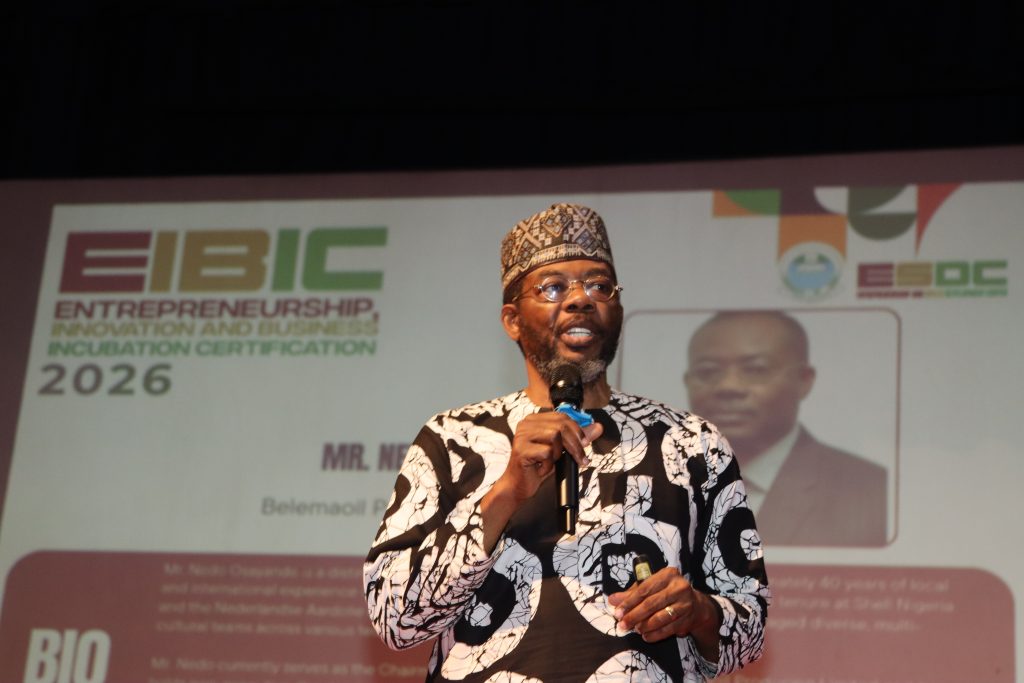
Through these engagements, students gained firsthand insights into entrepreneurial journeys across sectors such as technology, real estate, energy, agriculture, digital media and financial services.
Conversations that Inspire
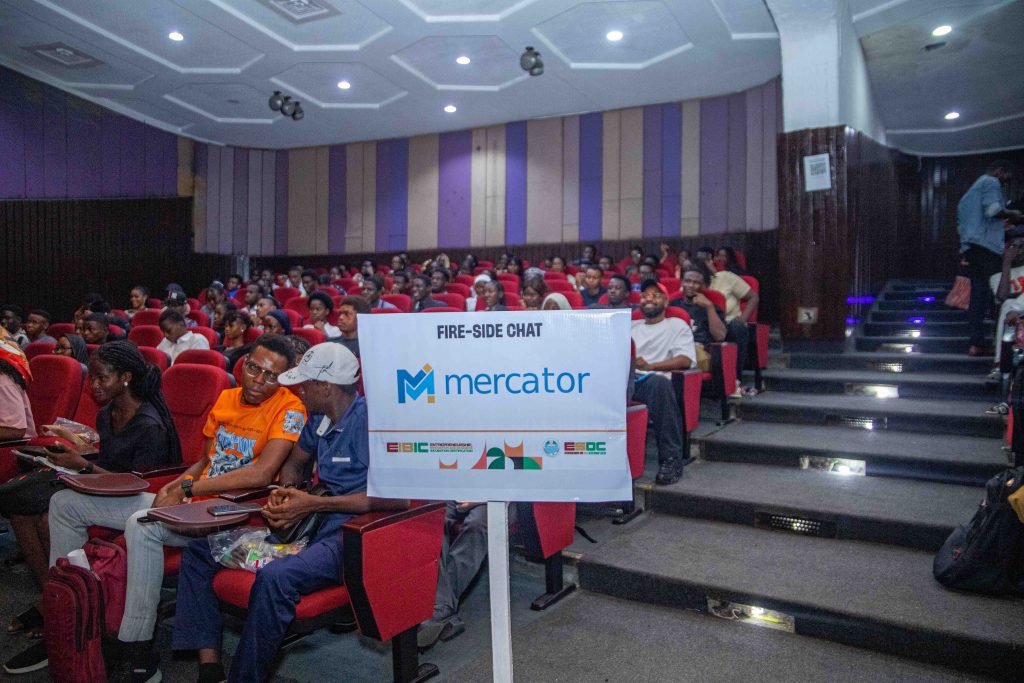
Beyond the presentations, the programme featured panel discussions and fireside chats where students interacted freely with speakers and industry partners.

These sessions created an open platform for participants to ask questions, seek guidance and explore ideas around entrepreneurship and career development.
Corporate partners including Sahara Group, Access Bank, EMADEB Energy, Daniel Ford International, Workforce Group and Marcator Technologies also shared insights on industry realities and emerging opportunities.
A Celebratory Highlight of the Week
By Thursday, March 5, 2026, the programme assumed a celebratory dimension as individuals and organisations that have supported the initiative since its inception were honoured with award plaques.
In the individual category, renowned fintech entrepreneur Iyinoluwa Aboyeji received the EIBIC Mentor Award, while the Grand Mentor Award was presented to Bayo Omoboriowo and Oliver Johnson in recognition of their mentorship and continued engagement with the programme.
The Star Personality Award was conferred on Olugboseye Olujimi, Executive Director of EMADEB Energy, and Ejiro Gray, Executive Director, Governance and Sustainability at Sahara Group, for their contributions to entrepreneurship and youth development.

In the institutional category, the EIBIC Champion Award was presented to Sahara Group, Access Bank, Daniel Ford International, EMADEB Foundation and Workforce Group in appreciation of their steadfast partnership and support.
The Vice-Chancellor, Professor Folasade T. Ogunsola, was also honoured for her pivotal role in nurturing the initiative, while the Director of the ESDC, Dr. Sunday Adebisi, was recognised for his leadership in driving the programme forward.
With activities culminating on Friday, March 6, 2026, EIBIC programme remains a physical demonstration of UNILAG’s commitment to preparing its students not only for academic excellence but also for innovation, entrepreneurship and leadership in the modern economy.