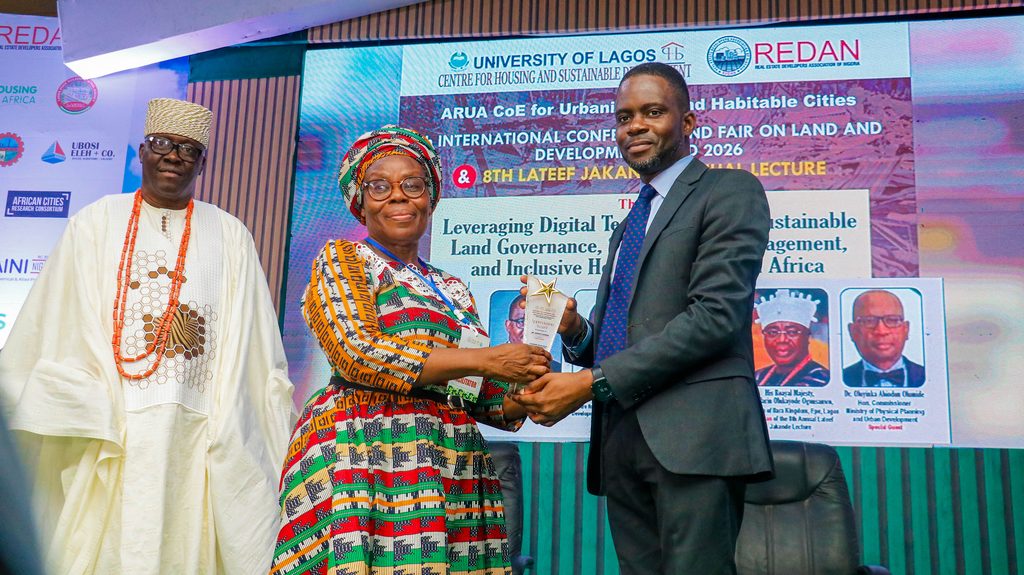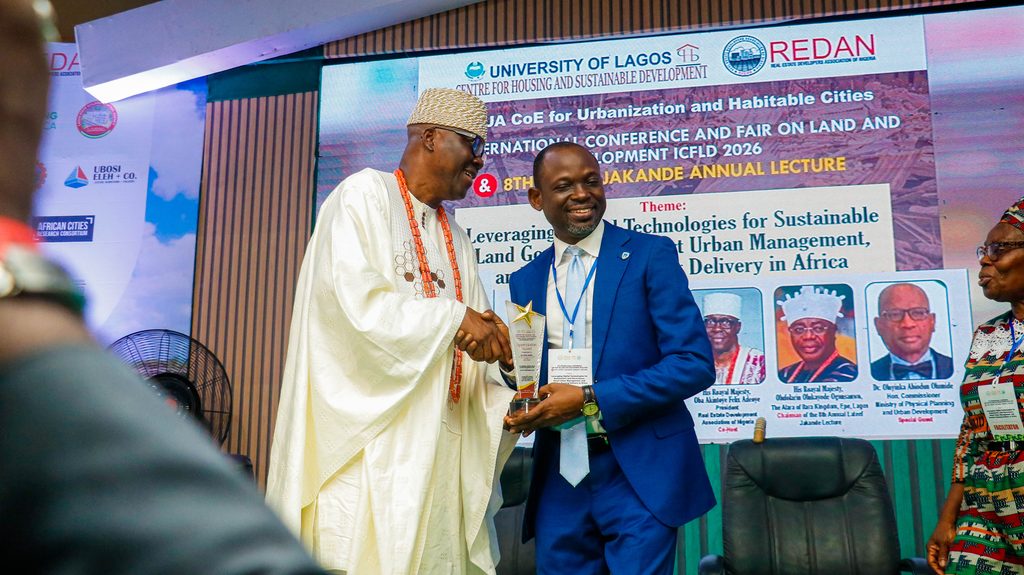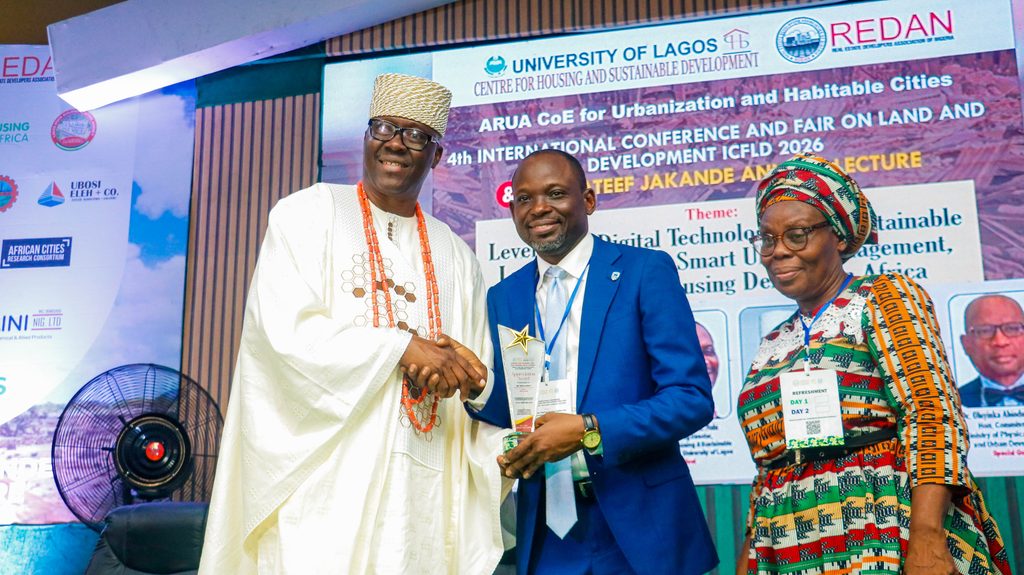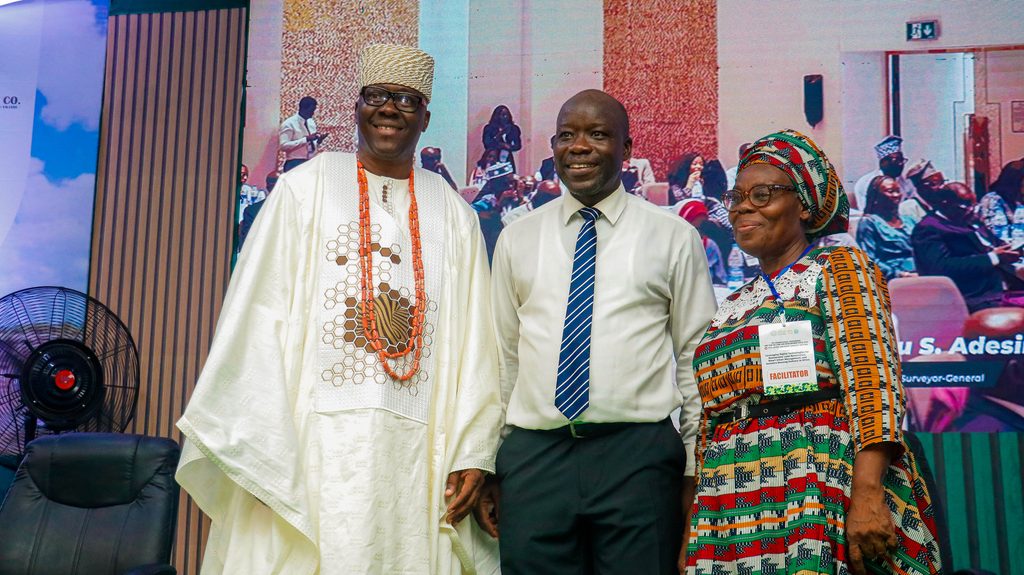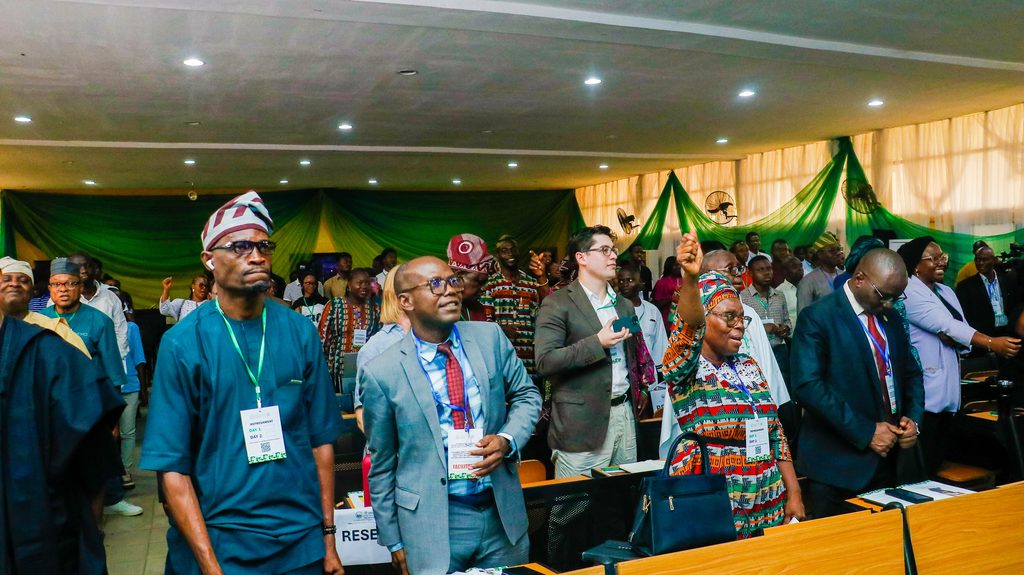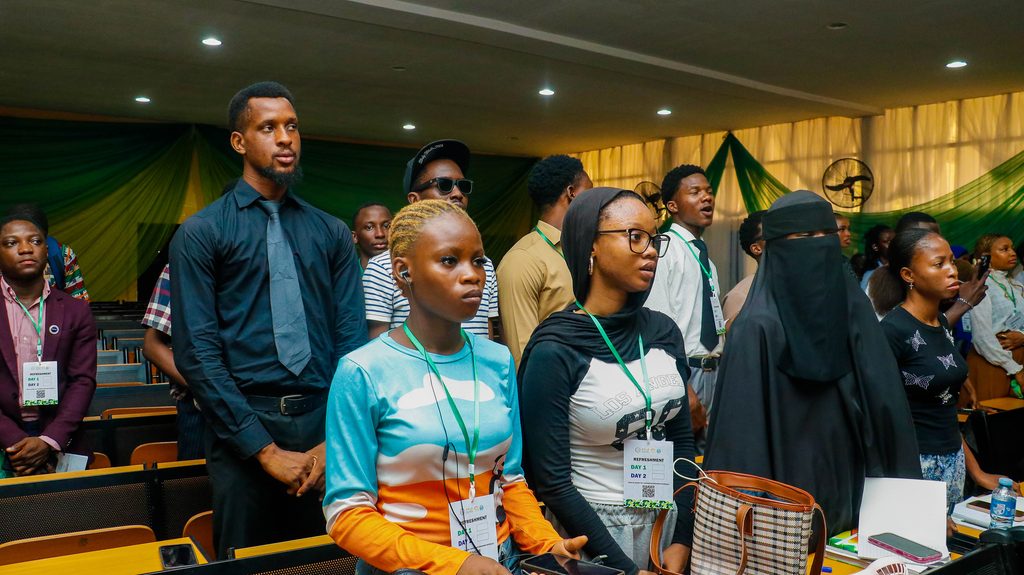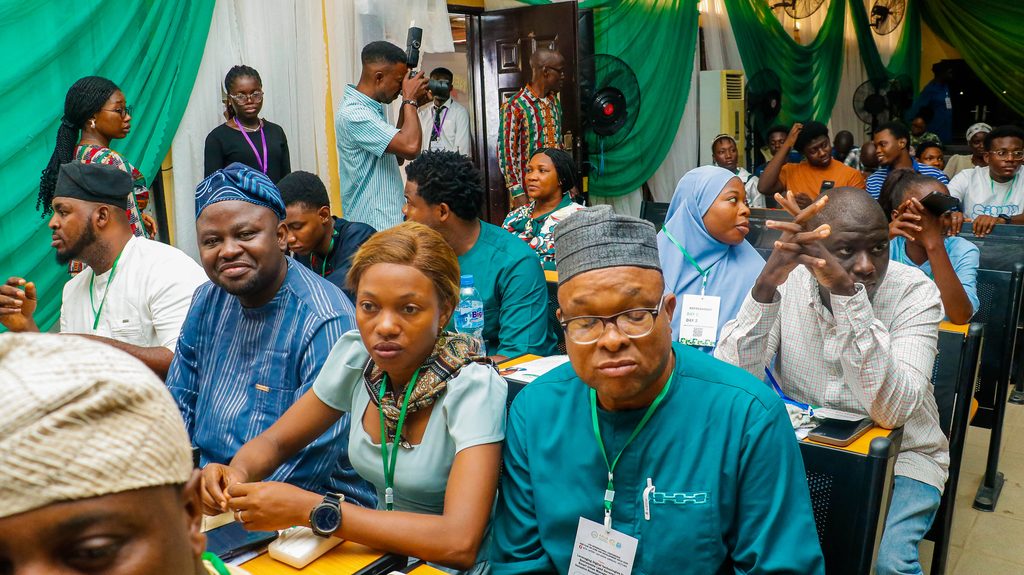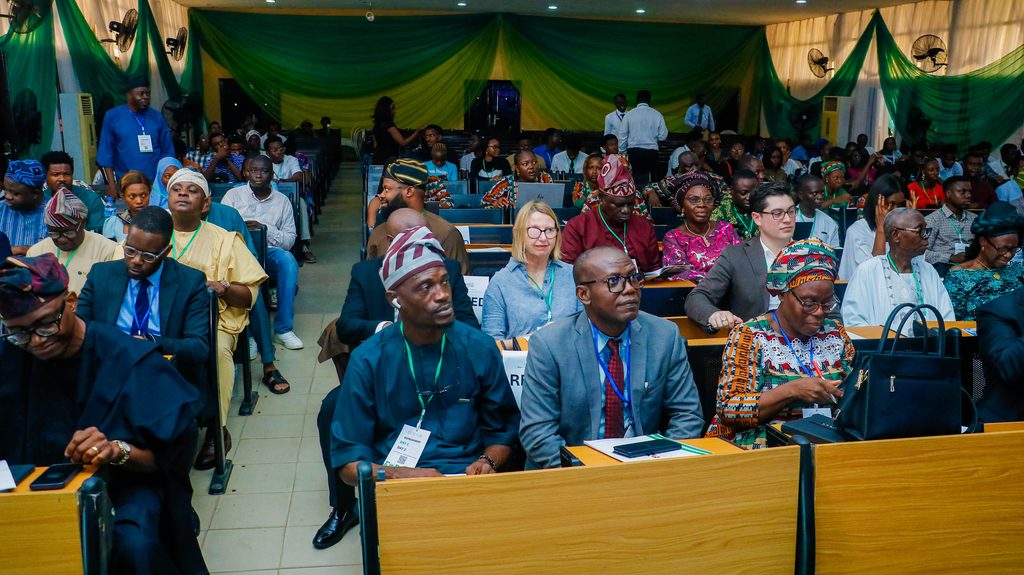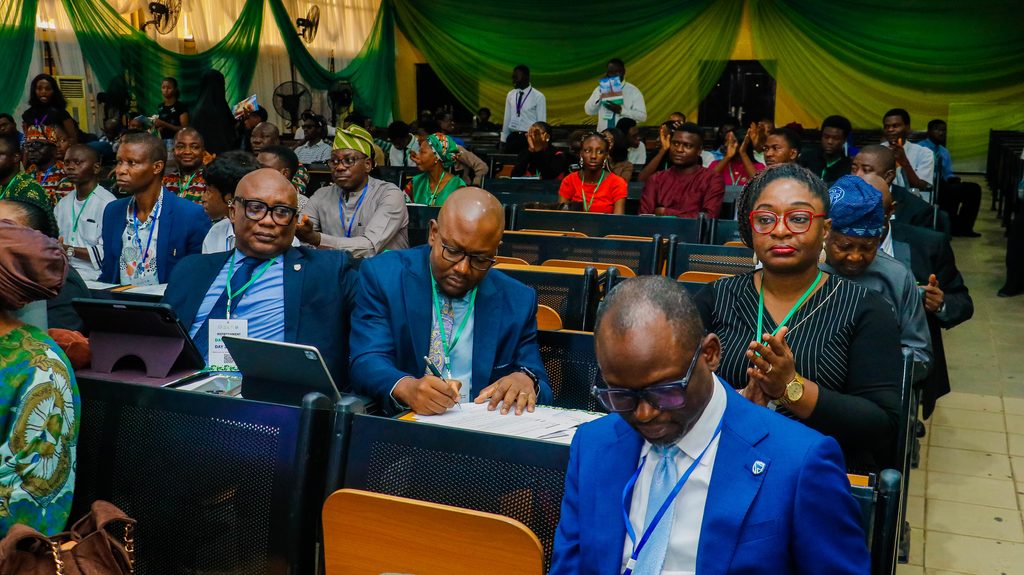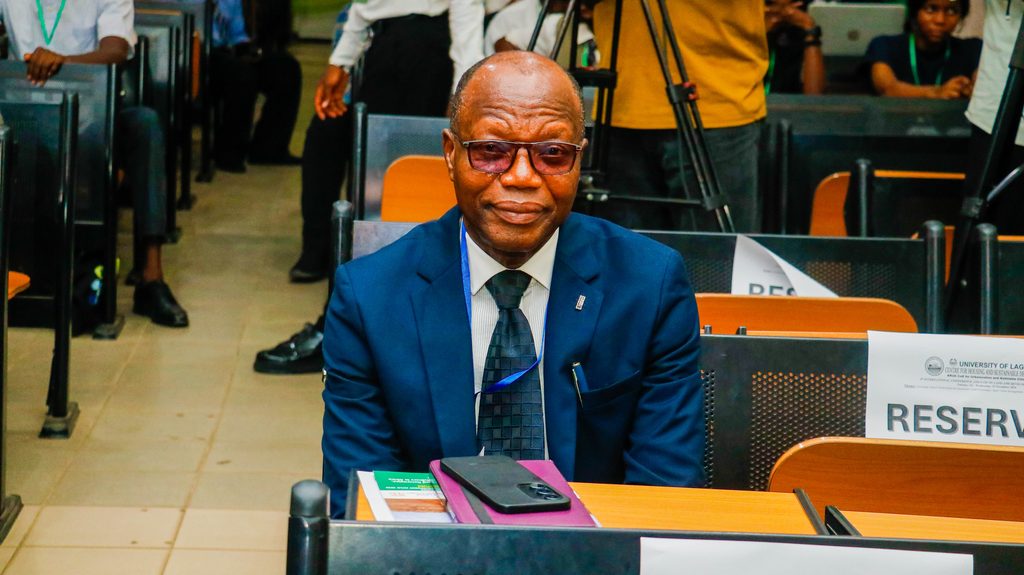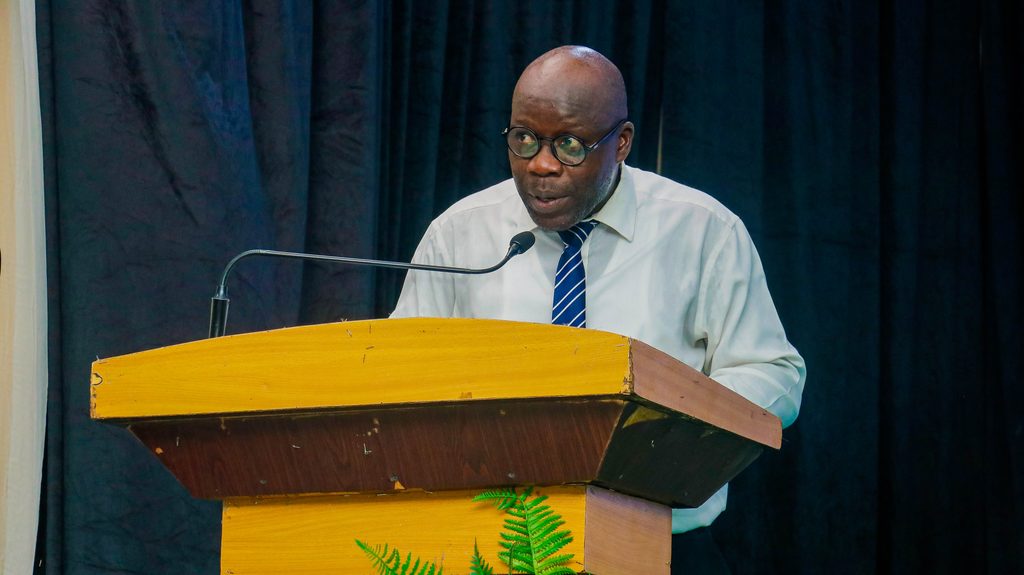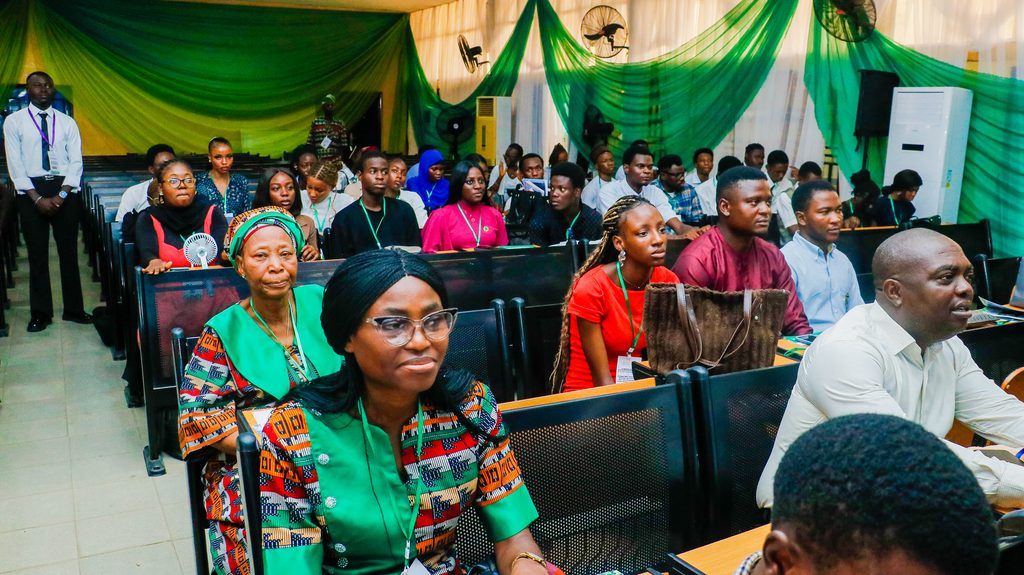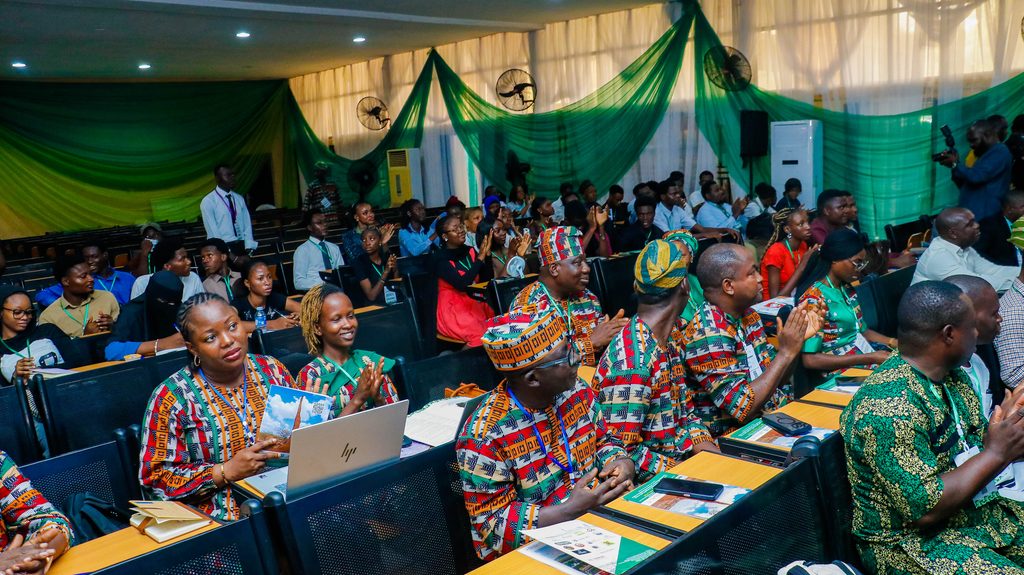
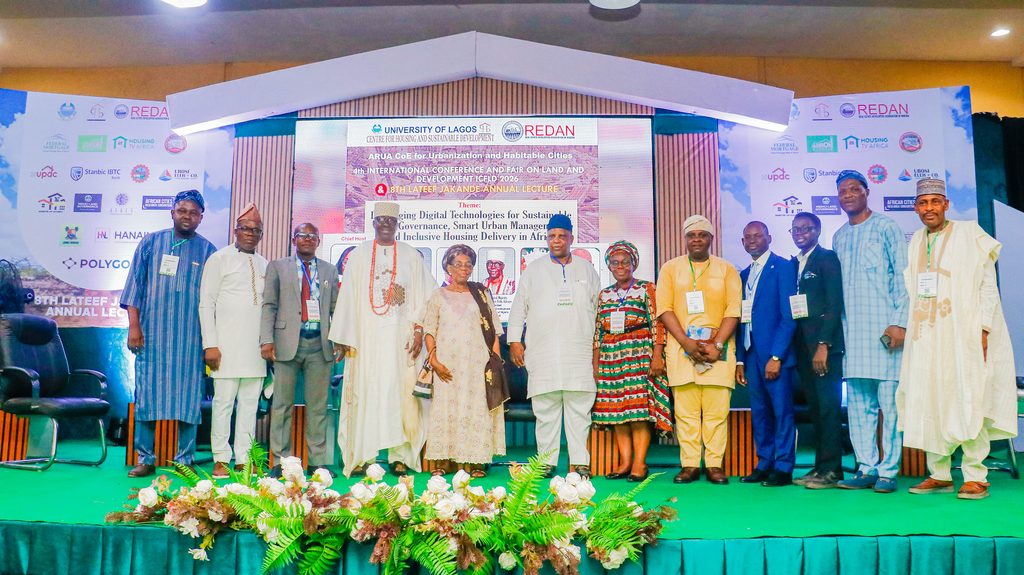
The University of Lagos (UNILAG) and Real Estate Developers Association of Nigeria (REDAN) have called for greater deployment of digital technology to address Africa’s housing and urban development challenges, particularly in strengthening land governance, improving urban management and expanding access to affordable housing.
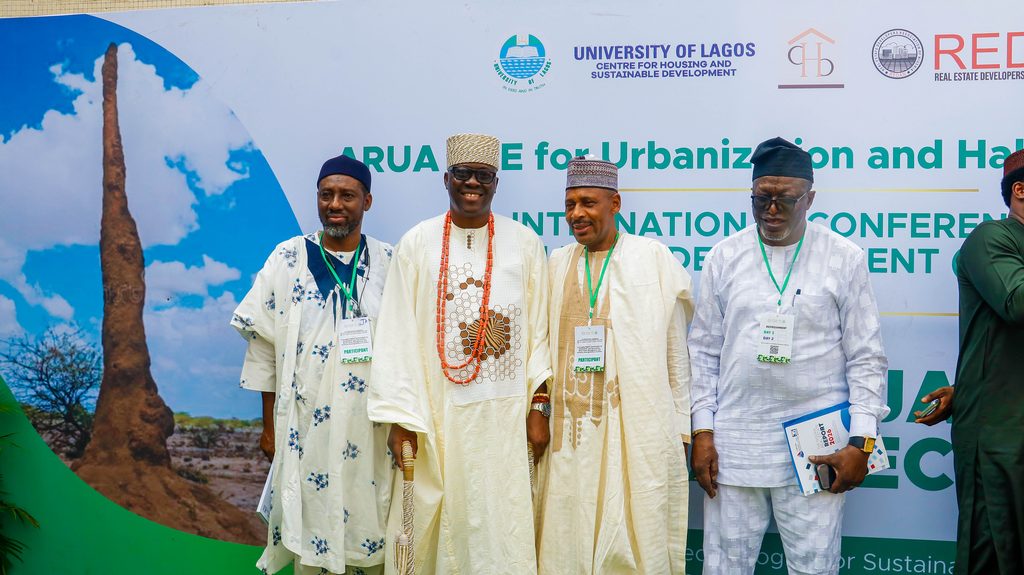
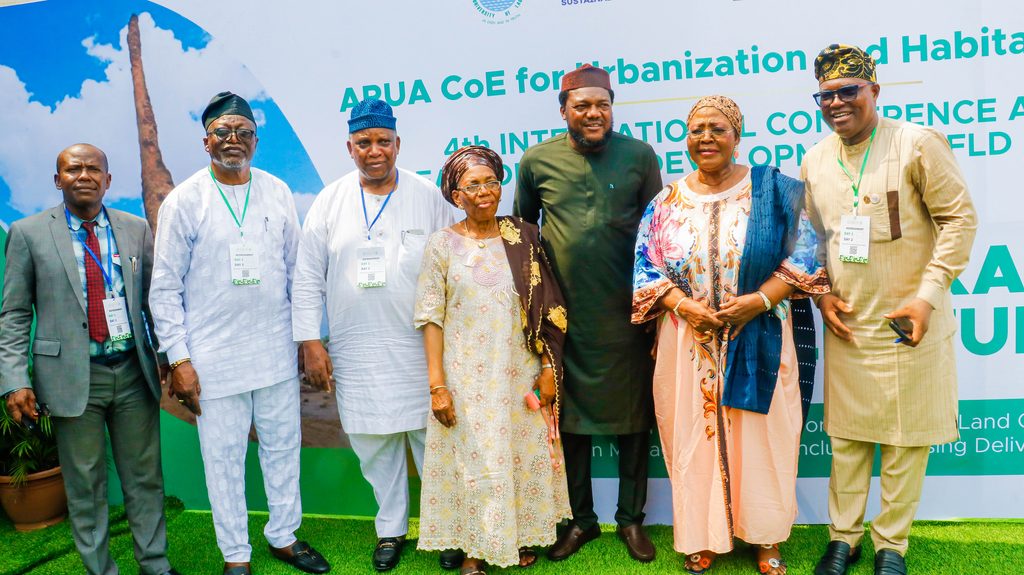
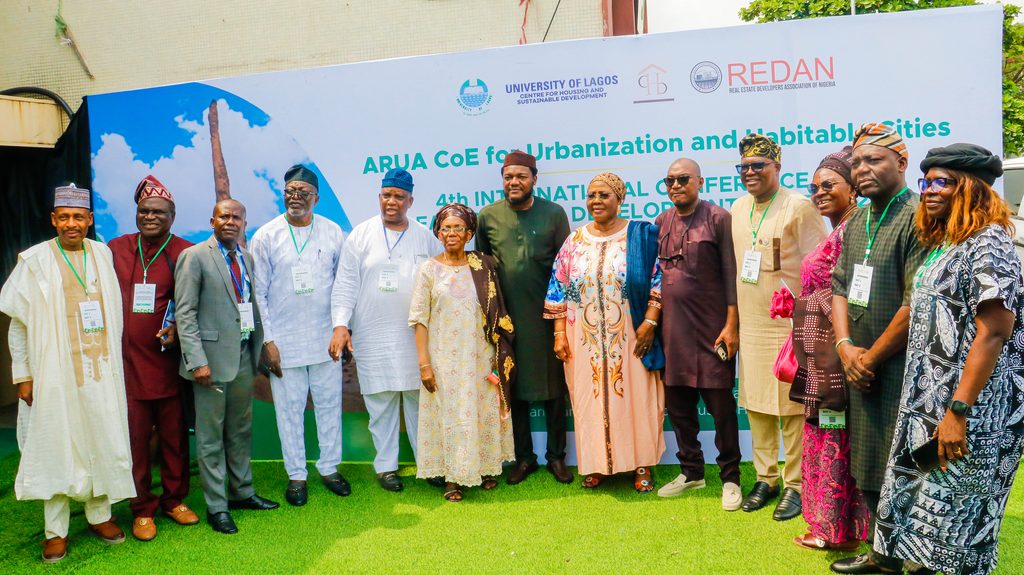
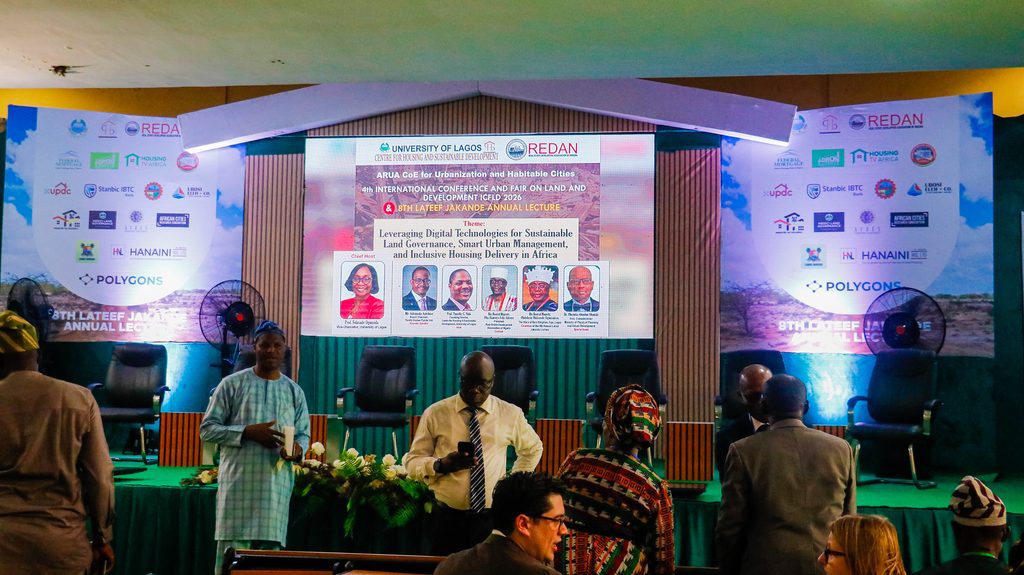
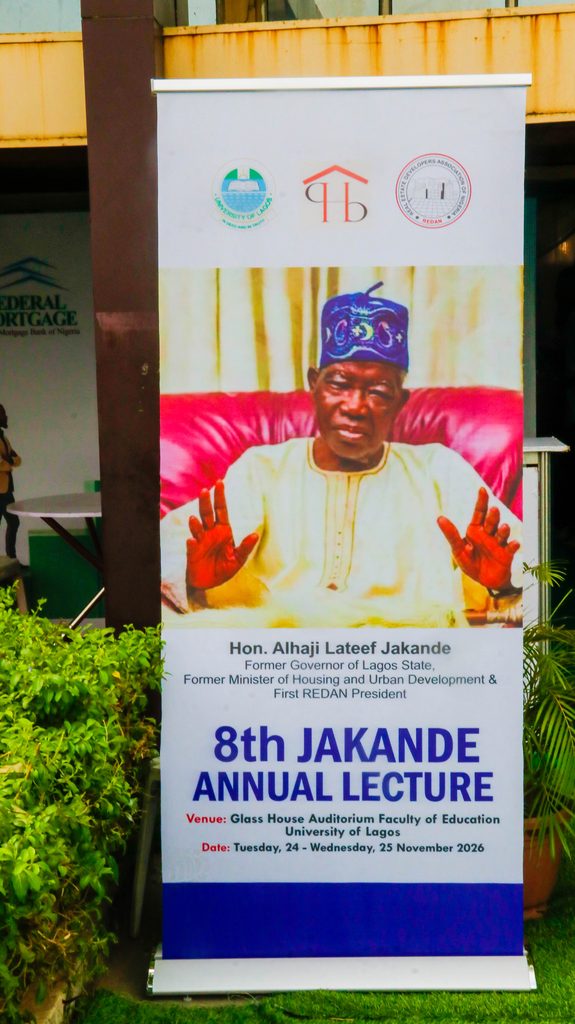
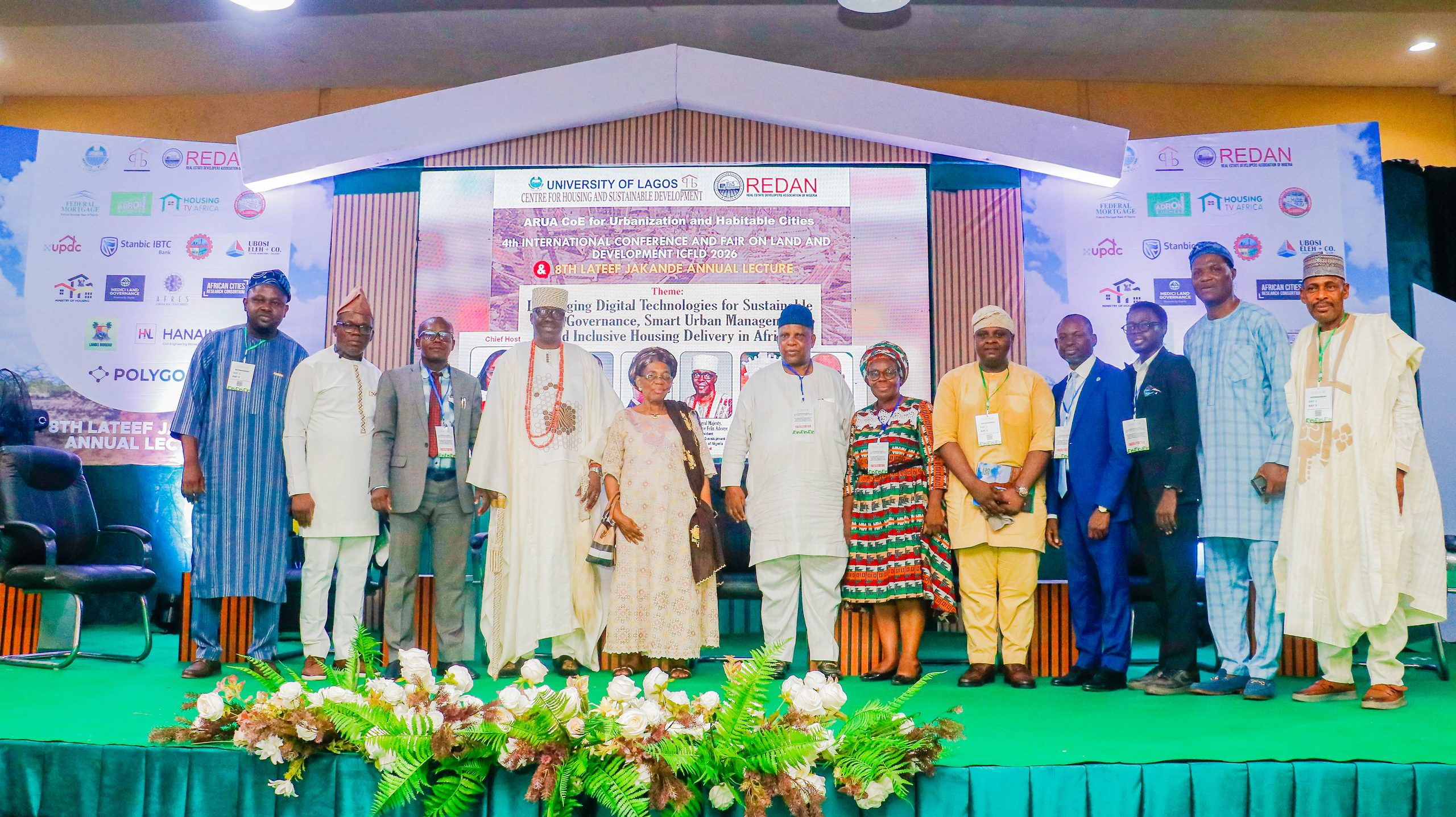
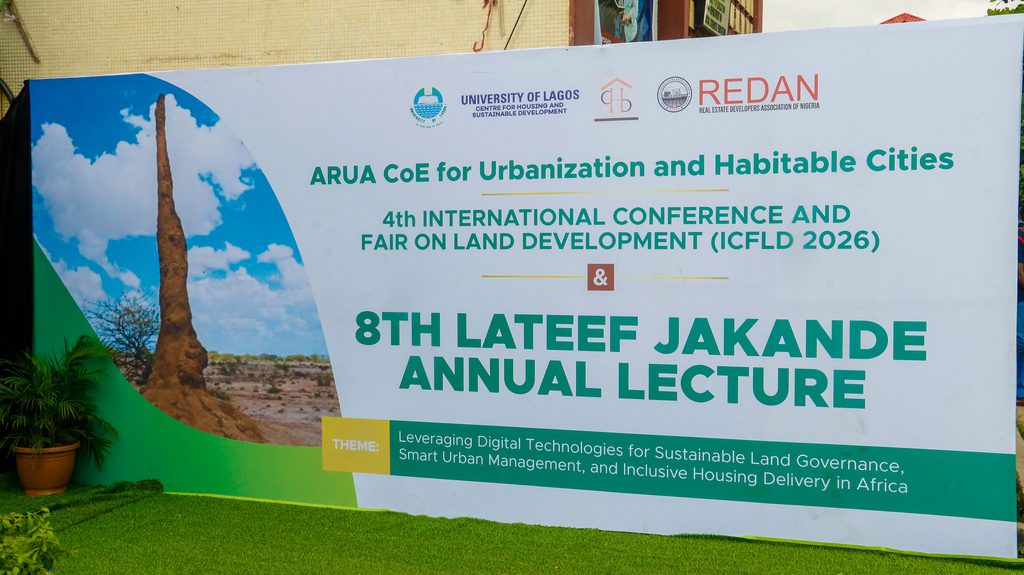
The call formed the thrust of discussions at the 4th International Conference and Fair on Land and Development (ICFLD) 2026 and the 8th Lateef Jakande Annual Lecture, organised by the Centre for Housing and Sustainable Development (CHSD), ARUA Centre of Excellence (CoE) for Urbanization and Habitable Cities, UNILAG in collaboration with the Real Estate Developers Association of Nigeria (REDAN).
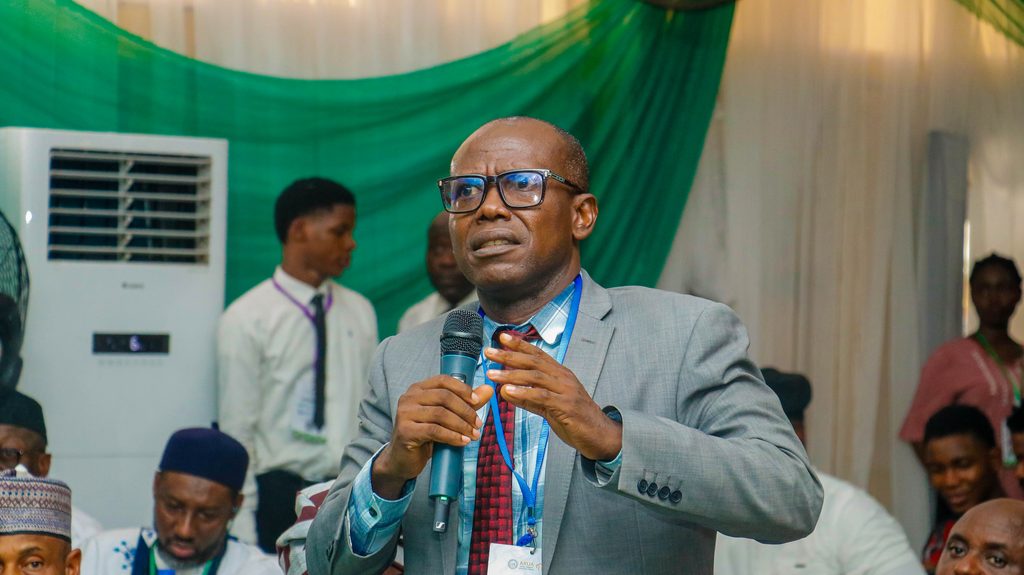
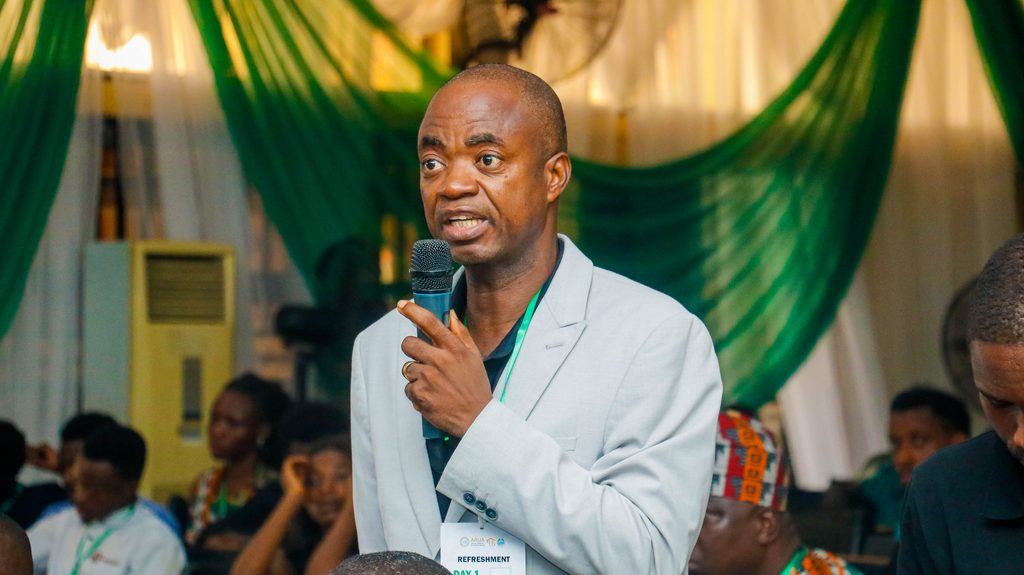
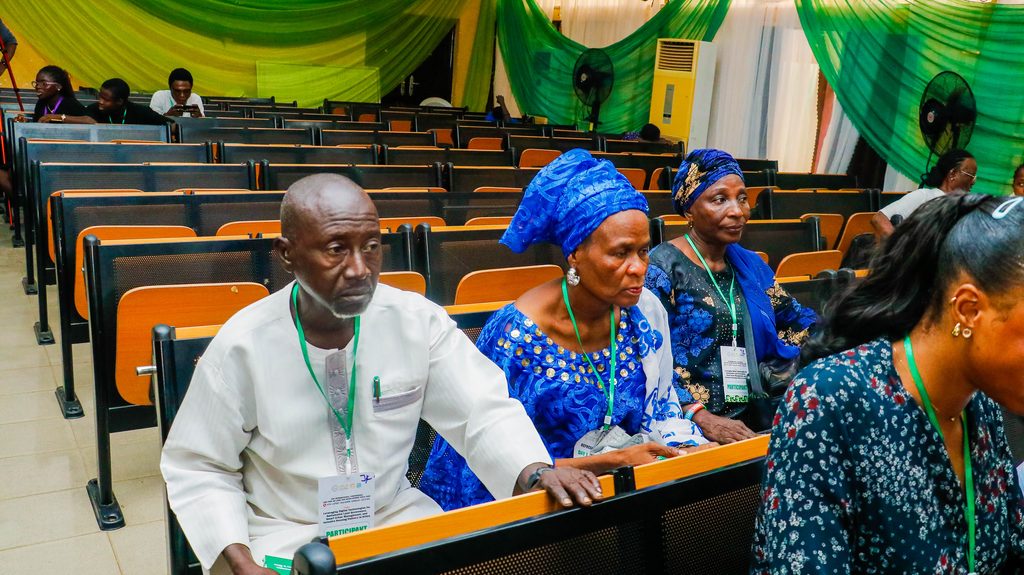
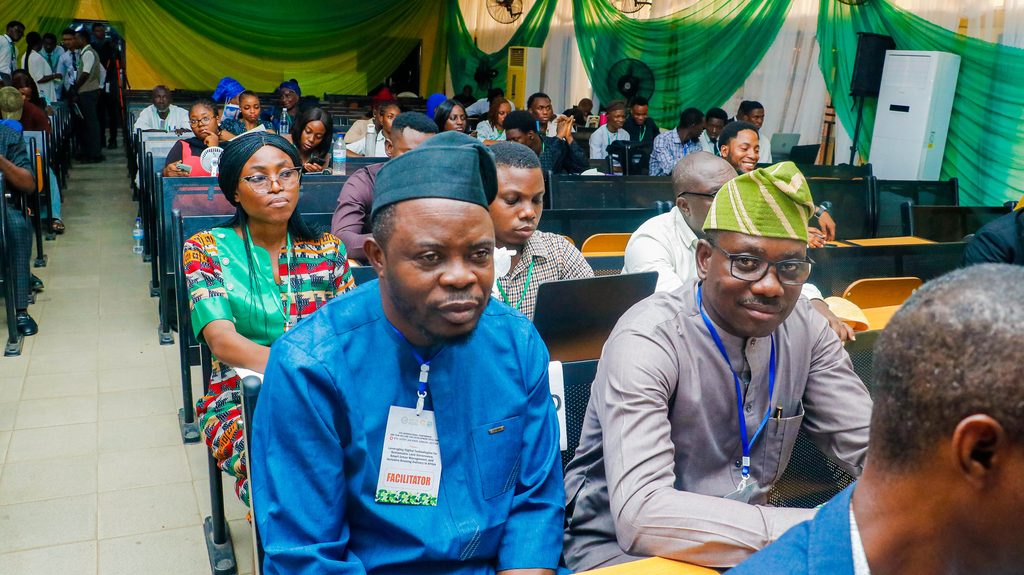
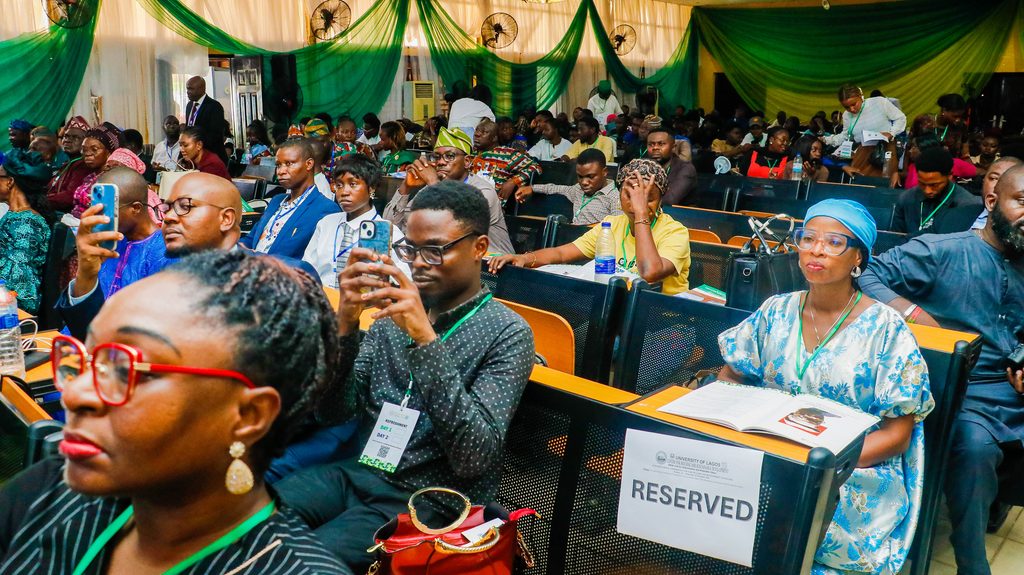
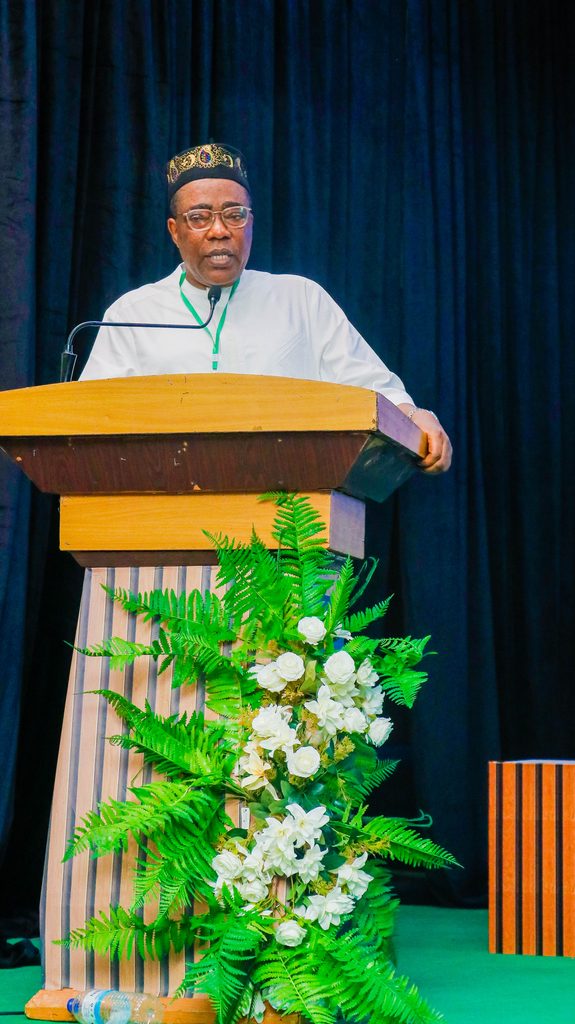
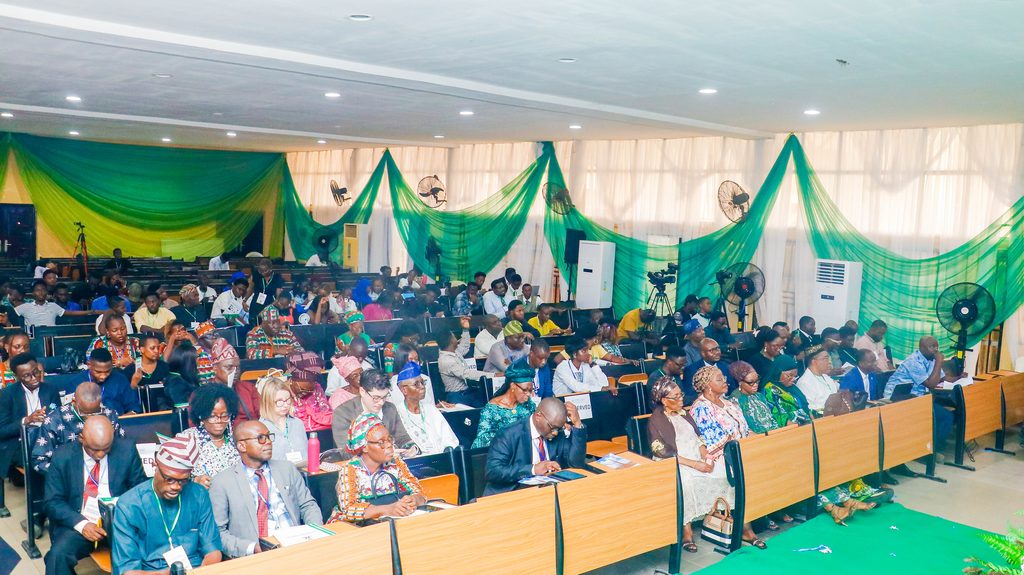
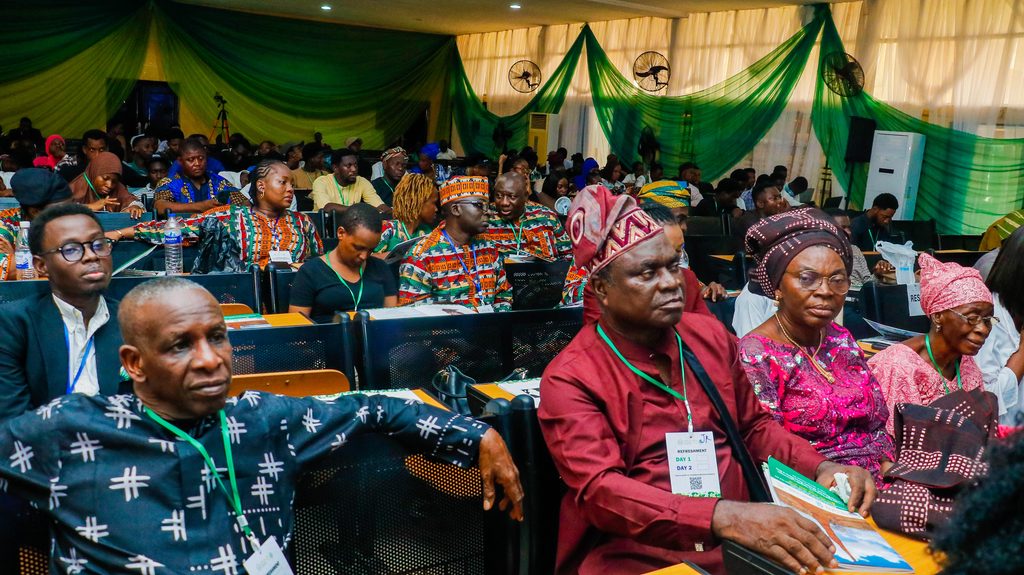
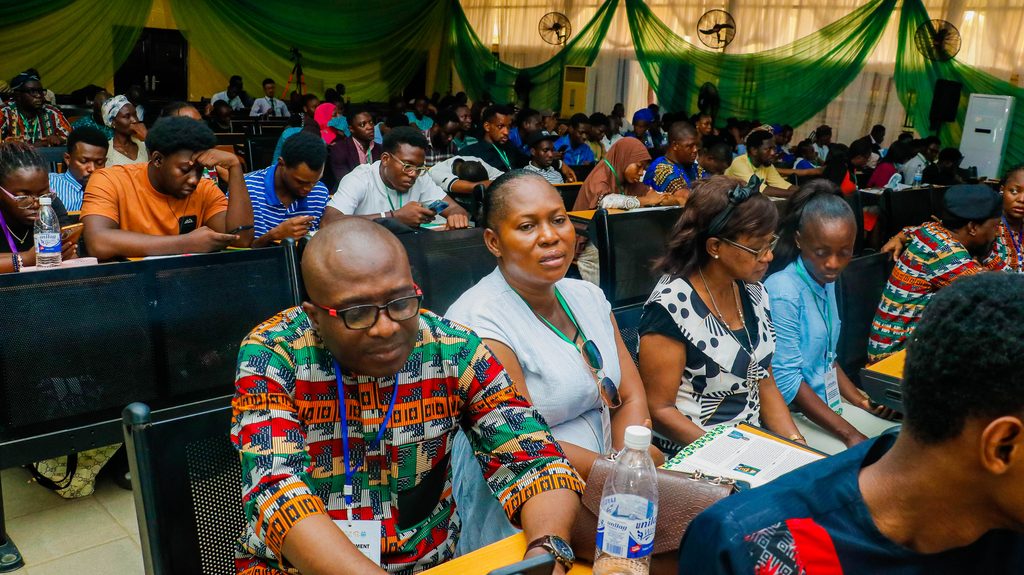
The two-day conference, which commenced on Tuesday, November 24, 2026 at the Faculty of Education Glass House Auditorium, UNILAG, brought together stakeholders from academia, government, real estate development, financial institutions, professional bodies and traditional institutions to deliberate on the theme, “Leveraging Digital Technologies for Sustainable Land Governance, Smart Urban Management, and Inclusive Housing Delivery in Africa.”
Charting A Sustainable Urban Future
Welcoming participants, the Dean of the Faculty of Environmental Sciences, Professor Olumide Adenuga, commended the ARUA Centre of Excellence for its vision and commitment to advancing research, knowledge exchange and innovative solutions to Africa’s housing and urban development challenges.
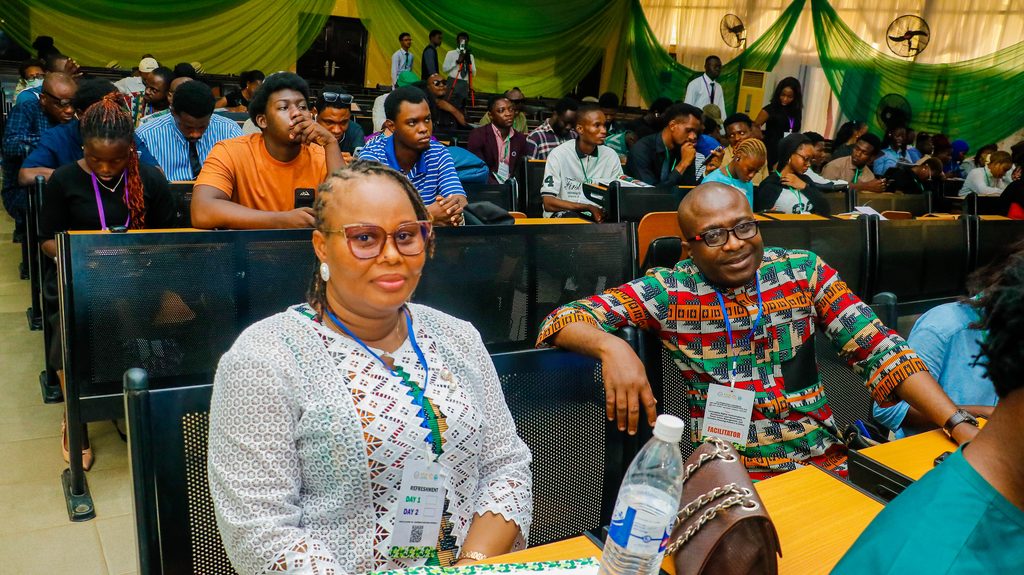
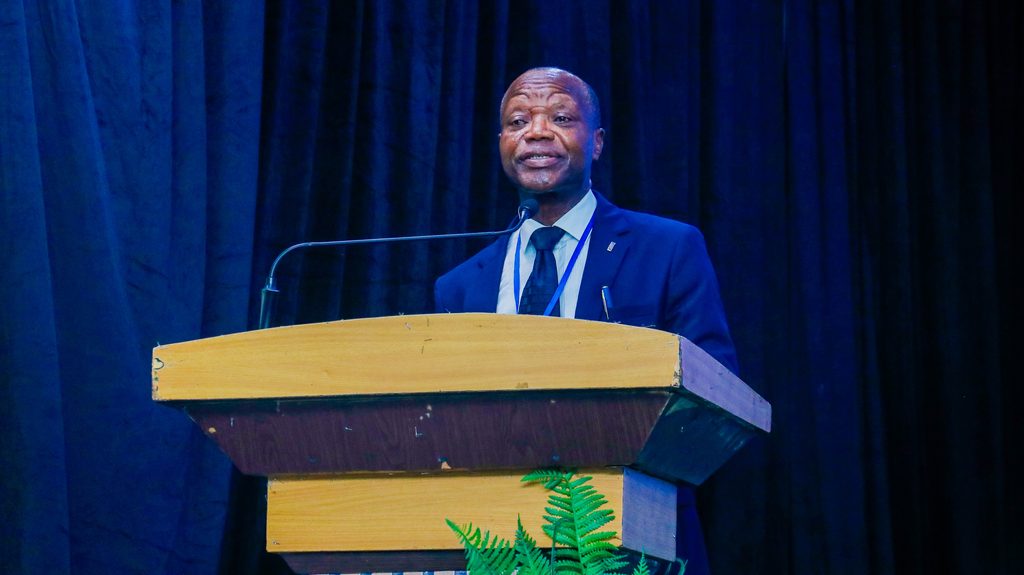
Describing Africa as being at a critical crossroads, Adenuga noted that the future of its cities would depend largely on how effectively land was governed, urban spaces managed, and decent, affordable housing delivered.
He urged participants to use the conference as an opportunity to build a collective commitment towards creating an Africa where land rights were secure, housing accessible and development environmentally sustainable.
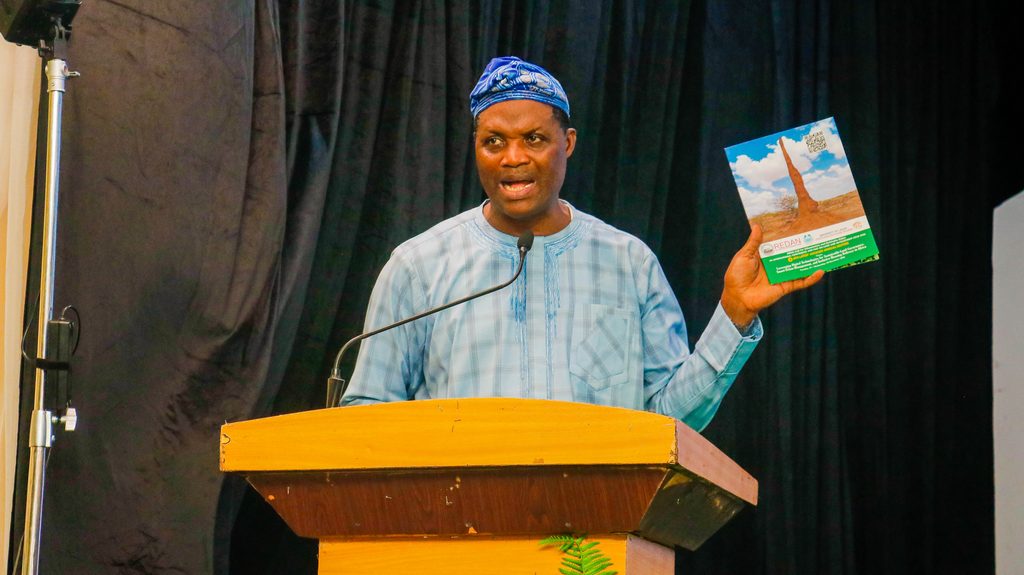
The Director, Centre for Housing and Sustainable Development, and host of the conference, Professor Timothy Nubi, echoed the Dean’s position, expressing concern over the persistent challenge of housing affordability. He reaffirmed the Centre’s commitment to mobilising stakeholders across different sectors of the economy to reverse the trend.
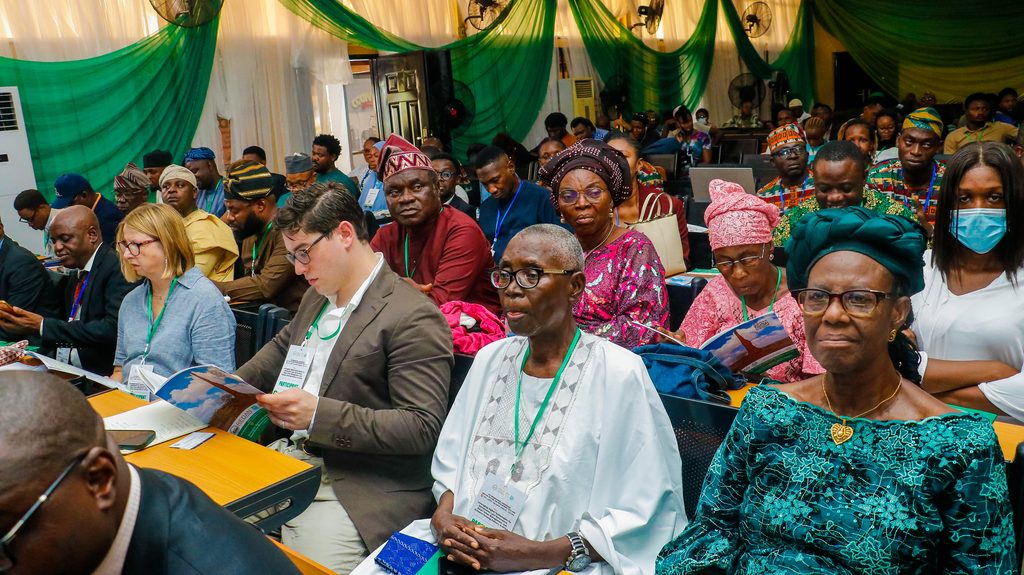
Representing the Vice-Chancellor, Professor Folasade Ogunsola, OON, FAS, a former Dean of Environmental Sciences, Professor Modupe Omirin, commended the Centre for its collaboration with REDAN, describing the partnership as a demonstration of the University’s town-and-gown orientation.
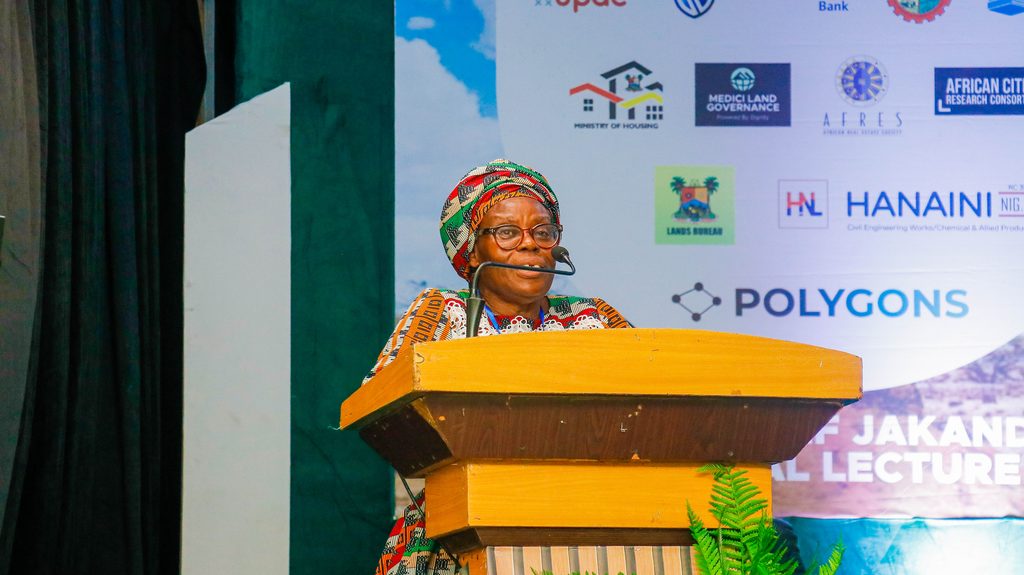

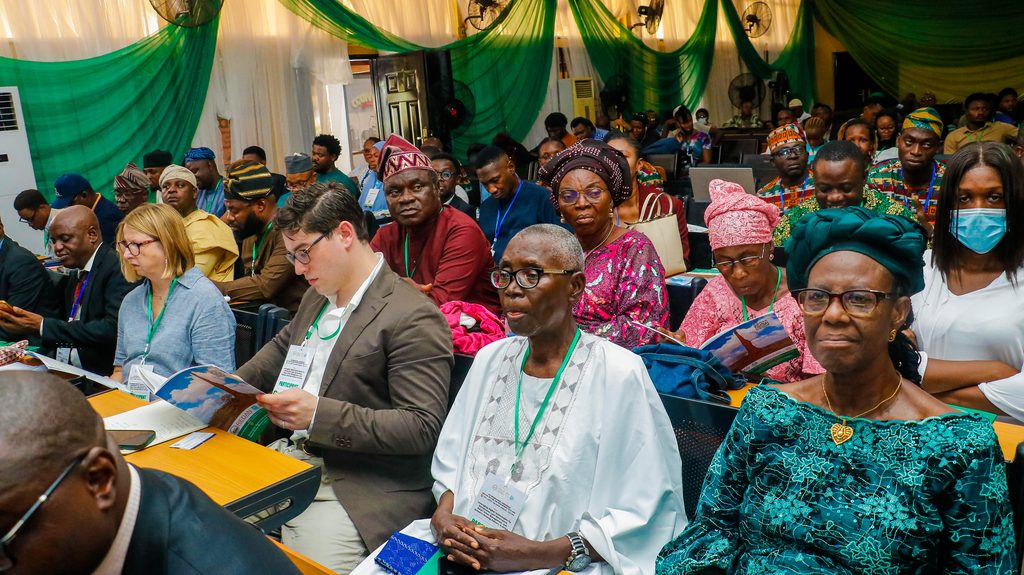
Emphasising the importance of effective land governance, Omirin urged participants to engage actively and explore opportunities for collaboration towards delivering smarter cities, secure land rights and inclusive housing.
Lagos Reaffirms Planning as the Foundation of Smart Cities
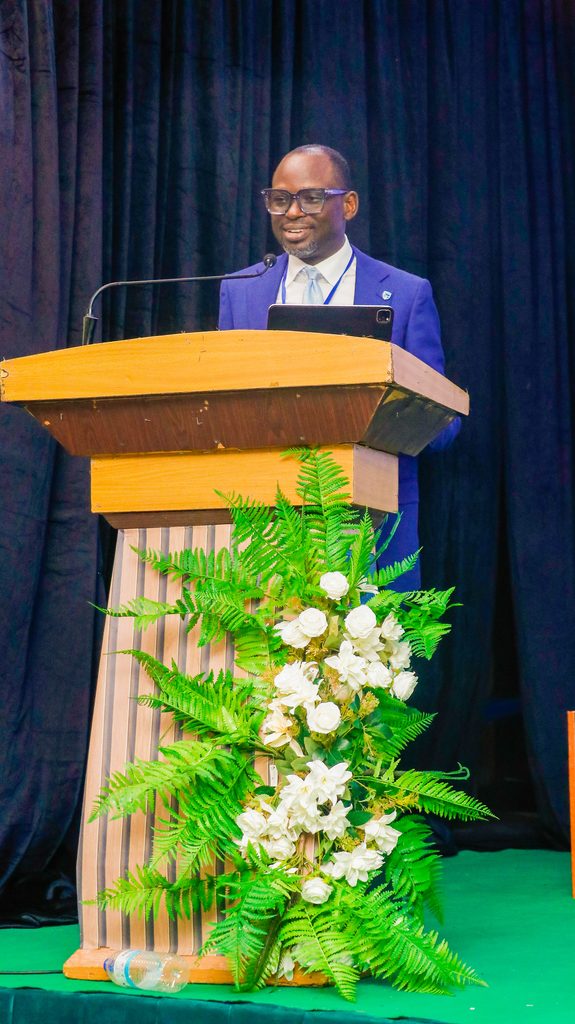
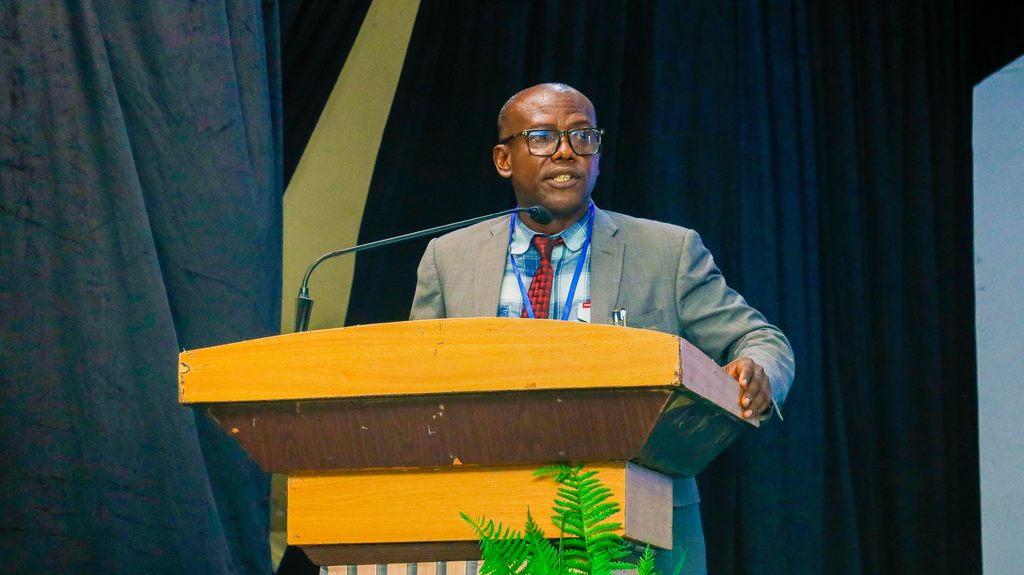
Delivering the lead paper, titled “Managing Our Cities as Smart Cities: A New Agenda for Urban Governance,” the Lagos State Commissioner for Physical Planning and Urban Development, Dr. Oluyinka Olumide, represented by Town Planner Daisi Oso, drew inspiration from the leadership legacy of former Lagos State Governor, Alhaji Lateef Jakande.

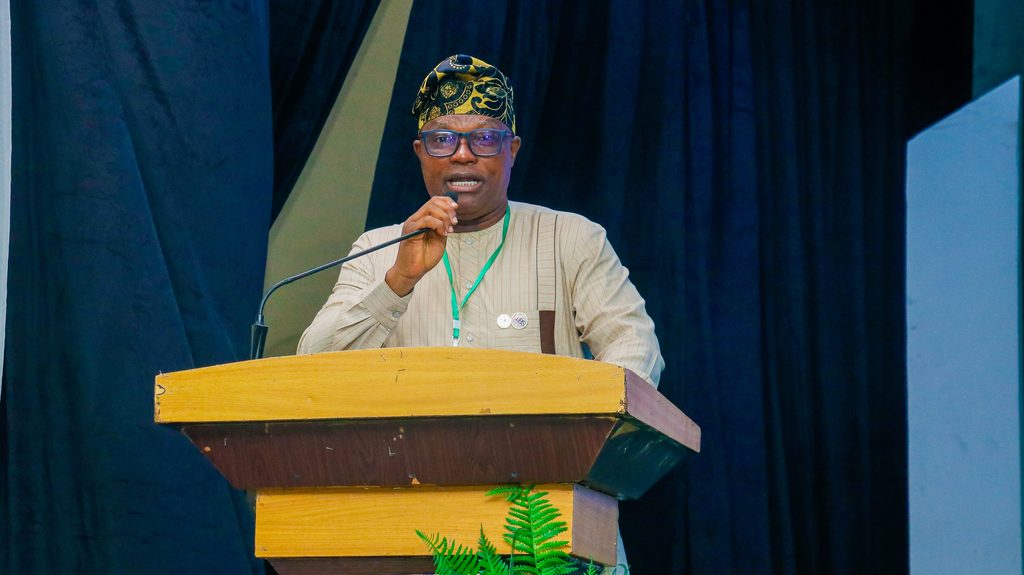
He noted that Jakande demonstrated that a city was well governed when it planned ahead, delivered development at scale and remained committed to the needs of ordinary people.
According to him, Jakande’s legacy continues to inform development planning by successive administrations in Lagos State, even as the government deploys modern tools and techniques to address the complexities of urbanisation.
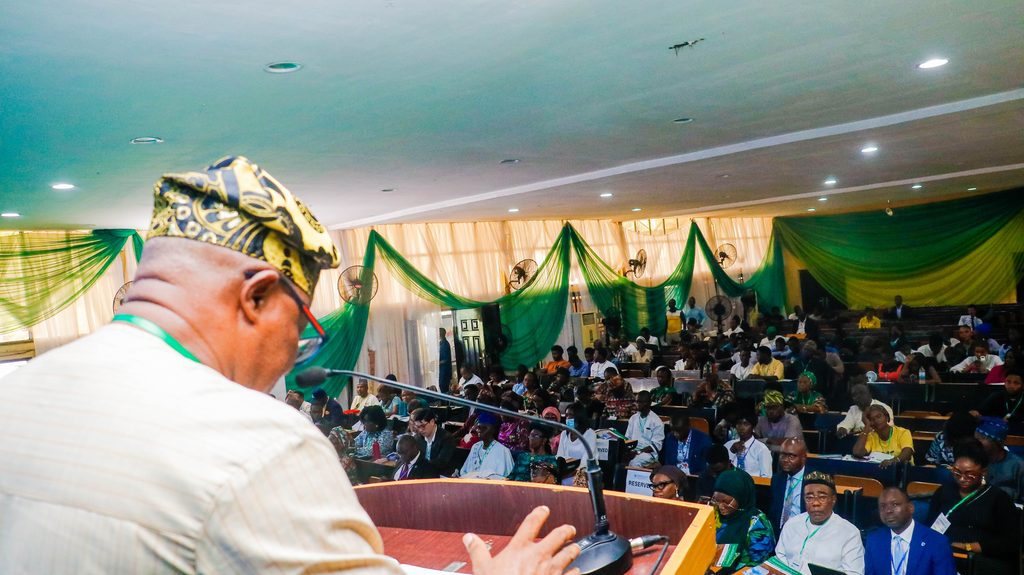
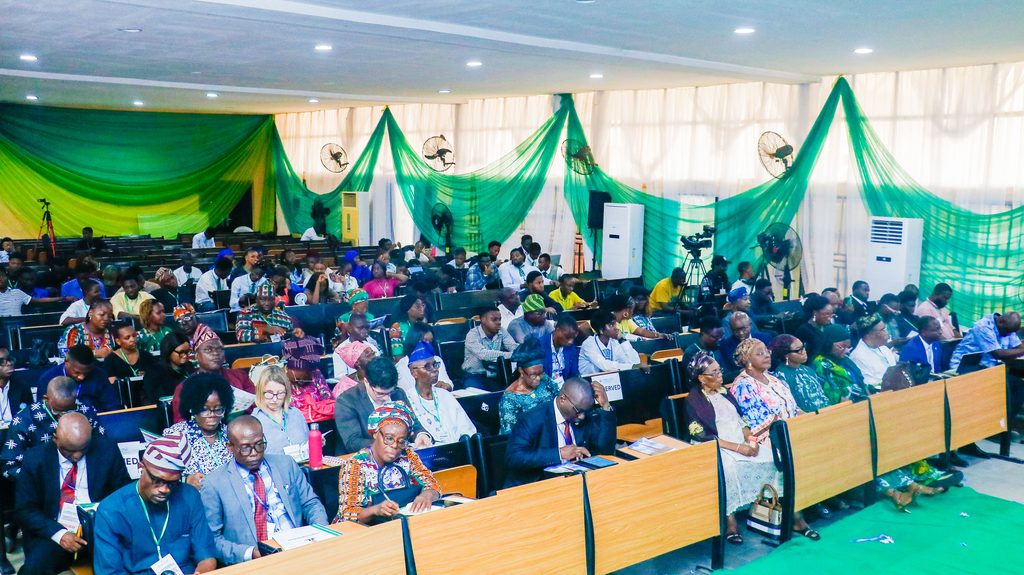
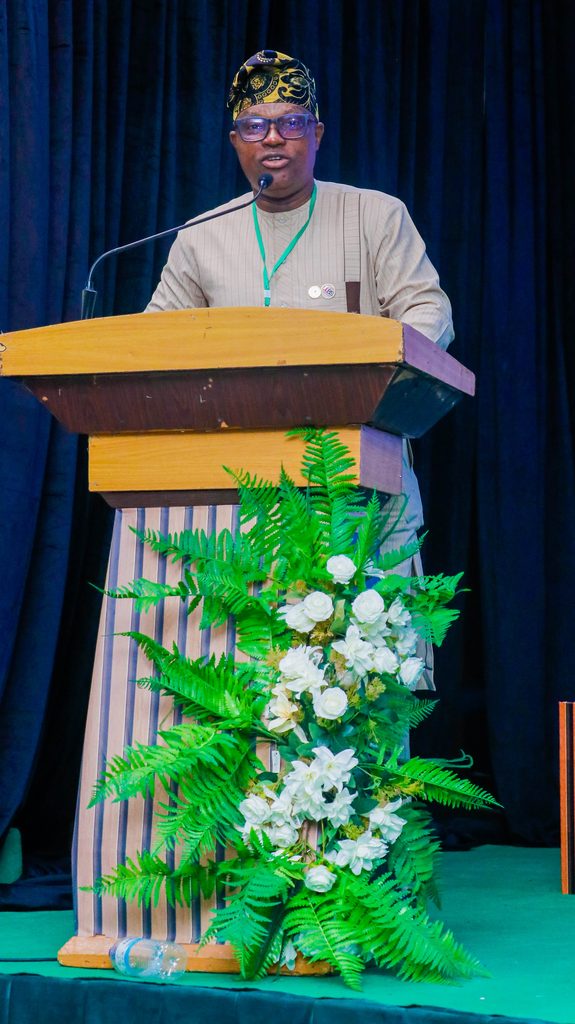
Describing Lagos as a city of an estimated 25 million people occupying about 0.4 per cent of Nigeria’s landmass, the commissioner stressed the need to govern it as a smart city.
He explained that a smart city was not merely one equipped with gadgets, sensors and applications, but one that harnessed data and technology to improve decision-making, accelerate service delivery, ensure fair enforcement of regulations and promote citizen participation.

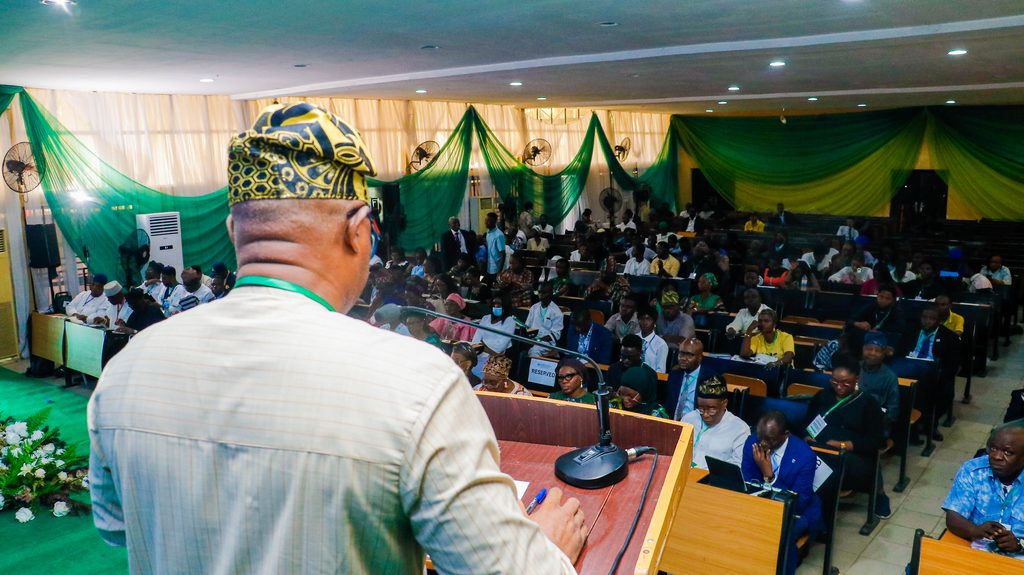
Highlighting some of the state’s planning initiatives, including the completed Lagos Island Model Plan, Ibeju-Lekki Model City Plan and revised Badagry Master Plan, Olumide said the initiatives aligned with the THEMES+ Agenda of Governor Babajide Olusola Sanwo-Olu.
He reiterated that effective planning remained the foundation of the government’s development efforts.
Federal Government Highlights Land Administration and Housing Reforms
The Honourable Minister of Housing and Urban Development, Engr. Muttaqha Darma, represented at the conference by ESV. Gerald Omesowum, commended the ARUA Centre of Excellence for providing a platform to examine digital technology as a driver of sustainable land governance and inclusive housing delivery across Africa.
Acknowledging the enduring legacy of Lateef Jakande, particularly his pioneering low-cost housing initiative, the minister highlighted ongoing Federal Government efforts under President Bola Ahmed Tinubu’s Renewed Hope Agenda to address challenges in land administration and housing development.
Among the initiatives outlined were the modernisation of federal land records through the Federal Land Information System (FELIS), efforts to strengthen title security through the Centralised Land Repository Management System (CLRMS), and the National Land Registration, Titling and Documentation Programme (NLRTDP), which seeks to unlock the potential of Nigeria’s unregistered land assets.
He also referenced the establishment of the National Real Estate Regulatory Authority (NREA) to safeguard investments and sanitise the real estate sector, as well as interventions through the Federal Mortgage Bank and the Renewed Hope Cities and Estates Programme to expand access to affordable homeownership.
Digital Technology as a Driver of Housing Delivery
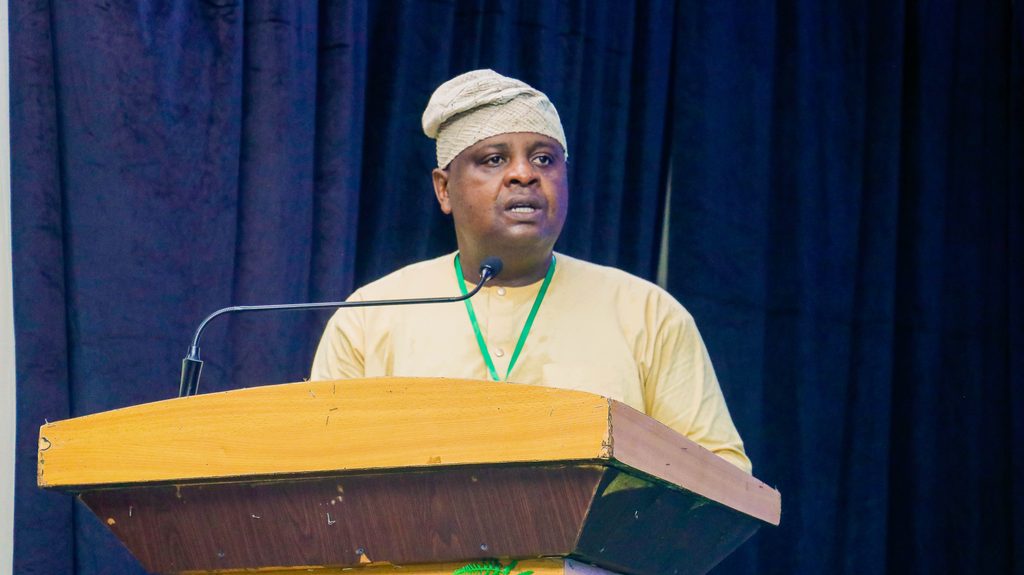
Delivering the keynote address, the Chairman of Family Homes Funds Limited, Mr. Ademola Adebise, emphasised the need to deploy digital technology across the entire housing delivery value chain, from land verification and planning approvals to project financing and homeownership.
He argued that the success of digitisation should ultimately be measured by its impact on housing costs, accessibility and quality, rather than merely by the introduction of technological tools.


According to Adebise, fragmented land records, delays in obtaining planning approvals and difficulties in verifying information often increase the cost and uncertainty of housing development, with significant implications for developers, lenders and prospective homeowners.

He explained that interconnected digital systems could improve coordination among land registries, planning authorities, surveyors, infrastructure agencies and financial institutions by making verified information accessible throughout the housing development process.
He advocated the deployment of digital land information systems, geographic information systems (GIS), satellite imagery and electronic planning permit platforms to facilitate land verification, improve urban planning decisions, identify infrastructure and environmental risks, and reduce delays in development approvals.
The Family Homes Funds chairman also highlighted the role of digital platforms in strengthening housing finance through improved project monitoring, verification of construction milestones and assessment of prospective homeowners’ ability to afford housing.
He stressed that technology-driven efficiencies must translate into tangible benefits for developers and households, including lower development costs, increased delivery of affordable homes and improved access to mortgage, rental and rent-to-own opportunities.
Adebise called for coordinated action among federal and state governments, local authorities, communities, developers, financial institutions, professional bodies and universities, noting that effective digital land governance depended on reliable records, interoperable systems, institutional cooperation and community participation.
Proposing a pilot affordable housing project to demonstrate the benefits of interconnected digital systems, he urged stakeholders to measure outcomes such as the time required to verify land rights and obtain planning approvals, infrastructure availability, housing costs and whether completed homes were occupied by the households they were designed to serve.
He noted that successful implementation in Lagos or other Nigerian cities could provide valuable evidence and lessons for other African cities seeking to adopt similar approaches within their respective legal, institutional and land tenure systems.
Stakeholders Advocate Digital Integration and Collaboration
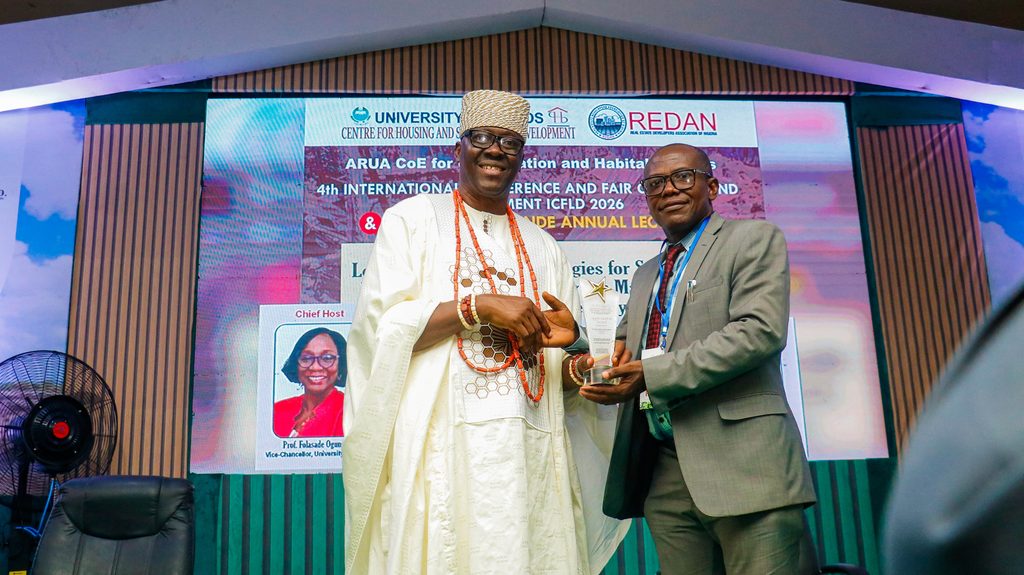
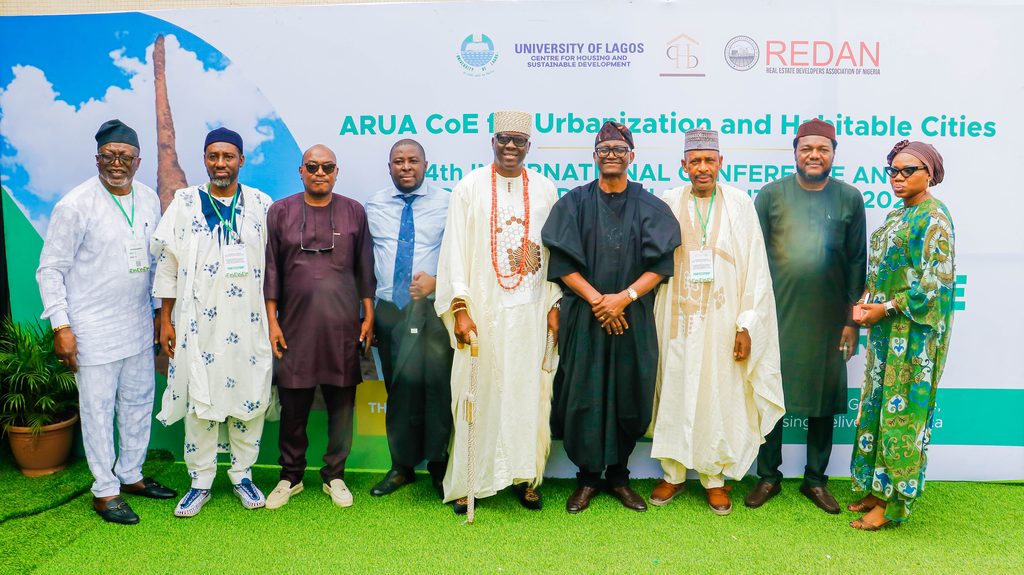
The conference also featured addresses by prominent stakeholders in the sector, including the President of REDAN, HRM Oba Akintoye Felix Adeoye, the Oluoke of Okeigbo Kingdom, Ondo State; the Vice-President of the Association of Professional Bodies, Town Planner Toyin Alade; the Managing Director of the Federal Mortgage Bank of Nigeria, Mr. Shehu Usman Osidi; and the Founder and Chairman/CEO of Adron Homes, Aare Adetola Emmanuel.
A panel discussion examining the lead and keynote papers from the perspectives of developers, financiers and regulators highlighted the importance of digitalisation to the growth and development of Africa’s real estate sector, drawing comparisons with practices in Western countries.
The discussion also emphasised the need to integrate urban and rural development processes to promote sustainable living environments.



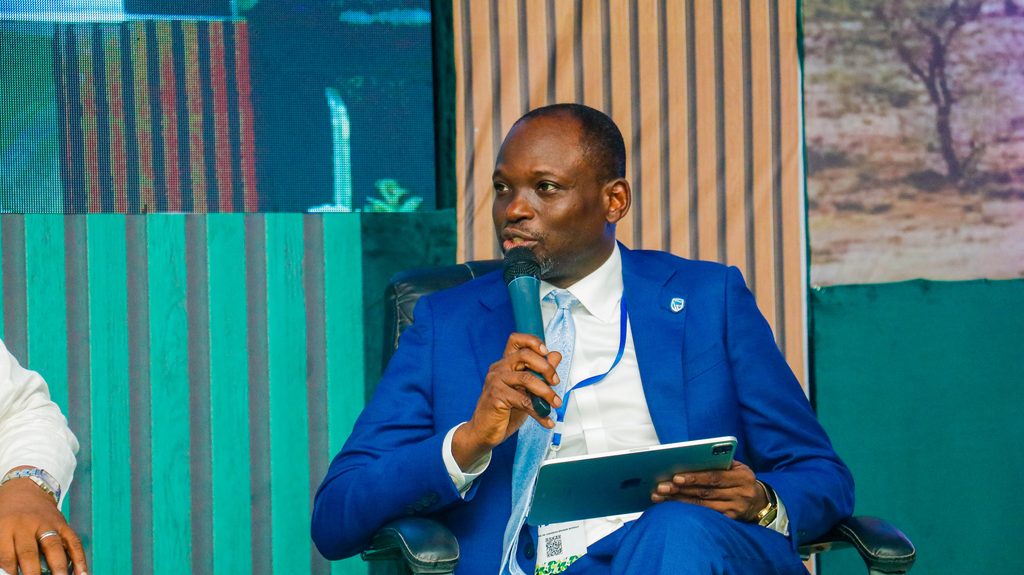
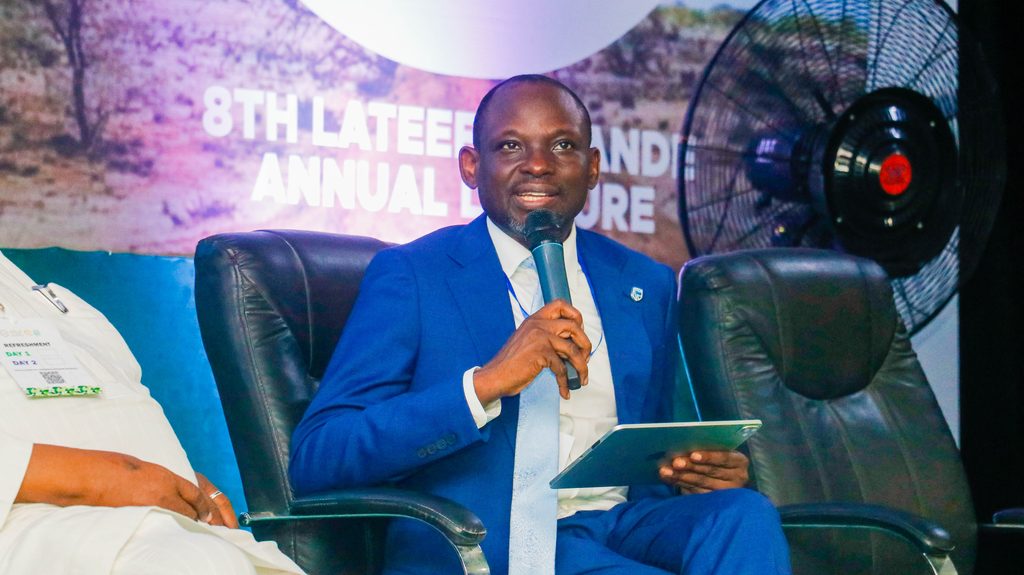
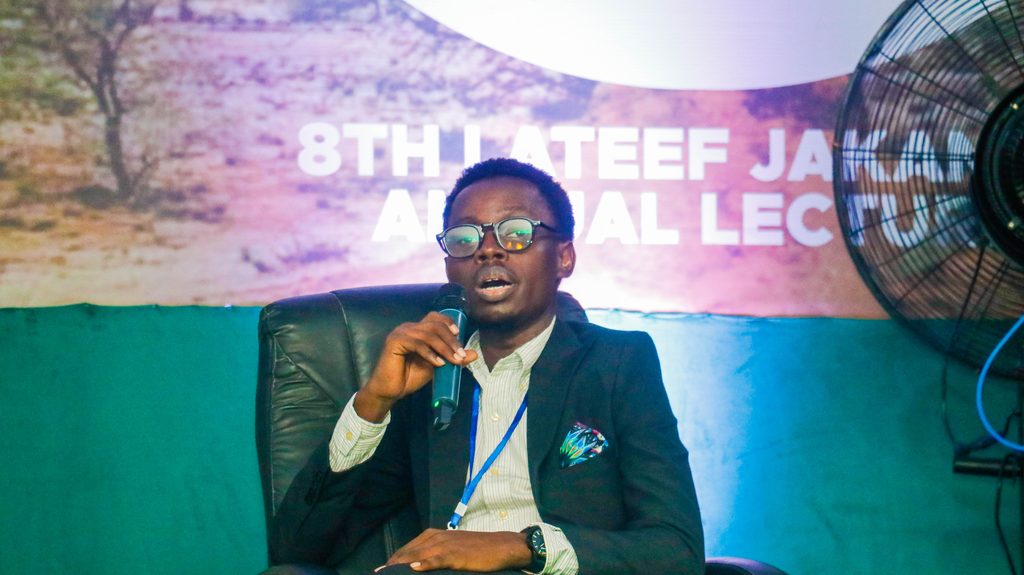



The panel featured the Managing Director of Stanbic IBTC Bank, Mr. Wole Adeniyi, represented by the bank’s Head of Product and Strategy, Mr. Taiwo Ala; the General Manager of Lagos State Physical Planning Permit Authority (LASPPPA), Town Planner Kehinde Osinaike; the Group Head of Strategy and Performance at the Federal Mortgage Bank of Nigeria, Mr. Fakeye Oladapo; the Managing Director/Chief Executive Officer of Sterling Homes Ltd., Dr. Adekunle Adeyemi; the Deputy President of REDAN, Mrs. Mercy Iyortyer; the MD/CEO of Polygon Platforms Limited, Mr. Osarume Odighibor; and the Managing Director/Chief Executive Officer of UACN Property Development Company, Mr. Odunayo Ojo.



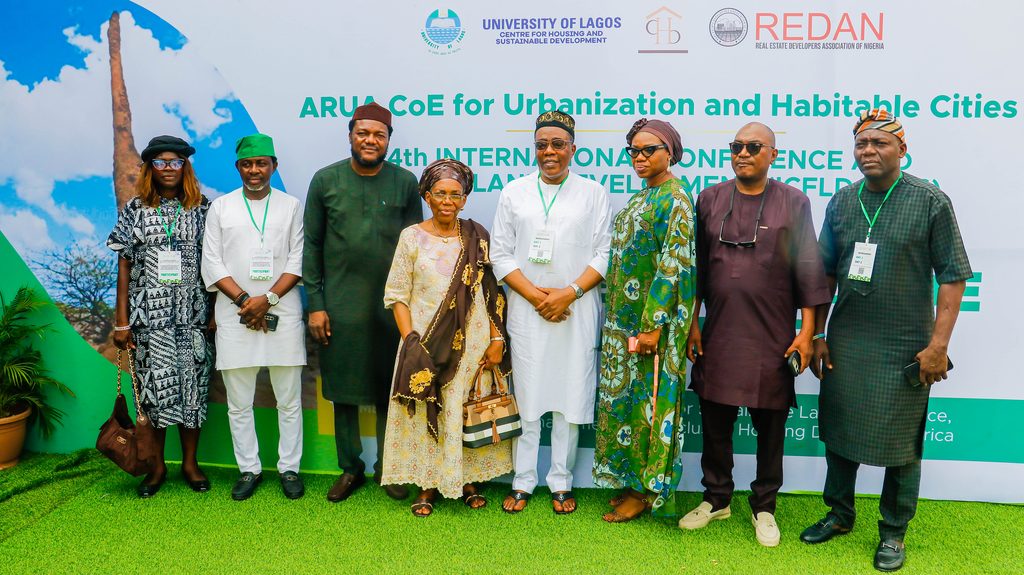
The event was also attended by the former First Lady of Lagos State and widow of the state’s first civilian Governor, Alhaja Sikirat Abimbola Jakande, and former Senator representing Lagos West, Senator Ganiyu Olamilekan Solomon, Alhaja Ayanke Sinatu Ojikutu, among other dignitaries.
As African cities continue to grapple with rapid urbanisation, complex land administration systems, housing deficits and mounting pressure on urban infrastructure, the conference underscored the need to bridge the gap between technological innovation, policy, institutional capacity and the lived realities of residents.
Through the conference and the Lateef Jakande Annual Lecture, the University of Lagos reaffirmed its commitment to providing a platform for research, professional engagement and policy dialogue aimed at advancing sustainable cities, effective land governance and inclusive housing development across the continent
Reporter: Afolabi Akinola
Photography: Islamiat Akanni