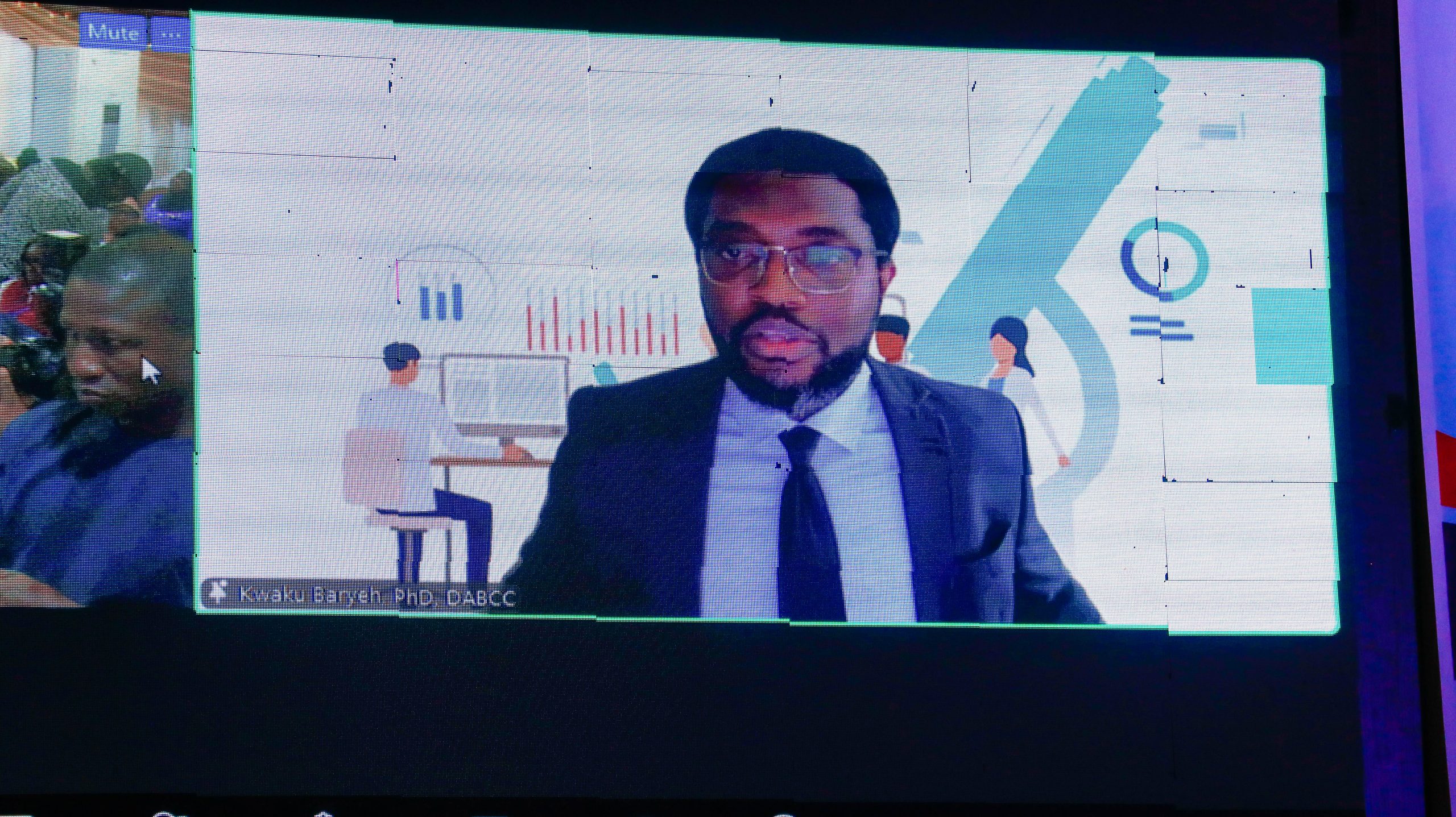
A Director of Clinical Chemistry at Eli Lilly & Company, Indianapolis, Indiana, USA, Dr. Kwaku Baryeh, has called for increased investment in biomedical research infrastructure, sustainable funding, multidisciplinary collaboration and mentorship to strengthen research capacity and improve healthcare outcomes in Nigeria and beyond.
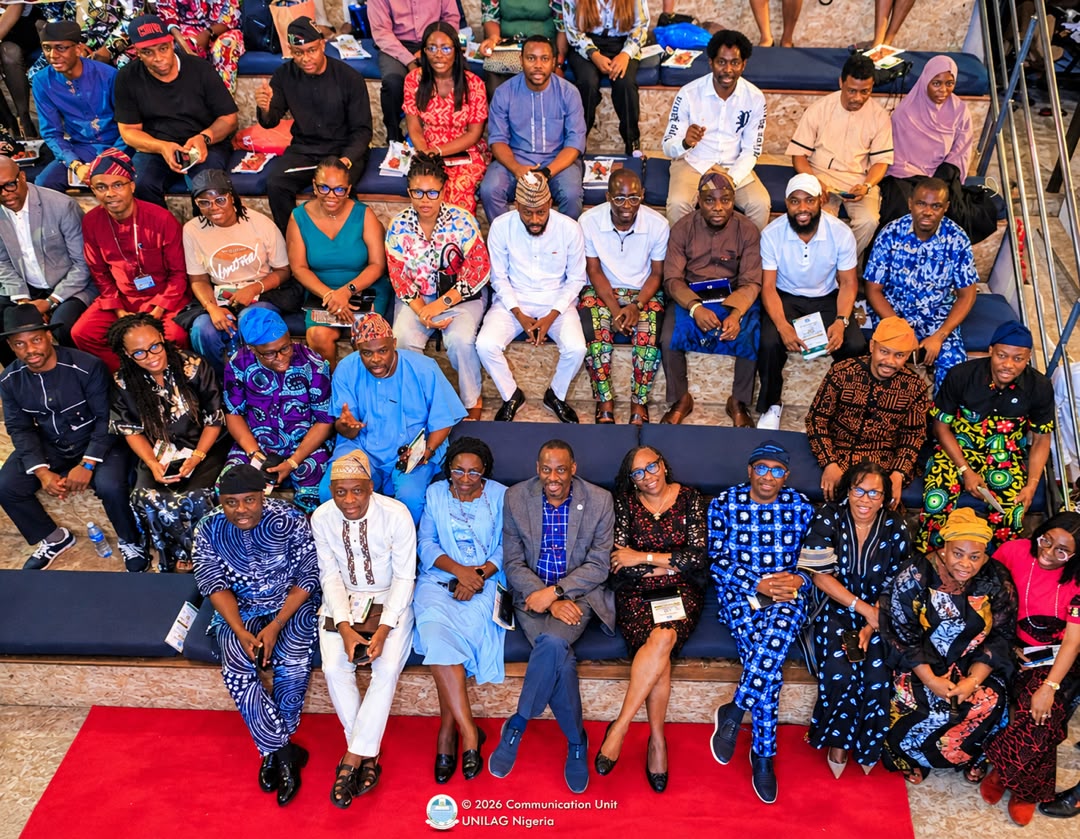
Dr. Baryeh made the call while delivering the keynote address virtually at the 12th Annual Scientific Conference of the Faculty of Basic Medical Sciences, College of Medicine, University of Lagos (CMUL), held on Wednesday, November 11, 2026, at the Old Great Hall, Idi-Araba.
Speaking on the theme, “Strengthening Biomedical Sciences for Innovation and Effective Research Outcomes: Strategies for Improved Healthcare”, the keynote speaker emphasised the need for a coordinated and intentional approach to biomedical research, stressing that meaningful scientific advancement required adequate facilities, effective regulatory frameworks, diversified research ideas and strong institutional and professional connections.
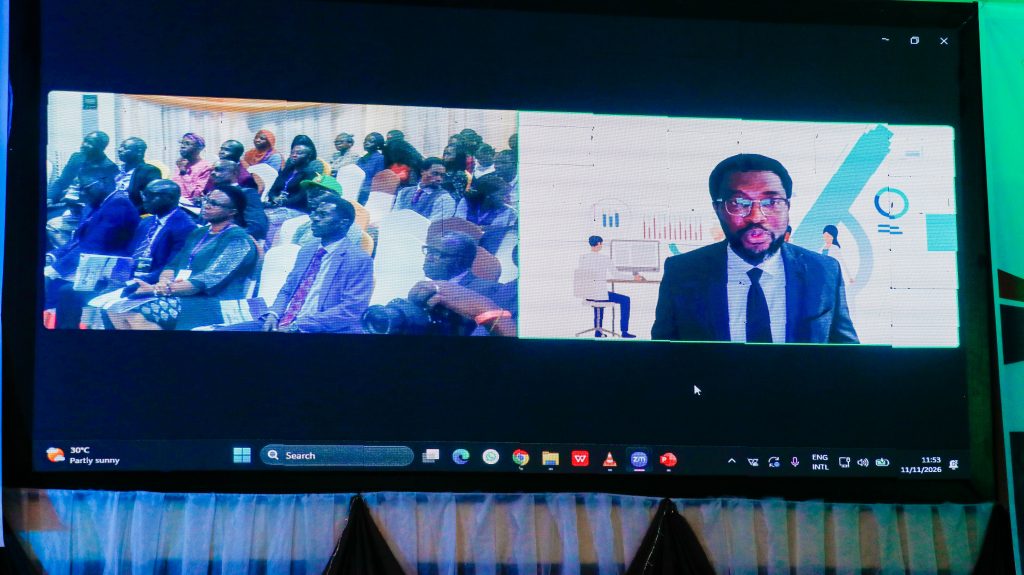
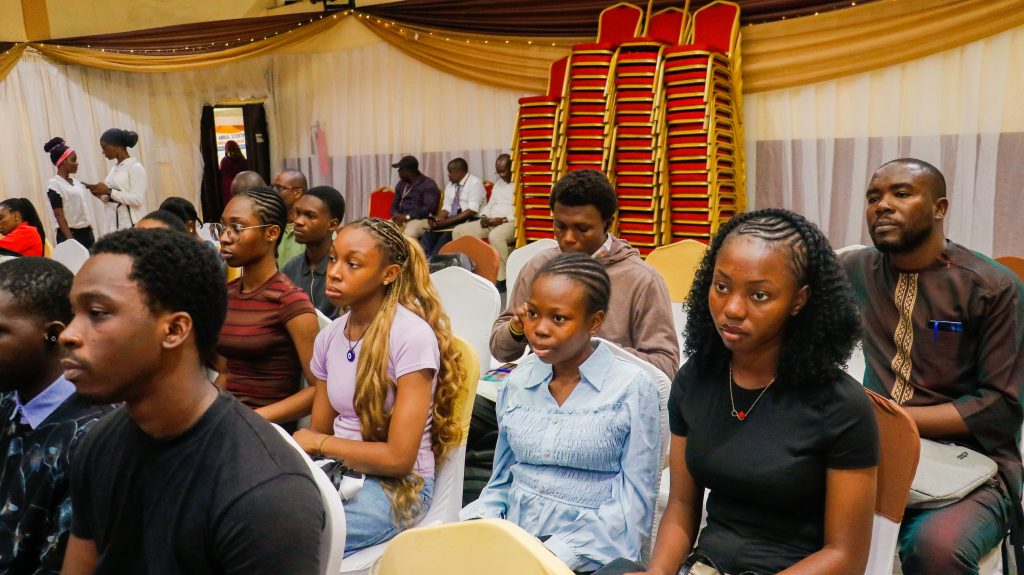
He underscored the importance of investing in modern research facilities, noting that obsolete infrastructure could undermine research productivity and limit the quality of scientific outcomes. He consequently advocated improved funding, support from alumni and a strong maintenance culture to ensure the sustainability and optimal utilisation of research facilities.
Dr. Baryeh also called for the establishment of mentorship structures for students to nurture emerging researchers and strengthen the pipeline of scientific talent. He further identified Artificial Intelligence (AI) as a research partner whose capabilities should be harnessed to improve research processes and outcomes.
On the need to address brain drain, he advocated creating an enabling research environment through adequate investment in resources and facilities to encourage skilled professionals and researchers to remain in the country and contribute to its scientific development.
The keynote speaker further stressed the importance of a regulatory roadmap that guarantees uncompromising research standards, alongside genuinely multidisciplinary approaches capable of generating effective responses to both local and global challenges.
He encouraged researchers to diversify their ideas, remain focused and intentional about achieving meaningful research outcomes, and build strategic connections that would strengthen collaboration across the research ecosystem.
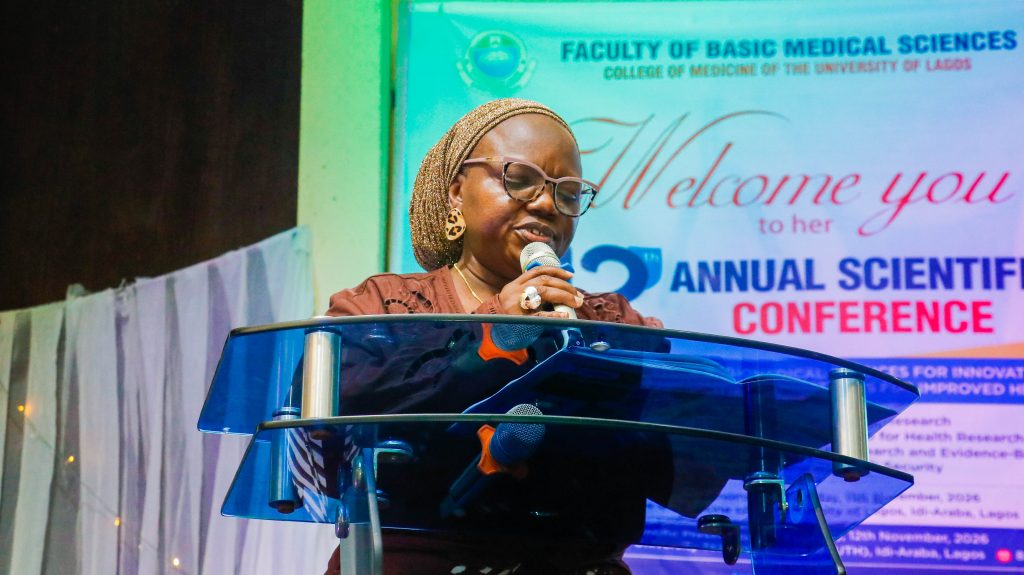
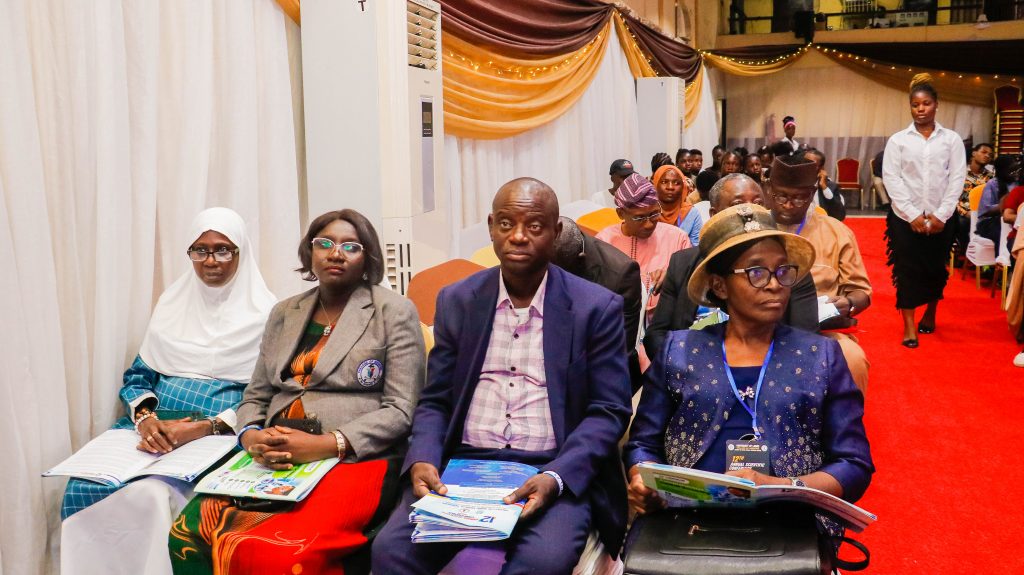
Renewed Recognition of Basic Medical Sciences
Earlier, the Provost, College of Medicine, University of Lagos, Prof. Ademola A. Oremosu, FAMedS, described the Faculty’s Annual Scientific Conference as a consistent and credible intellectual tradition which, over the past 12 years, had provided a platform for bridging fundamental science and clinical practice.
He challenged the longstanding perception of Basic Medical Sciences as merely a pre-clinical requirement, describing the discipline as the foundation and engine room of medicine and the future of medical innovation.
According to him, strong biomedical sciences are indispensable to innovation, drug discovery, vaccine development and diagnostic advancement, warning that without a robust scientific foundation, Nigeria risked remaining dependent on innovations developed elsewhere.
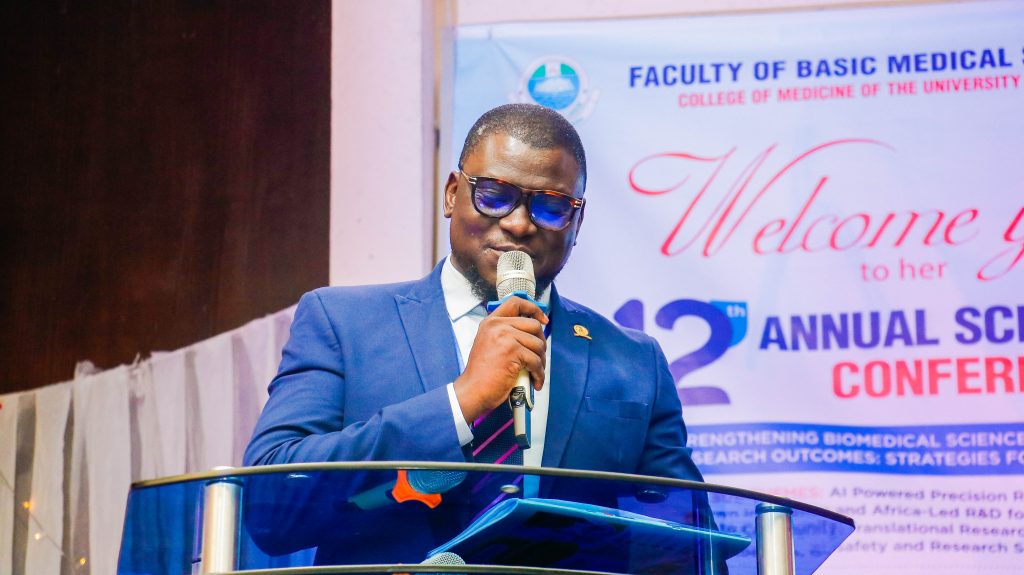
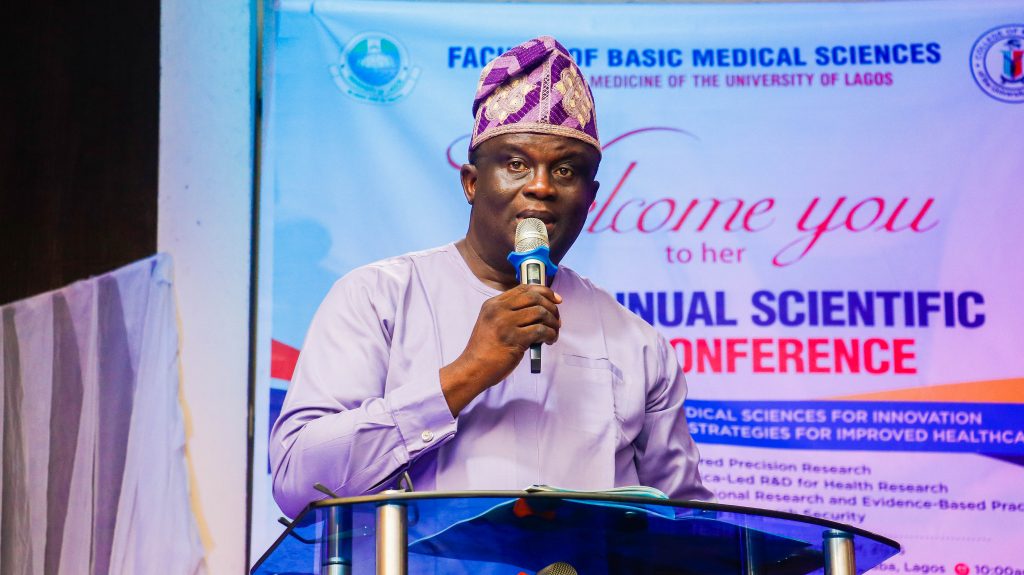
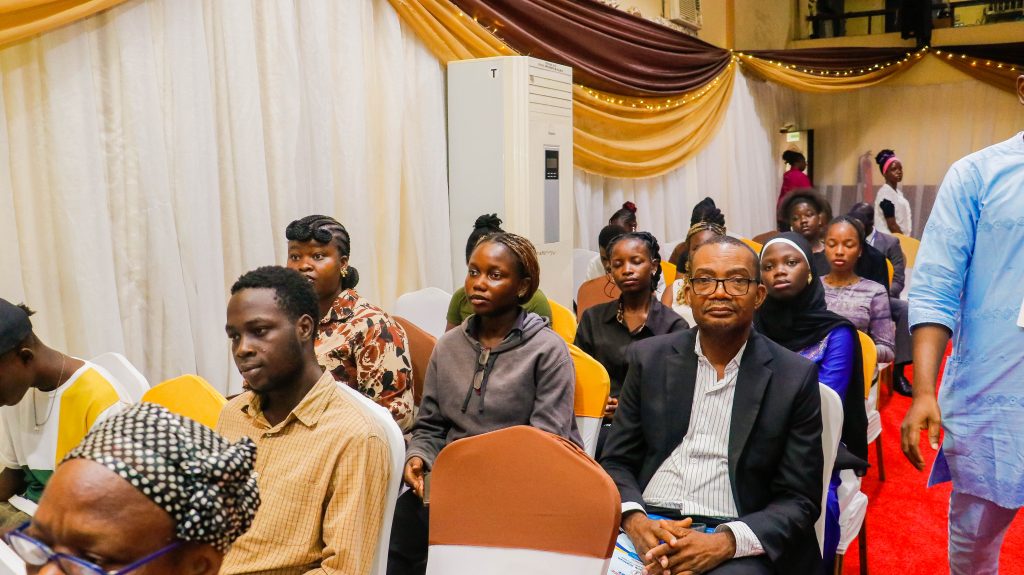
Prof. Oremosu reaffirmed the College’s commitment to strengthening, funding and celebrating Basic Medical Sciences, emphasising that a strong foundation was essential for sustainable progress in medical research and healthcare delivery.
Highlighting the four sub-themes of the conference, the Provost identified AI-Powered Precision Research; Home-Grown Innovation and Africa-Led Research and Development (R&D) for Health Research; From Bench to Bedside to Community: Translational Research and Evidence-Based Practice; and Bioethics, Biosafety and Research Security as critical areas shaping the future of biomedical research.
He called for a deliberate strategy to build local capacity in AI applications for biomedical research, develop home-grown solutions to Africa’s peculiar health challenges and ensure that scientific discoveries translated into practical interventions that improve lives and inform policy.

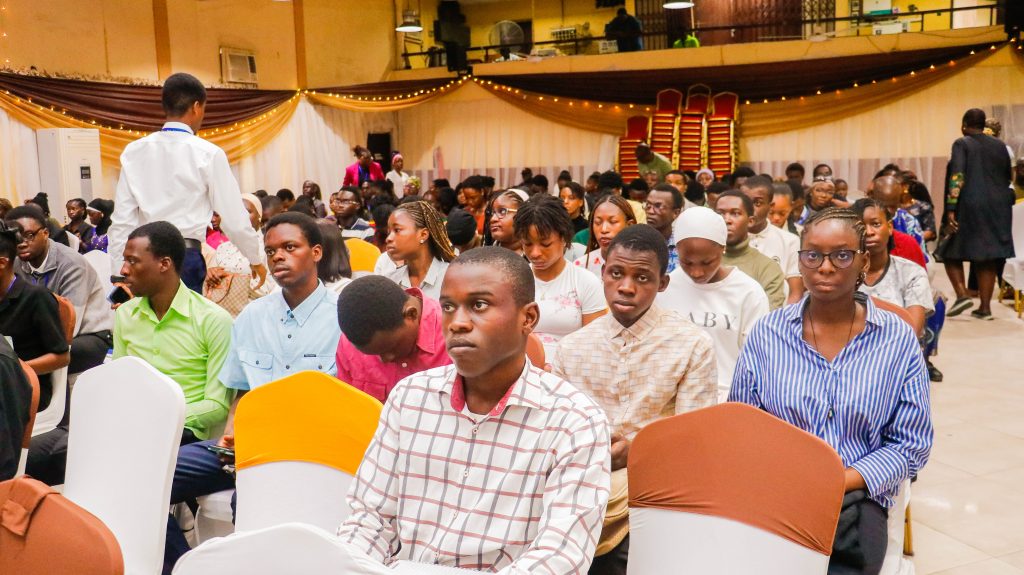
He also stressed the importance of ethical and responsible research practices, noting that scientific innovation must be accompanied by appropriate safeguards for research integrity, biosafety and security.
Vice-Chancellor Advocates Home-Grown Healthcare Innovations
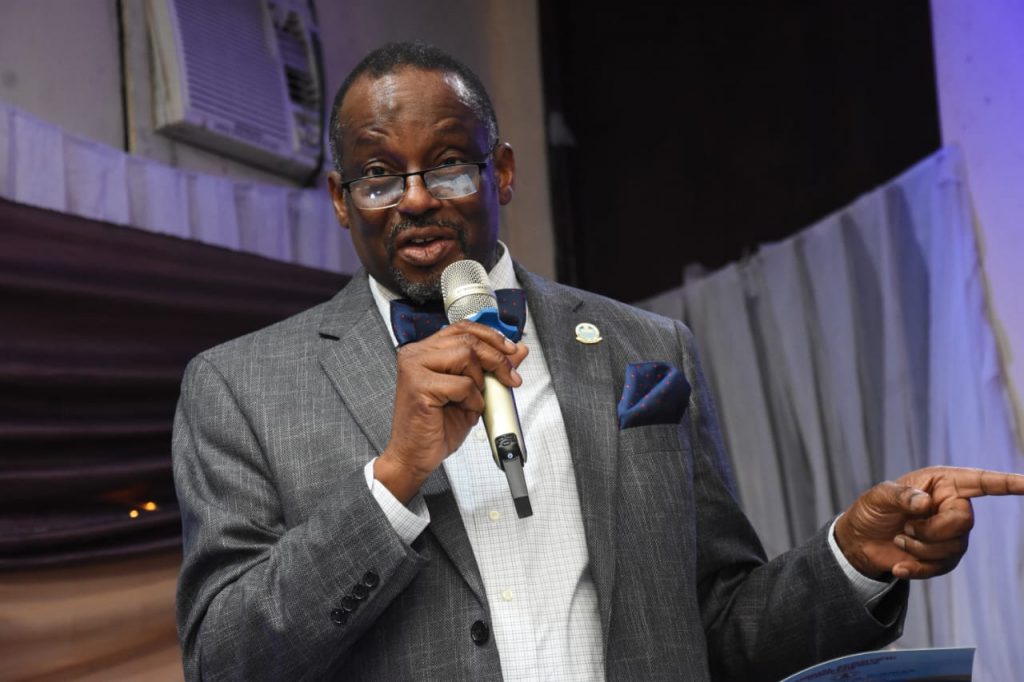
The Vice-Chancellor, University of Lagos, Prof. Folasade T. Ogunsola, OON, FAS, who was represented at the event by the Deputy Vice-Chancellor (Development Services), Prof. Foluso Afolabi Lesi, described the conference theme as particularly timely, given the persistent healthcare challenges confronting Nigeria and other African countries.
In her address, Prof. Ogunsola identified communicable diseases, increasing non-communicable disease burdens, emerging infections and limited diagnostic and therapeutic resources as some of the challenges requiring stronger indigenous research capacity and locally relevant scientific solutions.
She emphasised that addressing these challenges required more than importing technologies or adopting discoveries made elsewhere. Rather, Nigerian and African researchers must develop home-grown innovations and generate evidence that responds to the specific healthcare realities of their populations.
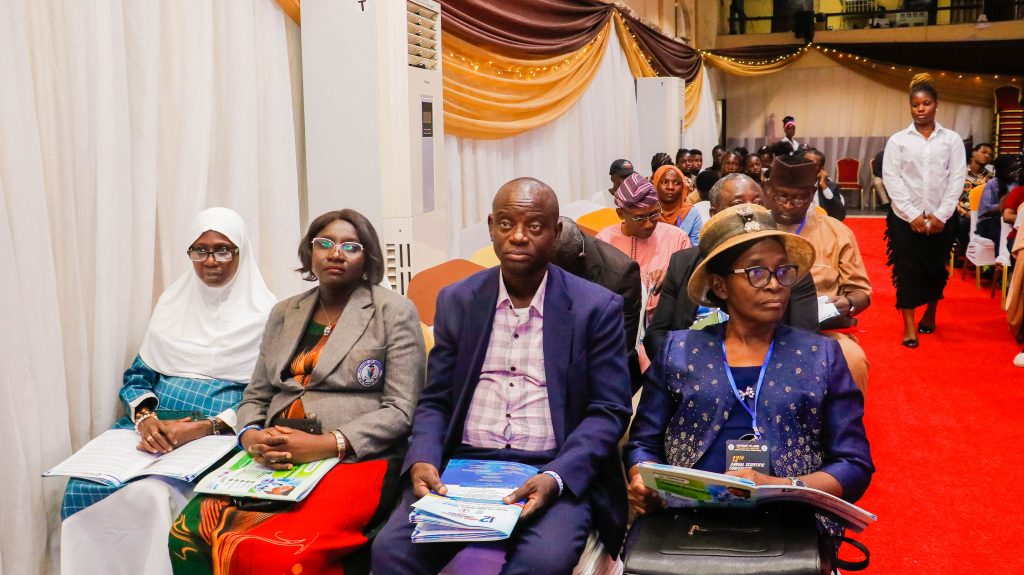
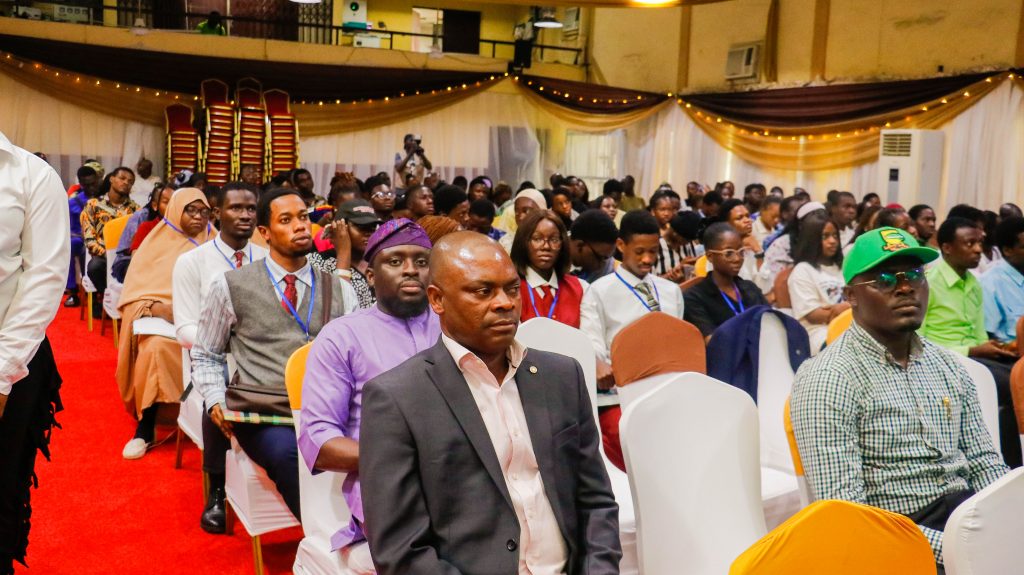
The Vice-Chancellor also highlighted the strategic role of the Faculty of Basic Medical Sciences in advancing this objective, noting that its disciplines provide the scientific foundation for understanding diseases, improving diagnostics, developing therapeutic interventions and advancing preventive healthcare.
She further identified AI-Powered Precision Research as an emerging opportunity for improving disease prediction, diagnostic accuracy, data interpretation and personalised healthcare. She stressed the need to develop the expertise and institutional infrastructure required to harness these technologies responsibly.
Dean Highlights Research Translation and Multidisciplinary Collaboration
Earlier in his welcome address, the Dean, Faculty of Basic Medical Sciences, Prof. Akinniyi A. Osuntoki, traced the Faculty’s Annual Scientific Conference tradition to May 2011, describing it as an important platform for presenting research findings, exchanging scientific ideas and strengthening the Faculty’s research culture.
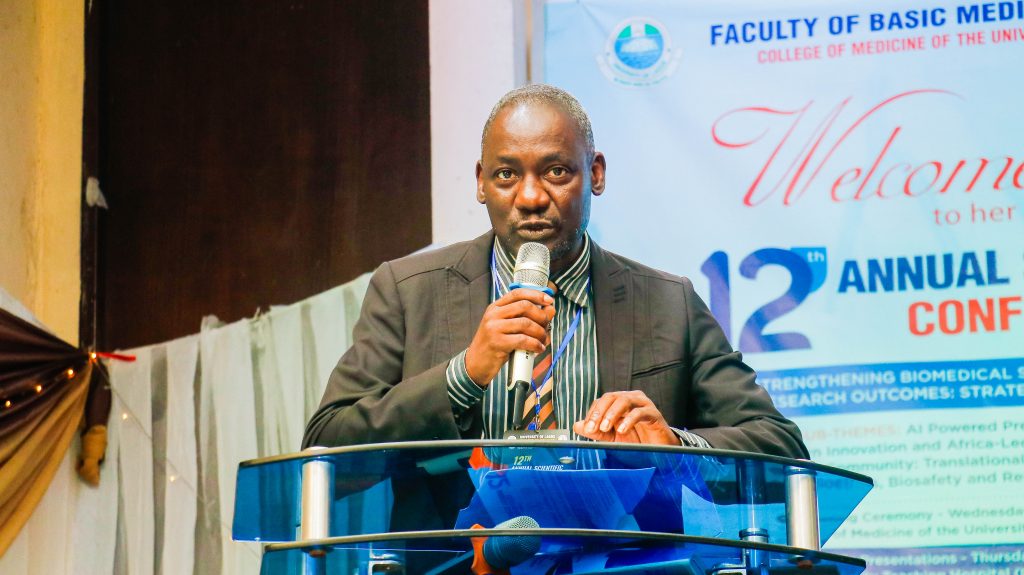
He expressed appreciation to the University Management, the College of Medicine Management, past Deans, Sub-Deans, Heads of Departments, members of staff, students and partners whose contributions had sustained the annual tradition.
On the choice of the conference theme, Prof. Osuntoki explained that it reflected the need for research that not only generates knowledge but also develops pathways for translating scientific discoveries into practical applications that improve diagnosis, treatment, disease prevention and healthcare delivery.
He advocated stronger indigenous research capacity, expanded opportunities for interprofessional education, multidisciplinary collaborations and increased investment in scientific infrastructure to translate knowledge into capital.
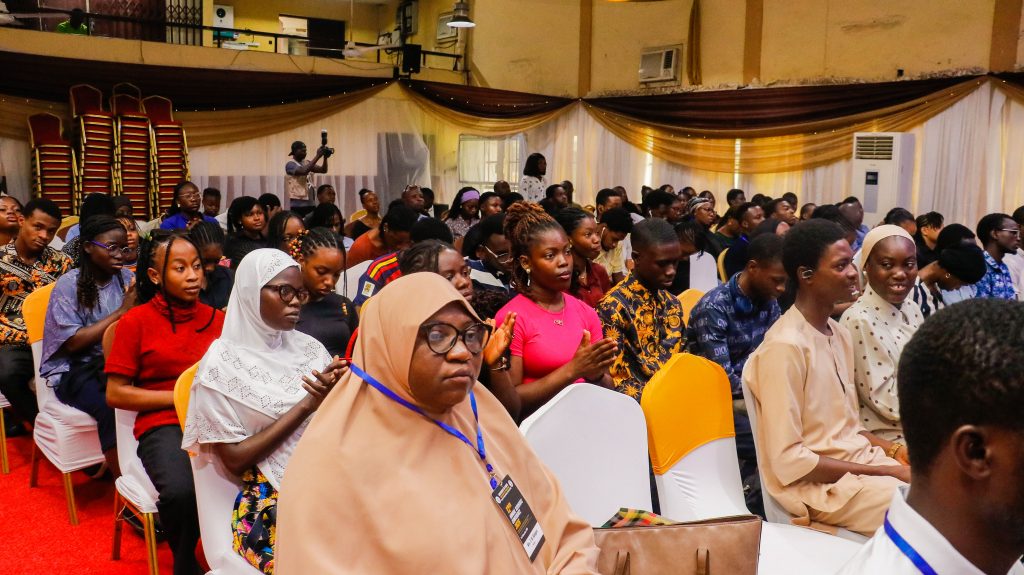

The Dean also identified AI-powered precision research as an important emerging area, noting its potential to improve disease prediction, diagnostic accuracy, data interpretation and personalised healthcare.
Special Plenary Highlights Clinical Trials as Research and Economic Development Tools
The opening ceremony also featured a special plenary address by the Director, Centre for Clinical Trials, Research and Implementation Science (CCTRIS), University of Lagos, Prof. Bosede B. Afolabi, FAS.
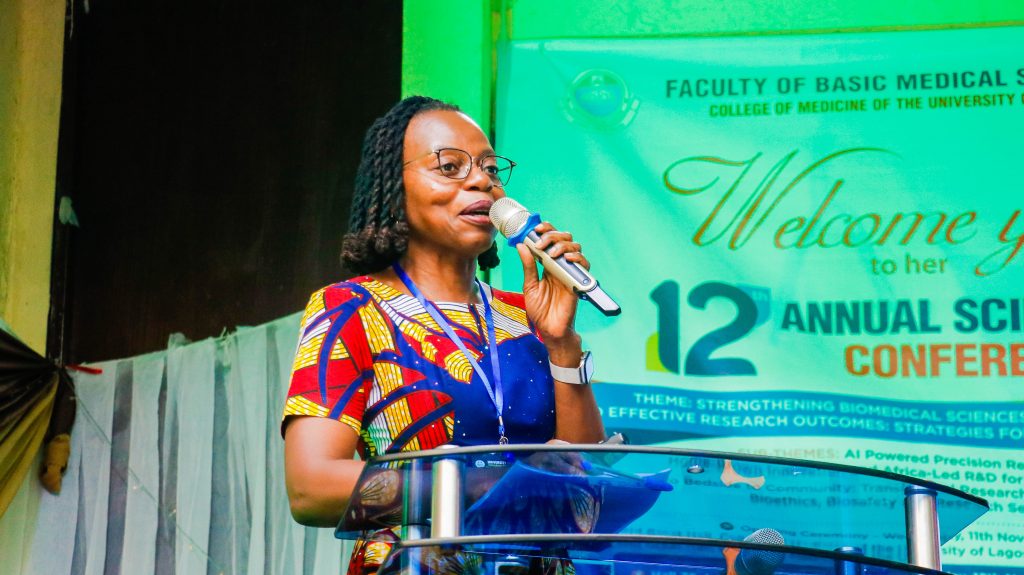
Speaking on “CCTRIS and Clinical Trials: Emerging Research Tool in Nigeria and Africa”, Prof. Afolabi described research as a systematic process of generating knowledge, testing existing knowledge and developing evidence-based solutions to societal challenges.
She explained that clinical trials were essential for evaluating the safety and effectiveness of healthcare interventions, including medicines, vaccines, diagnostic tests, medical devices, preventive interventions and treatment strategies.
The plenary speaker also highlighted the economic value of research, noting its potential to stimulate innovation and commercialisation, strengthen local industries, attract investment, create skilled employment and promote entrepreneurship.

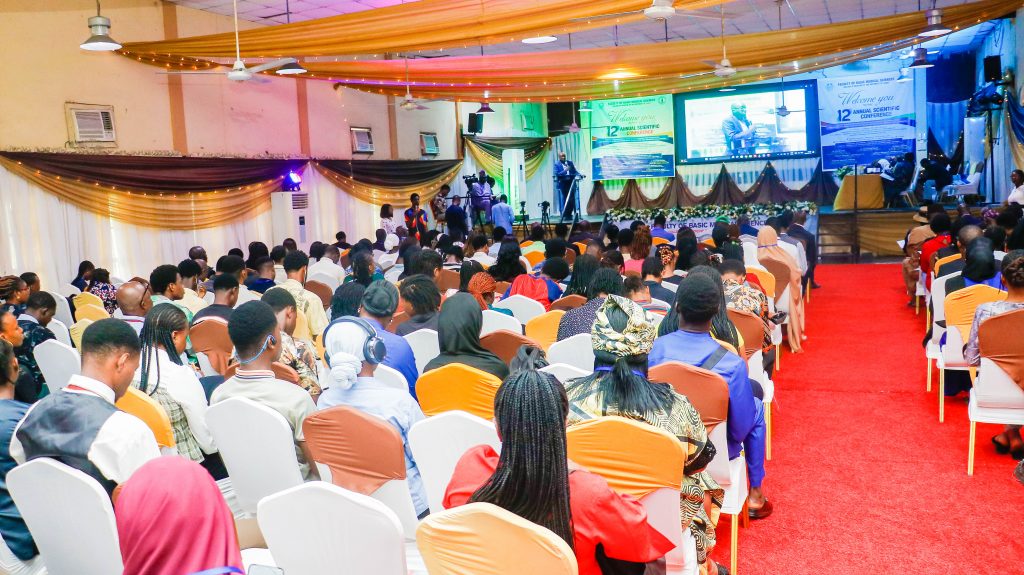
Addressing Africa’s position in global clinical research, she observed that the continent remained underrepresented despite accounting for a significant proportion of the global disease burden. She identified Nigeria’s large and diverse population, research expertise across universities and teaching hospitals, and significant healthcare needs as opportunities for developing a stronger clinical research ecosystem.
She, however, identified persistent gaps in funding, infrastructure, coordination and research leadership as challenges requiring deliberate intervention.
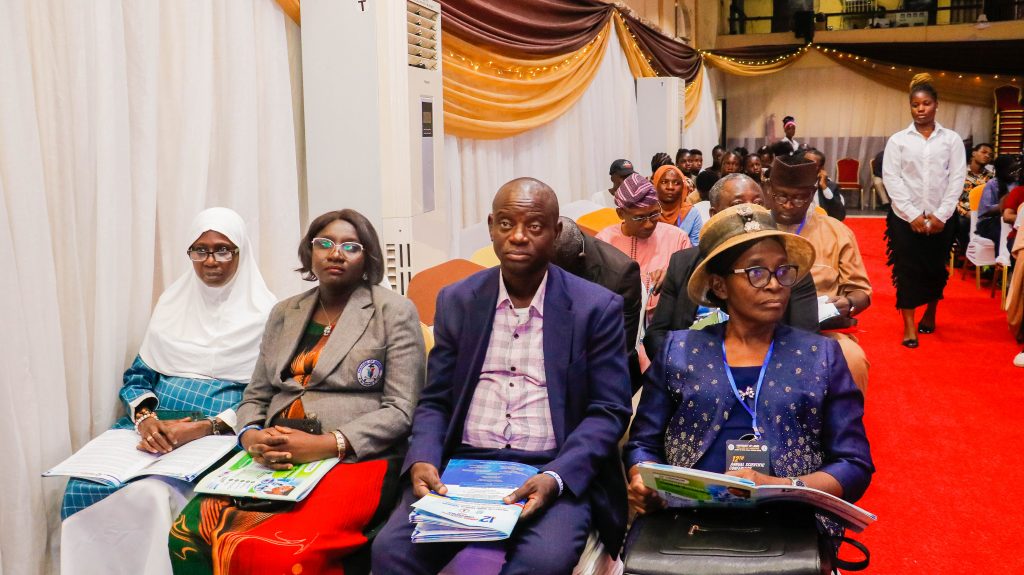

Providing an overview of CCTRIS, Prof. Afolabi disclosed that the Centre was officially launched on May 24, 2023, following its establishment approval by the University of Lagos. She explained that it was established to advance clinical trials, implementation science and public health research across Nigeria and Africa, while strengthening local research capacity and contributing to improved health outcomes.
Prof. Afolabi called for stronger collaboration among universities, research institutions, teaching hospitals, regulatory authorities, government, funders, industry players, researchers and communities to build a sustainable African-led clinical trials ecosystem.
Prof. Omilabu Receives Award of Excellence
A highlight of the opening ceremony was the presentation of an Award of Excellence to Prof. Sunday A. Omilabu in recognition of his immense contributions to the advancement of the Faculty of Basic Medical Sciences over the years.
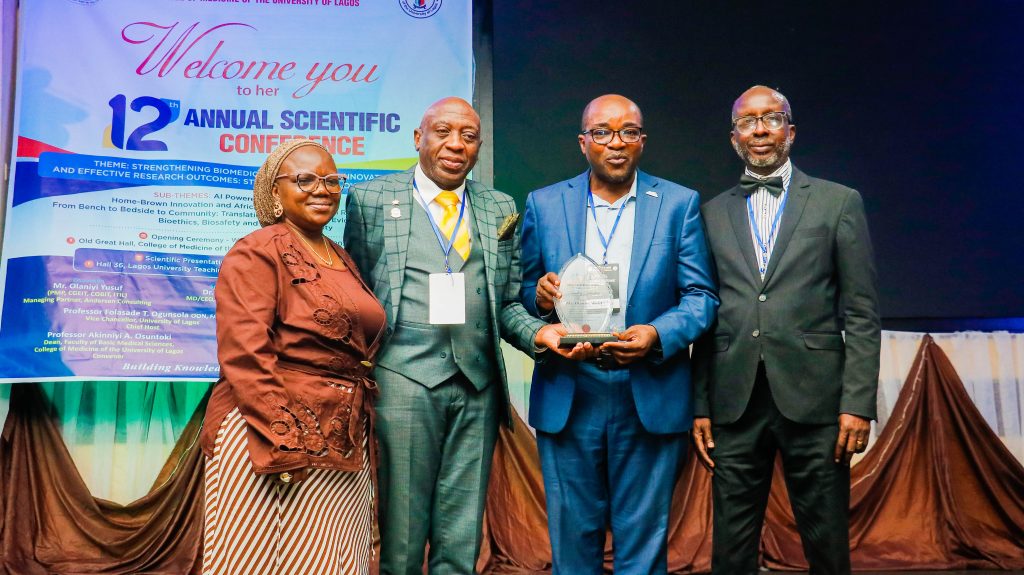
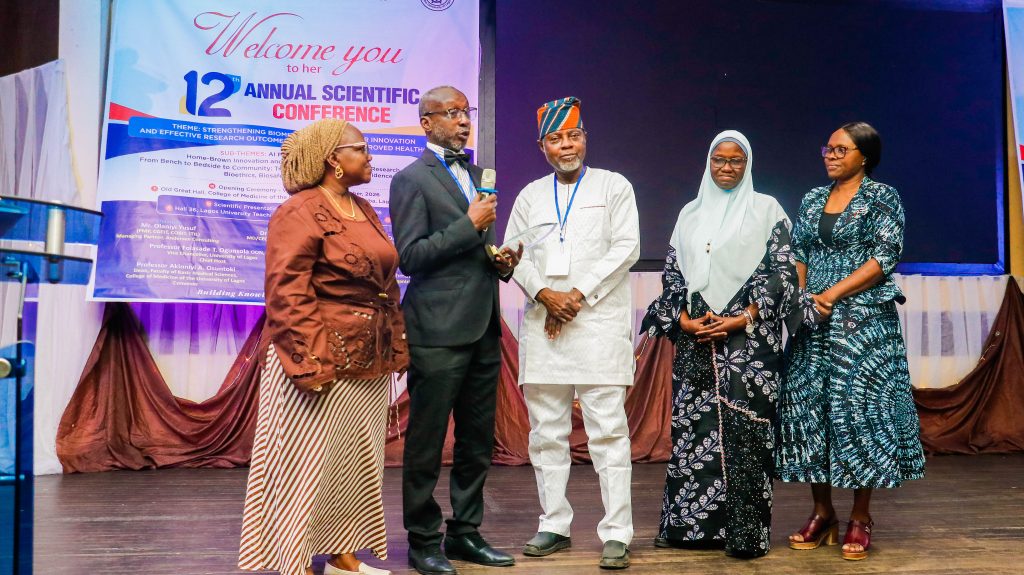
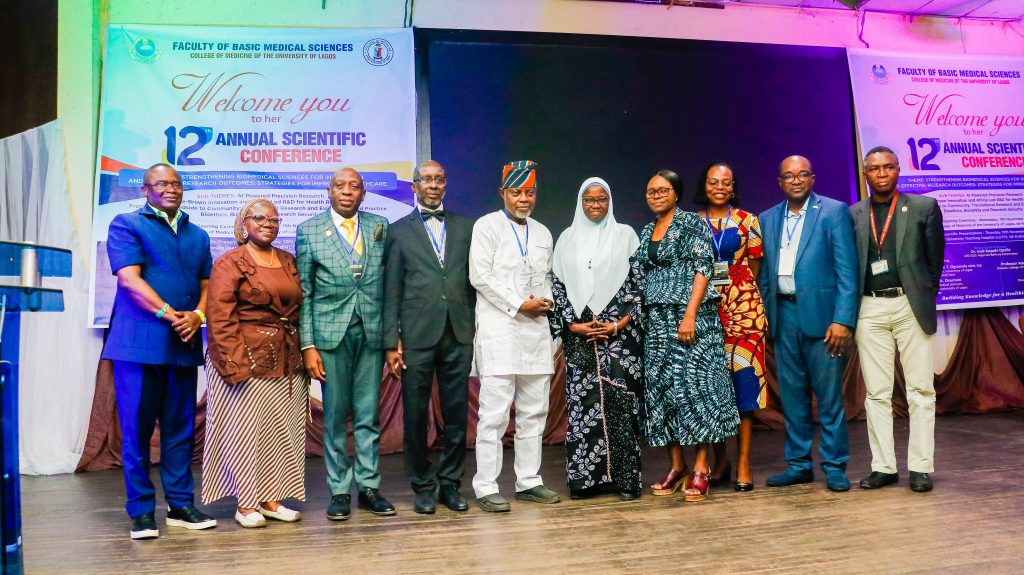
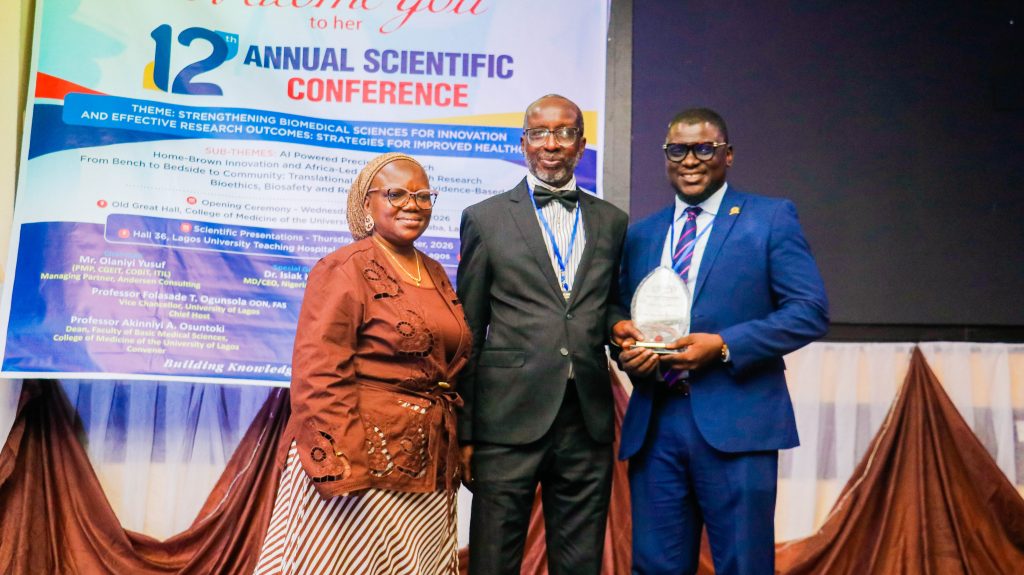
The ceremony also featured goodwill addresses by the Chairman of 12th Annual Scientific Conference, Mr. Olaniyi Yusuf, who is the current Chairman of the Nigerian Economic Summit Group (NESG) and the Managing Partner of Andersen Consulting; and the Special Guest of Honour, Dr. Kayode Opeifa, who is the Managing Director/Chief Executive Officer of Nigerian Railway Corporation.
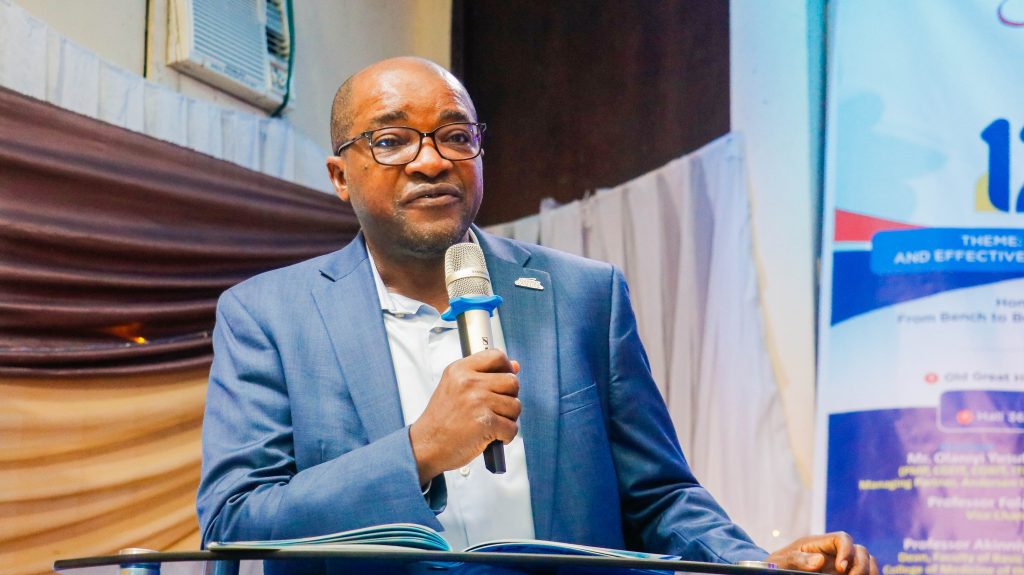
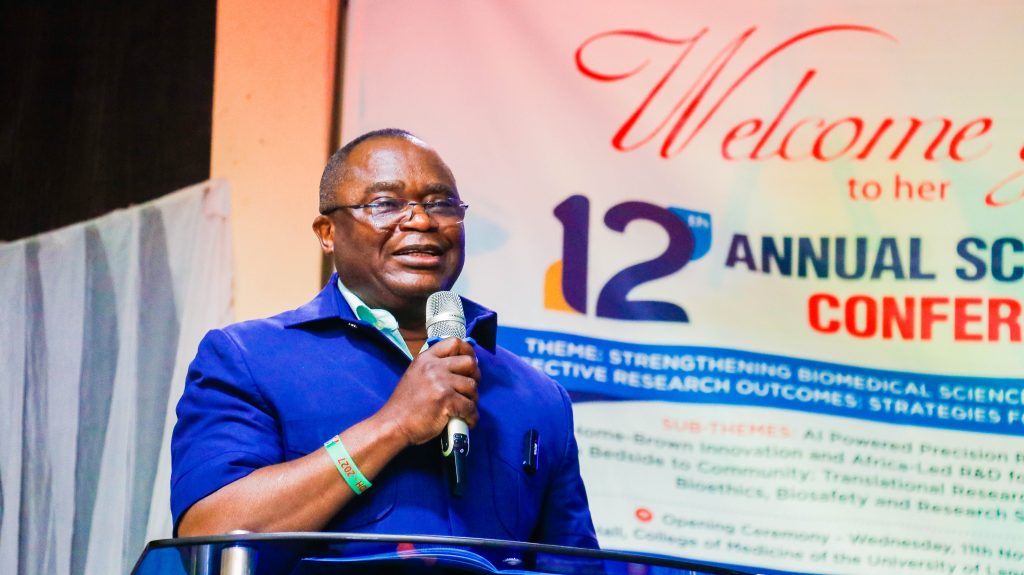
The 12th Annual Scientific Conference continued on Thursday, November 12, 2026, with the second day dedicated to scientific presentations, featuring numerous academic papers by researchers across various areas of biomedical sciences. The presentations provided a platform for the dissemination of research findings, scholarly exchange and further exploration of innovative approaches to strengthening biomedical sciences and improving healthcare outcomes.
Author: Akinola Afolabi
Photographer: Islamiat Akanni