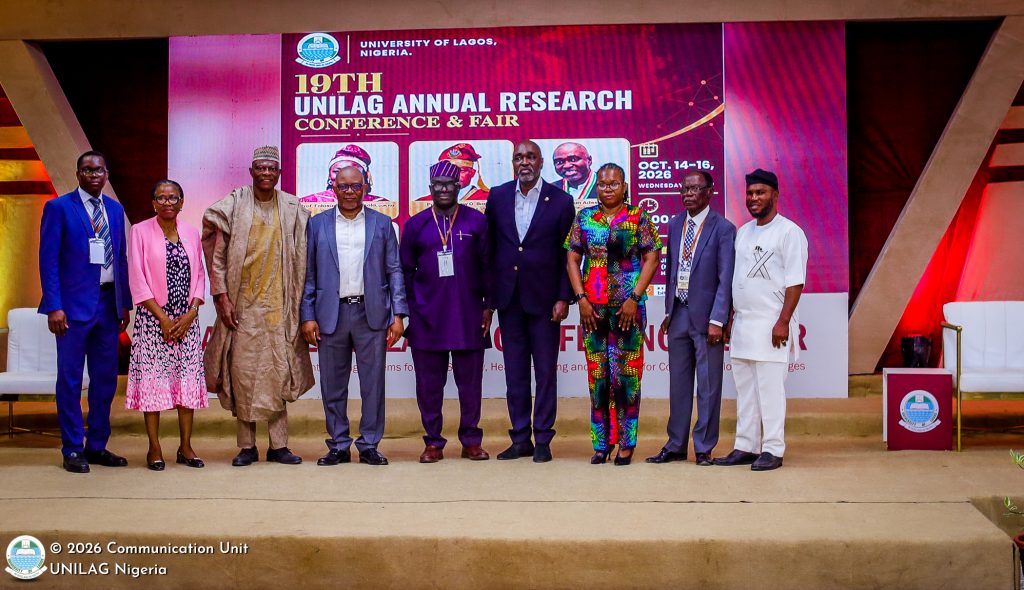
Scholars and industry leaders have called for stronger research collaboration, interdisciplinary approaches, and practical innovations to address interconnected global challenges in food security, health, housing, energy security, and sustainable development.
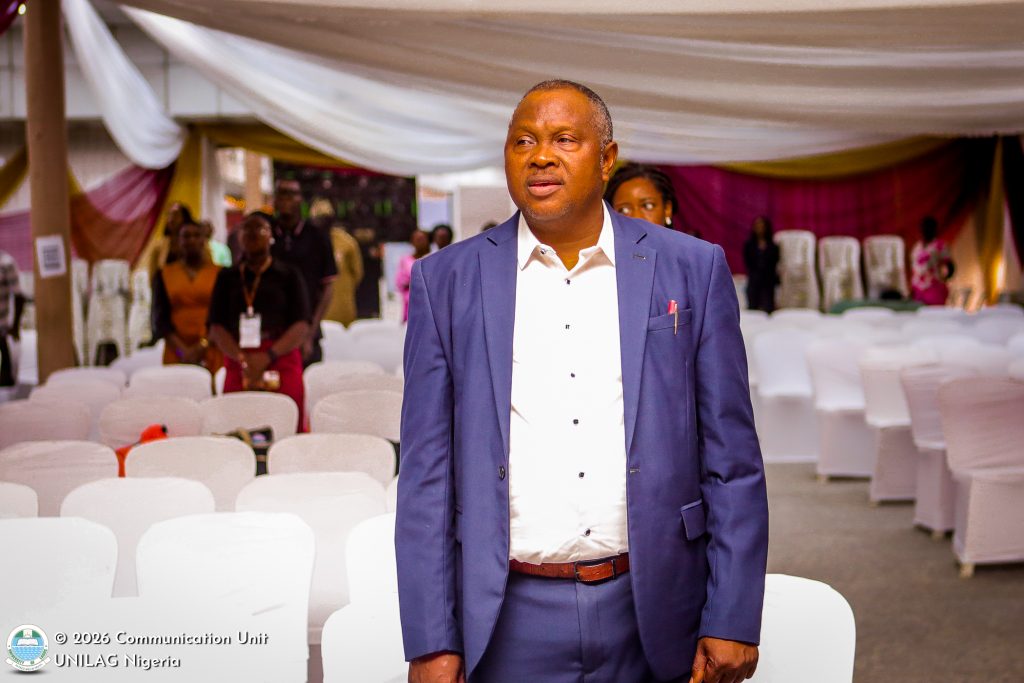
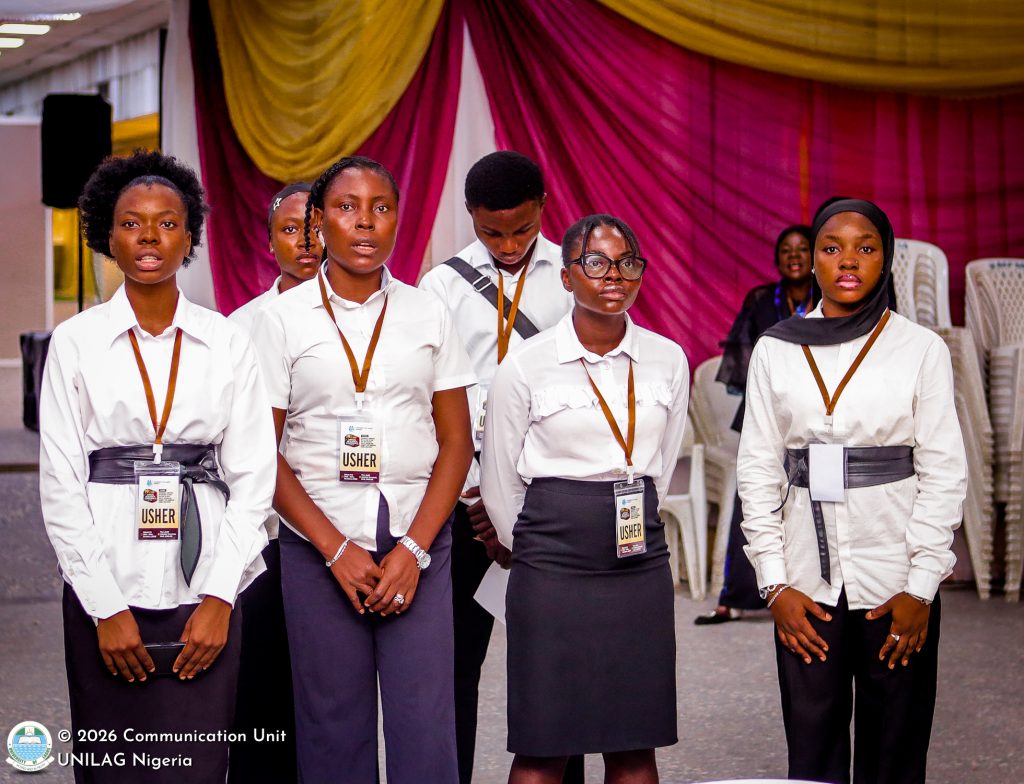
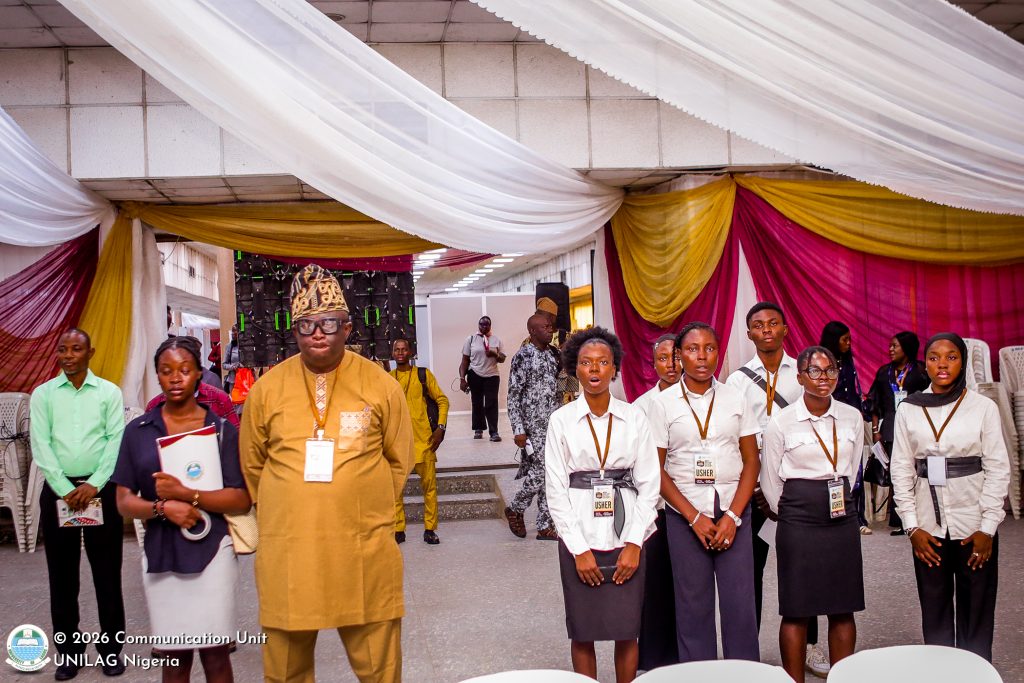
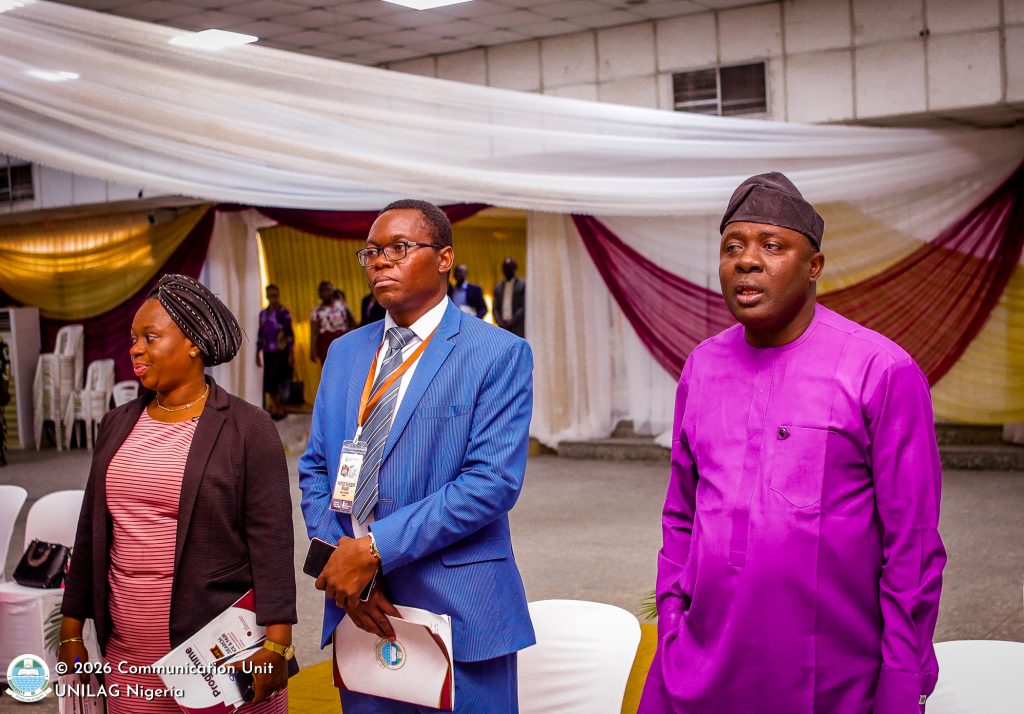
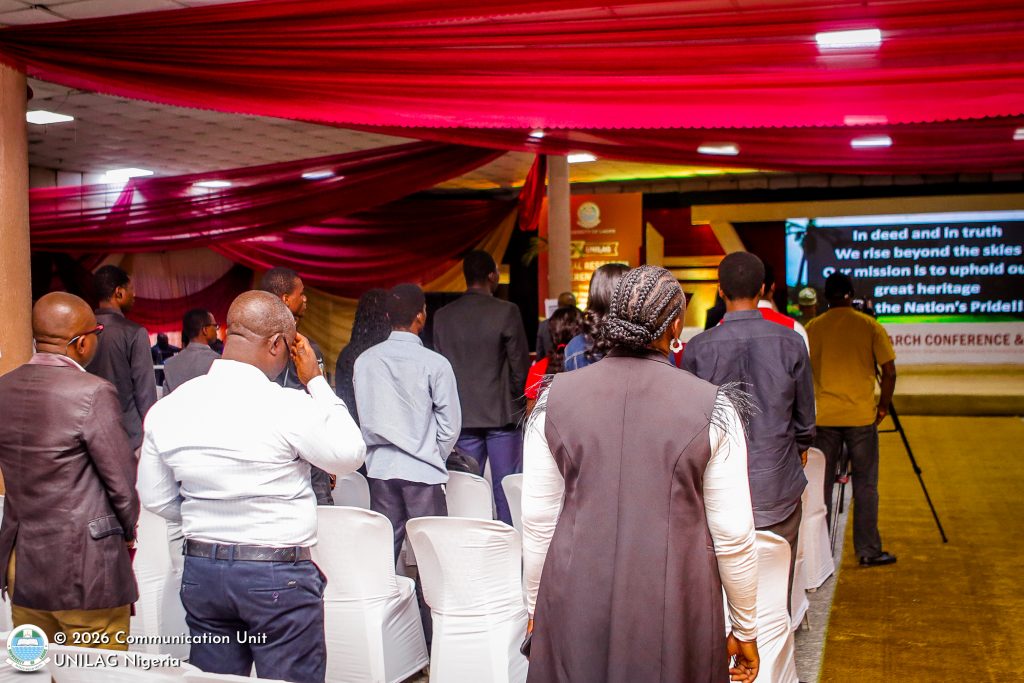
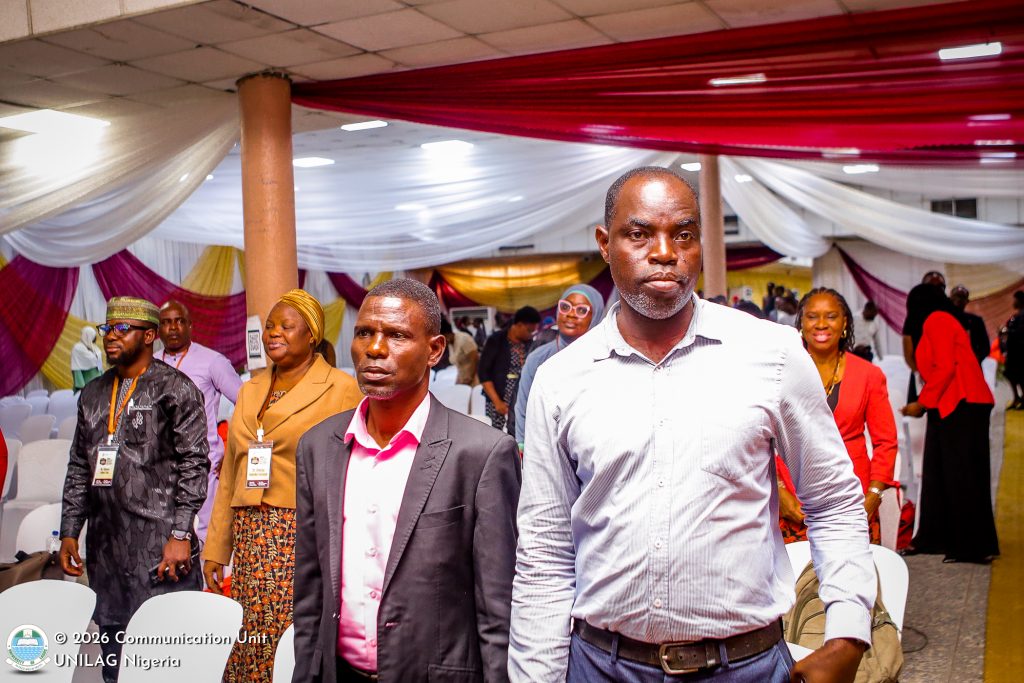
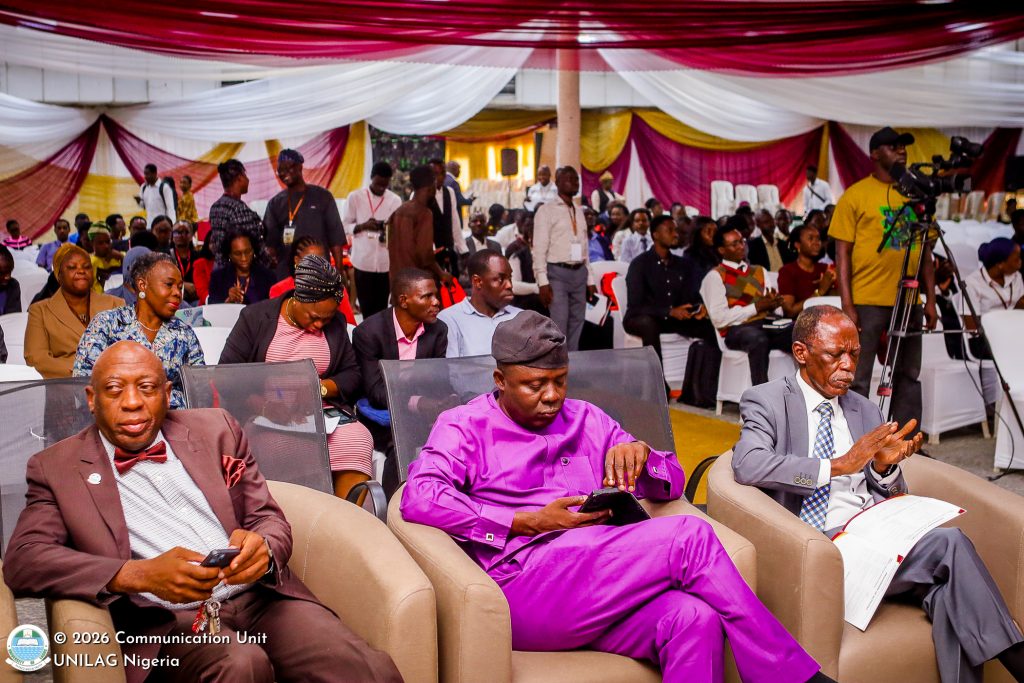
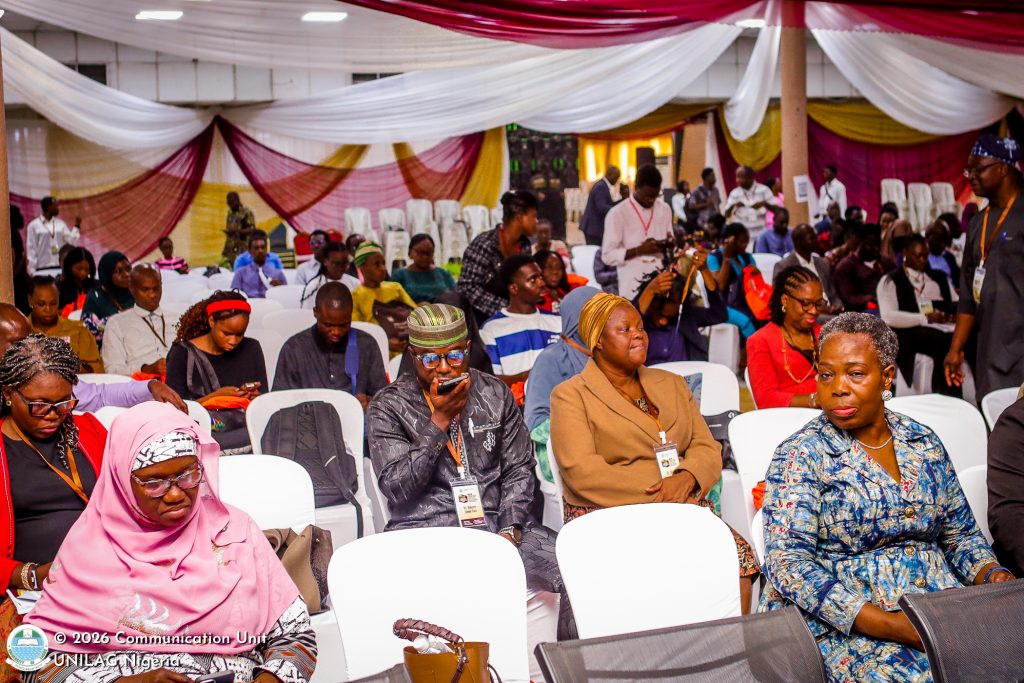
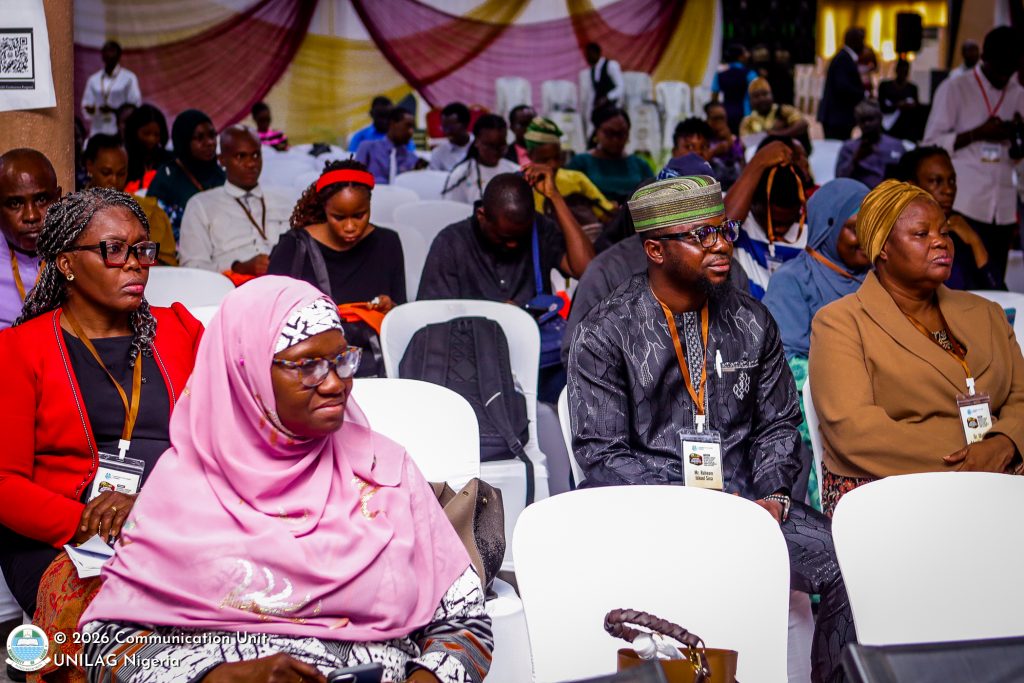
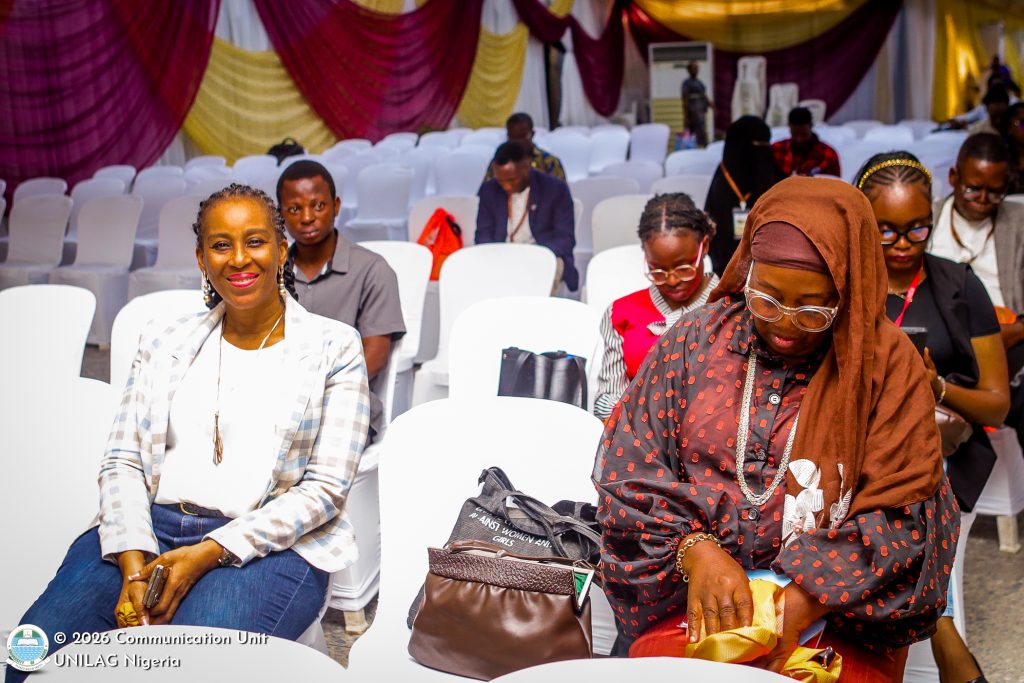
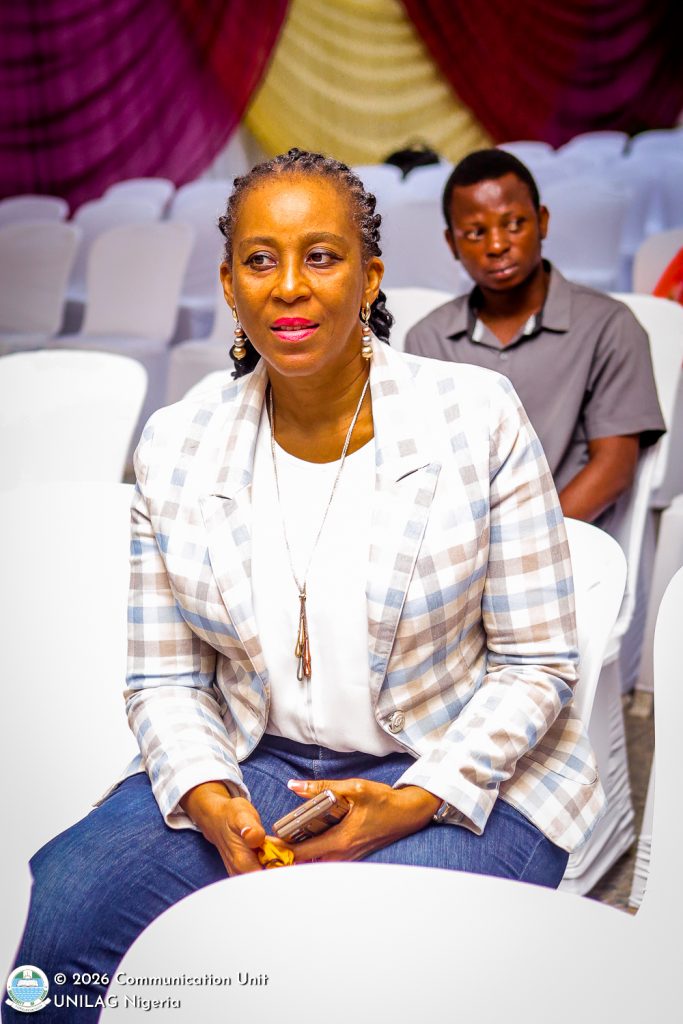
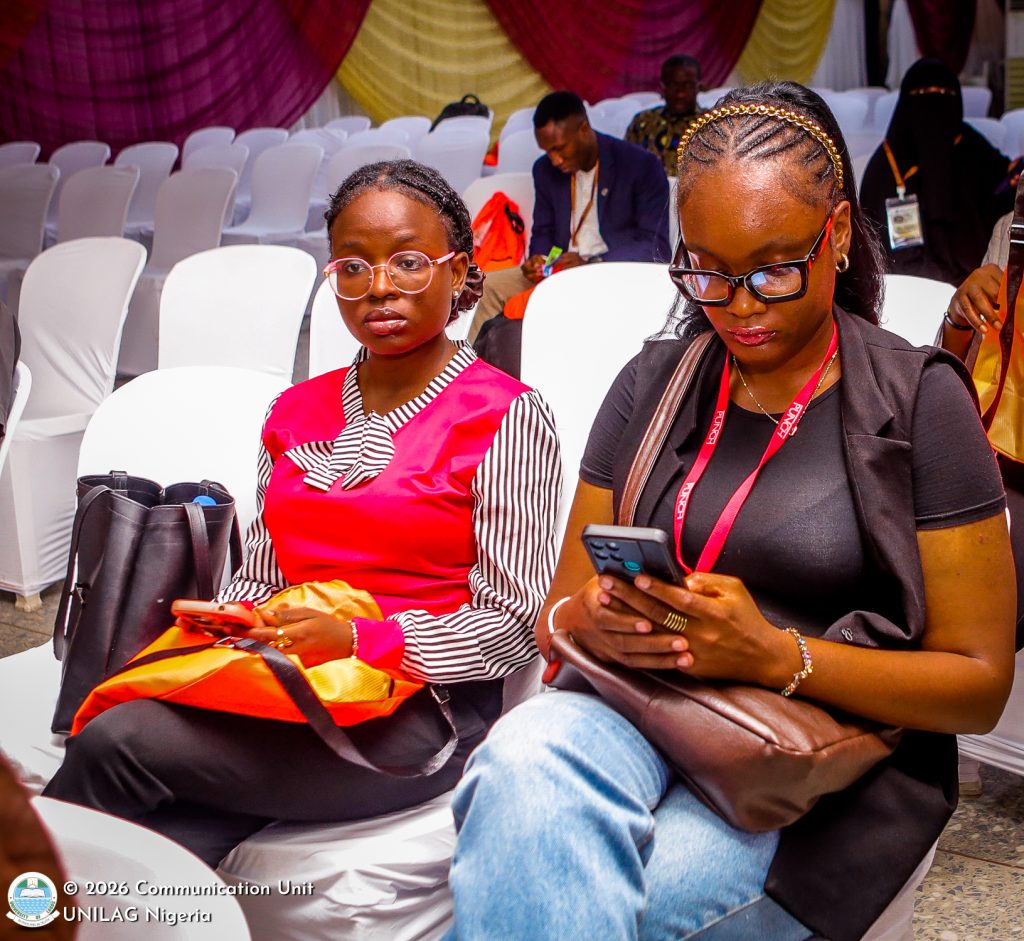
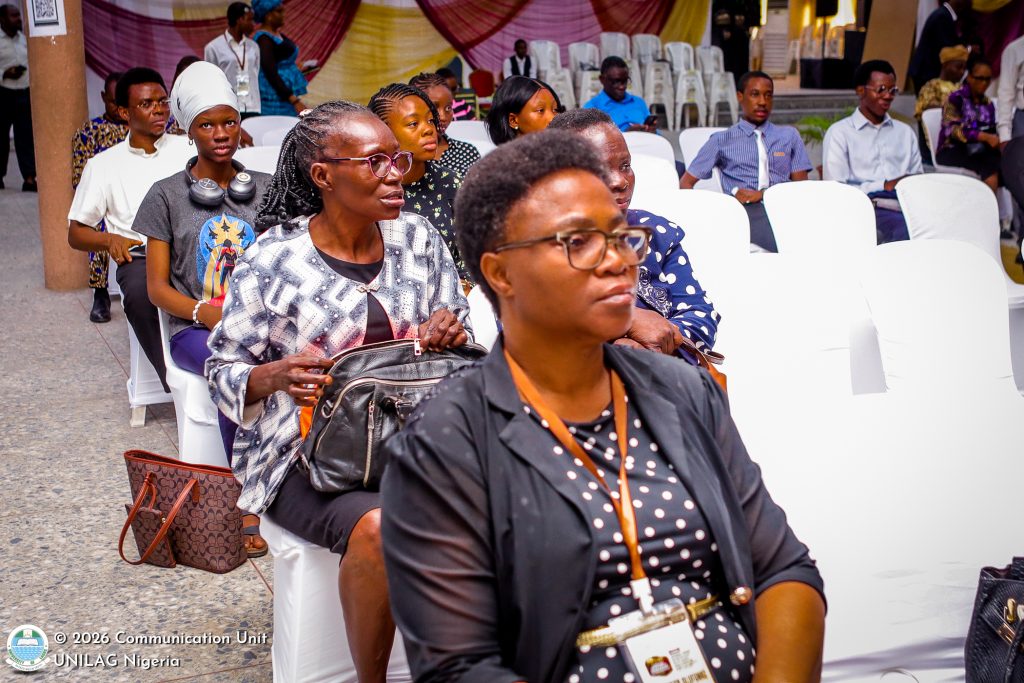
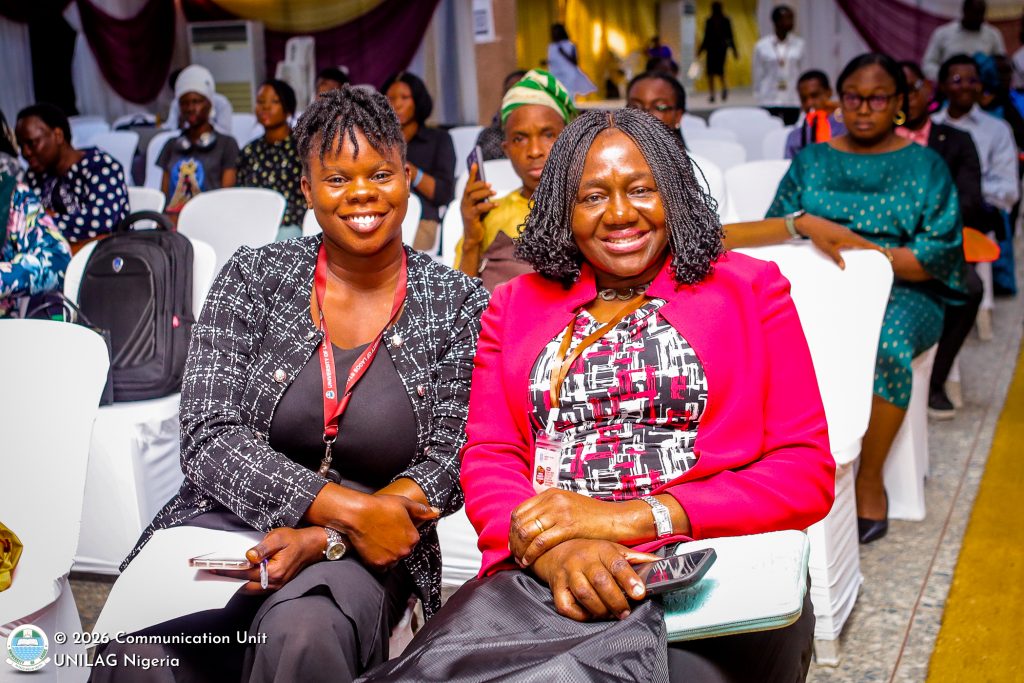
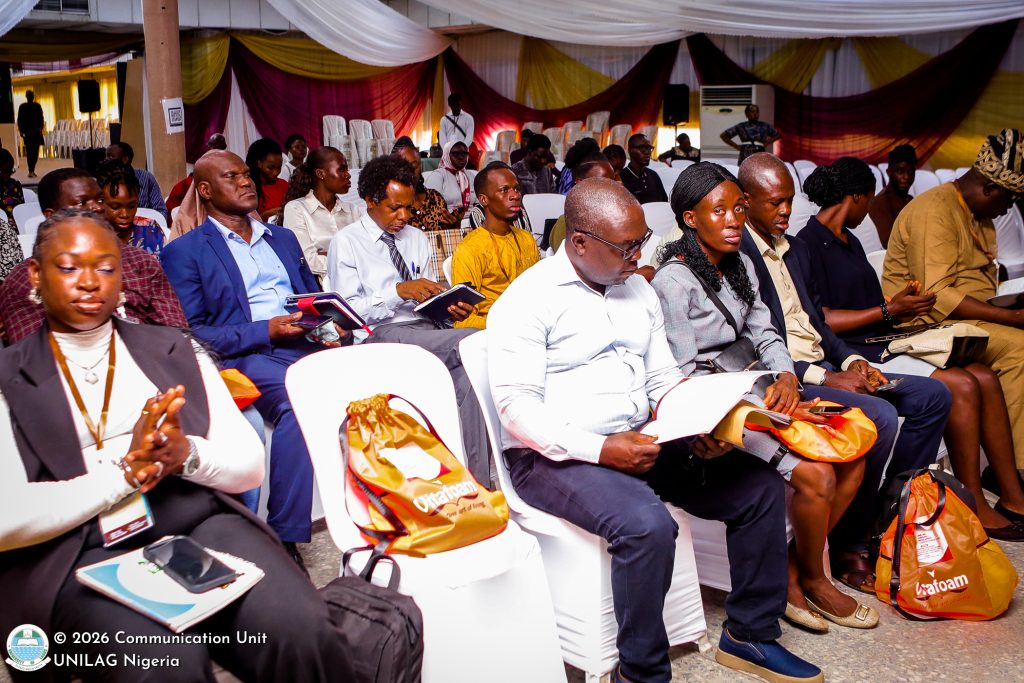
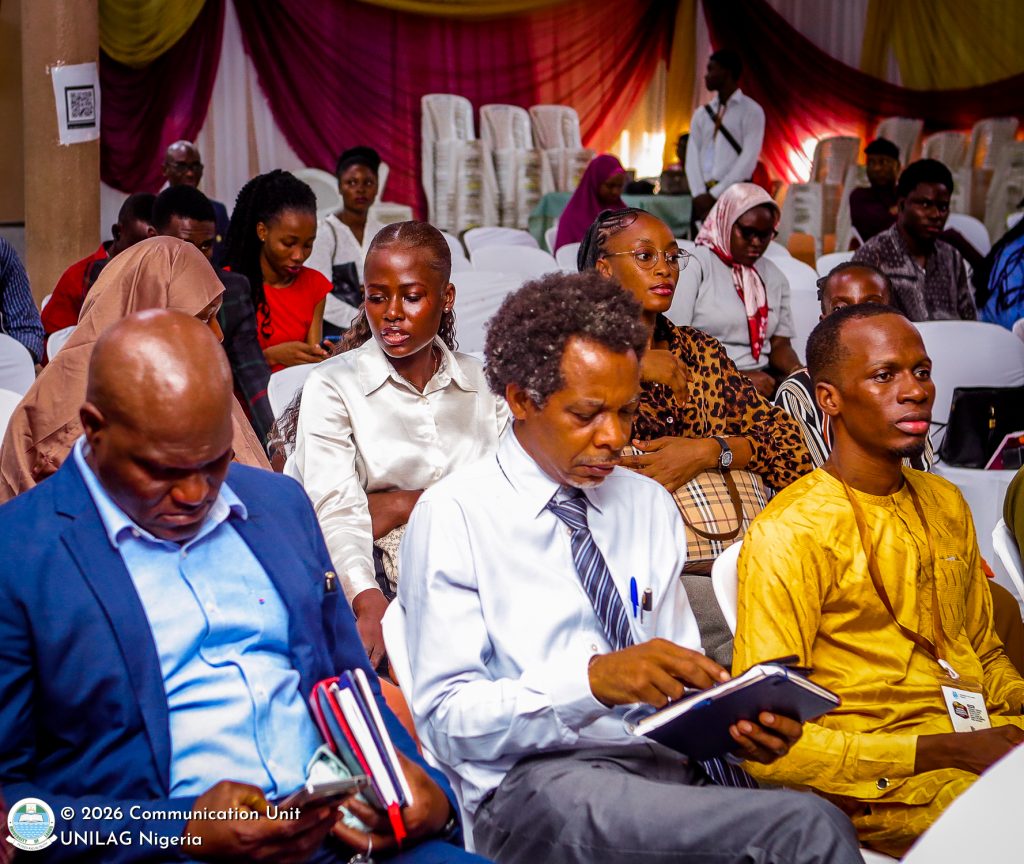
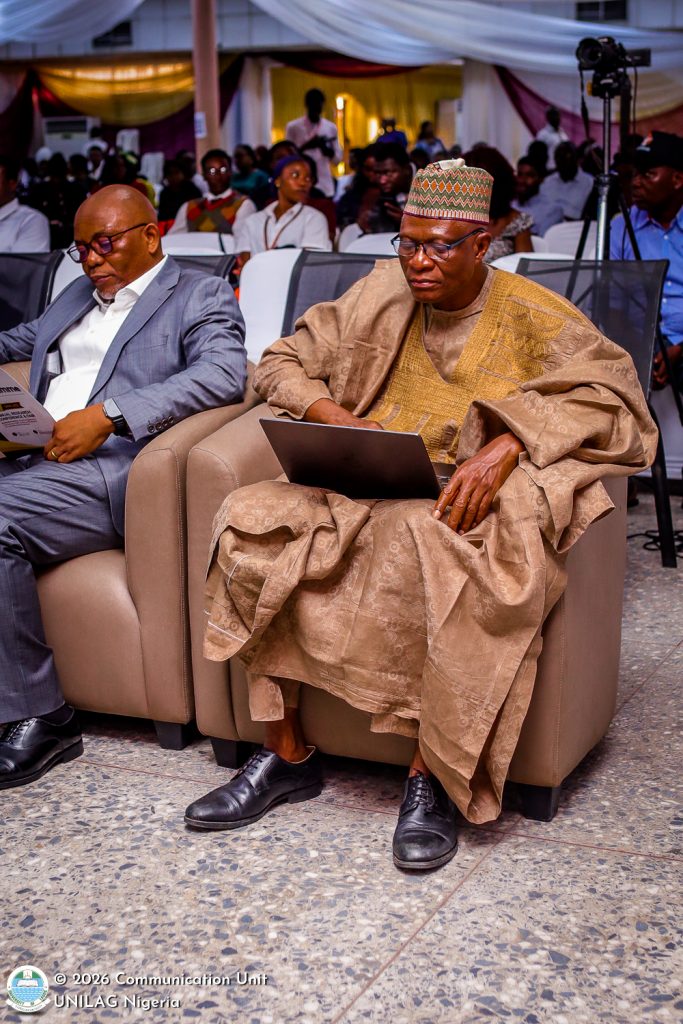
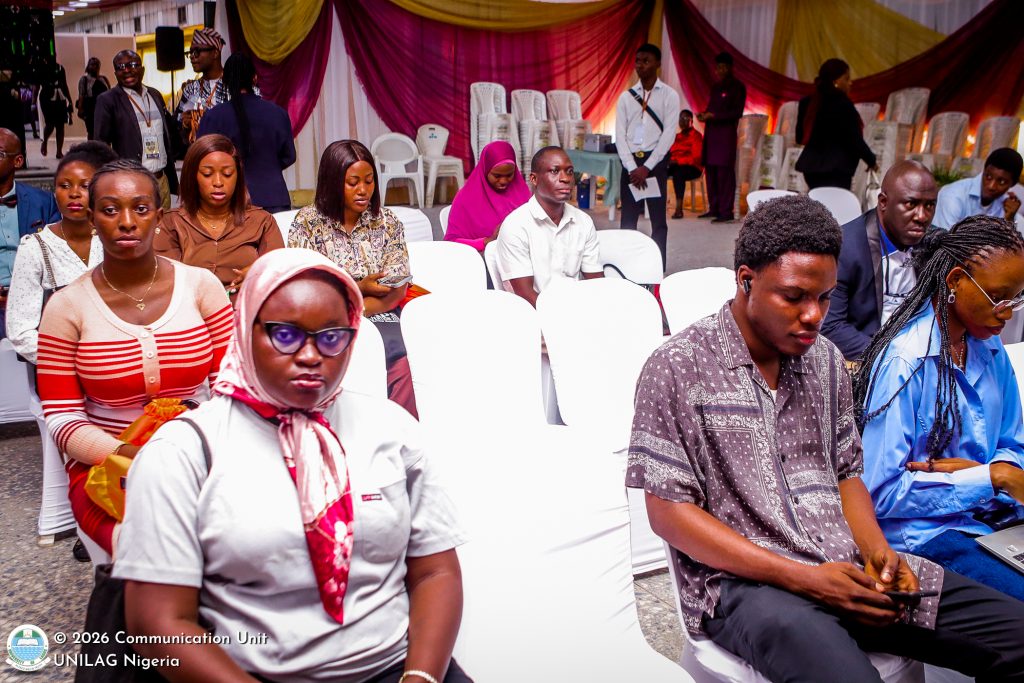
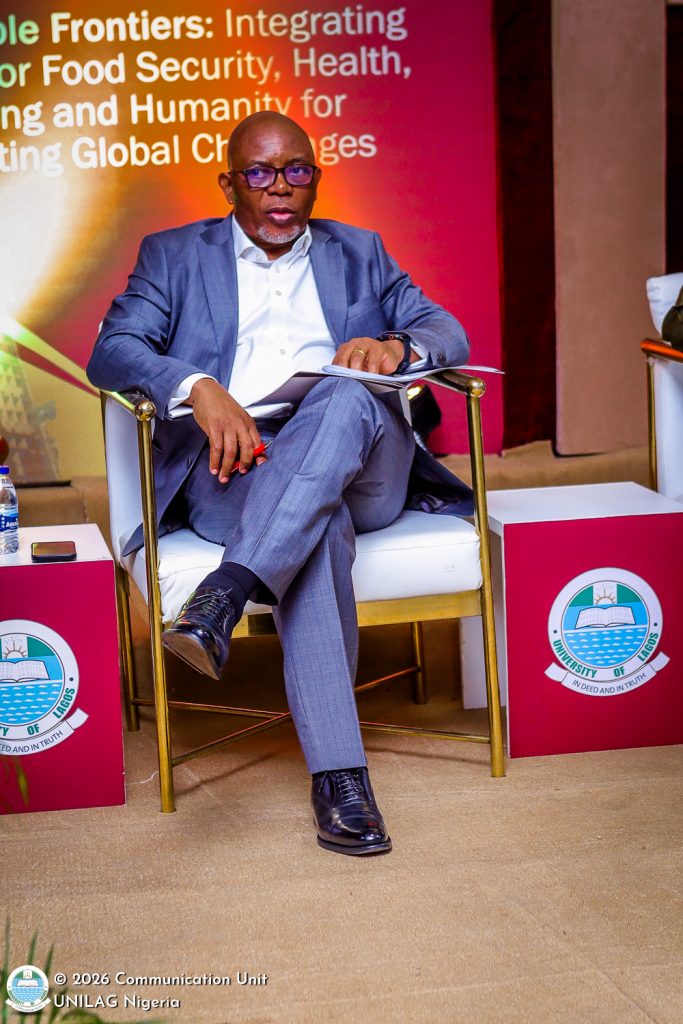
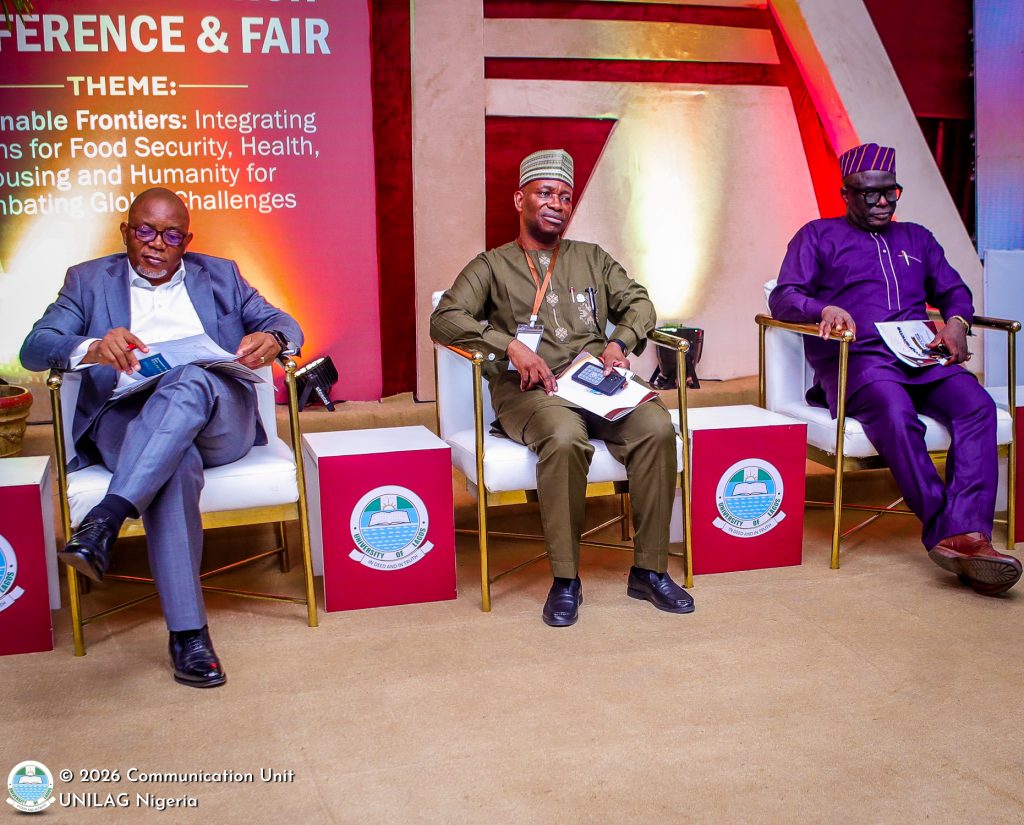
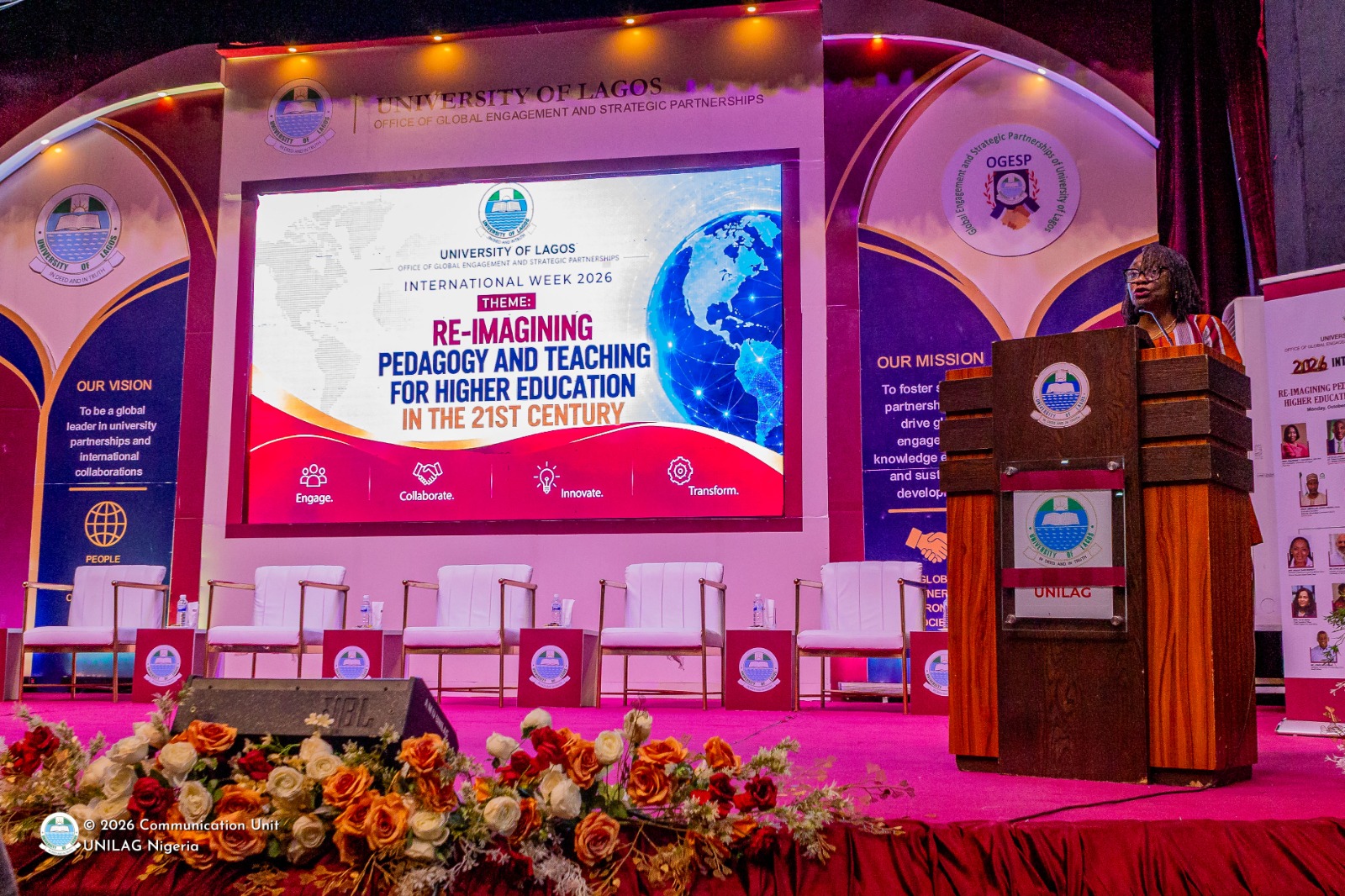
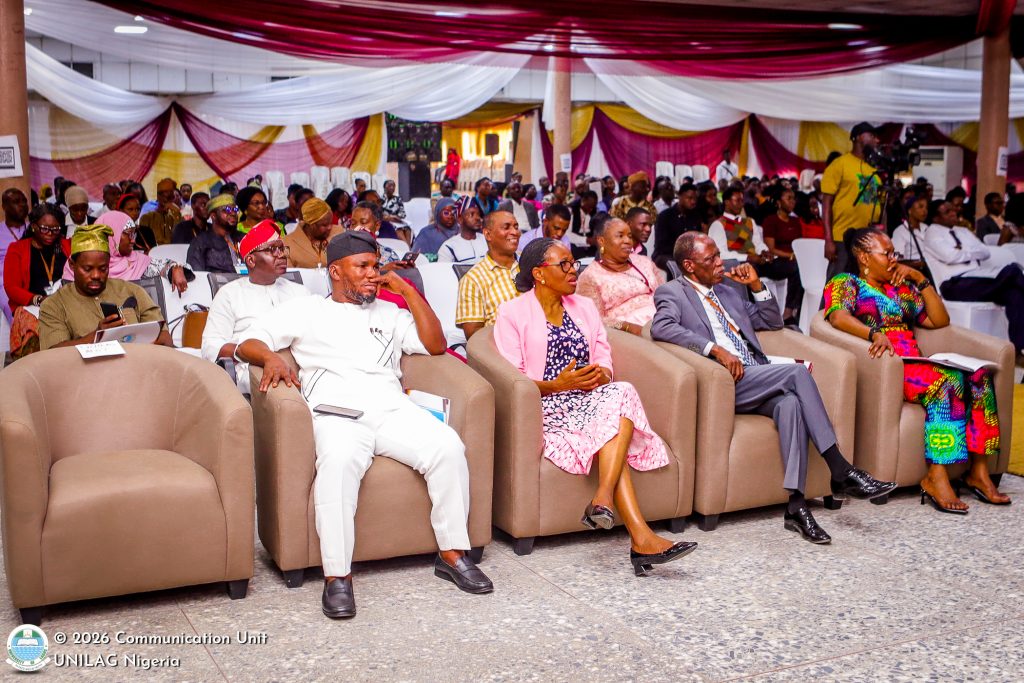
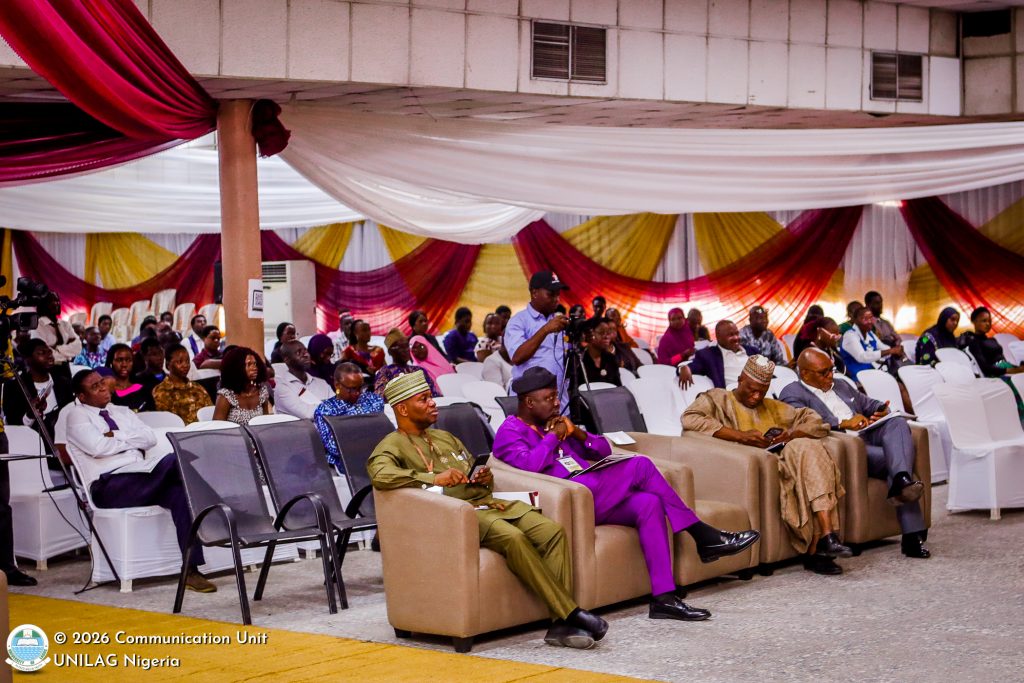
The call was made at the opening of the 19th Annual Research Conference and Fair of the University of Lagos (UNILAG), held on Wednesday, October 14, 2026, at the Jelili Adebisi Omotola Multipurpose Hall, Akoka.
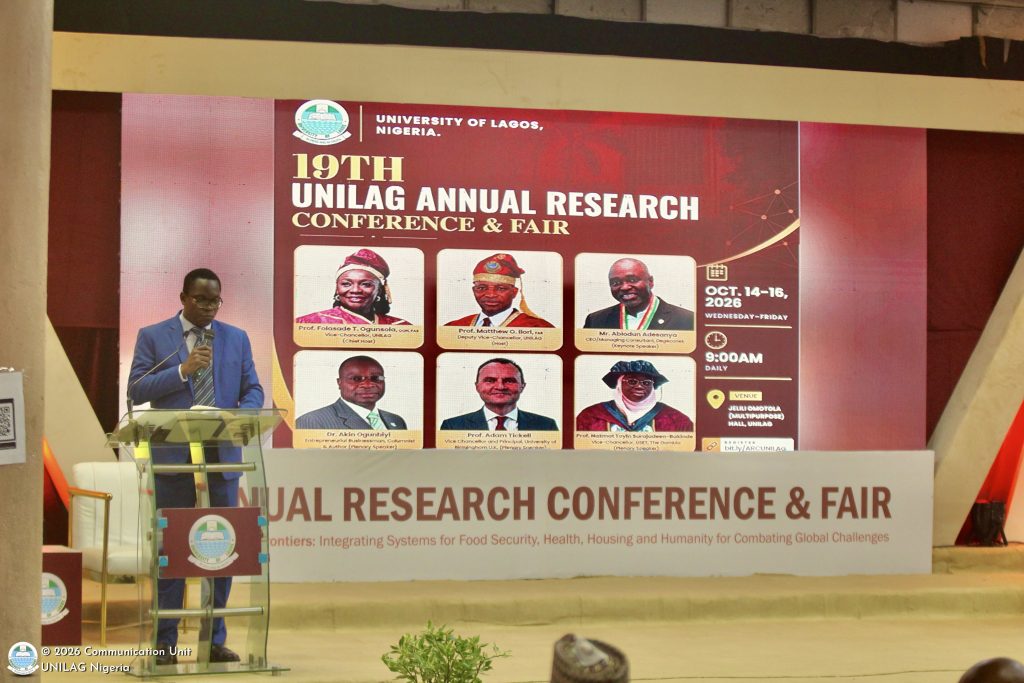
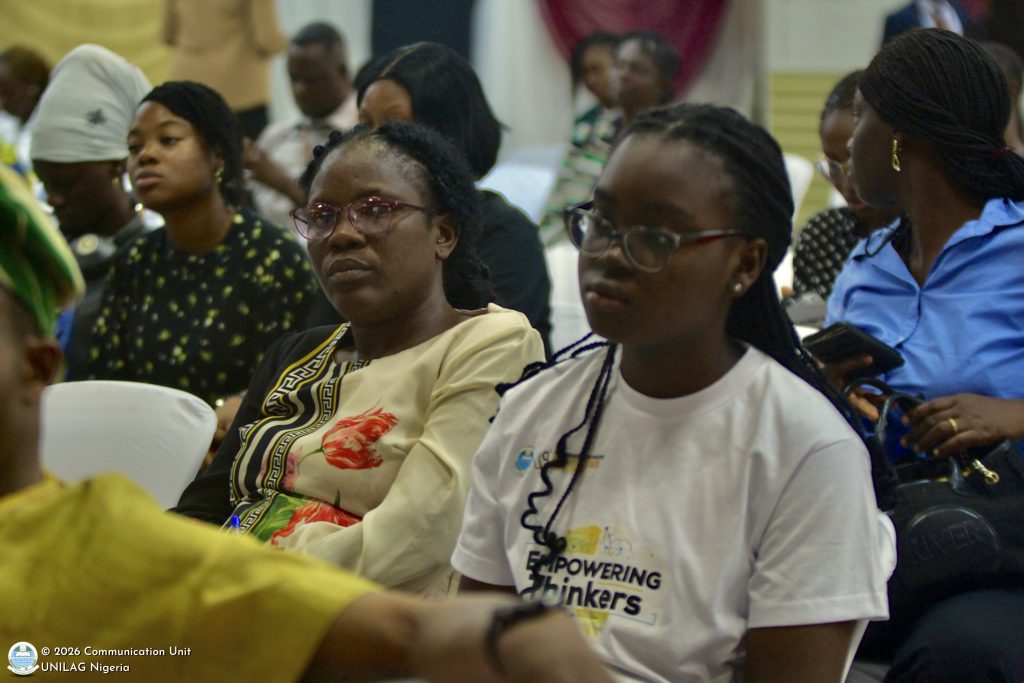
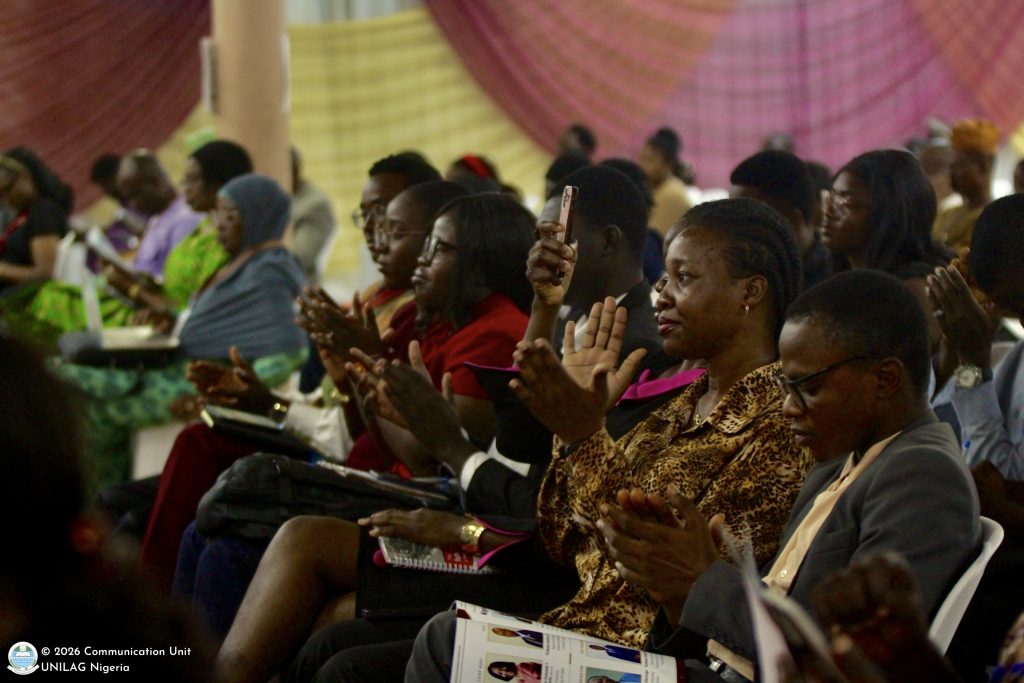
The conference, themed “Sustainable Frontiers: Integrating Food Systems, Security, Health, Housing and Humanities for Combating Global Challenges,” attracted more than six hundred and twenty (620) registered participants and featured over five hundred (500) abstracts across eight thematic areas.
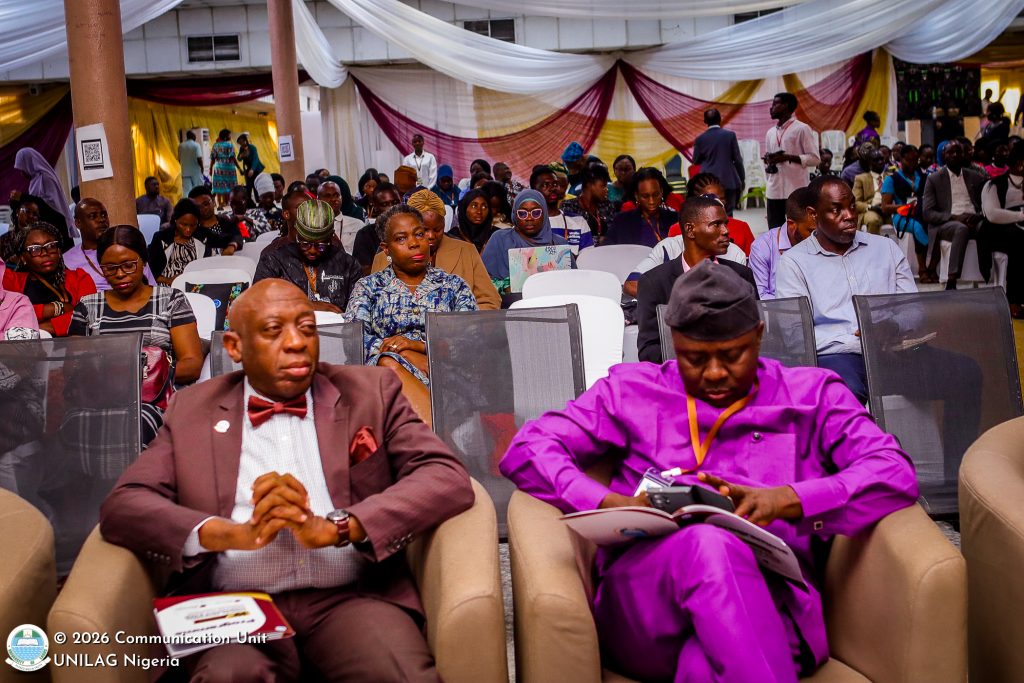
Held as part of the University’s 2026 International Week, the three-day conference provides a platform for researchers, industry practitioners, policymakers, and other stakeholders to exchange knowledge, showcase innovations, and explore partnerships capable of addressing pressing societal challenges.
Strengthening Research Collaboration and Knowledge Exchange
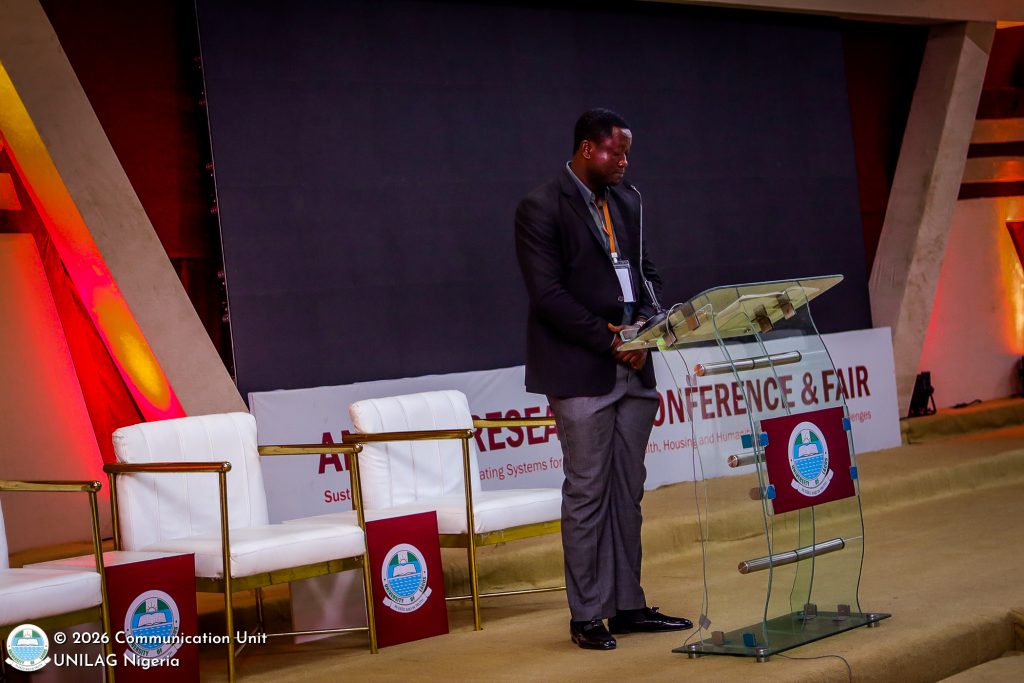
In his welcome address, the Chairman of the Conference Planning Committee (CPC), Professor Joseph Bamidele Minari, highlighted the importance of research dissemination, innovation, and collaboration between academia and industry.
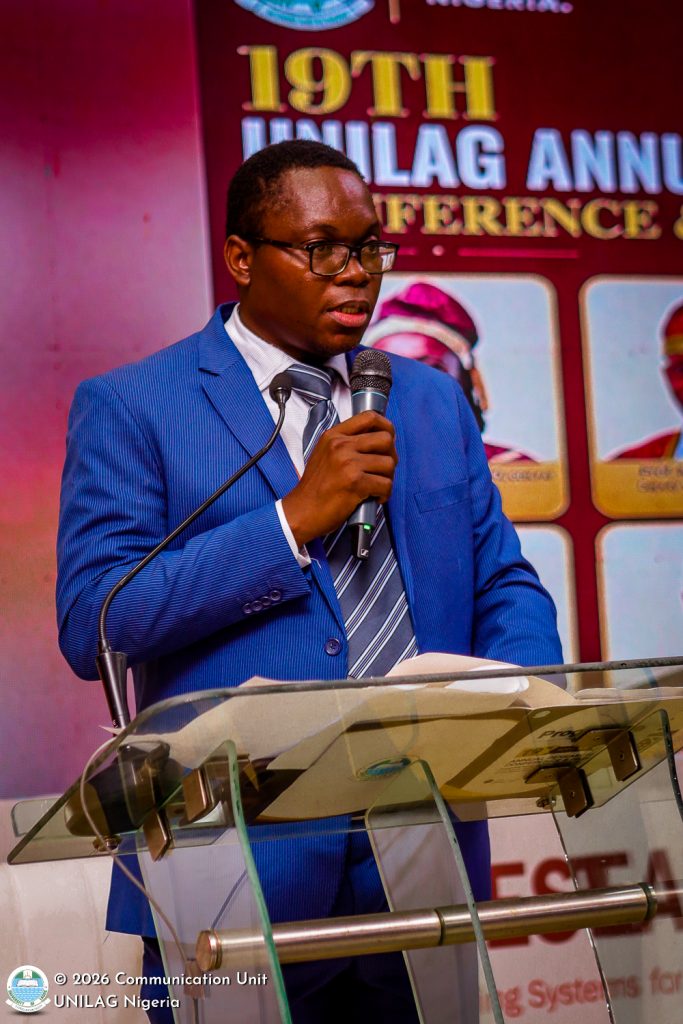
He underscored the conference’s role in providing a platform for researchers to share findings, exchange ideas, and explore how research can contribute to addressing societal challenges.
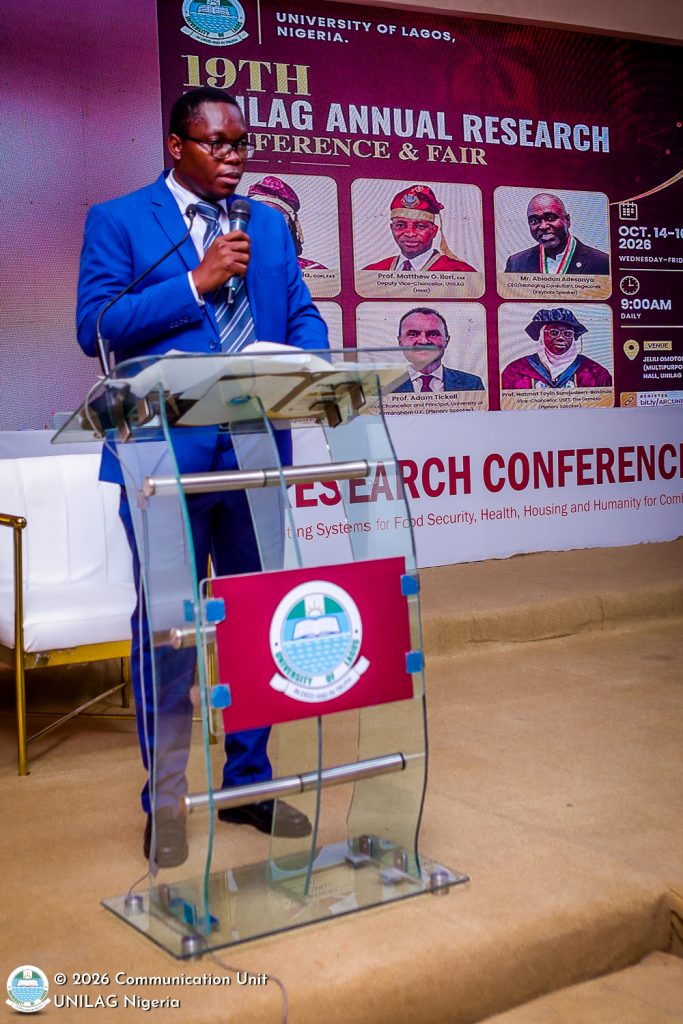
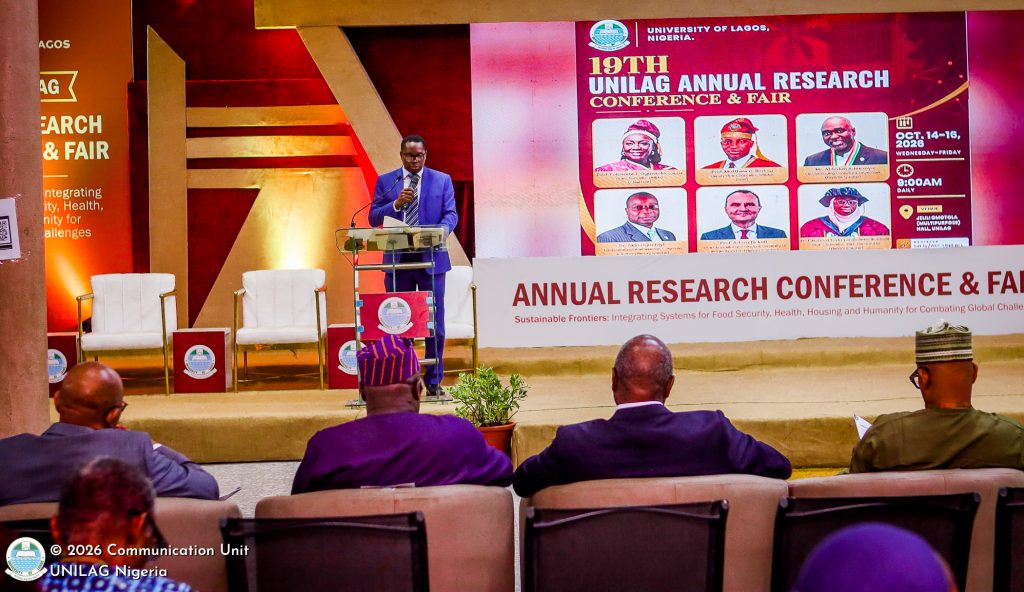
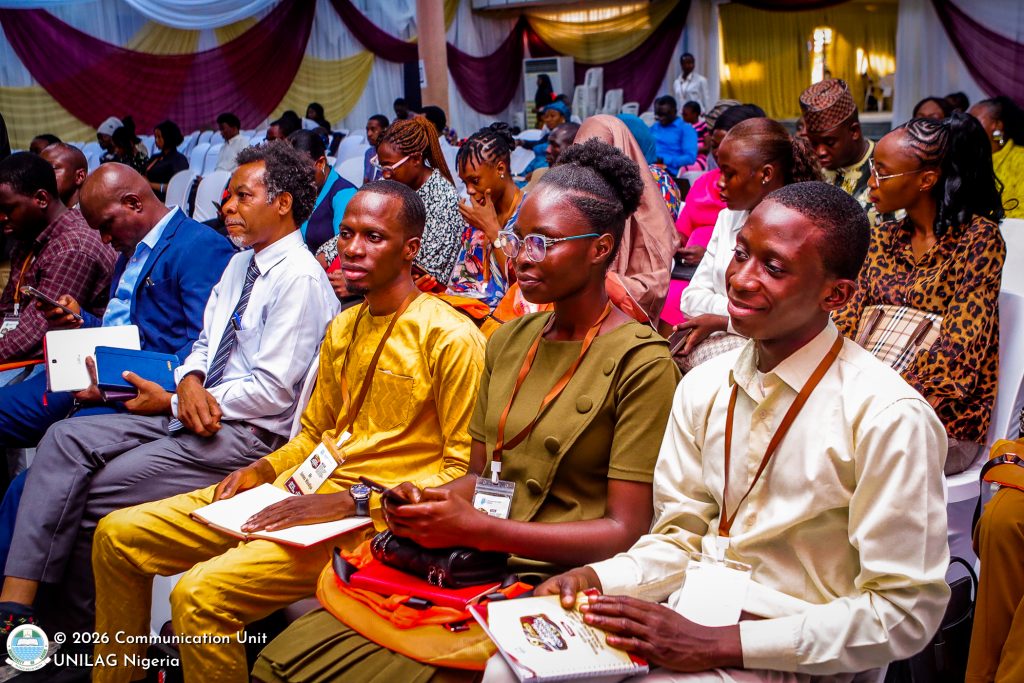
Professor Minari acknowledged the support of the Vice-Chancellor, Professor Folasade T. Ogunsola, OON, FAS; the Deputy Vice-Chancellor (Academics and Research), Professor Matthew Olusoji Ilori, FAS; the Director of the Research Management Office, Professor Okunuga; members of the planning committees; sponsors; and participating researchers.
Translating Research into Practical Solutions
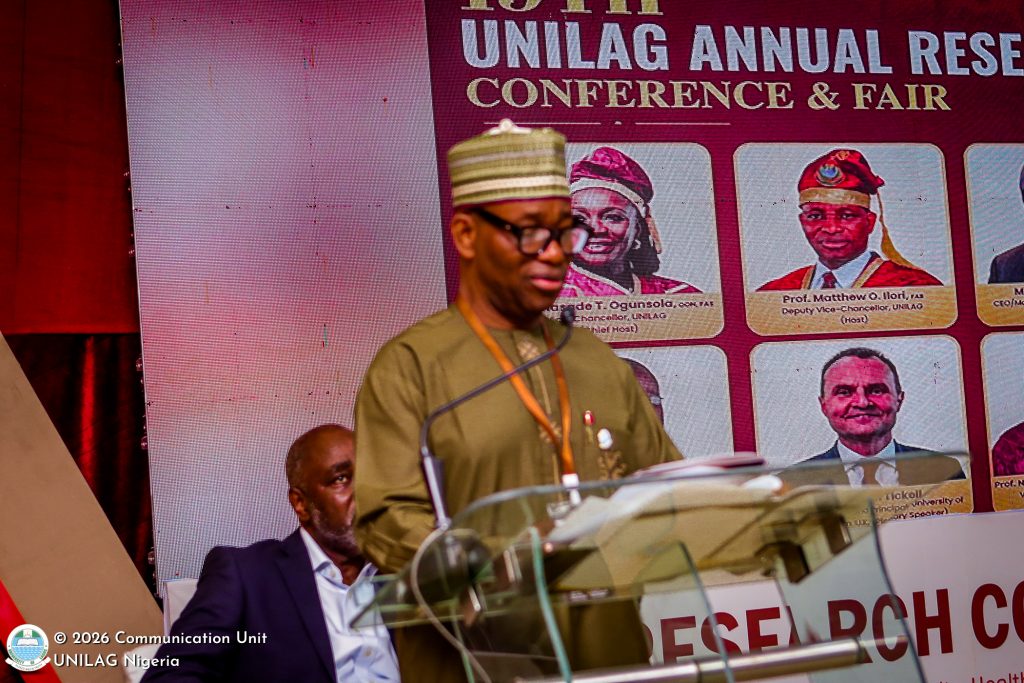
Delivering the welcome address, the Deputy Vice-Chancellor (Academics and Research), Professor Matthew Olusoji Ilori, FAS, who also chairs the Central Research Committee (CRC), emphasised the need for the University to communicate its research achievements more effectively and strengthen collaboration with industry.
Professor Ilori encouraged researchers to move beyond producing academic publications and ensure that their findings contribute to solving practical problems.
He highlighted the importance of embracing emerging technologies and building partnerships that can translate research outcomes into policy, innovation, and improved societal well-being.
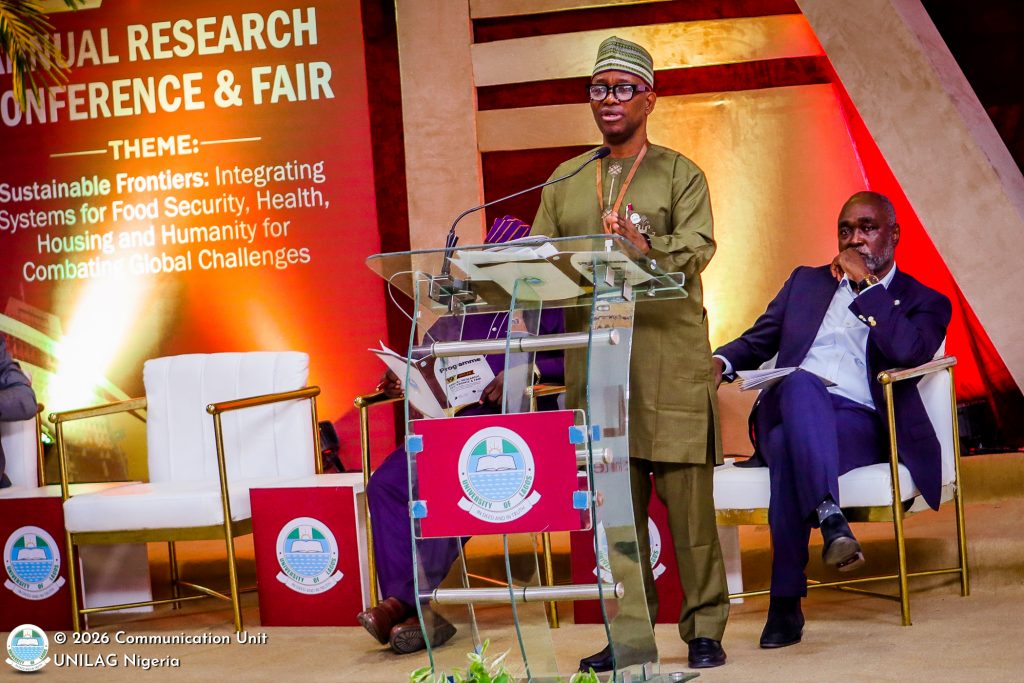
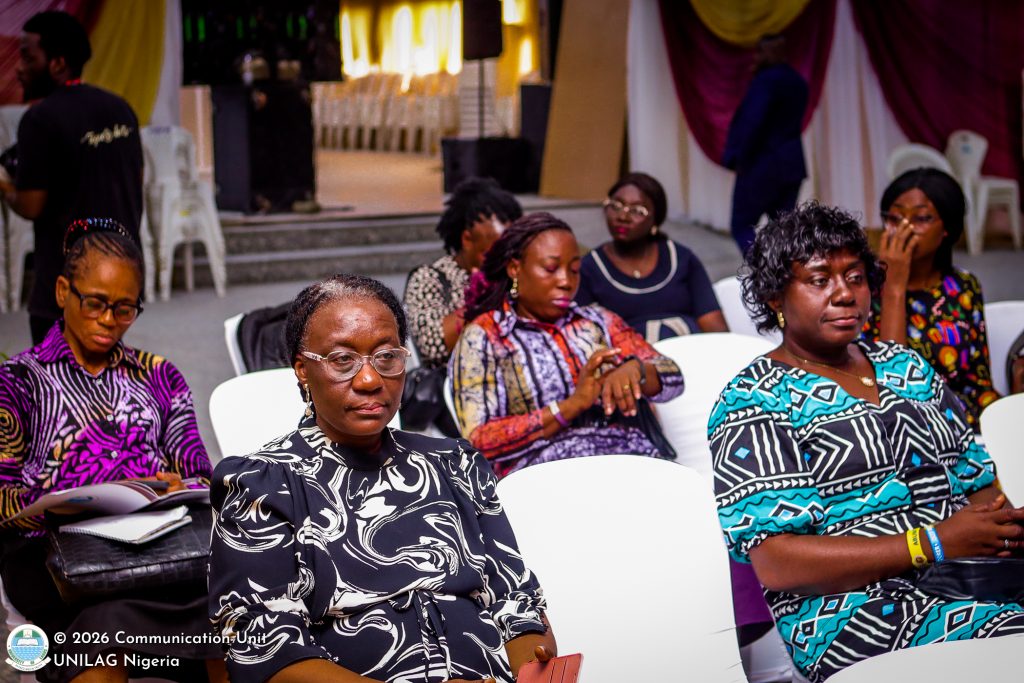

Noting the breadth of research represented at the conference, with more than 500 abstracts submitted across eight thematic areas, he said the gathering provides an opportunity for researchers to engage across disciplines, exchange perspectives, and explore how their work can respond to contemporary challenges. He added that its impact should extend beyond the conference sessions to produce outcomes that benefit society.
Integrating Disciplines for Sustainable Development
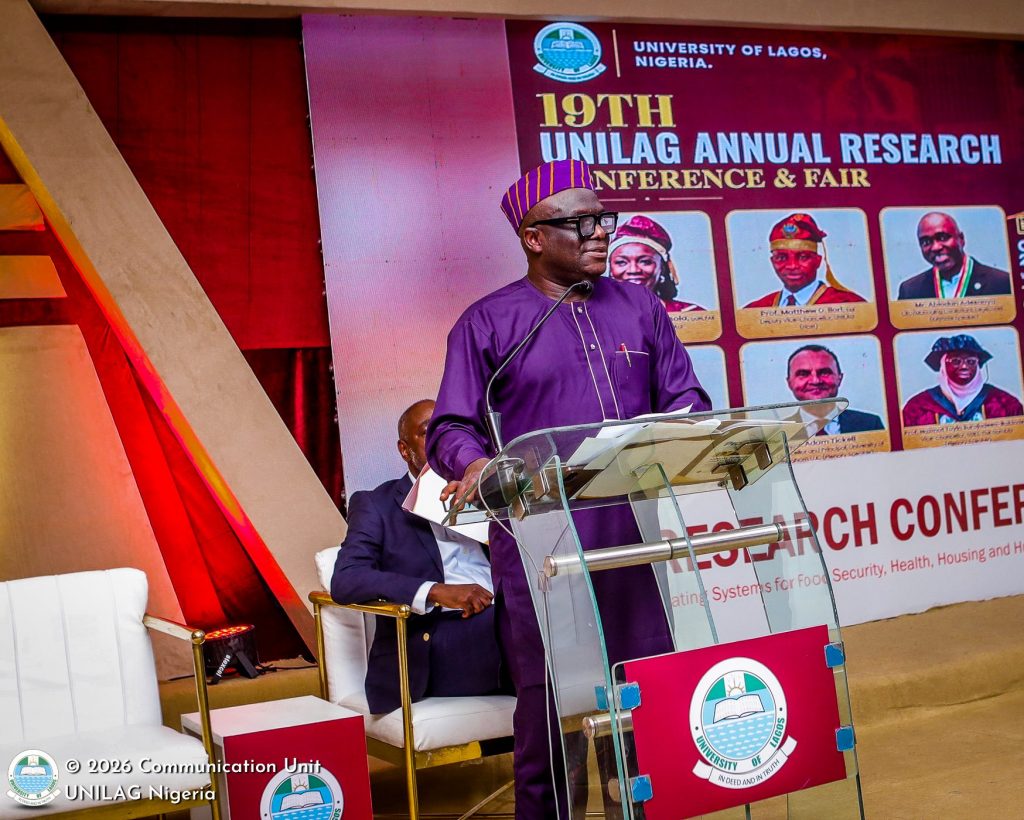
The Vice-Chancellor of the University of Lagos, Professor Folasade T. Ogunsola, OON, FAS, represented by the Deputy Vice-Chancellor (Management Services), Professor Olumuyiwa Falaiye, formally declared the 19th Annual Research Conference and Fair open.
In the address delivered on her behalf, the Vice-Chancellor emphasised that challenges relating to food systems, security, health, housing, and the humanities are interconnected and require collaborative approaches that transcend disciplinary boundaries.
She called on researchers to draw on diverse areas of expertise to develop sustainable solutions that respond to society’s needs, and underscored the importance of partnerships among universities, industry, government, and other stakeholders in translating research into practical outcomes.
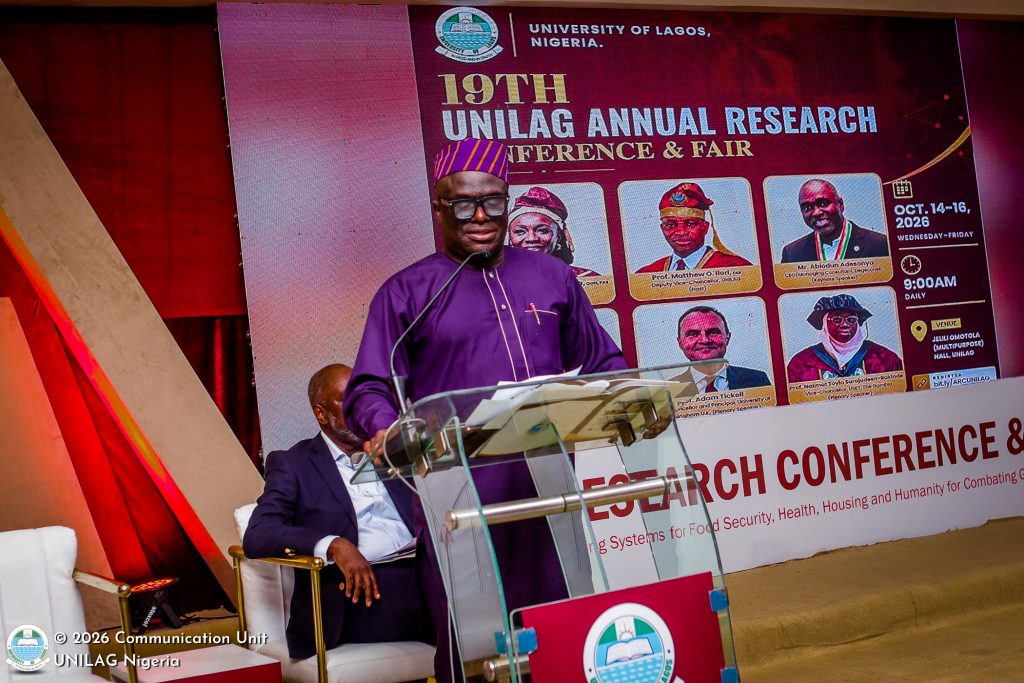
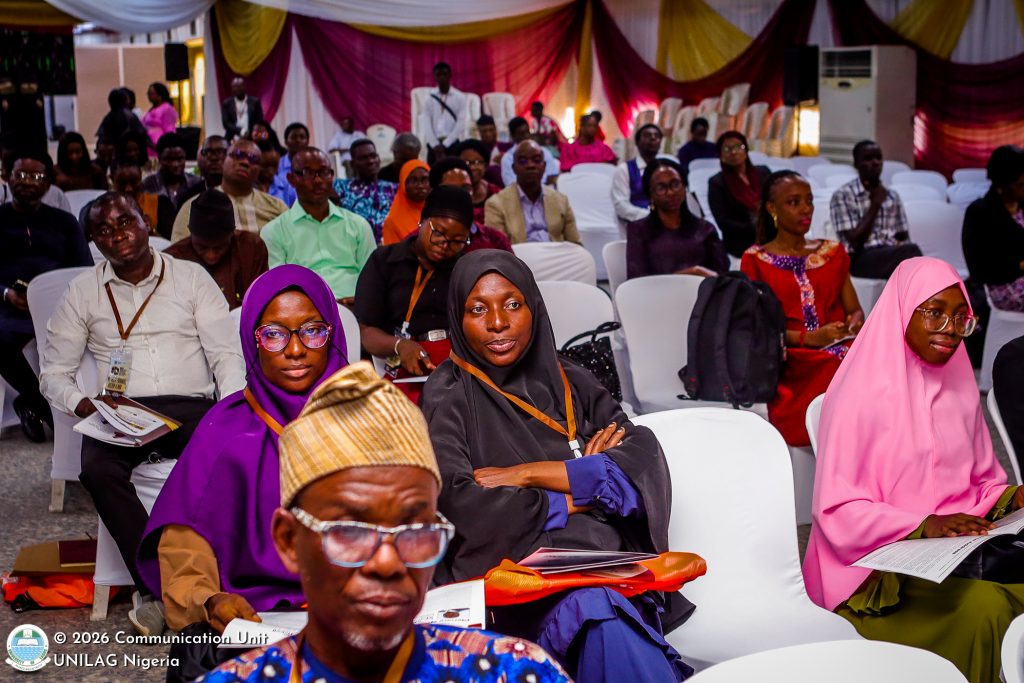
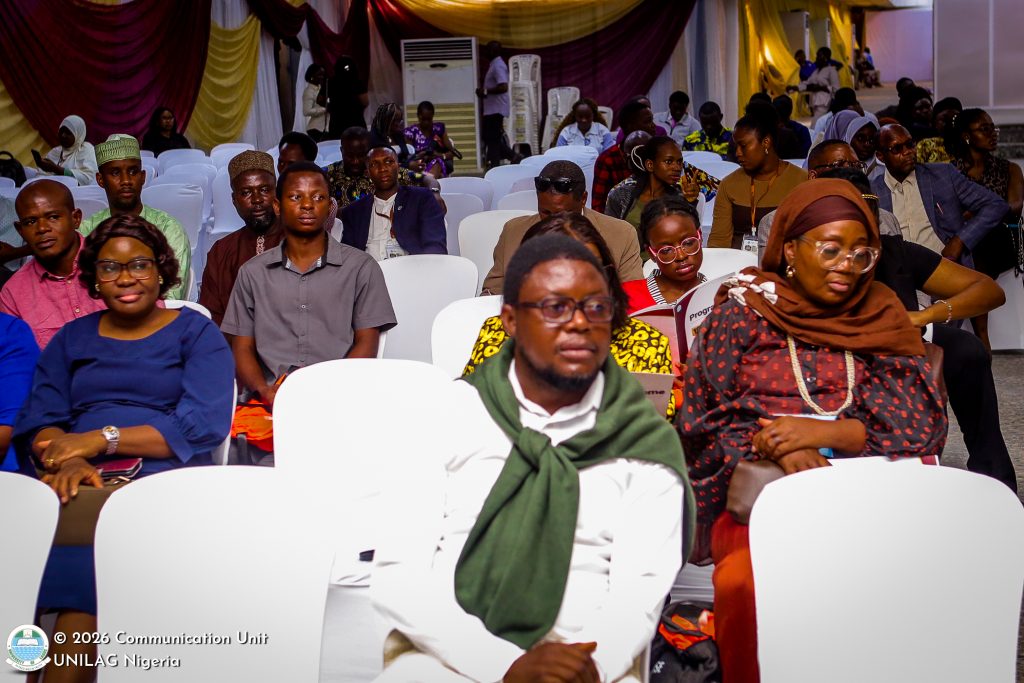
She further highlighted the need for research to promote inclusive development, address the concerns of marginalised communities, and safeguard the interests of future generations. Researchers, policymakers, and industry leaders were challenged to examine whether their work bridges disciplinary divides, protects the dignity and well-being of vulnerable populations, and builds frameworks that will endure for generations yet unborn.
Advancing Energy Security and Renewable Energy Solutions
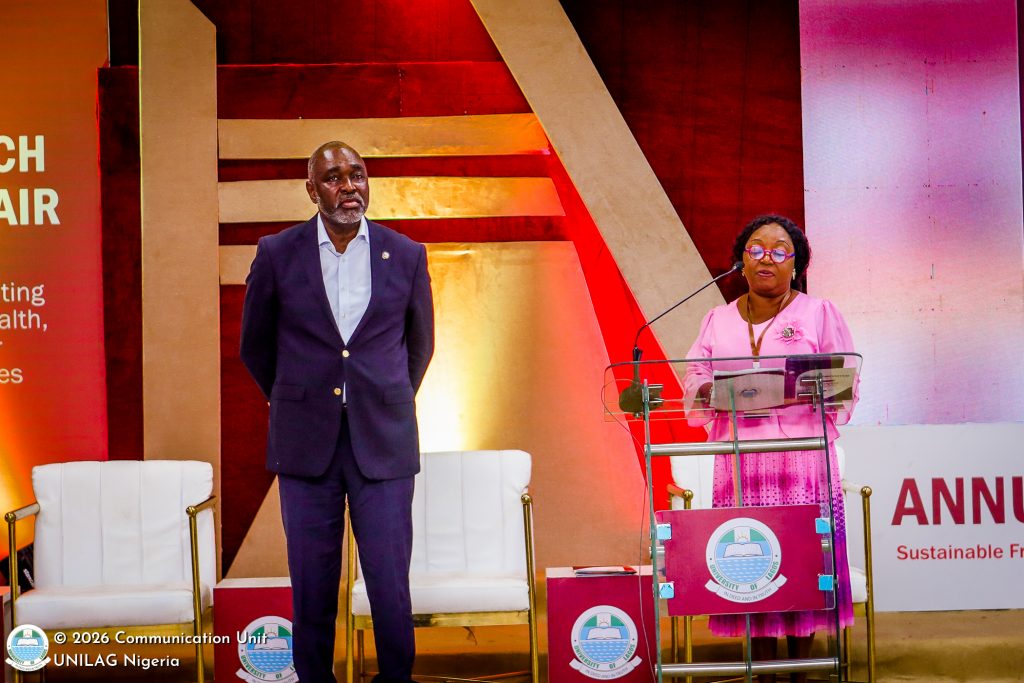
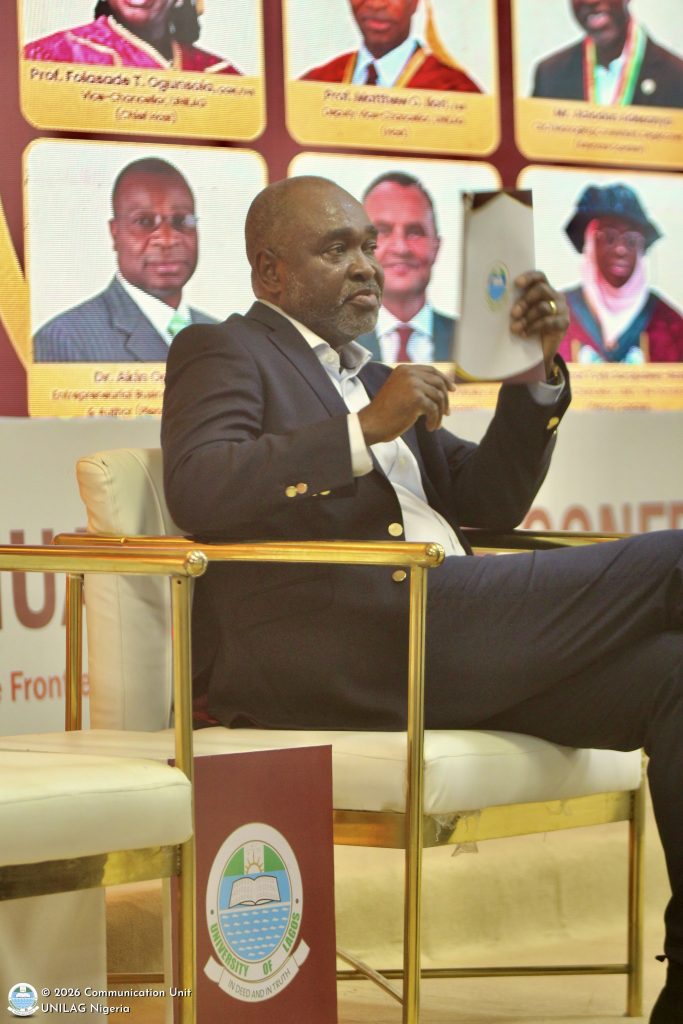
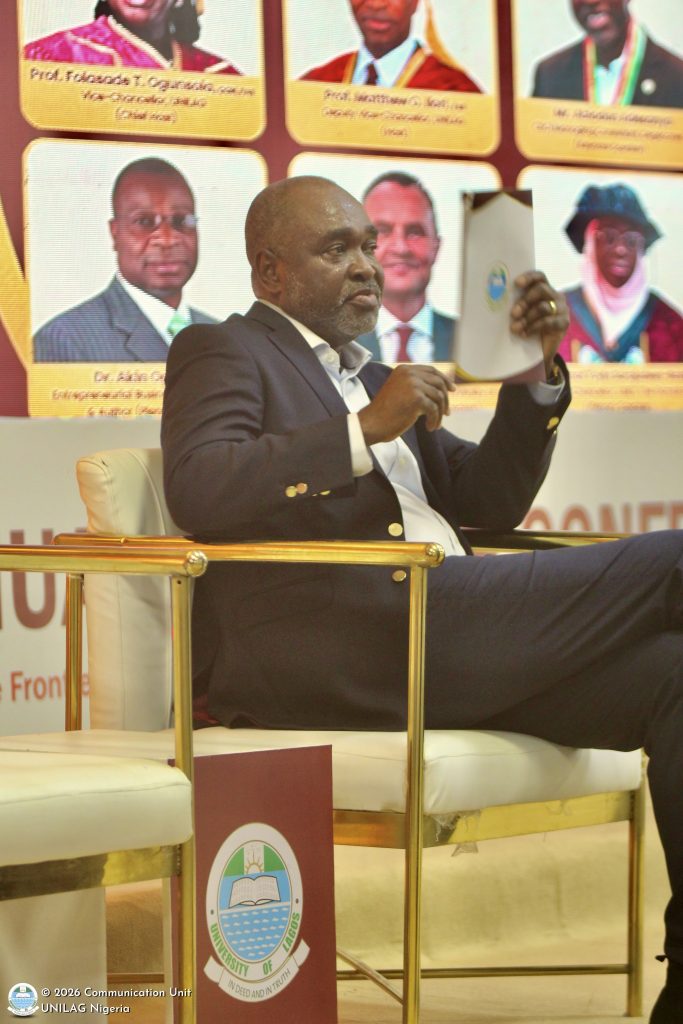
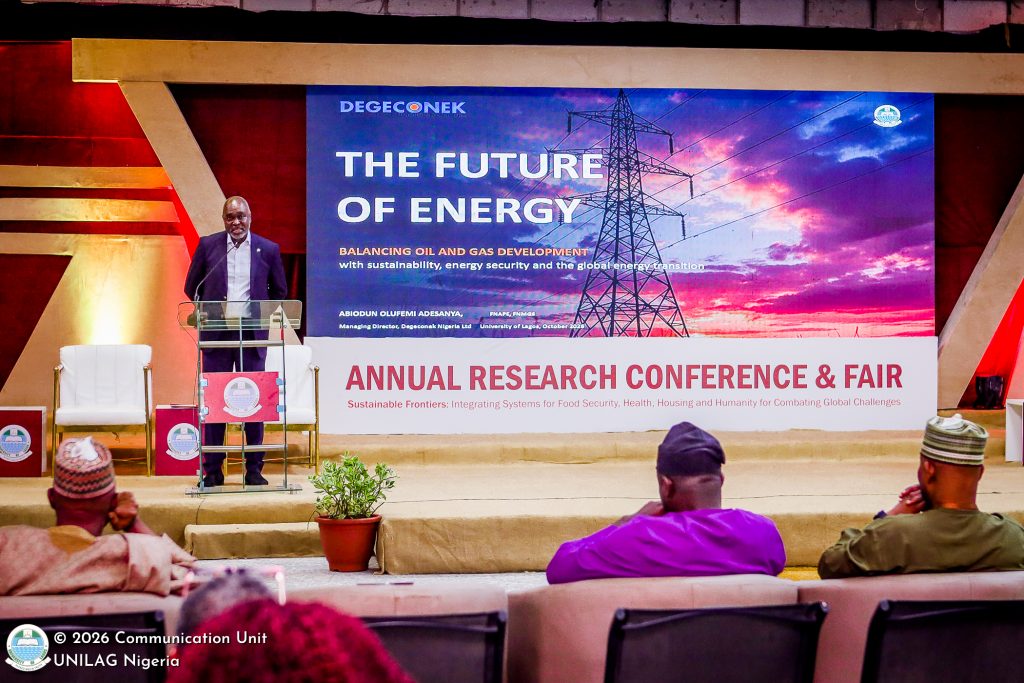
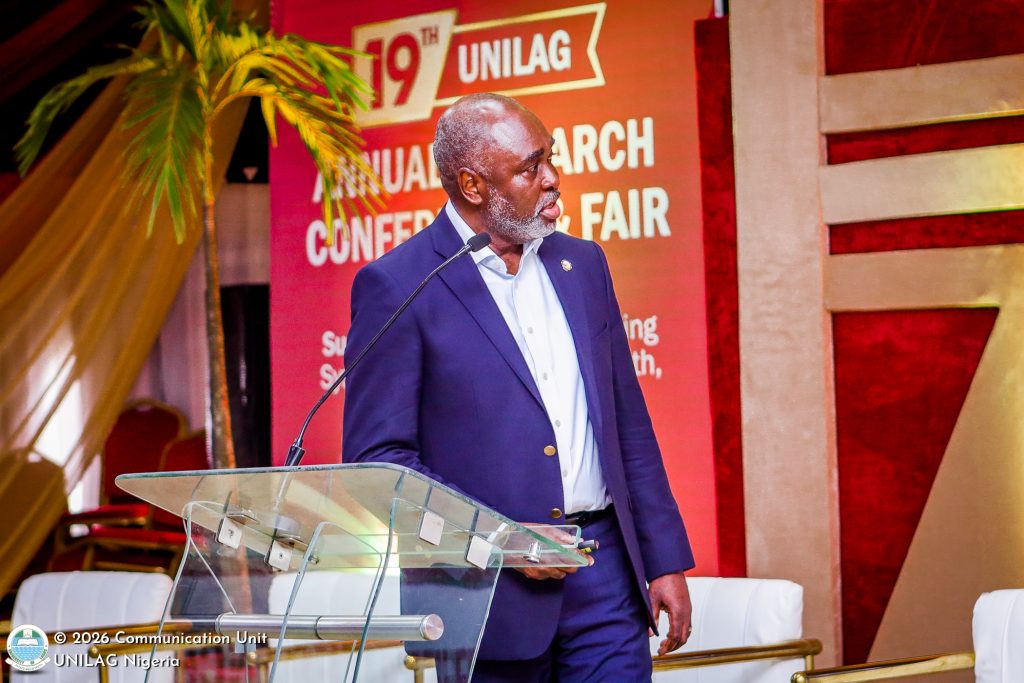
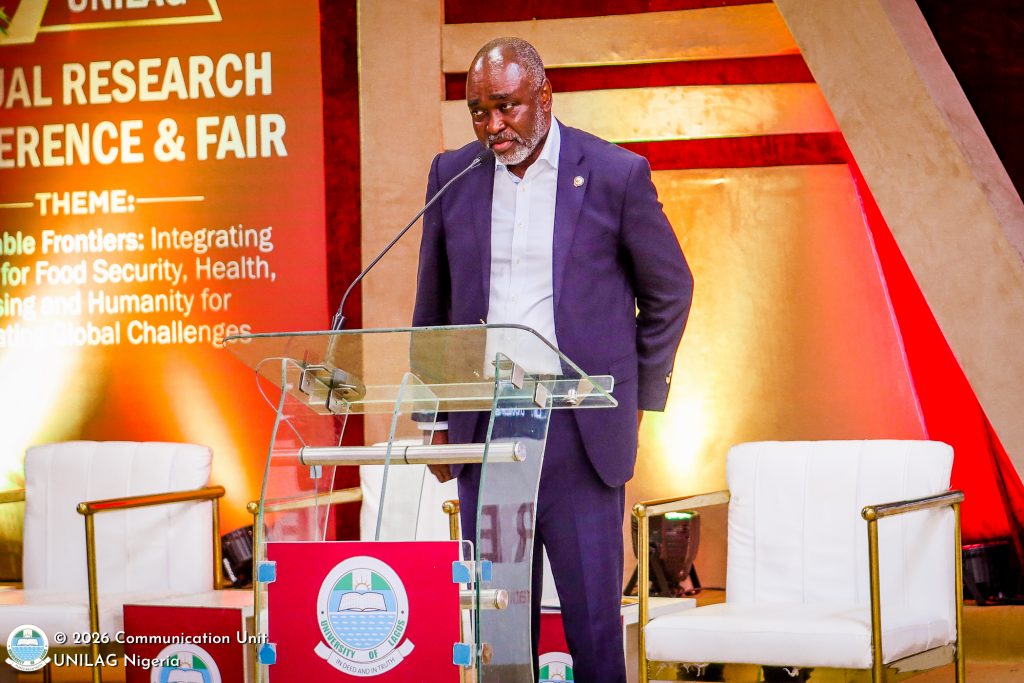
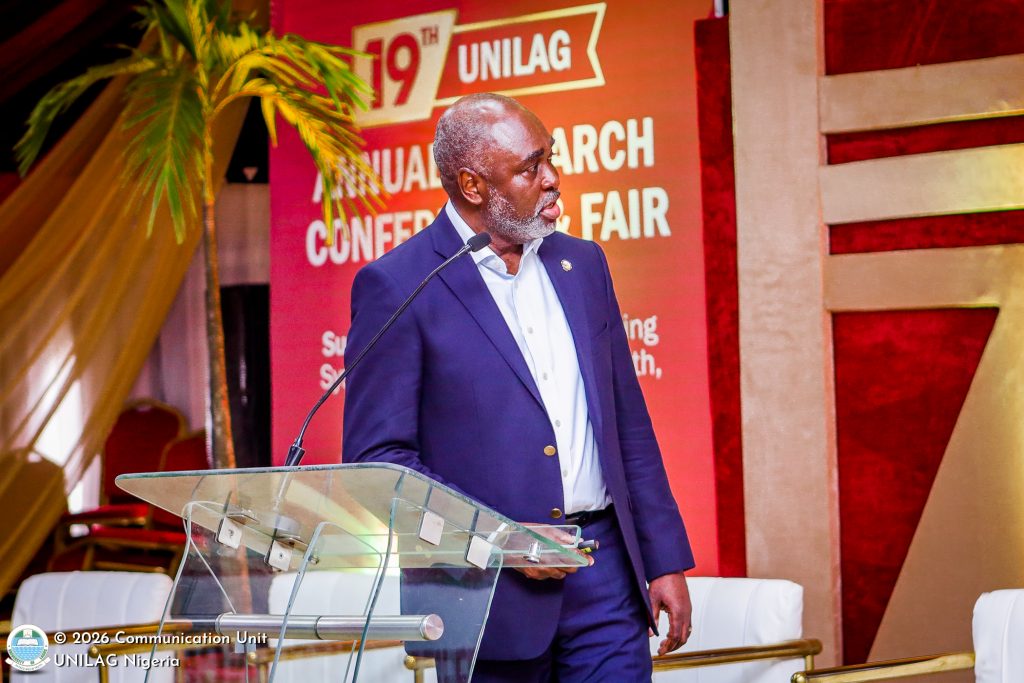
Delivering the keynote address titled “The Future of Energy: Bridging Oil and Gas Development with Sustainability, Energy Security and the Global Energy Transition,” Mr. Abiodun Olufemi Adesanya, FNAPE, FNMGS, Chief Executive Officer and Managing Consultant of Degeconek, examined Nigeria’s energy opportunities against the background of the global transition towards more sustainable energy systems.
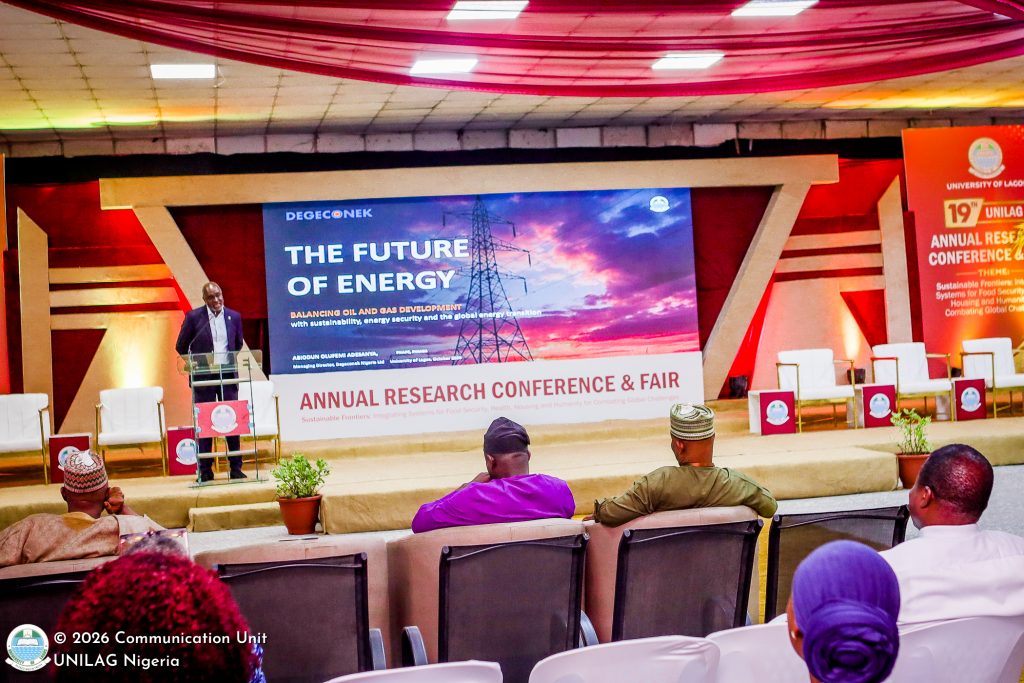
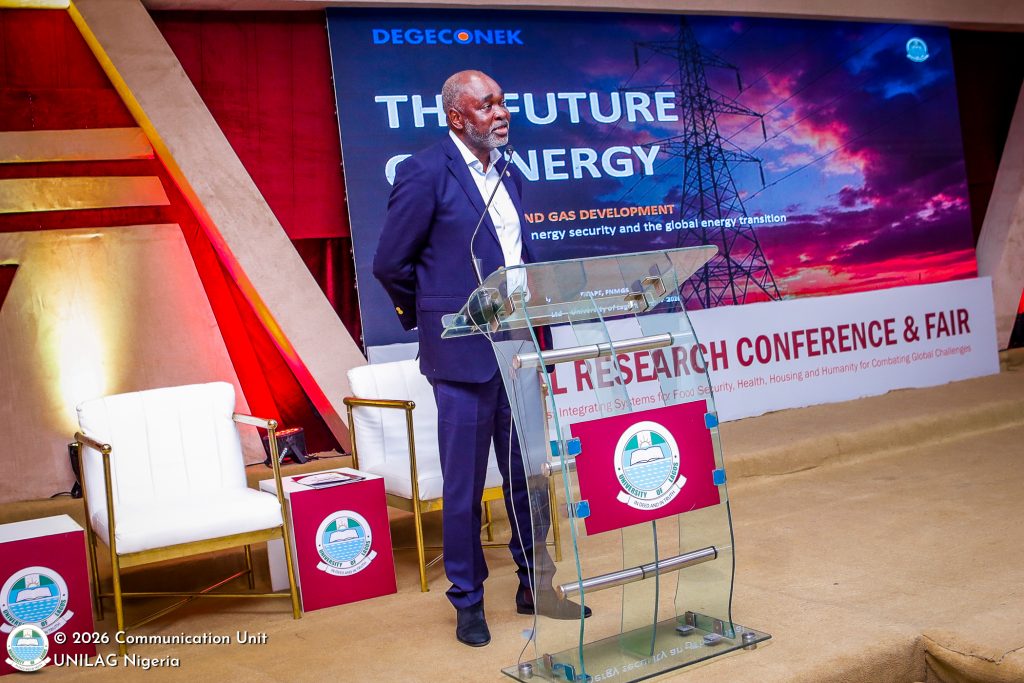
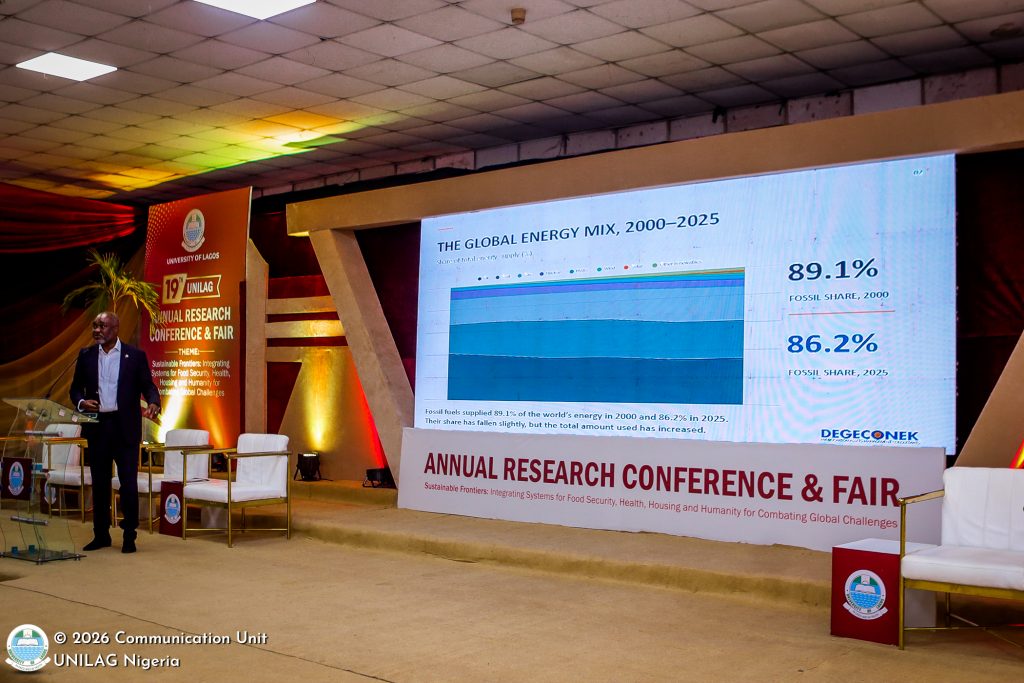
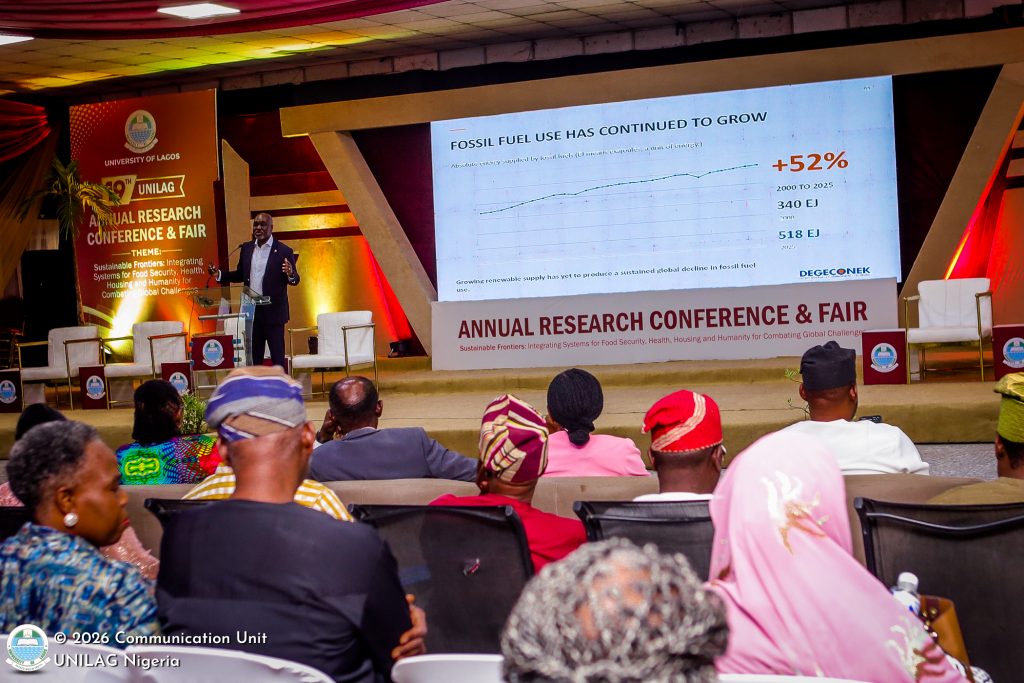
Mr. Adesanya noted that fossil fuels accounted for 89.1 percent of global energy in 2000, compared with 86.2 per cent in 2025, and observed that fossil fuel consumption has continued to grow in absolute terms despite climate advocacy.
He also cited an increase in Nigeria’s distributed solar capacity from 69 megawatts in 2015 to 1.36 gigawatts in 2025, illustrating the growing relevance of renewable energy alongside the continuing role of oil and gas.
Mr. Adesanya highlighted the potential of Nigeria’s petroleum resources, including opportunities in the Dahomey Basin and Aje Field, noting that Lagos remains central to the historical and recent development of oil and gas in the country. He discussed the potential for gas to serve as feedstock for industrial facilities and power plants in Lagos, linking the country’s natural resources to energy supply, industrial development, and economic activity.
The keynote lecture further referenced reported oil seepage in Amuwo-Odofin, Lagos, and the need for further seismic and geological investigations to establish its nature and potential significance.
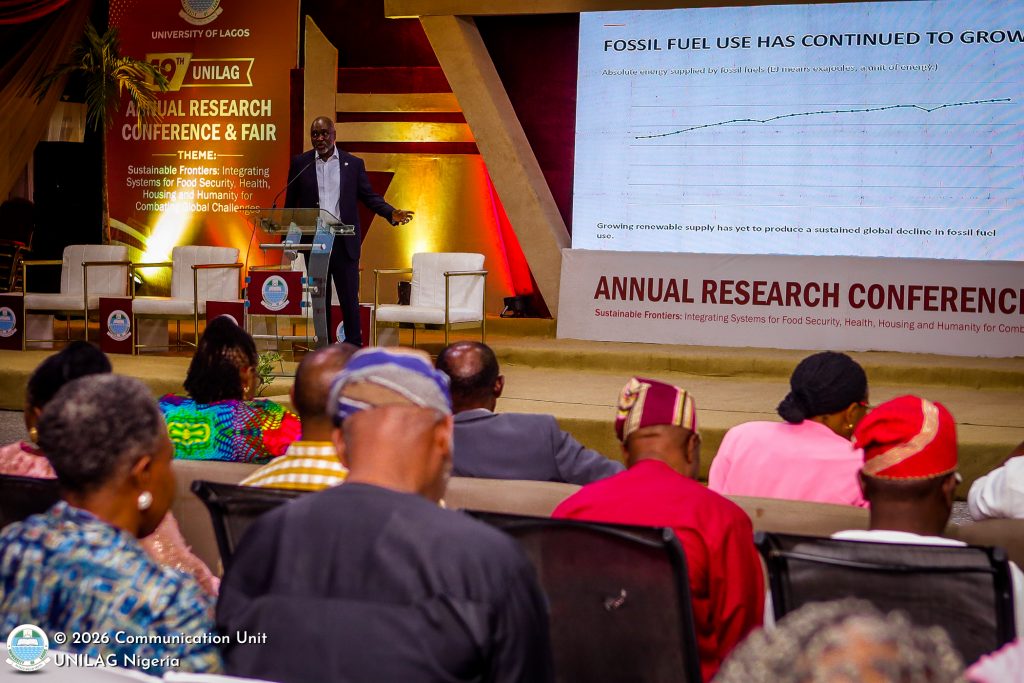
Turning to opportunities within the University of Lagos, Mr. Adesanya observed that the institution already has a foundation to build upon through existing initiatives such as solar street lighting, electric campus transport, and rooftop solar proposals. He suggested a campus energy audit as a logical next step and challenged UNILAG to become a clean-energy haven where cleaner energy powers learning and research.
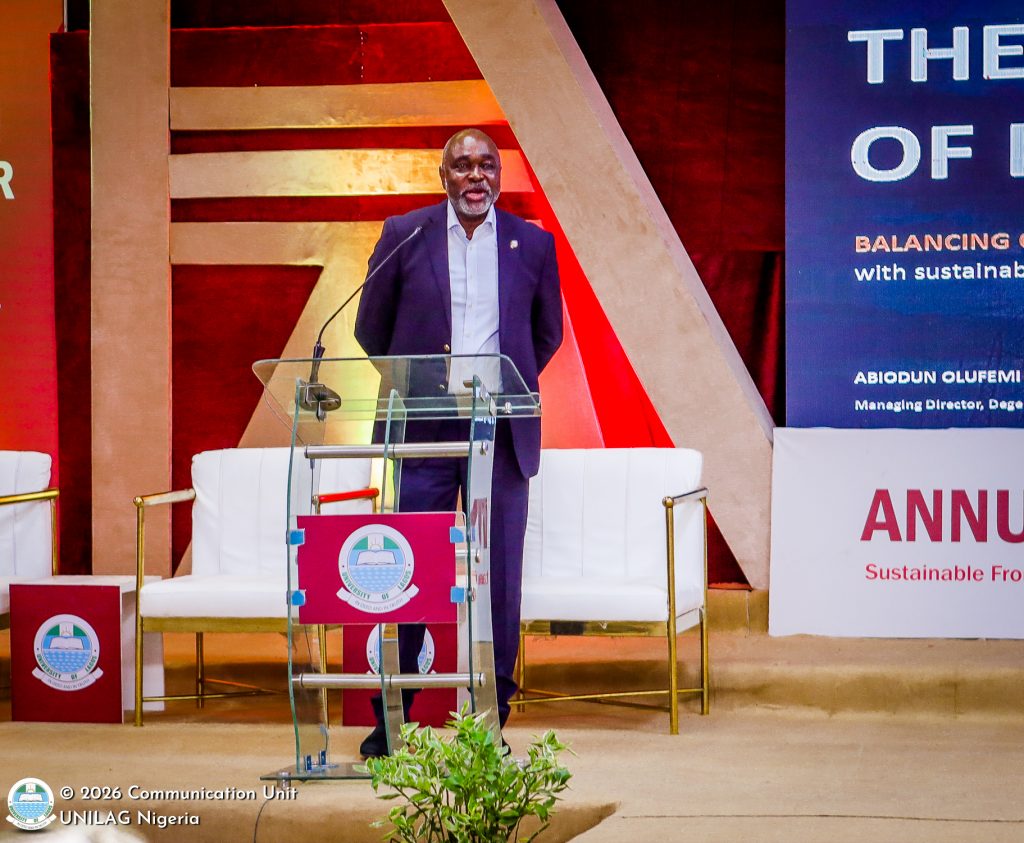
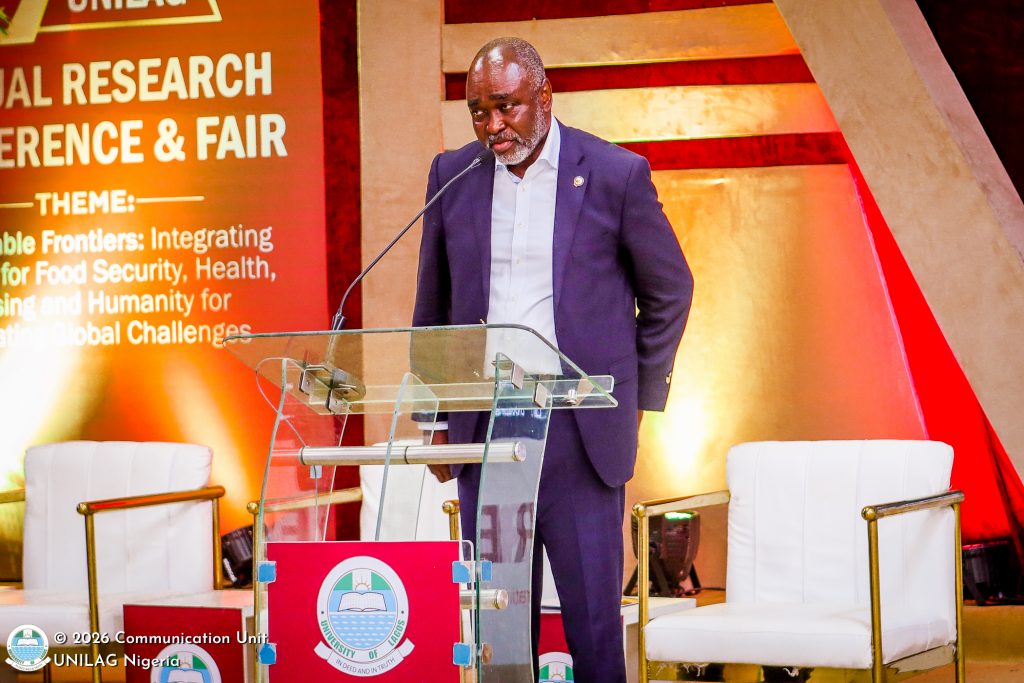
He recommended starting slowly and expanding progressively, while exploring the feasibility of floating solar farms along suitable lagoon and waterfront areas between the campus and the Third Mainland Bridge. These proposals, he said, align with a national pathway of reliable energy today and lower emissions over time.
Strengthening Risk Management and Insurance for Sustainable Development
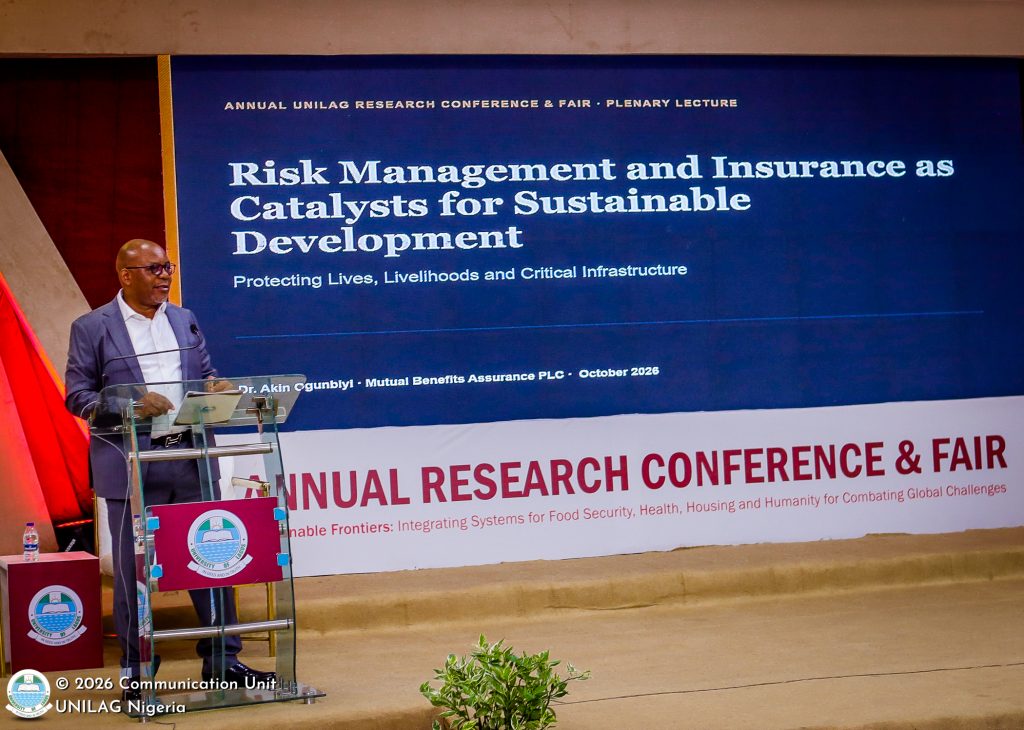
The plenary session delved into the role of risk management and insurance in protecting lives, livelihoods, and critical infrastructure. The address, titled *“Risk Management and Insurance as Catalyst for Sustainable Development: Protecting Lives, Livelihoods and Critical Infrastructure,”* was delivered by Mr. Femi Asenuga, Managing Director of Mutual Benefits Assurance Plc, on behalf of the Chairman of Mutual Benefits Group, Dr. Akinade Akanmu Ogunbiyi, FCII, FWAII, FIoD.
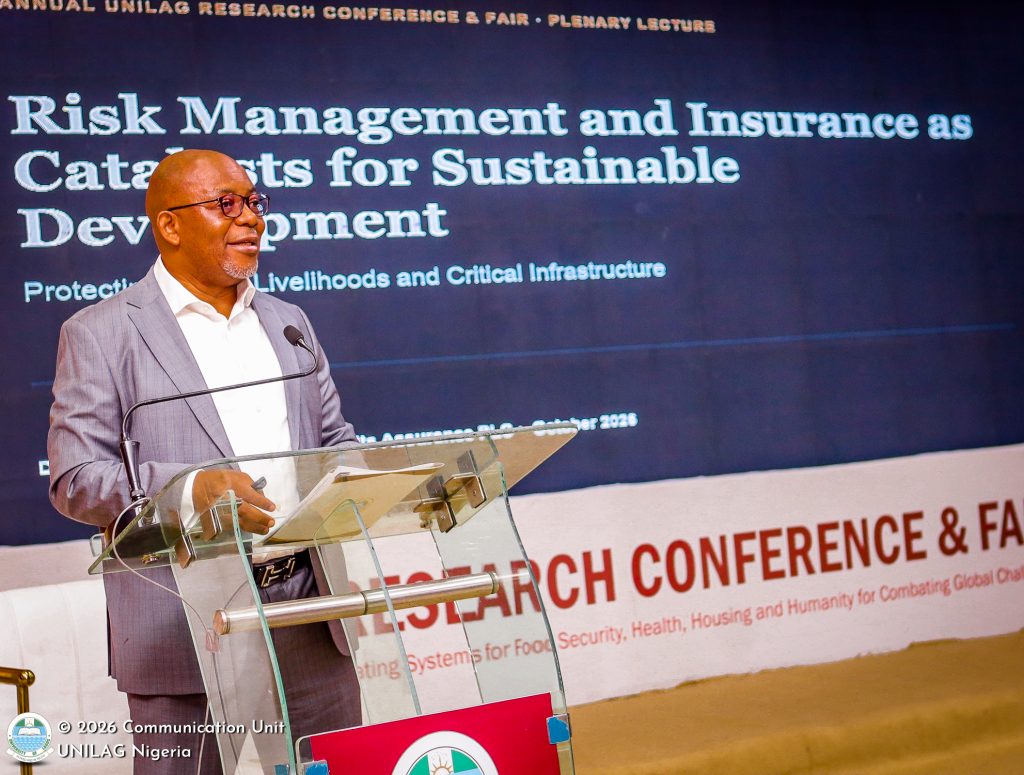
The speaker emphasised that development gains must be protected against risks that could undermine infrastructure, economic activity, and community well-being. Its central message was that “Development is not what a nation builds. Development is what survives,” underscoring the importance of resilience alongside investment and growth.
Risk management and insurance, he noted, help keep the gains recorded in food systems, health, housing, and human well-being from being wiped out by a single shock.The discussion outlined the processes of risk management: identify, assess, control, finance, and monitor, along with insurance mechanisms of pooling, pricing, paying, and recovering. It also restated the four classic approaches to risk treatment: avoidance, reduction, retention, and transfer.
Nigeria’s large insurance protection gap was highlighted, with low public awareness, limited trust, affordability concerns, and weak enforcement of compulsory insurance identified as major barriers to wider adoption. Addressing these challenges, the speaker proposed improved claims settlement, simpler insurance products, greater transparency through technology, and stronger enforcement of existing insurance requirements.
He further called on regulators to set clear rules and lead by example, on insurance operators to earn public trust, and on academia to train talent, build data, innovate products, measure impact, and spread insurance literacy.
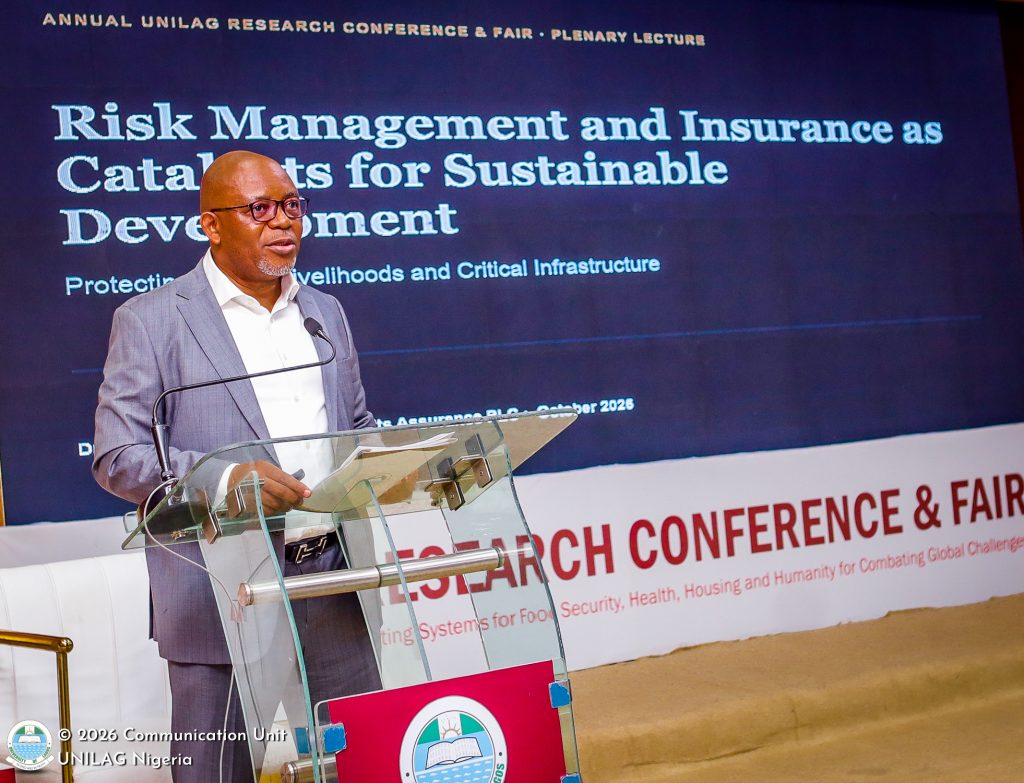


The address also underscored the role of universities in developing professionals in actuarial science, risk management, and data science, alongside conducting research into insurance adoption and its implications for poverty reduction and economic resilience. Insurance, he concluded, is not merely a way to pay for loss but a way to protect progress.
Promoting Research Excellence and Industry Engagement
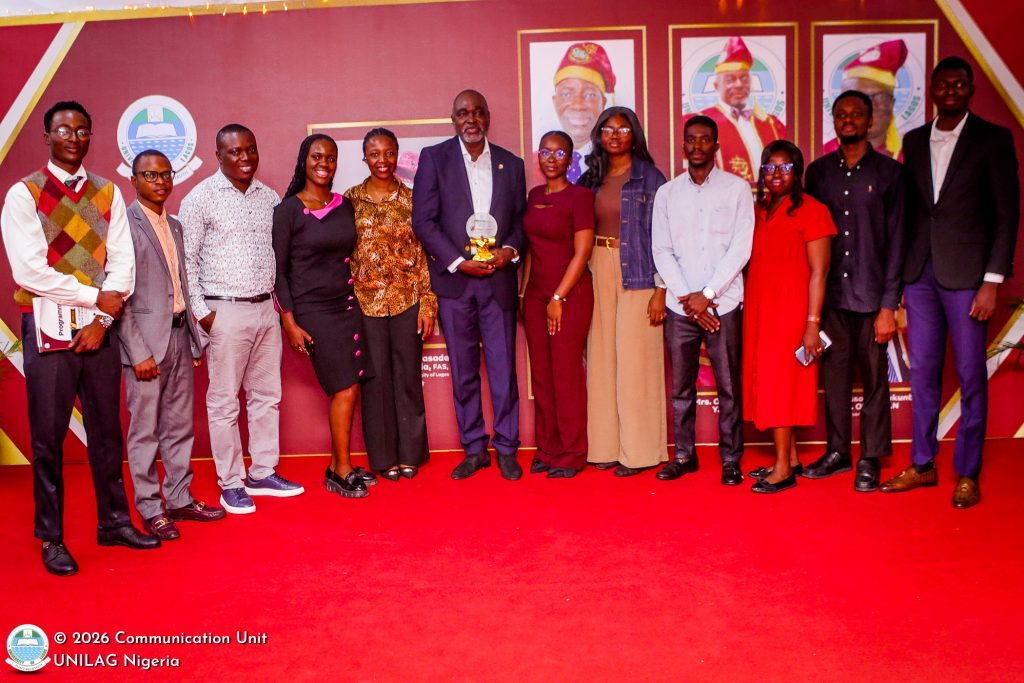
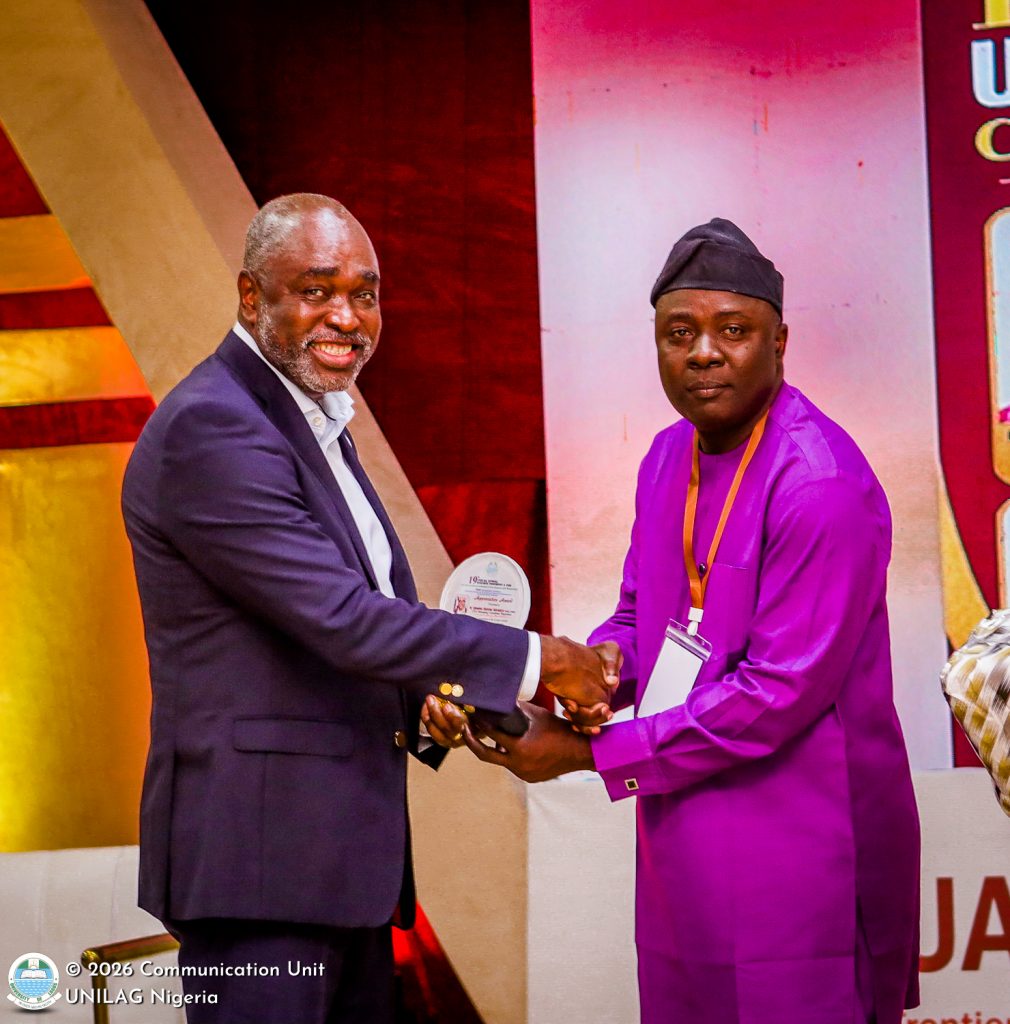
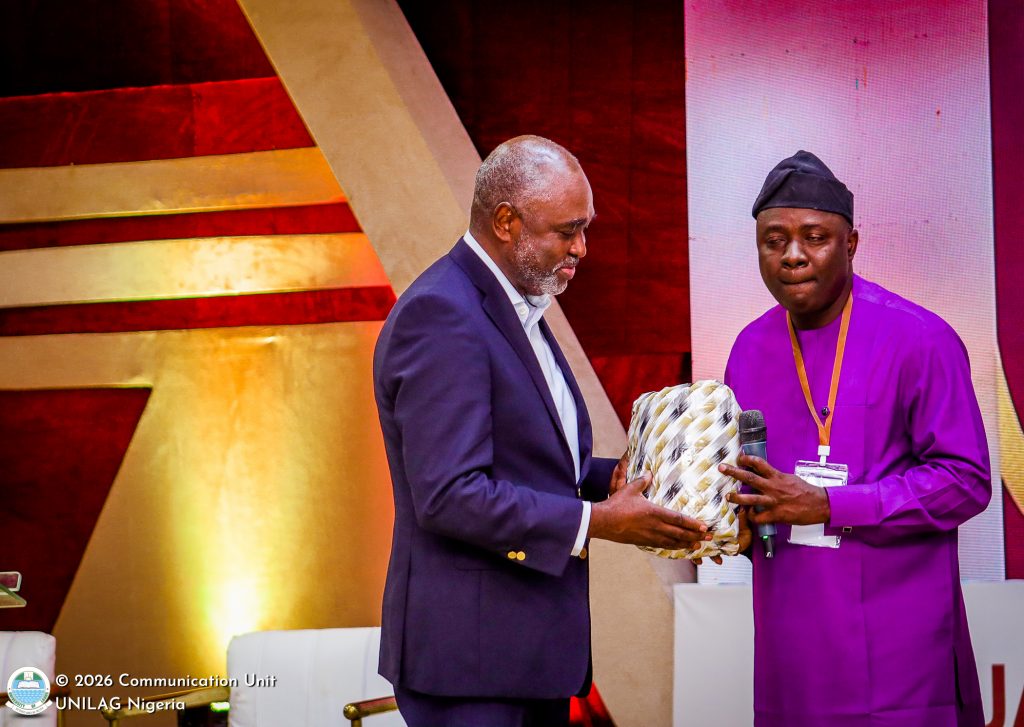
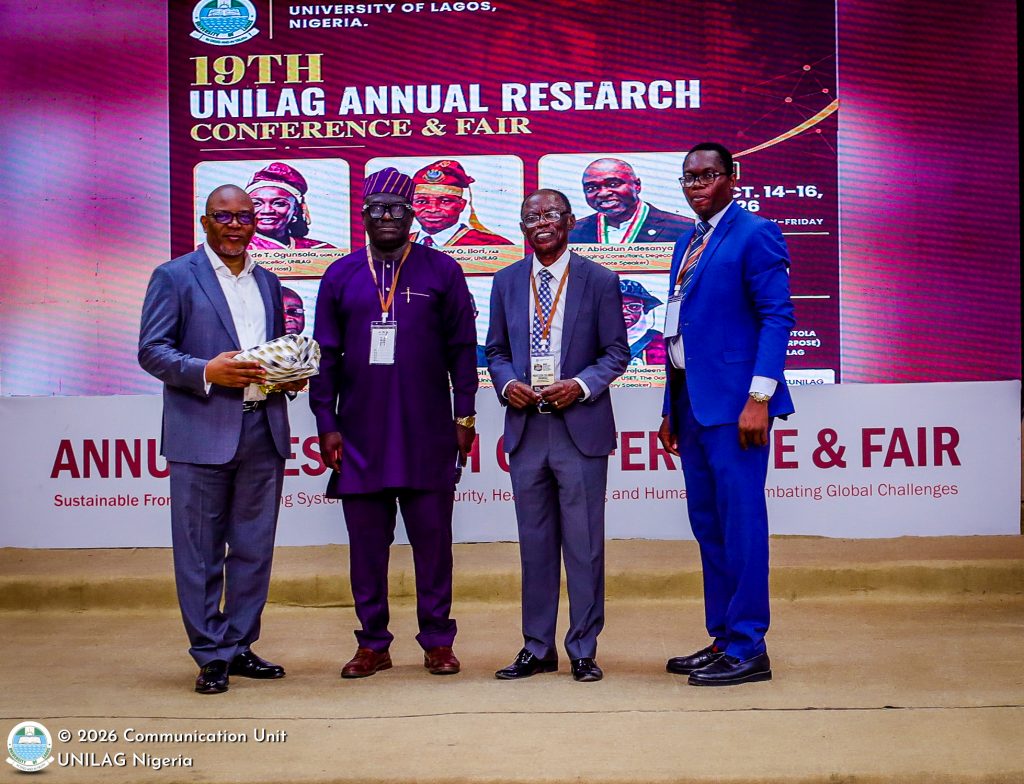
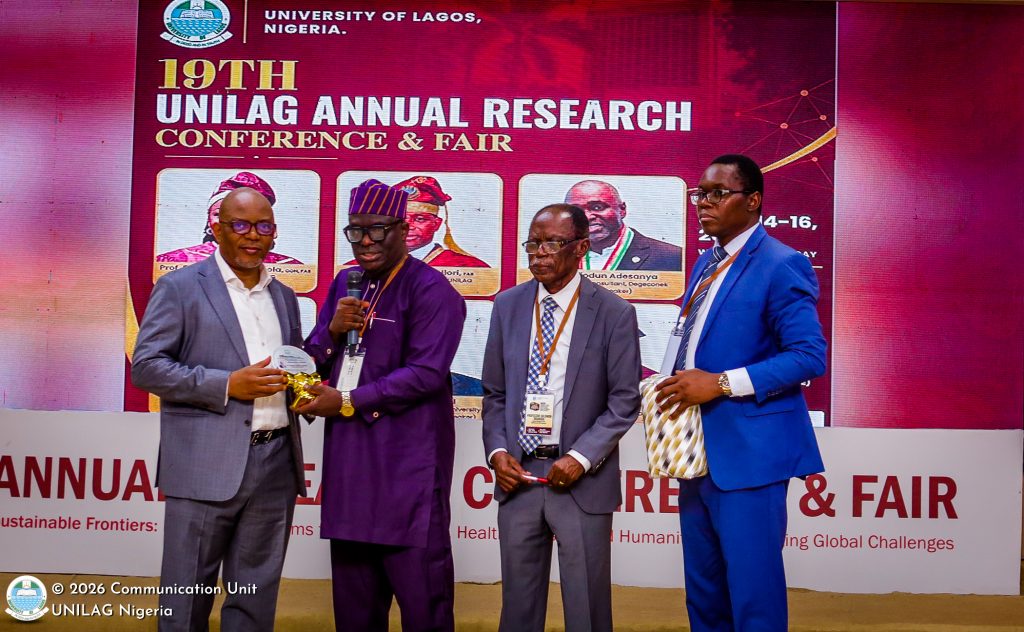
The opening ceremony featured the presentation of awards and gifts to the keynote speaker, Mr. Abiodun Olufemi Adesanya, and the plenary speaker, Dr. Akinade Akanmu Ogunbiyi, in recognition of their contributions to the conference.
The 19th Annual Research Conference and Fair continues until Friday, October 16, 2026, with parallel sessions, research presentations, oral and poster sessions, exhibitions, and networking opportunities. These activities are designed to showcase research outputs, encourage the exchange of ideas, and strengthen engagement between academia and industry, with the broader goal of translating knowledge into solutions for sustainable development.
Report: Lynda Onah
Photograph: Joshua Micheal, Tobi Gisanrin, Daniel Olufowobi