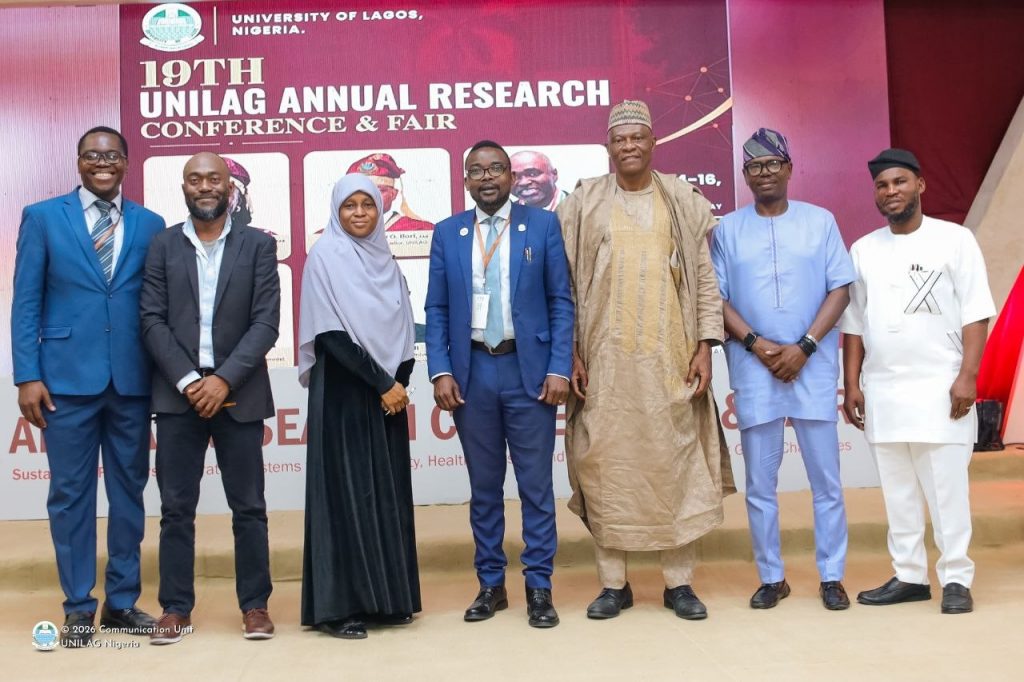
Stakeholders have called for stronger collaboration between universities and industry to ensure that research translates into practical solutions to Nigeria’s development challenges.
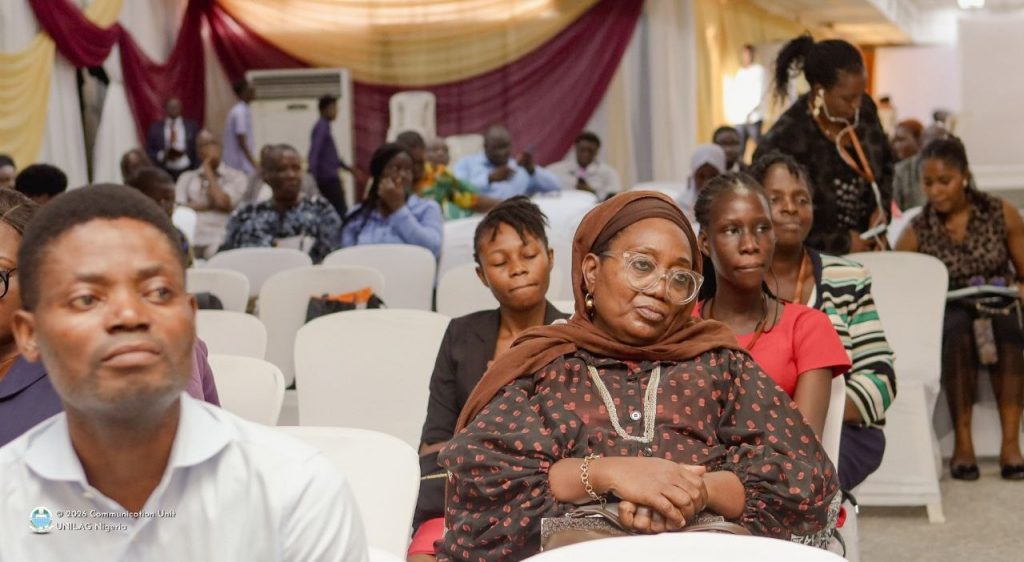
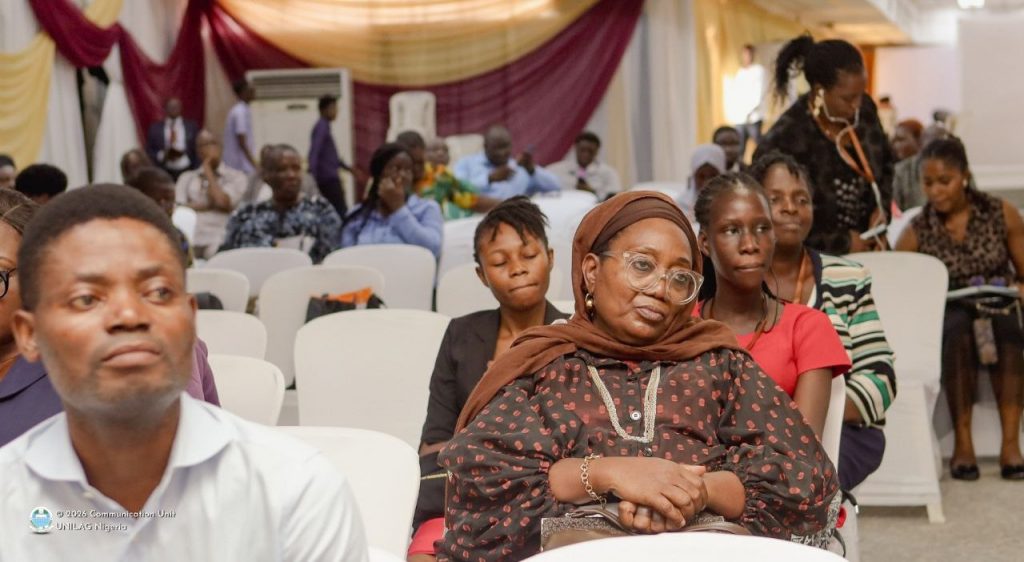
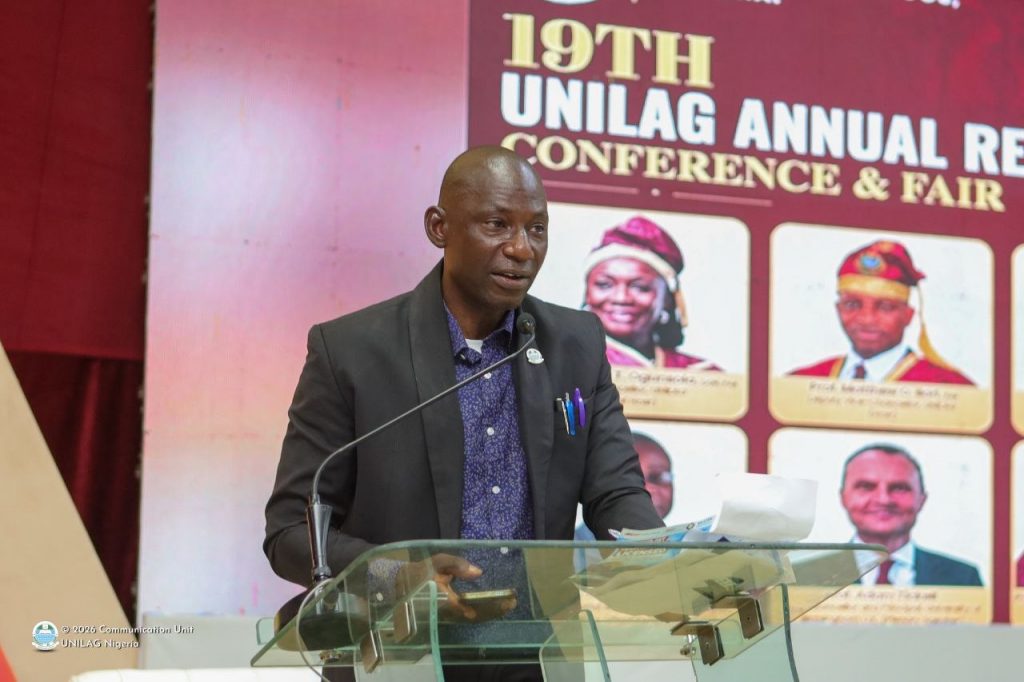
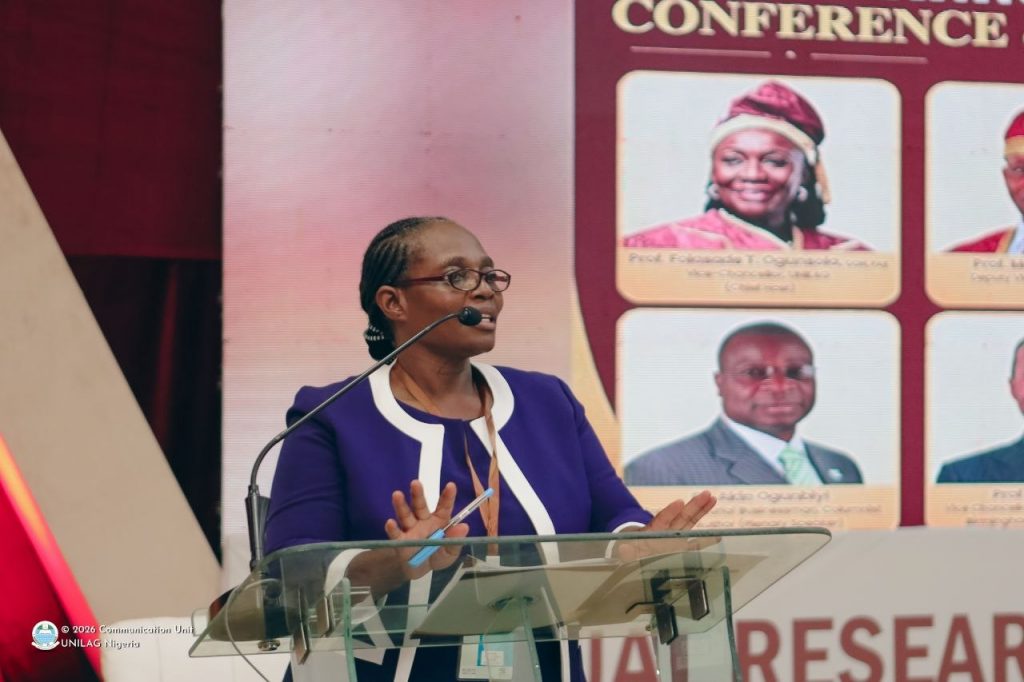
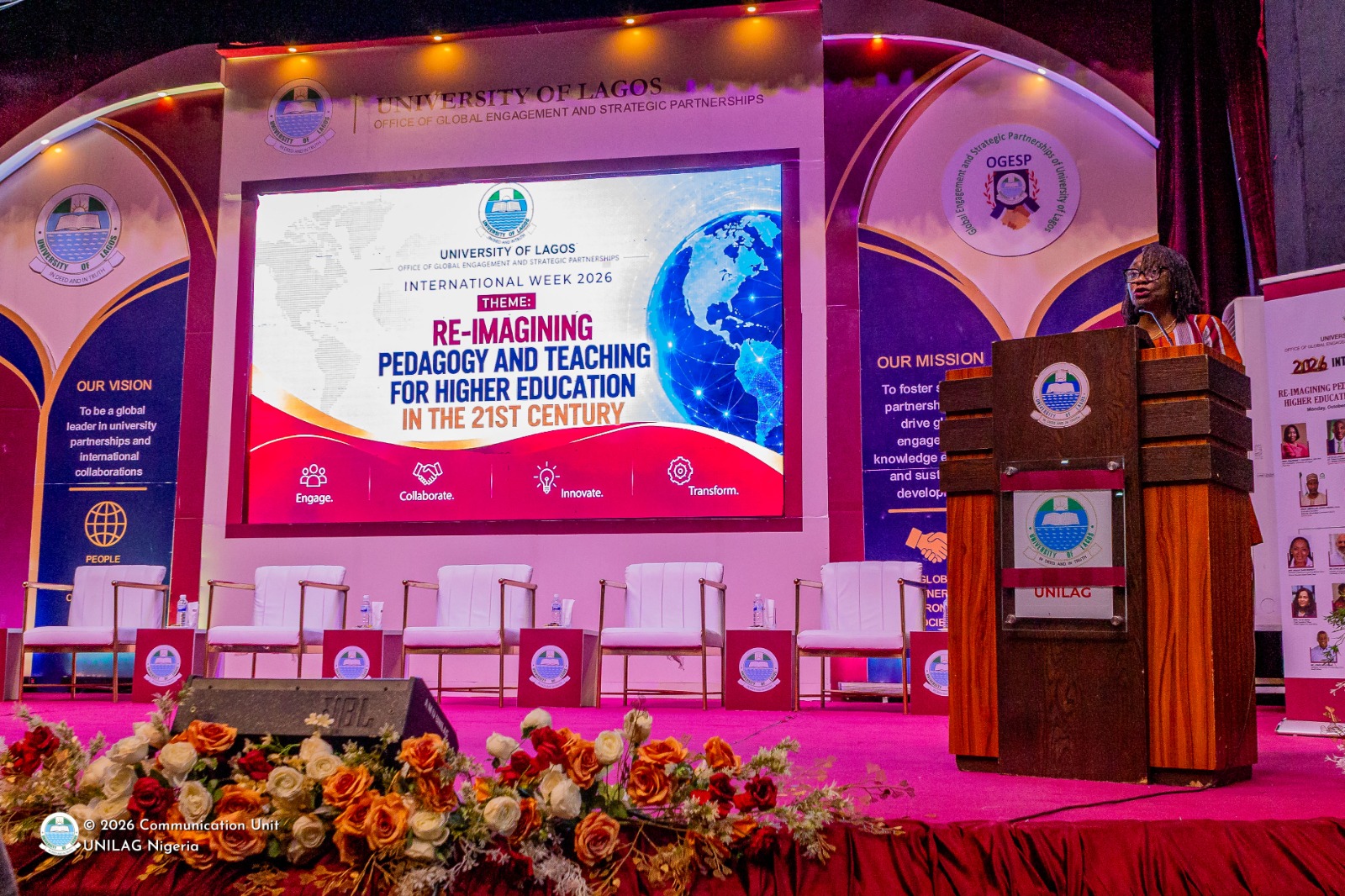
The call was made during the Industry-Academia Discussion held on Wednesday, October 14, 2026, as part of Day One of the University of Lagos (UNILAG) 19th Annual Research Conference and Fair.
Following the formal opening ceremony, activities continued around the theme, “Sustainable Frontiers: Integrating Systems for Food Security, Health, Housing and Humanity for Combating Global Challenges.”
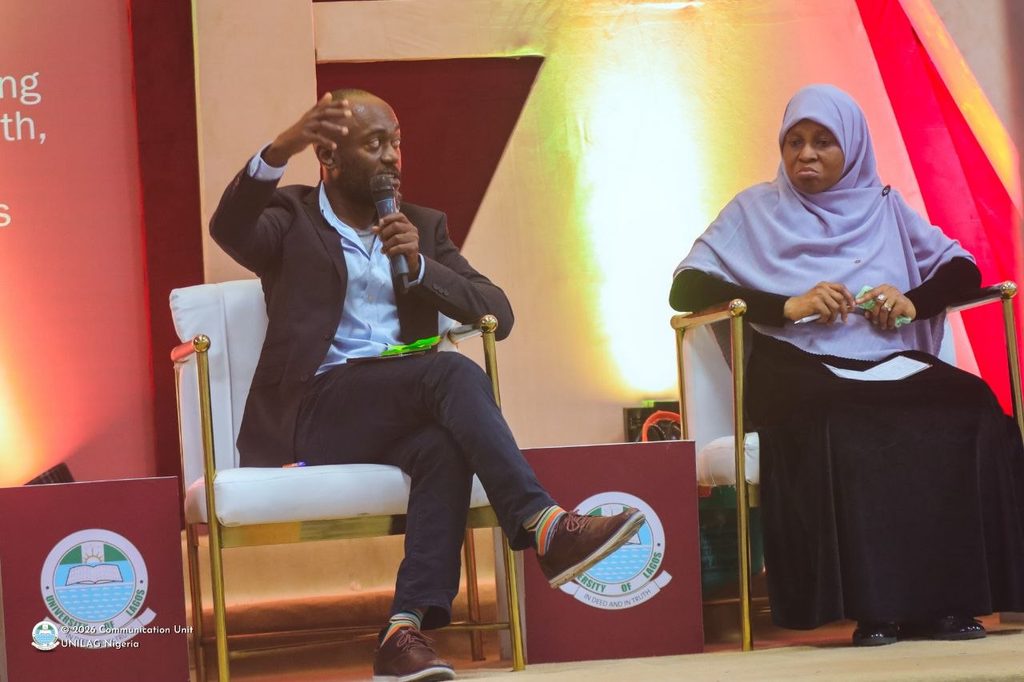
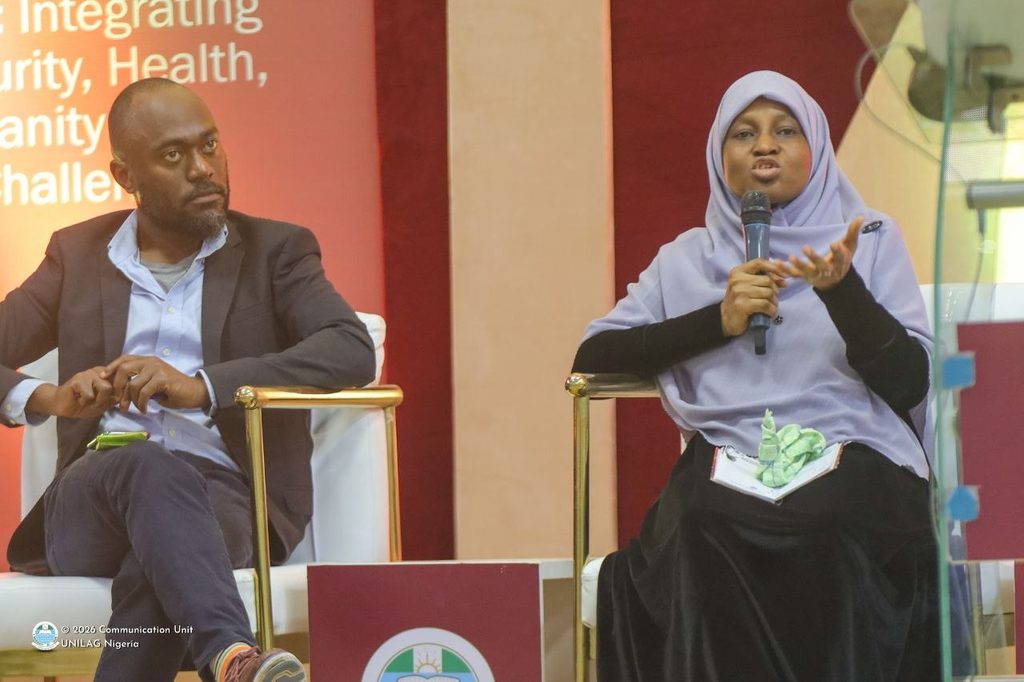

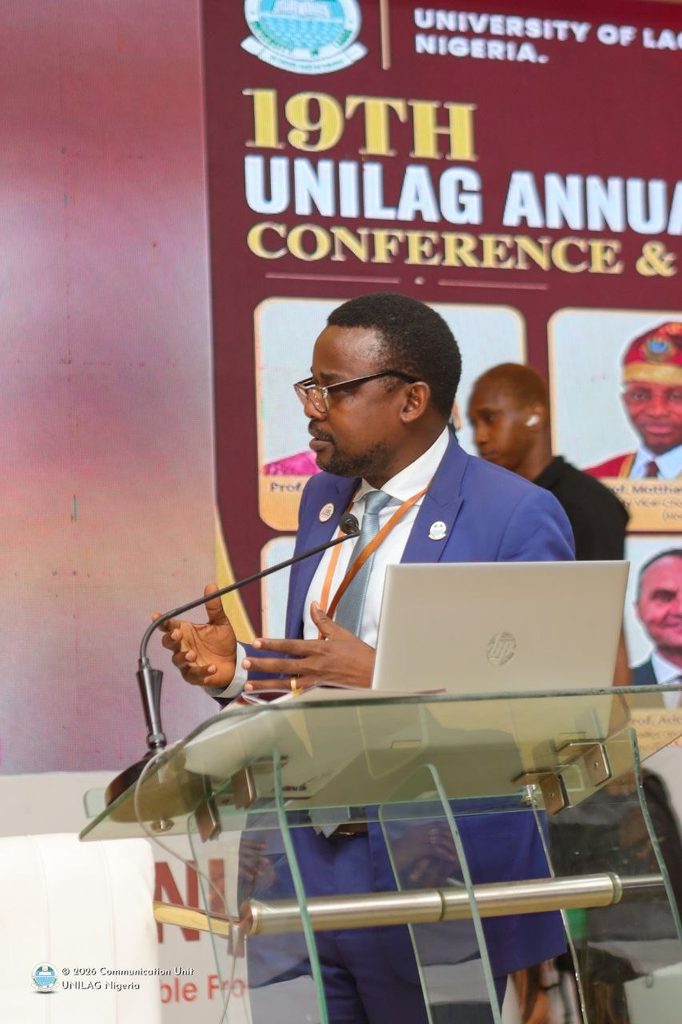
Moderated by the Executive Director of UNILAG Business School (ULBS), Professor Sunday Adebisi, the session brought together academics and industry representatives to explore how research can better support innovation, strengthen local production, and address societal needs. The Panel included:
- Director, Quality Assurance and Servicom, Professor Femi Saibu;
- Dr. Bunmi Kole-Dauda, representing the Director-General of the Small and Medium Enterprises Development Agency of Nigeria (SMEDAN);
- Chairman, NACCIMA Committee on Education, Professor AbdulRasheed Na’Allah;
- Mr. Tosin Adebisi of the London School of Economics;
- Professor Ashiat Akodu, representing the University’s Innovation and Technology Management Office (ITMO); and
- President of the UNILAG Alumni Association Worldwide, Engr. Ife Oyedele.
A key concern raised was the gap between research and its practical application. Participants observed that much of the research produced in Nigerian universities ends up as academic publications without being developed into solutions that industries and communities can readily use.
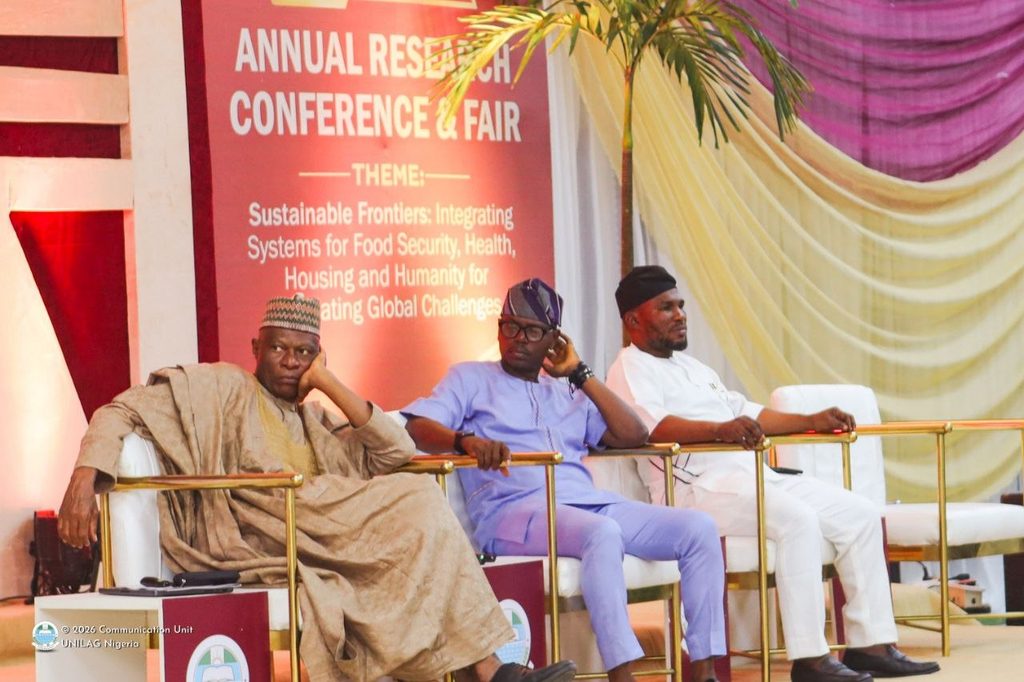
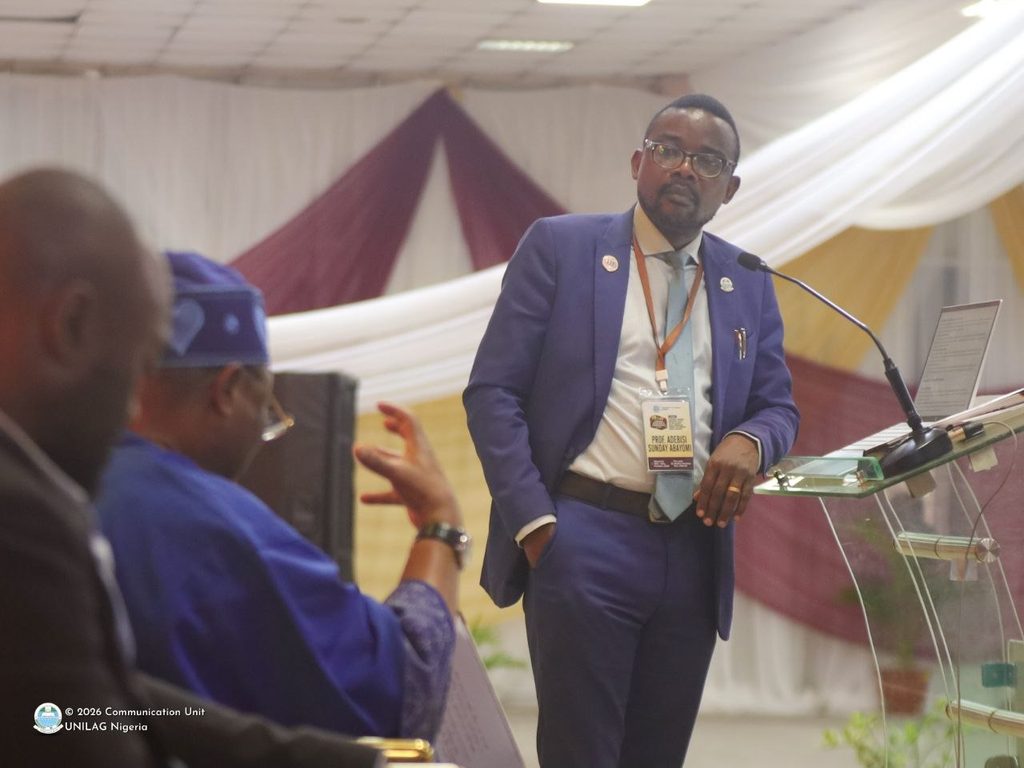
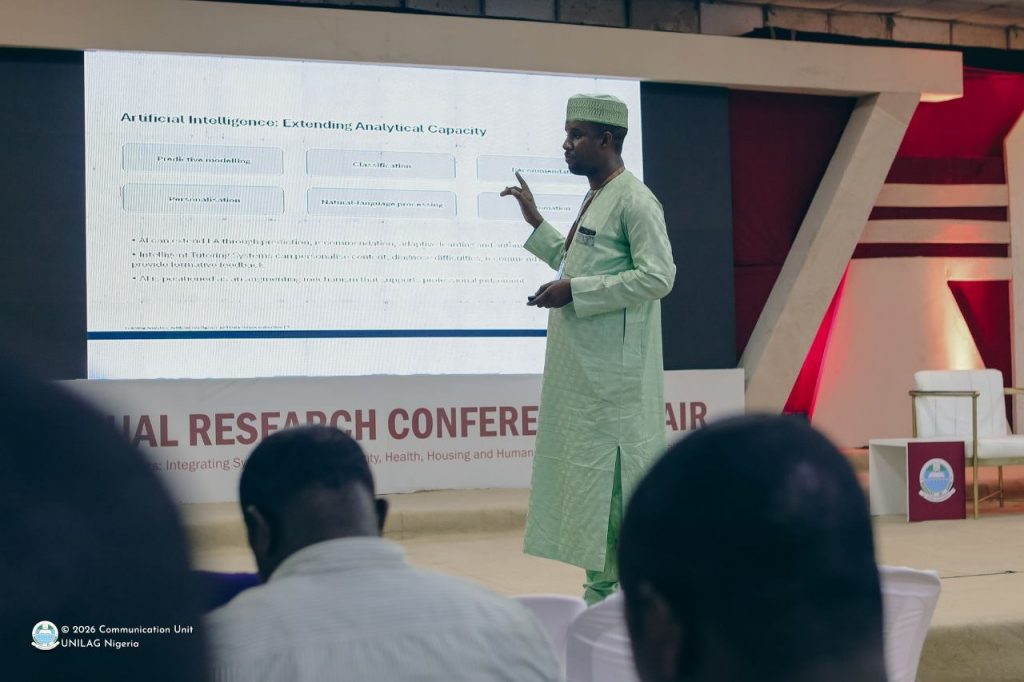
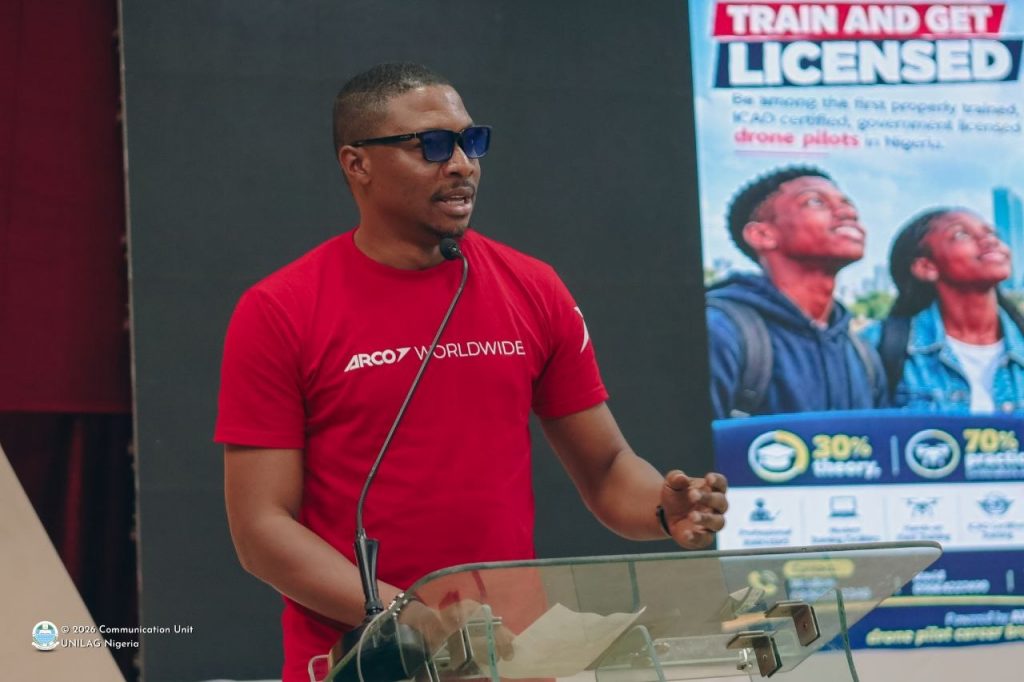
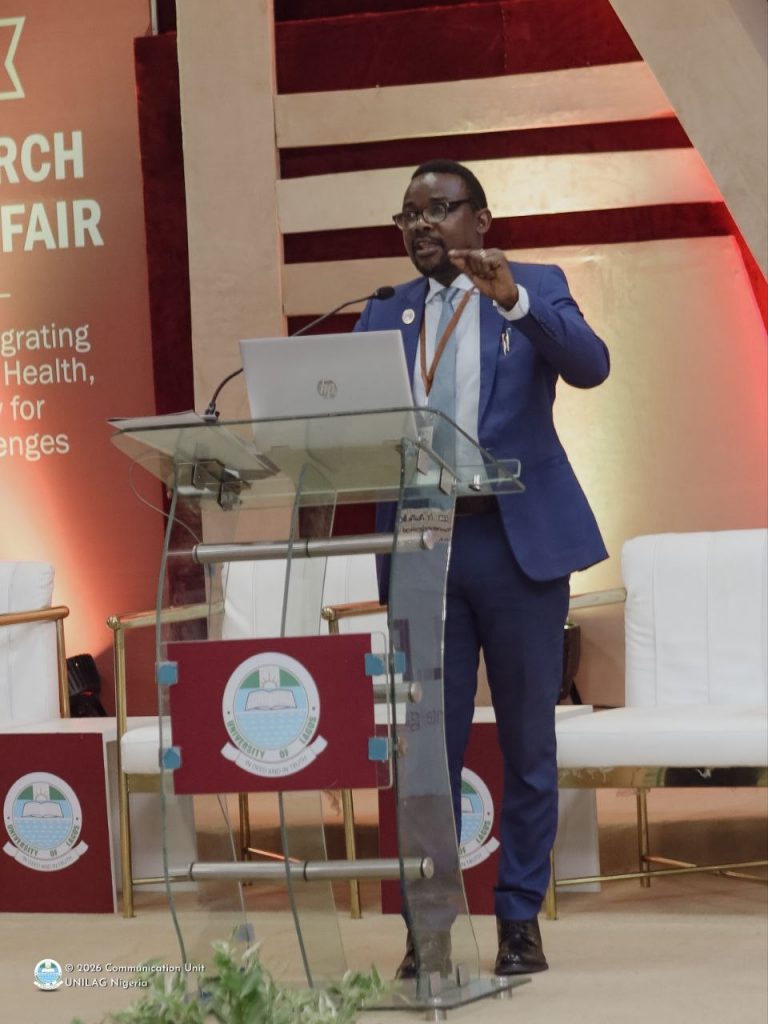
In a presentation titled “Bridging Industry and Academia: From Research to Innovation,” Professor AbdulRasheed Na’Allah, former Vice-Chancellor of the University of Abuja, stressed the need for researchers to look beyond publications and focus on work that delivers measurable impact.
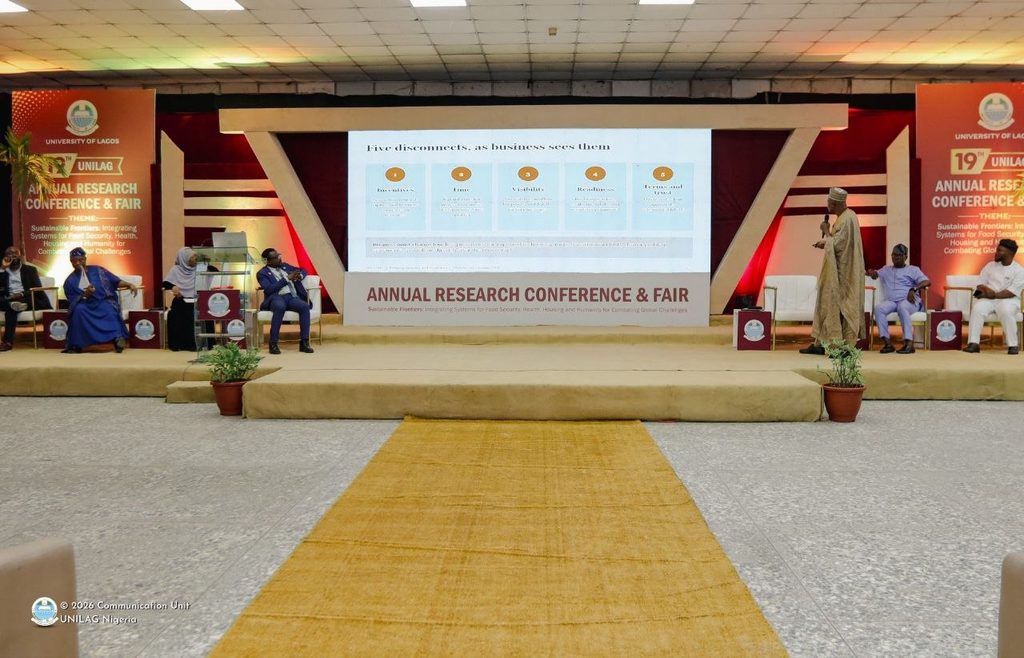
He noted that while businesses have challenges that research can help solve, collaboration is often hindered by inadequate incentives, time constraints, limited visibility, insufficient readiness, and a lack of trust between both sectors.
The discussion highlighted the need for stronger partnerships among universities, businesses, and policymakers to promote home-grown solutions, improve local production, and ensure that research contributes more directly to national development.

Thereafter, conversations continued in parallel sessions covering the following sub-themes:
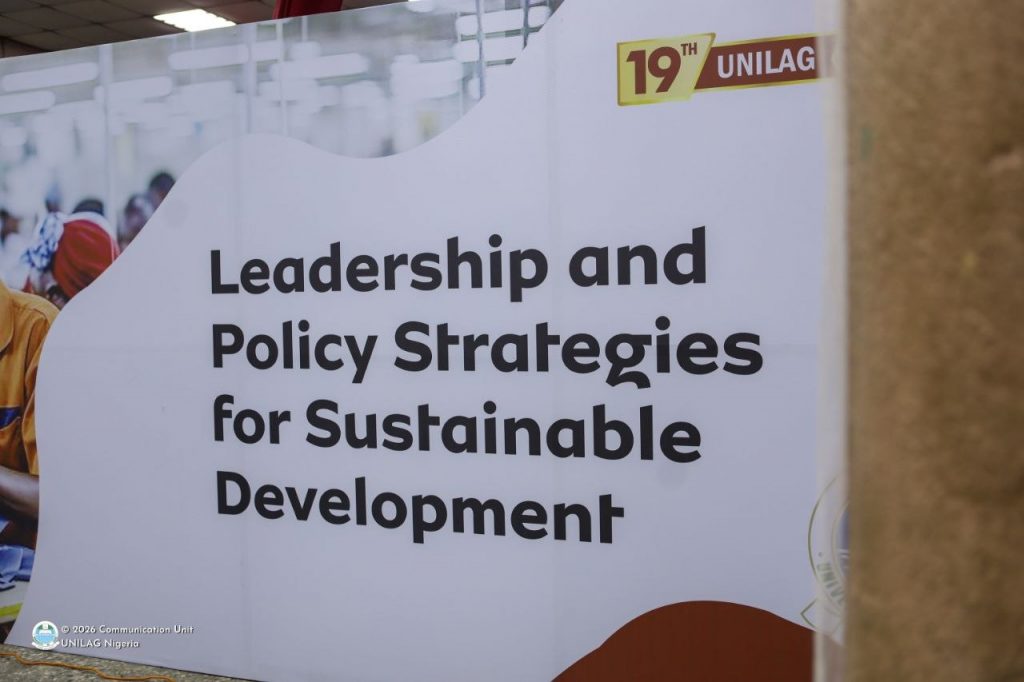
- Leadership and Policy Strategies for Sustainable Development Goals
- Public Health, Drug Discovery, Therapeutics and Global Preparedness
- Social Policy and Human Security in Emerging Economies
- Smart Cities, Human-Centred Urban Design and Environmental Resilience
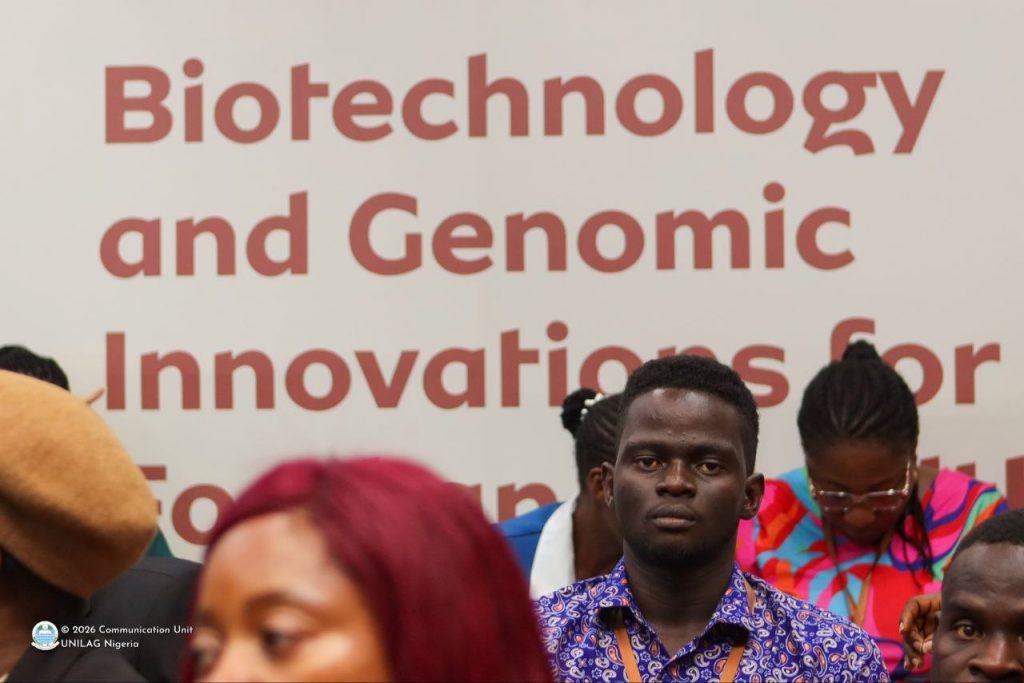
- Biotechnology and Genomics Innovations for Food Security and Health
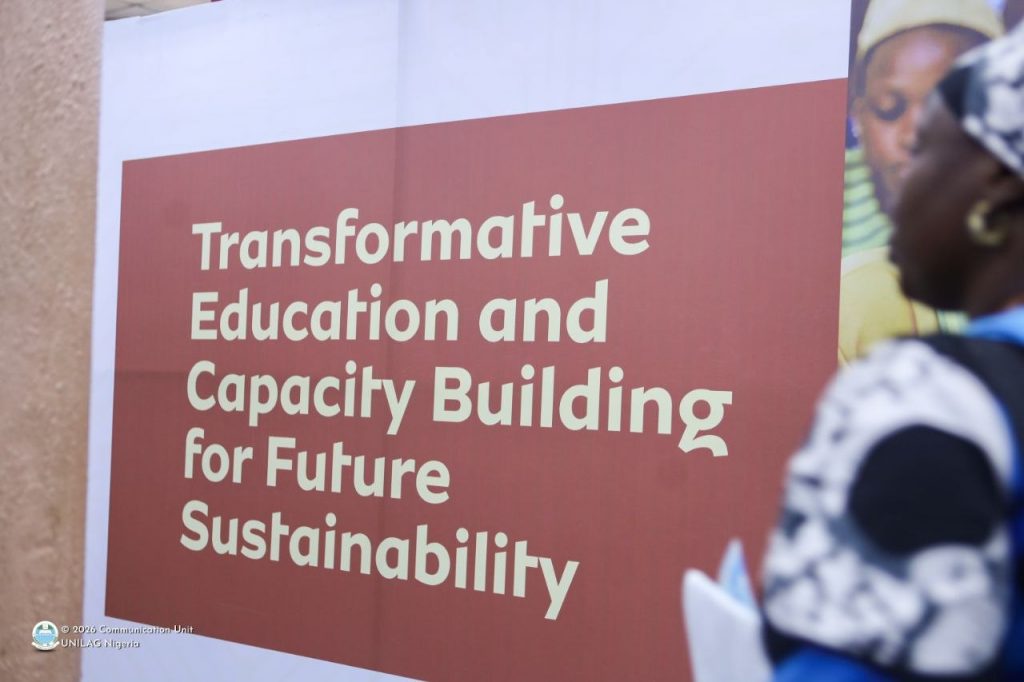
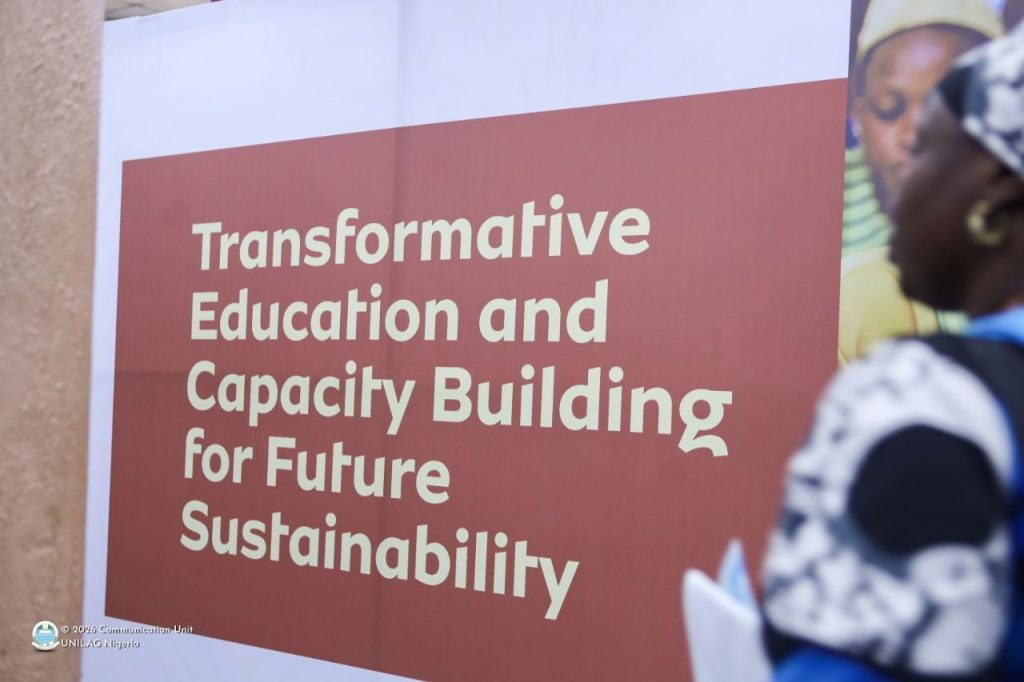
- Transformative Education and Capacity Building for Future Sustainability
At the biotechnology sub-theme session, Dr. O. T. Talabi of the Department of Biochemistry, UNILAG, opened proceedings under the chairmanship of Professor Osuntoki with a presentation titled “Analytical Feasibility of HPLC-UV Quantification in Obese Nigerians: A Pilot Study (n=5 of 50).”
The presentation set the tone for discussions on the role of biotechnology and laboratory-based research in addressing health-related challenges.
The study explored the feasibility of using High-Performance Liquid Chromatography with Ultraviolet detection (HPLC-UV), a laboratory technique for identifying and measuring chemical compounds, in research involving Nigerians living with obesity.
With five participants studied as part of a larger target of 50, the pilot offered an initial step towards assessing the method’s suitability for further investigation.
The presentation highlighted the importance of reliable laboratory methods in obesity research, where understanding relevant biochemical markers could support better investigation of the condition and its associated health risks.
The discussions reinforced the conference’s broader message that research must go beyond academic publications to inform decisions, support innovation, and deliver practical benefits to society.
Report: Bayo Salau
Photographs: Maleeq D. Quadri (Student Intern)