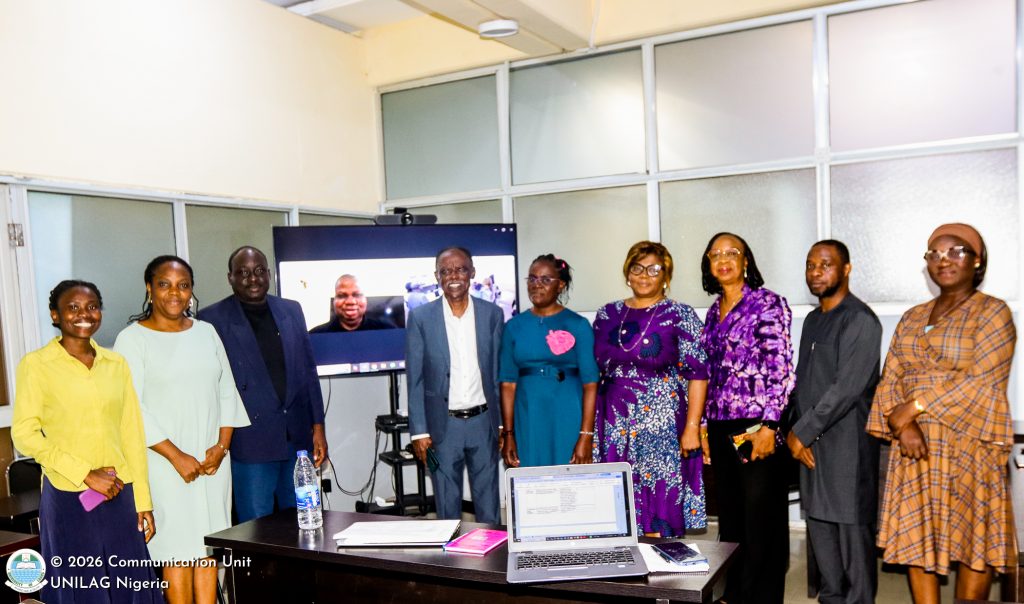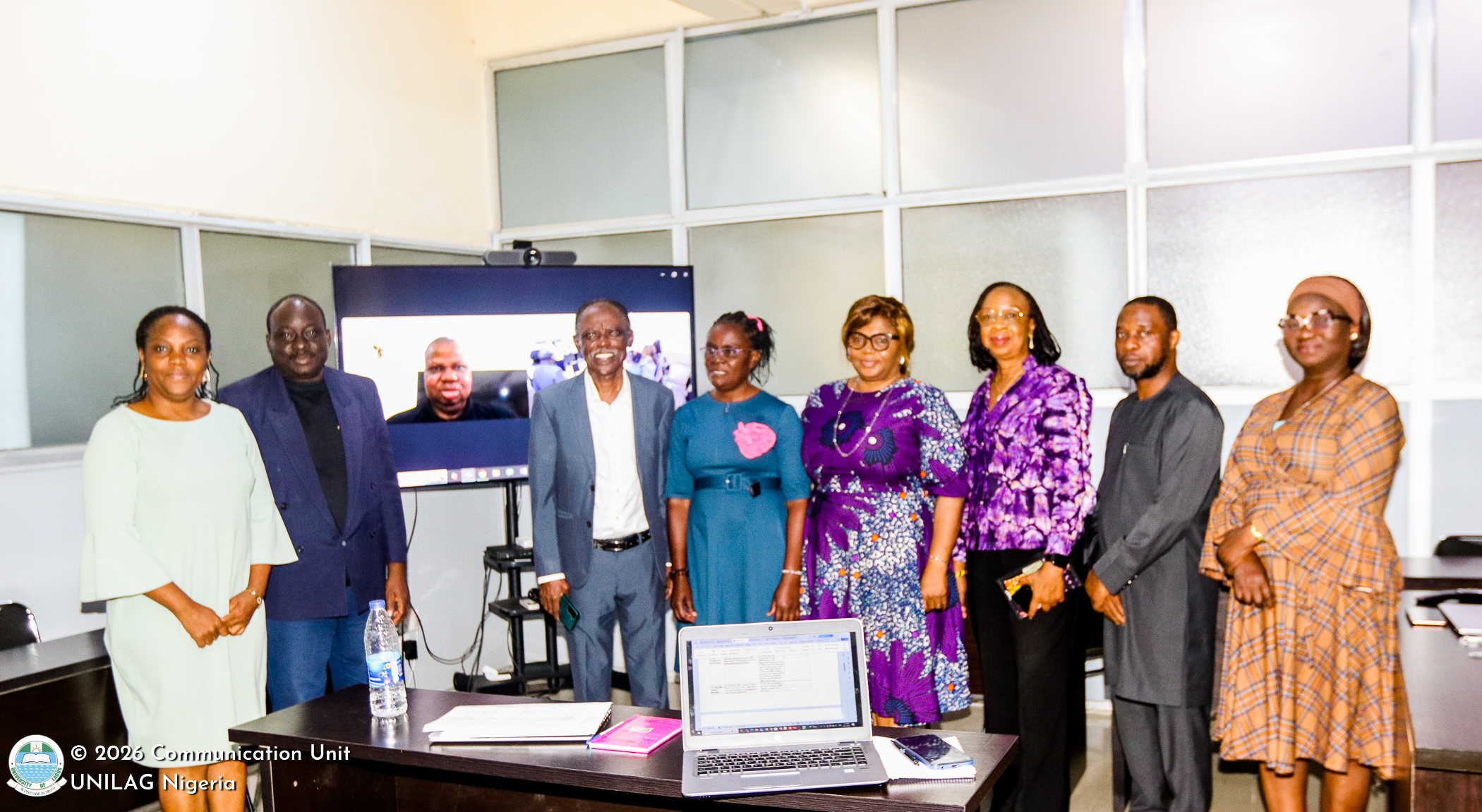
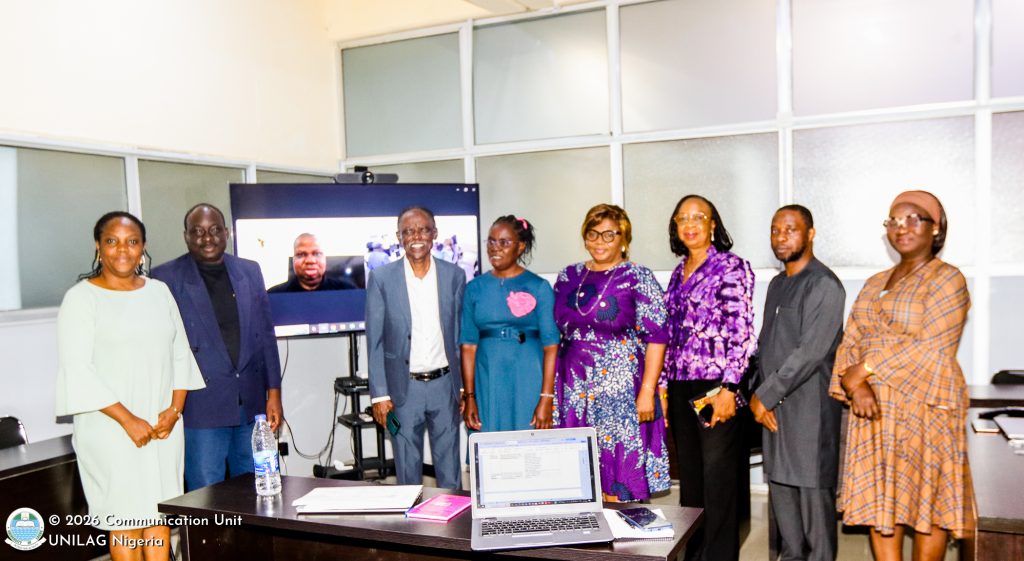
The University of Lagos (UNILAG) received high commendations from visiting academic partners for its state-of-the-art facilities, robust research management systems, and impactful research output in climate adaptation.

Dr Betty Opilo of Masinde Muliro University of Science and Technology (MMUST), Kenya, awarded UNILAG a top-tier rating of 5 out of 5 for its institutional Monitoring and Evaluation (M&E) mechanisms. She made the assessment during an official visit to UNILAG under the Collaboration for Climate Adaptation and Resilience Transformation (CO-CAT) initiative, held from 20 to 23 September 2026.
Dr Opilo highlighted UNILAG’s exemplary approach to research governance, expressing particular admiration for the university’s weather station and the operational structure within the Department of Geography for monitoring, evaluating, and managing climate data. She also commended the administrative structure of the University’s Research Management Office (RMO) and its efficient distribution of institutional responsibilities.
The visiting academic noted that she had gained valuable insights from UNILAG’s research management practices, emphasising that the University had met and exceeded her expectations. She affirmed that MMUST would explore the adoption and implementation of these institutional practices upon her return to Kenya, adding that Nigeria was demonstrating strong practices in project- and university-level monitoring and evaluation.
Underscoring the strategic value of the partnership, Dr Opilo expressed MMUST’s interest in expanding the collaboration beyond the initial engagement. She explained that the two institutions possessed complementary strengths which, when combined under the CO-CAT initiative, could contribute to tangible climate adaptation and resilience outcomes across Africa.
Benchmarking M&E Frameworks for Climate Resilience
A major highlight of the four-day visit was a high-level consultation hosted in the Research Management Office Boardroom. The deliberations focused on benchmarking and exploring potential avenues for collaboration within the Monitoring, Evaluation, and Learning (MEL) frameworks guiding UNILAG’s climate adaptation projects.
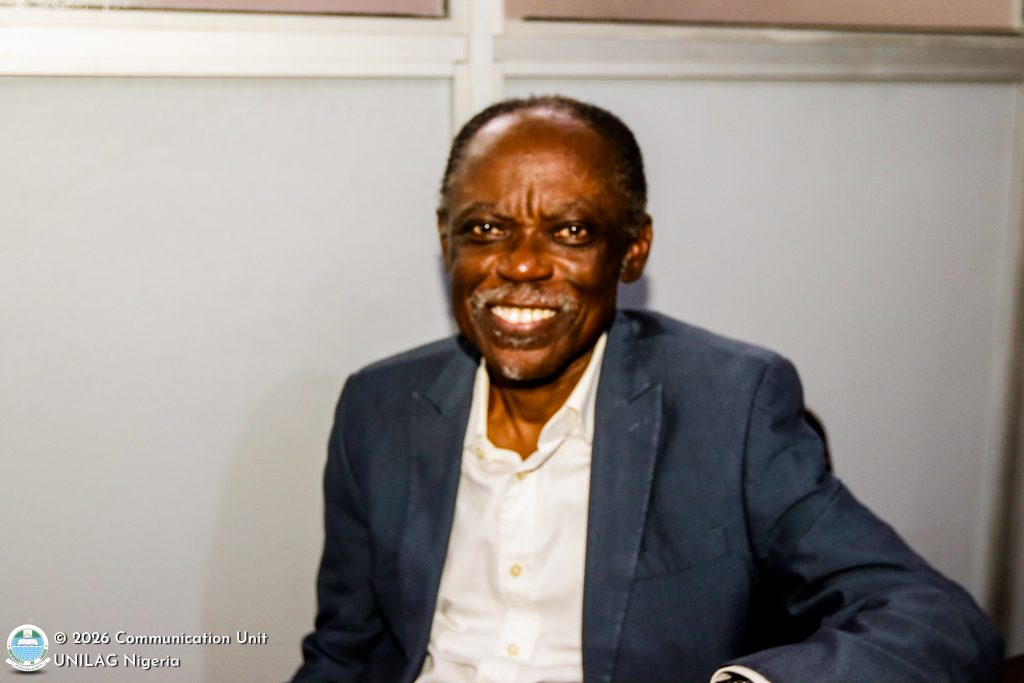
Welcoming the delegation to the RMO Boardroom, the Director of the Research Management Office, Prof. Solomon Okunuga, expressed delight at hosting the Kenyan team. He commended the UNILAG research team for its ongoing efforts, encouraged participants to maximise the knowledge-sharing opportunities, and reiterated the University Management’s commitment to supporting collaborative research initiatives.
Speaking during the consultation, Prof. Mayowa Fasona emphasised that monitoring and evaluation remained a cornerstone of successful project implementation. He explained that robust M&E systems provided critical data for tracking costs, timelines, activities, and overall deliverables. He further noted that many projects could appear unsuccessful at completion because of inadequate or inconsistent data tracking.

Elaborating on the key metrics required to track project progress, Prof. Fasona outlined three fundamental indicators: outreach, output, and outcome. He explained that outreach measures the extent to which a project reaches its intended target audience; output captures immediate deliverables, such as the number of individuals trained; while outcome reflects sustained behavioural or structural changes, typically assessed through surveys conducted six to twelve months after an intervention or impact assessments carried out one to two years later.
He also highlighted the extensive institutional support available to UNILAG researchers, including annual tracking of research statistics and internal and external grants, proposal-writing workshops, regular research calls, and dedicated spaces for research engagement and interaction.
Addressing M&E Implementation and Challenges
During the interactive session, Dr Opilo and other participating professors engaged in detailed discussions on university-wide MEL indicators, implementation tools, and reporting challenges faced by higher education institutions.


Responding to inquiries from the CO-CAT partner, Prof. Fasona explained that UNILAG’s Annual Research Report effectively captures macro-level institutional indicators, including the total volume of research projects, thematic funding areas, donor profiles, and overall funding volume. He identified the consistent capture and reporting of project-level data by individual researchers as a key institutional challenge, noting that such data formed the foundation of effective aggregate university reporting.
To further strengthen institutional standards, Prof. Fasona recommended the adoption of a formal Logical Framework (logframe) as an overarching institutional MEL tool. He explained that the framework would establish annual targets for research calls, proposal submissions, and grant acquisitions, thereby enabling the University to systematically benchmark its performance from year to year.
The programme concluded with mutual expressions of appreciation and a shared commitment to expanding inter-institutional collaboration under the CO-CAT framework.
In attendance during the boardroom deliberations were the Director of the RMO, Prof. Solomon Okunuga; Prof. Olusegun Adeaga; Prof. Vide Adedayo; Dr Akin Akintuyi; Dr Bolajoko Malomo; and Mrs Itegboje Angela.
Reporter: Lynda Onah
Photograph/Photo Editor: Dosunmu Olaifa/ Joshua Micheal