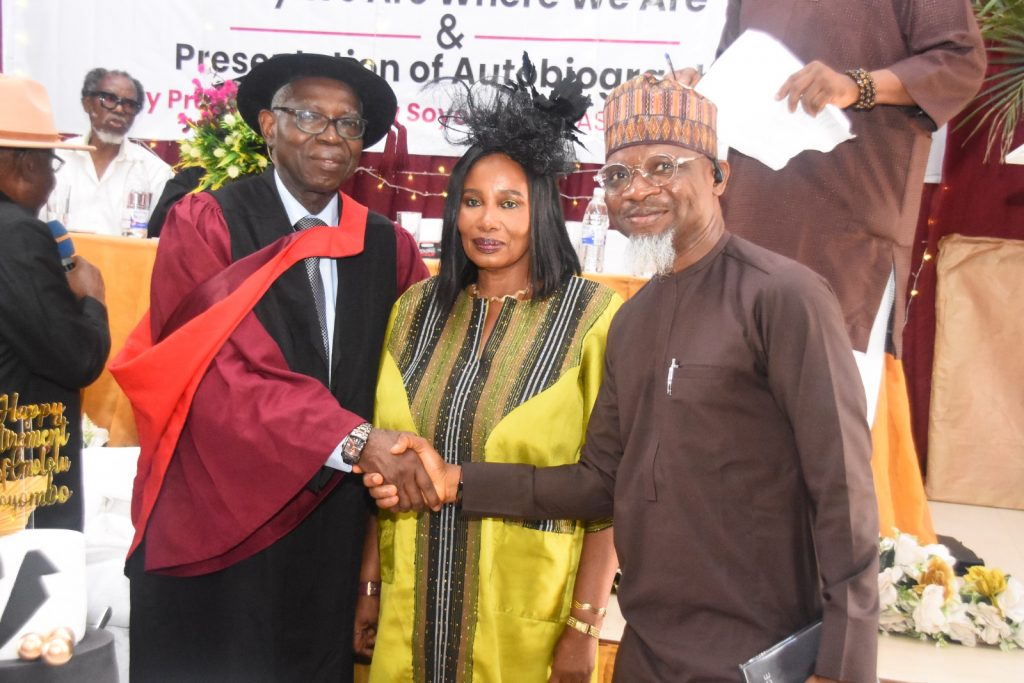
Professor Theophilus Omololu Soyombo, a Professor of Sociology, has called for a broader, society-wide response to Nigeria’s worsening security challenges, stressing that the country cannot overcome insecurity through the efforts of security agencies alone.
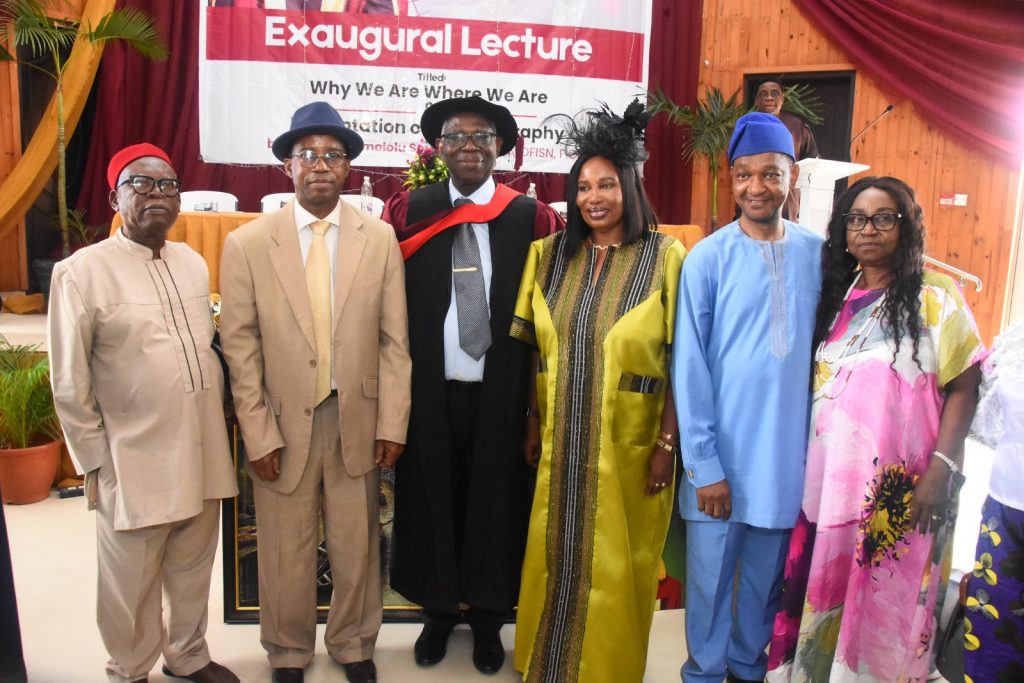
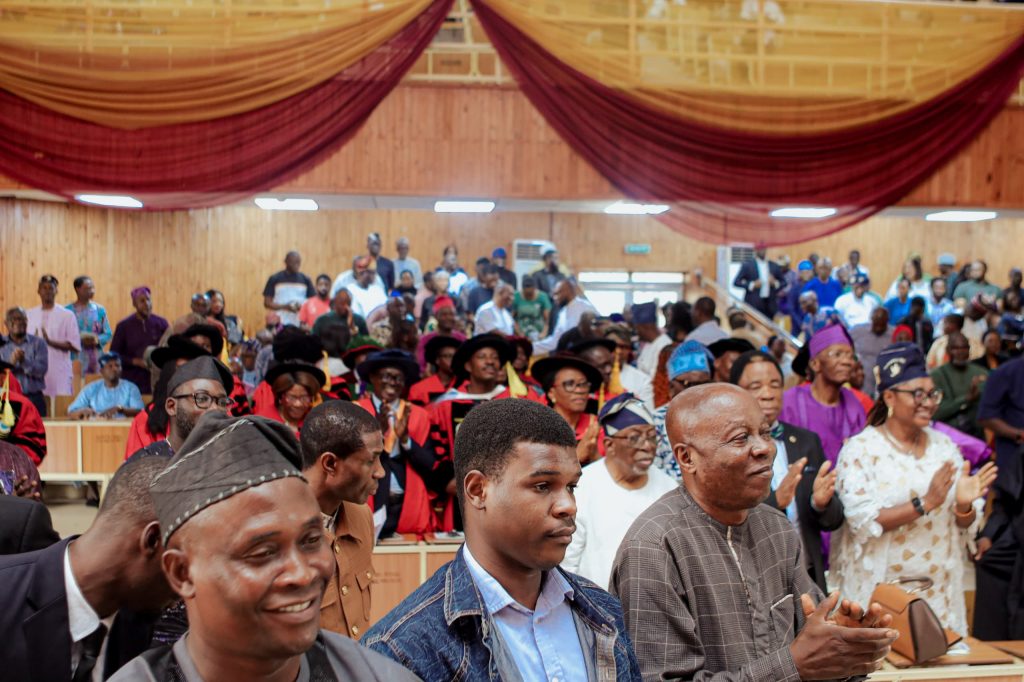
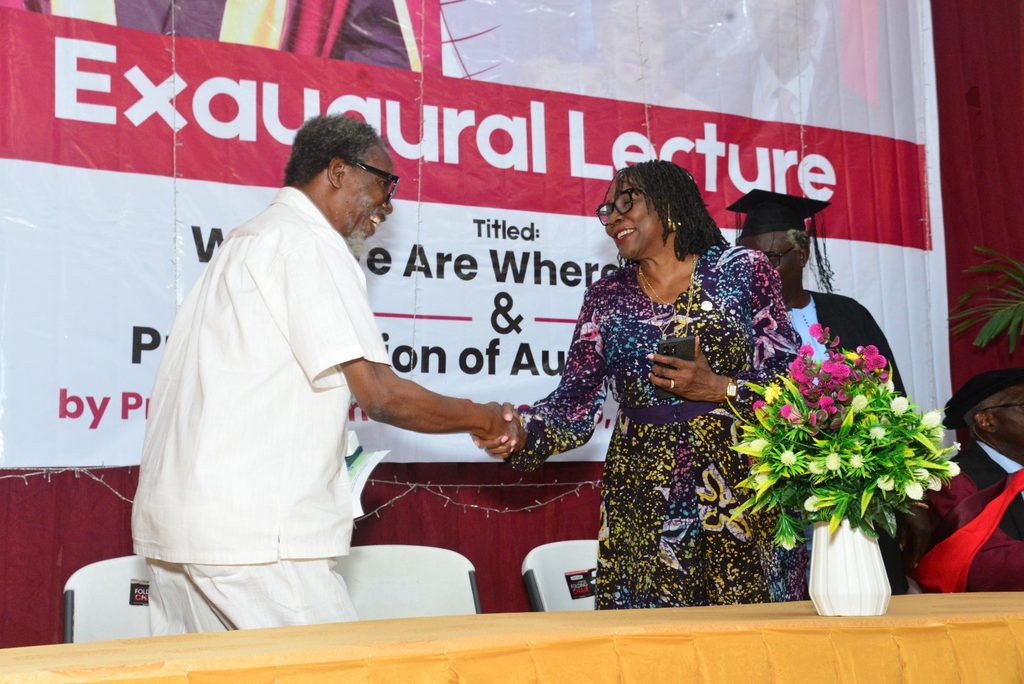
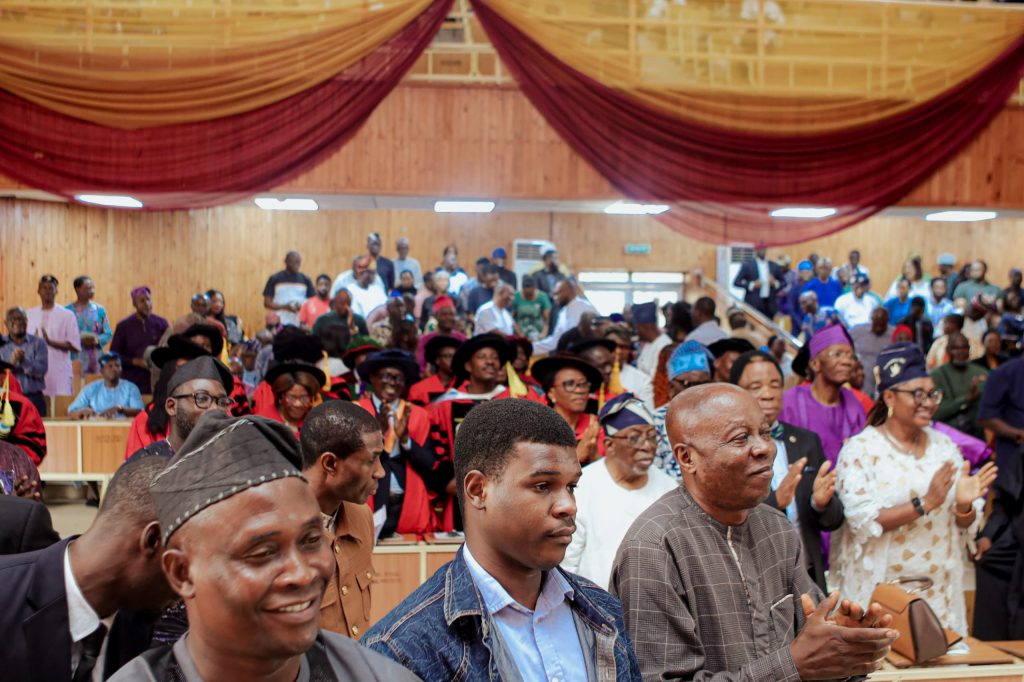
He made the call on Friday, September 4, 2026, while delivering his exaugural lecture titled “ Why We Are Where We Are: A Sociological Analysis of the Trials and Travails of Security Control in Nigeria ” at the Faculty of Social Sciences Lecture Hall, University of Lagos. The exaugural lecture was delivered as part of activities marking his 70th birthday, retirement from active university service, and the launch of his autobiography, By His Grace: An Autobiography.
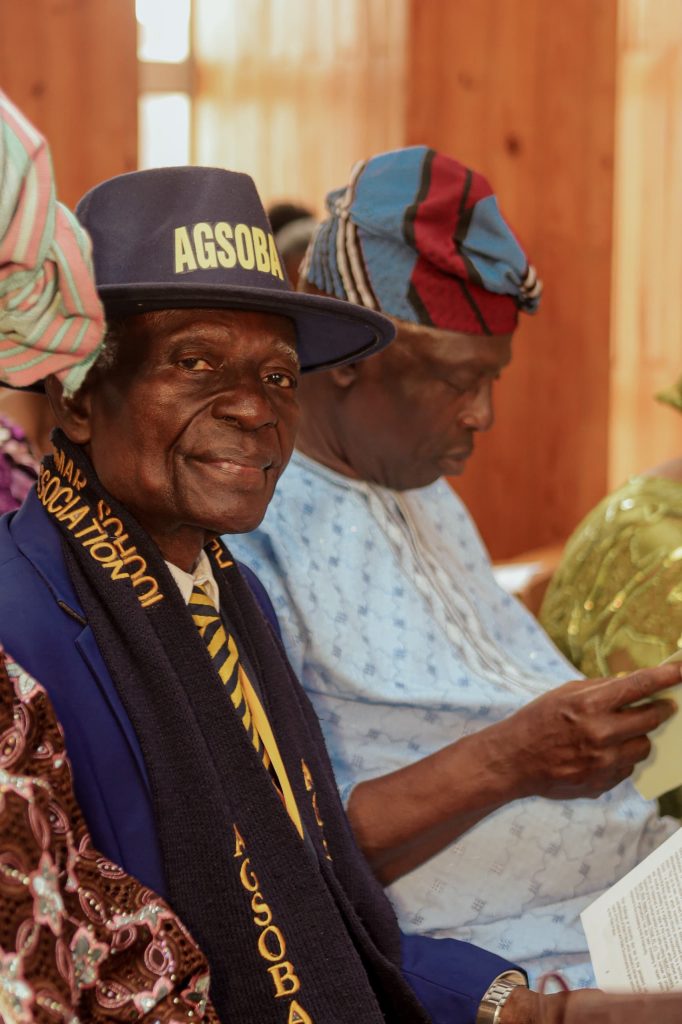
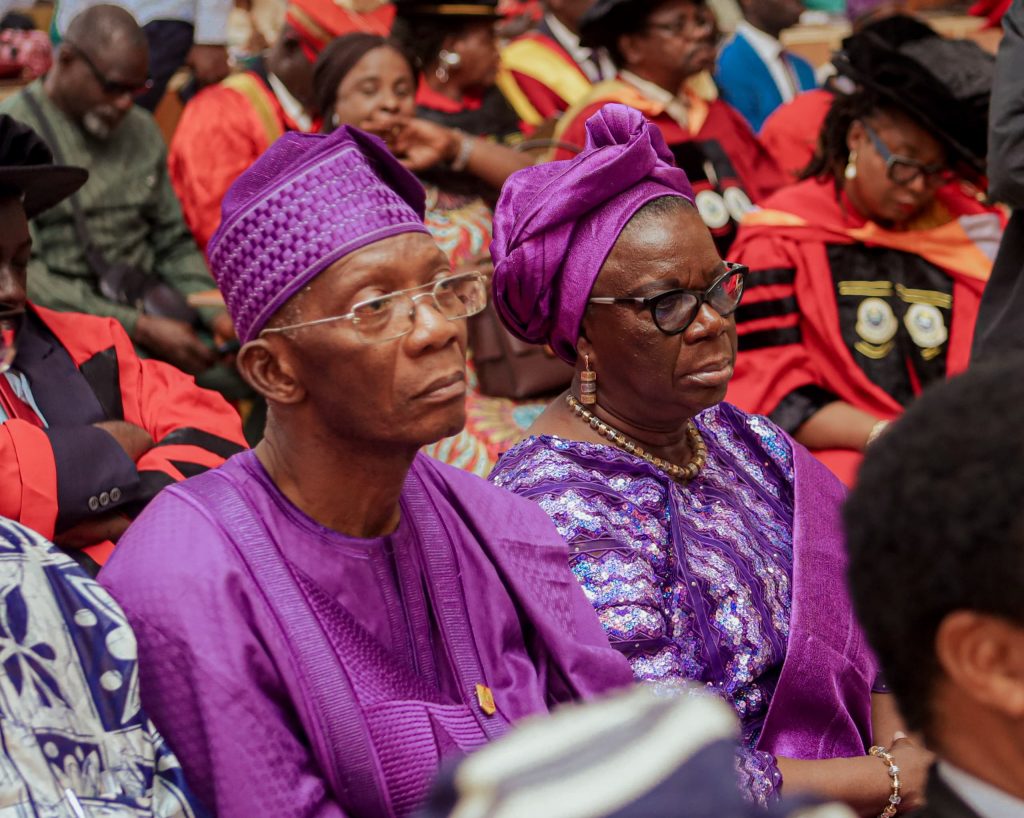
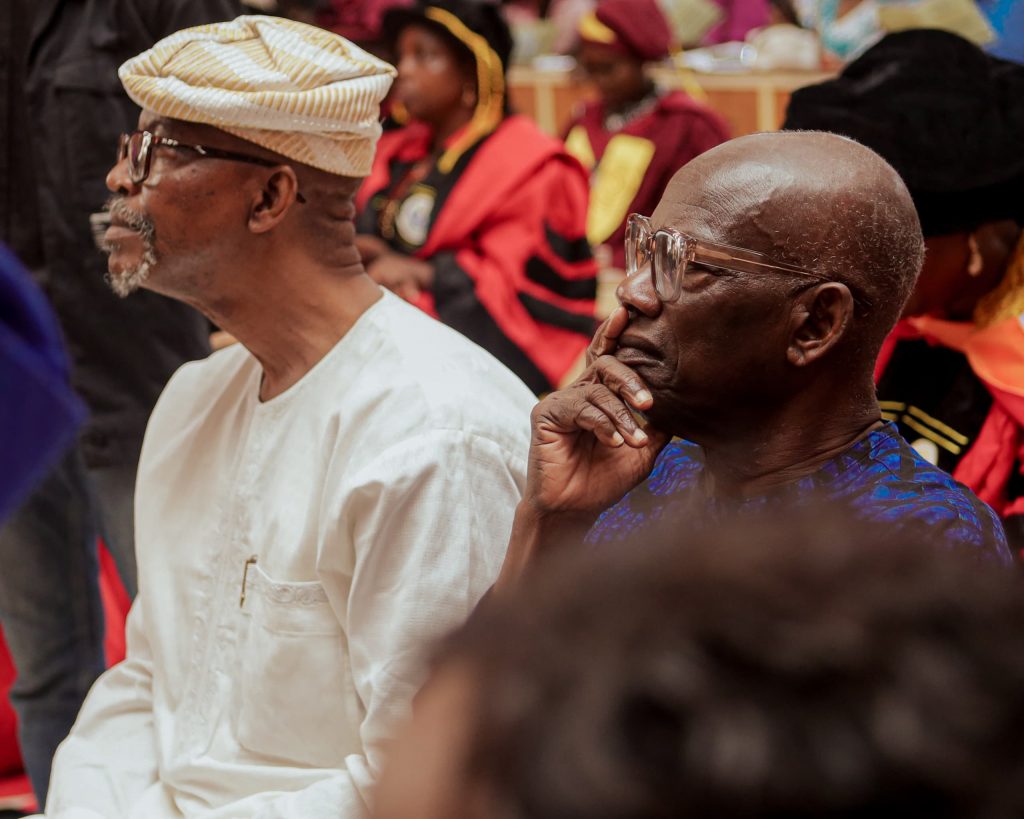
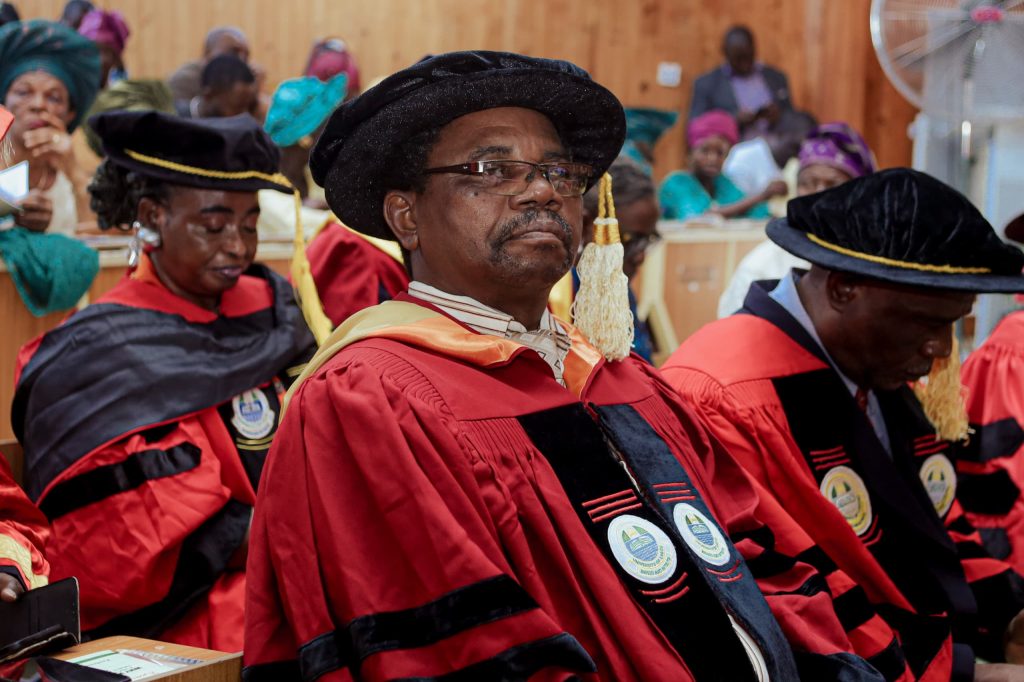
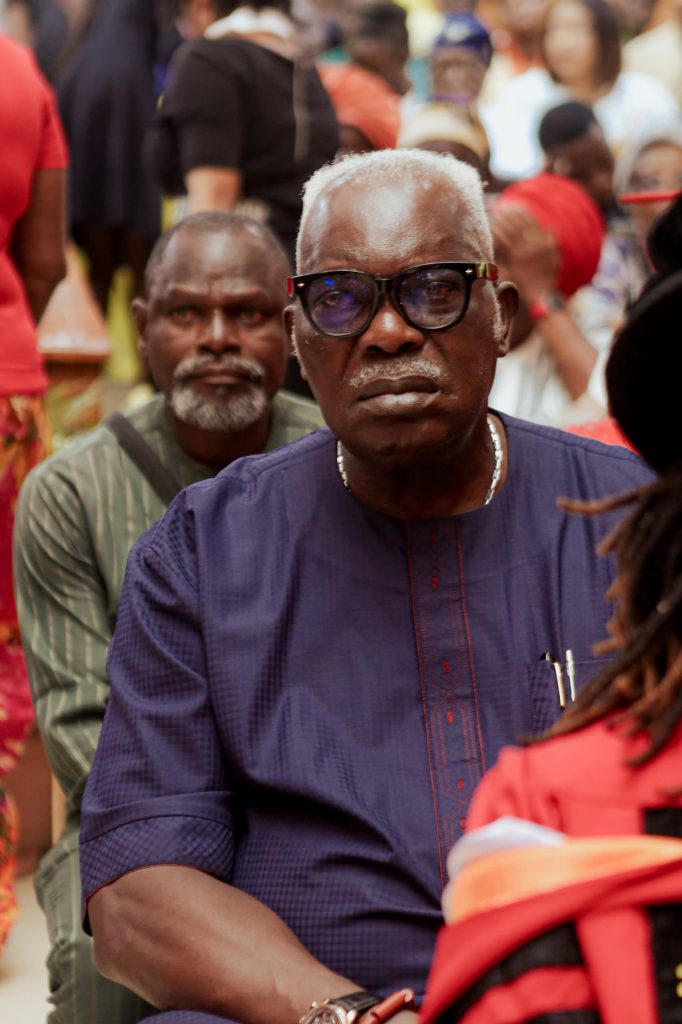
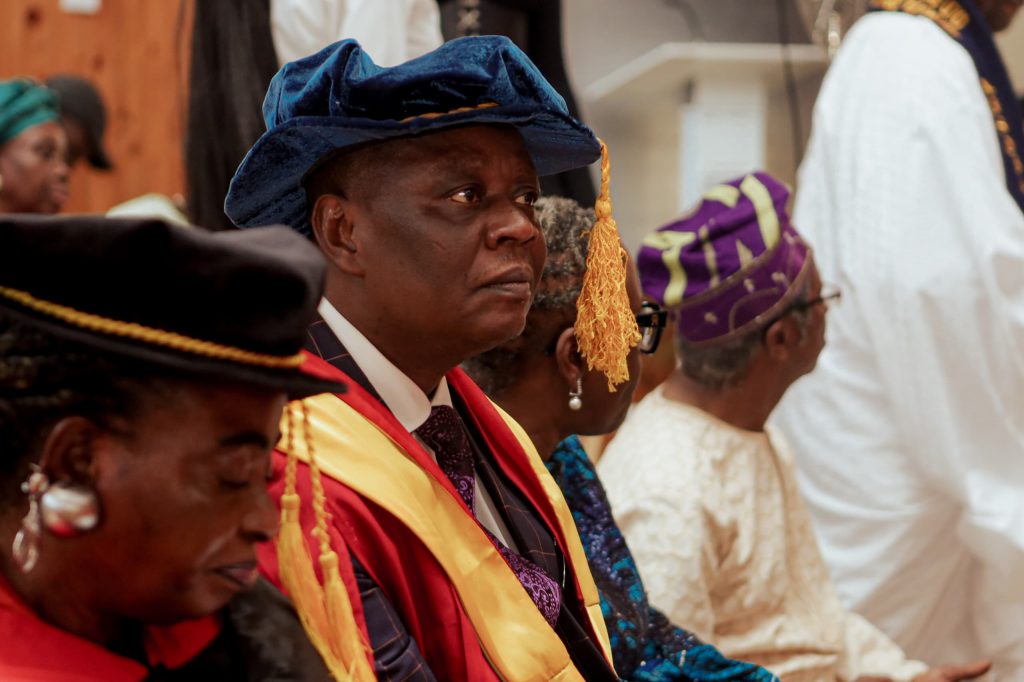
The occasion had in attendance the Vice Chancellor of the University of lagos, Professor Folasade Ogunsola, OON, FAS as well as several former university administrators and senior academics, including the immediate past Vice-Chancellor, Professor Oluwatoyin T. Ogundipe, FAS; former Deputy Vice-Chancellors Professors Funsho Akere, Ben Oghojafor, and Lucian Obinna Chukwu; Emeritus Professors Fajemirokun, Kayode Amund, and Duro Oni; former LASU Governing Council Chairman, Professor Adebayo Ninalowo; former Registrars: Oluwarotimi Shodimu, Esq., and Dr. Taiwo F. Ipaye, FNIM; as well as former deans, colleagues, students, friends, and members of the celebrant’s family.
“We Know What to Do, But We Don’t Do It”
In keeping with a career devoted to understanding society, Prof . Soyombo revisited and updated concerns he first raised in his 2009 inaugural lecture, reflecting his sustained scholarly engagement with crime, security, and social order in Nigeria.
He used his final lecture to confront one of Nigeria’s most pressing questions. His answer pointed not just to security agencies, but to government, communities, families, and citizens as co-architects of a safer Nigeria.
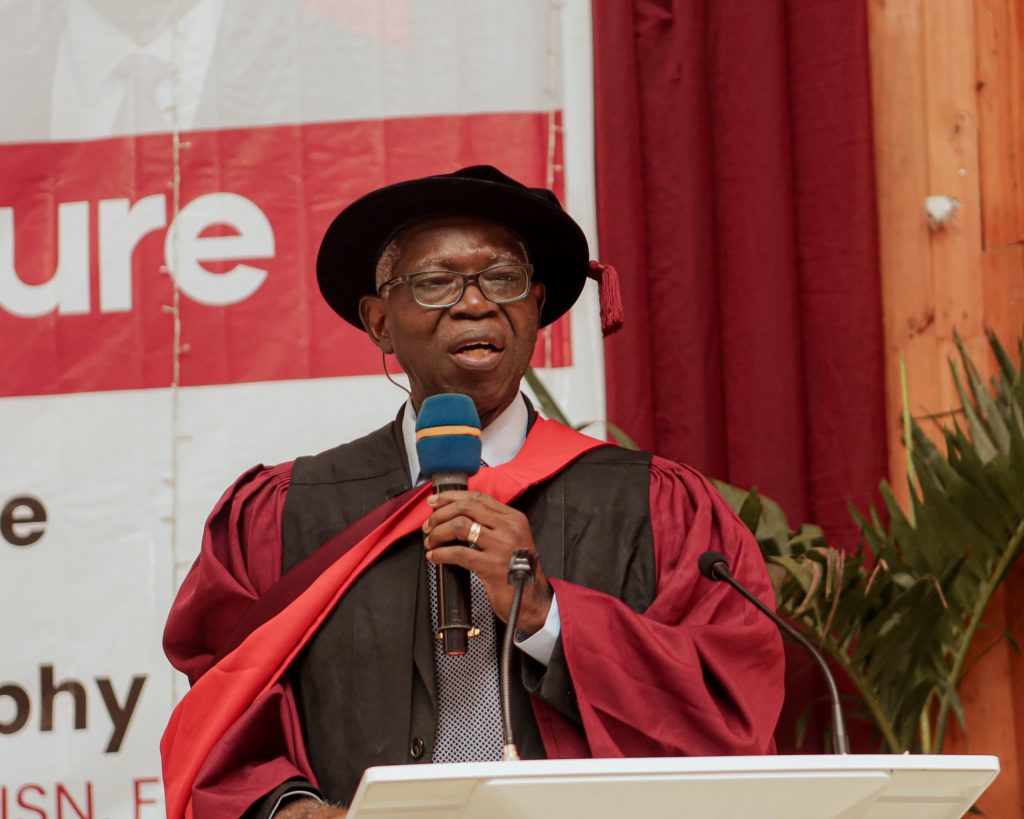
Drawing from his scholarship in the Sociology of Crime and Delinquency, the University of Essex alumnus argued that Nigeria’s security crisis is not primarily a problem of knowledge, but of failing to consistently take necessary action.He identified unemployment and underemployment, poverty, hunger, homelessness, uncontrolled migration and urbanisation, religious extremism, and illegal mining as key drivers of insecurity.
He also cited porous borders, the proliferation of small arms, weak intelligence sharing, inadequate personnel, and corruption as factors complicating crime control.
According to him, crime thrives where there is a motivated offender, a suitable target, and inadequate guardianship. He therefore argued that Nigeria must look beyond conventional policing and military responses.
Professor Soyombo called for stronger governance, job creation and youth development, poverty reduction, community participation, responsible leadership, intelligence-led policing, effective border management, and tighter control of small arms. He also stressed the need to strengthen social welfare systems, regulate illegal mining, improve the welfare and capacity of security personnel, harness science and technology for security, and address inequalities that leave vulnerable groups exposed to criminal exploitation.
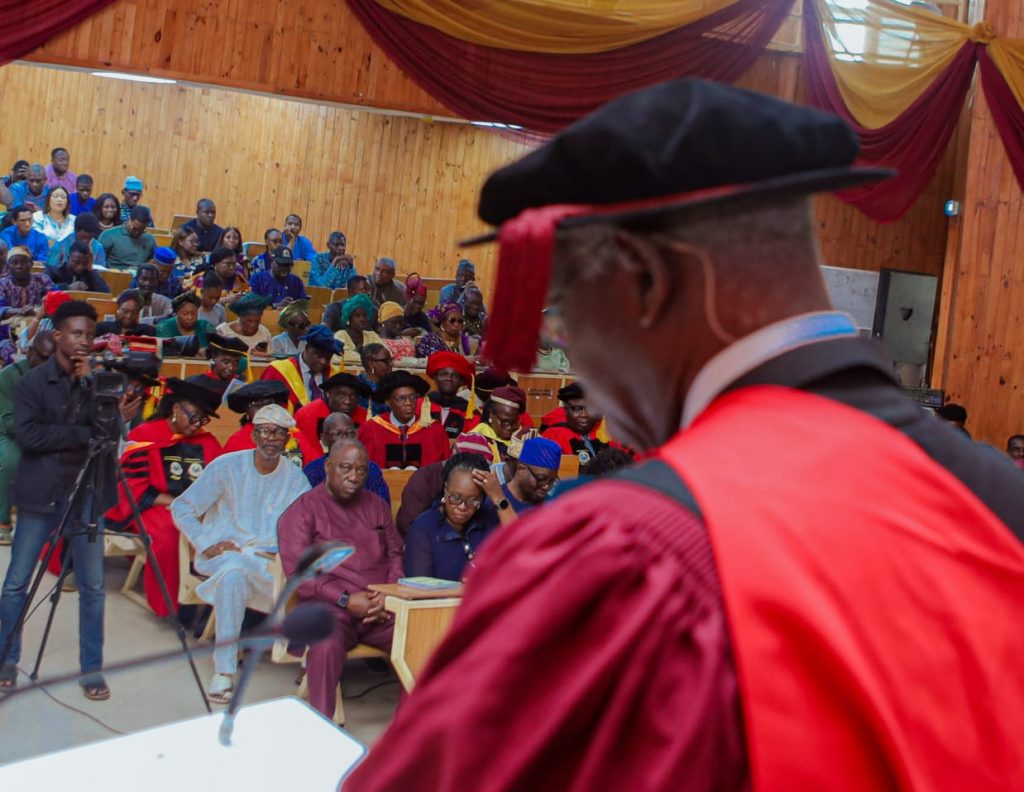
Beyond structural issues, he expressed concern about changing societal values and the growing attraction to quick wealth. He emphasized the role of responsible role models, as well as stronger family and community institutions, in shaping young people and building a more responsible society.
A Lasting Contribution to Criminology
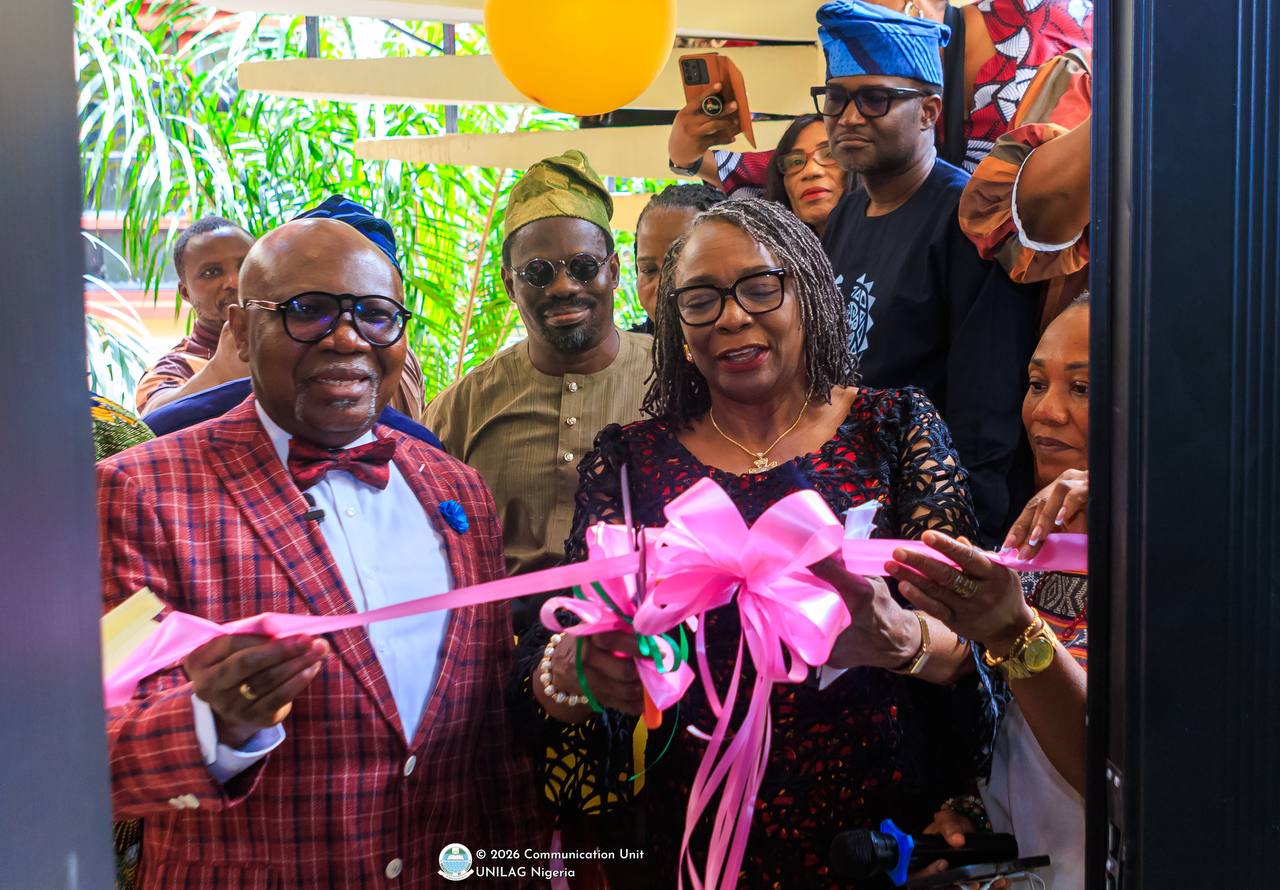
In a gesture to mark his retirement, Professor Soyombo announced an annual N100,000 prize for the Best Graduating Student in the Master of Criminology programme in the Department of Sociology. He said the initiative is intended to encourage students and sustain interest in criminology and security studies.
Tributes to a Scholar-Administrator
Speaking at the event, the Vice-Chancellor, Professor Folasade T. Ogunsola, OON, FAS, commended Professor Soyombo for his scholarship and extensive contributions to the University. She described the occasion as more than a statutory retirement, noting it was an opportunity to recognize a career shaped by scholarship, institutional service, and engagement with the university community.
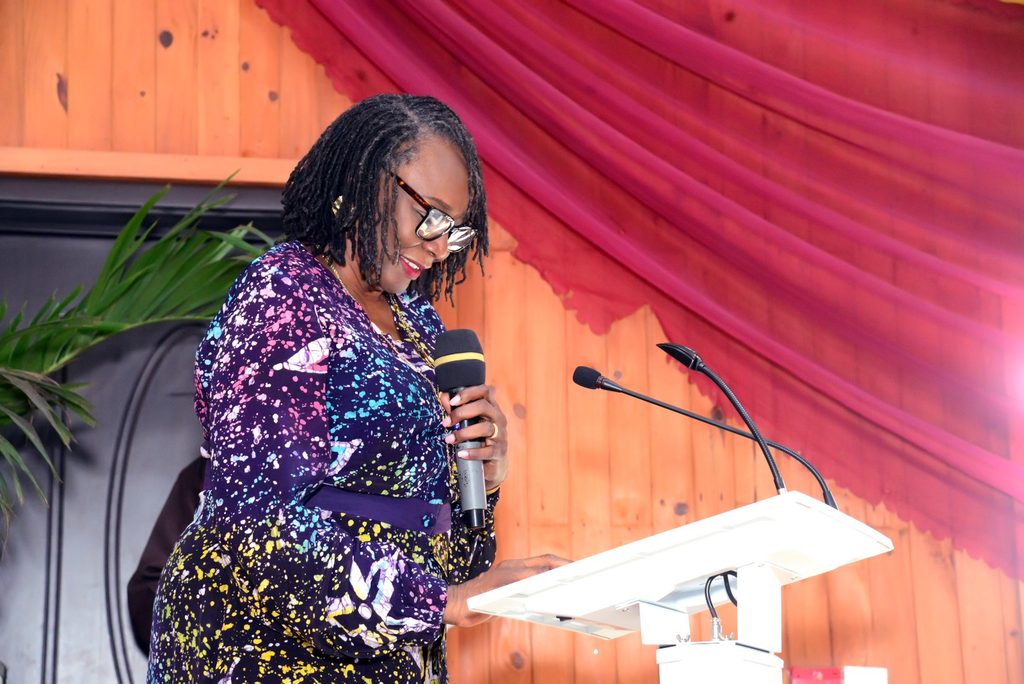
Chairman of the occasion and Professor Soyombo’s former teacher, Professor Tunde Makanju, also lauded his contributions across teaching, research, and administration, describing the celebration as a fitting tribute to a life dedicated to UNILAG.
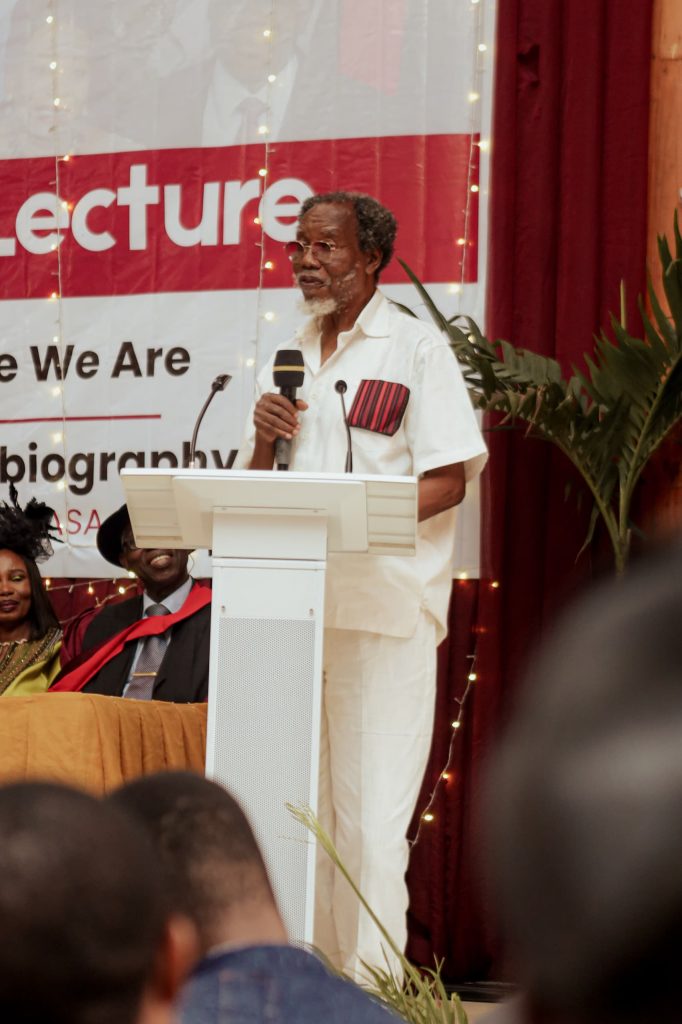
Launch of Autobiography
A major highlight was the launch of his 162-page autobiography, By His Grace: An Autobiography . Structured into 15 chapters, the book chronicles his personal life, education, academic career, university administration, research, faith, and social engagements.
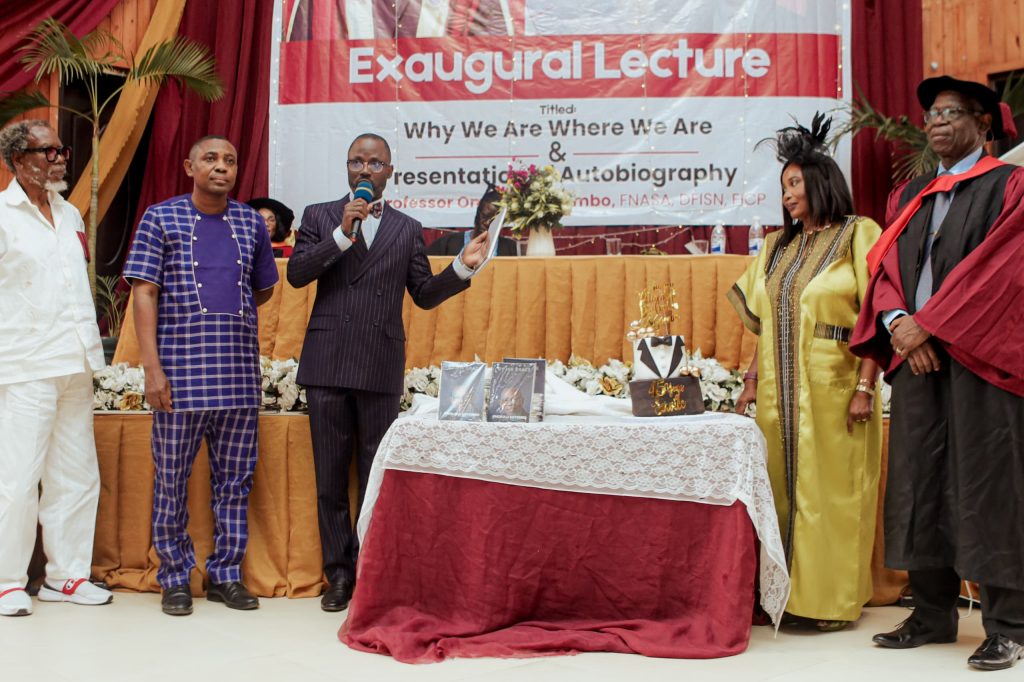
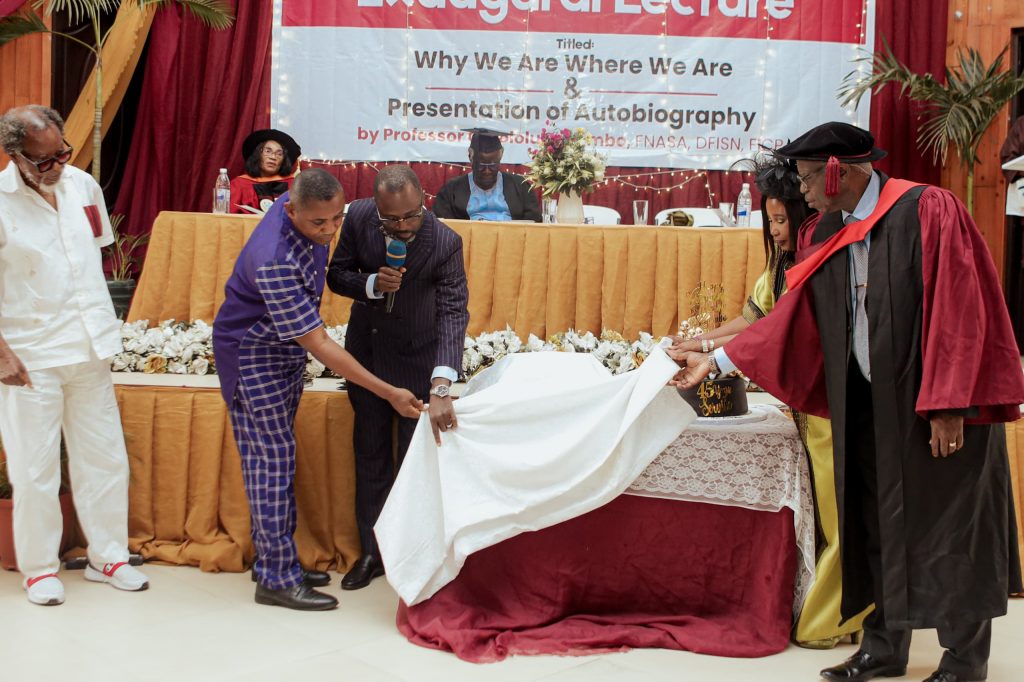
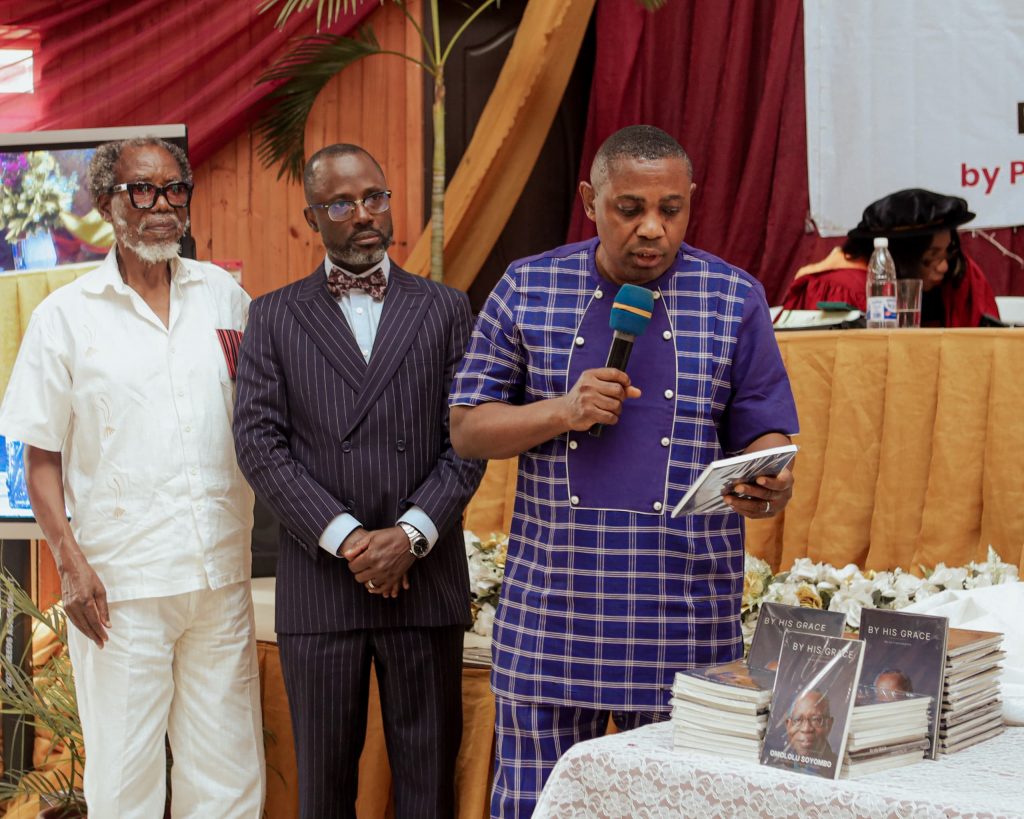
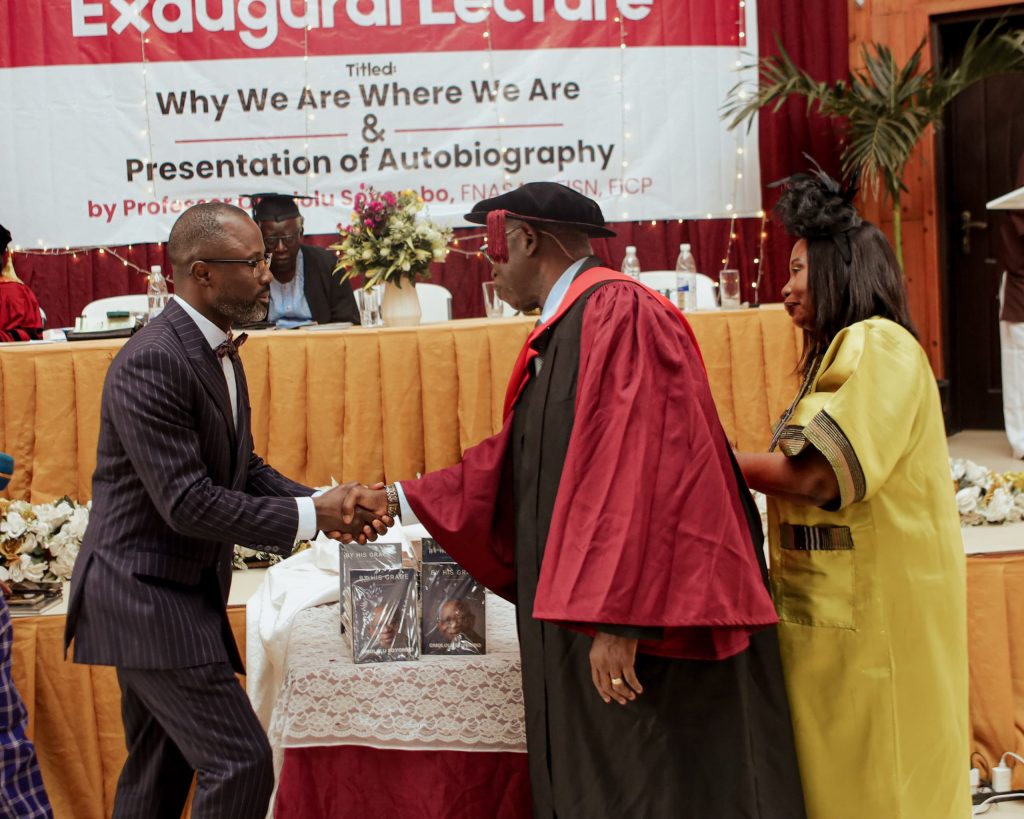

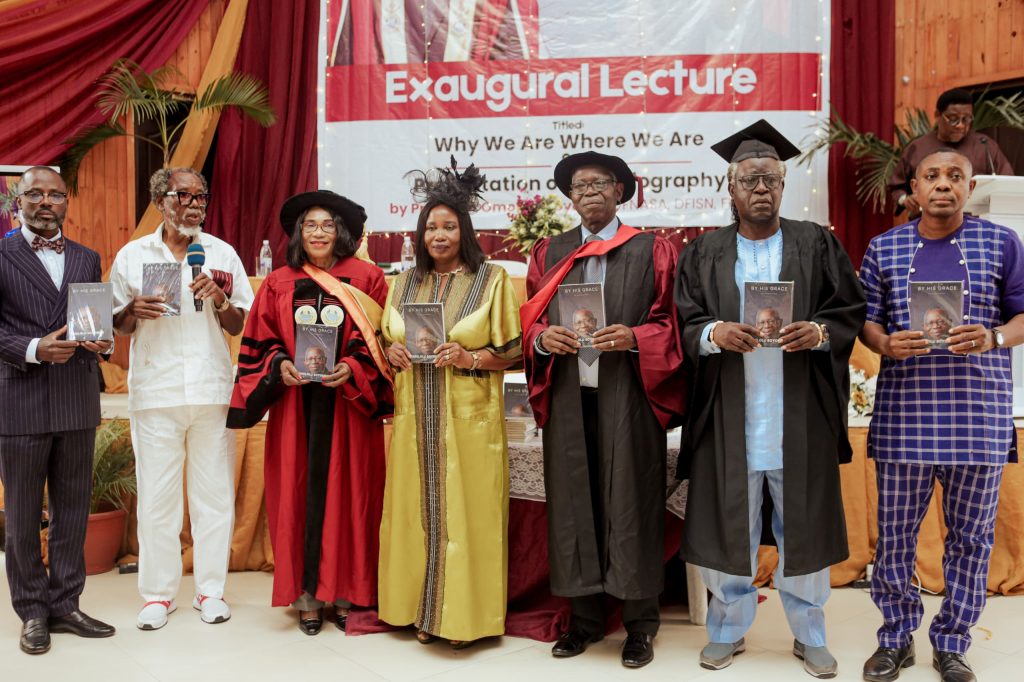
Reviewed by Dr. David Akeju of the Faculty, the book covers his work with UNILAG Consult, his tenure as Dean of Social Sciences, membership of the Governing Council, and his brief stint as Acting Vice-Chancellor. Chapter 12, “My Brief Stint as Acting Vice-Chancellor” pp. 137–144, offers his personal account of that period.
45 Years of Service to UNILAG
Professor Soyombo joined the Department of Sociology as an Assistant Lecturer on August 1, 1981. He rose through the ranks to become Professor in 2005 and retired in September 2026, after 45 years of service.
He supervised over 150 undergraduate projects, 50 master’s dissertations, and 11 doctoral theses, with several of his PhD students now professors. He also served as Managing Director of UNILAG Consult from 2008 to 2011 and as Dean of the Faculty of Social Sciences from 2011 to 2015.