The Executive Secretary and Chief Executive Officer of the Solid Minerals Development Fund (SMDF), Hajiya Fatima Umaru Shinkafi, has challenged Nigerian universities to lead the country’s industrial renaissance through research, innovation, and strategic partnerships.
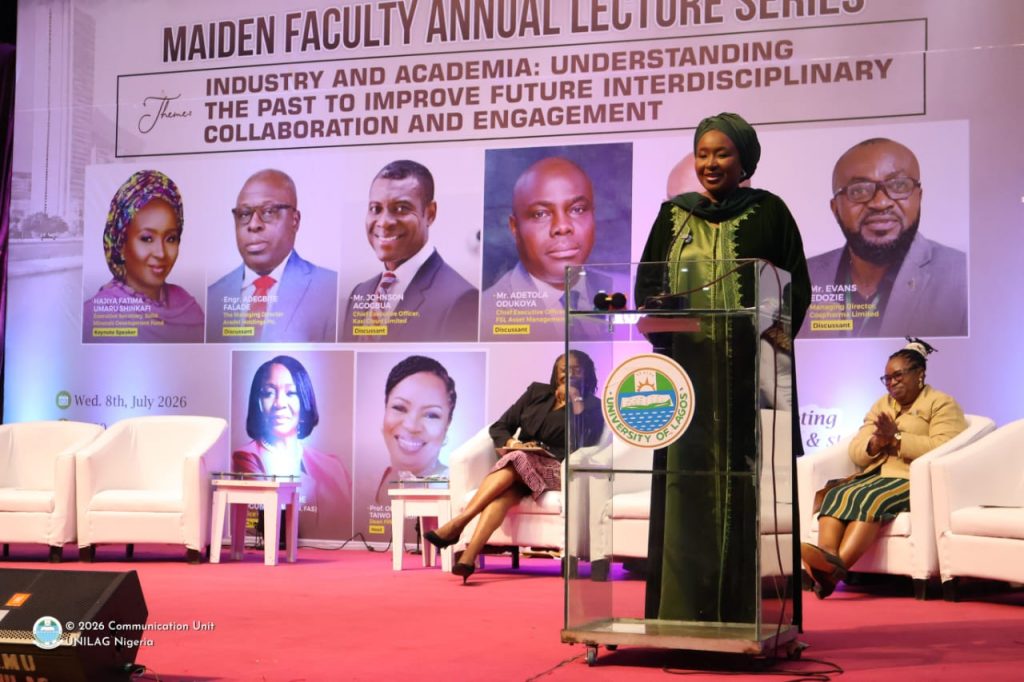
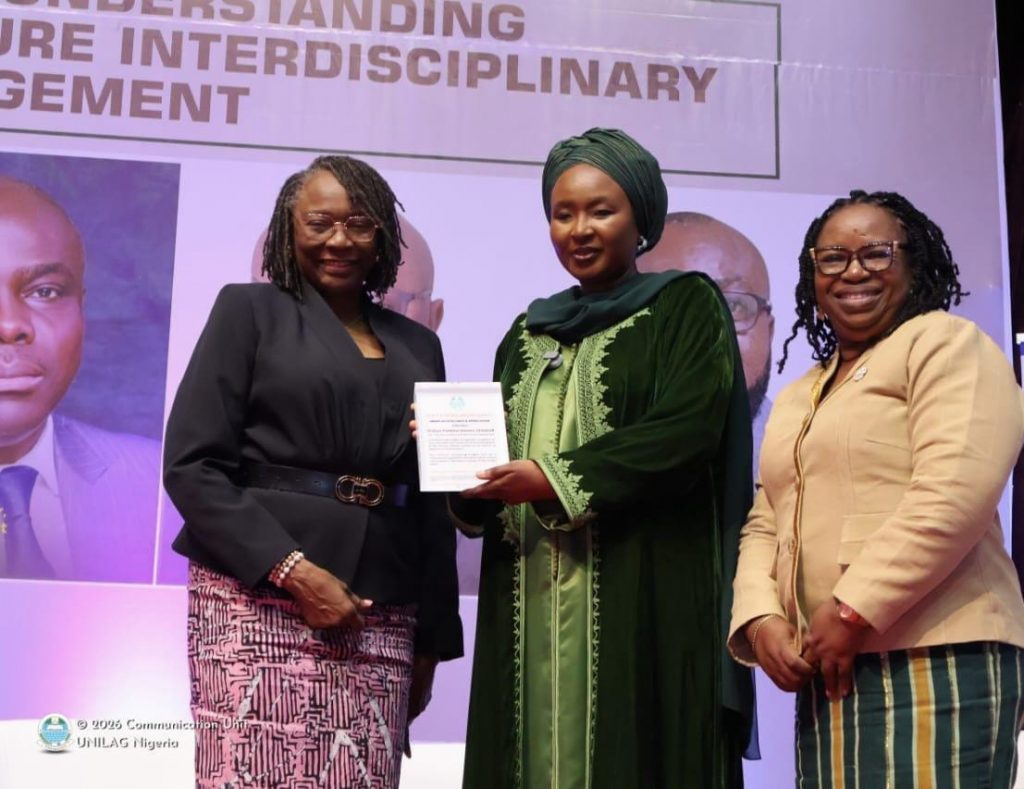
Speaking at the Maiden Annual Lecture Series of the Faculty of Physical and Earth Sciences, University of Lagos (UNILAG), she said the future of Nigeria’s post-oil economy depends on how effectively academia, industry, and government collaborate to unlock the nation’s vast mineral wealth.
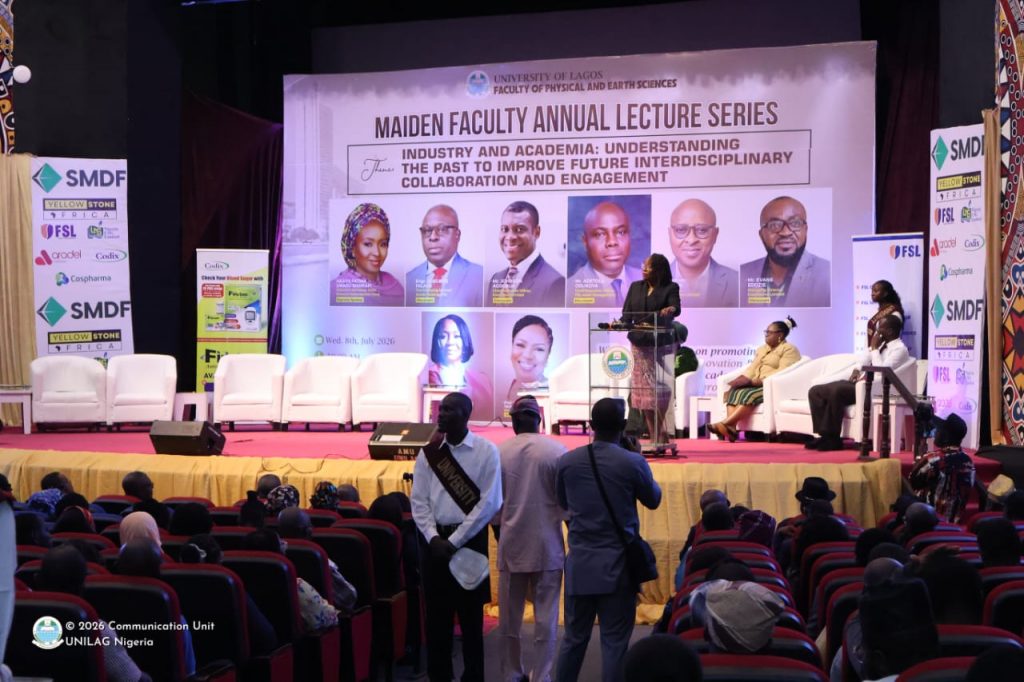
The lecture, themed: Industry and Academia: Understanding the Past to Improve the Future – Interdisciplinary Collaboration and Engagement, provided a platform for academics, policymakers, and industry leaders to discuss the future of Nigeria’s solid minerals sector amid renewed efforts to diversify the economy beyond oil.
A Sector of Untapped Potential
In her keynote address, Hajiya Shinkafi noted that despite Nigeria having over 44 commercially viable mineral resources across more than 500 locations nationwide, the sector contributes less than 1 per cent to the country’s Gross Domestic Product (GDP) and accounted for just 0.4 per cent of total exports in 2025.
She, however, expressed optimism that the narrative is changing under the Federal Government’s reforms led by the Honourable Minister of Solid Minerals Development, Dr. Henry Dele Alake. Central to the reforms is the Ministry’s Seven-Point Agenda, aimed at raising the sector’s contribution to 3 per cent of GDP by 2030. Key focus areas include improved geological mapping, increased private-sector participation, formalisation of artisanal mining, stronger security for mining operations, enhanced regulatory efficiency, and accelerated local value addition.



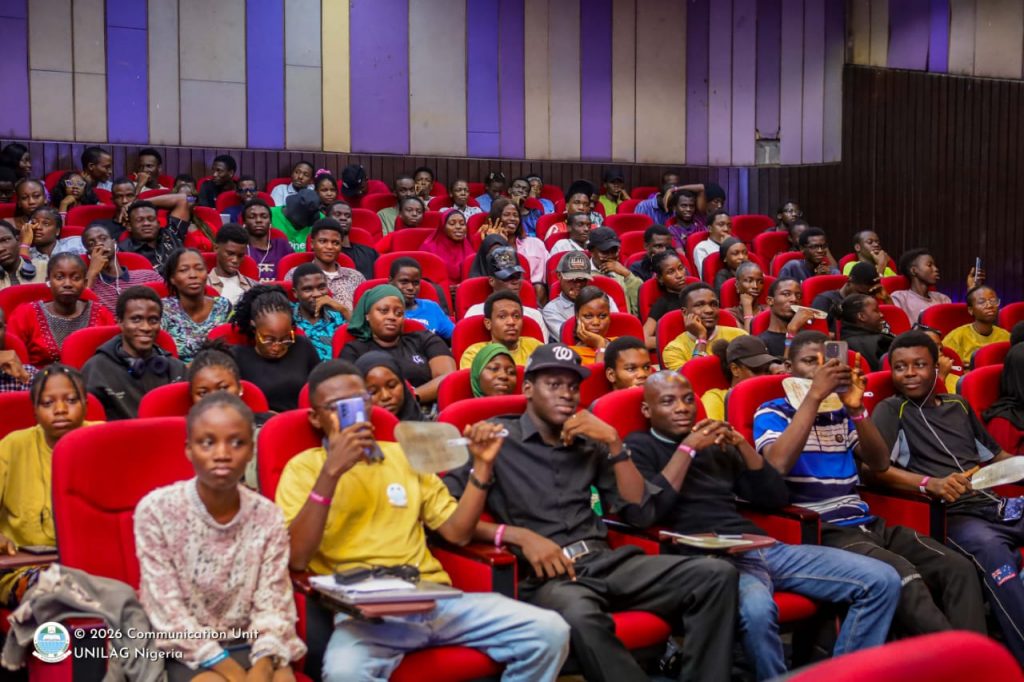
According to her, “the reforms are already yielding results. Government revenue from the solid minerals sector grew from approximately ₦16 billion in 2023 to over ₦70 billion in 2025. Investment commitments secured since 2023 have reached about US$2.6 billion, including a US$1.3 billion alumina refinery project, the single largest mining investment ever recorded in Nigeria”.
EMERGE: Funding Research and Innovation
Hajiya Shinkafi also unveiled EMERGE (Early-Stage Mineral Exploration and Research Grant Endowment), the country’s first dedicated competitive research funding platform for geosciences.

The initiative offers grants covering up to 100 per cent of eligible project costs for Master’s and PhD students, university departments, and research institutions working on mineral exploration, critical minerals, and R&D projects.
Beyond funding, successful applicants will receive technical mentoring, capacity development, investment-readiness training, and access to follow-on financing through the EMERGE Accelerator Programme, bridging the gap between academic research and commercial application.
Shinkafi urged the Faculty of Physical and Earth Sciences to establish a dedicated EMERGE desk or coordinator to ensure sustained engagement. Her words, “Universities must move beyond knowledge generation to become active partners in innovation, mineral exploration, and industrial development.”
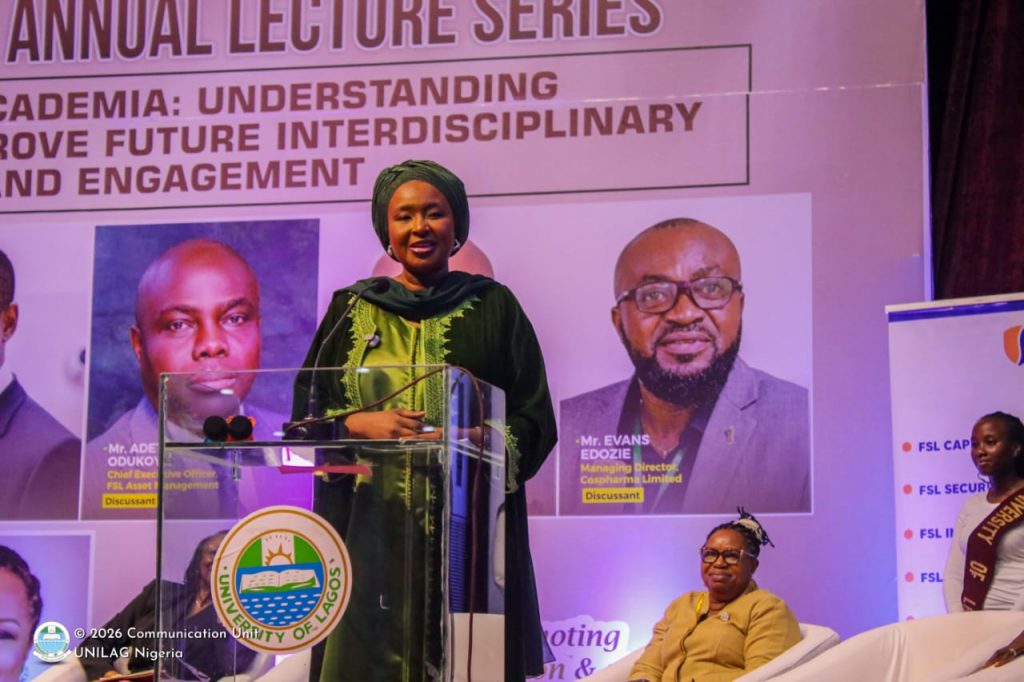
She stressed that the future of Nigeria’s mining industry will be determined not by the volume of mineral deposits alone, but by the country’s ability to harness research, innovation, and strategic partnerships to build competitive industries, expand local value chains, create jobs, and drive sustainable growth.
University and Industry Responses
Earlier, in her remarks, the Vice-Chancellor of UNILAG, Professor Folasade Ogunsola, OON, FAS, said the lecture series reflects the University’s commitment to deploying research for national development.
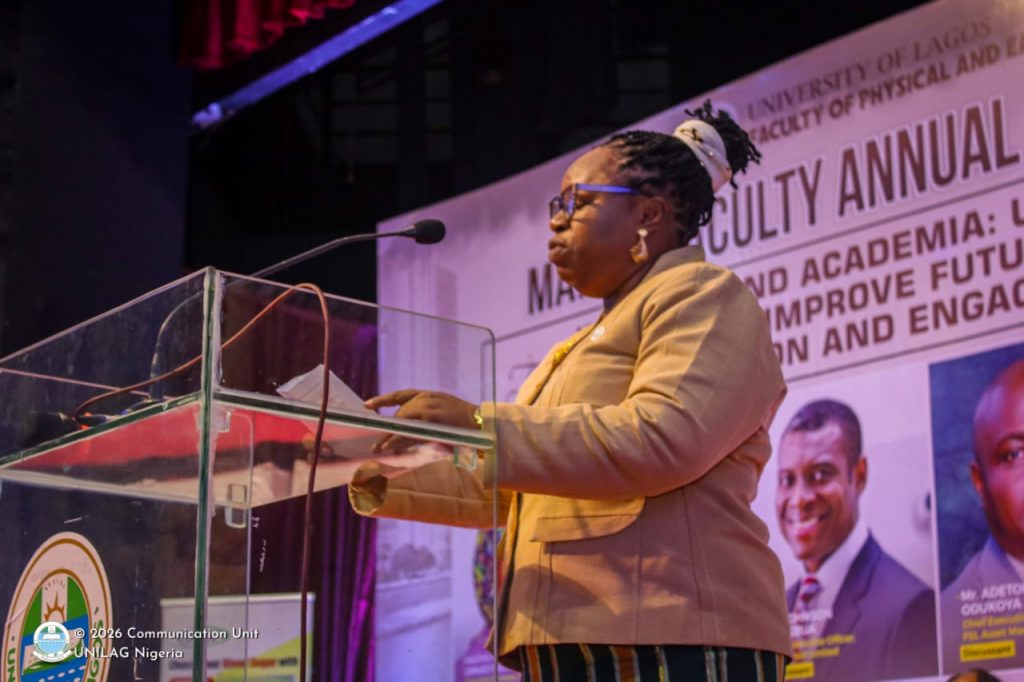
She noted that stronger partnerships between research universities and institutions like the SMDF provide a pathway for translating scientific knowledge into economic value.
In her welcome address, the pioneer Dean of the Faculty of Physical and Earth Sciences, Professor Olayinka Taiwo Asekun, described the lecture as a strategic platform for strengthening academia-industry engagement. She assured participants that the Faculty would actively pursue opportunities under EMERGE.
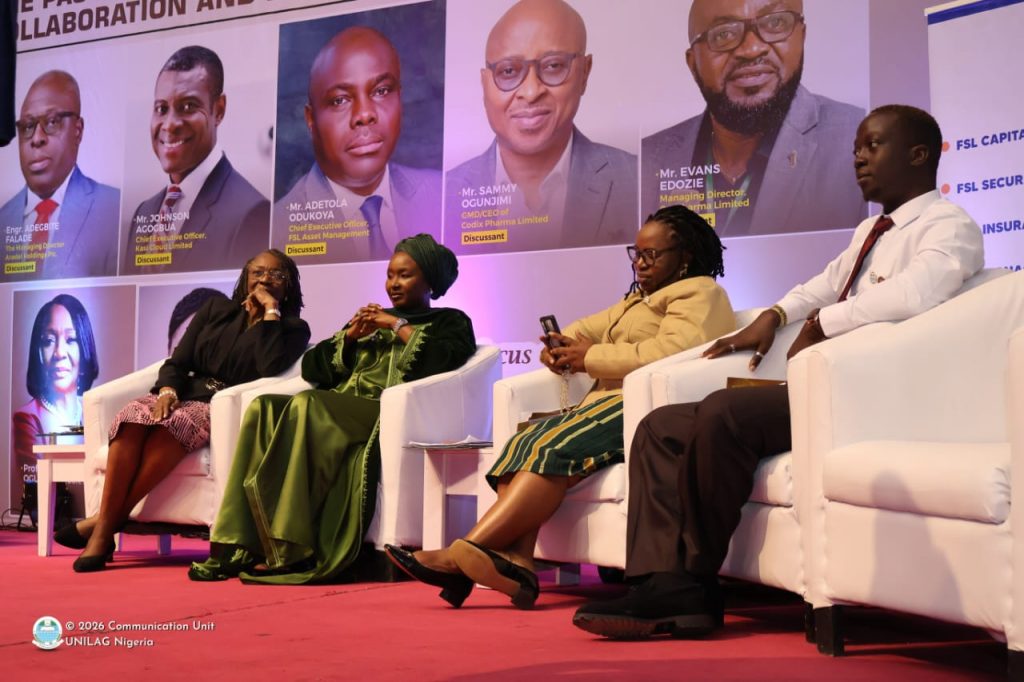
The lecture culminated in a high-level panel discussion on strategies for strengthening innovation, research commercialisation, and university-industry collaboration. Panelists included:

- Mr. Johnson Agogbua, CEO, Kasi Cloud Limited
- Mr. Adetola Odukoya, CEO, FSL Asset Management
- Engr. Adegbite Falade, MD, Aradel Holdings Plc, represented by Mrs. Wuraola Yussuf-Marquis, Senior Reservoir Engineer
- Mr. Sammy Ogunjimi, GMD/CEO, Codix Pharma Limited, represented by Mrs. Mary Ogangwu, Group COO
- Mr. Evans Edozie, MD, Cospharma Limited, represented by Mrs. Vivian Akinyosoye, Programmes Director, Y.E.S. Africa Foundation
The panel advocated stronger frameworks for research commercialisation, expanded internships and mentorship, joint curriculum development, innovation-driven entrepreneurship, and increased private-sector investment in university research.

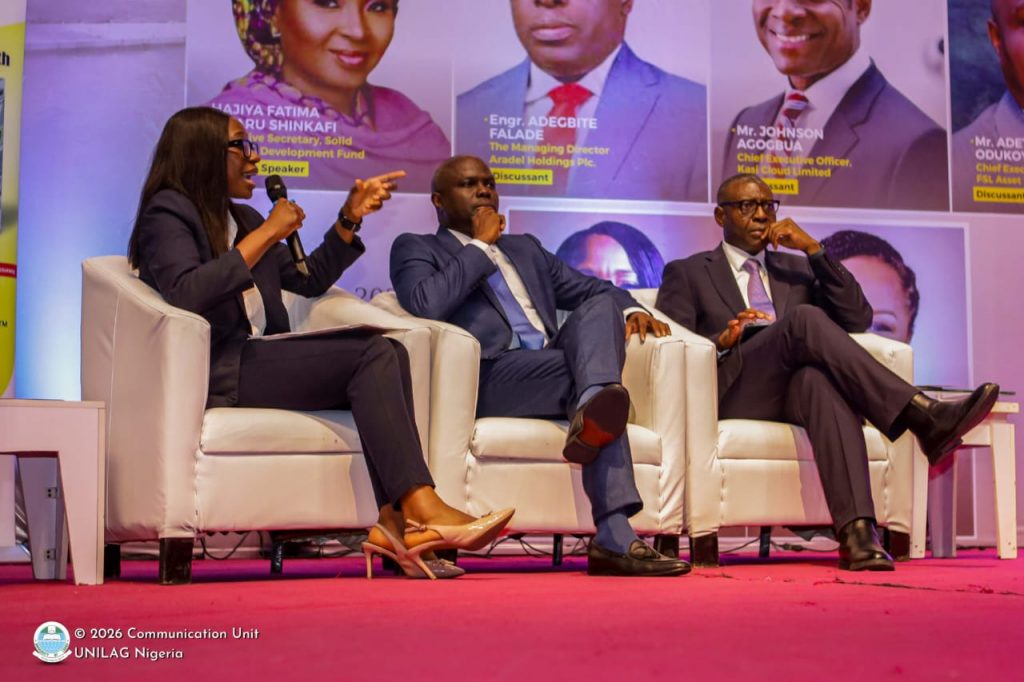
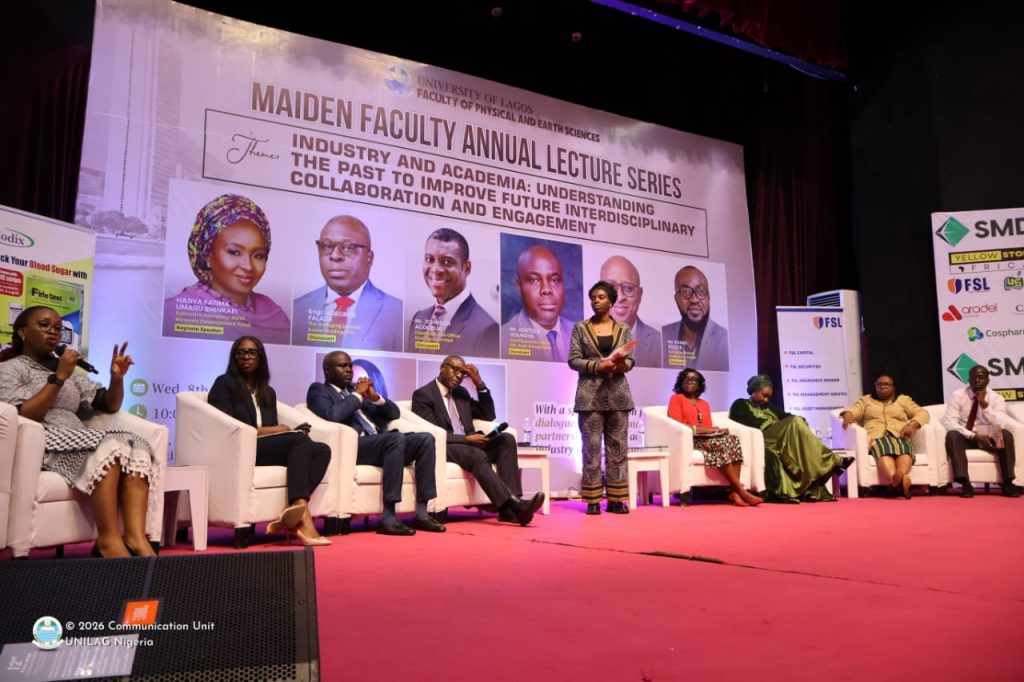
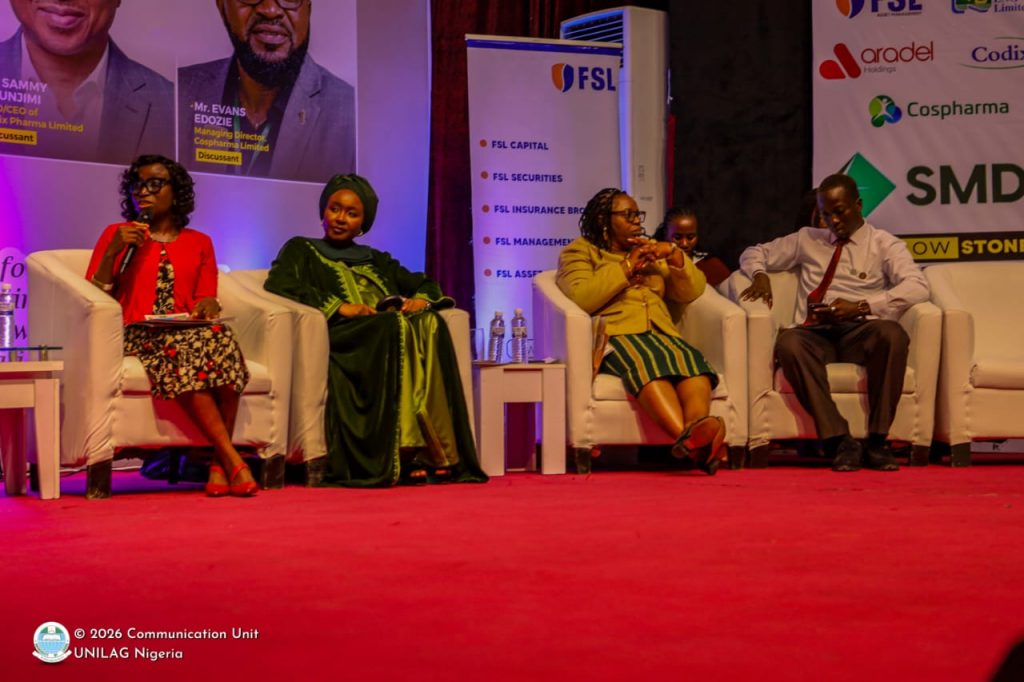
They agreed that universities must become centres for solving real-world industrial challenges and producing solutions that can be translated into viable businesses.
The discussions reinforced the central message of Shinkafi’s keynote: Nigeria’s quest for economic diversification and industrial competitiveness will depend not only on the abundance of mineral resources, but on sustained collaboration among academia, government, and industry to unlock their full value.
Report: Bayo Salau
Photographs: Wale Fagbulu, Samuel Oludare (Student Volunteer), and Tobi Gisanrin (Student Volunteer)
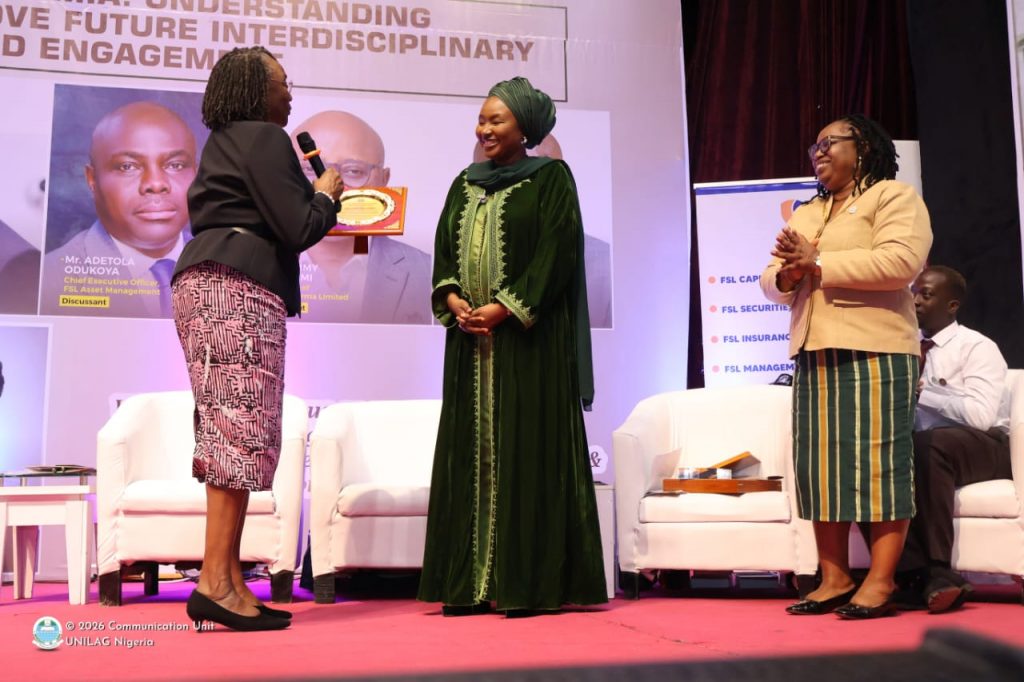
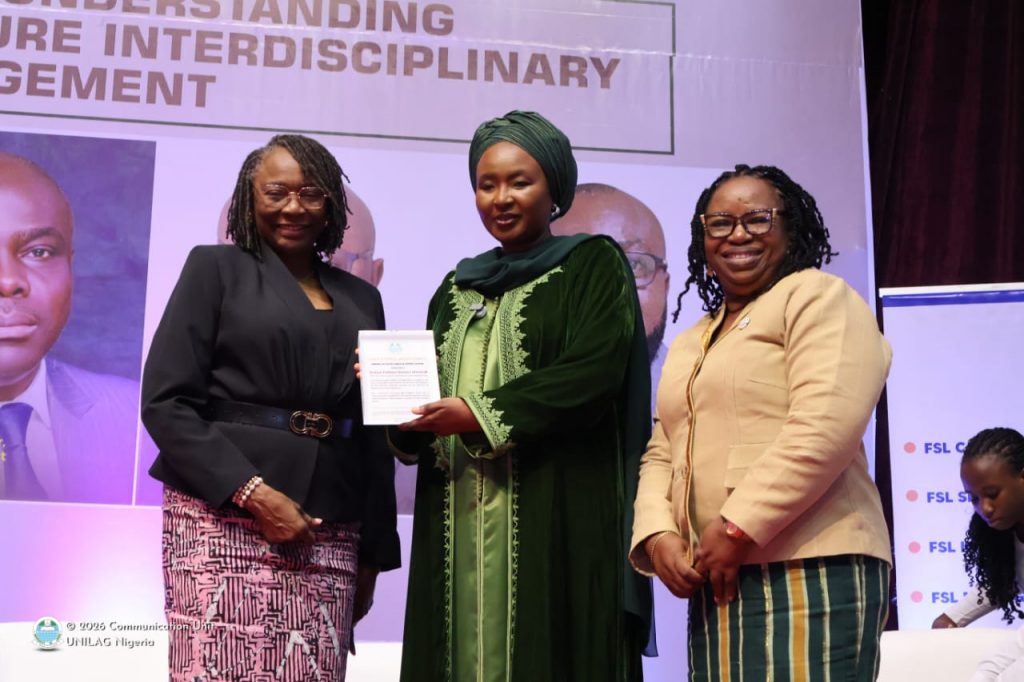
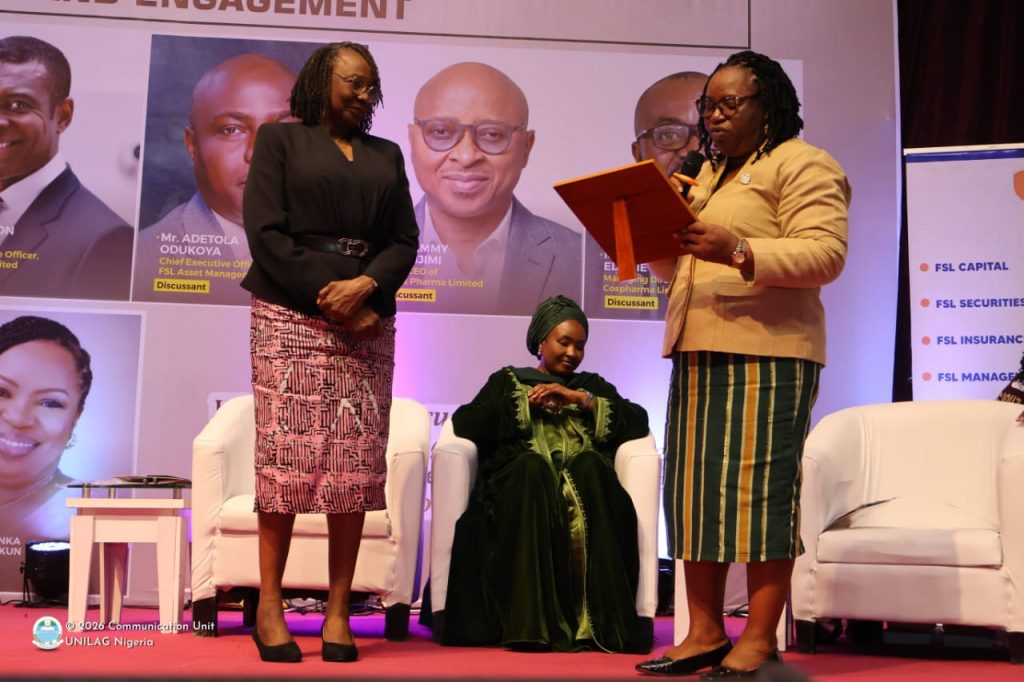
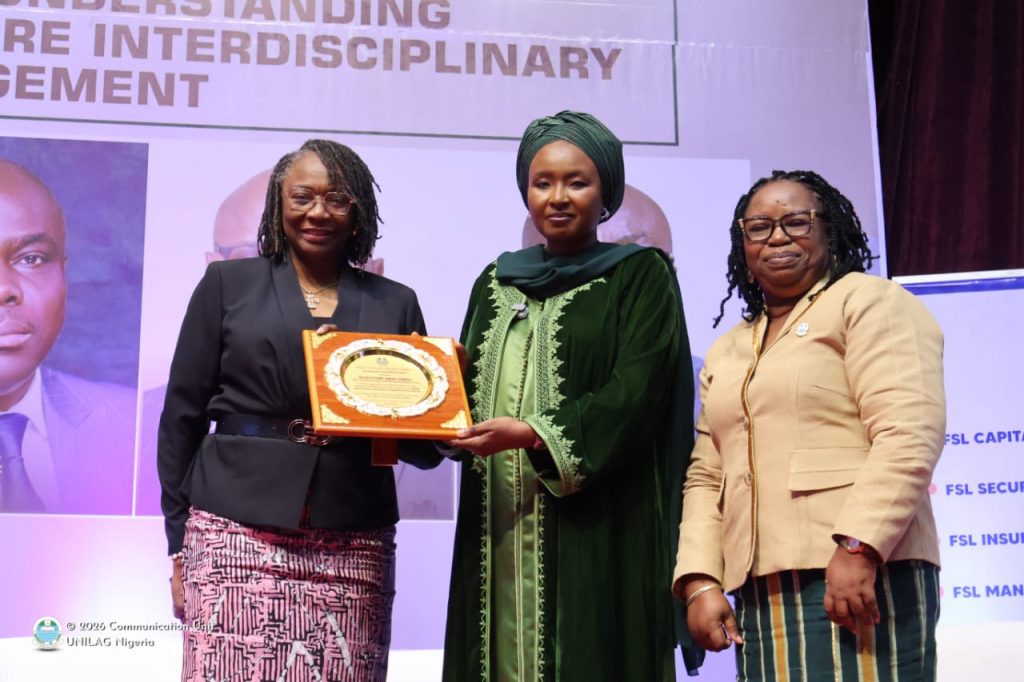
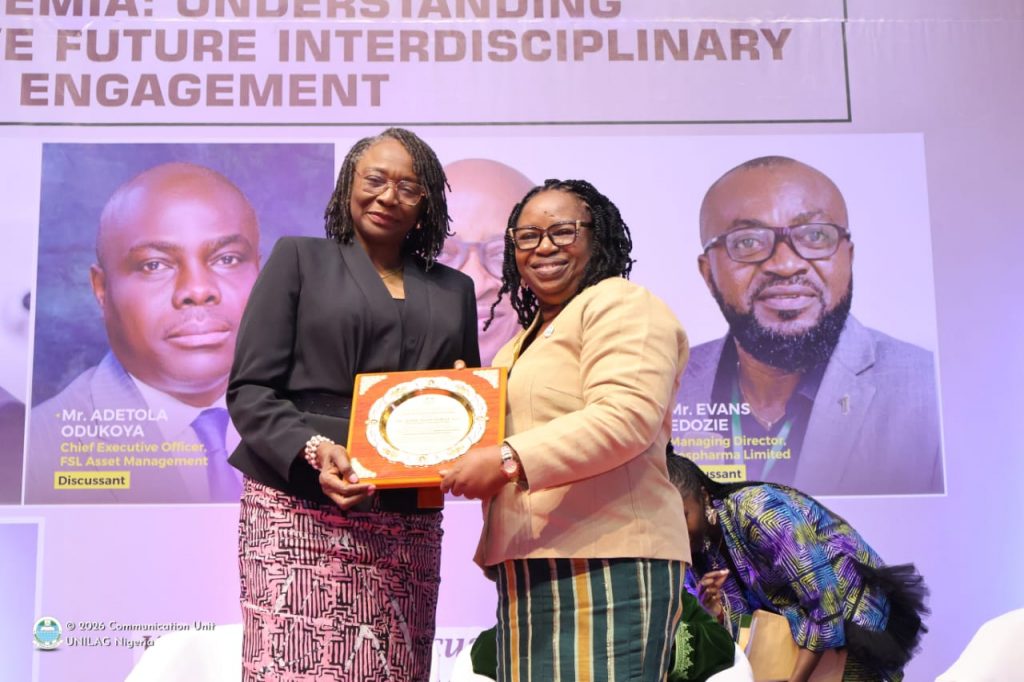


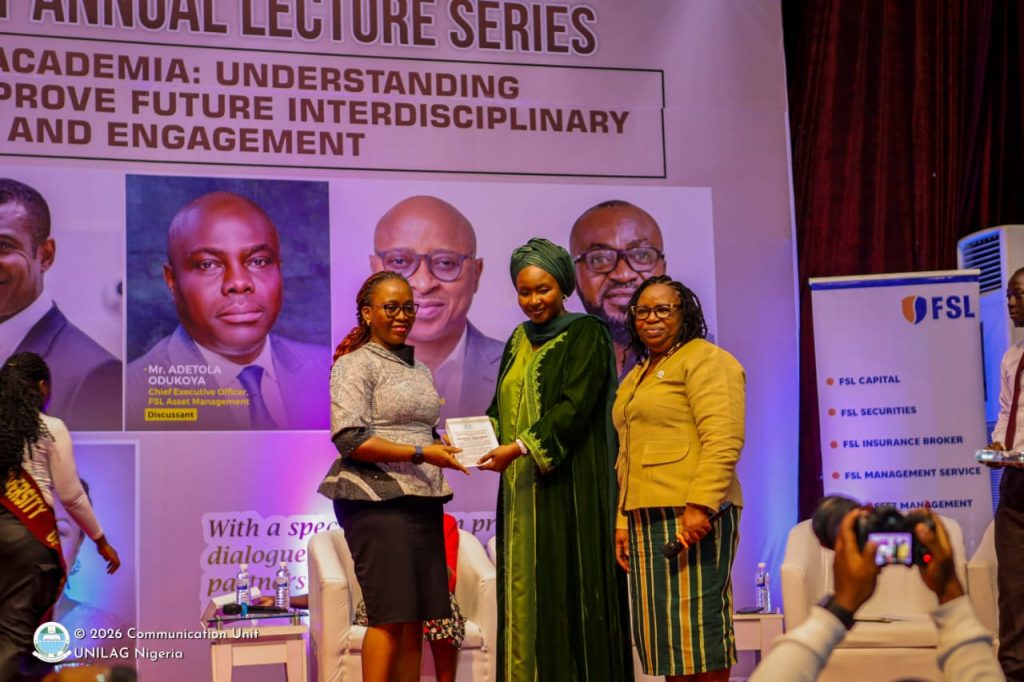

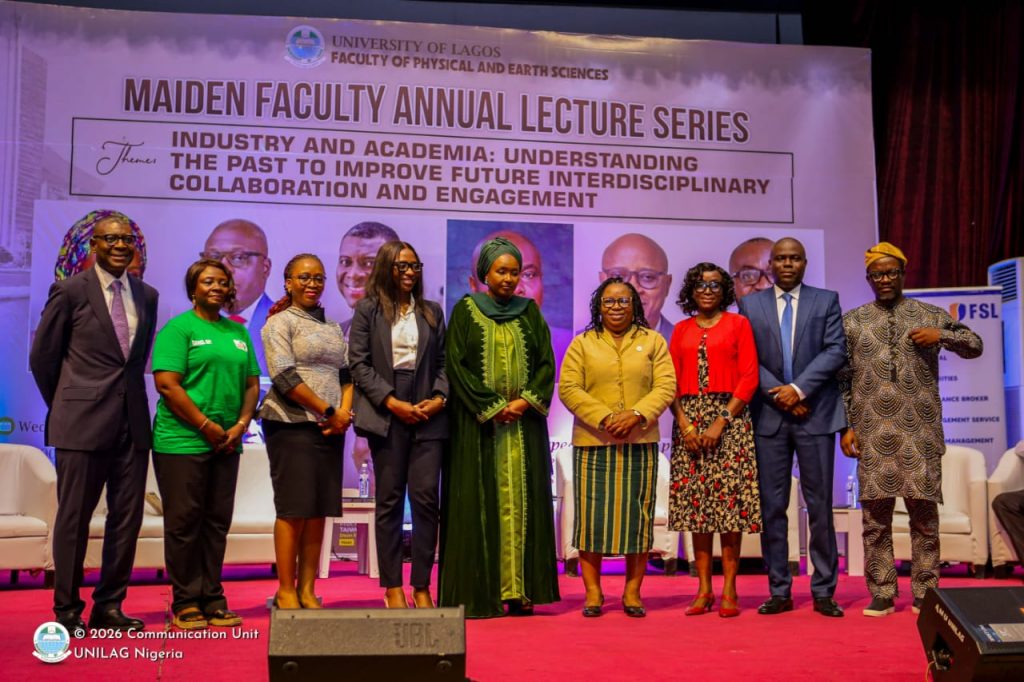
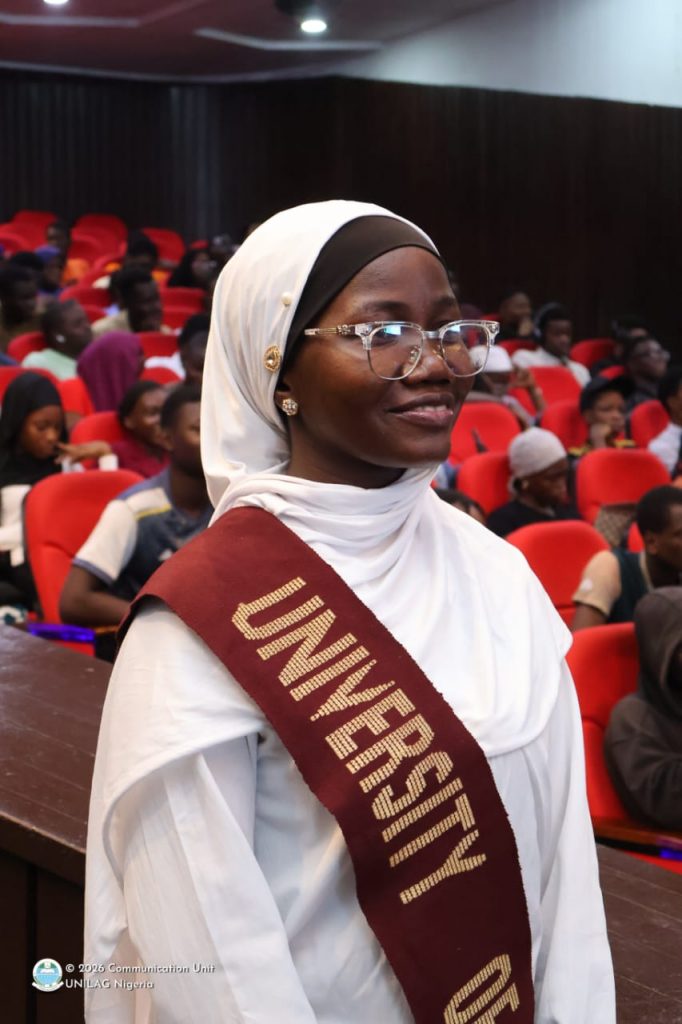
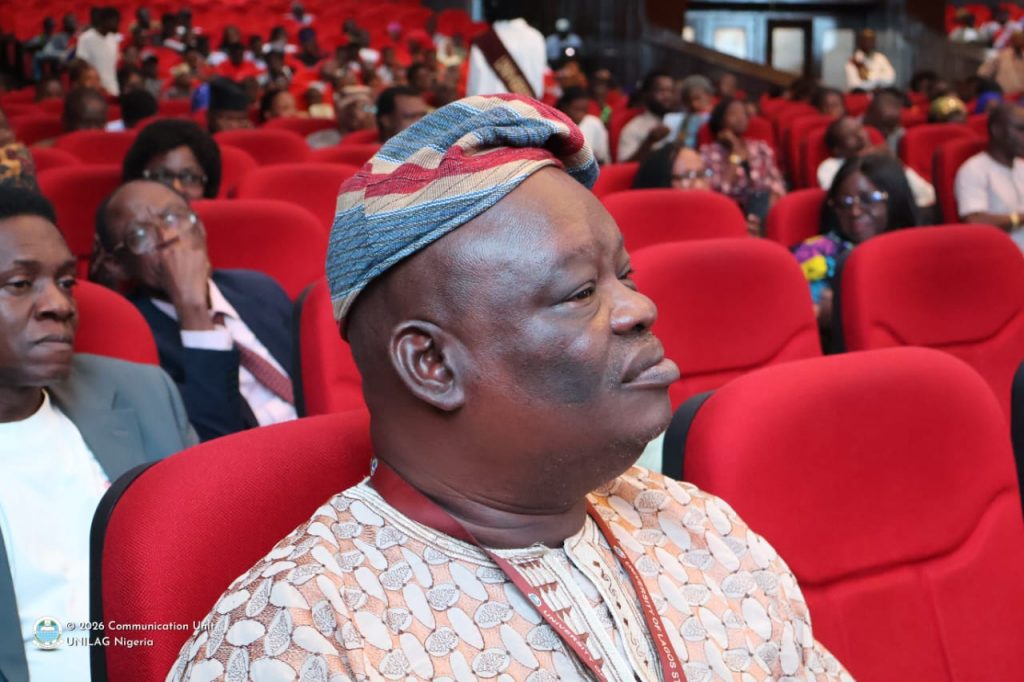


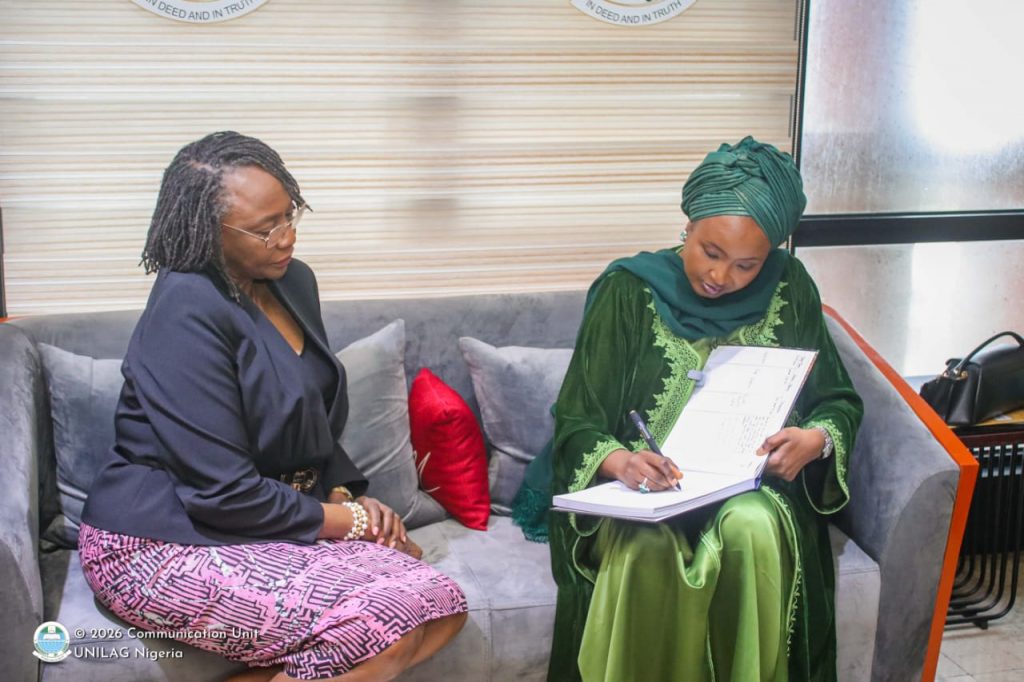
Before the lecture, Hajia Fatima Umaru Shikafi paid a courtesy visit to the Vice-Chancellor, Professor Folasade T. Ogunsola, OON, FAS, where both leaders held a warm and engaging conversation on Nigeria’s economic future, innovation, and the expanding role of artificial intelligence in shaping national development.
The insightful exchange underscored the need for bold thinking, stronger partnerships, and a forward-looking approach to preparing institutions and young people for the opportunities of a rapidly evolving world.