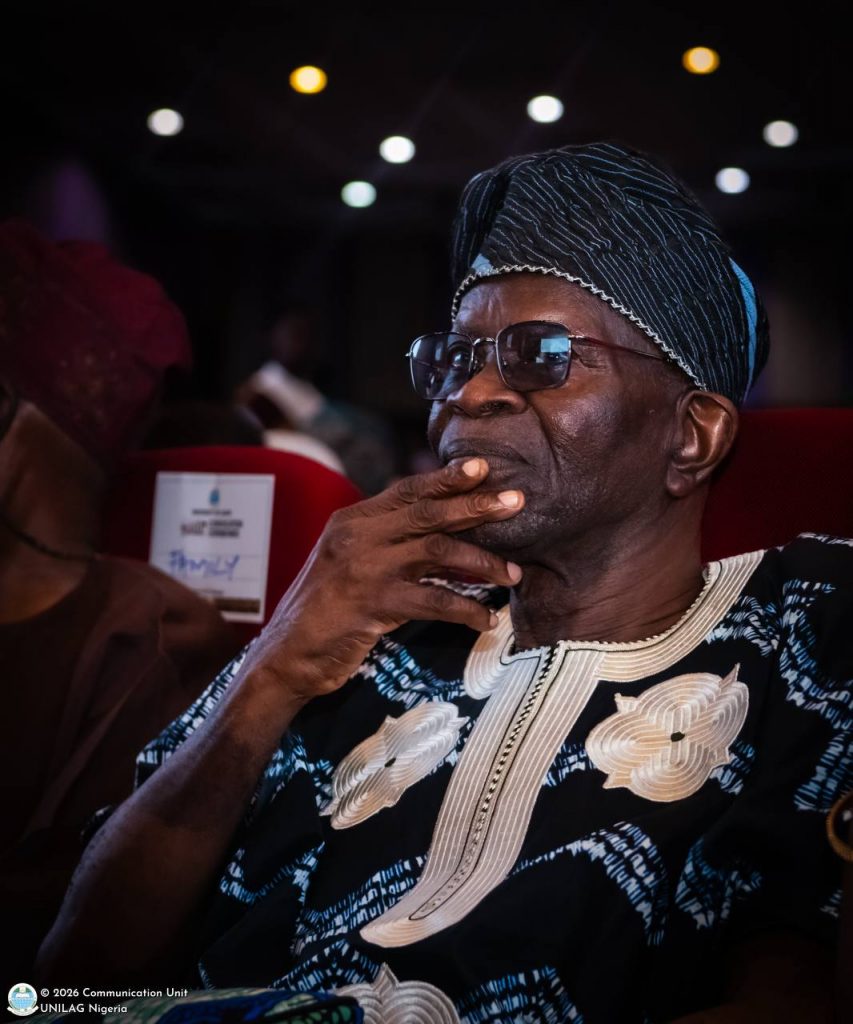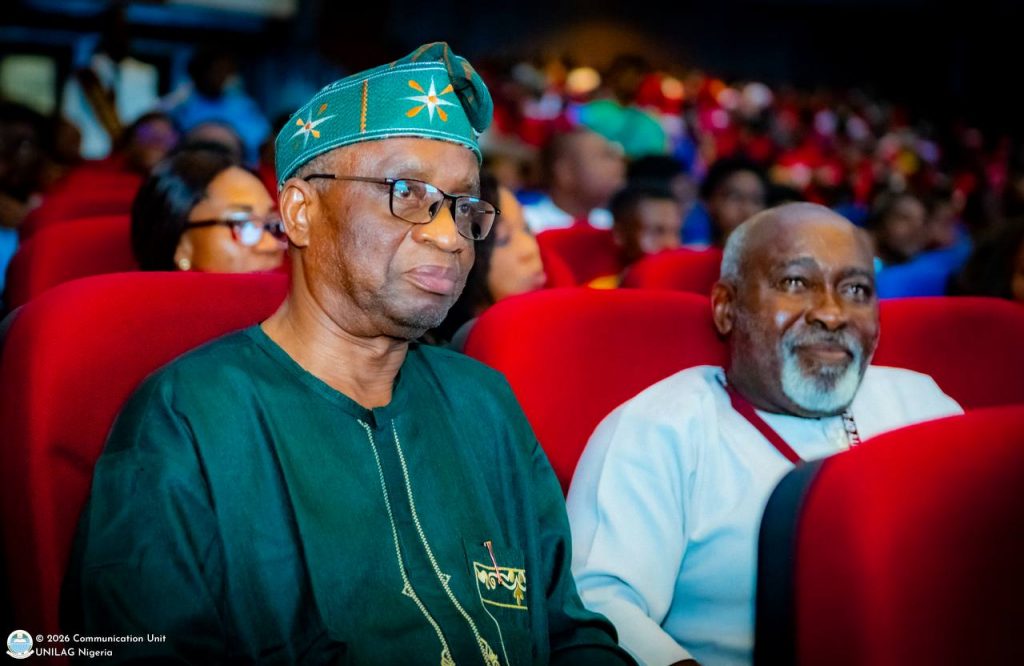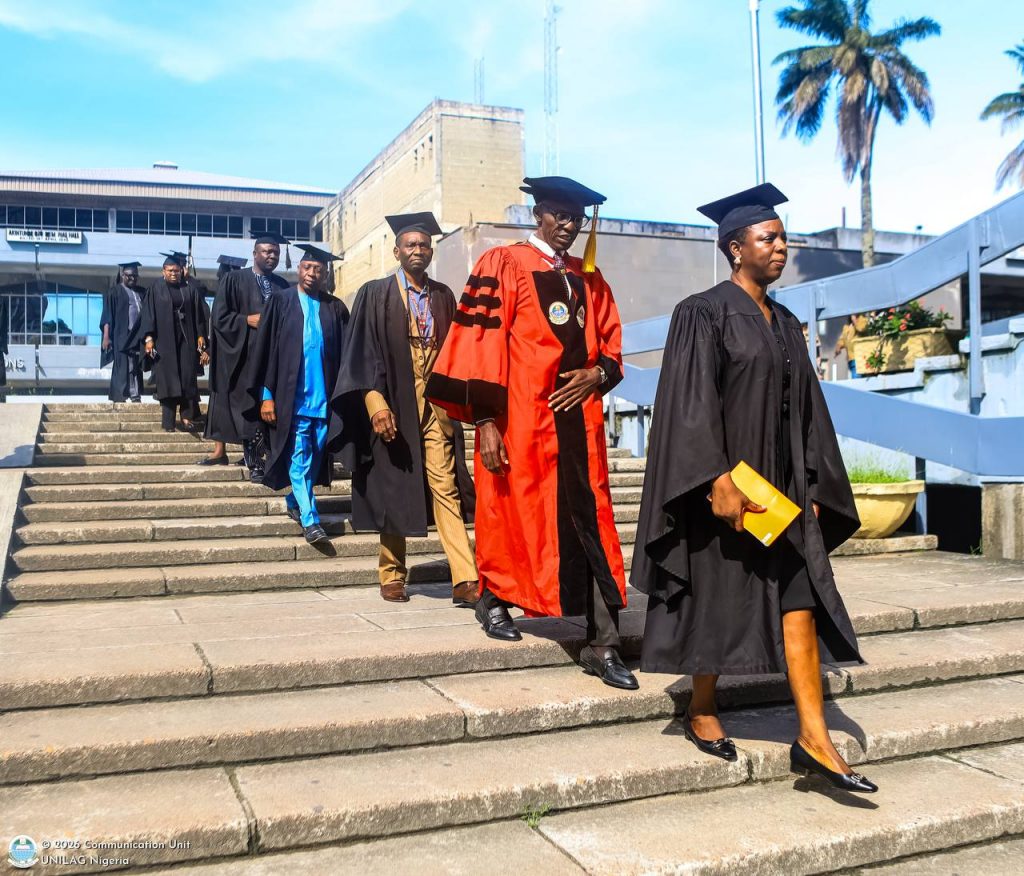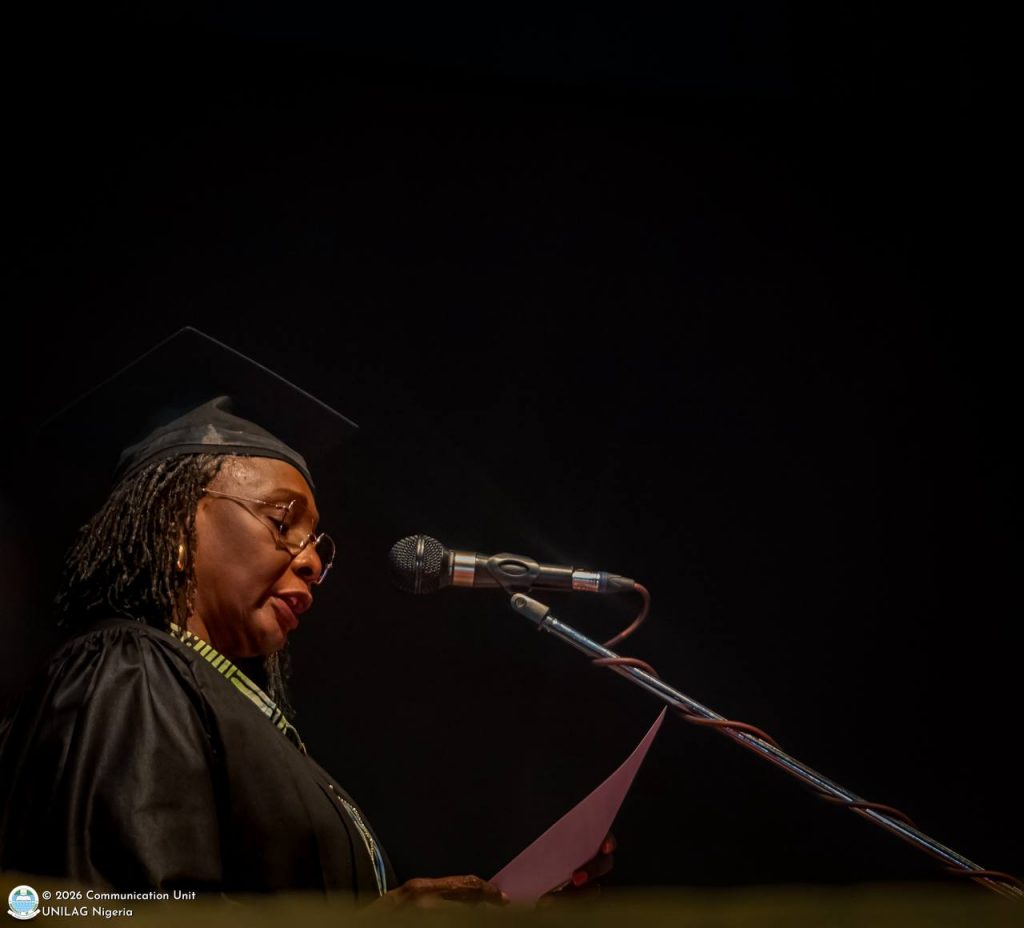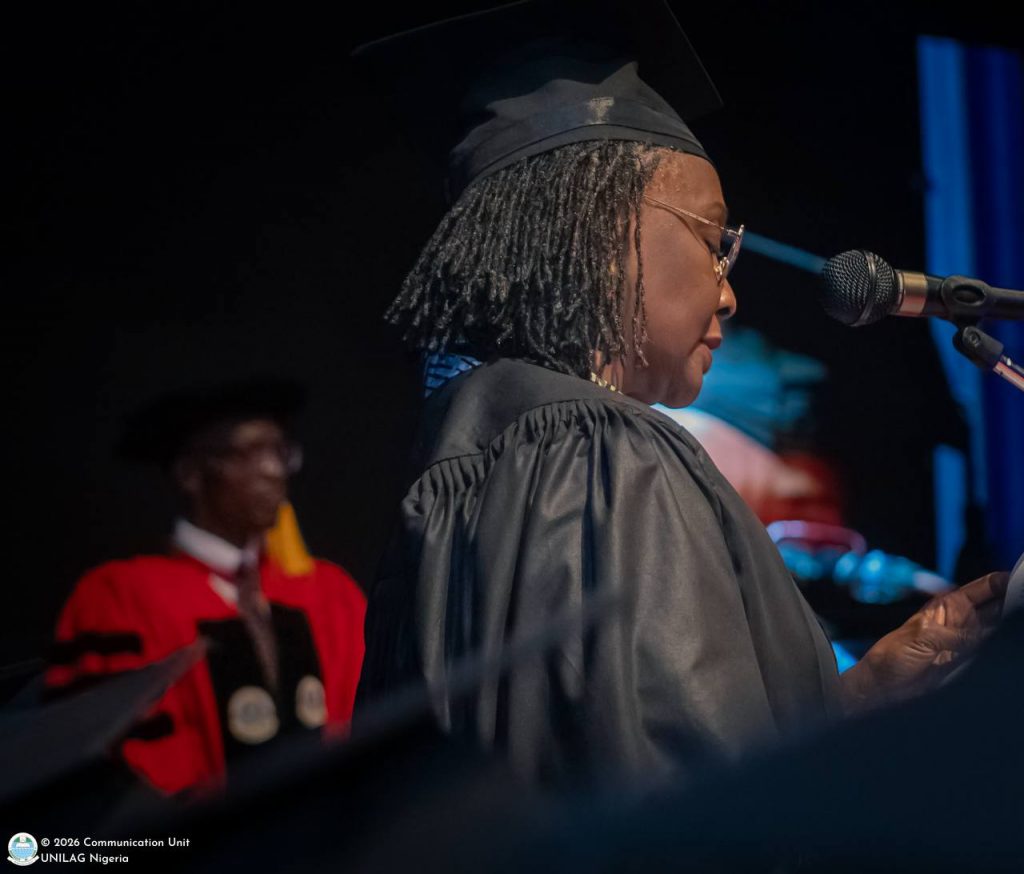
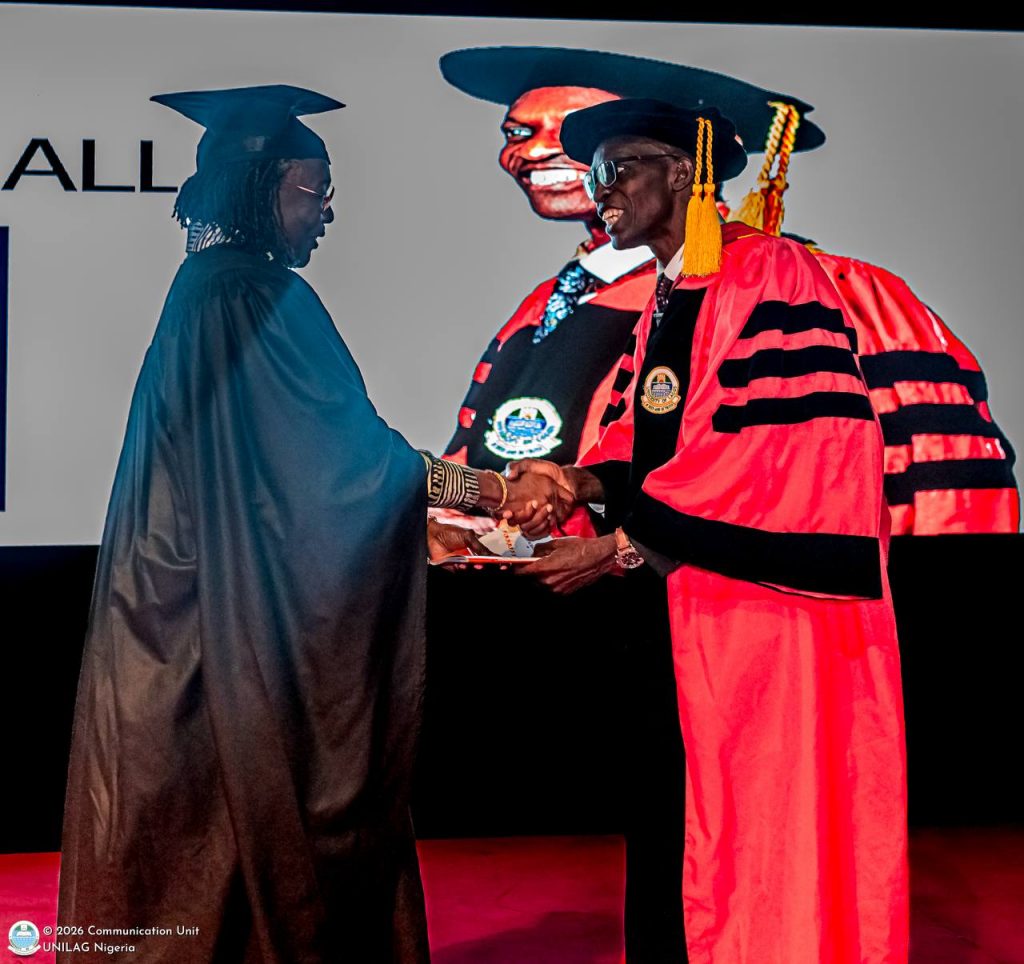
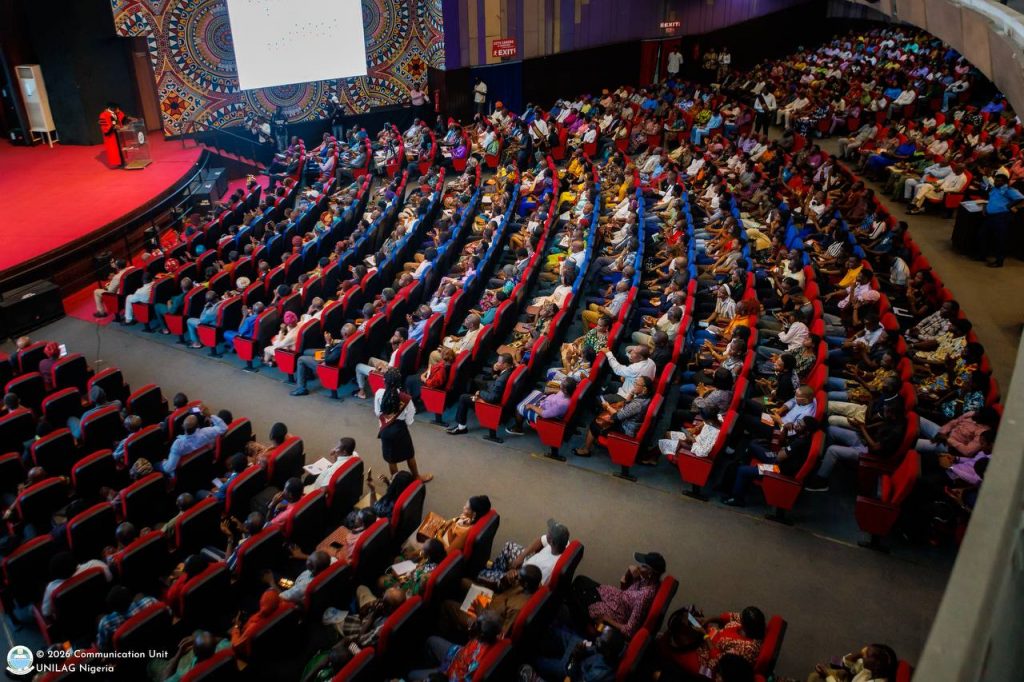
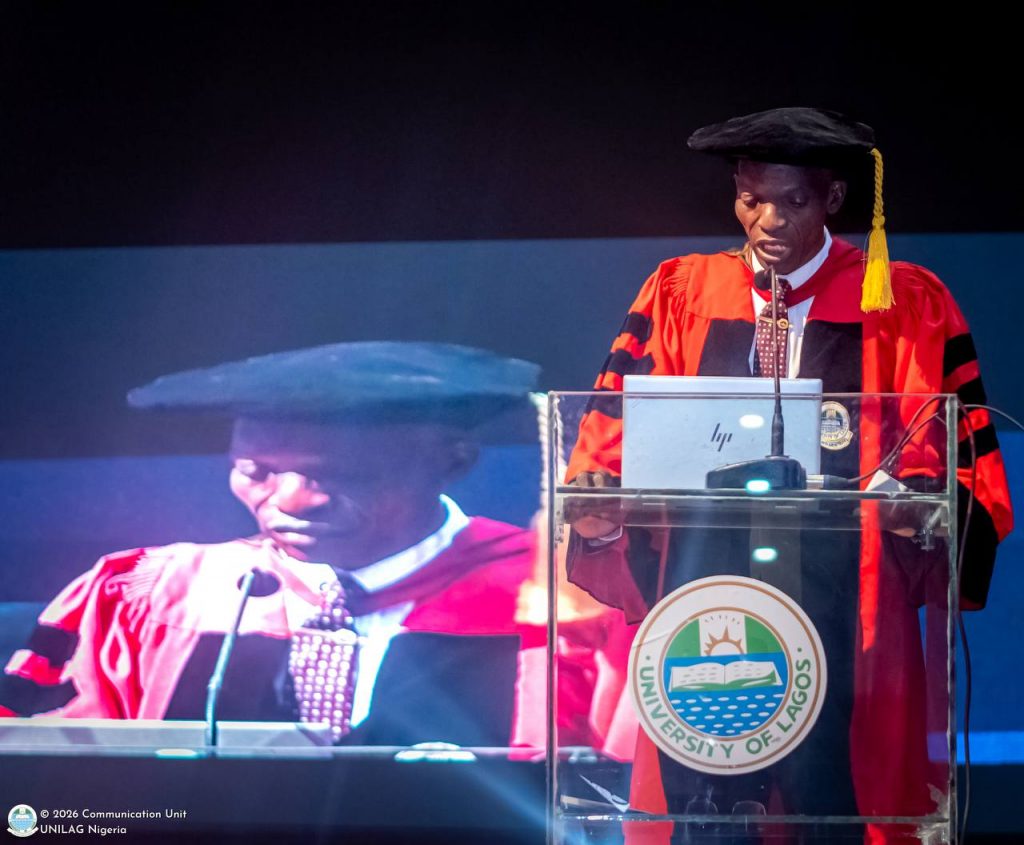
The need for reliable electricity through renewable and sustainable energy solutions took centre stage at the 460th Inaugural Lecture of the University of Lagos (UNILAG). The lecture was delivered by Professor Peter Olabisi Oluseyi, of the Department of Electrical and Electronics Engineering, Faculty of Engineering at the at the J. F. Ade. Ajayi (Main) Auditorium.
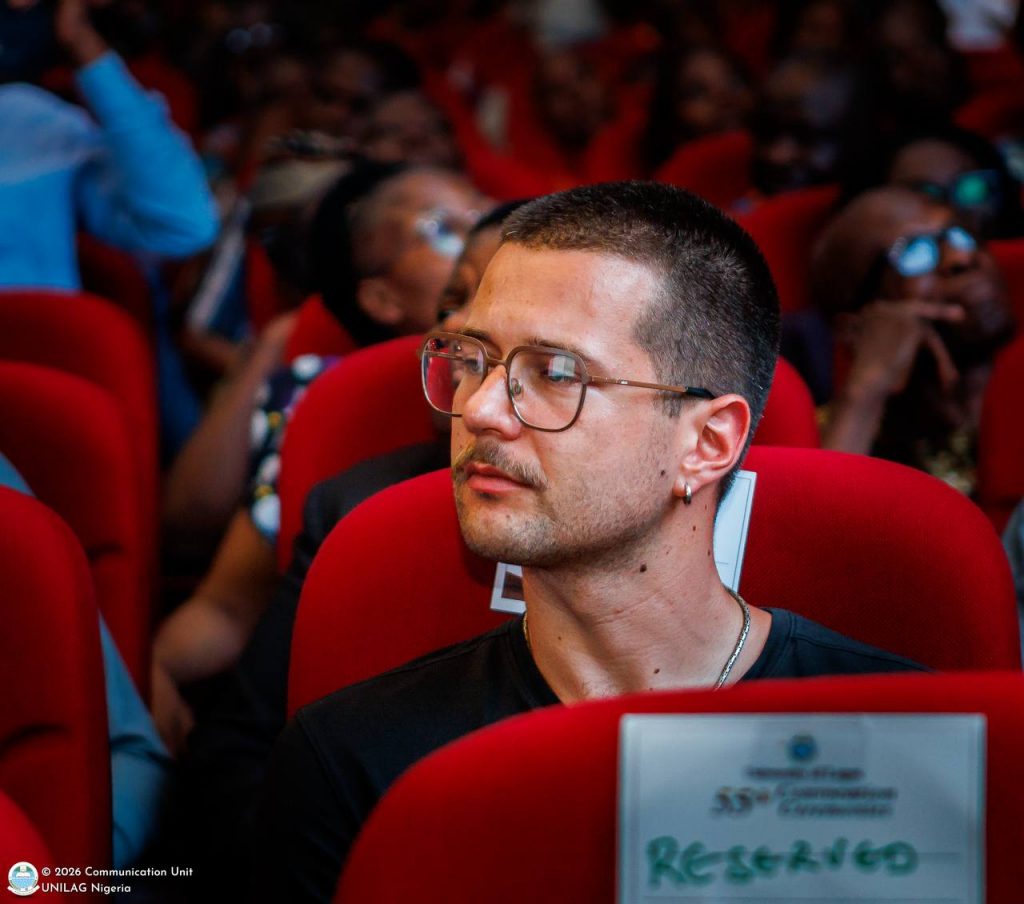
Delivered before a distinguished audience of academics, professionals, students, family members, and religious associates, the lecture addressed one of the most pressing challenges confronting both the University and the nation — rising electricity costs and the urgent need for sustainable alternatives.
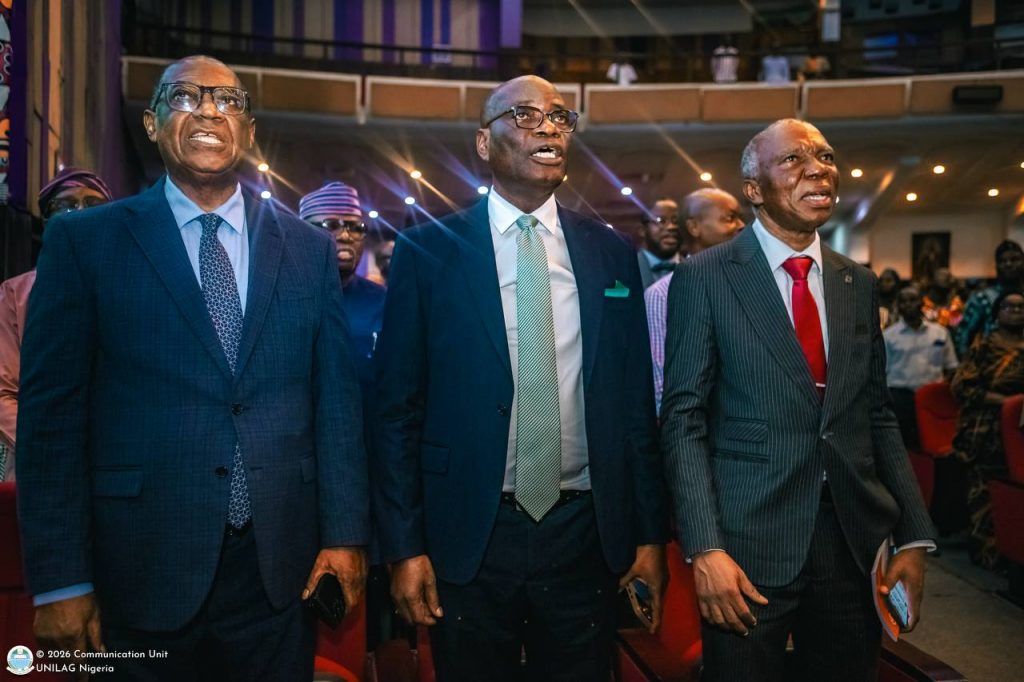
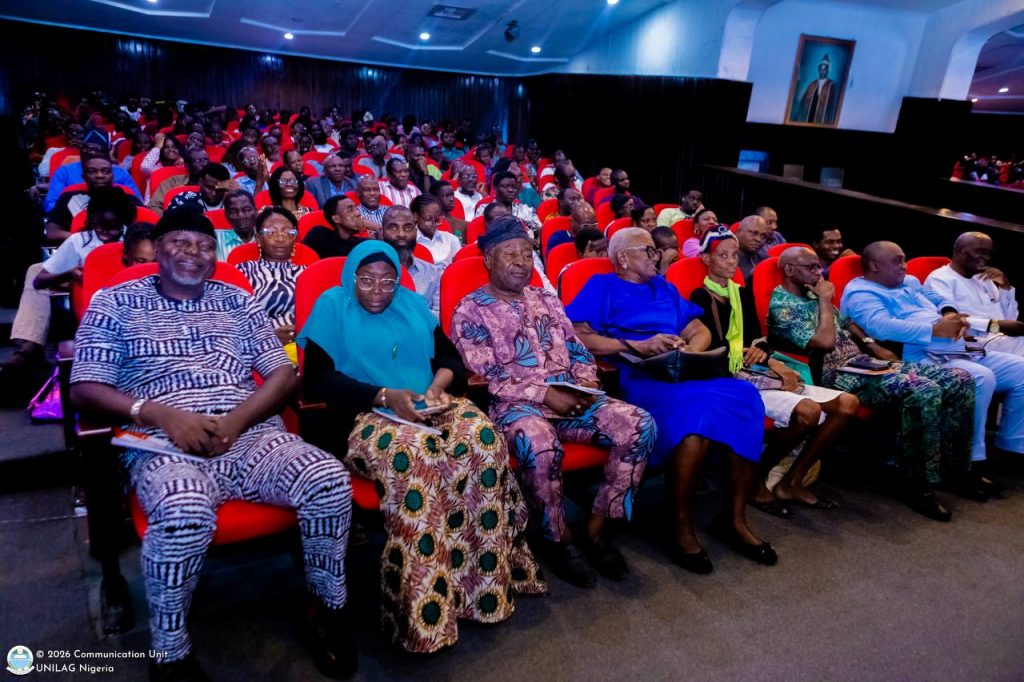

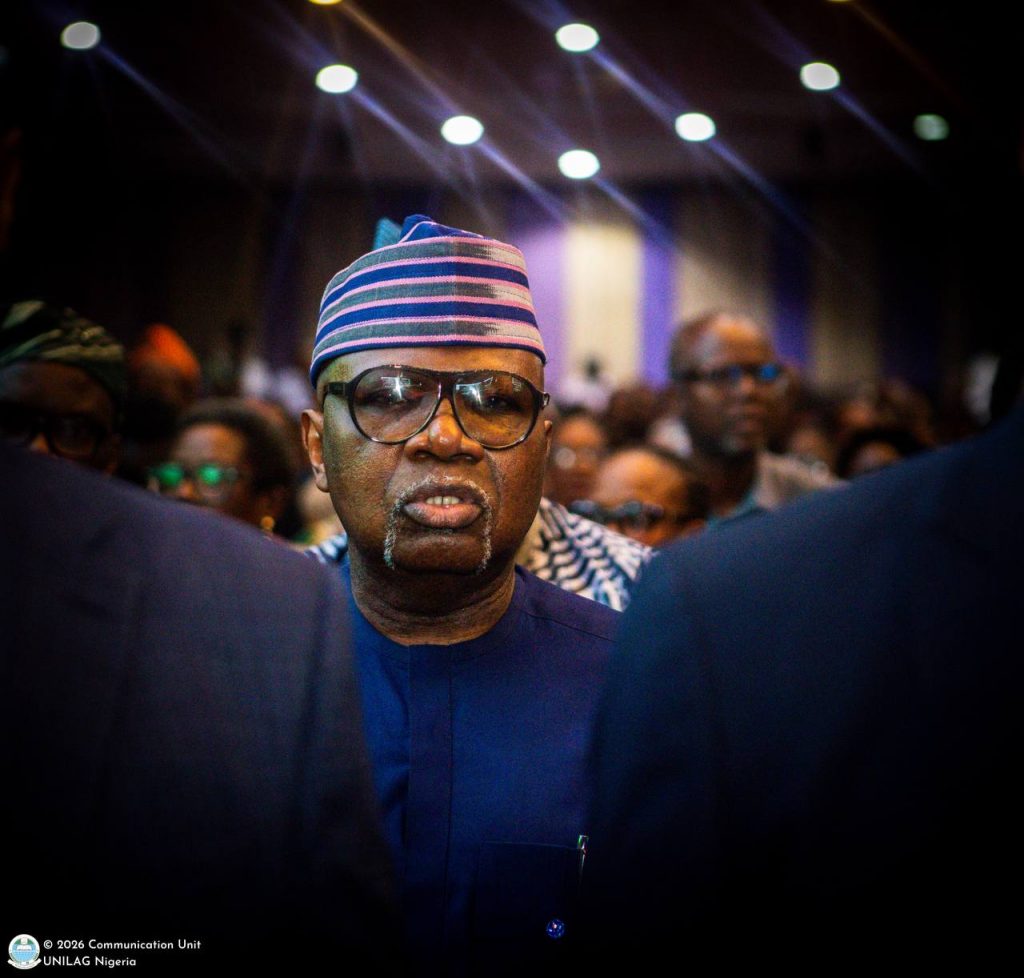
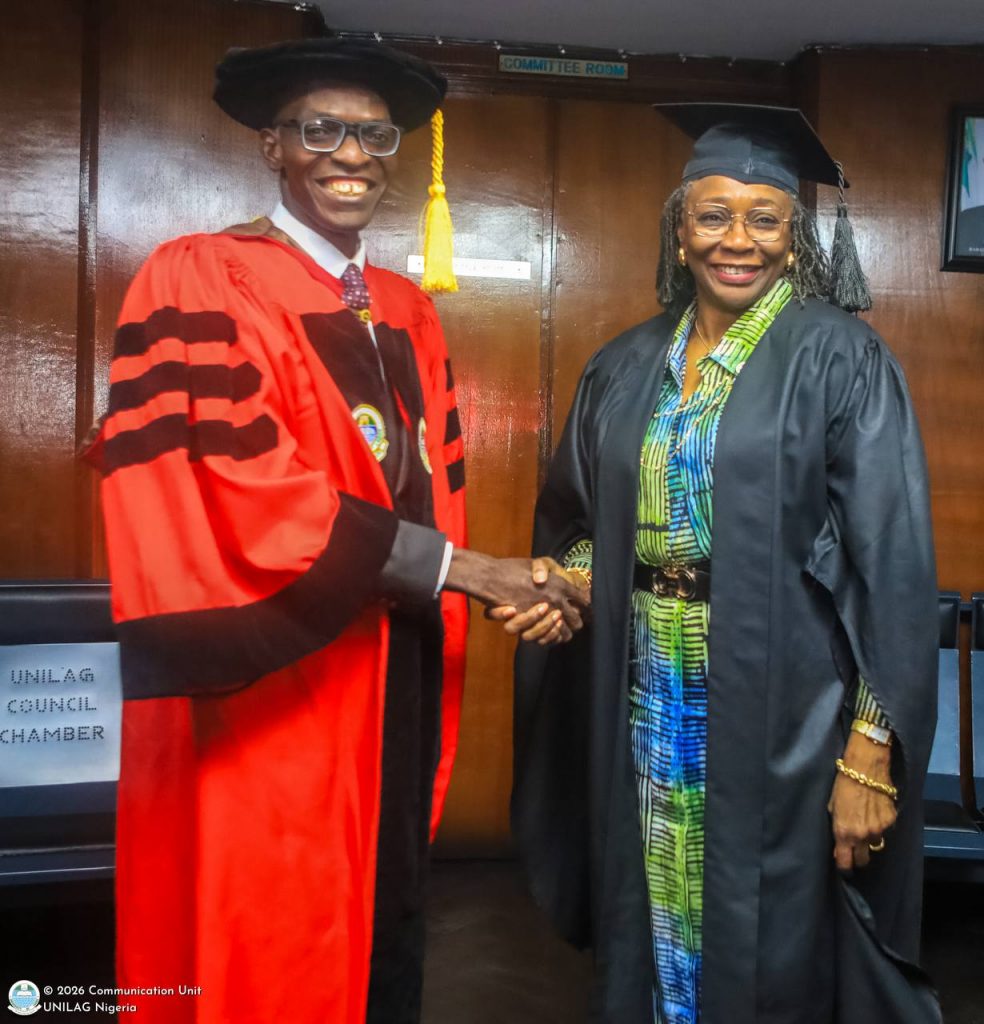
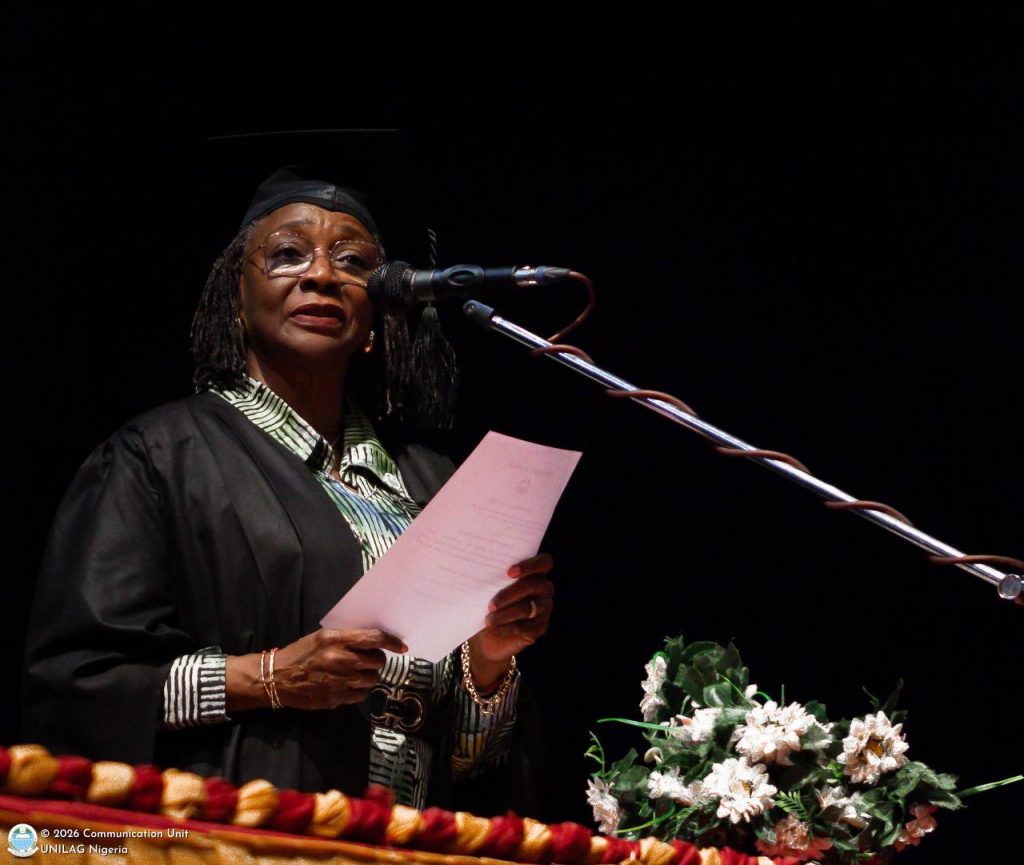
Among dignitaries present were the University’s 12th Vice-Chancellor, Professor Temitayo Ogundipe; Emeritus Professors Duro Oni and Babajide Alo; the lecturer’s wife, Professor Temi Oluseyi; and several other distinguished guests.
“That We May Have Light”
Opening with the biblical declaration in Genesis 1:3, “Let there be light,” Professor Oluseyi described light not merely as physical illumination, but as a symbol of electricity, innovation, productivity, and national development.
According to him, electricity remains one of the greatest drivers of civilisation, powering healthcare, education, communication, transportation, security, and industrial growth.
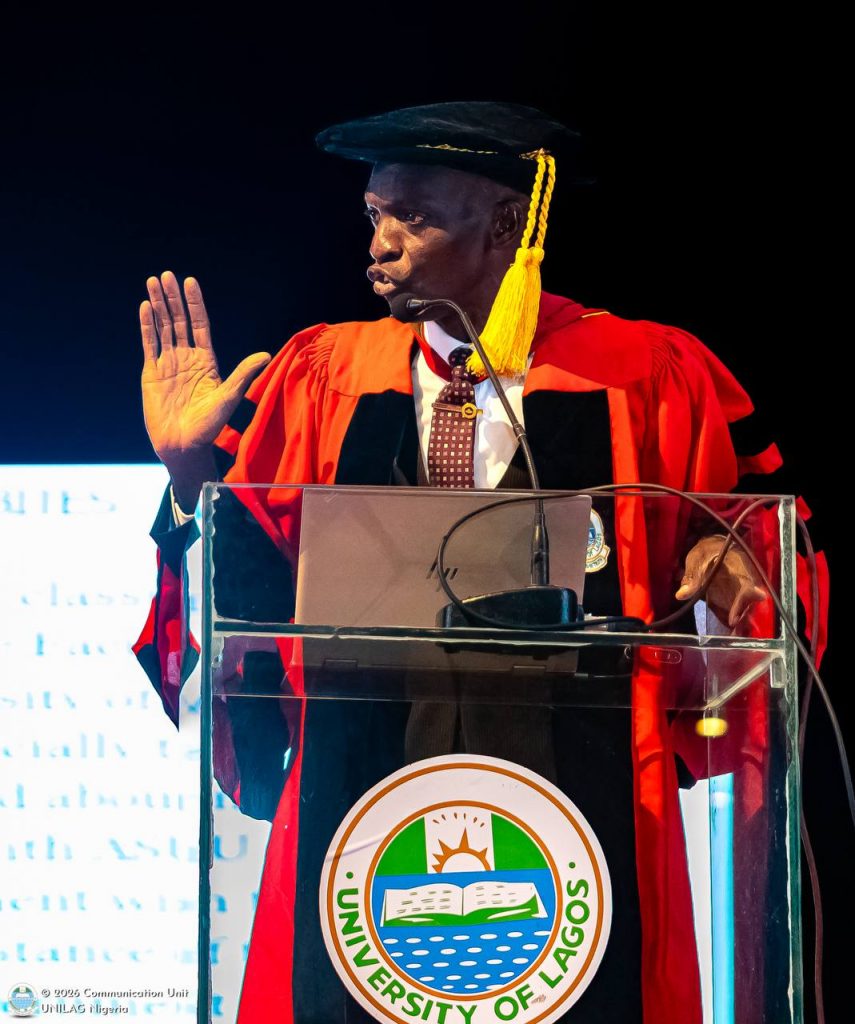
In a lecture that combined historical analysis, technical insight, and practical policy recommendations, Professor Oluseyi traced the evolution of Nigeria’s electricity sector from the colonial era through the Electricity Corporation of Nigeria (ECN), the Niger Dams Authority (NDA), the National Electric Power Authority (NEPA), and the post-privatisation period.
Despite decades of reforms, he noted that Nigeria still grapples with unstable electricity supply, frequent grid collapses, inadequate infrastructure, and poor system resilience.
The Professor of Electrical Power and Energy Systems Engineering argued that national conversations on electricity have focused excessively on power generation while neglecting system protection, resilience, and sustainability.
According to him, increased power generation alone cannot guarantee stable supply if networks remain vulnerable to faults, overloads, and infrastructure failures.
Drawing from years of research and professional experience, Professor Oluseyi explained that his work has focused on developing resilient and sustainable power systems suitable for developing economies such as Nigeria.
Rising Electricity Costs and the Need for Alternatives
Professor Oluseyi also highlighted the growing financial burden of electricity costs on the University. He noted that over the years, the University has committed significant resources to powering academic activities, laboratories, administrative operations, hostels, research centres, and other essential services across the campus.
According to him, rising energy costs now constitute a major challenge to institutional sustainability at a time when universities are already contending with inflation, infrastructure demands, and funding limitations.
He warned that continued dependence on conventional electricity sources without strategic intervention could further increase operational costs in the coming years.
A Rooftop Solar Initiative for UNILAG
One of the major highlights of the lecture was Professor Oluseyi’s proposal for a rooftop solar energy initiative across major buildings on campus.
In the absence of a dedicated solar farm, he proposed the conversion of strategic rooftops into solar energy hubs capable of supplementing electricity supply and reducing dependence on the national grid.
Buildings identified for potential deployment include the Senate House, the J. F. Ade-Ajayi Auditorium, and other large structures with expansive rooftop capacity suitable for solar installations.
According to him, the initiative would not only reduce electricity costs over time but also position the University as a model for renewable energy innovation and sustainability.
He stressed that universities must evolve beyond traditional teaching and research functions to become centres of practical innovation capable of providing solutions to societal challenges.
The proposed solar initiative, he added, offers an opportunity for the University to integrate research, engineering innovation, sustainability, and cost-saving measures in ways that directly support institutional development.
The Scholar Behind the Lecture
Professor Peter Olabisi Oluseyi was born on Sunday, November 6, 1966, in Iponda-Ilesa, a community in Ijesha Land, Osun State, Nigeria. After completing his primary education, he attended Ilase Community High School, Ilase-Ilesa, where he obtained the West African School Certificate in 1985.
Thereafter, he proceeded to the University of Nigeria, Nsukka, where he earned a Bachelor of Engineering (B.Eng.) degree in Electrical Engineering. Driven by a passion for deeper knowledge and professional excellence, he later obtained both his Master’s and Doctor of Philosophy (Ph.D.) degrees in Electrical and Electronics Engineering from the University of Lagos.
Professor Oluseyi began his academic career at Yaba College of Technology before joining the University of Lagos as an Assistant Lecturer in 2005. Through dedication and scholarly excellence, he rose steadily through the academic ranks: Lecturer II (2009–2012), Lecturer I (2012–2015), Senior Lecturer (2012–2015), Associate Professor (2015–2019), and Professor of Electrical Power and Energy Systems Engineering in 2022.
Over the years, Professor Oluseyi has distinguished himself not only as a teacher and researcher but also as a thoroughbred professional with a deep passion for mentoring young engineers. He has supervised numerous undergraduate and postgraduate students, many of whom are making significant contributions in academia, industry, and society at large.
Professor Oluseyi has also served the University diligently in several administrative capacities, including as the current Head of the Department of Electrical and Electronics Engineering (2025 to date), Deputy Director of the Institute of Maritime Studies (2020–2024), and Sub-Dean of the School of Postgraduate Studies (2017–2019).
He is a prolific researcher with numerous publications in reputable international journals and conference proceedings. He also serves as a reviewer for Elsevier, Springer Nature, Taylor & Francis, IET Renewable Power Generation, and several other international journals.
His research contributions have focused on providing practical and sustainable solutions to energy challenges, particularly within developing economies such as Nigeria. His work in renewable energy systems, power system protection, energy management, grid resilience, and sustainable electricity supply has continued to attract recognition both within and outside Nigeria. He is currently involved in several research projects, including Electricity Distribution Network Resilience Planning for Lagos City and Sustainability Assessment of the Hydropower Potential of UNILAG Lagoon Water for Electricity Generation.
Beyond the University environment, Professor Oluseyi remains actively engaged in professional practice and service. He is a registered Engineer with the Council for the Regulation of Engineering in Nigeria (COREN) and a member of the Nigerian Society of Engineers (NSE).
He serves as an External Examiner to several universities, including the Namibia University of Science and Technology, Windhoek; the University of Ibadan; and the University of Ilorin, among others. He has also served on accreditation panels for both the Council for the Regulation of Engineering in Nigeria (COREN) and the National Universities Commission (NUC), functioning in various capacities as both member and chairman across Nigerian universities. In addition, he serves as an Assessor for the prestigious United Kingdom Research and Innovation (UKRI), contributing to the evaluation of innovative global research projects.
Professor Oluseyi has provided consultancy services and technical expertise to organisations in both the public and private sectors. Currently, he serves as a member of the Technical Committee on Standards Development through the Standards Organisation of Nigeria (SON) and the African Regional Standards Organisation (ARSO), particularly in the areas of solar energy systems, battery technologies, lighting devices, electric motors, and related technologies.
He has equally demonstrated exemplary leadership in faith-based service and community development. He serves as a Pastor in the Redeemed Christian Church of God (RCCG), a part-time Lecturer at the Redeemed Christian Bible College, a Centre Coordinator at the Redeemed International Leadership Academy, the Provincial Representative of the RCCG Research Team, and Chairman of the Redeemer’s School Management Board.
Professor Peter Olabisi Oluseyi is happily married to Professor Temilola Oluseyi, and the marriage is blessed with children.
Report: Bayo Salau
Photographs: Ayo Oloyede
f