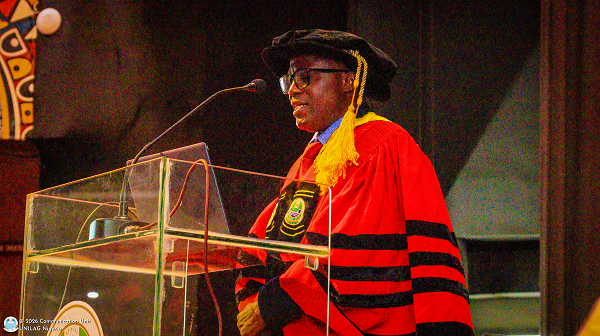
The University of Lagos on Wednesday, April 1, hosted its 10th Inaugural Lecture for the 2025/2026 Academic Session, as Professor Amidu Owolabi Ayeni declared Environmental Geography a decisive force for sustainable development and institutional transformation.
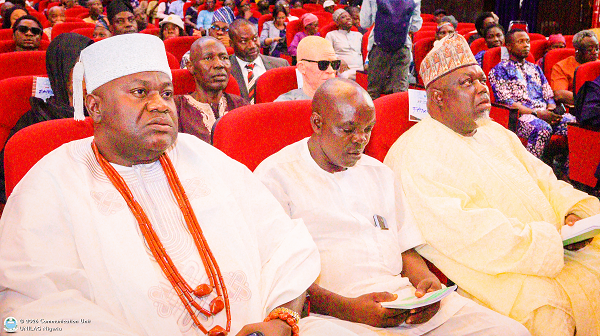
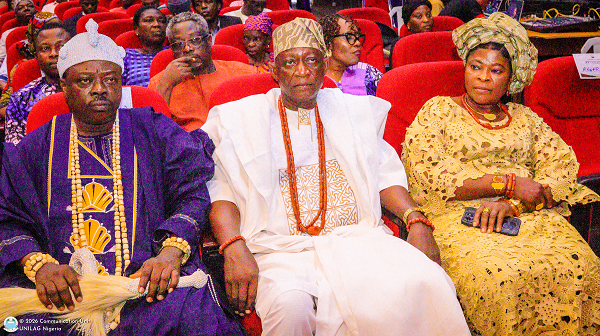
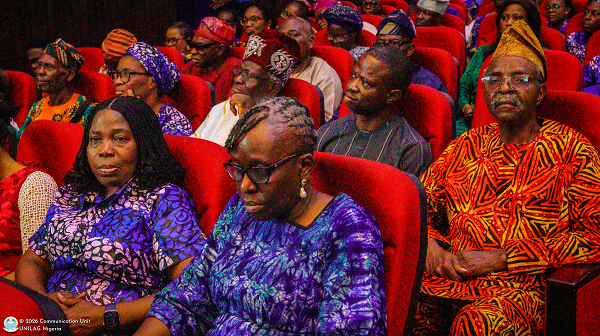
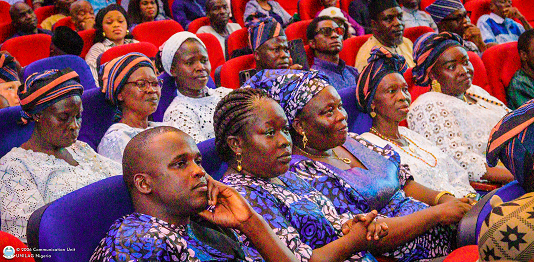
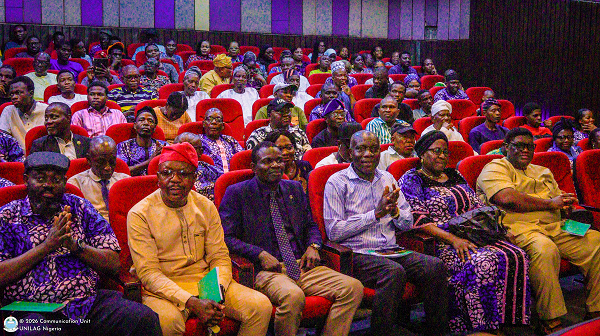
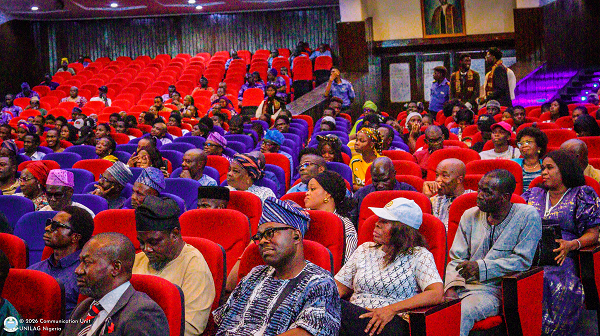
The well-attended event drew an array of distinguished guests, including a former Vice-Chancellor, Professor Oluwatoyin Ogundipe, FAS; immediate past Deputy Vice-Chancellor (Academics & Research), Professor Bola Oboh; royal fathers, members of staff, students, colleagues, and well-wishers, all of whom gathered to celebrate a career devoted to scholarship, service, and environmental stewardship.
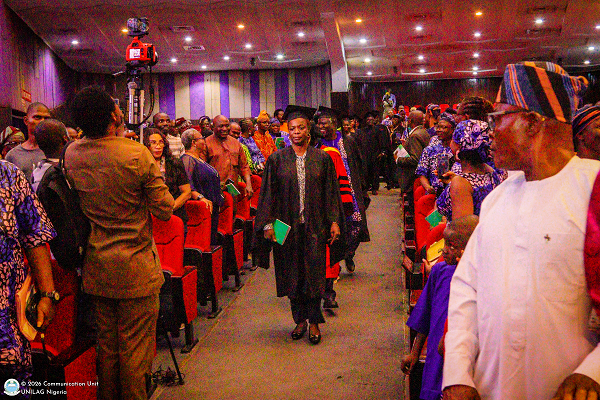
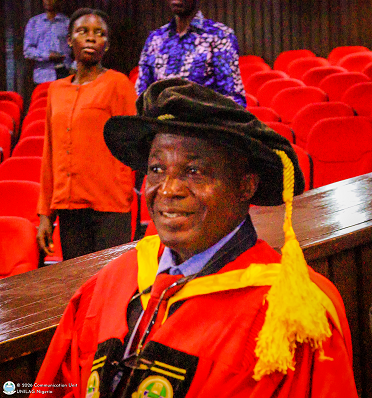
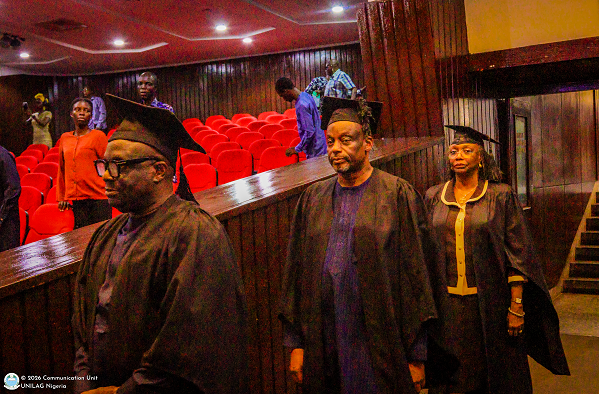
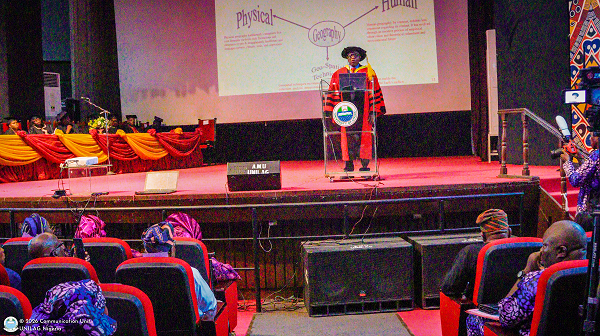
Delivering his lecture titled “Geography, Development and Identity: Where Is the Duplication?” at the J. F. Ade Ajayi Auditorium, the Professor of Environmental Geography argued that Geography is not a redundant discipline but an integrative framework uniquely positioned to address today’s environmental and developmental crises.
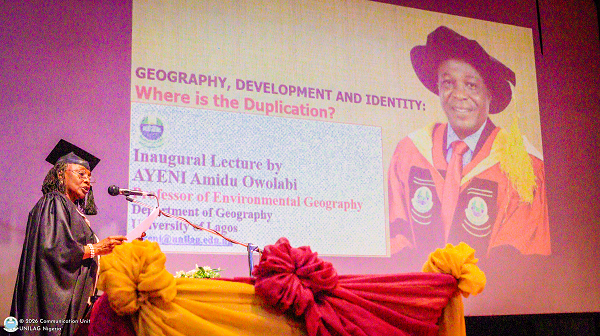
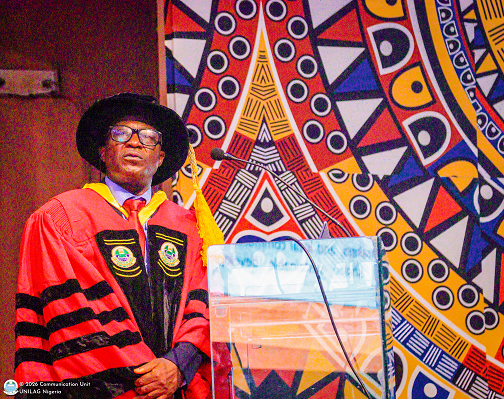
“Environmental Geography is our framework for hope,” he stated. “The future of our societies hinges on our ability to integrate research insights into institutional, educational, and policy frameworks that rethink environmental sustainability.”
Redefining Geography’s Identity
The afternoon did more than honour a distinguished scholar; it reaffirmed Geography’s identity as a discipline central to shaping sustainable futures.
Confronting persistent misconceptions about disciplinary overlap, Professor Ayeni challenged the notion that Geography duplicates the work of other fields. In one of the lecture’s most striking lines, he remarked: “Where your interest as a Medical Microbiologist, Sociologist, or Lawyer stops in the environment, that’s where our interest as Geographers start.”
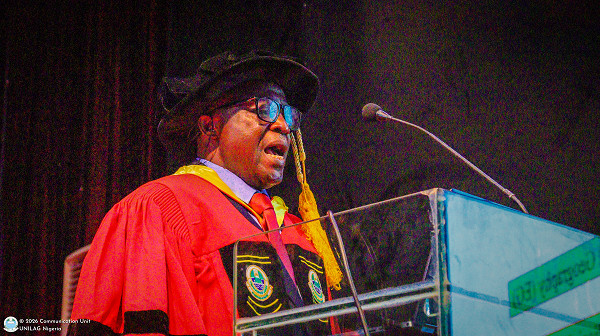
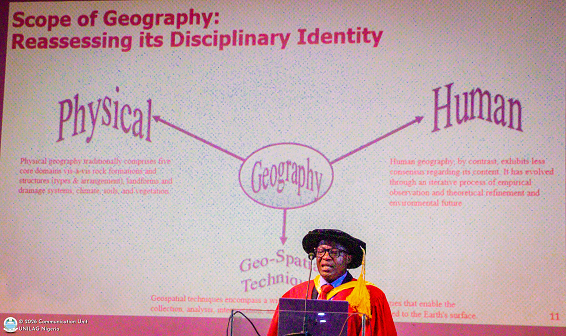
He explained that Geography’s strength lies in its capacity to synthesise spatial, environmental, and human systems. Rather than competing with other disciplines, it integrates their insights within spatial frameworks that guide planning, policy, and sustainable development.
The lecture framed Geography as both multidisciplinary and interdisciplinary, bridging scientific analysis, social inquiry, and policy application to produce actionable solutions in a rapidly urbanising and climate-stressed world.
Five Thematic Contributions
Professor Ayeni organised his scholarly contributions around five interrelated thematic areas: water and resource management; environmental sustainability and ecosystem studies; indigenous knowledge and cultural ecology; climate change and adaptation; and policy, sanitation, geo-information sciences, and cross-sectoral urban issues.
In water and resource management, his research interrogates water security, quality, and access inequities, particularly among marginalised populations in urban and climate-vulnerable environments. By combining hydrological science, Geographic Information Systems (GIS), and social analysis, his work maps freshwater vulnerability and provides evidence for inclusive water governance and coordinated infrastructure investments across Nigeria’s hydrological landscapes.


On environmental sustainability and ecosystem studies, Professor Ayeni highlighted the interconnections among land use change, biodiversity conservation, and pollution. Using remote sensing, spatial analysis, and ecological assessment, his studies generate practical insights into how environmental shifts reshape livelihoods and community resilience.
Bridging Indigenous and Scientific Knowledge
A significant portion of the lecture focused on Indigenous Knowledge Systems (IKS), which Professor Ayeni described as “dynamic functional frameworks for sustainability rather than static cultural relics.”
He argued that integrating indigenous knowledge with formal scientific systems enhances adaptive capacity, particularly in climate-sensitive sectors such as agriculture and water management. His research consistently challenges the false dichotomy between traditional and scientific knowledge, advocating instead for pluralistic knowledge systems that strengthen resilience and improve policy outcomes.
Climate, Adaptation and Governance
Professor Ayeni’s climate change scholarship examines the nexus between climate variability, human adaptation, and local ecological knowledge in West Africa. By combining scientific data with environmental perceptions at the community level, his work contributes to resilience-building strategies, equitable climate governance, and context-specific adaptation planning at both local and national scales.
Across his research trajectory runs a consistent methodological thread: empirical rigour, spatial precision, participatory engagement, and community-driven approaches. His scholarship, he demonstrated, is not confined to theory but extends into policy influence and institutional reform.
Ultimately, the lecture reaffirmed Geography’s indispensable role in sustainable development, spatial planning, and environmental stewardship. By answering the question “Where is the duplication?”, Professor Ayeni repositioned Geography as a discipline that defines the spatial terrain upon which development decisions are made.
About Professor Amidu Owolabi Ayeni
An indigene of Akoko Northeast Local Government Area of Ondo State, Professor Amidu Owolabi Ayeni was born on Monday, March 30, 1975 at Ikare-Akoko, Ondo State. He holds a B.Sc. in Geography (Second Class Upper Division) from the University of Ilorin (2002), as well as M.Sc. and Ph.D. in Geography (Hydrology Option) from the University of Lagos (2005 and 2011) respectively.
He commenced his academic career at the UNILAG as an Assistant Lecturer in 2010 and was appointed Professor of Geography in 2023. Prior to this, he served as a Graduate Fellow in the University, having completed his National Youth Service Corps at Command Secondary School, Jos.
Within the University, Professor Ayeni has served as Chairman of the Department of Geography Examination Committee; Sub-Dean of the Faculty of Social Sciences; President of UNILAG Senior Staff Club; President of UNILAG Academic Cooperative Multipurpose Society Ltd and elected member of the Housing Committee by the University Congregation.
He has co-produced two (2) Ph.D. graduates and supervised about forty (40) postgraduate and thirty-five (35) undergraduate students, many of whom have continued to excel as good ambassadors of UNILAG.
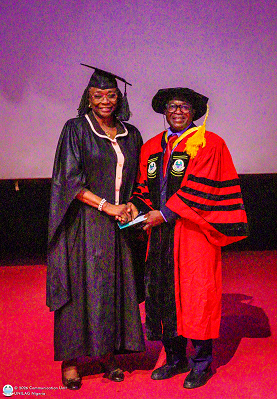
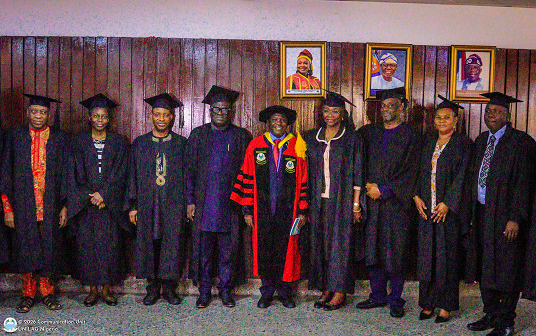
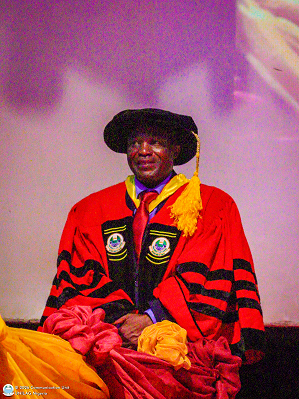
Professor Ayeni’s research interests span environmental studies, resource analysis, water and hydrological sciences, climate change, citizen science and geo-information sciences. His current research project is on Remote Sensing and Machine Learning for Phytoplankton-Set Monitoring to Evaluate Climate Change Impact on Fisheries in the Lagos Lagoon.
He has published over eighty (80) peer-reviewed articles and book chapters. The renowned Professor of Geography serves on the reviewer boards of reputable journals by international publishers such as Elsevier, Springer Nature, Sage among others. These journals include: University of Lagos Journal of Medicine, Science and Technology; University of Lagos Journal of Humanities; Lagos Journal of Geo-Information Sciences; Lagos Journal of Geographic-Information Sciences; Nigeria Journal of Business and Social Sciences; Journal of Environmental Management; Journal of Hydrology: Regional Studies; Discover Cities; Wetlands Ecology and Management; and Hydrological Science Journal.
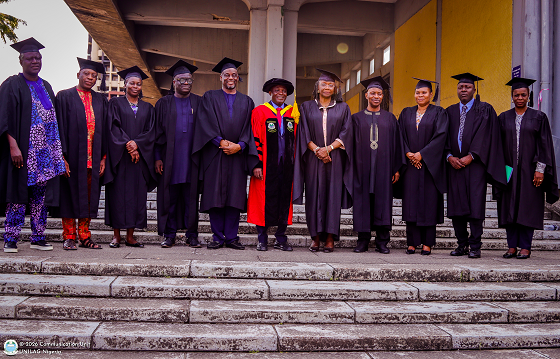
Outside the University, Professor Ayeni has acted as external examiner and professorial assessor to universities in Nigeria and abroad such as University of Ilorin; University of Kwazulu Natal, South Africa; University of the Witwatersrand, South Africa; and University of Pretoria, South Africa.
He is an active member of numerous professional associations including Association of Nigerian Geographers (ANG); African Association of Remote Sensing of the Environment (AARSE); International Association of Hydrological Sciences (IAHS); and International Union of Geodesy and Geophysics (IUGG).
Professor Amidu Owolabi Ayeni is married with children.
Article: Isaiah Kumuyi
Photography: Joshua Michael OgoOluwa