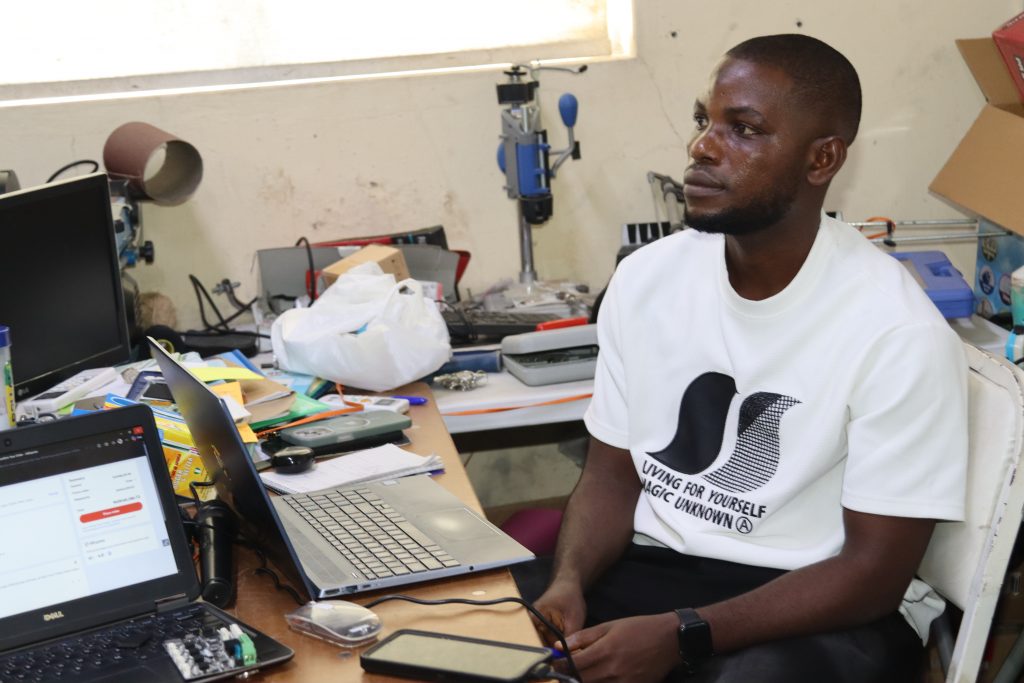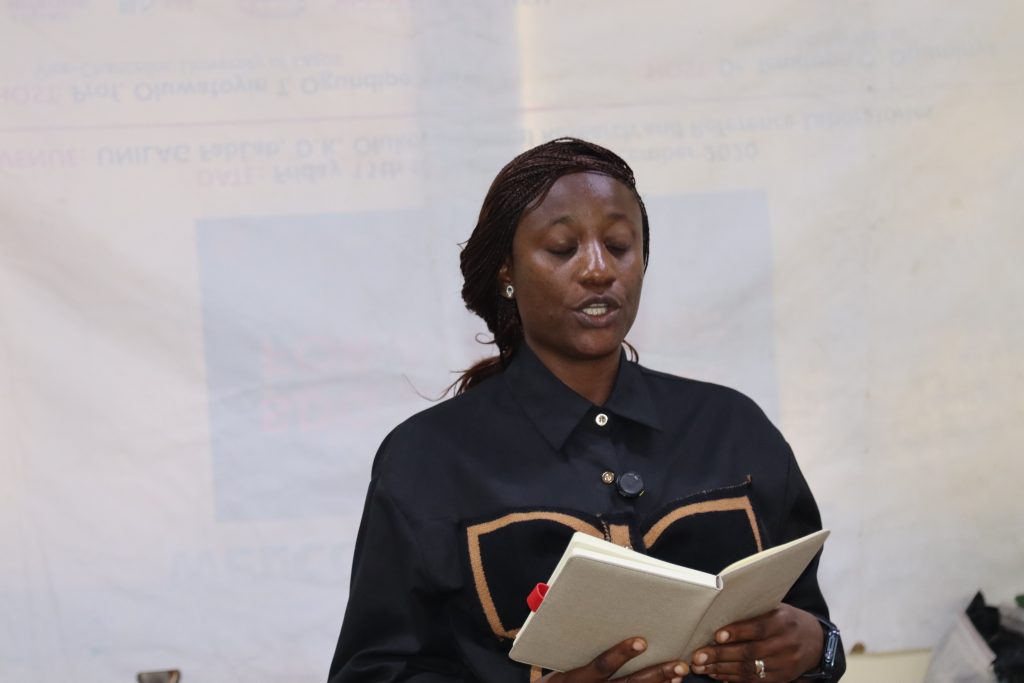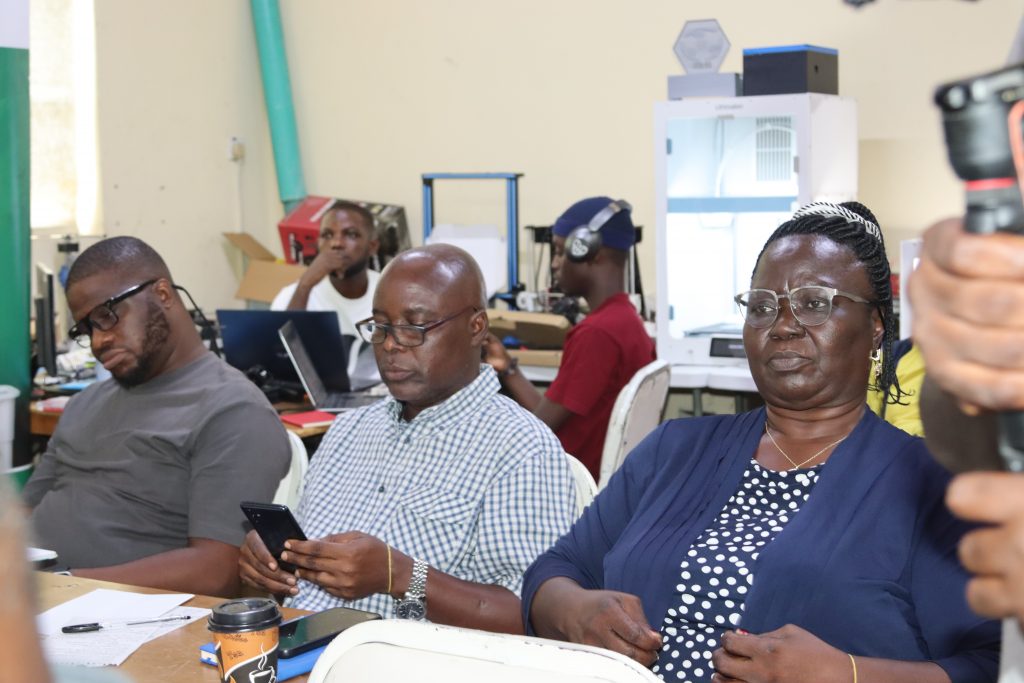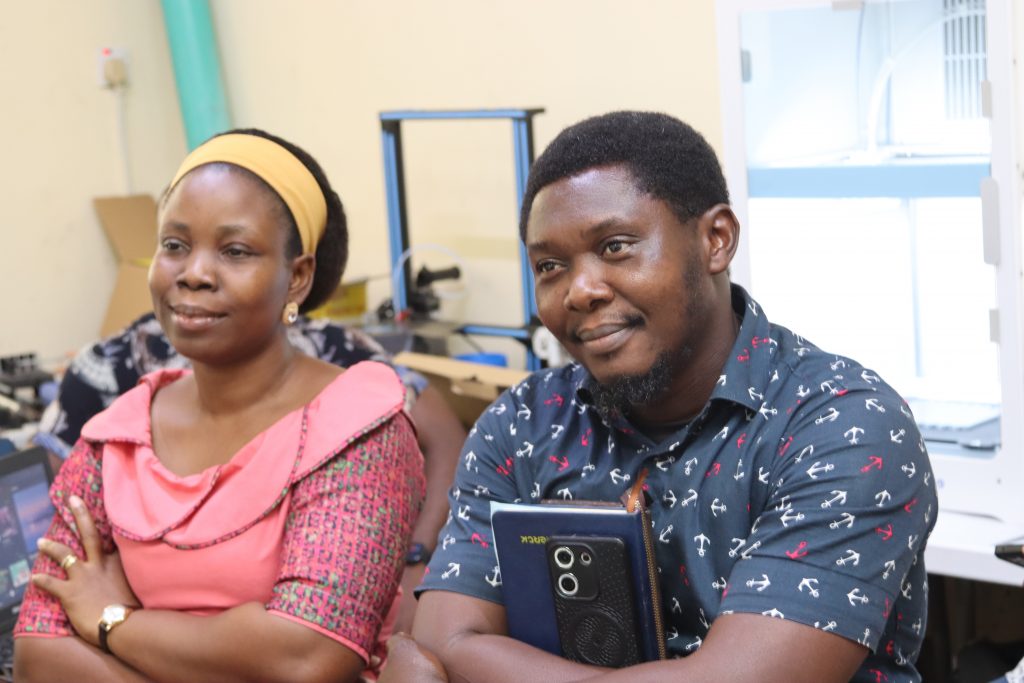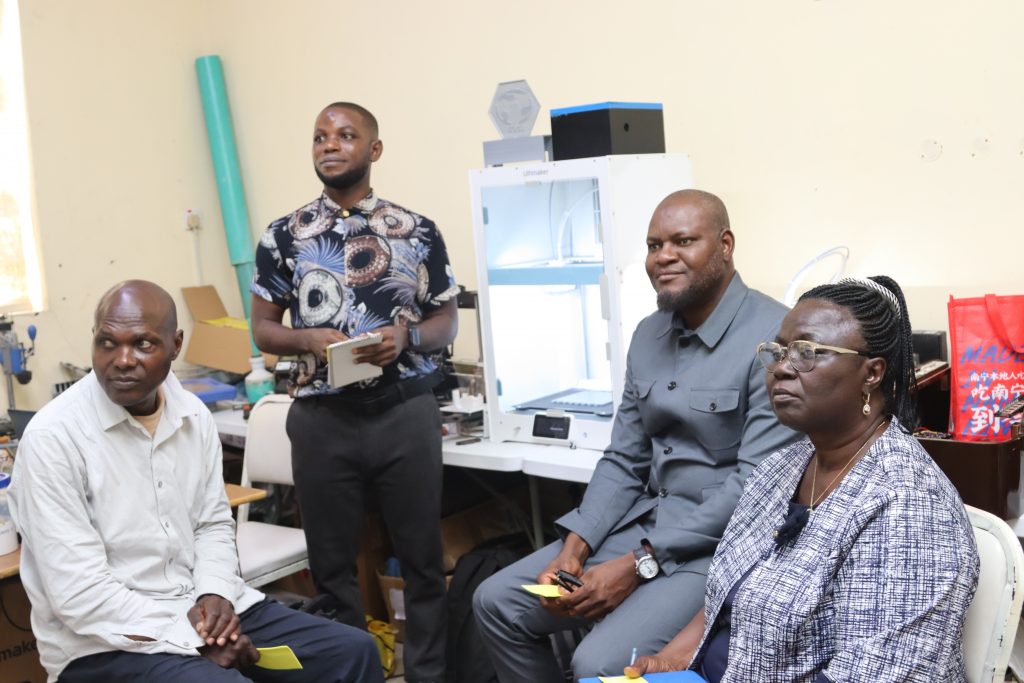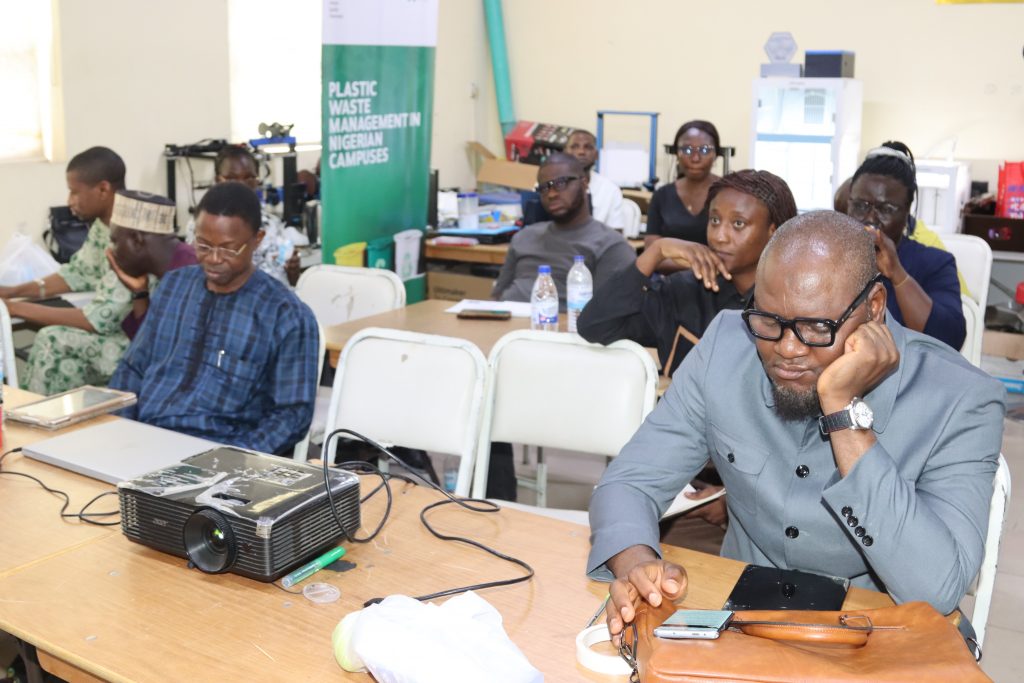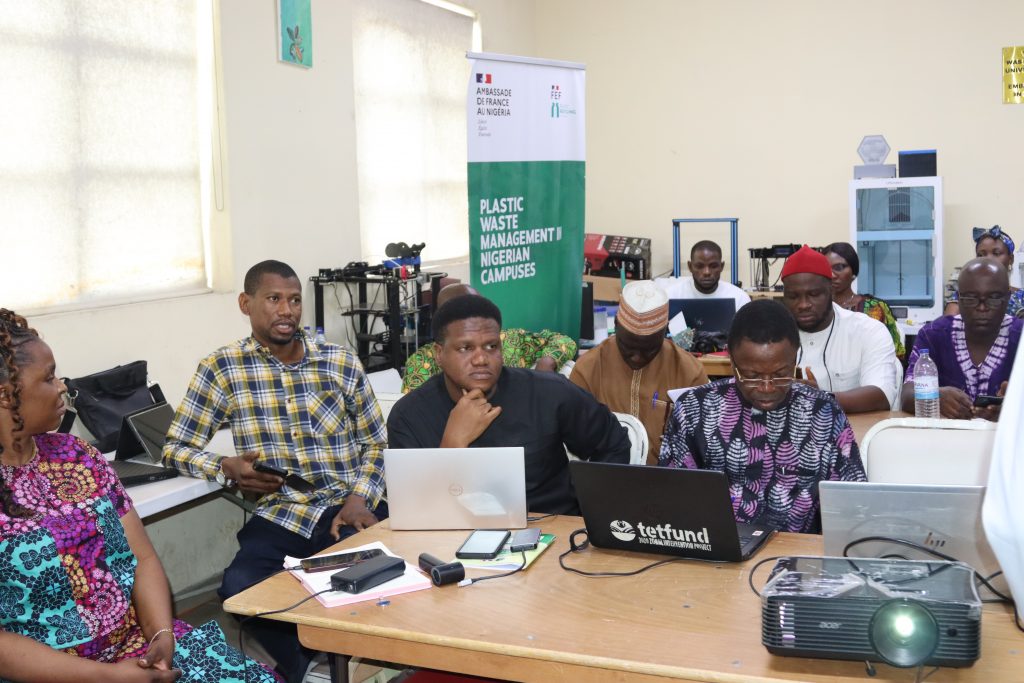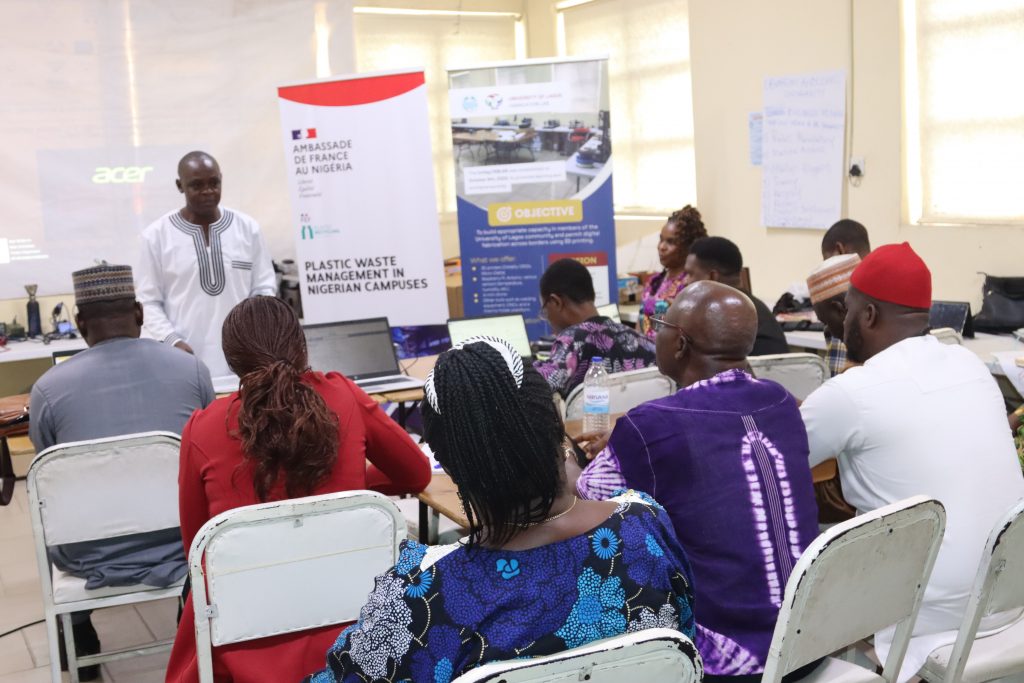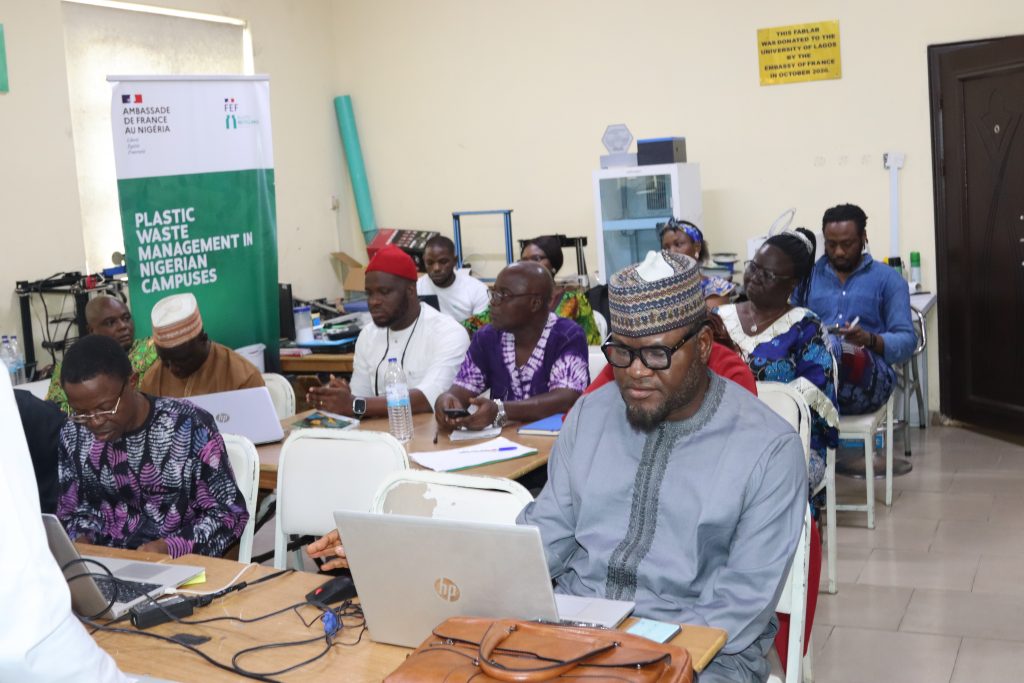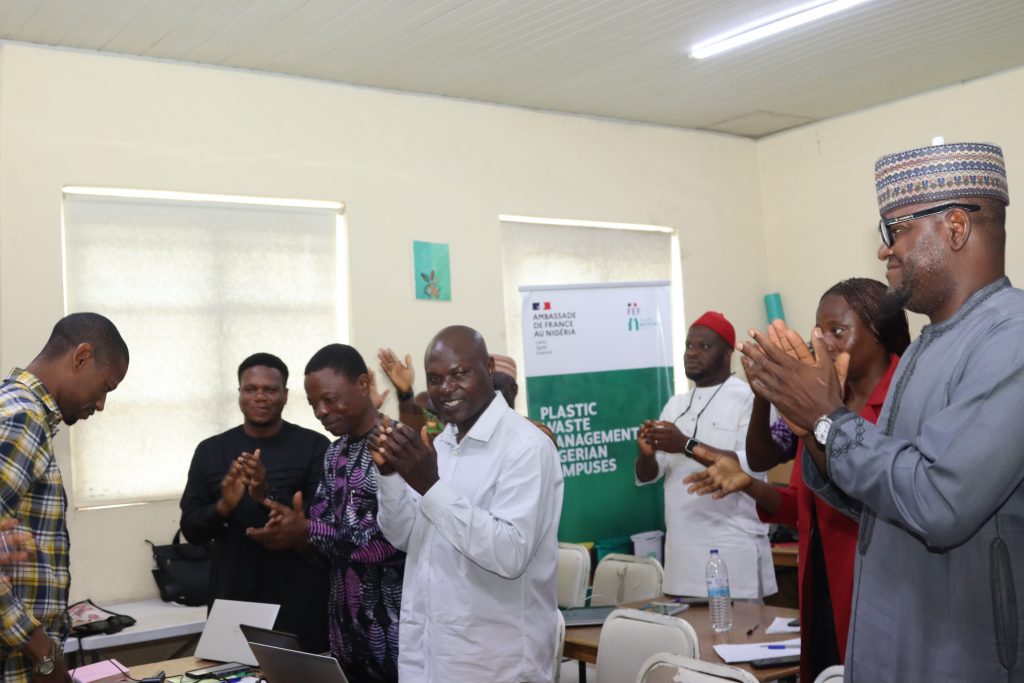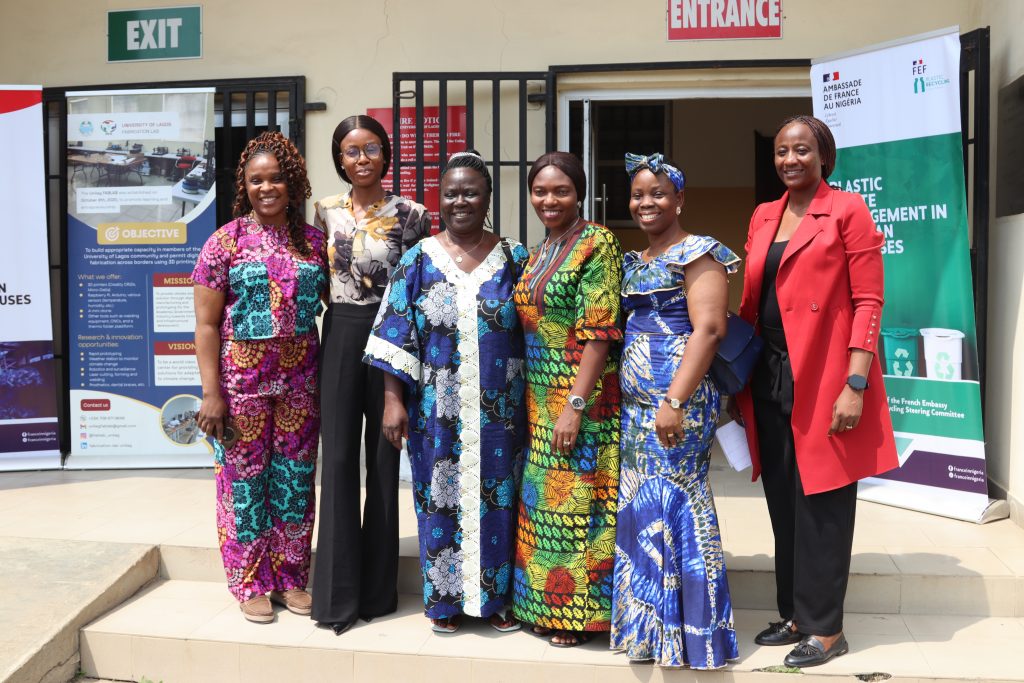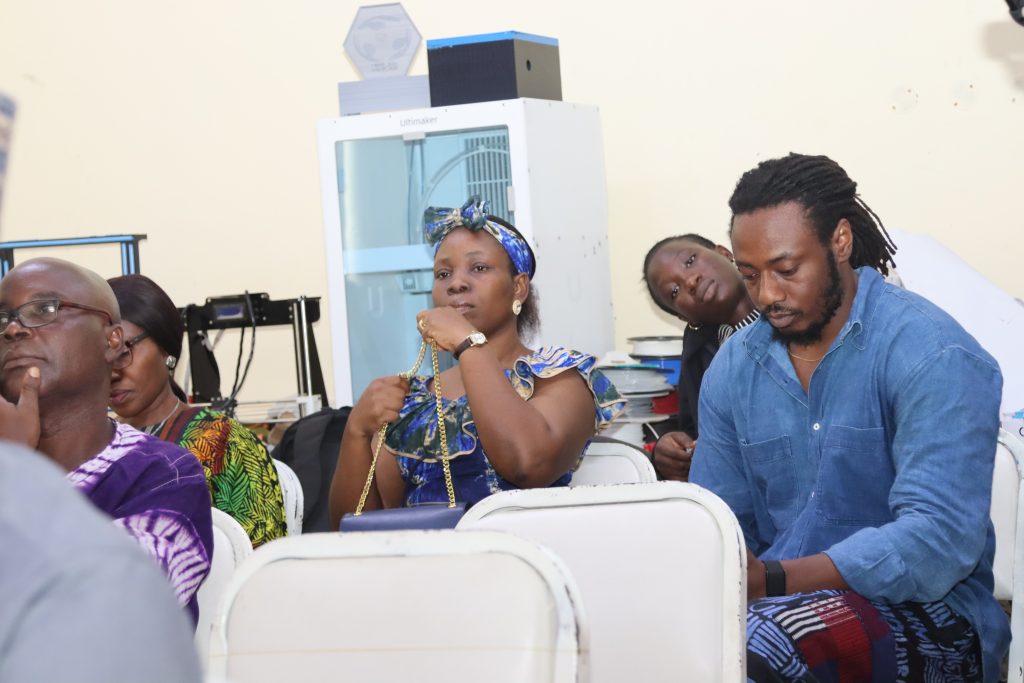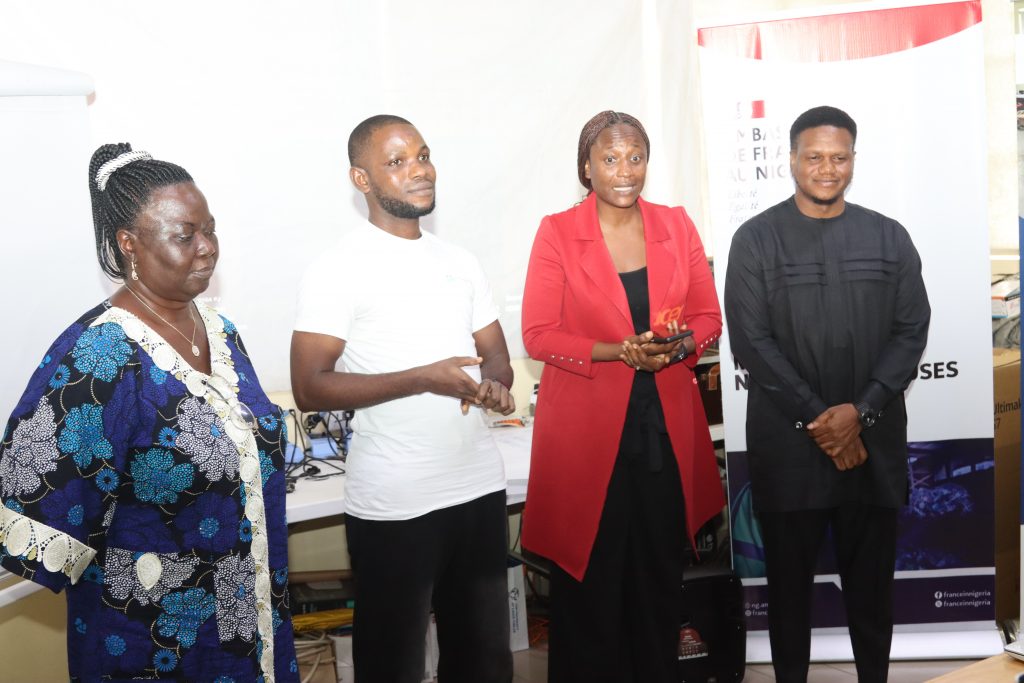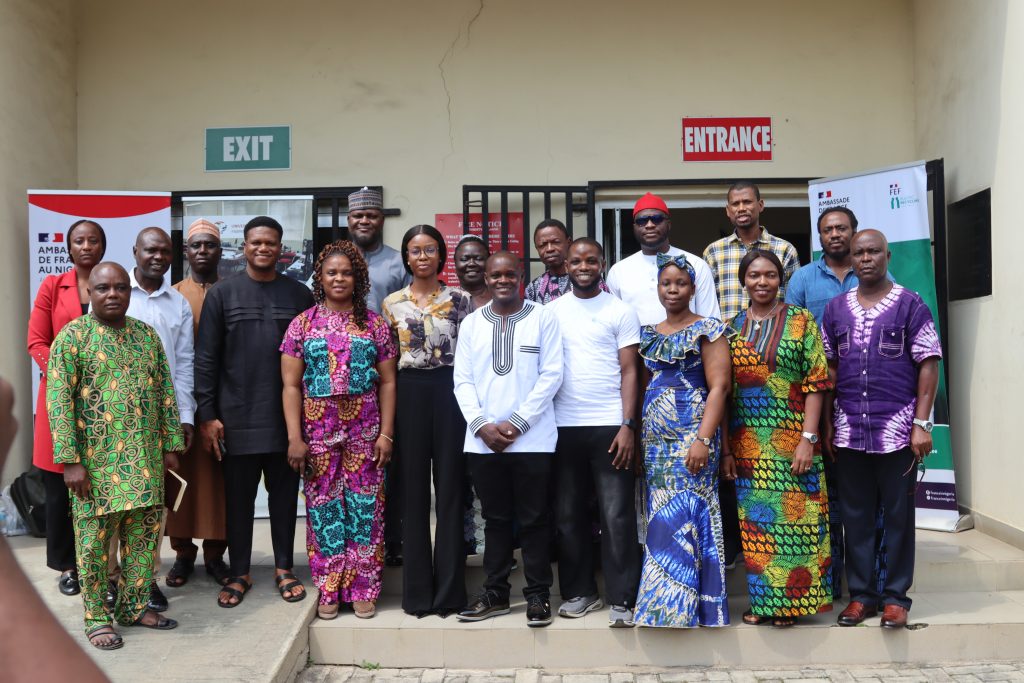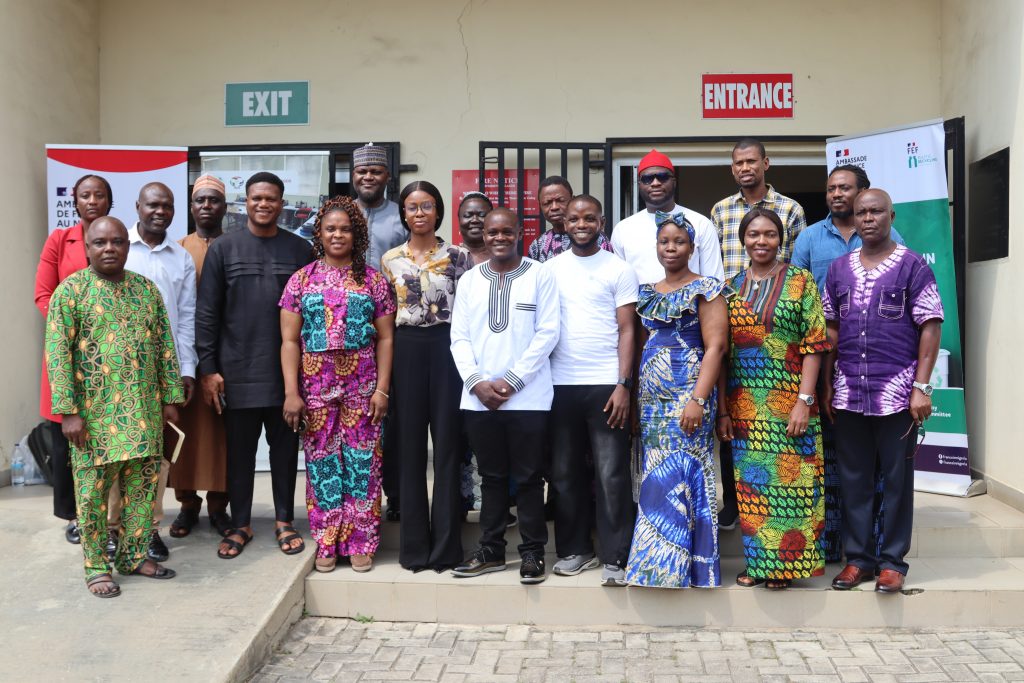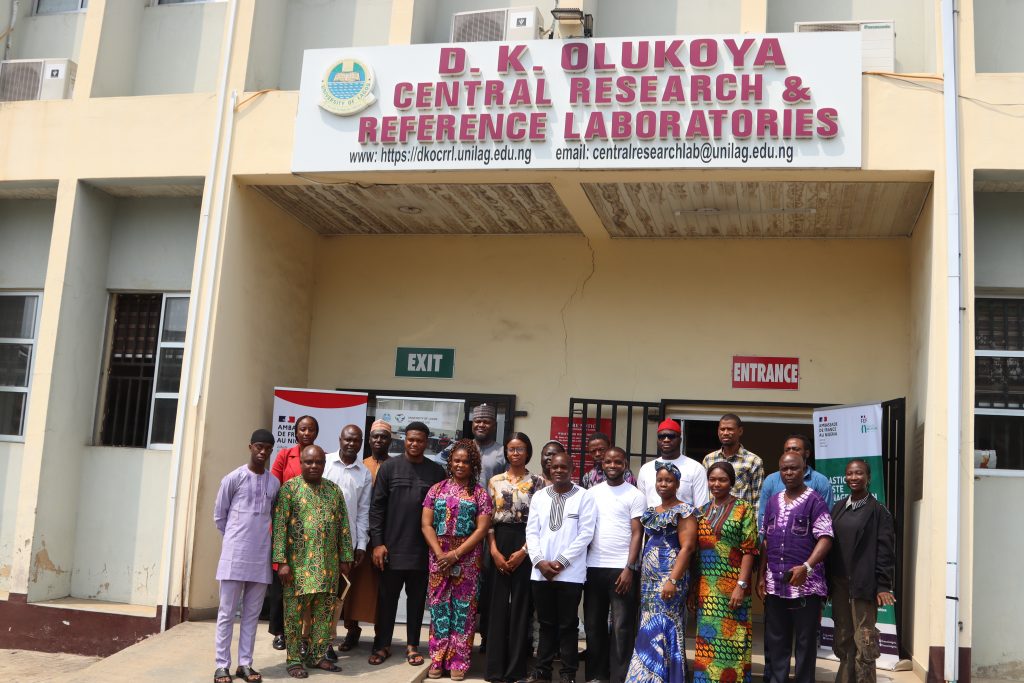
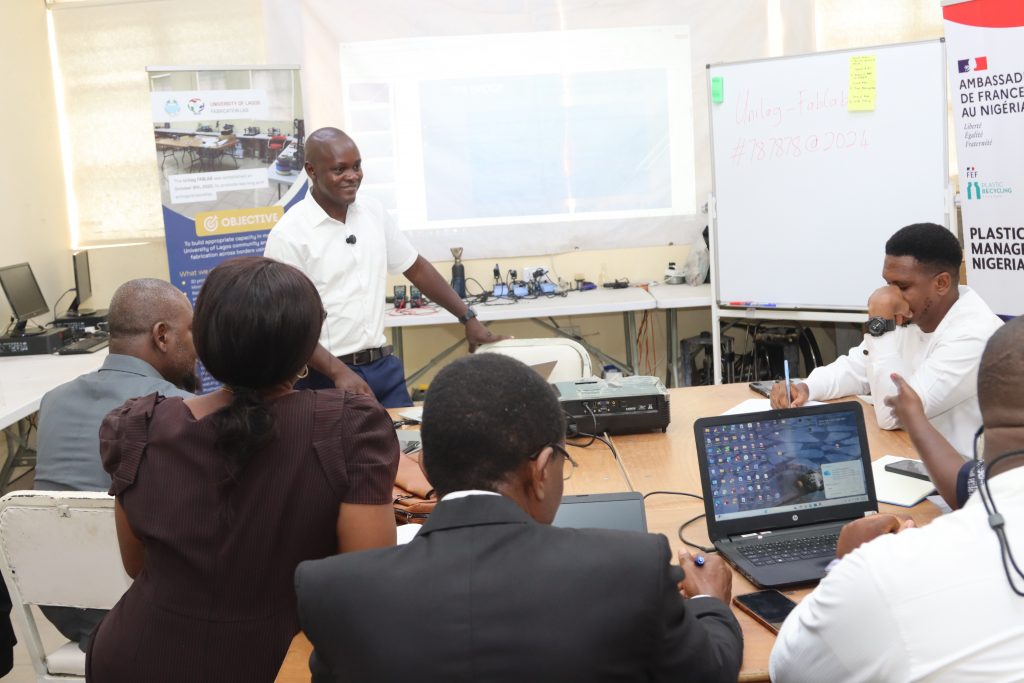
A three-day training programme aimed at strengthening the capacity of Nigerian universities to operate their fabrication laboratories (FABLABs) as sustainable, user-centred innovation hubs commenced on Tuesday, March 3, 2026, at the Dr. D. K. Olukoya Central Research Laboratory, University of Lagos (UNILAG).
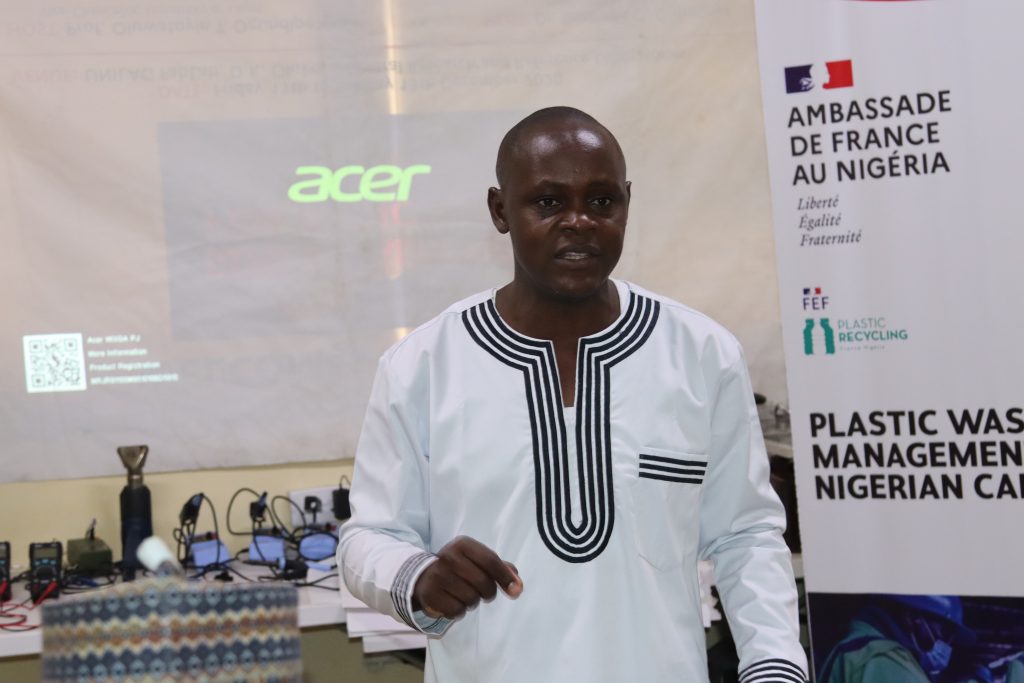
Organised by the Embassy of France in Nigeria, the FABLAB Management and Ecosystem Training programme brought together representatives from seven (7) universities across Nigeria. It featured facilitators such as Martin Oloo of FabLab Winam, Kenya, and Eno-Obong Sampson, Project Coordinator, Cooperation and Cultural Affairs Service (Science and Higher Education) at the Embassy of France in Nigeria.
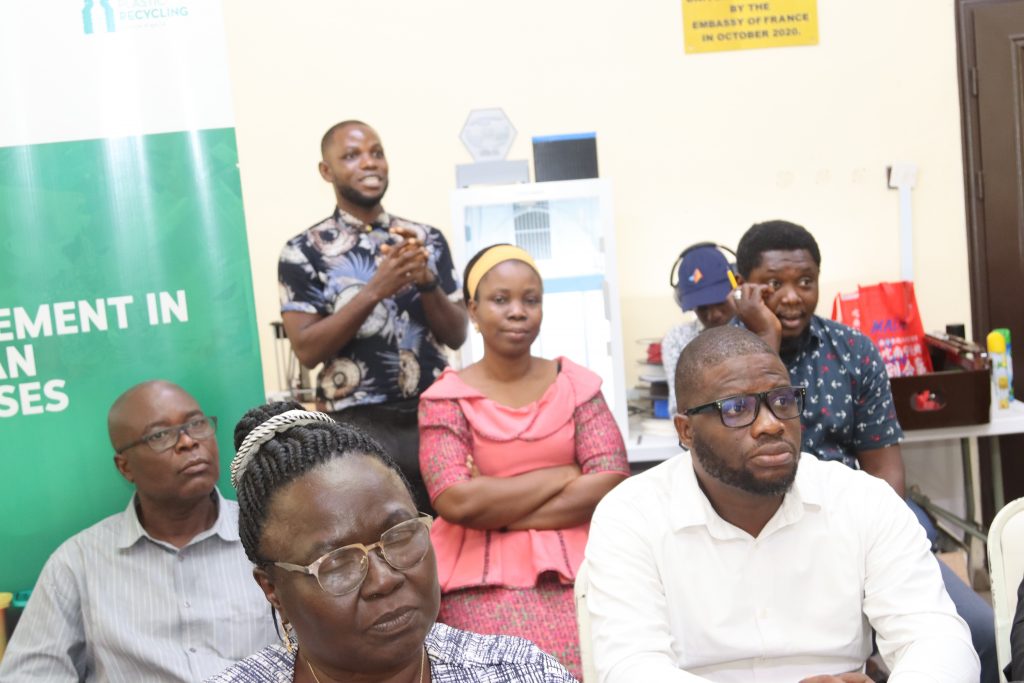
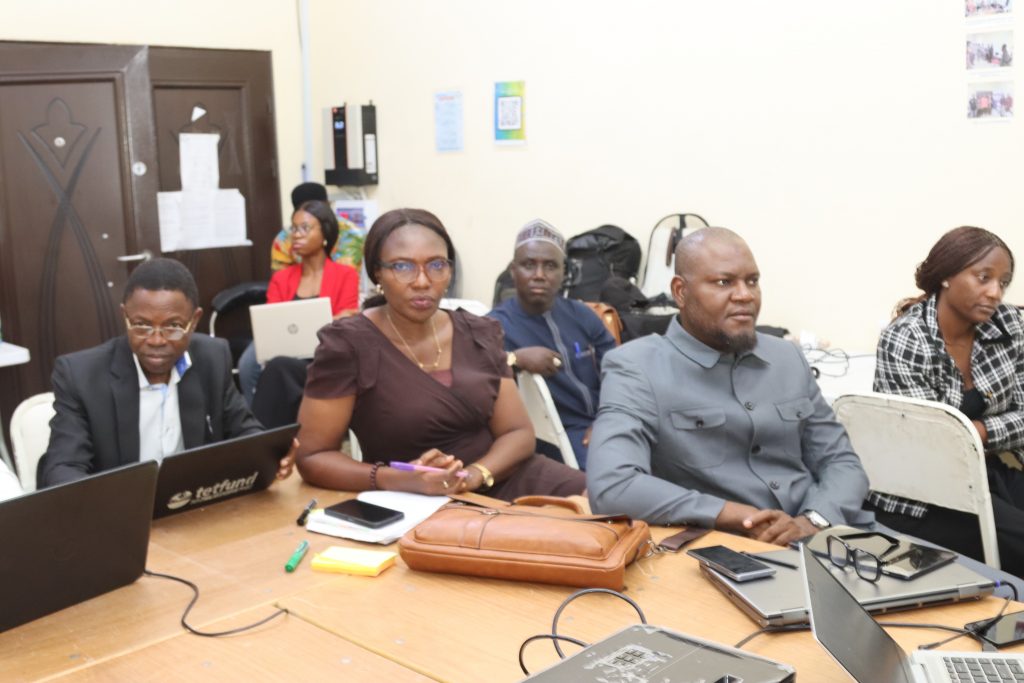
Designed to reposition FABLABs beyond equipment-based facilities, the training seeks to equip managers with strategic, administrative, and ecosystem-driven frameworks necessary for transforming laboratories into dynamic platforms for teaching, research, entrepreneurship, and collaborative innovation.
Repositioning FABLABs within the University Ecosystem
Welcoming participants, the Coordinator of UNILAG FABLAB, Professor Temitope Onuminya, highlighted the broader institutional significance of the initiative. “The goal is to ensure that FABLABs are not isolated facilities, but well-integrated platforms that support interdisciplinary collaboration and practical learning across faculties.”
She explained that the programme focuses on embedding FABLABs within university teaching, research, and innovation systems while fostering inclusive and diverse user communities.
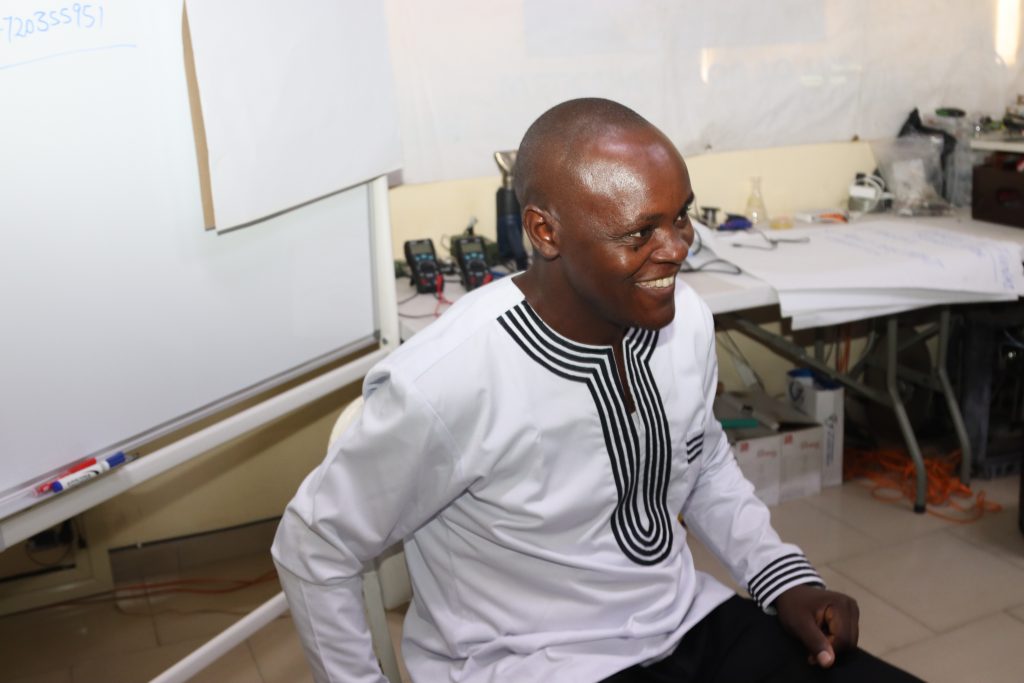
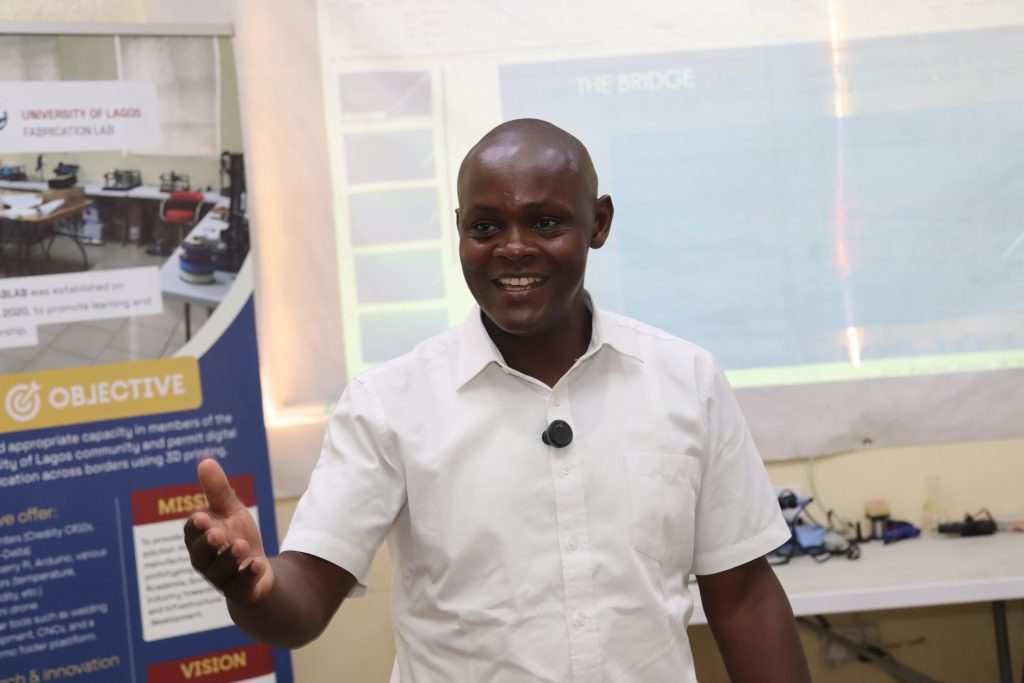
Leading the first day’s sessions, Martin Oloo examined the purpose, structure, and challenges of globally and regionally distributed FABLAB networks. He encouraged participants to rethink how their laboratories are positioned within their respective institutions and to adopt more sustainable, collaborative operating models.
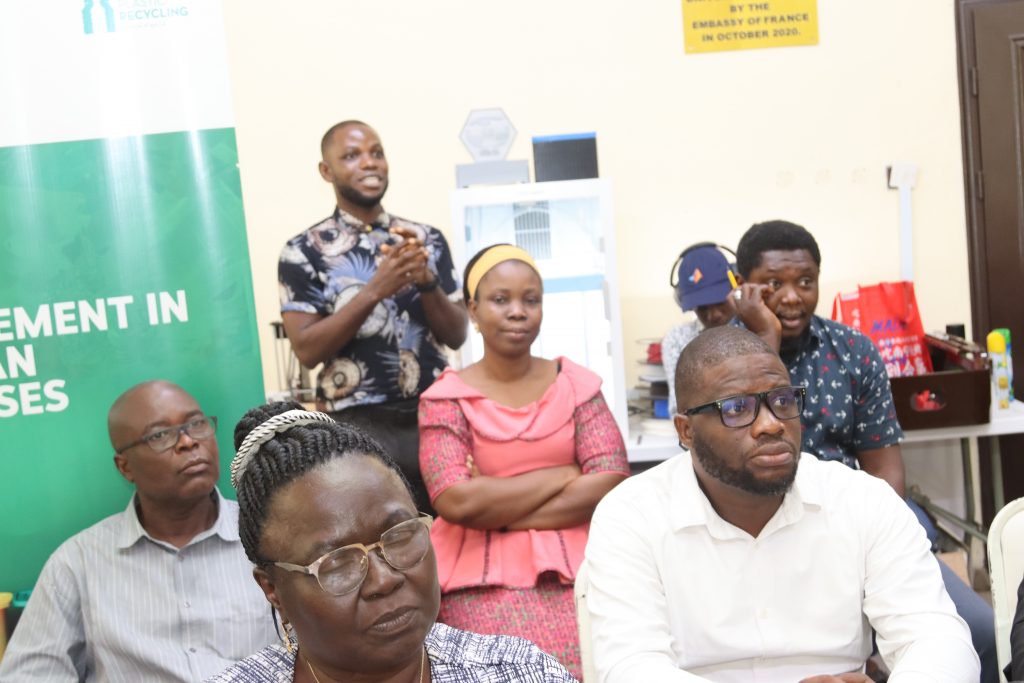
A major issue identified during discussions was the phenomenon described as: “Dusty Machine Syndrome,” which is the underutilisation of equipment due to limited project-based learning and insufficient user engagement.
Participants also highlighted persistent material supply chain challenges, including difficulties in sourcing specialised materials such as filaments and acrylic sheets. Technical obsolescence was another concern, with some laboratories operating equipment that has limited access to spare parts and system upgrades.
Institutional and Structural Challenges
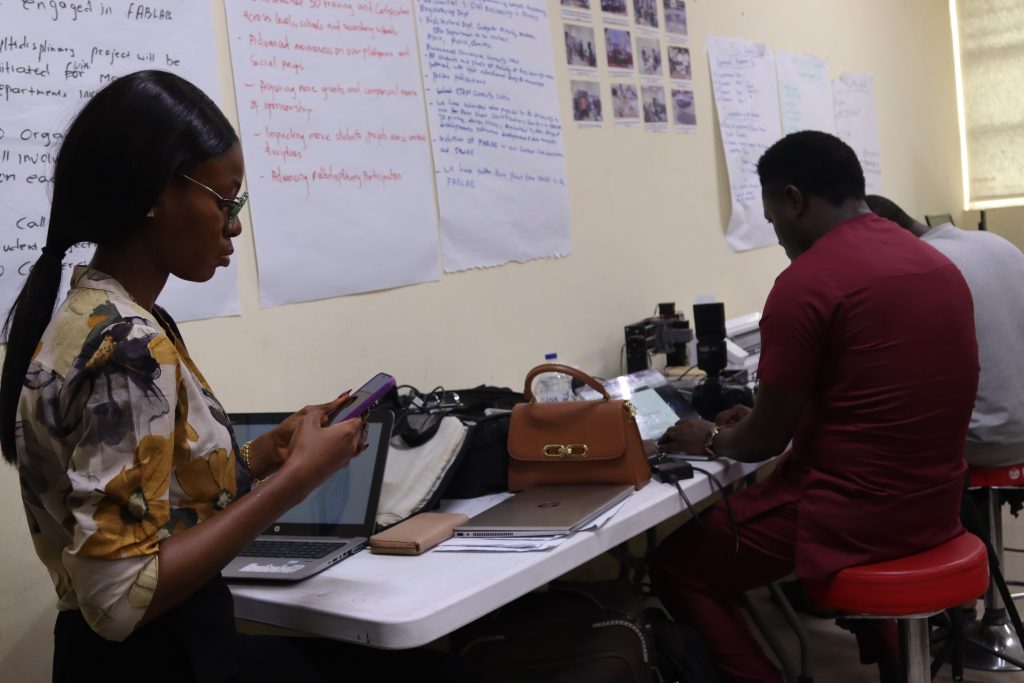
Breakout group sessions revealed additional institution-specific constraints. Bureaucratic procurement processes, often too rigid to match the pace of technological innovation, were cited as significant barriers.
The facilitator also addressed what he described as a “solo mentality,” where FABLABs are sometimes viewed as belonging exclusively to engineering faculties rather than as shared institutional resources accessible to students and researchers across disciplines.
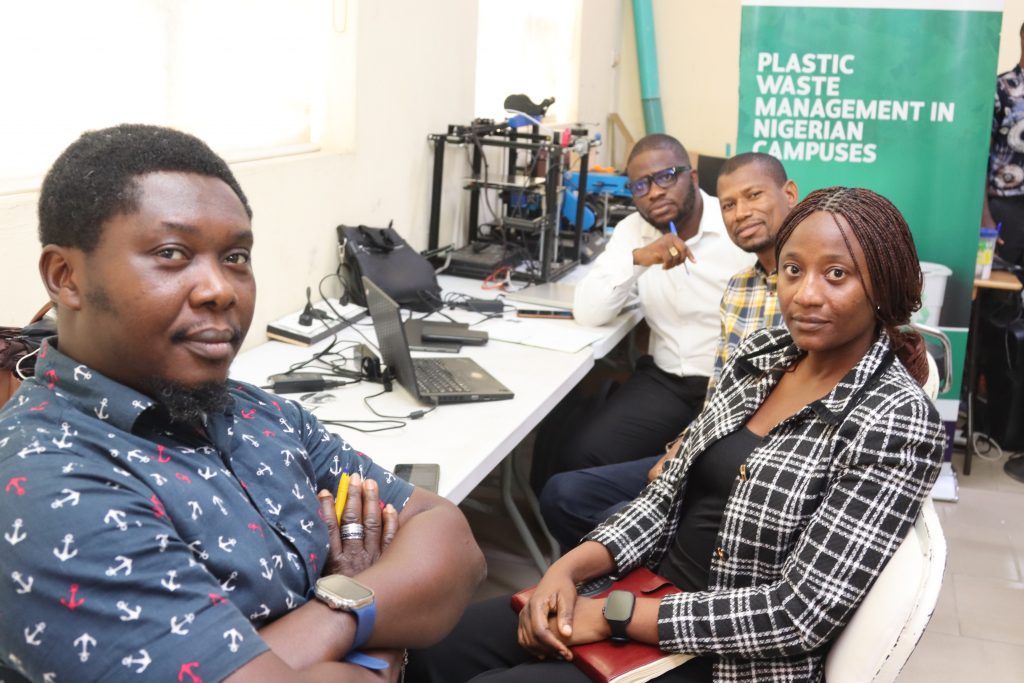
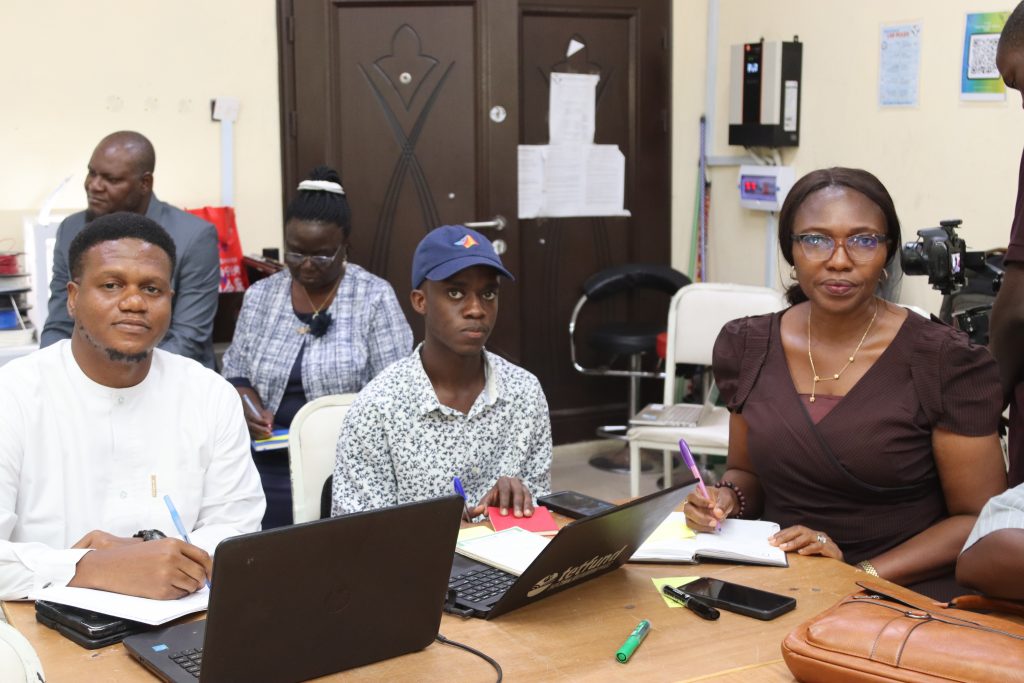
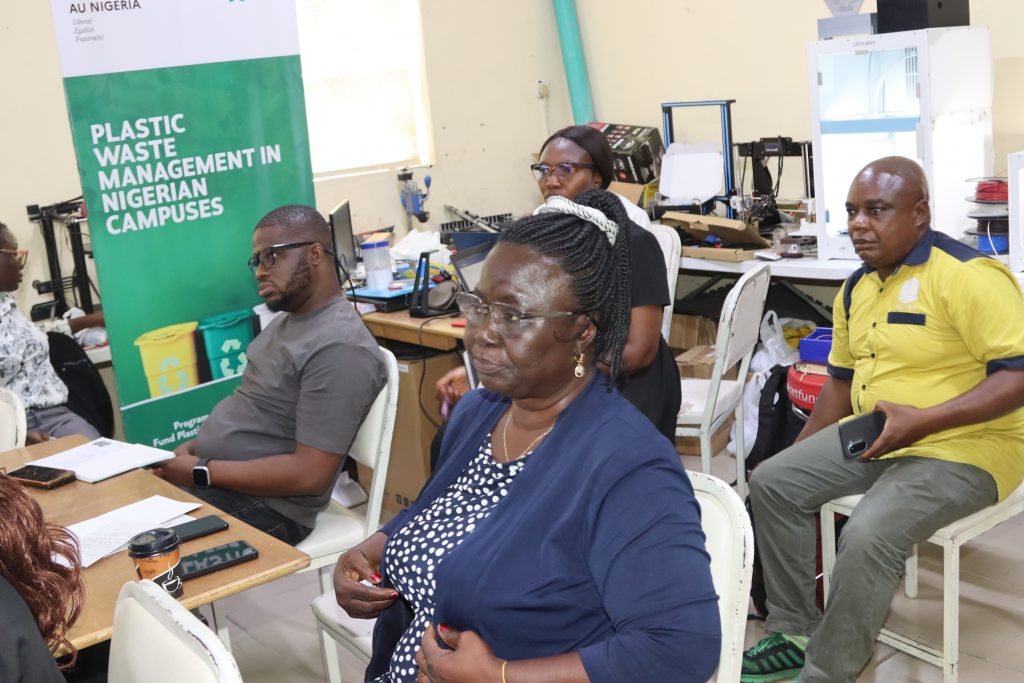
Student turnover emerged as another recurring challenge, with institutions frequently losing highly trained student assistants upon graduation. Furthermore, power supply instability and infrastructure deficits continue to affect optimal laboratory operations in several universities.
Focus Areas for Subsequent Sessions
The second day of the programme concentrated on user-centred approaches, institutional integration strategies, and community-building systems within the FABLAB ecosystem. Participants explored globally distributed education theories relevant to digital fabrication networks.
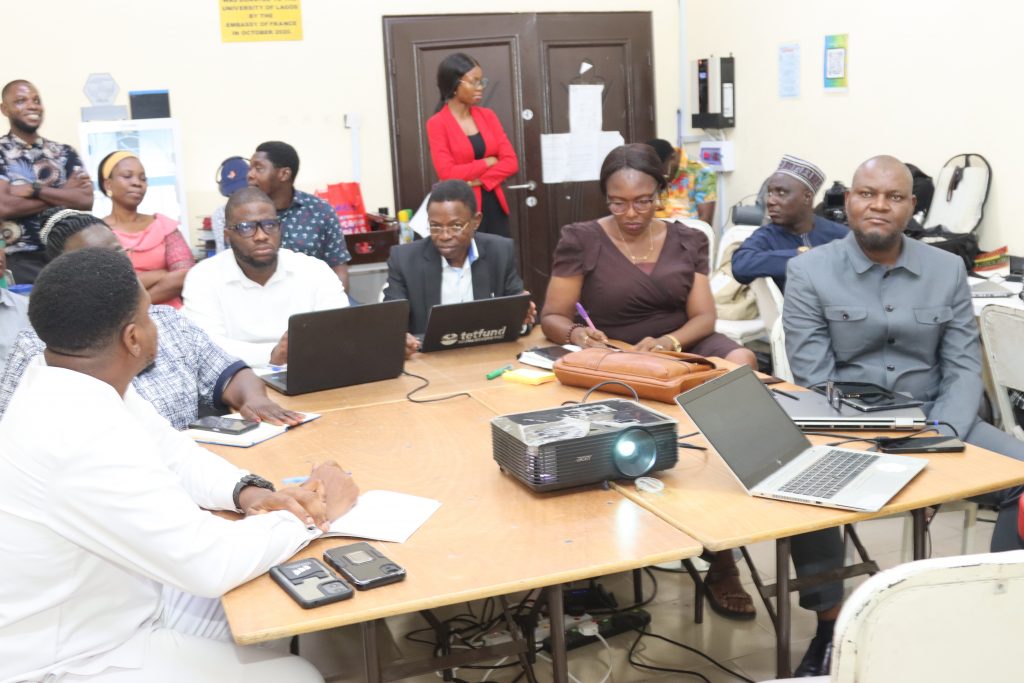
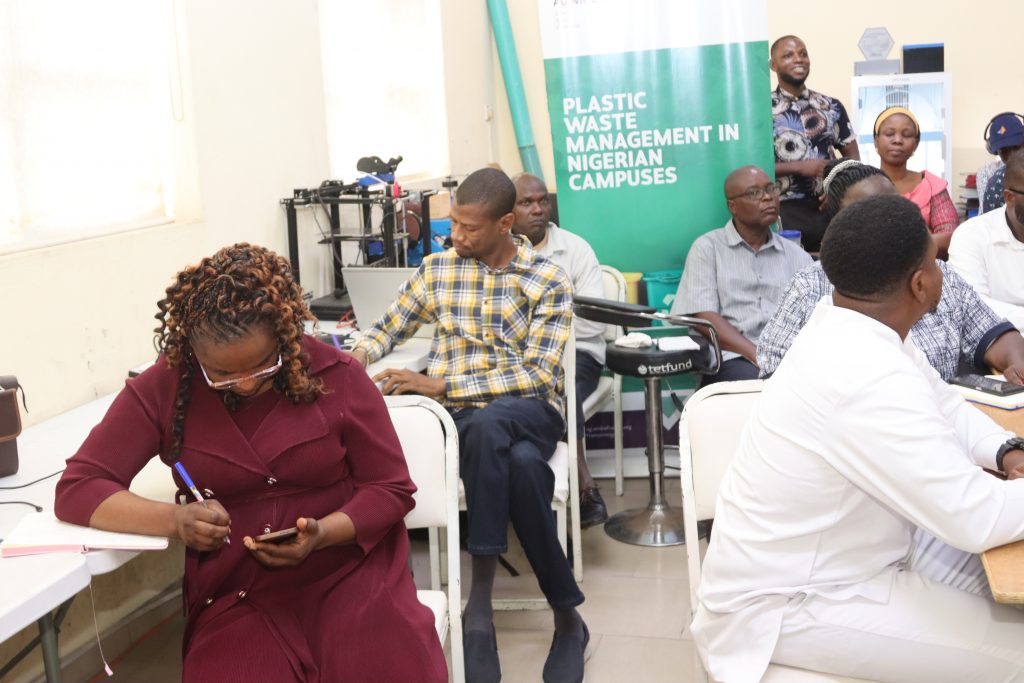
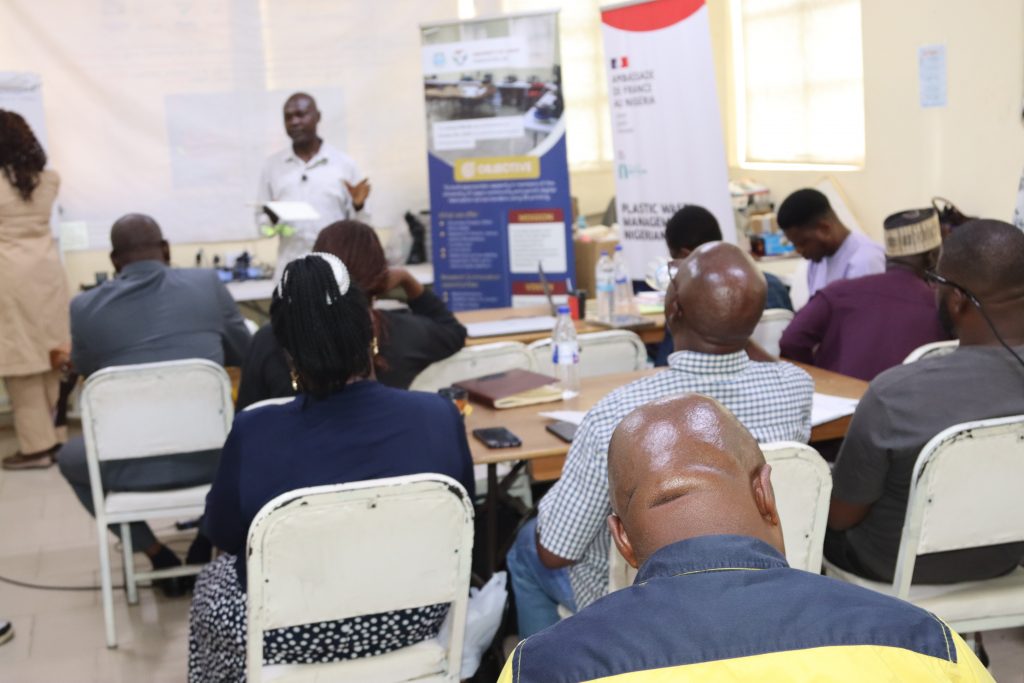
The final sessions addressed sustainable business models, machine maintenance systems, materials sourcing strategies, and the mathematical foundations underpinning digital fabrication processes.
Strengthening International Collaboration
The FABLAB Management and Ecosystem Training builds on broader international collaboration initiatives. In 2024, the Embassy of France in Nigeria supported innovation, research development, and digital fabrication in Nigeria’s higher education sector through the donation of fully equipped and installed FABLABs to seven Nigerian universities.
The intervention aimed at strengthening practical learning, advancing research and entrepreneurship, and connecting beneficiary institutions to global maker and innovation ecosystems.
By hosting this capacity-building programme, the University of Lagos reinforces its leadership role in advancing innovation-driven education and strengthening institutional ecosystems that support creativity, research excellence, and interdisciplinary collaboration.
Report: Bayo Salau
Photographs: Samuel O. Dosunmu