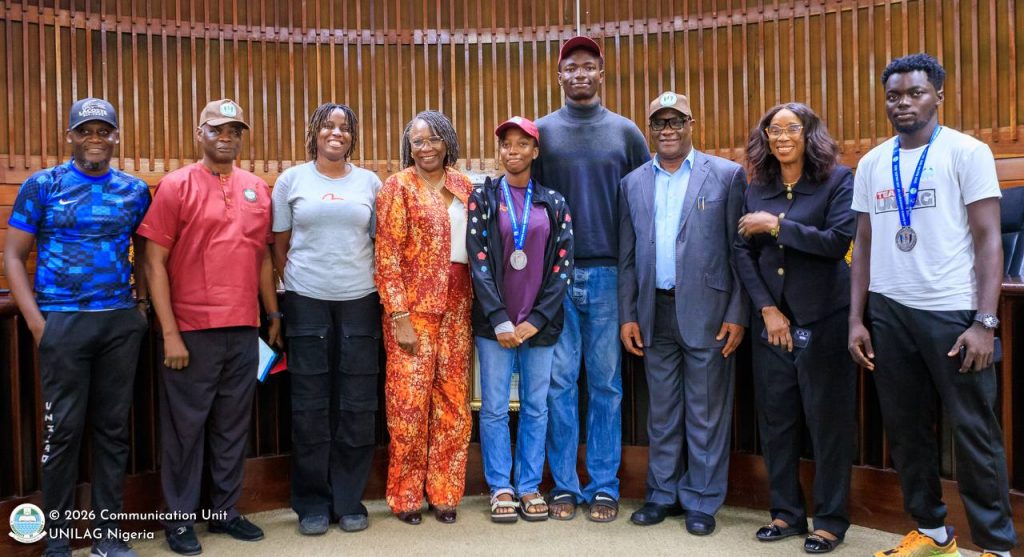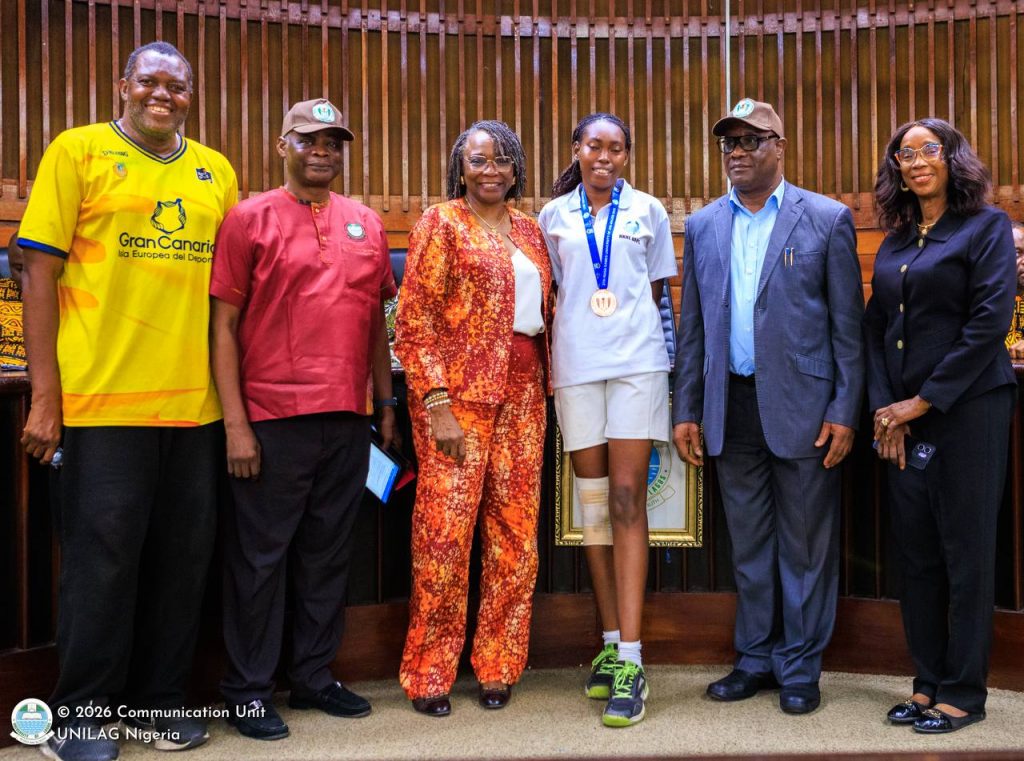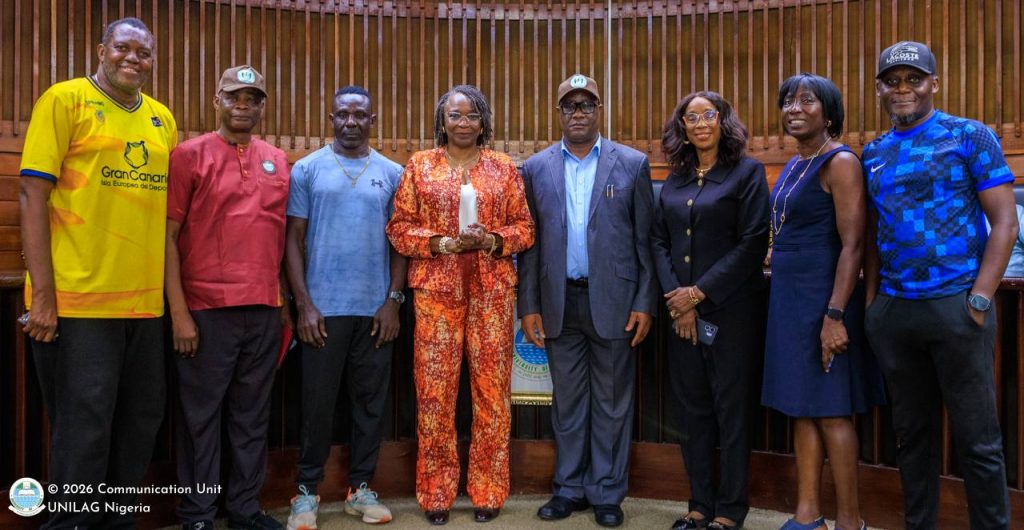

The Vice-Chancellor of the University of Lagos (UNILAG), Professor Folasade T. Ogunsola, OON, FAS, has reaffirmed the University’s commitment to the welfare and holistic development of its student-athletes, announcing plans for the construction of a dedicated student-athlete hostel to address long-standing accommodation challenges.
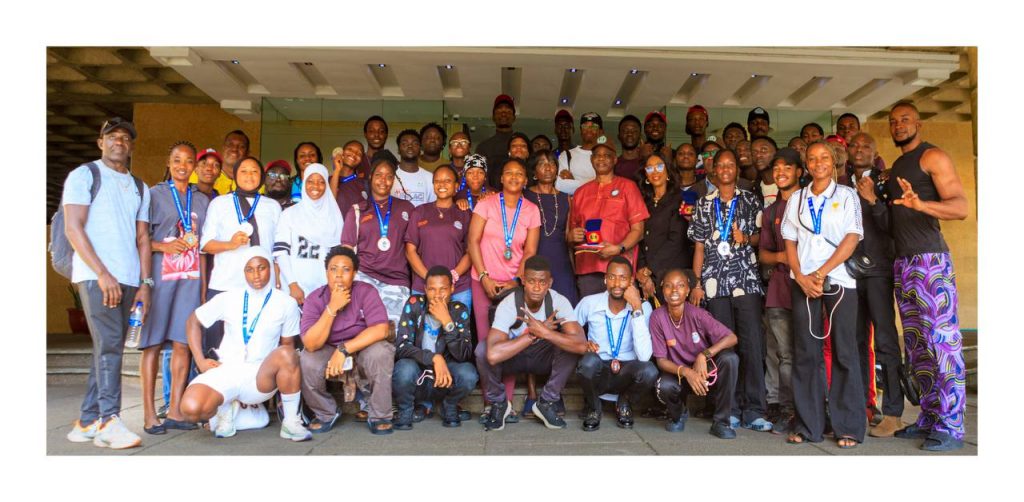
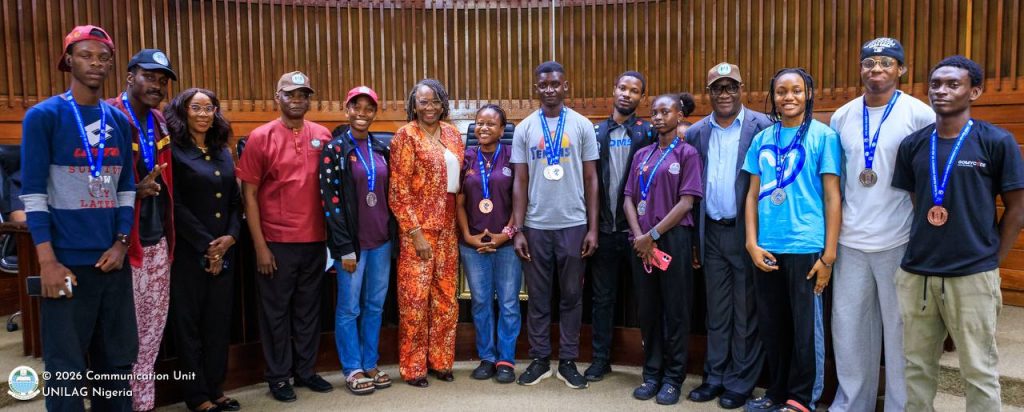
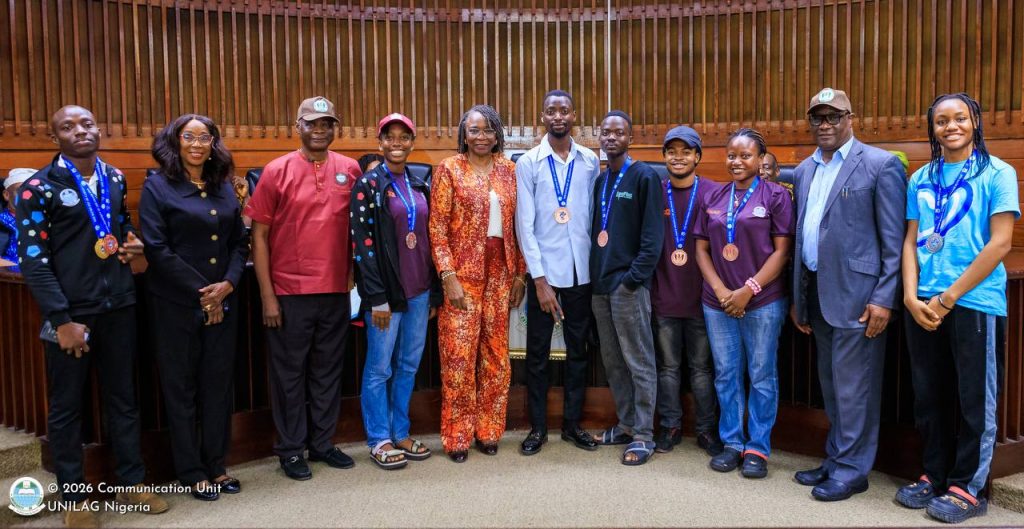
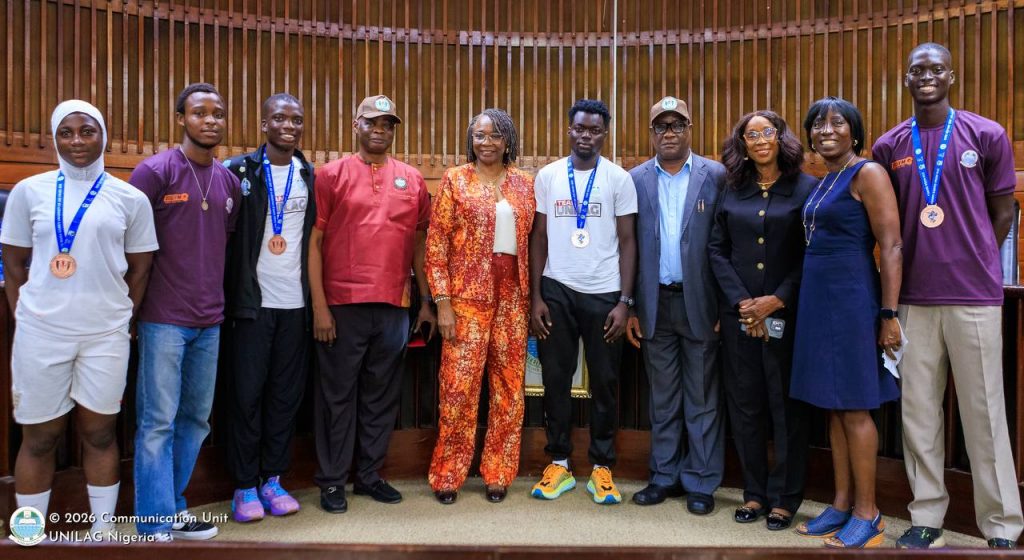
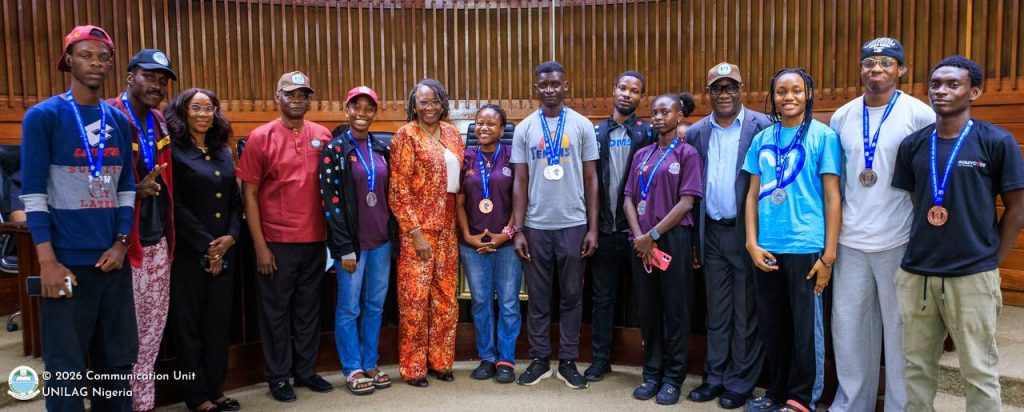
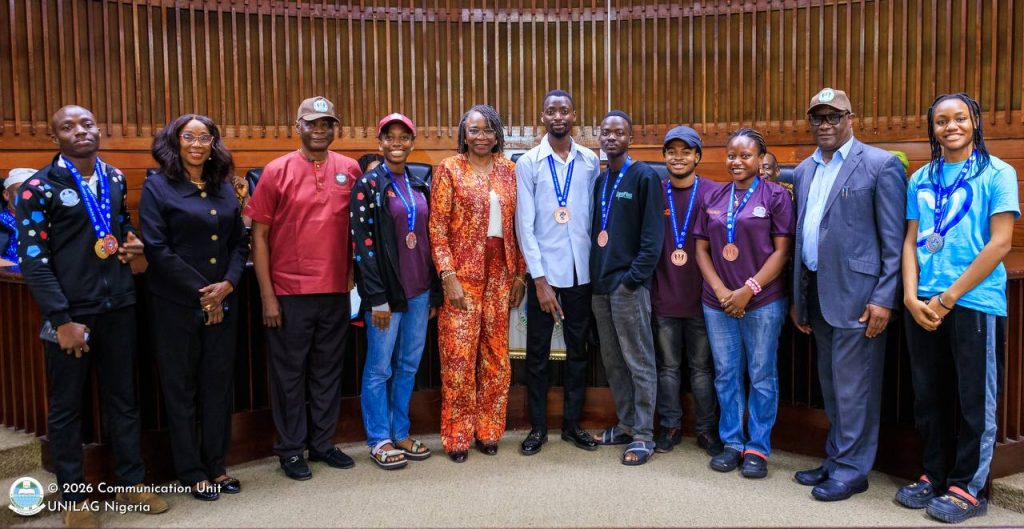
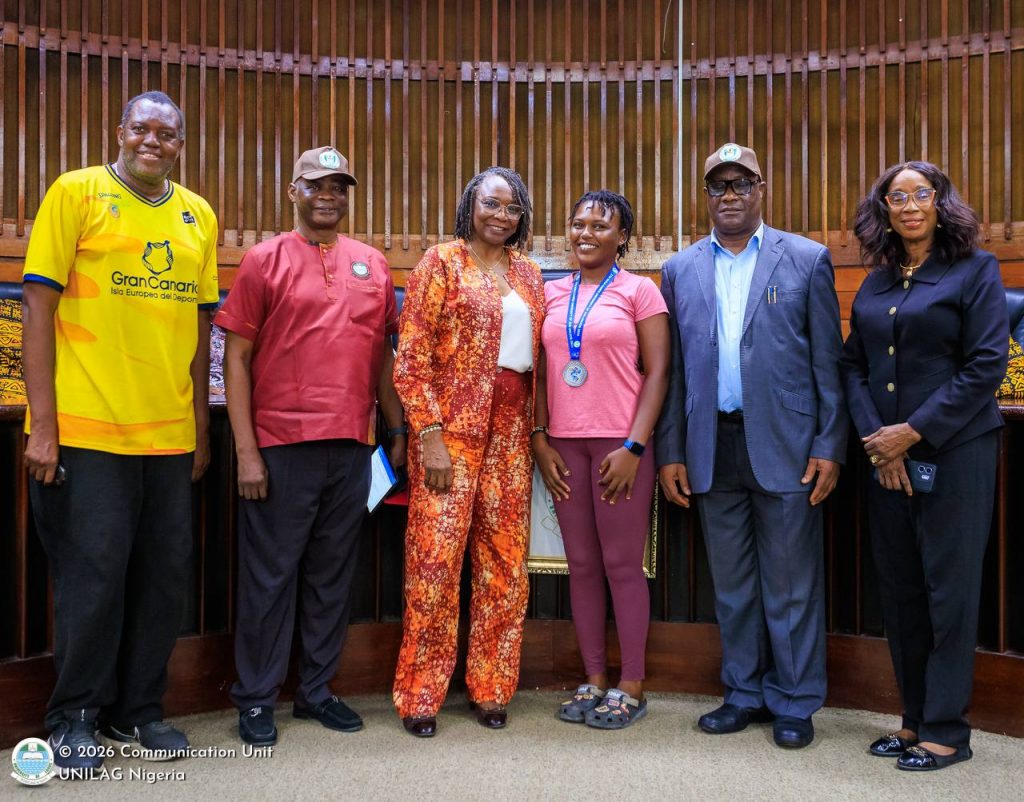
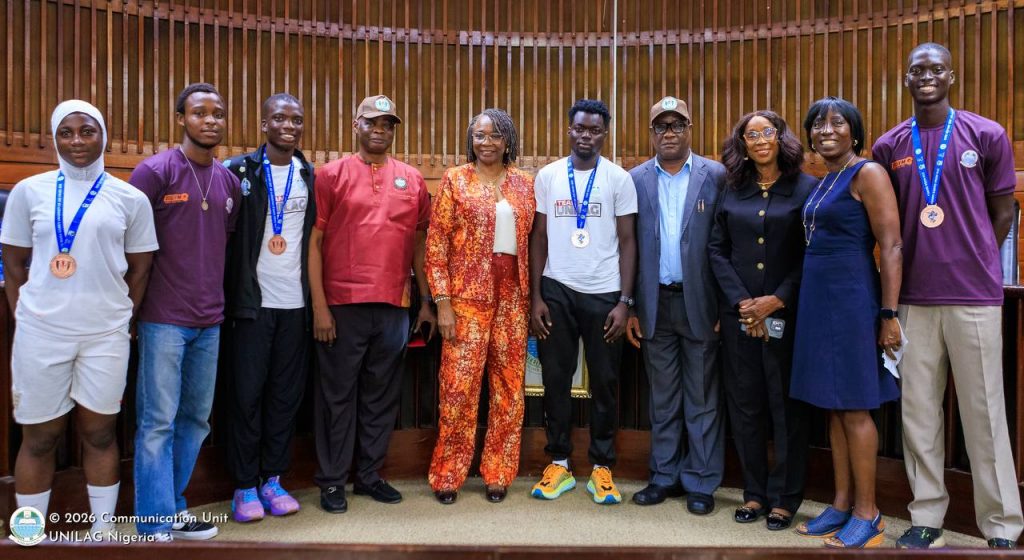
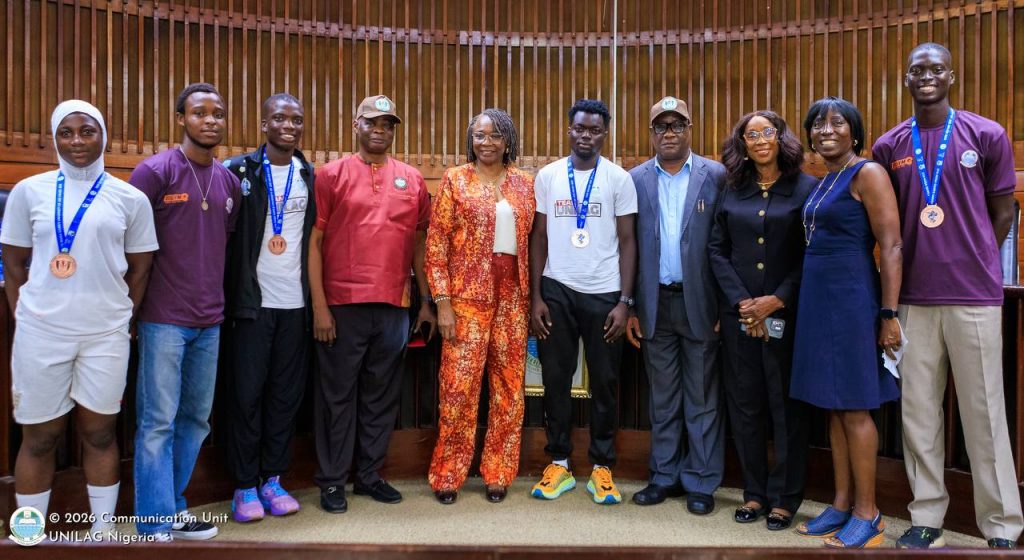
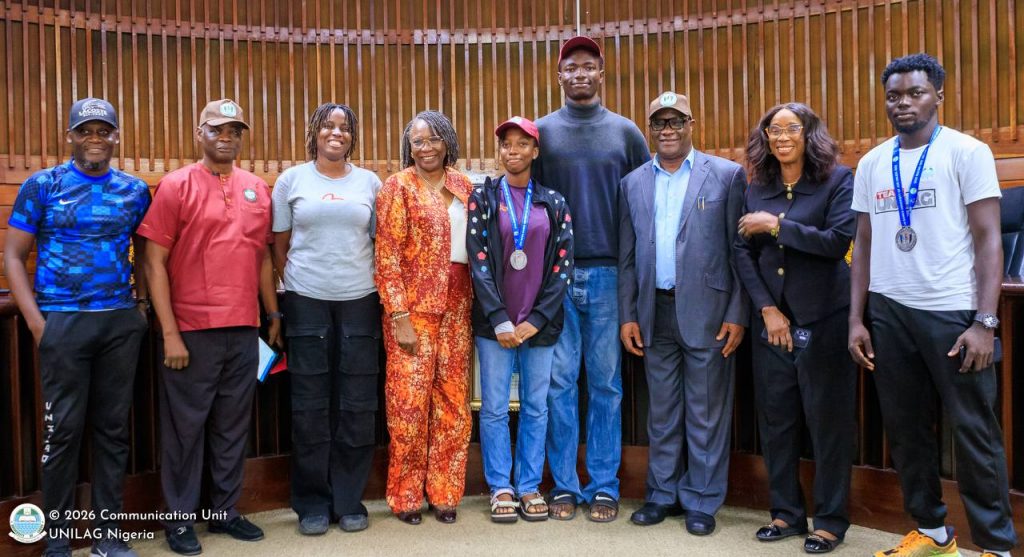
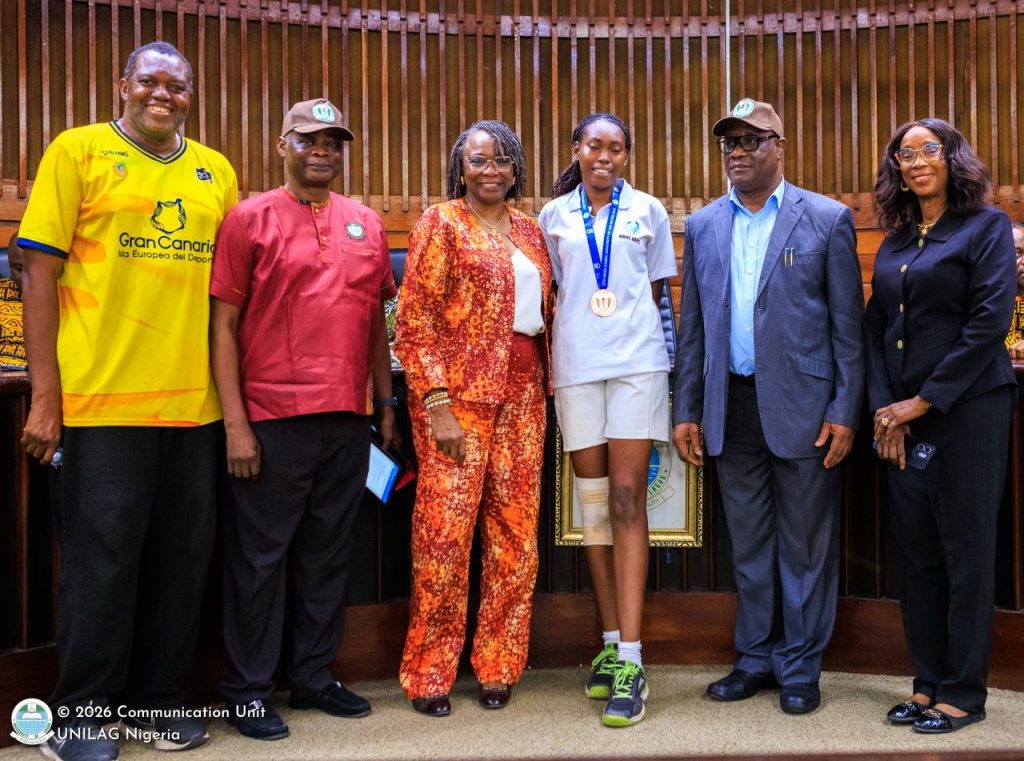
Professor Ogunsola gave the assurance during an interactive meet-and-greet session with UNILAG’s contingent of athletes and officials on Monday, February 9, 2026. She commended the athletes for their discipline, resilience, and unwavering dedication in representing the University at the 27th Nigeria University Games Association (NUGA) Games, held in Jos, Plateau State.
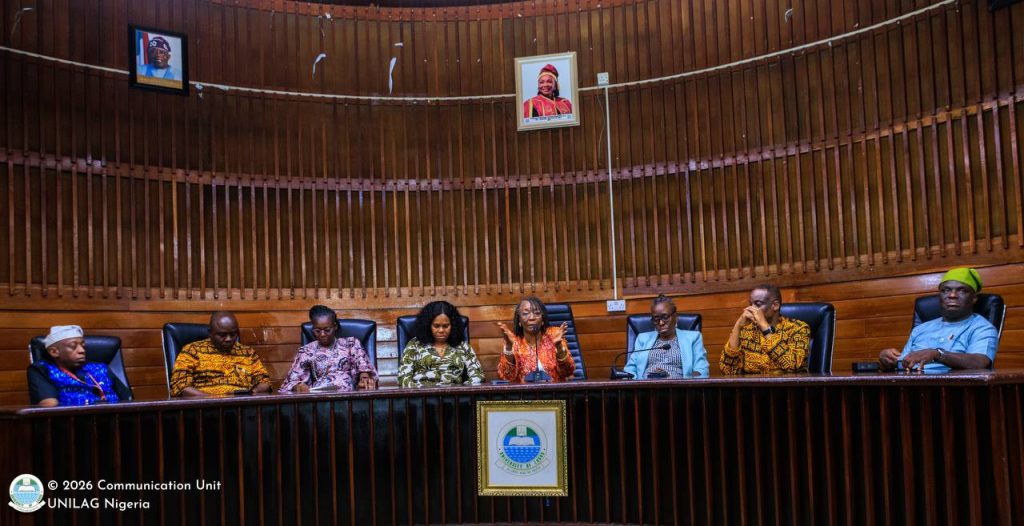
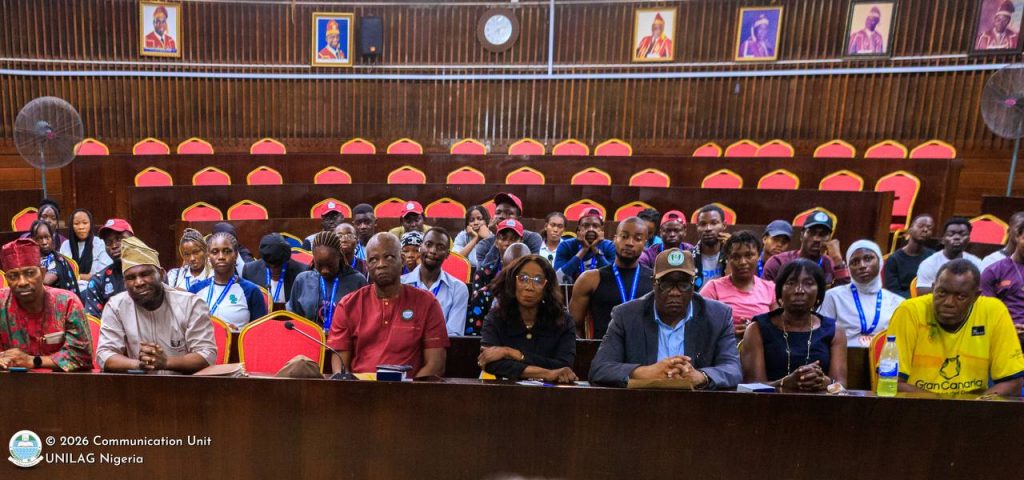
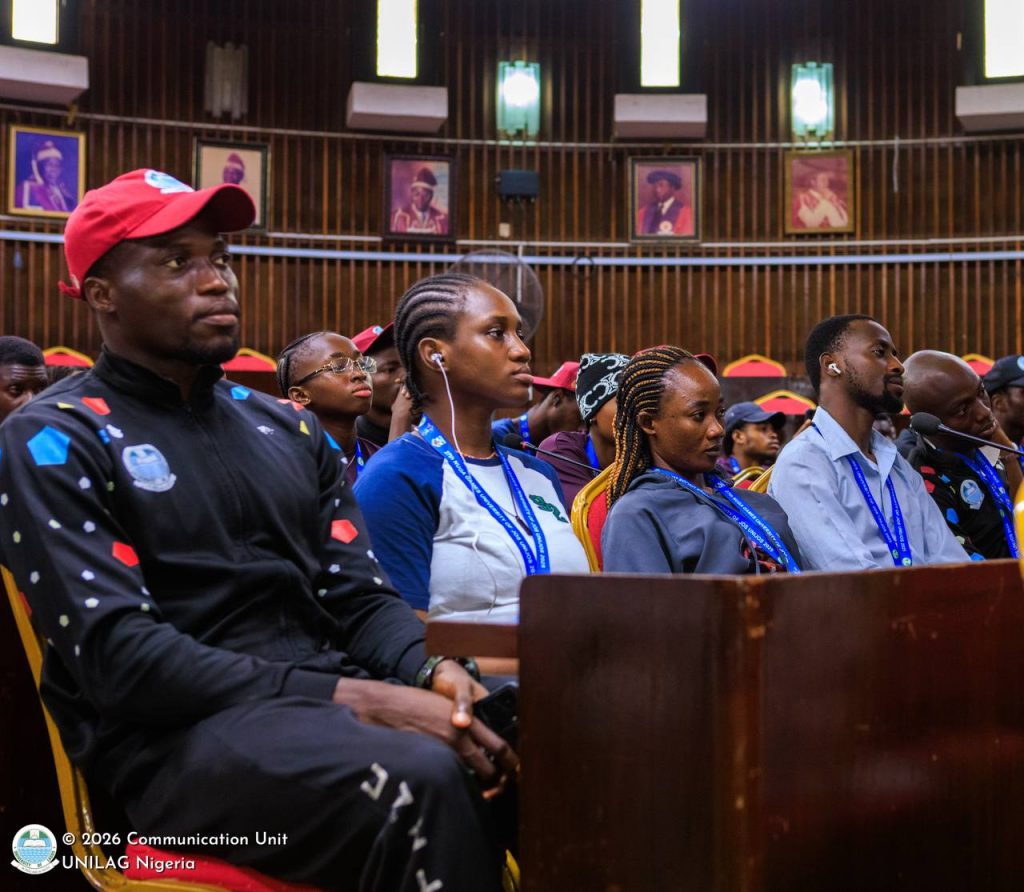
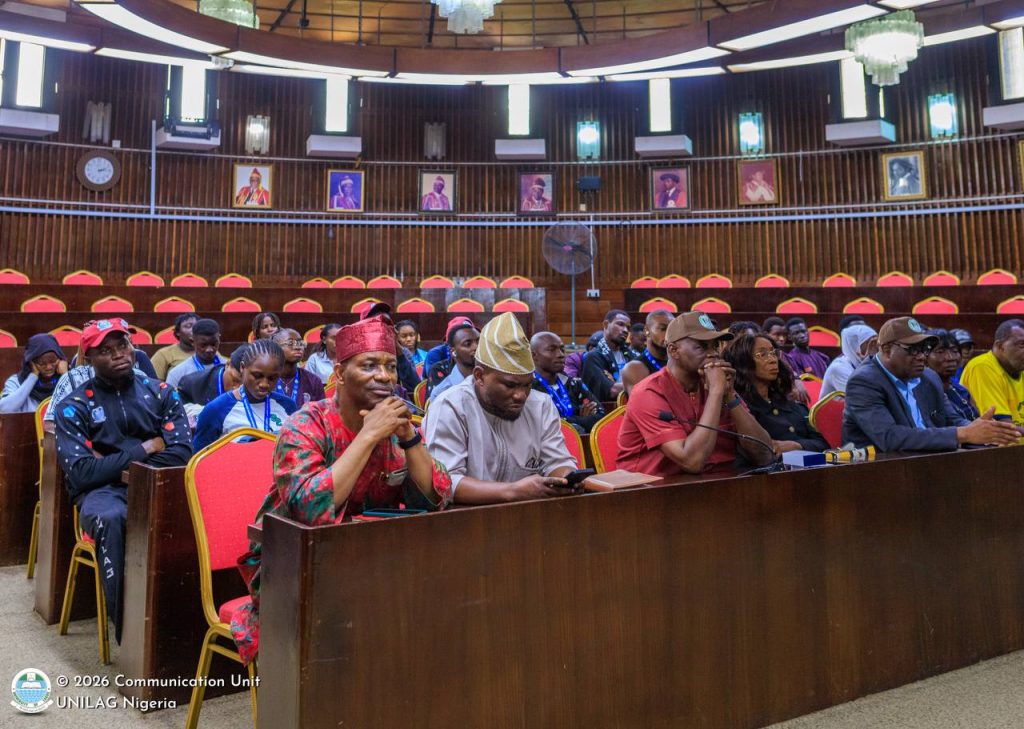
The student-athletes led by the Chairman of UNILAG Sports Council, Professor Alabi Sebili Soneye, accompanied by the Acting Director of Sports, Mr. Felix Akeju, were formally received at the Senate Chamber. During the session, the leadership presented a comprehensive report on UNILAG’s participation at the Games, which took place from November 6 to 16, 2025.
UNILAG’s Participation at NUGA 2025
According to Professor Soneye, UNILAG navigated a rigorous screening and accreditation process. Of the four hundred and forty (440) athletes initially registered, only two hundred and eighty nine (289) were cleared by the NUGA Technical Committee. Subsequent accreditation challenges further reduced the number to one hundred and sixty six (166), while just fifty three (53) athletes eventually qualified at the Zone A preliminary stage—underscoring the high competitive standards and procedural hurdles encountered.
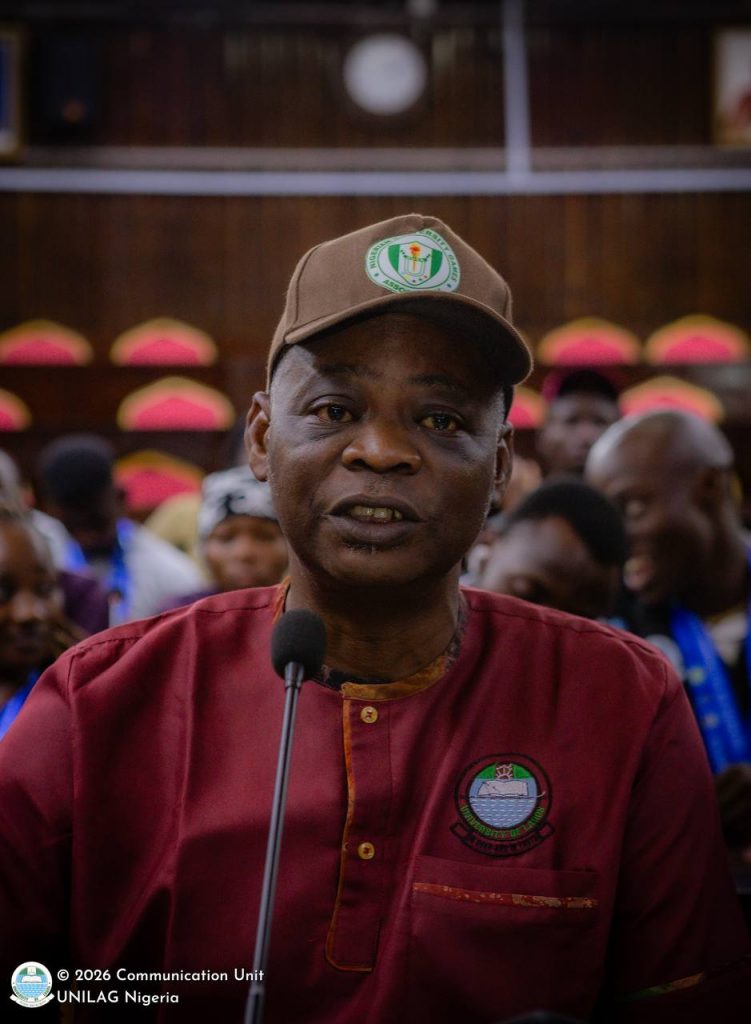
Despite these challenges, UNILAG fielded a determined contingent of fifty (50) athletes and twenty (20) officials, who undertook a 32- to 36-hour road journey to and from Jos. Their resilience, the leadership noted, exemplified the true spirit of sportsmanship and institutional pride.
NUGA 2025: The National Picture
At the conclusion of the Games, Benson Idahosa University (BIU) emerged as overall champions, topping the gold medals table with twenty five (25) gold, six (6) silver, and three (3) bronze medals. The ranking system prioritised gold medals over the total medal count.
The host institution, the University of Jos, finished second with eighteen (18) gold medals and an impressive fifty (50) medals overall, while the University of Benin placed third, securing fifteen (15) gold medals and thirty four (34) medals in total.
UNILAG’s athletes delivered a commendable performance, returning with twenty-two (22) medals across multiple sporting disciplines. Professor Soneye noted that the medal haul reflected the University’s strength in combat and individual sports, particularly taekwondo, boxing, and judo.
UNILAG Medal Breakdown
| S/N | SPORTS | MEDALS WON |
| 1 | Athletics | 1 Bronze |
| 2 | Badminton | 3 Bronze |
| 3 | Boxing | 1 Gold, 1 Silver, 2 Bronze |
| 4 | Women’s Football | 1 Silver |
| 5 | Judo | 1 Gold, 2 Bronze |
| 6 | Karate | 2 Bronze |
| 7 | Squash | 1 Silver |
| 8 | Taekwondo | 5 Silver, 2 Bronze |
Professor Soneye highlighted the depth of sporting talent within the University and reaffirmed UNILAG’s position as a consistent force in Nigerian university sports.
Challenges Identified, Solutions in View
In his presentation, Professor Soneye outlined several challenges that impacted the contingent’s experience, including:
- Accreditation and registration setbacks arising from inefficiencies in the web-based accreditation system, which sidelined some top-performing athletes despite full compliance during qualification stages.
- Accommodation constraints that affected pre-Games training arrangements.
- Persistent conflicts between training schedules and academic timetables.
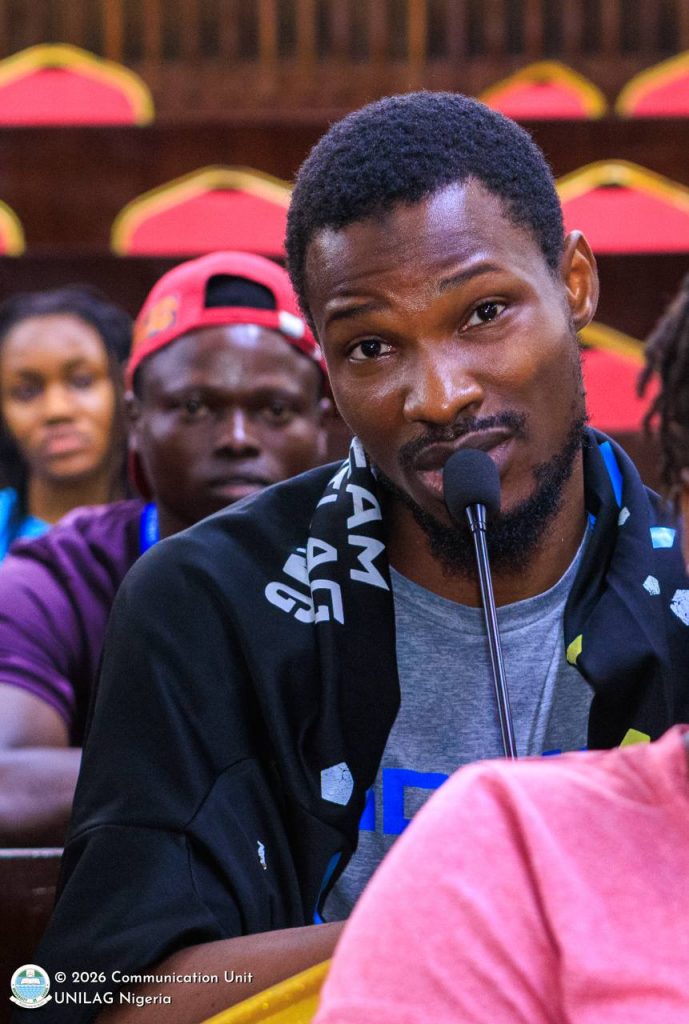
- Student-athletes also raised concerns about academic penalties resulting from training-related absences, calling for greater flexibility and institutional support from academic departments.
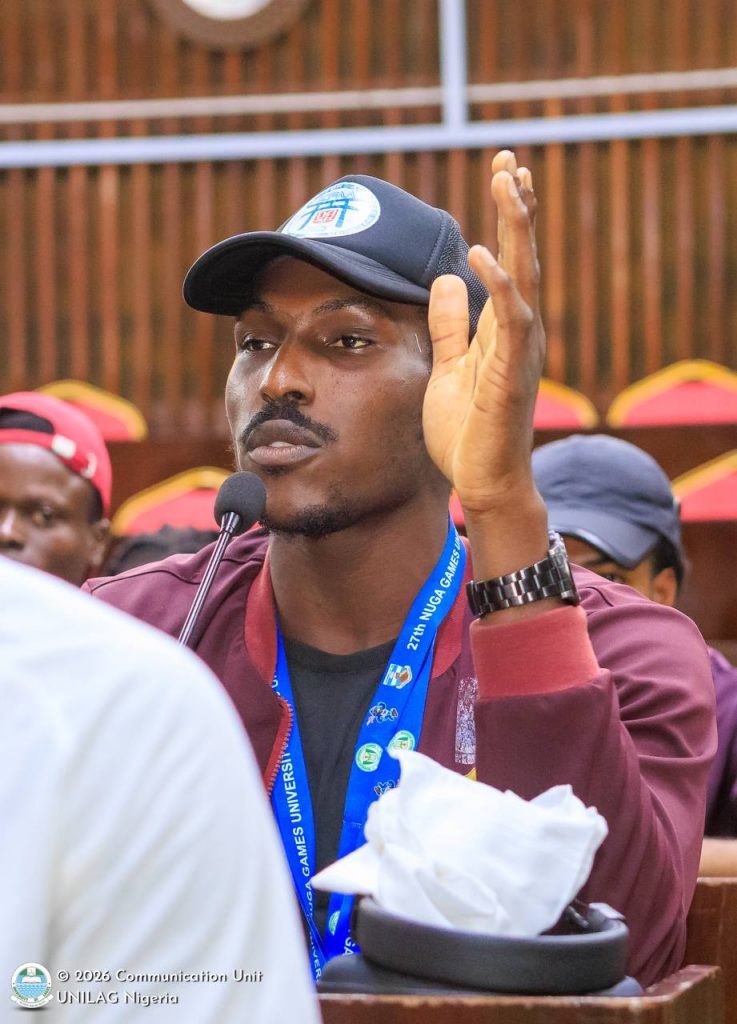
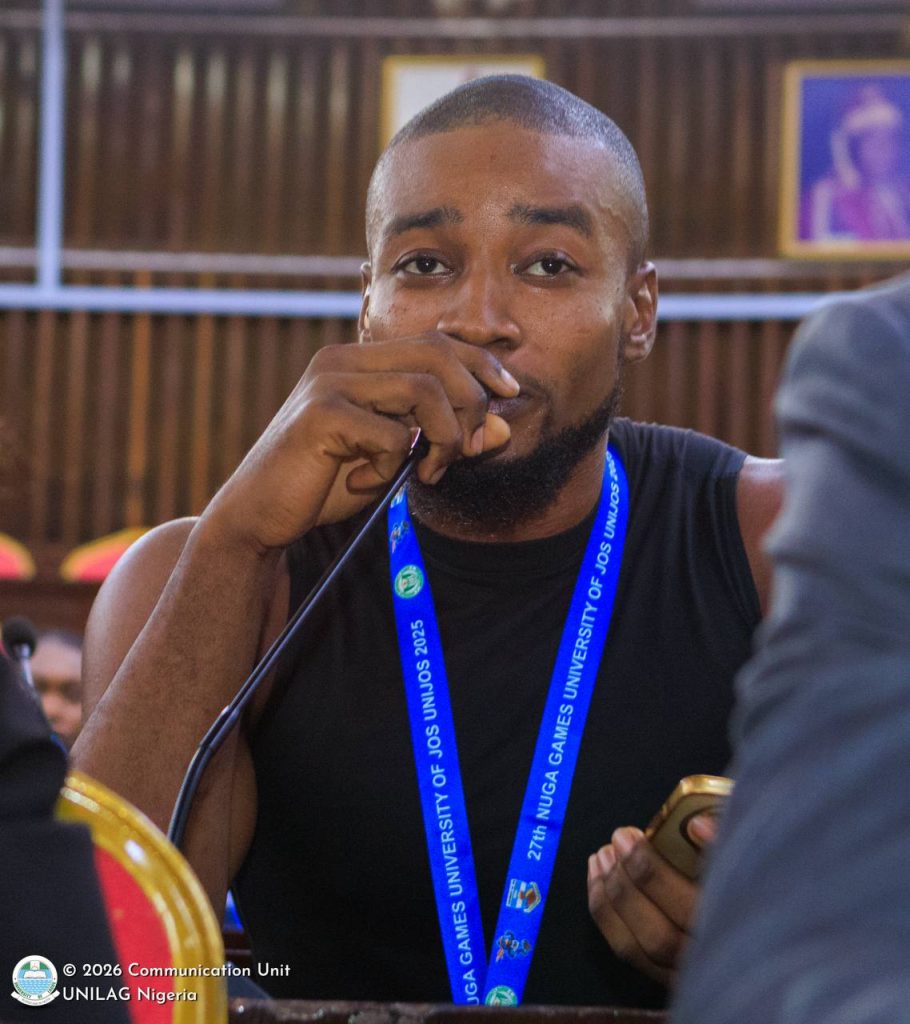
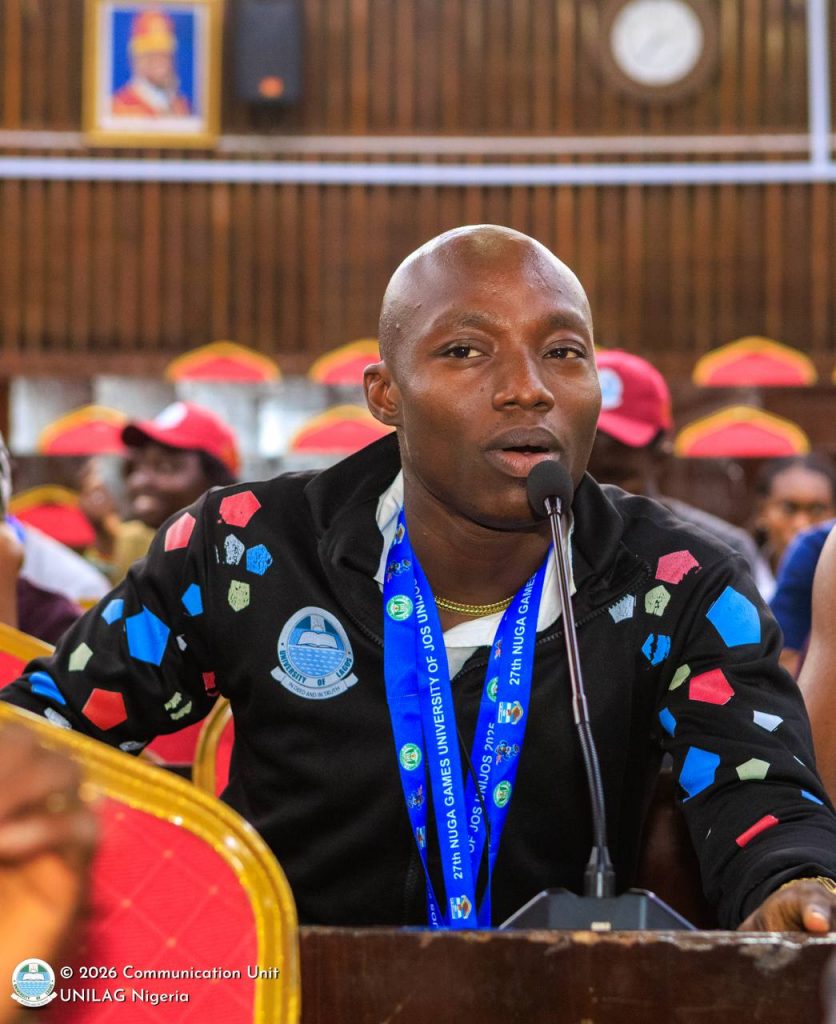
Leadership Response and Strategic Commitments
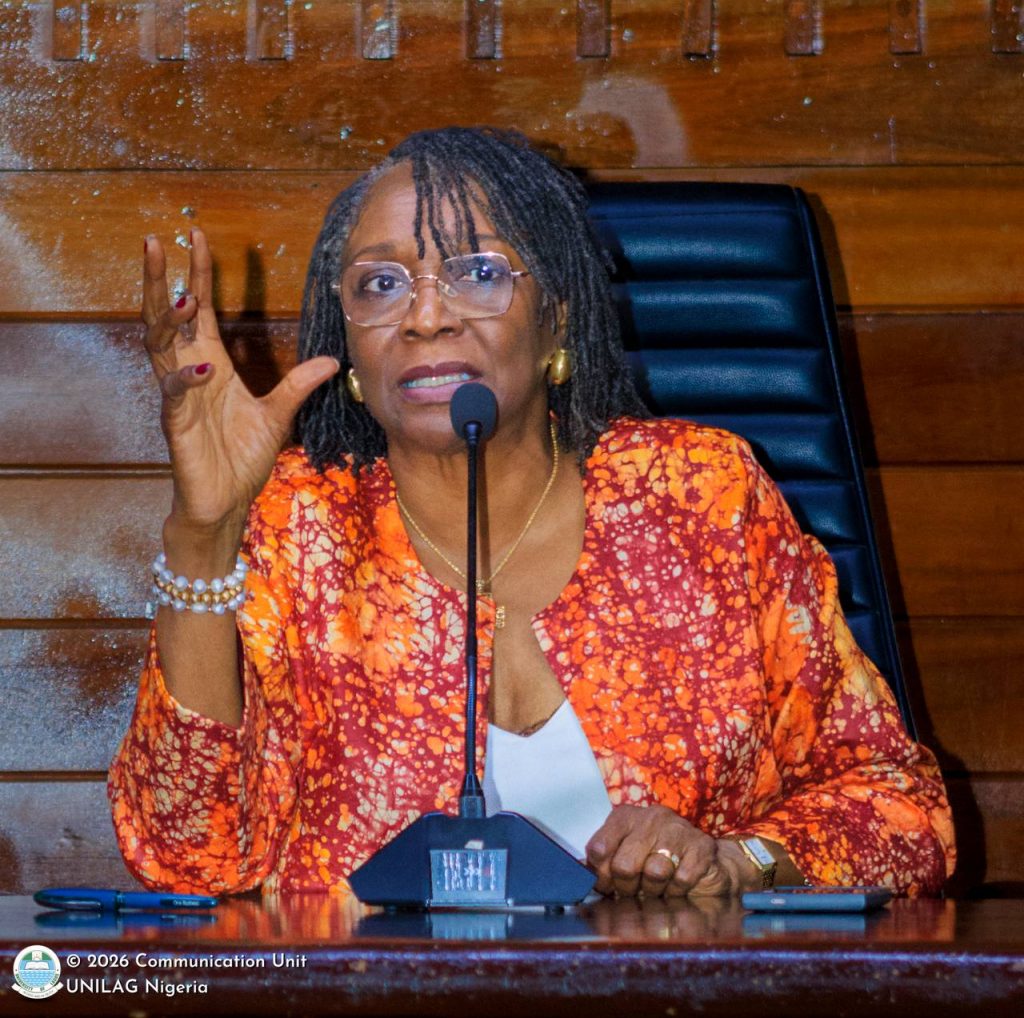
Responding to the concerns, Professor Ogunsola acknowledged the realities of rising accommodation costs and broader economic pressures affecting student housing around the University. While reiterating that UNILAG’s core mandate remains academic excellence, she disclosed plans for a dedicated student-athlete hostel, initially designed for 360 bed spaces but revised to 240 beds due to construction costs. The project is expected to be completed before the end of 2026, all things being equal.
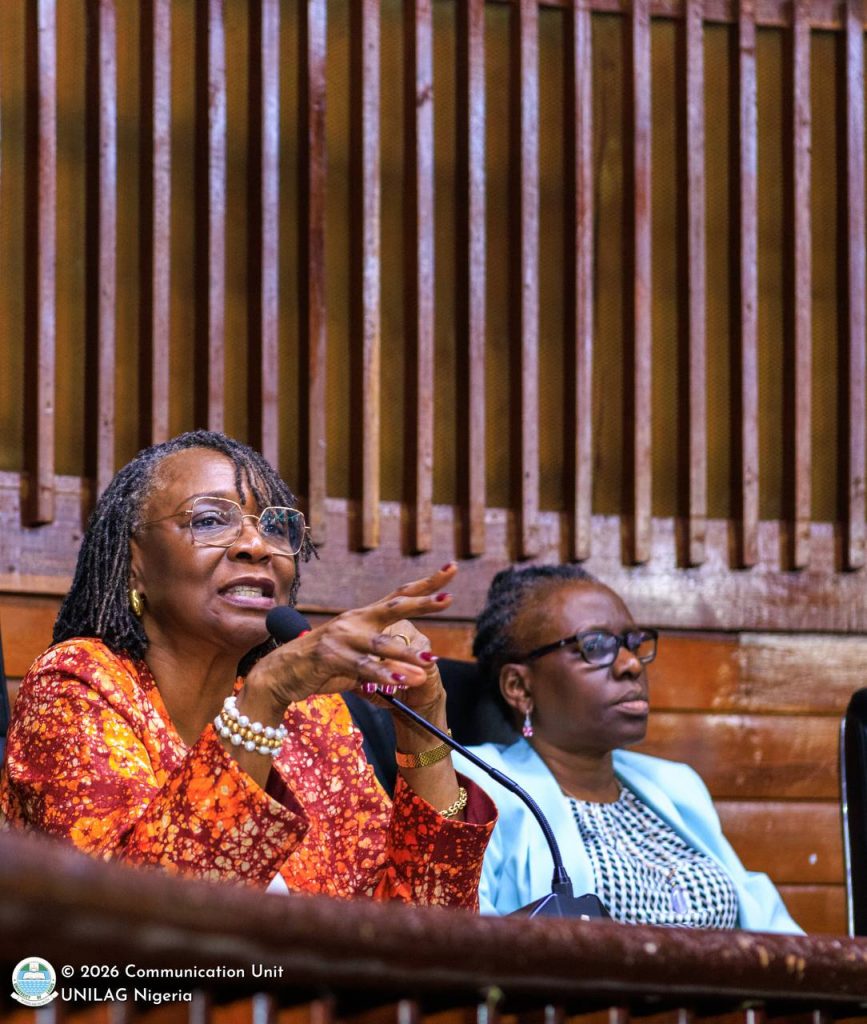
On access to sporting facilities, the Vice-Chancellor also responded positively to requests for improved use of the swimming pool and gymnasium, revealing that discussions are ongoing to establish a sustainable access model that balances commercial viability with athletes’ needs.
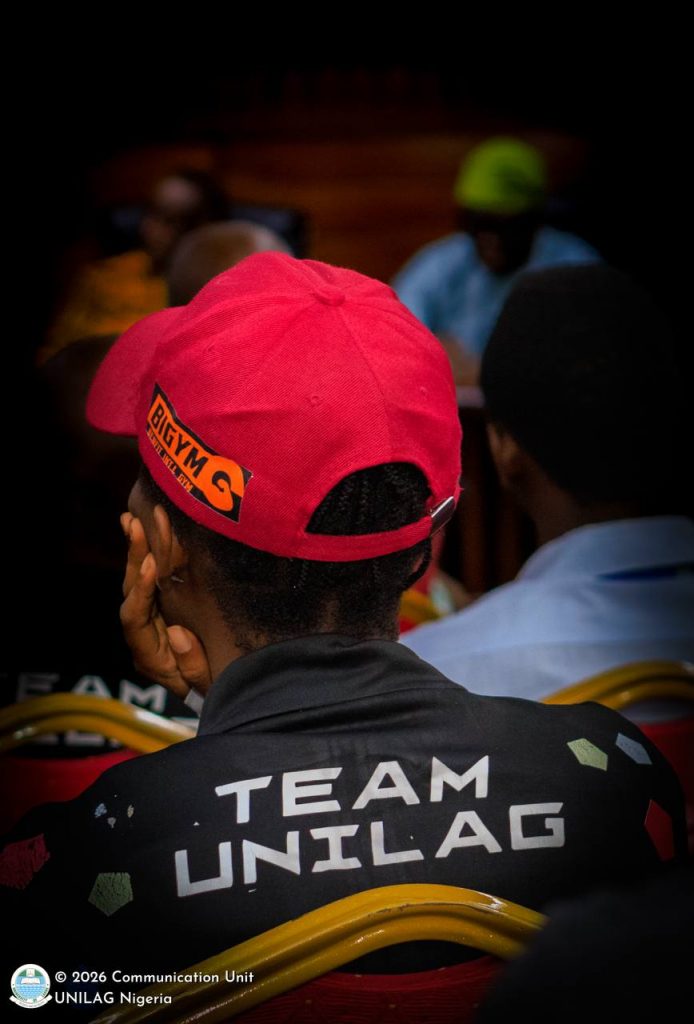
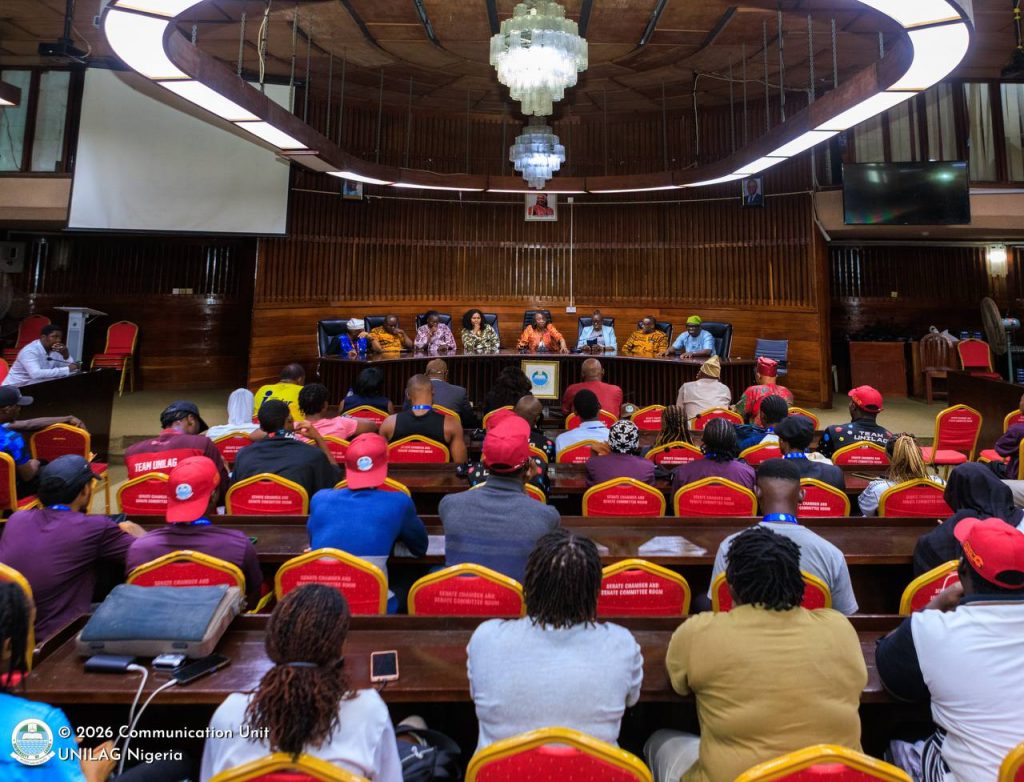
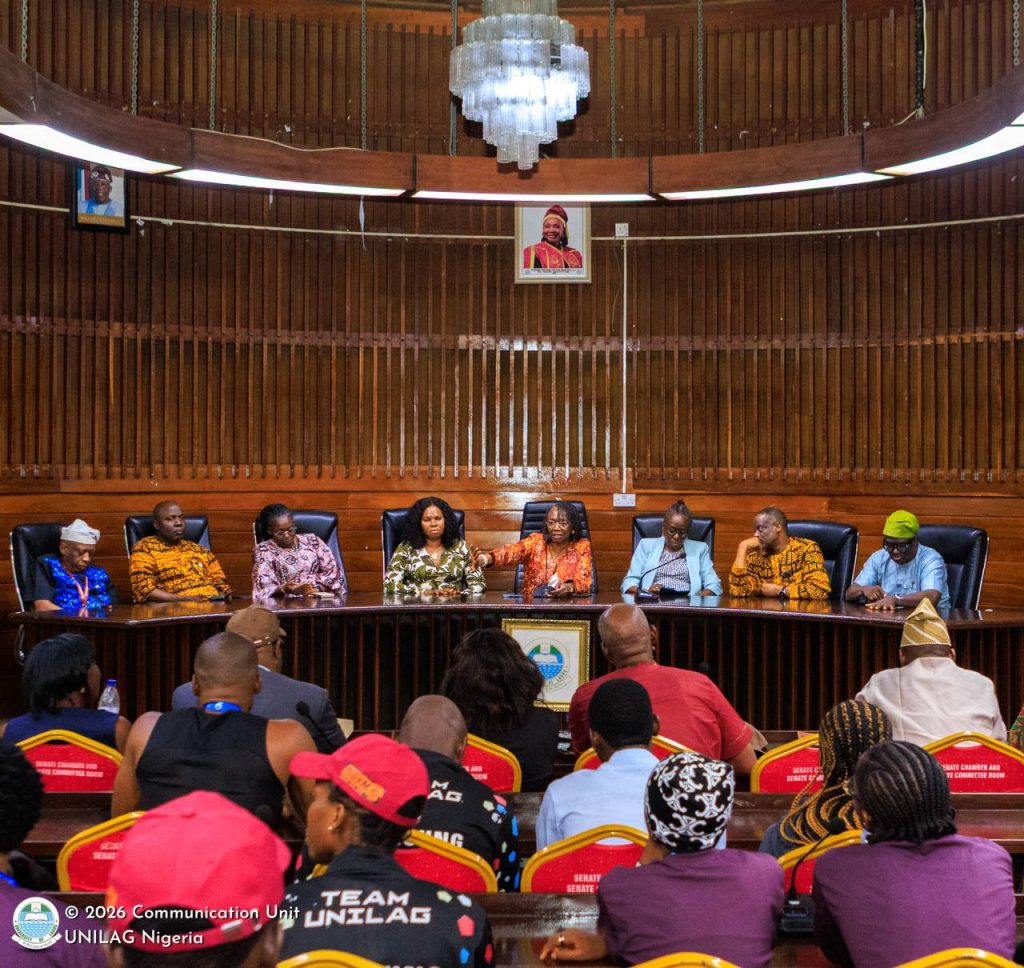
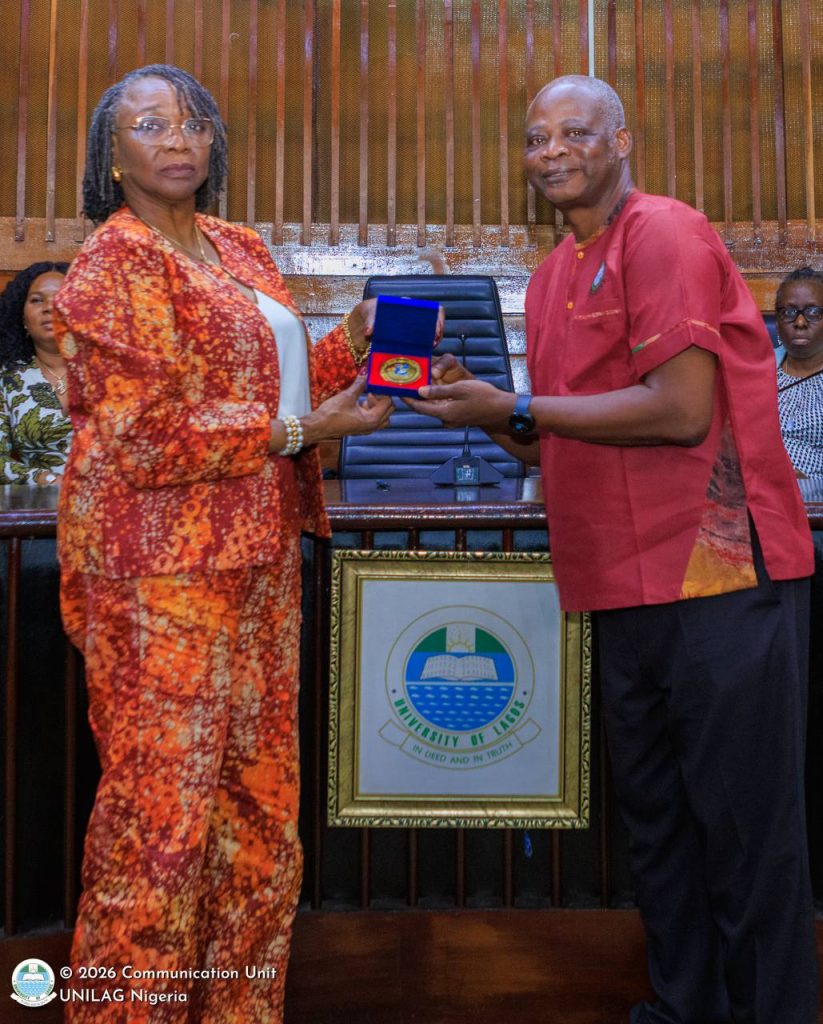
The session concluded on a celebratory note as Professor Ogunsola personally greeted each athlete and formally received the medals won by the contingent. Her warm engagement and reassurances left athletes and officials encouraged, energised, and optimistic about future competitions.
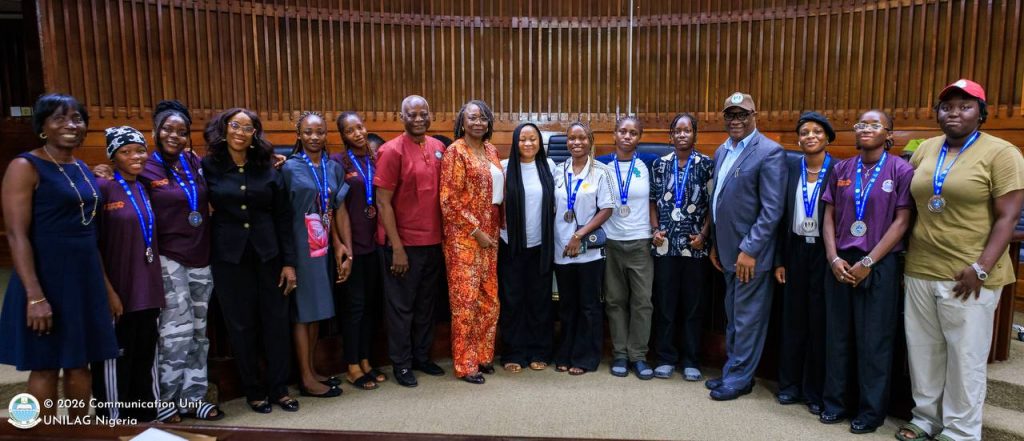
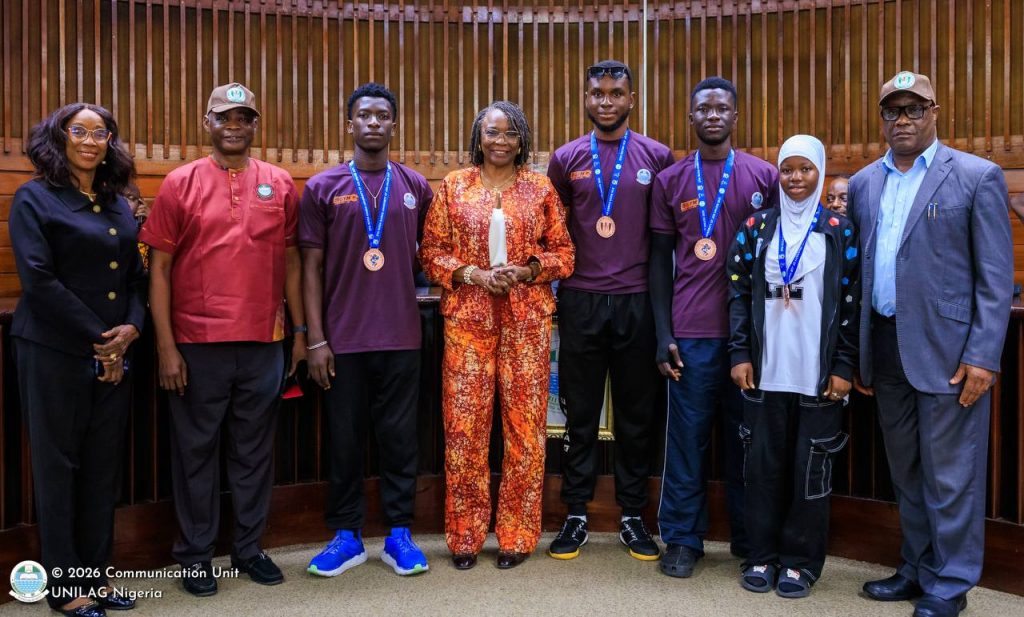
The 27th NUGA Games, hosted by the University of Jos from November 6 to 16, 2025, featured twenty two (22) sports and a total of two hundred and seven (207) medal events, reflecting the growing scale, competitiveness, and diversity of university sports in Nigeria.
The 28th NUGA Games are to be hosted by the University of Calabar in 2026, marking the return of the competition to the South-South zone after thirty-five (35) years.
Report: Bayo Salau
Photographs: Ayo Oloyede