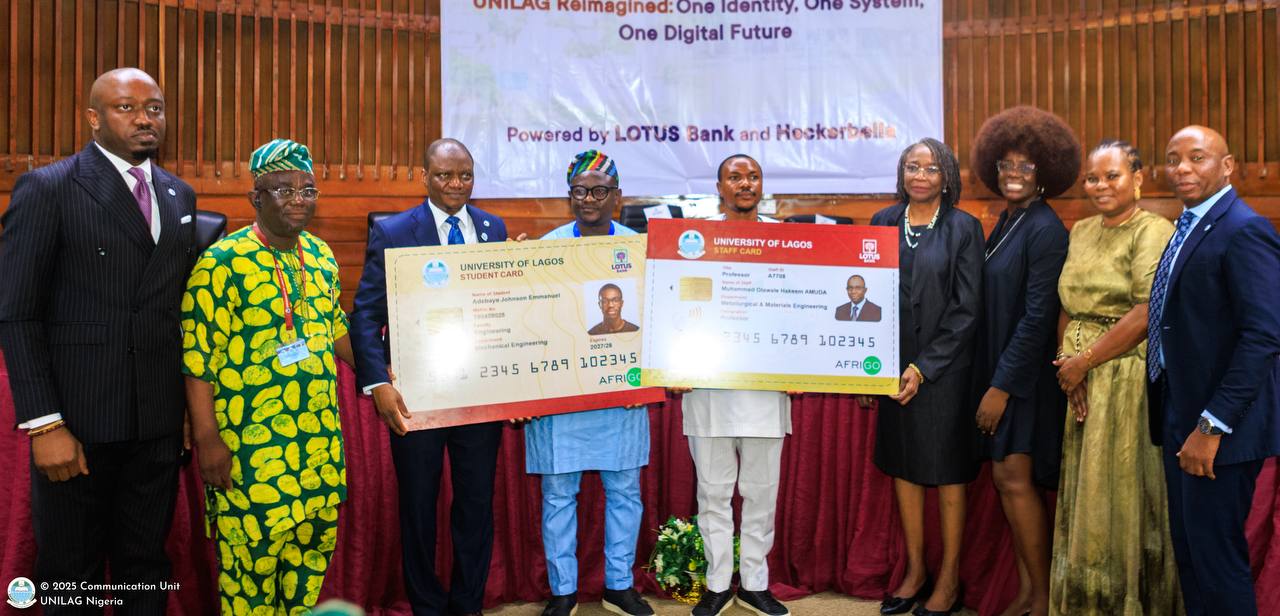

The imperative of solid Research Methodology for excellent research outcomes – and crucially, how Artificial Intelligence could be leveraged to achieve that – was the gist of a Masterclass hosted on Thursday, December 11, 2025, by the Nigeria Artificial Intelligence Research Lab (NAIL), University of Lagos.
The event underscored NAIL’s growing role in expanding the frontier of AI adoption within Nigerian tertiary education, equipping researchers with the foundational tools to navigate the modern, data-driven academic landscape.
Setting the Stage for Research Excellence
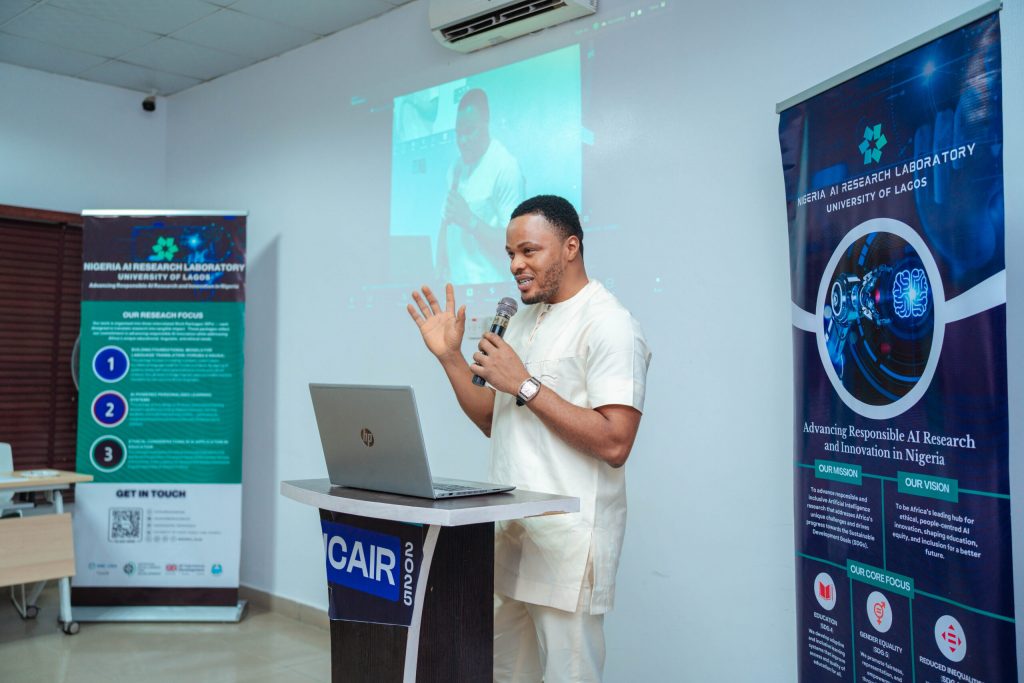
The deep-dive session was officially launched by Dr. Oladipupo Sennaike, the Principal Investigator of NAIL,UNILAG, a two-year project jointly funded by the International Development Research Centre (IDRC-CIRD) and UK International Development (UKID).
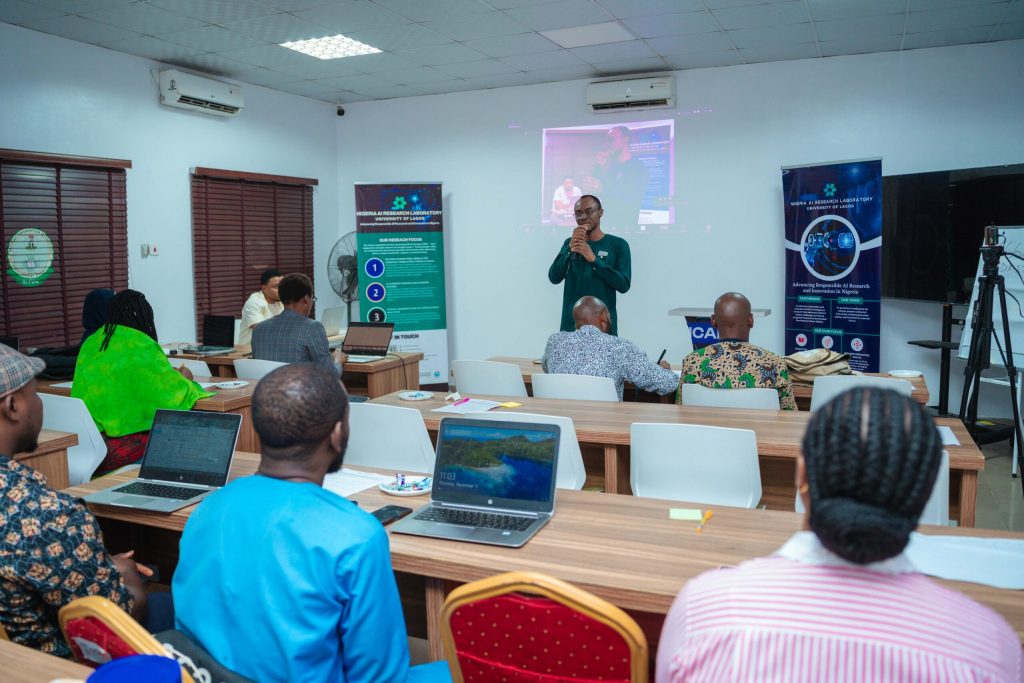
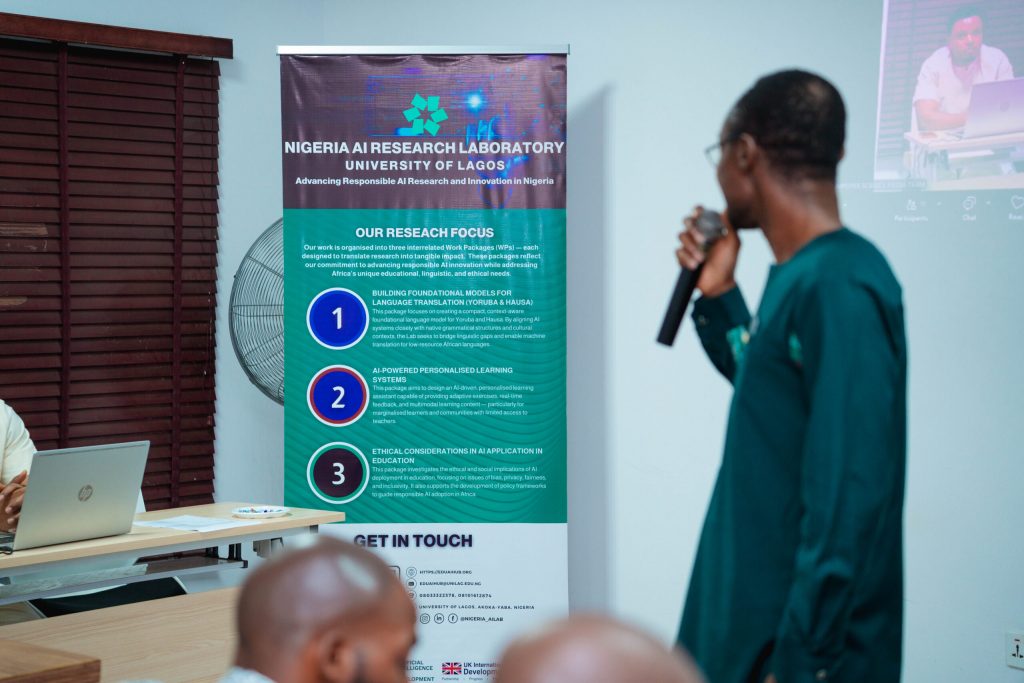
In his brief address. Dr. Sennaike ran the audience through the activities of NAIL-UNILAG and its three working groups. He emphasised the critical institutional role of the Lab in ensuring that Nigerian research meets global standards, particularly as AI becomes central to scientific inquiry.

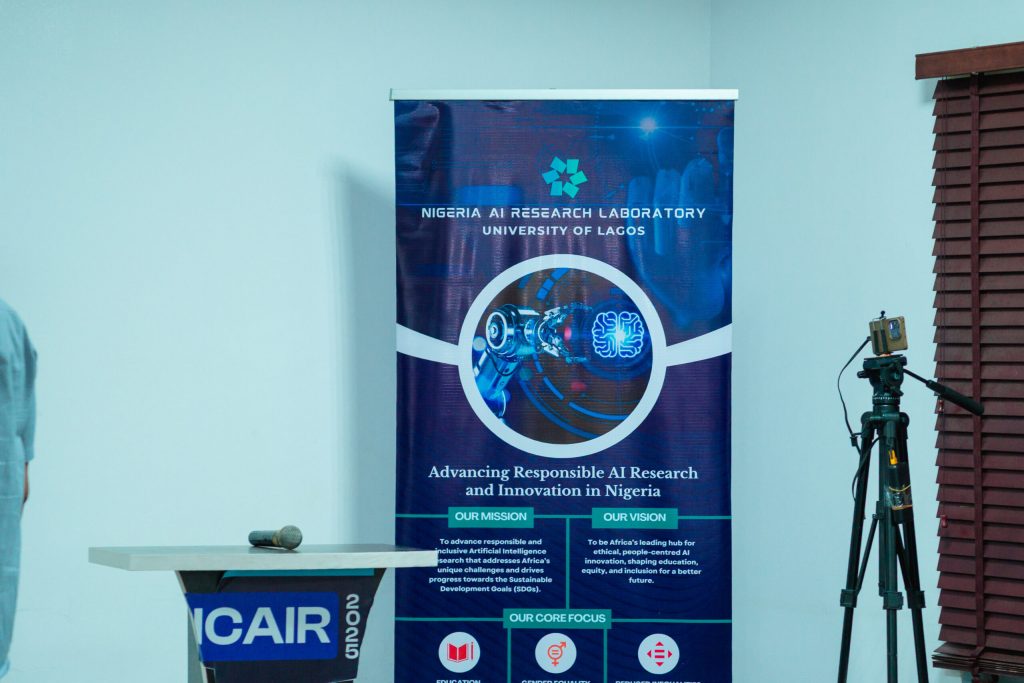

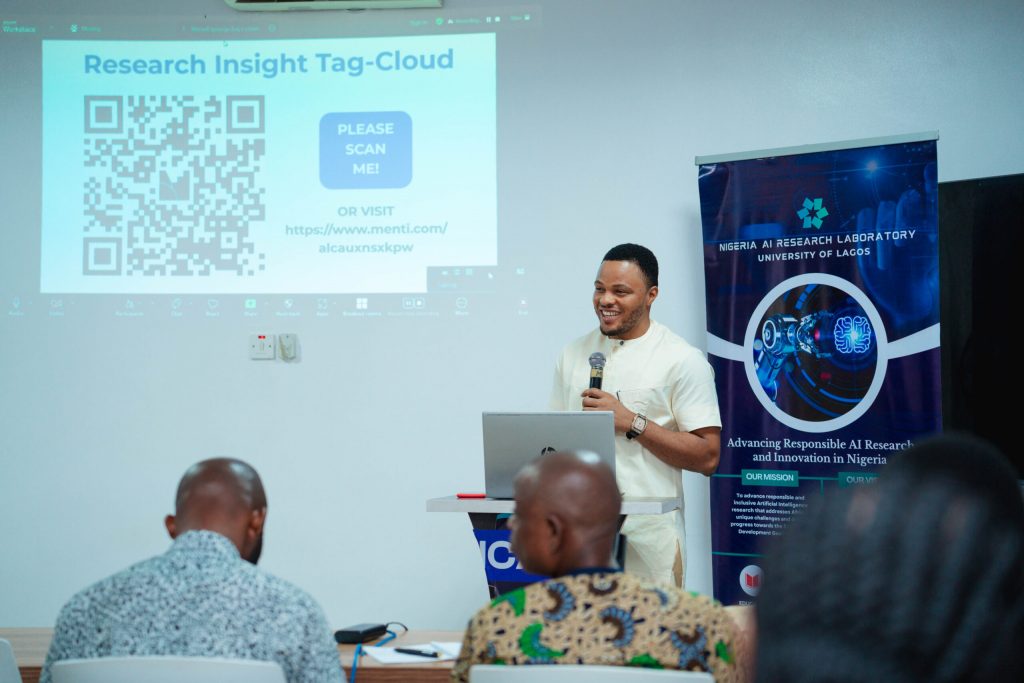
What followed his remarks was a lively 15-minute icebreaker, which allowed participants to introduce themselves and network. A significant part of that was the “Research Insight Tag-Cloud”, a rapid-fire, 10-minute discussion moderated by Maxwell Igweogu, a PhD student of the Department of Computer Science. That session effectively generated a collective visualisation of the knowledge levels of participants on the subject of Research Methodology and provided the facilitator a working knowledge of the training terrain.

Mastering Methodology in the Age of AI
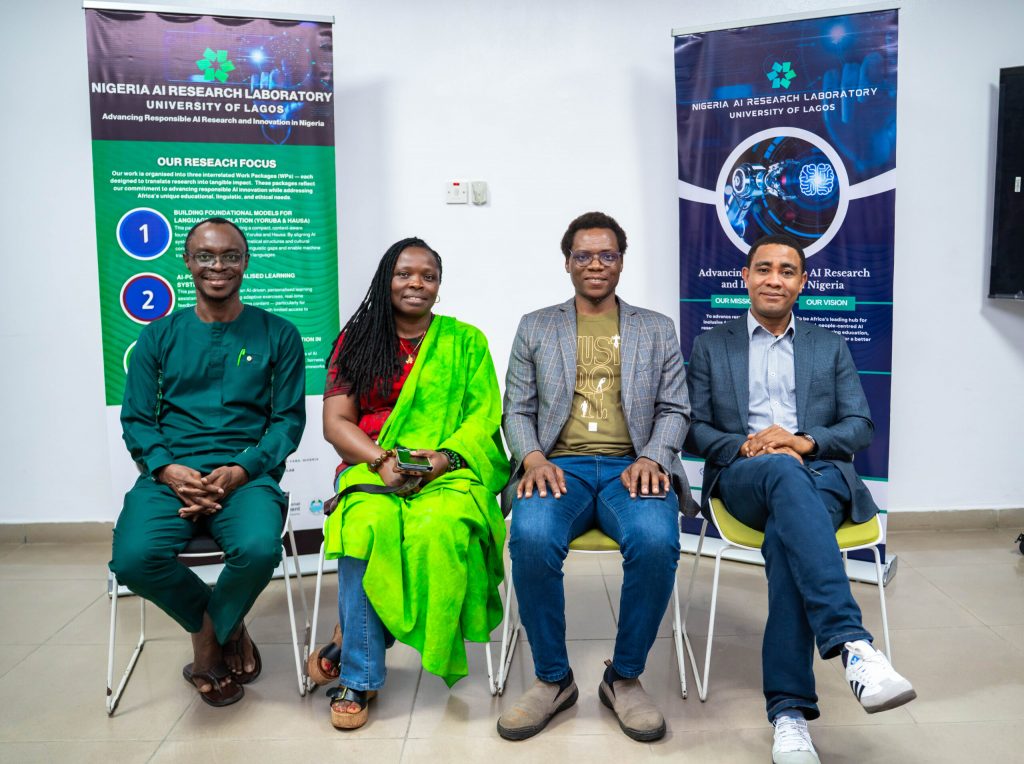
Professor Michael Kunnuji, immediate past Head of the Department of Sociology, UNILAG and a renowned expert in Public Health and Population Studies facilitated the intensive learning of the day.
Delivered over two sessions, the intensive and engaging presentations by Professor Kunnuji took off from the point of paradigms, which he described as “the fundamental framework,the foundational worldview that informs and guides research.”
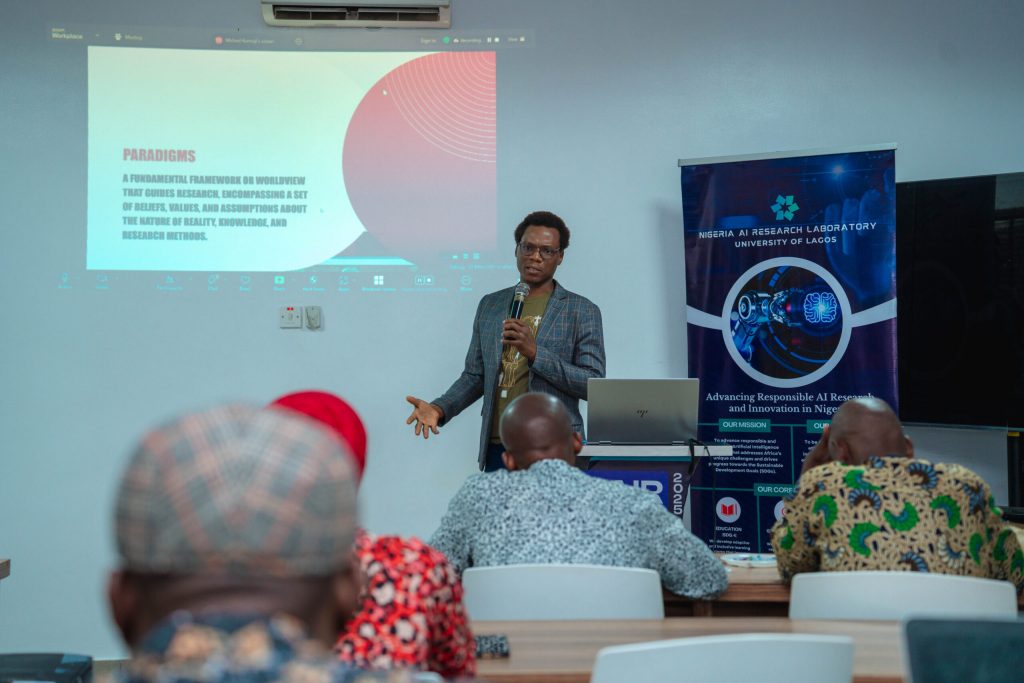

“They are an encompassing set of assumptions, beliefs and values about the nature of reality, knowledge, and research as an enterprise. The way researchers see the world and what they hope to study varies – and that perception shapes how they approach research.”
Philosophical Domains of Paradigms
He identified four domains of Philosophy from which the paradigms that influence research orientation flow: Ontology, Epistemology, Axiology, and Methodology.
“These philosophical domains birth research paradigms”, he said.


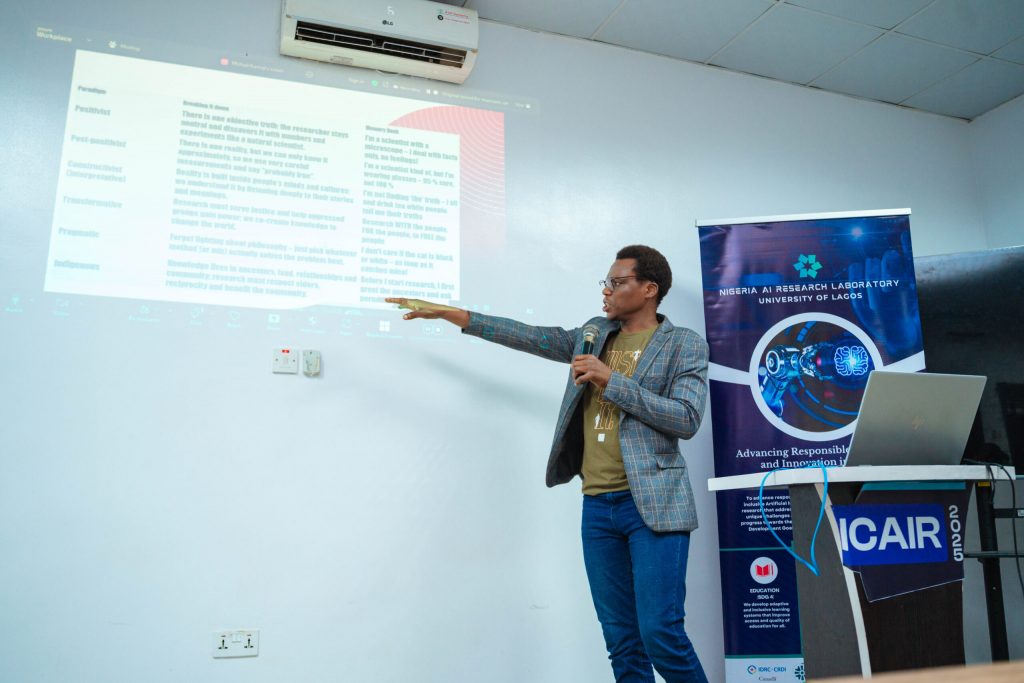
By taking his time to explain each paradigm according to the philosophical domains from which they flow, he touched on the multifaceted nature of research.
In particular, he mentioned the “Indigenous Paradigm”, which recognises other knowledge systems apart from the dominant Euro-American tradition and calls for the decolonisation of knowledge creation, application, and dissemination.
How to Determine a Study’s Methodology
Prof. Kunnuji, thereafter, ran participants through the steps and parameters by which the appropriate methodology for a study can be arrived at: Aim of the study, Nature of the phenomenon being studied, Philosophical paradigm, Available literature, Measurability, etc.

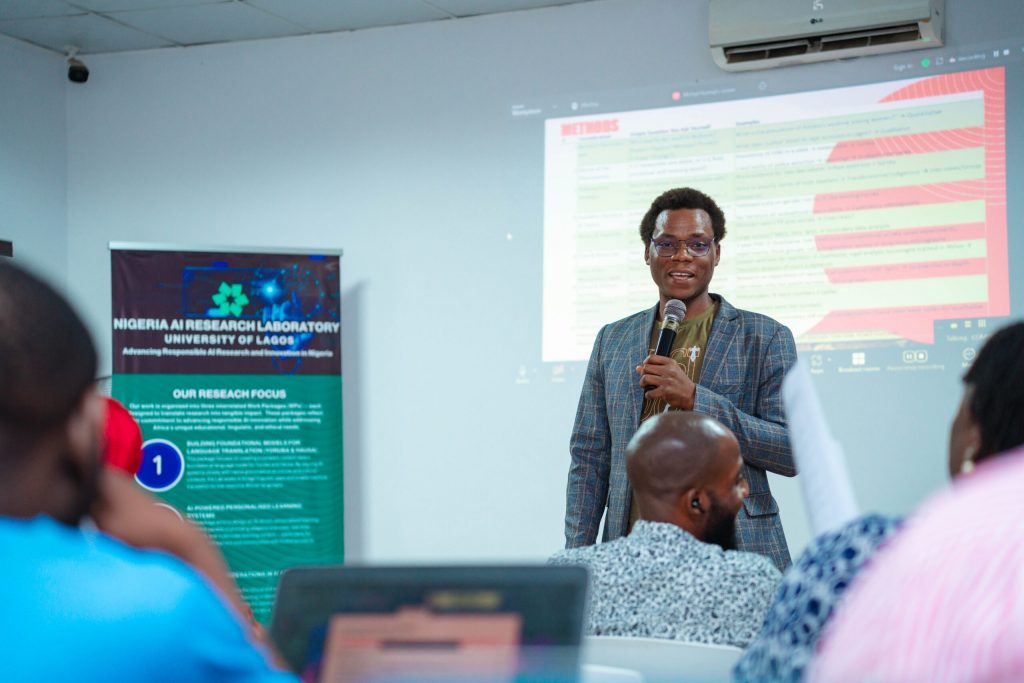

“Before you embark on your research work, ask yourself, “What is my paradigm?” You have to know yourself and be true to it. Create a chart with which you can ask these questions in an iterative manner. That will help you land on the best methodology for your work.”
“A good researcher is a reflective person. He is thinking through the process. You can’t do research in an absent-minded way.”
Ethics in Research
Professor Michael Kunnuji then veered into the definitive issue of research ethics, how it flows from the paradigms earlier discussed, and how it determines the propriety or otherwise of a research project.
“The number one rule of ethics in research is Do no harm” , he said with authority. “As a researcher, it’s your responsibility to protect your research subject and participants from harm.”


He expounded on principles of ethics such as Autonomy, Beneficience, Non-Malfeasance,and Justice and how every research work, worth its name, must tick each of its boxes.
“It’s trite that as a researcher you must get ethical clearance before you distribute even one questionnaire. Ask yourself what benefit your intended research brings to society. What problem, that will be of immediate interest to someone who is not in your field, is your research out to solve? Your Problem Statement should immediately indicate that your research is aimed at finding a solution to what is part of a bigger problem”, he said.
He took participants through the “Research Process”, emphasising points such as the cyclical, non-linear nature of research and the imperative of Journaling (Reflection & Note Taking) for the researcher, if he wants to have a fruitful research journey.
AI: Leveraging the Technology of the Times
Professor Kunnuji ultimately landed on the trending topic of Artificial Intelligence and how the technology is increasingly having definitive impacts on entire industries and job roles, including Academia and Research.
Highlighting areas where AI tools could provide the most immediate leverage for efficiency and quality research output, he declared that AI is not a phenomenon to be ignored or antagonistic towards.

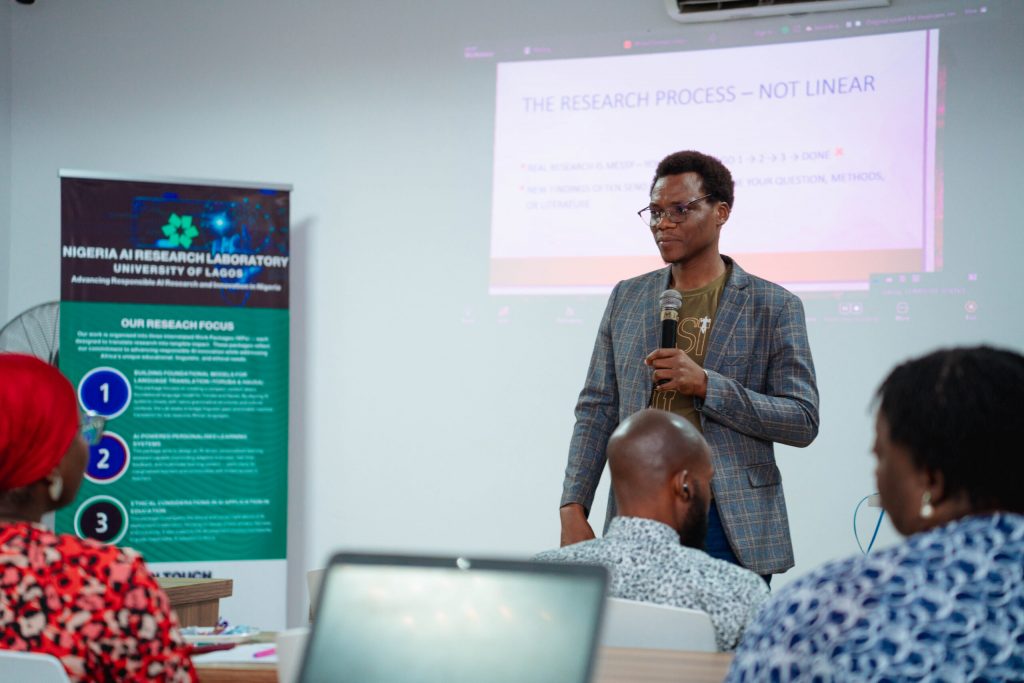

“AI has come to stay and it is only smart of any modern-day researcher to embrace it wholeheartedly. Ride the wave and let it bring out the best in you.”
He got down to the particulars of AI tools that could be leveraged for different aspects of the research process, wondering aloud , in a mixture of humour and regret, why such technology did not exist when he was a student – and he had to do the most laborious things manually.
“If you are looking for AI tools that can help you with Literature Review, your go-to-place is Elicit. Use Elicit if your aim is to synthesise the literature and get an AI-generated summary or report for a specific question.”
He mentioned other tools like Research Rabbit and LitMaps, which could also help with Literature Review and, in addition, help the researcher visualise the current state of knowledge in his area of research interest.



TurboScribe and Otter were some of the audio-to-text tools he mentioned for note taking while Zotero ranked highly on his recommendation for reference list generation.
Professor Kunnuji sounded a note of warning, however. He emphasised that, as good a leverage as AI is, it should never be a replacement for human mental exertion.
“It is dangerous not to read; to allow AI to do all the work for you! Reading is the way by which you immerse yourself in the data of the field you are researching and will be able to defend it robustly.”
He warned academics and young researchers not to “outsource your thinking to AI”, adding that “if you don’t want to lose a skill, don’t outsource it to AI.”

Worth its Weight
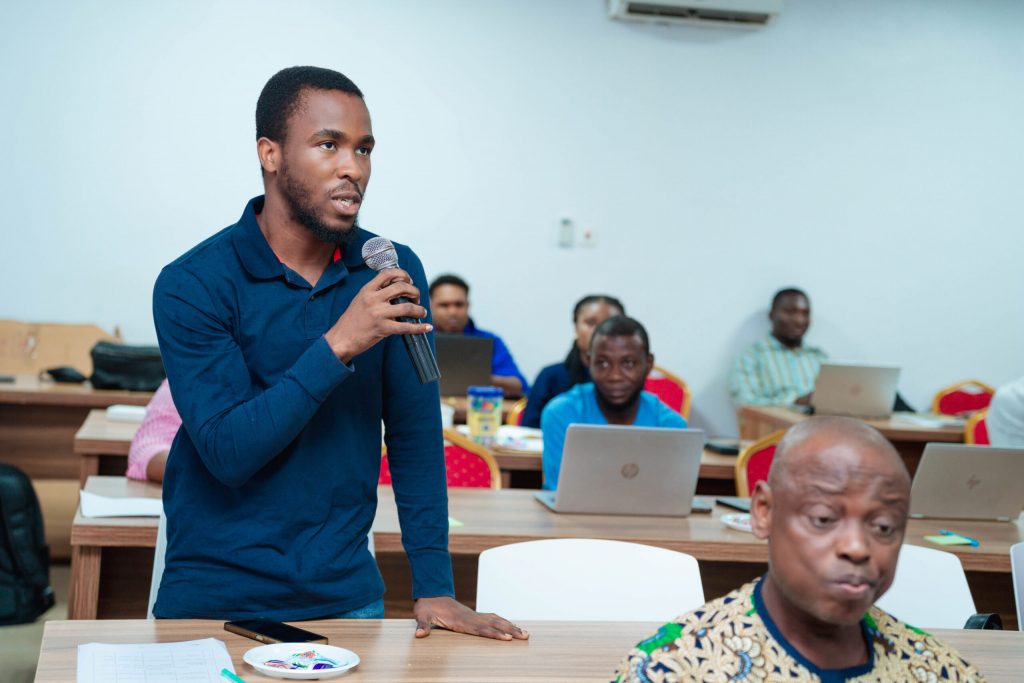
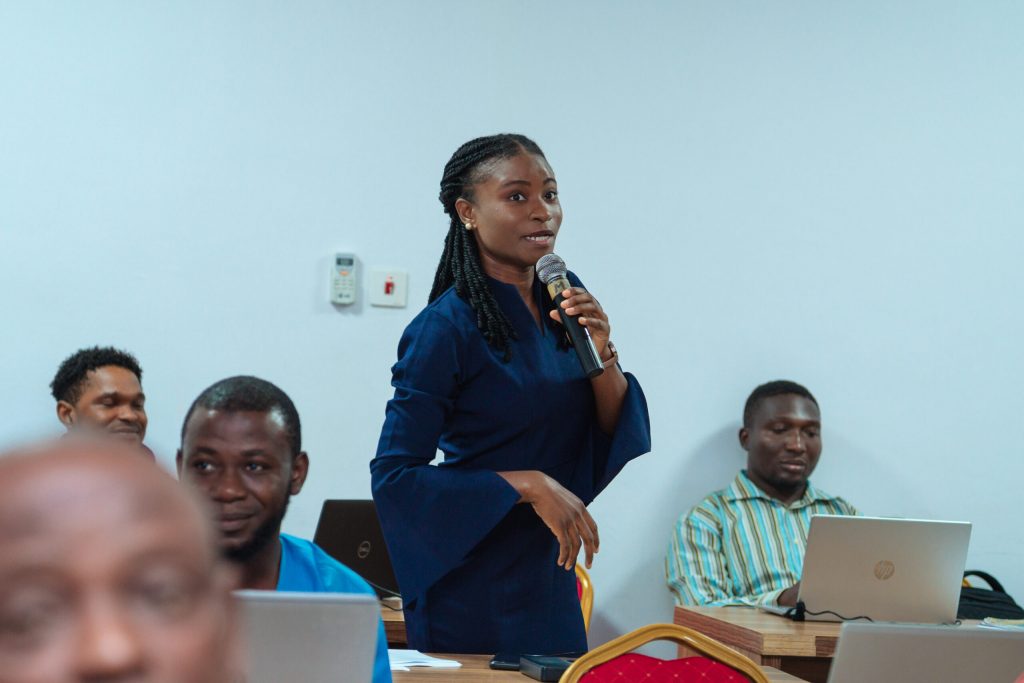
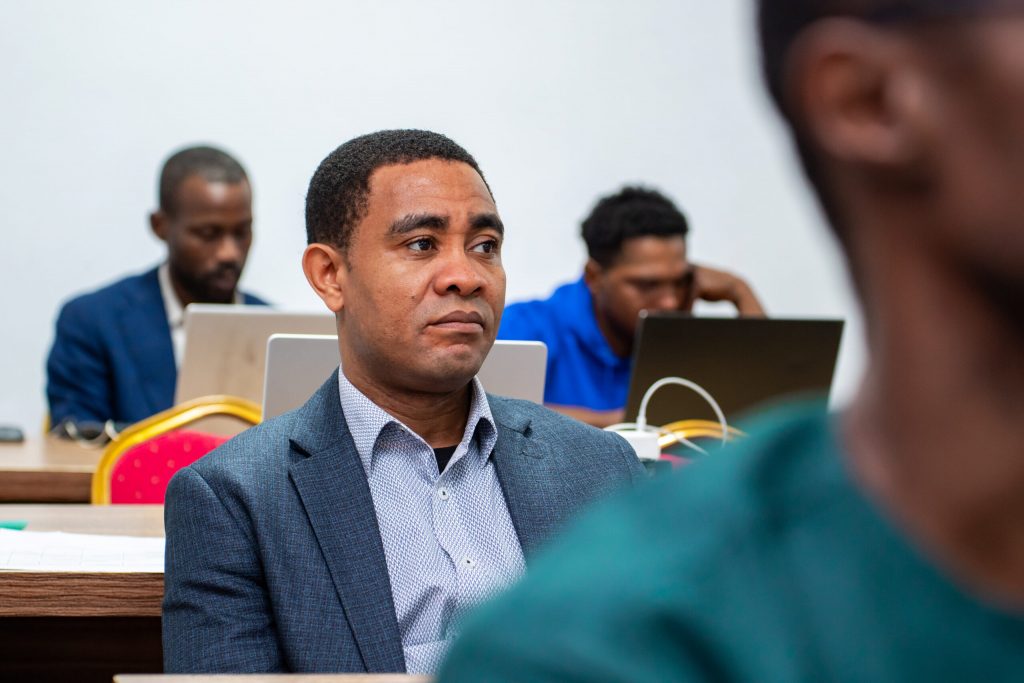
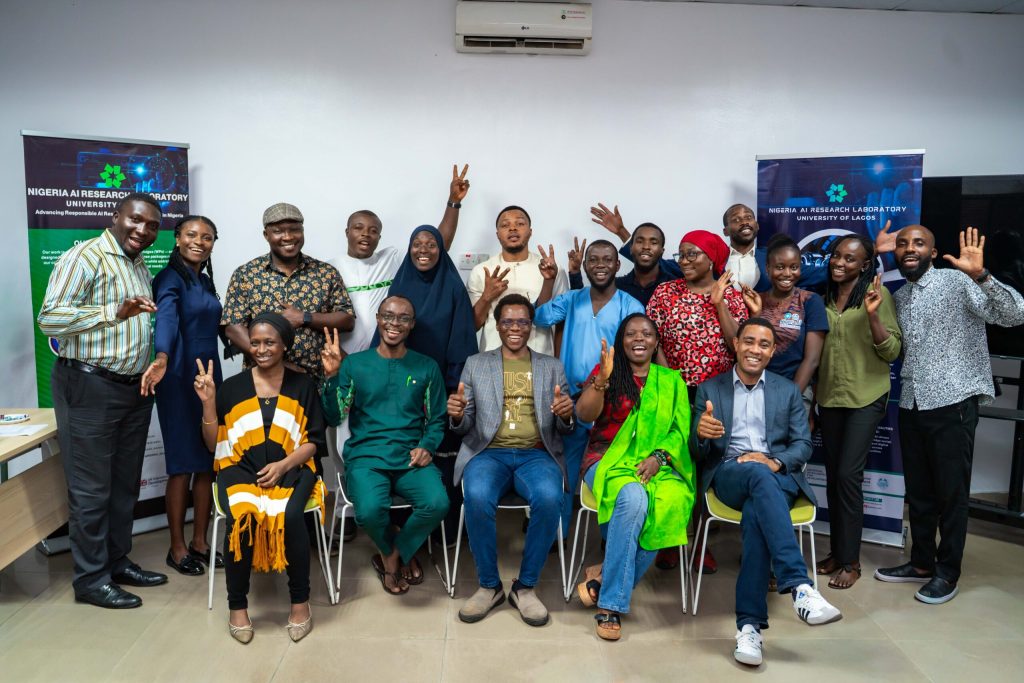
With a Question-and-Answer session that guided the Masterclass to its conclusion, participants expressed their appreciation to the facilitator, Professor Michael Kunnuji, for his masterly delivery and to the Nigeria AI Research Laboratory, UNILAG for expertly organising the training.
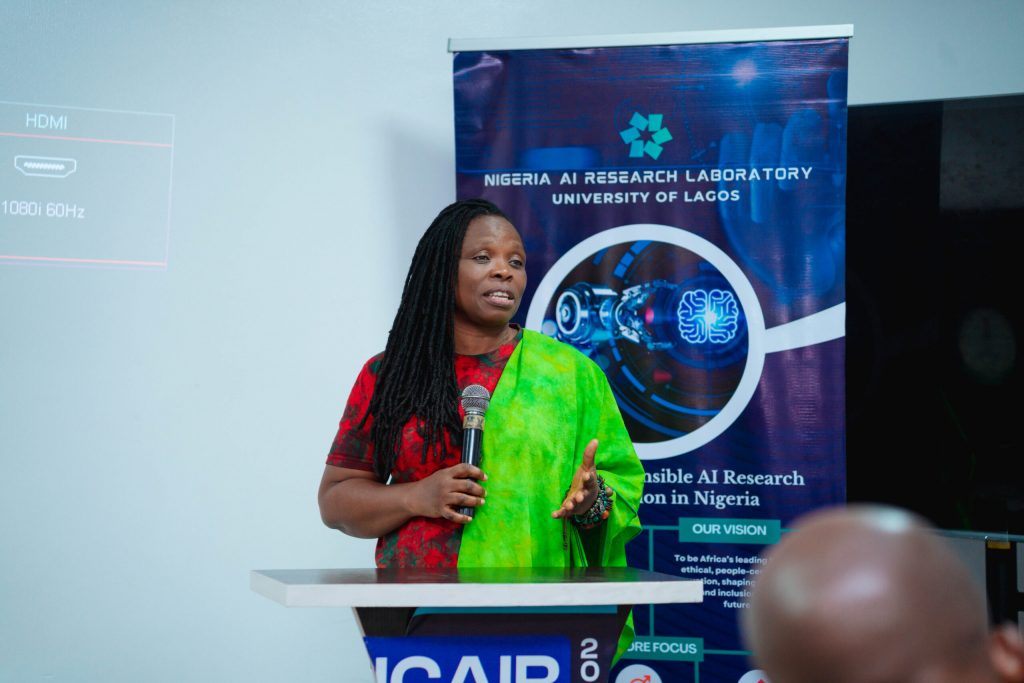
Dr. Kemi Omotubora, an expert in AI Ethics and a Working Group Lead on the NAIL project, delivered the Vote of Thanks.

The Masterclass was another testament to UNILAG’s leadership position in driving the standards of AI-related academic research, providing the critical knowledge transfer necessary for embedding cutting-edge methodologies across the Nigerian tertiary education landscape.






Report: Isaiah Kumuyi
Photography: Samuel Bassey (NitHub Media)